
-
-
 Cardiology
-
 Clinical Oncology
-
 Dental
-
 Dermatology
-
 Ear, Nose, Throat (ENT)
-
 Endocrinology
-
 Gastroenterology
-
 General Surgery
-
 Gynecology & Obstetrics
-
 Interventional Cardiology
-
 Nephrology
-
 Neurology
-
 Oncology Surgery
-
 Ophthalmology
-
 Orthopedics
-
 Pediatrics
-
 Pediatrics Surgery
-
 Physiotherapy
-
 Plastic Surgery
-
 Psychiatry & Psychology
-
 Radiology
-
 Urology
-
 Vascular Surgery
-

 Anatomy Lab Equipments
 Biochemistry Lab Equipments
 Biology Lab Equipments
 Chemistry Lab Equipments
 Cytology Lab Equipments
 Cytopathology Lab Equipments
 Dental Lab Equipments
 Forensic Lab Equipments
 Genetics Lab Equipments
 Hematology Lab Equipments
 Histology Lab Equipments
 Histopathology Lab Equipments
 Mathematics Lab Equipments
 Microbiology Lab Equipments
 Molecular Biology Lab Equipments
 Pathology Lab Equipments
 Pharmaceutical Lab Equipments
 Physics Lab Equipments
 Radiology Lab Equipments
 Science Lab Kit’s
 Toxicology Lab Equipments

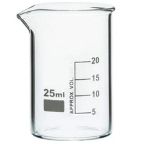 Borosilicate Glass Beaker
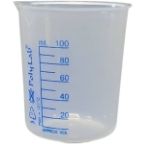 Plastic Beaker (Euro Design)
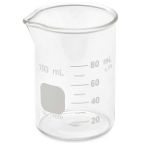 Plastic Beaker (Printed Graduation)
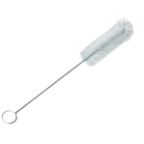 Test Tube Brush
 Measuring Cylinder Brush
 Conical Flask Brush
 Volumetric Flask Brush
 Round Bottom Flask Brush
 Glass Beaker Brush
 Pipette Brush
 Wash Bottle Brush
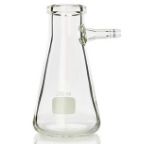 Borosilicate Büchner Flask
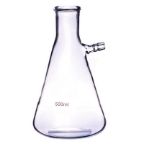 Borosilicate Erlenmeyer/Conical Flask
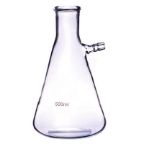 Borosilicate Pear-Shaped Flask
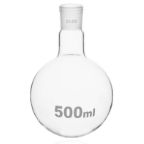 Borosilicate Round Bottom Flask
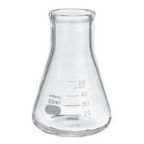 Plastic Conical Flask
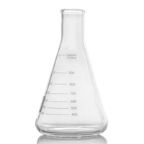 Plastic Volumetric Flask
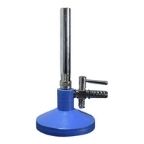 Bunsen Burner
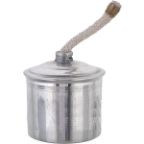 Spirit Lamp
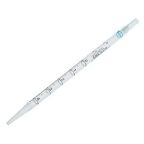 Borosilicate Glass Burette
 Plastic Burette
 Capillary Tube
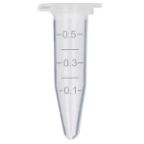 Centrifuge Tube
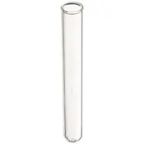 Test Tube
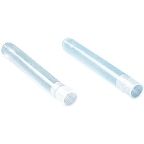 Ria Vial
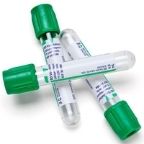 Vacutainer Tubes
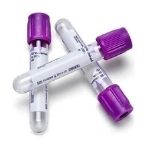 Syringes
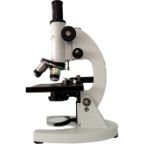 Student Microscope
 Binocular Microscope
 Dissecting Microscope
 Microscope Glass Slides
 Cover Slip
 Inoculating Loop
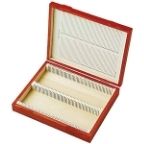 Slide Box
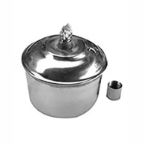 Lamps
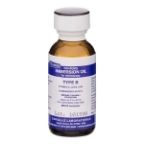 Oils
 Beaker Tongs
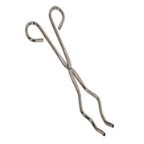 Crucible Tongs
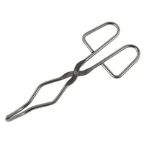 Flask Tongs
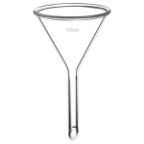 Borosilicate Glass Funnel
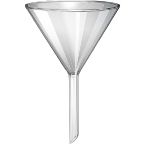 Plastic Funnels
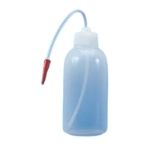 Wash Bottle
 Borosilicate Glass Reagent Bottle
 Plastic Reagent Bottle
 Borosilicate Measuring Cylinder
 Plastic Measuring Cylinder
 Borosilicate Glass Graduated Pipette
 Borosilicate Glass Volumetric Pipette
 HB Pipette
 Pasteur Pipette
 Micropipettes
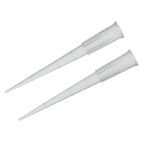 Micropipette Tips
 Filter Paper
 Litmus Paper
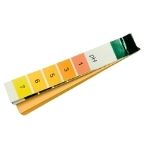 pH Paper
 Chromatography Paper
 Plastic Petri Plates (Sterile)
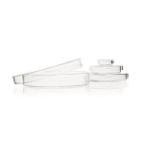 Glass Petri Plates (Non-Sterile)
 Safety Goggles
 Lab Coats
 Gloves
 Masks
 Shoe Covers
 Hair & Beard Covers
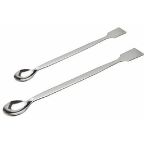 Steel Spatula
 Plastic Spatula
 Hitachi Sample Cup
 Plastic Scoop
 Plastic Medicine Cup
 Dissecting Tool Kit
 Dissecting Forceps
 Hemostatic Forceps
 Thumb Forceps / Tweezers
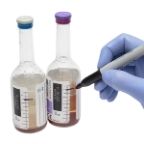 Blood Culture Bottle
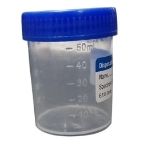 Urine Container
 Wooden Swab Stick
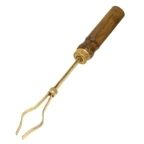 Test Tube Holder
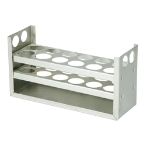 Test Tube Racks
 Magnifying Glass
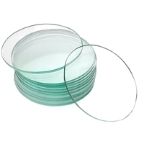 Watch Glass
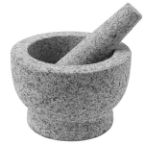 Mortar and Pestle
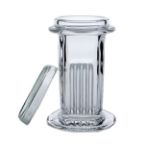 Coplin Jar
 Plastic Stirrer
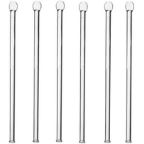 Glass Stirrer
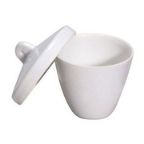 Crucible
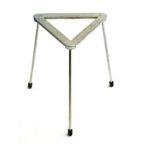 Tripod
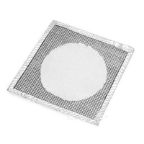 Wire Mesh
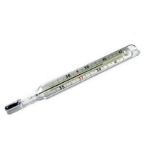 Laboratory Thermometer
 Tourniquet
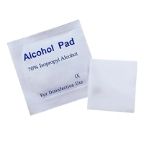 Alcohol Swab
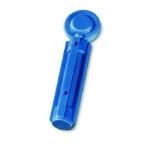 Blood Lancet
 Bandage
 Gloves & Masks









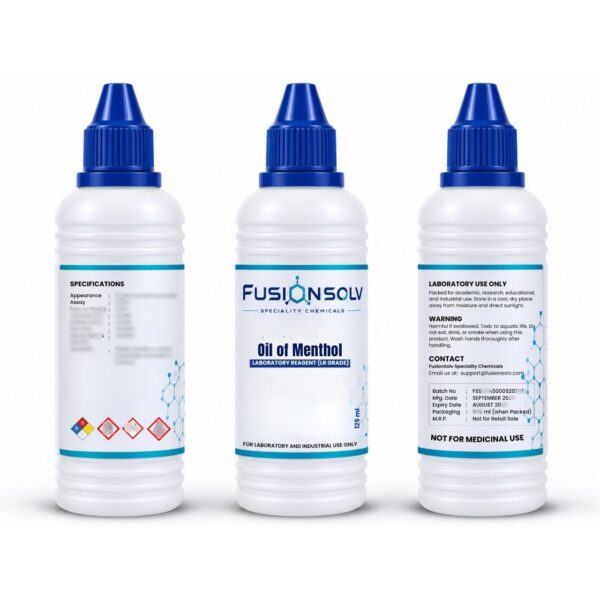
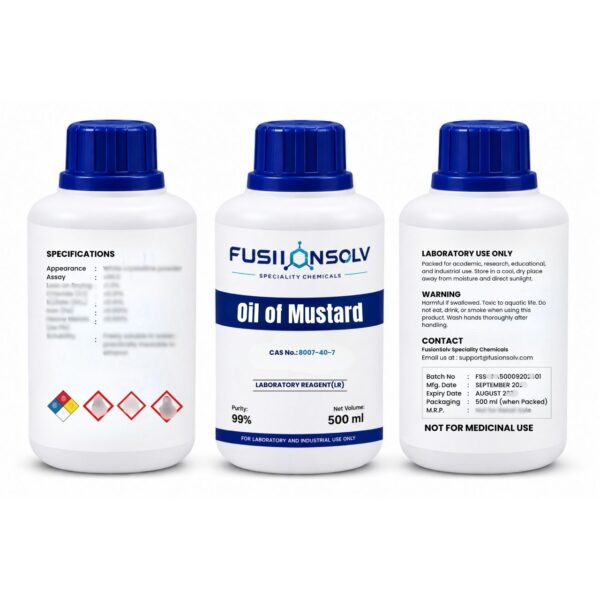
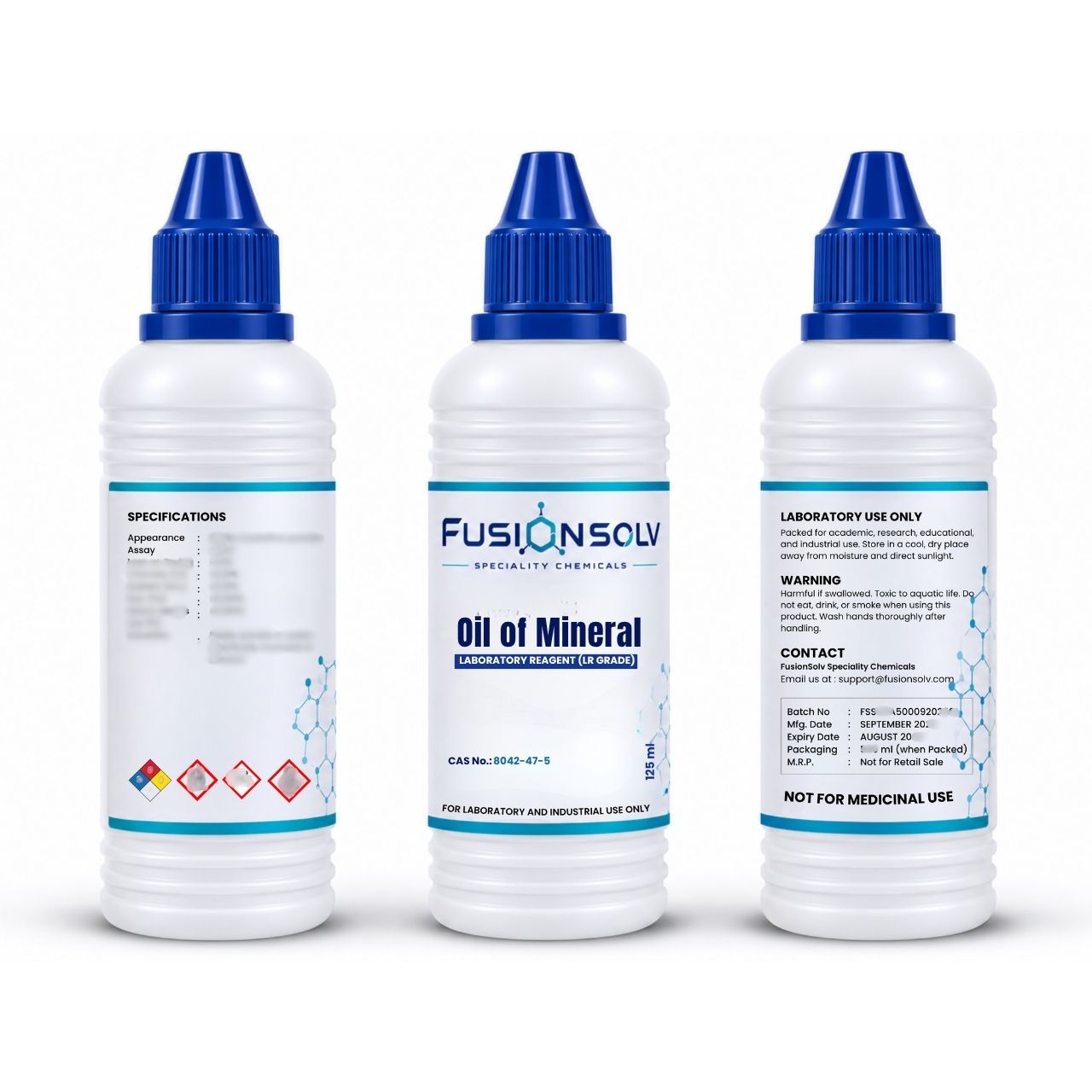







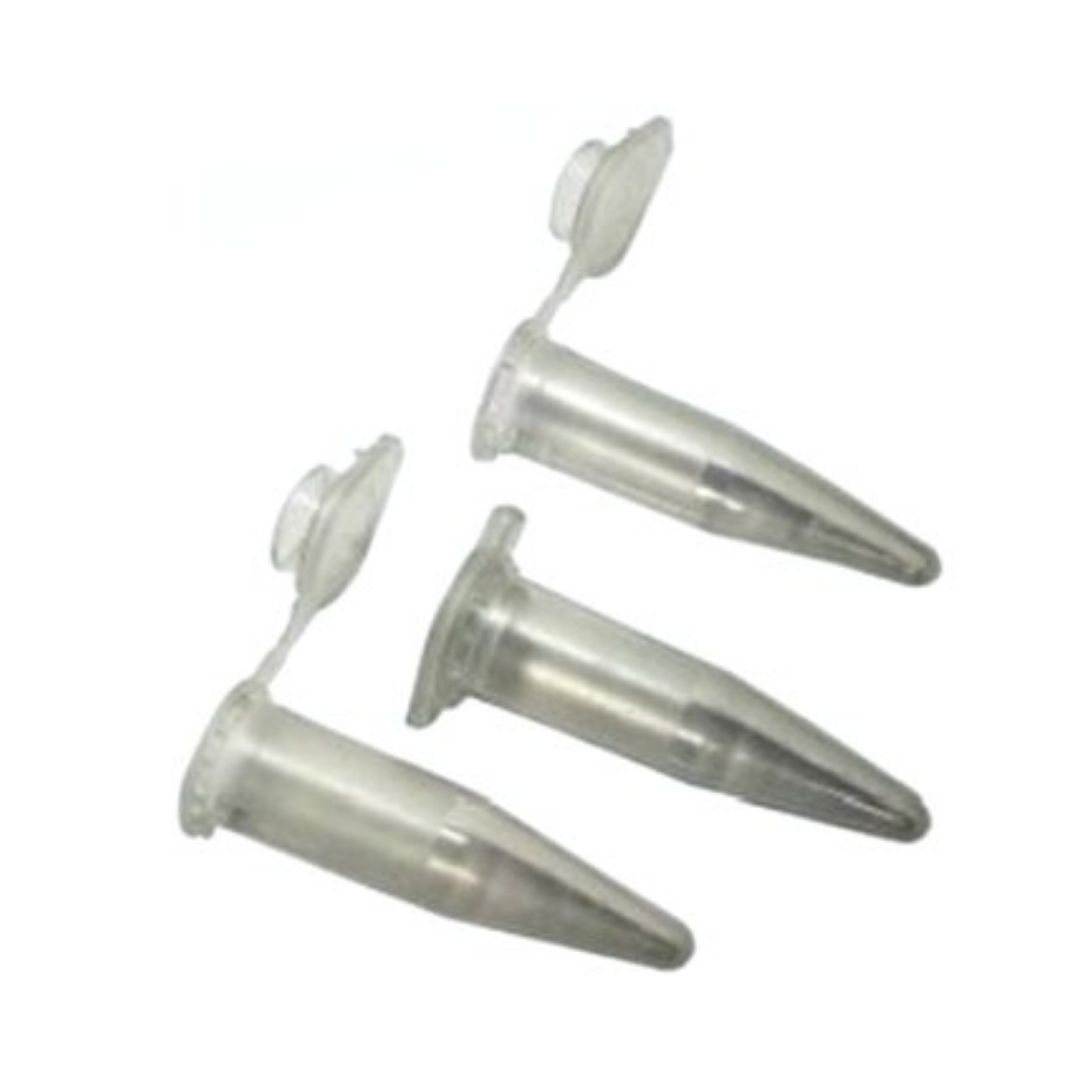
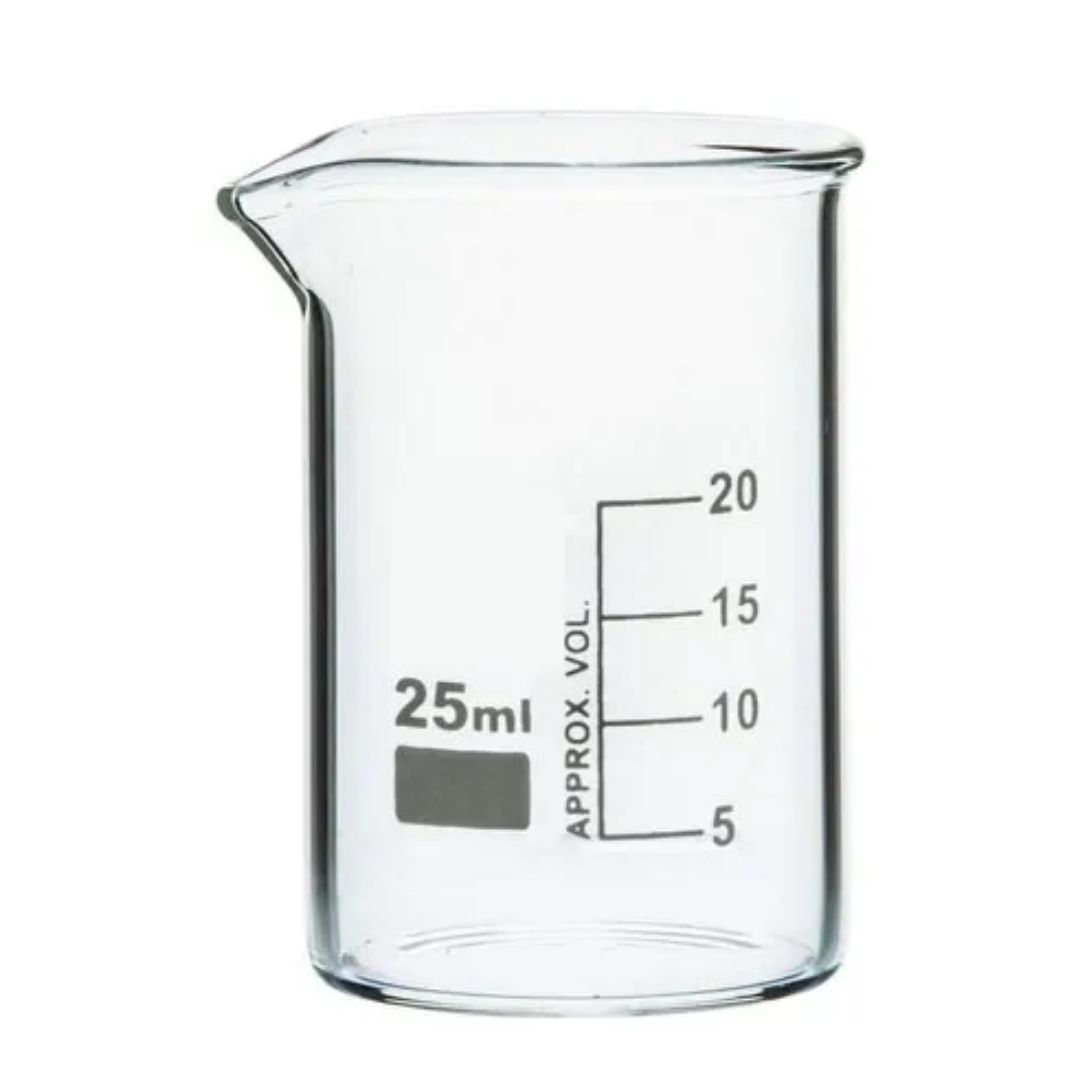
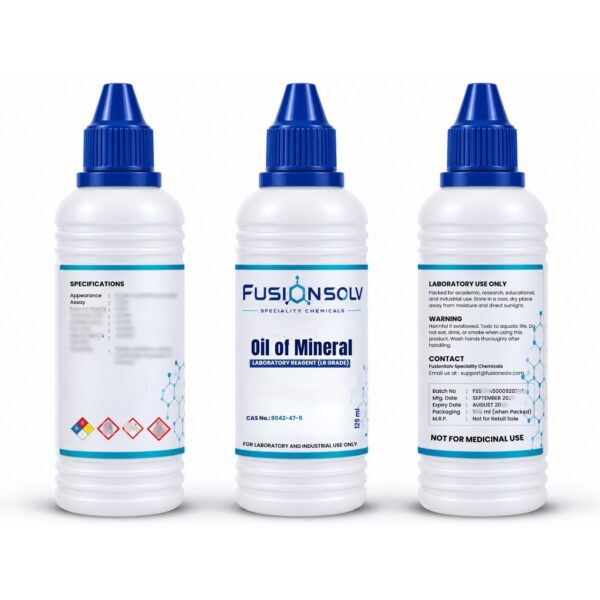
Oil of Mineral is a refined mineral hydrocarbon mixture supplied for scientific laboratory work, practical instruction and suitable analytical procedures. Mineral oil consists of refined petroleum-derived hydrocarbons; viscosity and hydrocarbon distribution vary by grade. The product is listed in a 125ml Packs pack, helping laboratories select the stated presentation while assessing the intended experiment. Its use in a laboratory should be based on the specified composition, experimental method and current Safety Data Sheet rather than on the name alone. Because this is a preparation or naturally variable material, individual constituents and their concentrations may differ; the listed product name does not establish a single molecular formula or molecular weight. In educational and research settings it is principally relevant to nonpolar liquid and physical-property laboratory experiments. Laboratory personnel should confirm the applicable grade, compatibility, purity requirements, storage conditions and any method-specific limitations before carrying out tests or preparing solutions.
Product Specifications
| Specification | Details |
|---|---|
| Appearance | Colourless oily liquid |
| Assay | 99% |
| Chemical Name | Oil of Mineral |
| Alternate Names | Mineral oil; liquid petroleum hydrocarbons |
| Molecular Formula | Mixture |
| Empirical Formula | Not applicable |
| CAS Number | Product-specific; mineral oil CAS often 8042-47-5 |
| Molecular Weight | Not applicable |
| Grade | LR Laboratory Reagent |
Key Features of Oil of Mineral
- Identified as refined mineral hydrocarbon mixture for relevant laboratory investigations.
- Mineral oil consists of refined petroleum-derived hydrocarbons; viscosity and hydrocarbon distribution vary by grade.
- Product presentation: 125ml Packs; select apparatus and quantities appropriate to the procedure.
- Composition requires product-specific confirmation before use.
- Useful in supervised teaching or analytical work related to nonpolar liquid and physical-property laboratory experiments.
Laboratory Applications of Oil of Mineral
- Nonpolar solvent compatibility comparisons; apply the appropriate documented method, suitable PPE and trained supervision.
- Viscosity studies; apply the appropriate documented method, suitable PPE and trained supervision.
- Liquid density demonstrations; apply the appropriate documented method, suitable PPE and trained supervision.
- Water-oil phase separation; apply the appropriate documented method, suitable PPE and trained supervision.
- Laboratory lubrication demonstrations; apply the appropriate documented method, suitable PPE and trained supervision.
Why Choose Lab Wale to Buy Oil of Mineral
Lab Wale offers Oil of Mineral as part of laboratory chemical and scientific-supply sourcing for schools, colleges, universities, research centres and analytical facilities. Review the stated pack size and available grade information alongside your experimental protocol before ordering. For formulations, confirm the concentration, solvent, active constituents and relevant safety documentation; for pure substances, check the identity and form. Choosing the correct product for the method is important for dependable teaching demonstrations and laboratory workflow planning.
Frequently Asked Questions About Oil of Mineral
What is Oil of Mineral used for in laboratories?
Oil of Mineral is used in carefully selected contexts including nonpolar liquid and physical-property laboratory experiments. The intended method determines whether the stated grade or formulation is suitable. Always match the substance or prepared reagent to the teaching protocol, analytical standard or research method before starting work.
What is the formula and CAS number of Oil of Mineral?
The listed molecular-formula information is Mixture, and the CAS information is Product-specific; mineral oil CAS often 8042-47-5. Because the product has variable or solution composition, a single compound formula and molecular weight cannot reliably describe the whole preparation.
Can Oil of Mineral be used for school or college practicals?
It may be used in appropriate supervised experiments related to nonpolar liquid and physical-property laboratory experiments, provided the institution has assessed its hazards, chemical compatibility and method requirements. Risk assessment, access controls and the handling instructions from the actual product SDS are especially important for hazardous reagents.
What should be checked before using Oil of Mineral?
Check the product identity, pack presentation, necessary experimental concentration and the current Safety Data Sheet. If the reagent is a blend or solution, confirm constituents and solvent composition with the supplier rather than assuming a standard recipe.
How should Oil of Mineral be stored and handled?
Store closed away from strong oxidizing agents and excessive heat. Use chemical-compatible packaging, appropriate protective gloves and eye protection and a ventilated workstation where required. Follow the current SDS for accidental release, incompatibilities, emergency planning and responsible disposal of used material.
Storage Conditions for Oil of Mineral
Store closed away from strong oxidizing agents and excessive heat. Keep the material in a correctly labelled, compatible container, away from unauthorized access. Observe the actual manufacturer formulation and associated SDS for temperature controls, incompatibilities, segregation and any additional storage requirements.
Precautions for Handling Oil of Mineral
Review the latest product Safety Data Sheet before handling Oil of Mineral. Wear chemical-resistant gloves, appropriate eye protection and laboratory clothing, and work with suitable ventilation. Avoid inhalation and unnecessary contact with skin or eyes. Do not mix with incompatible chemicals or dispose of residues into ordinary drains without authorization. Use appropriate spill procedures and trained supervision, especially where corrosive, mercury-containing, reactive or flammable ingredients are present.

















 Cardiology
 Clinical Oncology








Reviews
Clear filtersThere are no reviews yet.