
-
-
 Cardiology
-
 Clinical Oncology
-
 Dental
-
 Dermatology
-
 Ear, Nose, Throat (ENT)
-
 Endocrinology
-
 Gastroenterology
-
 General Surgery
-
 Gynecology & Obstetrics
-
 Interventional Cardiology
-
 Nephrology
-
 Neurology
-
 Oncology Surgery
-
 Ophthalmology
-
 Orthopedics
-
 Pediatrics
-
 Pediatrics Surgery
-
 Physiotherapy
-
 Plastic Surgery
-
 Psychiatry & Psychology
-
 Radiology
-
 Urology
-
 Vascular Surgery
-

 Anatomy Lab Equipments
 Biochemistry Lab Equipments
 Biology Lab Equipments
 Chemistry Lab Equipments
 Cytology Lab Equipments
 Cytopathology Lab Equipments
 Dental Lab Equipments
 Forensic Lab Equipments
 Genetics Lab Equipments
 Hematology Lab Equipments
 Histology Lab Equipments
 Histopathology Lab Equipments
 Mathematics Lab Equipments
 Microbiology Lab Equipments
 Molecular Biology Lab Equipments
 Pathology Lab Equipments
 Pharmaceutical Lab Equipments
 Physics Lab Equipments
 Radiology Lab Equipments
 Science Lab Kit’s
 Toxicology Lab Equipments

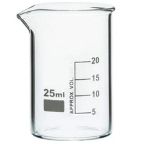 Borosilicate Glass Beaker
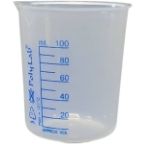 Plastic Beaker (Euro Design)
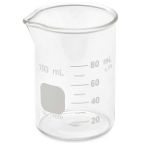 Plastic Beaker (Printed Graduation)
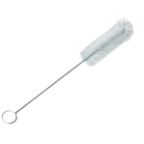 Test Tube Brush
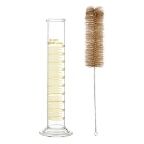 Measuring Cylinder Brush
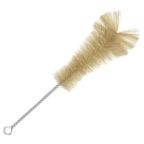 Conical Flask Brush
 Volumetric Flask Brush
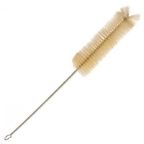 Round Bottom Flask Brush
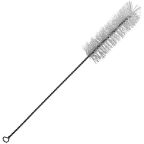 Glass Beaker Brush
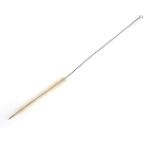 Pipette Brush
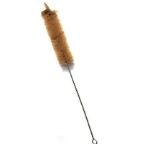 Wash Bottle Brush
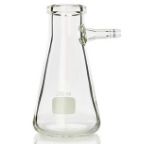 Borosilicate Büchner Flask
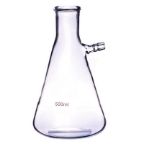 Borosilicate Erlenmeyer/Conical Flask
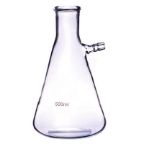 Borosilicate Pear-Shaped Flask
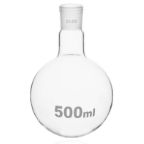 Borosilicate Round Bottom Flask
 Plastic Conical Flask
 Plastic Volumetric Flask
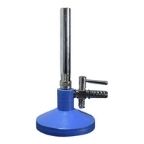 Bunsen Burner
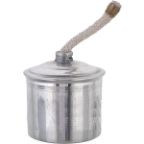 Spirit Lamp
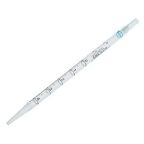 Borosilicate Glass Burette
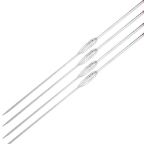 Plastic Burette
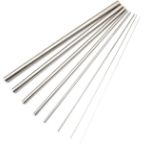 Capillary Tube
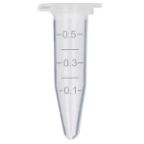 Centrifuge Tube
 Test Tube
 Ria Vial
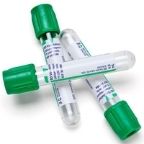 Vacutainer Tubes
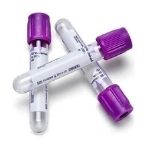 Syringes
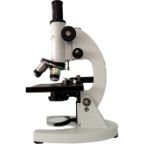 Student Microscope
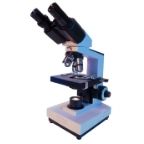 Binocular Microscope
 Dissecting Microscope
 Microscope Glass Slides
 Cover Slip
 Inoculating Loop
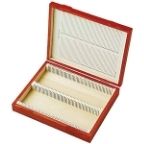 Slide Box
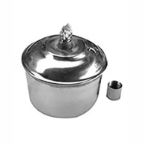 Lamps
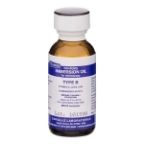 Oils
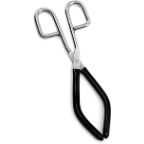 Beaker Tongs
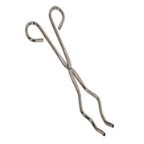 Crucible Tongs
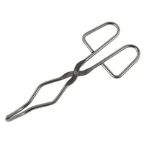 Flask Tongs
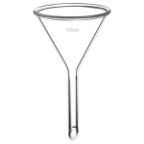 Borosilicate Glass Funnel
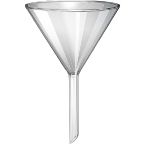 Plastic Funnels
 Wash Bottle
 Borosilicate Glass Reagent Bottle
 Plastic Reagent Bottle
 Borosilicate Measuring Cylinder
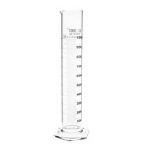 Plastic Measuring Cylinder
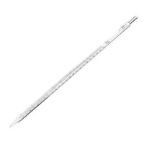 Borosilicate Glass Graduated Pipette
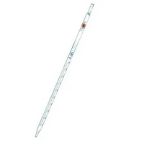 Borosilicate Glass Volumetric Pipette
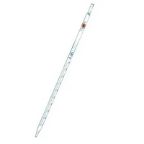 HB Pipette
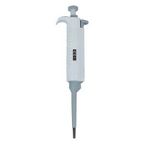 Pasteur Pipette
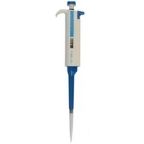 Micropipettes
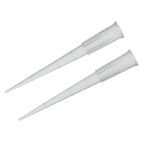 Micropipette Tips
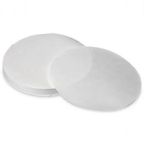 Filter Paper
 Litmus Paper
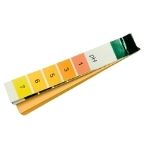 pH Paper
 Chromatography Paper
 Plastic Petri Plates (Sterile)
 Glass Petri Plates (Non-Sterile)
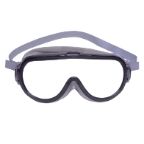 Safety Goggles
 Lab Coats
 Gloves
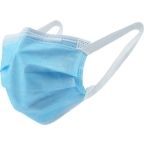 Masks
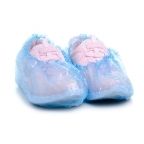 Shoe Covers
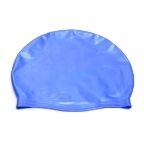 Hair & Beard Covers
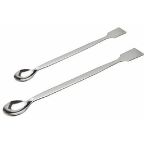 Steel Spatula
 Plastic Spatula
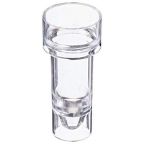 Hitachi Sample Cup
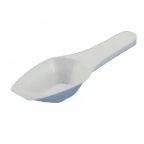 Plastic Scoop
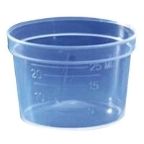 Plastic Medicine Cup
 Dissecting Tool Kit
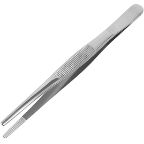 Dissecting Forceps
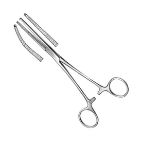 Hemostatic Forceps
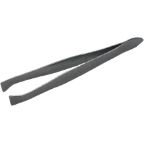 Thumb Forceps / Tweezers
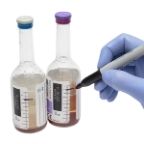 Blood Culture Bottle
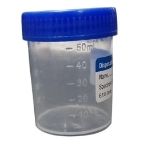 Urine Container
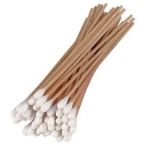 Wooden Swab Stick
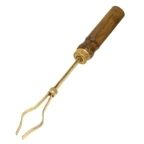 Test Tube Holder
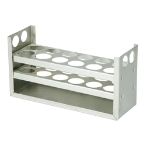 Test Tube Racks
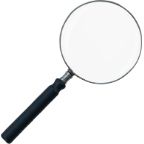 Magnifying Glass
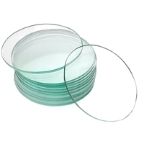 Watch Glass
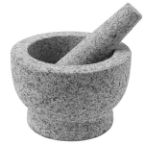 Mortar and Pestle
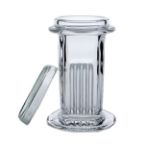 Coplin Jar
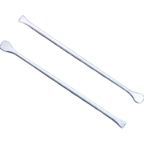 Plastic Stirrer
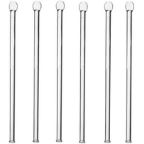 Glass Stirrer
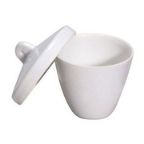 Crucible
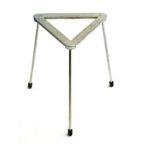 Tripod
 Wire Mesh
 Laboratory Thermometer
 Tourniquet
 Alcohol Swab
 Blood Lancet
 Bandage
 Gloves & Masks









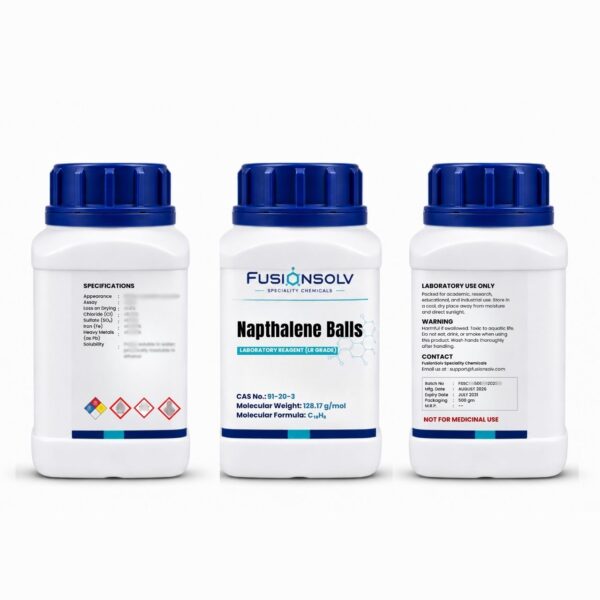
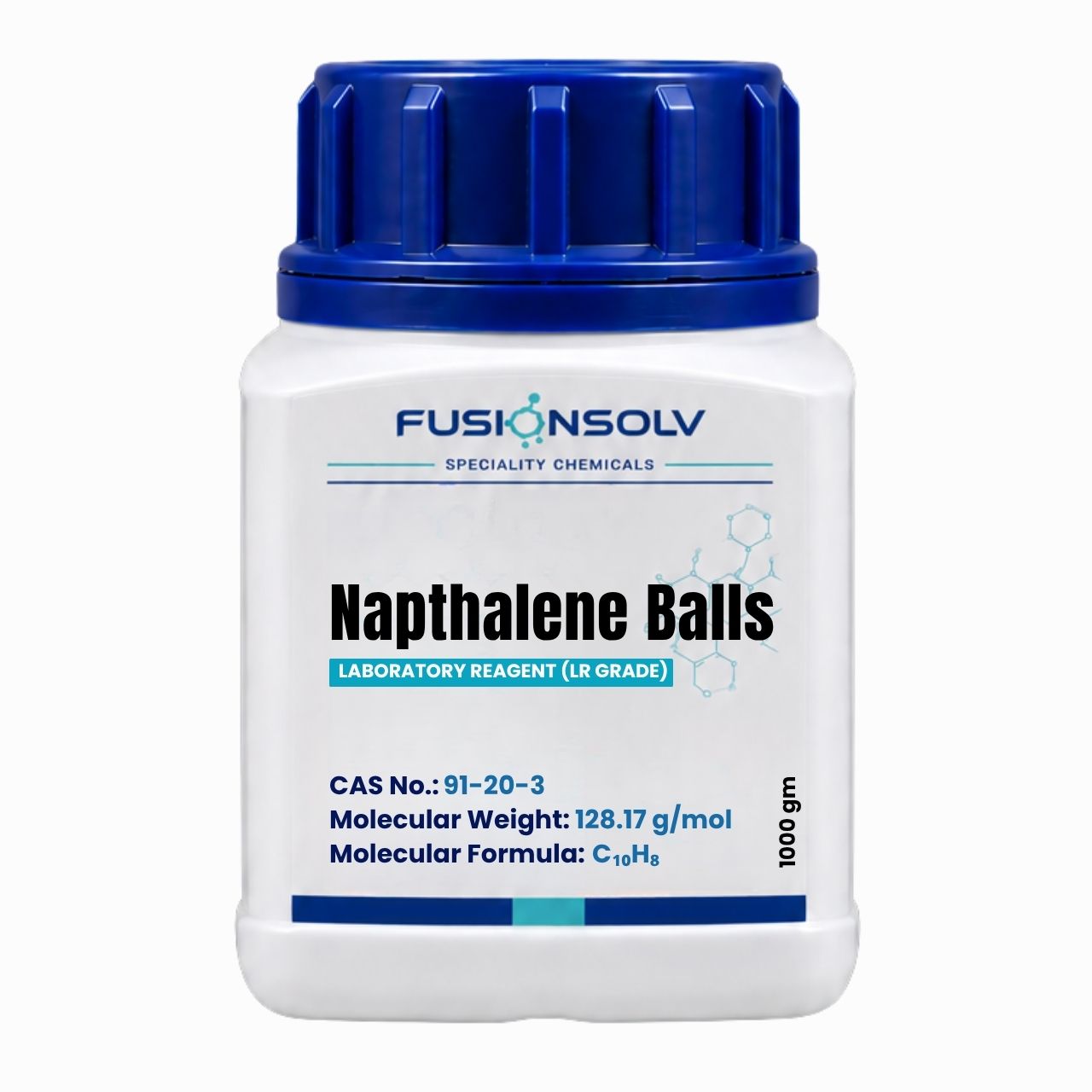







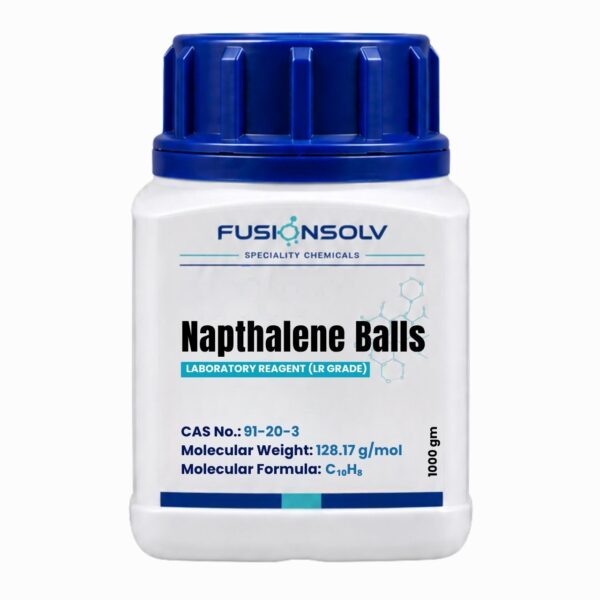
Naphthalene Balls is a volatile bicyclic aromatic hydrocarbon formed from two fused benzene rings. It sublimes at ambient conditions and has a characteristic odour; it is flammable and can present inhalation, ingestion and environmental hazards. The ball shape is a physical presentation rather than a different chemical identity, and composition must be confirmed if additives are present. This product is listed for laboratory procurement in the pack size shown in its product name; pack size does not alter chemical identity. In educational and institutional settings, this material can support selected experiments, analytical method development or teaching exercises when matched to the procedure and suitable laboratory facilities. Correct reagent identification, applicable safety information and an appropriate method are essential before use. Physical presentation and grade alone do not establish fitness for all analytical or biological methods. Where the product name omits a hydrate form or formulation detail, verify that identity before calculating reagent masses or preparing quantitative solutions. All work should follow institutionally approved laboratory procedures and the specific product safety data sheet.
Product Specifications
| Specification | Details |
|---|---|
| Appearance | White solid balls |
| Assay | 99% |
| Chemical Name | Naphthalene |
| Alternate Names | Naphthalin; bicyclo[4.4.0]deca-1,3,5,7,9-pentaene |
| Molecular Formula | C10H8 |
| Empirical Formula | C5H4 |
| CAS Number | 91-20-3 |
| Molecular Weight | 128.17 g/mol |
| Grade | LR Laboratory Reagent |
Key Features of Naphthalene Balls
- Fused bicyclic aromatic structure with molecular formula C10H8.
- Solid material that can sublime directly into vapour.
- Characteristic aromatic hydrocarbon volatility supports phase-change studies.
- Useful model material for safe, controlled purification demonstrations.
- Flammable organic solid requiring ventilation and ignition-source controls.
Laboratory Applications of Naphthalene Balls
- Controlled academic demonstration of sublimation in a fume hood.
- Study of aromatic hydrocarbon molecular structure.
- Organic-chemistry teaching on physical properties of fused aromatic rings.
- Laboratory investigation of vapour pressure and phase transitions using sealed methods.
- Instrumental analysis of aromatic hydrocarbons with appropriate standards.
Why Choose Lab Wale to Buy Naphthalene Balls
Lab Wale lists Naphthalene Balls for institutional buyers sourcing laboratory chemicals and scientific supplies for teaching, research and analytical work. Clearly identifying the chemical and intended use helps laboratories select appropriate reagents and manage procurement documentation. Review the stated LR Laboratory Reagent grade together with the exact product identity, especially where hydrate or formulation details are not specified. Consult available product-specific safety and technical information, and confirm that the selected material meets the requirements of your laboratory method before purchasing.
Frequently Asked Questions About Naphthalene Balls
What is Naphthalene Balls used for in laboratories?
Naphthalene Balls is used in selected institutional laboratory settings. Examples include controlled academic demonstration of sublimation in a fume hood. and study of aromatic hydrocarbon molecular structure. Procedures must be matched to the chemical form, equipment and safety restrictions. It should not be assumed suitable for unrestricted educational use.
What are the formula and CAS number of Naphthalene Balls?
The molecular formula is C10H8, and the CAS number is 91-20-3. Some commercial products may have different hydrate forms or formulations. Confirm the manufacturer identification before making quantitative solutions or entering a substance into an institutional chemical inventory.
What key laboratory properties does Naphthalene Balls have?
It sublimes at ambient conditions and has a characteristic odour; it is flammable and can present inhalation, ingestion and environmental hazards. The ball shape is a physical presentation rather than a different chemical identity, and composition must be confirmed if additives are present. These characteristics can inform experimental planning but do not replace method-specific validation or evaluation of reagent.
Is Naphthalene Balls appropriate for school and research laboratory work?
Use depends on the application, chemical hazards and available engineering controls. Some studies are suitable for supervised educational settings, whereas hazardous mercury or nickel substances require specialist facilities and authorized personnel. Always review the SDS and institutional safety permissions before work.
How should Naphthalene Balls be stored and handled?
Keep in tightly closed, chemically compatible packaging in a cool, dry, well-ventilated flammables-compatible storage area. Protect from heat and ignition sources and segregate from strong oxidizers. Prevent vapour accumulation and environmental release. If the supplied balls contain additives, use the specific formulation SDS rather than assuming pure naphthalene. Follow the manufacturer SDS for protective equipment, spill response, incompatible chemicals.
Storage Conditions for Naphthalene Balls
Keep in tightly closed, chemically compatible packaging in a cool, dry, well-ventilated flammables-compatible storage area. Protect from heat and ignition sources and segregate from strong oxidizers. Prevent vapour accumulation and environmental release. If the supplied balls contain additives, use the specific formulation SDS rather than assuming pure naphthalene.
Precautions for Handling Naphthalene Balls
Naphthalene is flammable and hazardous on exposure. Review the product SDS, use protective gloves and glasses, and work with adequate local exhaust to limit vapour and dust. Keep away from flames and hot surfaces. Avoid inhalation and skin contact and do not perform open-air heating demonstrations. Collect contaminated material for approved hazardous-waste disposal.




 Cardiology
 Clinical Oncology








Reviews
Clear filtersThere are no reviews yet.