
-
-
 Cardiology
-
 Clinical Oncology
-
 Dental
-
 Dermatology
-
 Ear, Nose, Throat (ENT)
-
 Endocrinology
-
 Gastroenterology
-
 General Surgery
-
 Gynecology & Obstetrics
-
 Interventional Cardiology
-
 Nephrology
-
 Neurology
-
 Oncology Surgery
-
 Ophthalmology
-
 Orthopedics
-
 Pediatrics
-
 Pediatrics Surgery
-
 Physiotherapy
-
 Plastic Surgery
-
 Psychiatry & Psychology
-
 Radiology
-
 Urology
-
 Vascular Surgery
-

 Anatomy Lab Equipments
 Biochemistry Lab Equipments
 Biology Lab Equipments
 Chemistry Lab Equipments
 Cytology Lab Equipments
 Cytopathology Lab Equipments
 Dental Lab Equipments
 Forensic Lab Equipments
 Genetics Lab Equipments
 Hematology Lab Equipments
 Histology Lab Equipments
 Histopathology Lab Equipments
 Mathematics Lab Equipments
 Microbiology Lab Equipments
 Molecular Biology Lab Equipments
 Pathology Lab Equipments
 Pharmaceutical Lab Equipments
 Physics Lab Equipments
 Radiology Lab Equipments
 Science Lab Kit’s
 Toxicology Lab Equipments

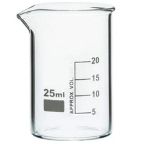 Borosilicate Glass Beaker
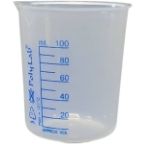 Plastic Beaker (Euro Design)
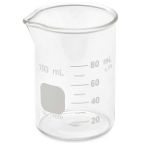 Plastic Beaker (Printed Graduation)
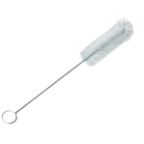 Test Tube Brush
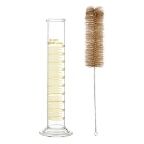 Measuring Cylinder Brush
 Conical Flask Brush
 Volumetric Flask Brush
 Round Bottom Flask Brush
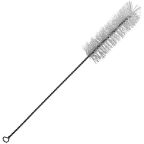 Glass Beaker Brush
 Pipette Brush
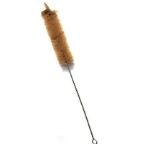 Wash Bottle Brush
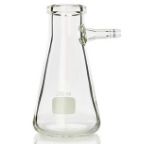 Borosilicate Büchner Flask
 Borosilicate Erlenmeyer/Conical Flask
 Borosilicate Pear-Shaped Flask
 Borosilicate Round Bottom Flask
 Plastic Conical Flask
 Plastic Volumetric Flask
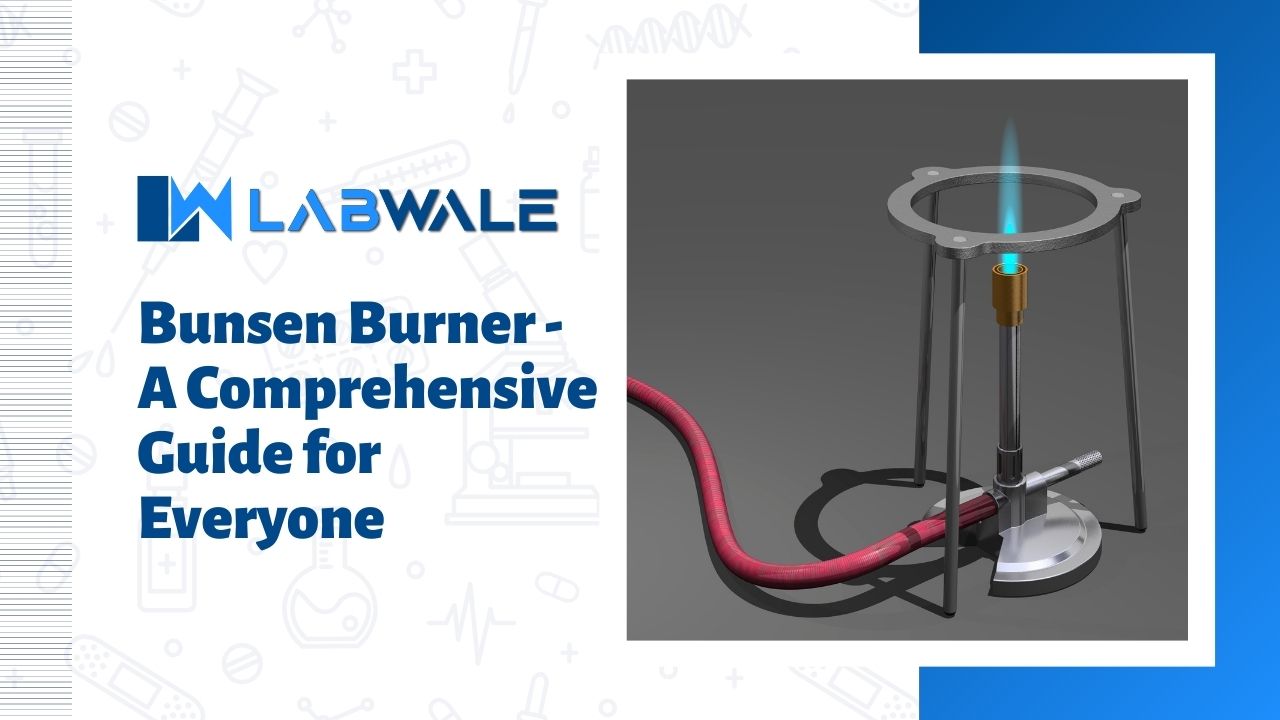
 Bunsen Burner
 Spirit Lamp
 Borosilicate Glass Burette
 Plastic Burette
 Capillary Tube
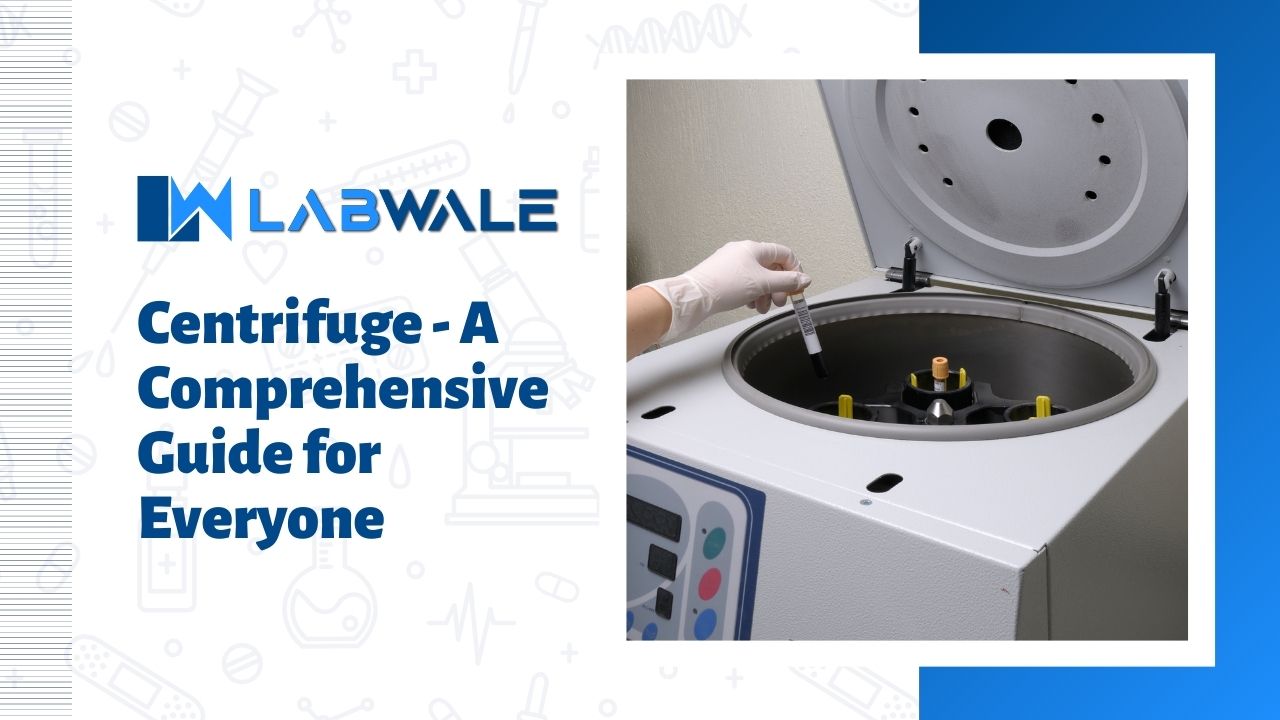
 Centrifuge Tube
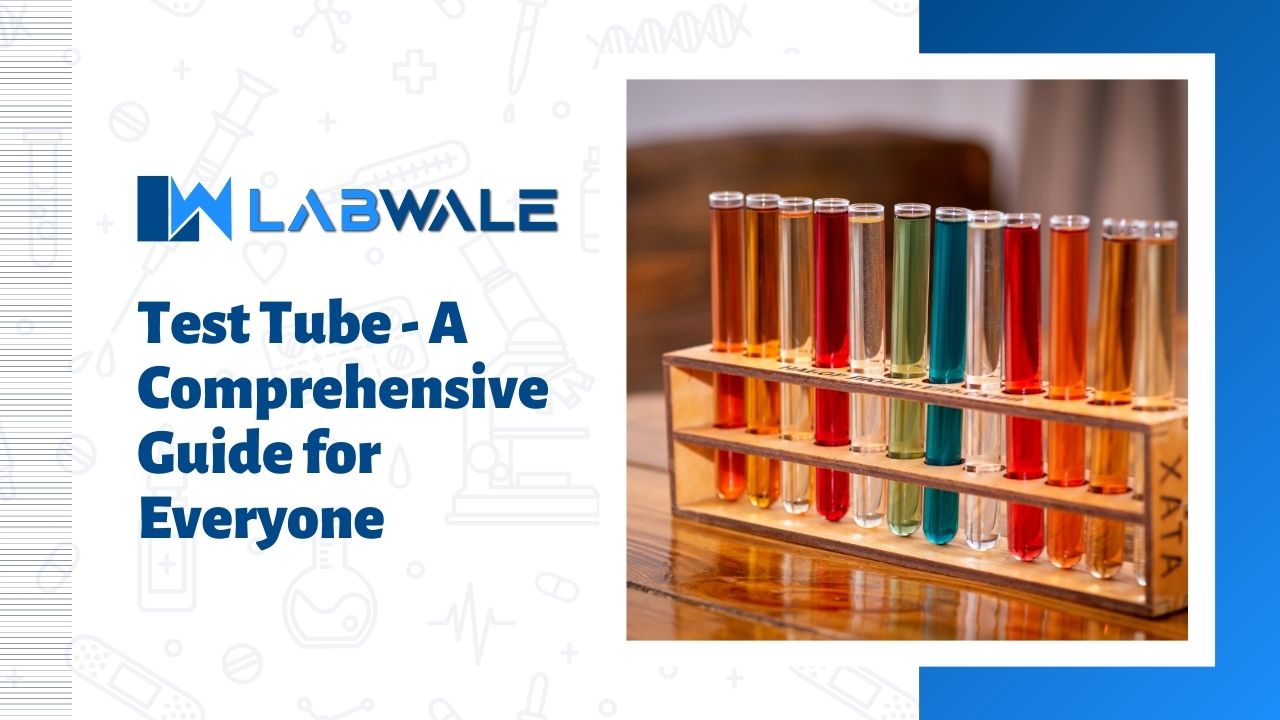
 Test Tube
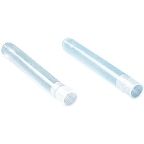 Ria Vial
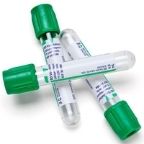 Vacutainer Tubes
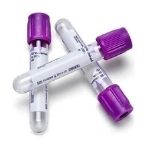 Syringes
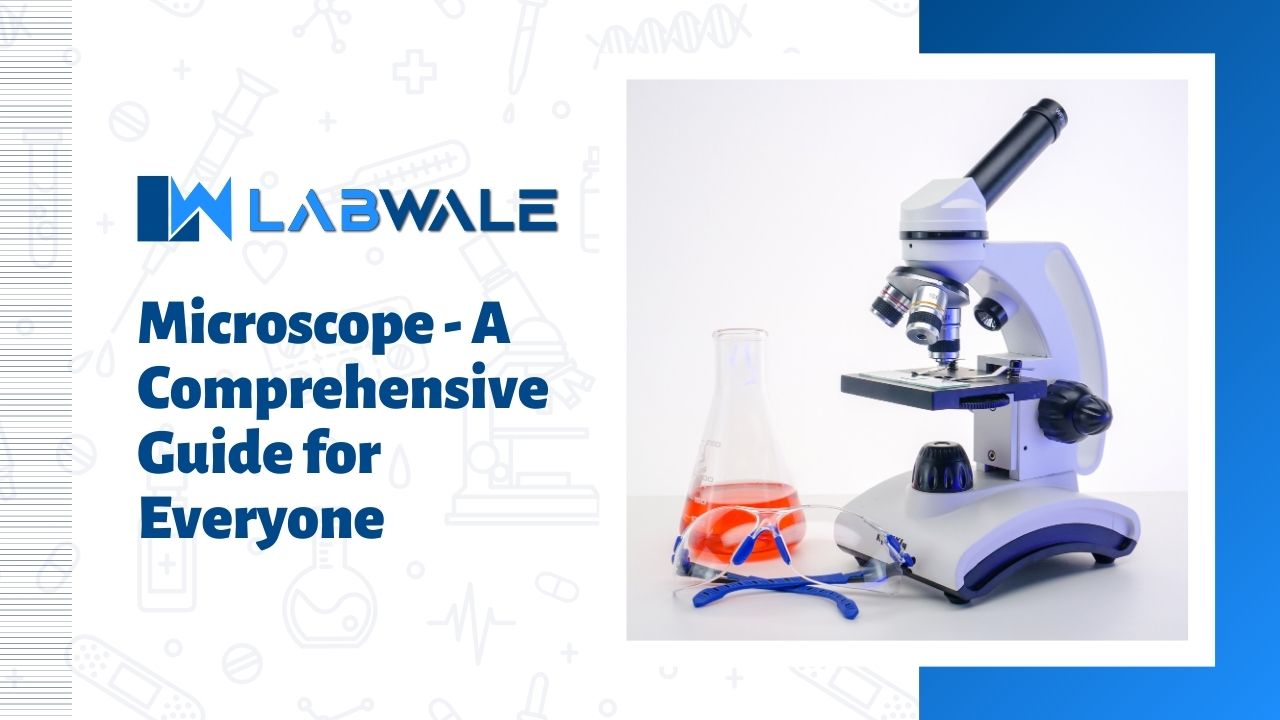
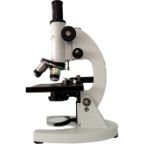 Student Microscope
 Binocular Microscope
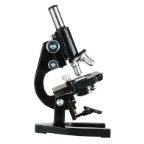 Dissecting Microscope
 Microscope Glass Slides
 Cover Slip
 Inoculating Loop
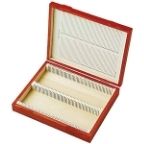 Slide Box
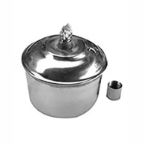 Lamps
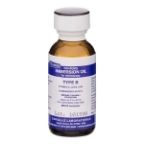 Oils
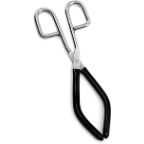 Beaker Tongs
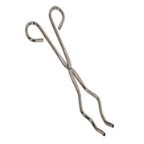 Crucible Tongs
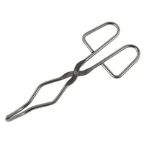 Flask Tongs
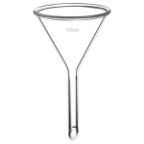 Borosilicate Glass Funnel
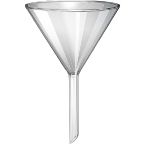 Plastic Funnels
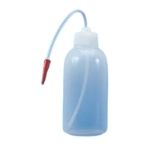 Wash Bottle
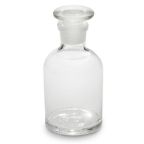 Borosilicate Glass Reagent Bottle
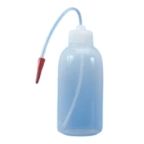 Plastic Reagent Bottle
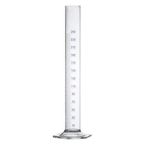 Borosilicate Measuring Cylinder
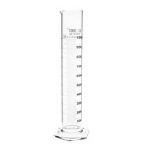 Plastic Measuring Cylinder
 Borosilicate Glass Graduated Pipette
 Borosilicate Glass Volumetric Pipette
 HB Pipette
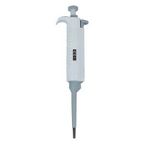 Pasteur Pipette
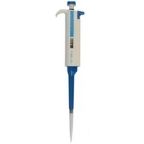 Micropipettes
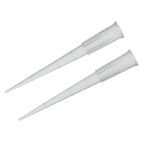 Micropipette Tips
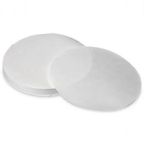 Filter Paper
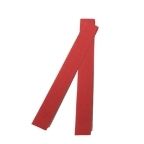 Litmus Paper
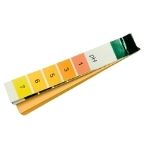 pH Paper
 Chromatography Paper
 Plastic Petri Plates (Sterile)
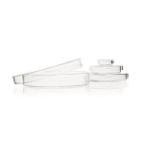 Glass Petri Plates (Non-Sterile)
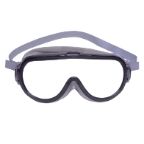 Safety Goggles
 Lab Coats
 Gloves
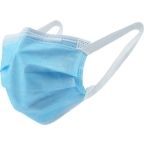 Masks
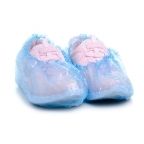 Shoe Covers
 Hair & Beard Covers
 Steel Spatula
 Plastic Spatula
 Hitachi Sample Cup
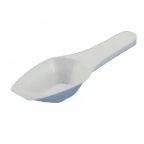 Plastic Scoop
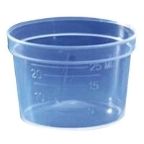 Plastic Medicine Cup
 Dissecting Tool Kit
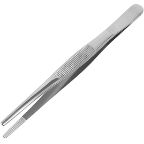 Dissecting Forceps
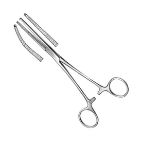 Hemostatic Forceps
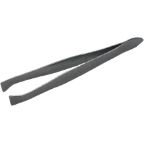 Thumb Forceps / Tweezers
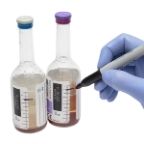 Blood Culture Bottle
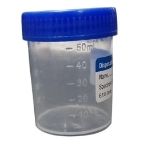 Urine Container
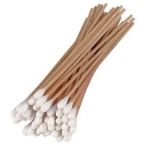 Wooden Swab Stick
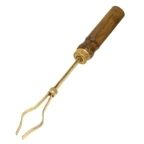 Test Tube Holder
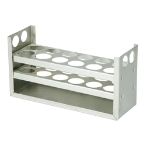 Test Tube Racks
 Magnifying Glass
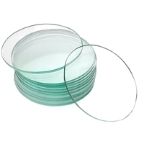 Watch Glass
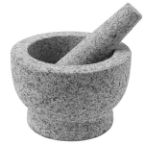 Mortar and Pestle
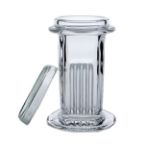 Coplin Jar
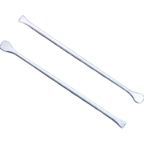 Plastic Stirrer
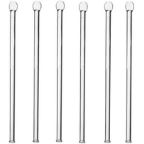 Glass Stirrer
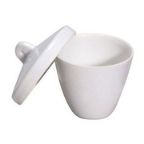 Crucible
 Tripod
 Wire Mesh
 Laboratory Thermometer
 Tourniquet
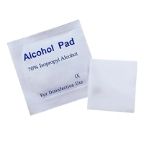 Alcohol Swab
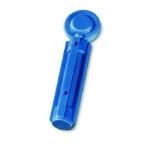 Blood Lancet
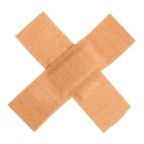 Bandage
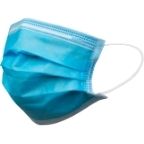 Gloves & Masks









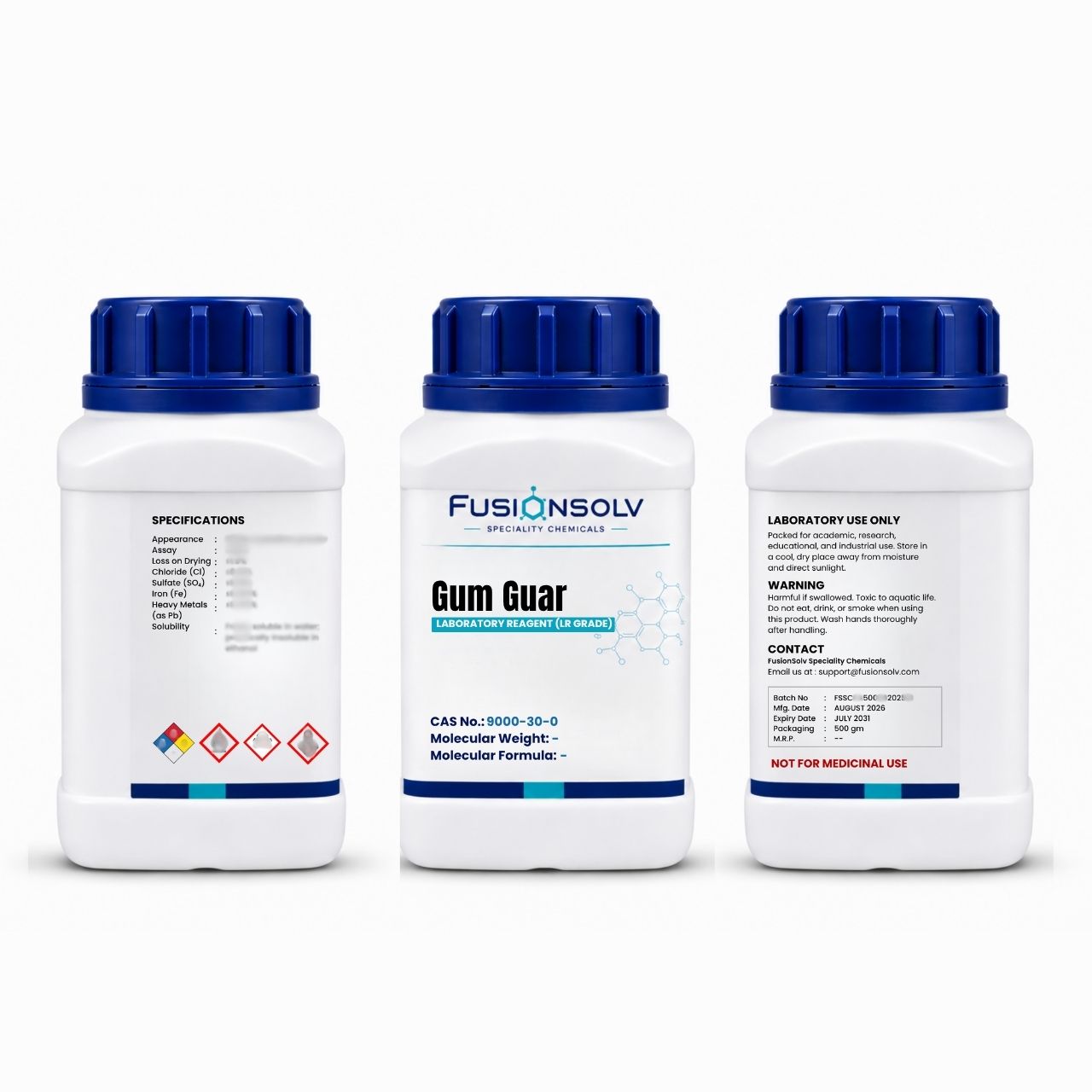







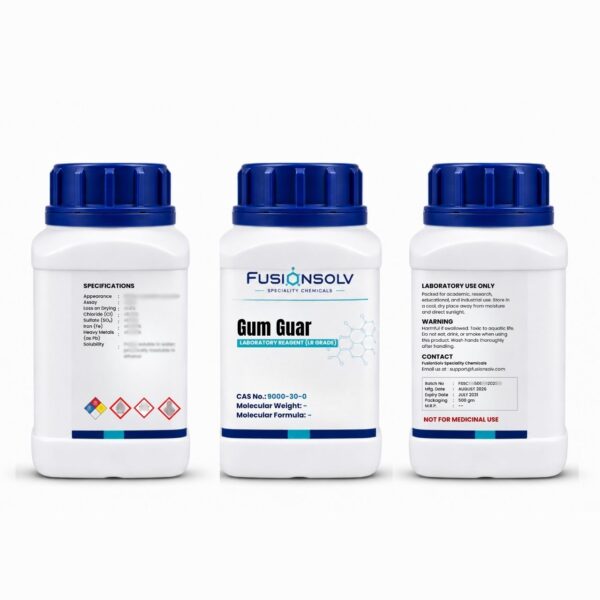
Gum Guar is a natural galactomannan polysaccharide obtained from guar beans. It hydrates in water and can increase viscosity, making it useful in laboratory investigations of polymer solutions, rheology, colloids, and formulation behaviour. The material is a polymer with a distribution of chain lengths and a composition that can vary with source and processing; therefore, a single molecular weight is not representative of the complete product. Guar gum is generally supplied as an off-white to pale yellow powder. Its dispersion and viscosity depend on concentration, temperature, mixing, and solution conditions, so experimental procedures should specify preparation parameters and the required material grade.
Product Specifications
| Specification | Details |
|---|---|
| Appearance | Off-white to pale yellow powder |
| Assay | 99% |
| Chemical Name | Guar gum (galactomannan) |
| Alternate Names | Guaran; guar galactomannan |
| Molecular Formula | Variable polymeric composition; no single formula for the commercial material |
| Empirical Formula | Not applicable as a single fixed empirical formula |
| CAS Number | 9000-30-0 |
| Molecular Weight | Not applicable as a single value; polymer molecular-weight distribution |
| Grade | LR Laboratory Reagent |
Key Features of Gum Guar
- Natural galactomannan polysaccharide derived from guar beans.
- Hydrates in water and can increase solution viscosity.
- Suitable for controlled investigations of polymer solution and rheological behaviour.
- Solution properties depend on concentration, mixing, temperature, and material grade.
- Commercial guar gum has a molecular-weight distribution rather than one fixed molecular weight.
Laboratory Applications of Gum Guar
- Educational experiments measuring how polymer concentration affects aqueous viscosity.
- Rheology studies examining flow behaviour in polymer-containing solutions.
- Colloid and materials research involving natural polysaccharide thickeners.
- Comparative laboratory investigations of hydration, dispersion, and polymer solution behaviour.
- Preparation of research formulations where guar gum is specified and the grade is suitable.
Why Choose Lab Wale to Buy Gum Guar
Lab Wale supports laboratory purchasing for schools, colleges, universities, research centres, and laboratory professionals by providing a convenient source for laboratory chemicals and scientific supplies. Before purchasing Gum Guar, check the product identity, intended use, stated grade, and available technical or safety information to ensure the material matches the procedure. Selecting the correct chemical form and following the relevant laboratory method are important for reliable and appropriate use.
Frequently Asked Questions About Gum Guar
What is guar gum used for in laboratory experiments?
Guar gum is used in polymer, colloid, and rheology experiments because it hydrates in water and can increase viscosity. It is suitable for controlled studies of concentration, mixing, and solution flow behaviour.
What is the chemical formula of guar gum?
Guar gum is a natural galactomannan polysaccharide, so the commercial polymer does not have one universally representative molecular formula. Its chain structure and composition can vary with the material and its source.
What is the CAS number of guar gum?
The commonly listed CAS Registry Number for guar gum is 9000-30-0. Confirm the product identity and grade against the supplier’s documentation before using it in a method that requires defined material characteristics.
Does guar gum dissolve in water?
Guar gum hydrates and disperses in water, producing increased viscosity; the outcome depends on concentration, temperature, mixing, and the material grade. Add it using a controlled method to reduce clumping and obtain reproducible results.
How should guar gum powder be stored and handled?
Keep the powder sealed in a dry place and protect it from moisture. Avoid breathing airborne dust, wear suitable eye protection and gloves, and clean spills promptly because dispersed powder may create slippery surfaces.
Storage Conditions for Gum Guar
Store in a tightly closed container in a cool, dry place, protected from moisture and contamination. Keep the powder away from damp conditions that can cause premature hydration or caking. Follow supplier-specific storage instructions where available.
Precautions for Handling Gum Guar
Minimise airborne dust and avoid inhalation or eye contact during weighing and transfer. Use suitable gloves, eye protection, and ventilation where needed. Clean spills carefully; wet or dispersed gum can make surfaces slippery. Dispose of material and prepared solutions according to institutional procedures.







 Cardiology
 Clinical Oncology








Reviews
Clear filtersThere are no reviews yet.