
-
-
 Cardiology
-
 Clinical Oncology
-
 Dental
-
 Dermatology
-
 Ear, Nose, Throat (ENT)
-
 Endocrinology
-
 Gastroenterology
-
 General Surgery
-
 Gynecology & Obstetrics
-
 Interventional Cardiology
-
 Nephrology
-
 Neurology
-
 Oncology Surgery
-
 Ophthalmology
-
 Orthopedics
-
 Pediatrics
-
 Pediatrics Surgery
-
 Physiotherapy
-
 Plastic Surgery
-
 Psychiatry & Psychology
-
 Radiology
-
 Urology
-
 Vascular Surgery
-

 Anatomy Lab Equipments
 Biochemistry Lab Equipments
 Biology Lab Equipments
 Chemistry Lab Equipments
 Cytology Lab Equipments
 Cytopathology Lab Equipments
 Dental Lab Equipments
 Forensic Lab Equipments
 Genetics Lab Equipments
 Hematology Lab Equipments
 Histology Lab Equipments
 Histopathology Lab Equipments
 Mathematics Lab Equipments
 Microbiology Lab Equipments
 Molecular Biology Lab Equipments
 Pathology Lab Equipments
 Pharmaceutical Lab Equipments
 Physics Lab Equipments
 Radiology Lab Equipments
 Science Lab Kit’s
 Toxicology Lab Equipments

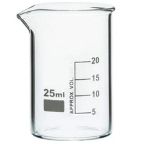 Borosilicate Glass Beaker
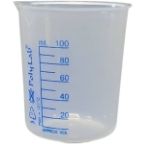 Plastic Beaker (Euro Design)
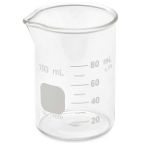 Plastic Beaker (Printed Graduation)
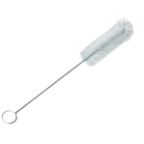 Test Tube Brush
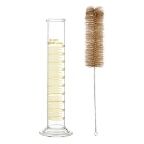 Measuring Cylinder Brush
 Conical Flask Brush
 Volumetric Flask Brush
 Round Bottom Flask Brush
 Glass Beaker Brush
 Pipette Brush
 Wash Bottle Brush
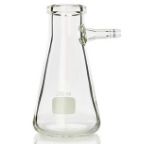 Borosilicate Büchner Flask
 Borosilicate Erlenmeyer/Conical Flask
 Borosilicate Pear-Shaped Flask
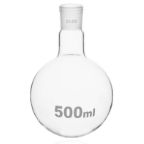 Borosilicate Round Bottom Flask
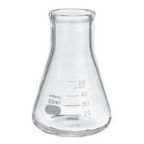 Plastic Conical Flask
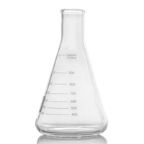 Plastic Volumetric Flask
 Bunsen Burner
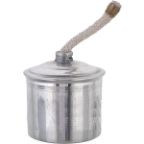 Spirit Lamp
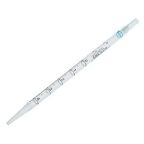 Borosilicate Glass Burette
 Plastic Burette
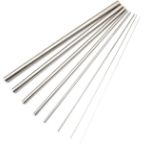 Capillary Tube
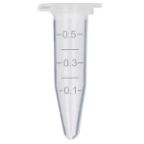 Centrifuge Tube
 Test Tube
 Ria Vial
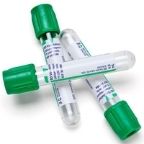 Vacutainer Tubes
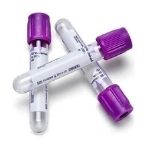 Syringes
 Student Microscope
 Binocular Microscope
 Dissecting Microscope
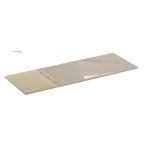 Microscope Glass Slides
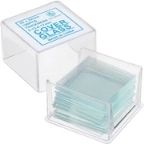 Cover Slip
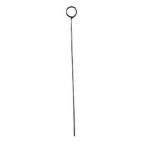 Inoculating Loop
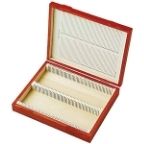 Slide Box
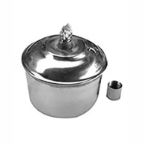 Lamps
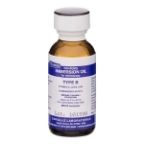 Oils
 Beaker Tongs
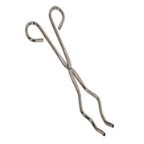 Crucible Tongs
 Flask Tongs
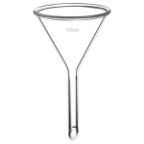 Borosilicate Glass Funnel
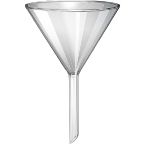 Plastic Funnels
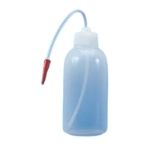 Wash Bottle
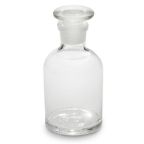 Borosilicate Glass Reagent Bottle
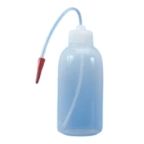 Plastic Reagent Bottle
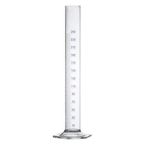 Borosilicate Measuring Cylinder
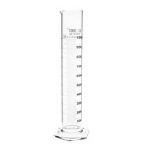 Plastic Measuring Cylinder
 Borosilicate Glass Graduated Pipette
 Borosilicate Glass Volumetric Pipette
 HB Pipette
 Pasteur Pipette
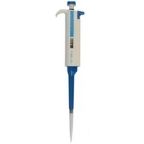 Micropipettes
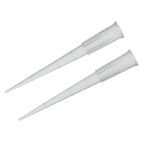 Micropipette Tips
 Filter Paper
 Litmus Paper
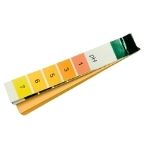 pH Paper
 Chromatography Paper
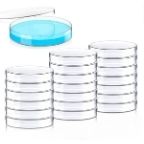 Plastic Petri Plates (Sterile)
 Glass Petri Plates (Non-Sterile)
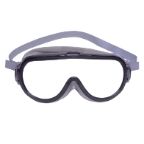 Safety Goggles
 Lab Coats
 Gloves
 Masks
 Shoe Covers
 Hair & Beard Covers
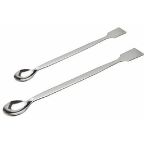 Steel Spatula
 Plastic Spatula
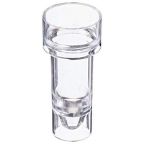 Hitachi Sample Cup
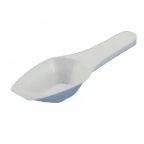 Plastic Scoop
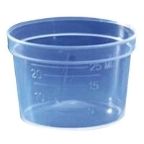 Plastic Medicine Cup
 Dissecting Tool Kit
 Dissecting Forceps
 Hemostatic Forceps
 Thumb Forceps / Tweezers
 Blood Culture Bottle
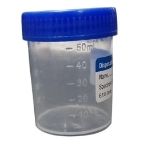 Urine Container
 Wooden Swab Stick
 Test Tube Holder
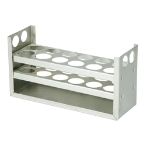 Test Tube Racks
 Magnifying Glass
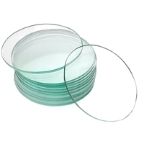 Watch Glass
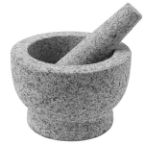 Mortar and Pestle
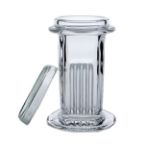 Coplin Jar
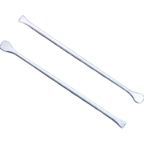 Plastic Stirrer
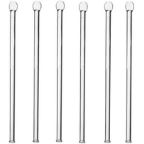 Glass Stirrer
 Crucible
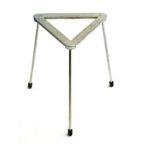 Tripod
 Wire Mesh
 Laboratory Thermometer
 Tourniquet
 Alcohol Swab
 Blood Lancet
 Bandage
 Gloves & Masks









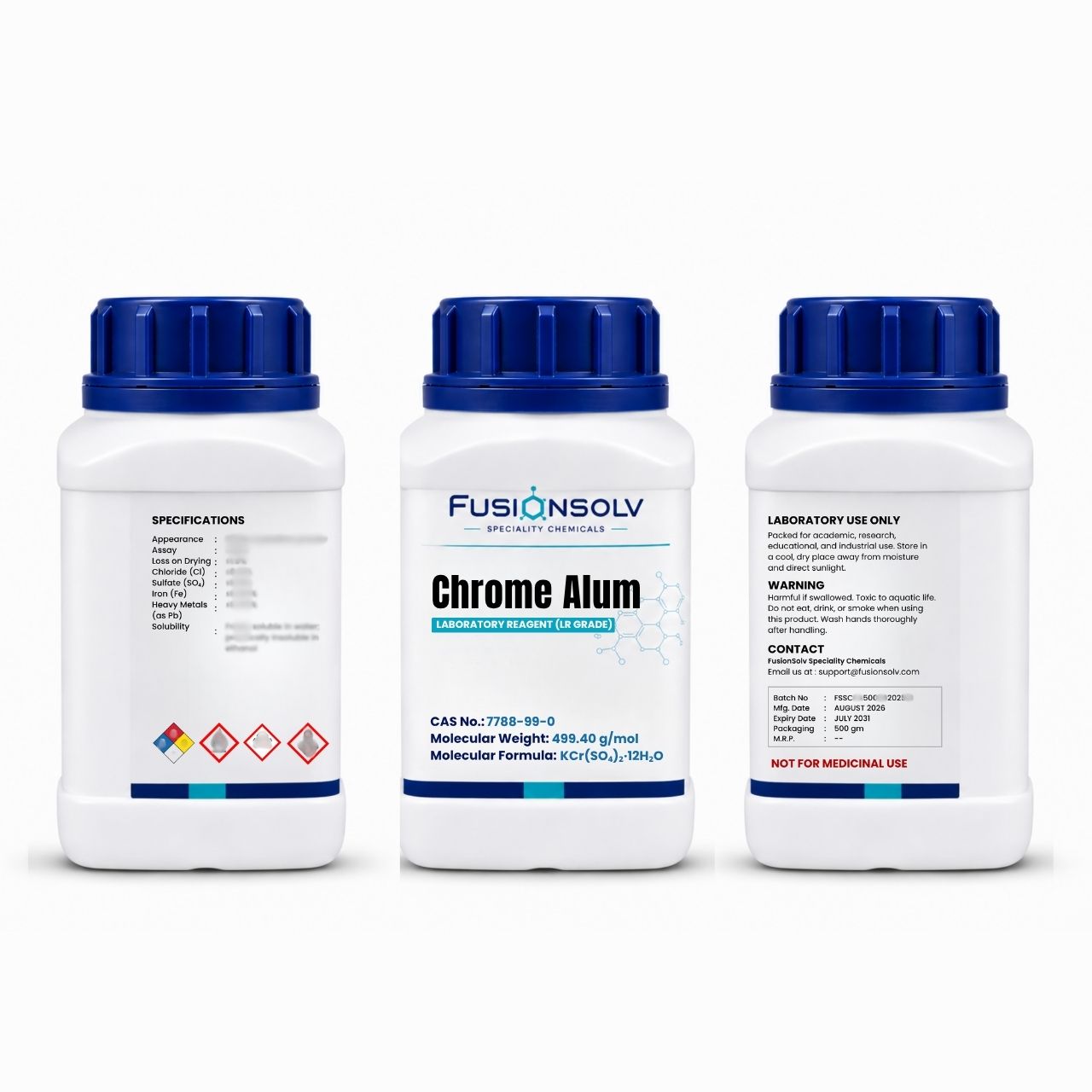









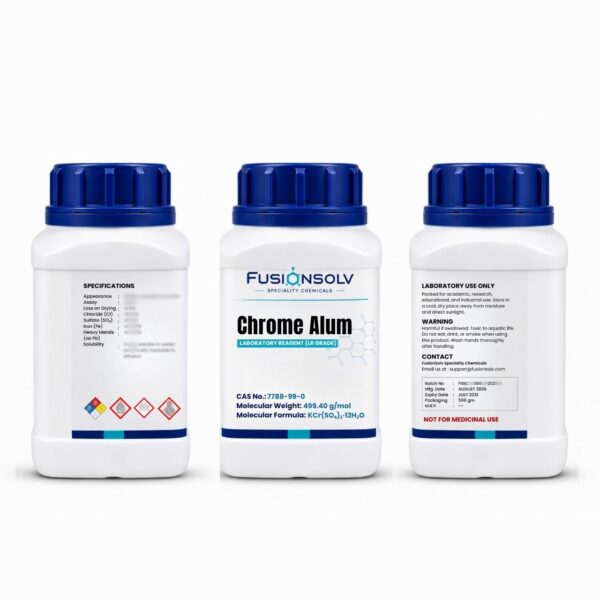
Chrome Alum, also known as potassium chromium(III) sulphate dodecahydrate, is an inorganic double salt containing potassium, chromium(III), sulphate ions, and water of crystallization. Its chemical formula is KCr(SO4)2·12H2O, and its molecular weight is approximately 499.40 g/mol. This compound typically occurs as violet to purple crystalline solids and is soluble in water. Chrome Alum is used in chemistry laboratories for studying double salts, crystallization, solubility, and the properties of chromium(III) compounds. It is also relevant to selected research procedures involving inorganic salts and coordination chemistry. Its well-defined composition makes it useful for educational experiments and appropriate laboratory investigations. The 500 gram pack is suitable for planned institutional reagent requirements. Selection should be based on the required chemical identity, grade, and experimental specifications, with appropriate precautions taken when handling chromium-containing compounds.
Product Specifications
| Specification | Details |
|---|---|
| Appearance | Violet crystalline powder |
| Assay | 99% |
| Chemical Name | Potassium chromium(III) sulphate dodecahydrate |
| Alternate Names | Chrome Alum, Chromium(III) Potassium Sulphate Dodecahydrate, Potassium Chromium Alum, Chromic Potassium Sulphate Dodecahydrate |
| Molecular Formula | KCr(SO4)2·12H2O |
| Empirical Formula | CrH24KO20S2 |
| CAS Number | 7788-99-0 |
| Molecular Weight | 499.40 g/mol |
| Grade | LR Laboratory Reagent |
Key Features of Chrome Alum
- Defined inorganic composition: Potassium chromium(III) sulphate dodecahydrate is a double salt containing chromium in the +3 oxidation state.
- Characteristic violet appearance: Its violet to purple crystalline form helps distinguish it from many other inorganic laboratory reagents.
- Water solubility: The compound dissolves in water, making it suitable for selected solution-preparation and crystallization experiments.
- Educational chemistry applications: Its composition and crystallization behaviour support the study of double salts and inorganic chemistry principles.
- Practical laboratory pack: The 500 gram pack supports planned reagent use in educational, analytical, and research laboratories.
Laboratory Applications of Chrome Alum
- Crystallization experiments: Used in supervised chemistry practicals to study crystal formation, solubility, and crystallization from aqueous solutions.
- Inorganic chemistry education: Supports experiments illustrating the composition and properties of double salts and hydrated inorganic compounds.
- Solution preparation: Used to prepare aqueous solutions for laboratory investigations requiring potassium chromium(III) sulphate under specified experimental conditions.
- Coordination chemistry research: Relevant to selected investigations involving chromium(III) compounds and their behaviour in aqueous chemical systems.
- Comparative studies of inorganic salts: Used in appropriate laboratory exercises examining the physical properties, hydration, and solution behaviour of different salts.
Why Choose Lab Wale to Buy Chrome Alum
Lab Wale provides a sourcing option for laboratory chemicals and scientific supplies used by schools, colleges, universities, research centres, and laboratory professionals. When purchasing Chrome Alum, laboratories should verify the chemical identity, hydrate form, stated grade, pack size, and relevant specifications against their intended procedures. Reviewing applicable technical and safety documentation helps support informed purchasing decisions. The 500 gram pack offers a convenient format for institutions planning reagent consumption, inventory management, and routine inorganic chemistry practicals.
Frequently Asked Questions About Chrome Alum
What is Chrome Alum used for in laboratories?
Chrome Alum is used in inorganic chemistry experiments involving double salts, crystallization, solubility, and hydrated compounds. It also supports selected investigations of chromium(III) chemistry and aqueous inorganic systems. The appropriate application depends on the required reagent specifications and the laboratory procedure.
What is the molecular formula of Chrome Alum?
The molecular formula of Chrome Alum dodecahydrate is KCr(SO4)2·12H2O. The twelve water molecules are part of its crystalline composition. Its molecular weight is approximately 499.40 g/mol, so this value should be used when calculating quantities for the dodecahydrate rather than the anhydrous salt.
What is the CAS number of Chrome Alum?
The CAS Registry Number for potassium chromium(III) sulphate dodecahydrate is 7788-99-0. This identifier helps distinguish the compound from other chromium salts and related alums. Confirm that the chemical name, formula, and hydrate form match the intended reagent when ordering or preparing laboratory solutions.
Is Chrome Alum soluble in water?
Yes, Chrome Alum is soluble in water, allowing it to be used in suitable aqueous solution and crystallization experiments. Its dissolution and crystallization behaviour depend on factors such as temperature and solution composition. Follow the specified experimental method when preparing solutions or growing crystals.
How should Chrome Alum be stored and handled safely?
Store Chrome Alum in a tightly closed, clearly labelled container in a cool, dry place, following the supplier’s instructions. Avoid inhaling dust and prevent contact with skin and eyes. Wear suitable gloves and eye protection, and consult the current Safety Data Sheet for applicable handling, spill-management, and disposal procedures.
Storage Conditions for Chrome Alum
Store Chrome Alum in its original, tightly closed container in a cool, dry, well-ventilated location. Protect the crystals from contamination and unnecessary exposure to moisture, and keep the container clearly labelled. Store it separately from incompatible chemicals in accordance with the applicable Safety Data Sheet and institutional chemical-storage procedures.
Precautions for Handling Chrome Alum
Review the current Safety Data Sheet before use. Wear suitable protective gloves, laboratory clothing, and safety goggles, and avoid generating or inhaling dust. Prevent contact with skin and eyes, wash hands after handling, and use appropriate ventilation when weighing the powder. Collect spills and dispose of chromium-containing waste according to institutional procedures and applicable environmental regulations. Ensure that educational experiments are conducted under suitable supervision.

















 Cardiology
 Clinical Oncology








Reviews
Clear filtersThere are no reviews yet.