
-
-
 Cardiology
-
 Clinical Oncology
-
 Dental
-
 Dermatology
-
 Ear, Nose, Throat (ENT)
-
 Endocrinology
-
 Gastroenterology
-
 General Surgery
-
 Gynecology & Obstetrics
-
 Interventional Cardiology
-
 Nephrology
-
 Neurology
-
 Oncology Surgery
-
 Ophthalmology
-
 Orthopedics
-
 Pediatrics
-
 Pediatrics Surgery
-
 Physiotherapy
-
 Plastic Surgery
-
 Psychiatry & Psychology
-
 Radiology
-
 Urology
-
 Vascular Surgery
-

 Anatomy Lab Equipments
 Biochemistry Lab Equipments
 Biology Lab Equipments
 Chemistry Lab Equipments
 Cytology Lab Equipments
 Cytopathology Lab Equipments
 Dental Lab Equipments
 Forensic Lab Equipments
 Genetics Lab Equipments
 Hematology Lab Equipments
 Histology Lab Equipments
 Histopathology Lab Equipments
 Mathematics Lab Equipments
 Microbiology Lab Equipments
 Molecular Biology Lab Equipments
 Pathology Lab Equipments
 Pharmaceutical Lab Equipments
 Physics Lab Equipments
 Radiology Lab Equipments
 Science Lab Kit’s
 Toxicology Lab Equipments

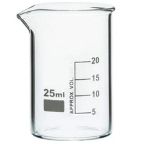 Borosilicate Glass Beaker
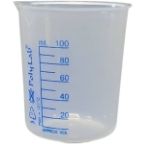 Plastic Beaker (Euro Design)
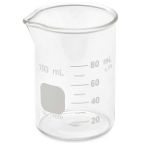 Plastic Beaker (Printed Graduation)
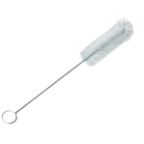 Test Tube Brush
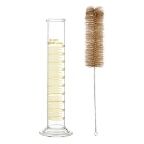 Measuring Cylinder Brush
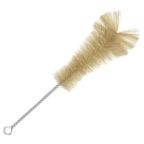 Conical Flask Brush
 Volumetric Flask Brush
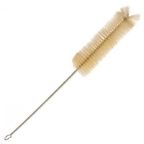 Round Bottom Flask Brush
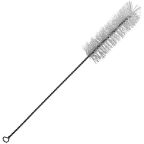 Glass Beaker Brush
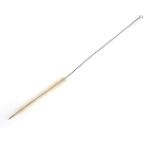 Pipette Brush
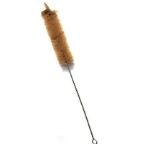 Wash Bottle Brush
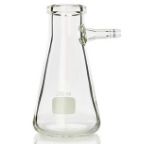 Borosilicate Büchner Flask
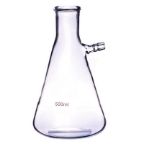 Borosilicate Erlenmeyer/Conical Flask
 Borosilicate Pear-Shaped Flask
 Borosilicate Round Bottom Flask
 Plastic Conical Flask
 Plastic Volumetric Flask
 Bunsen Burner
 Spirit Lamp
 Borosilicate Glass Burette
 Plastic Burette
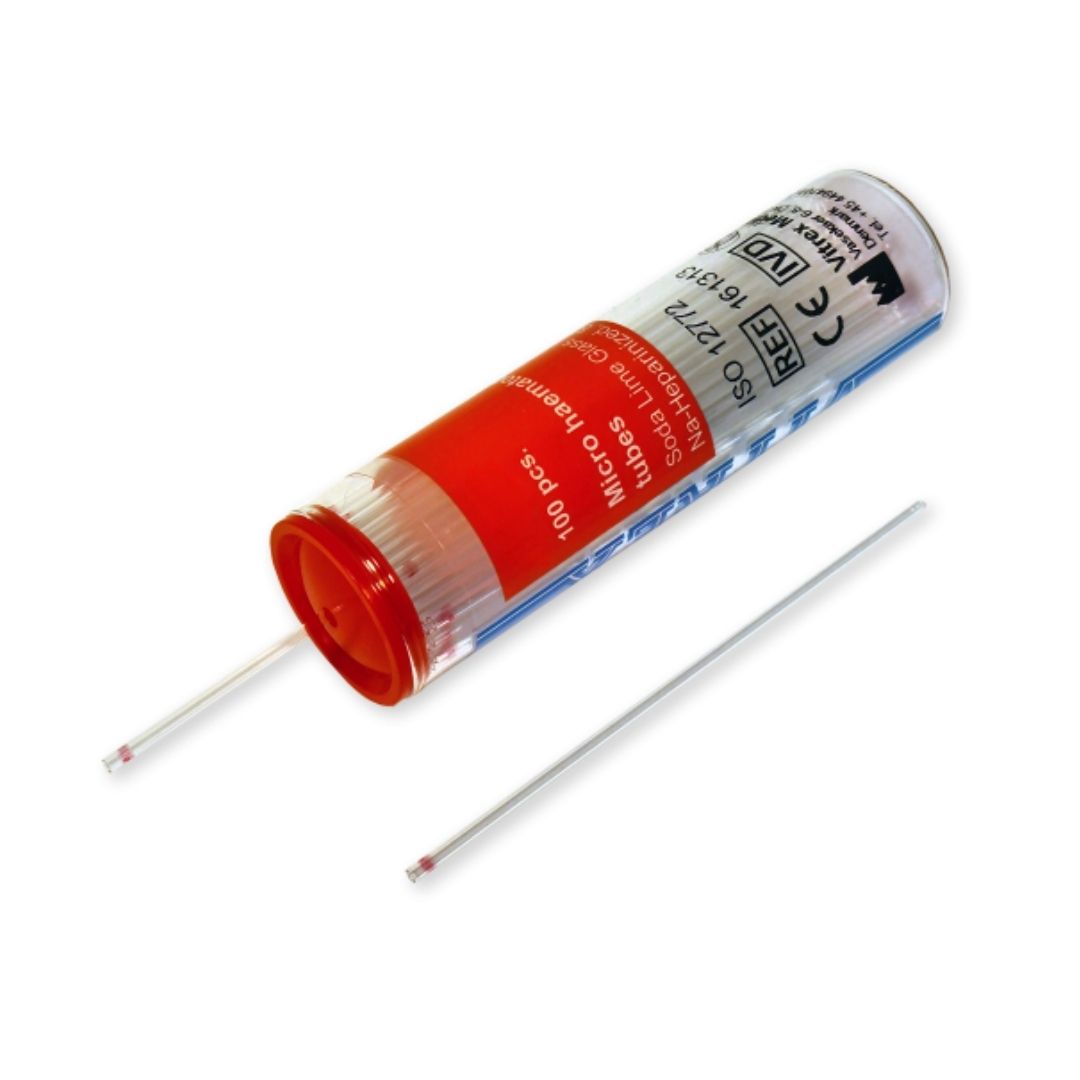
 Capillary Tube
 Centrifuge Tube
 Test Tube
 Ria Vial
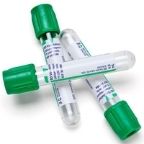 Vacutainer Tubes
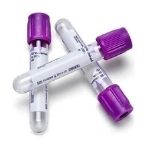 Syringes
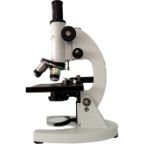 Student Microscope
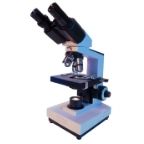 Binocular Microscope
 Dissecting Microscope
 Microscope Glass Slides
 Cover Slip
 Inoculating Loop
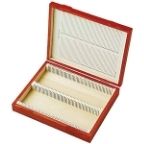 Slide Box
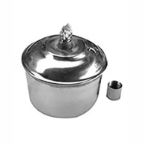 Lamps
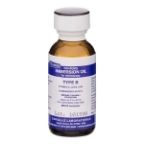 Oils
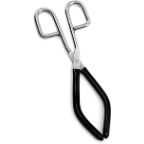 Beaker Tongs
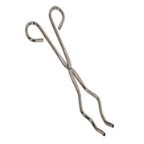 Crucible Tongs
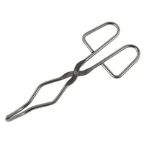 Flask Tongs
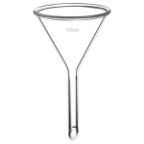 Borosilicate Glass Funnel
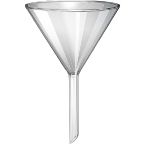 Plastic Funnels
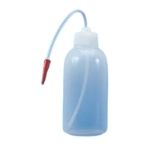 Wash Bottle
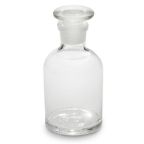 Borosilicate Glass Reagent Bottle
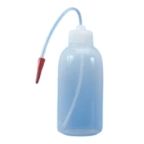 Plastic Reagent Bottle
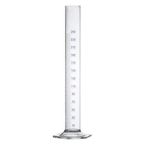 Borosilicate Measuring Cylinder
 Plastic Measuring Cylinder
 Borosilicate Glass Graduated Pipette
 Borosilicate Glass Volumetric Pipette
 HB Pipette
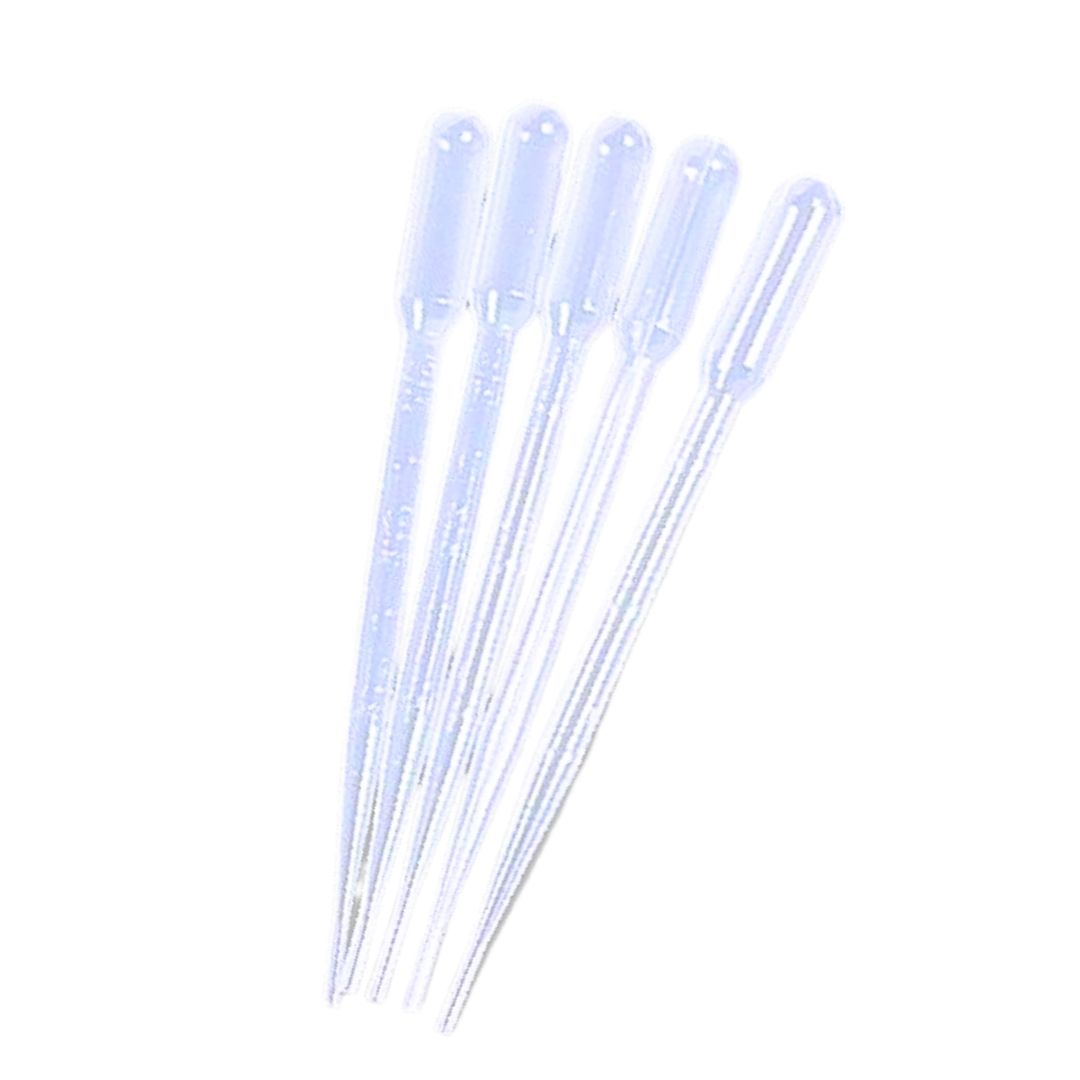
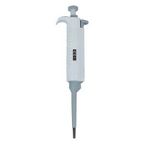 Pasteur Pipette
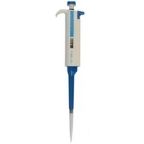 Micropipettes
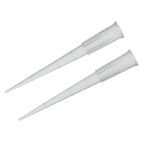 Micropipette Tips
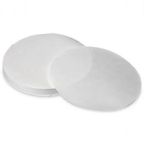 Filter Paper
 Litmus Paper
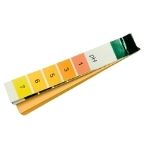 pH Paper
 Chromatography Paper
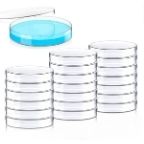 Plastic Petri Plates (Sterile)
 Glass Petri Plates (Non-Sterile)
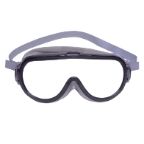 Safety Goggles
 Lab Coats
 Gloves
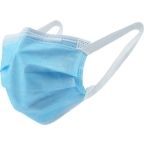 Masks
 Shoe Covers
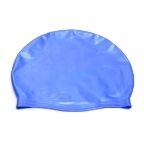 Hair & Beard Covers
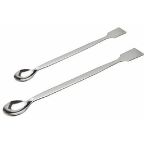 Steel Spatula
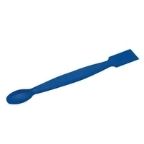 Plastic Spatula
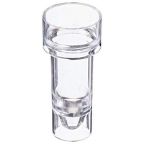 Hitachi Sample Cup
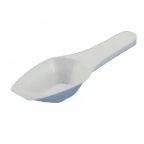 Plastic Scoop
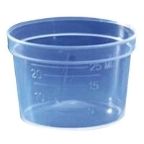 Plastic Medicine Cup
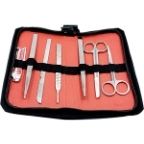 Dissecting Tool Kit
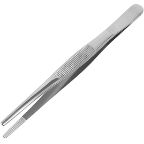 Dissecting Forceps
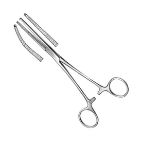 Hemostatic Forceps
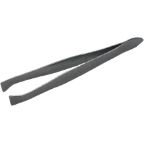 Thumb Forceps / Tweezers
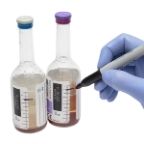 Blood Culture Bottle
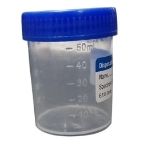 Urine Container
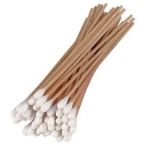 Wooden Swab Stick
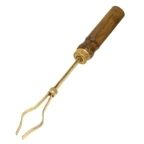 Test Tube Holder
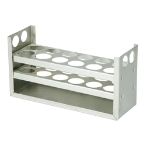 Test Tube Racks
 Magnifying Glass
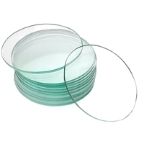 Watch Glass
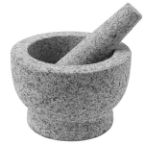 Mortar and Pestle
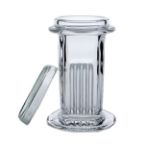 Coplin Jar
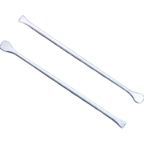 Plastic Stirrer
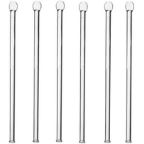 Glass Stirrer
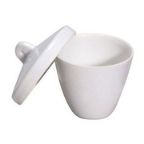 Crucible
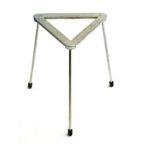 Tripod
 Wire Mesh
 Laboratory Thermometer
 Tourniquet
 Alcohol Swab
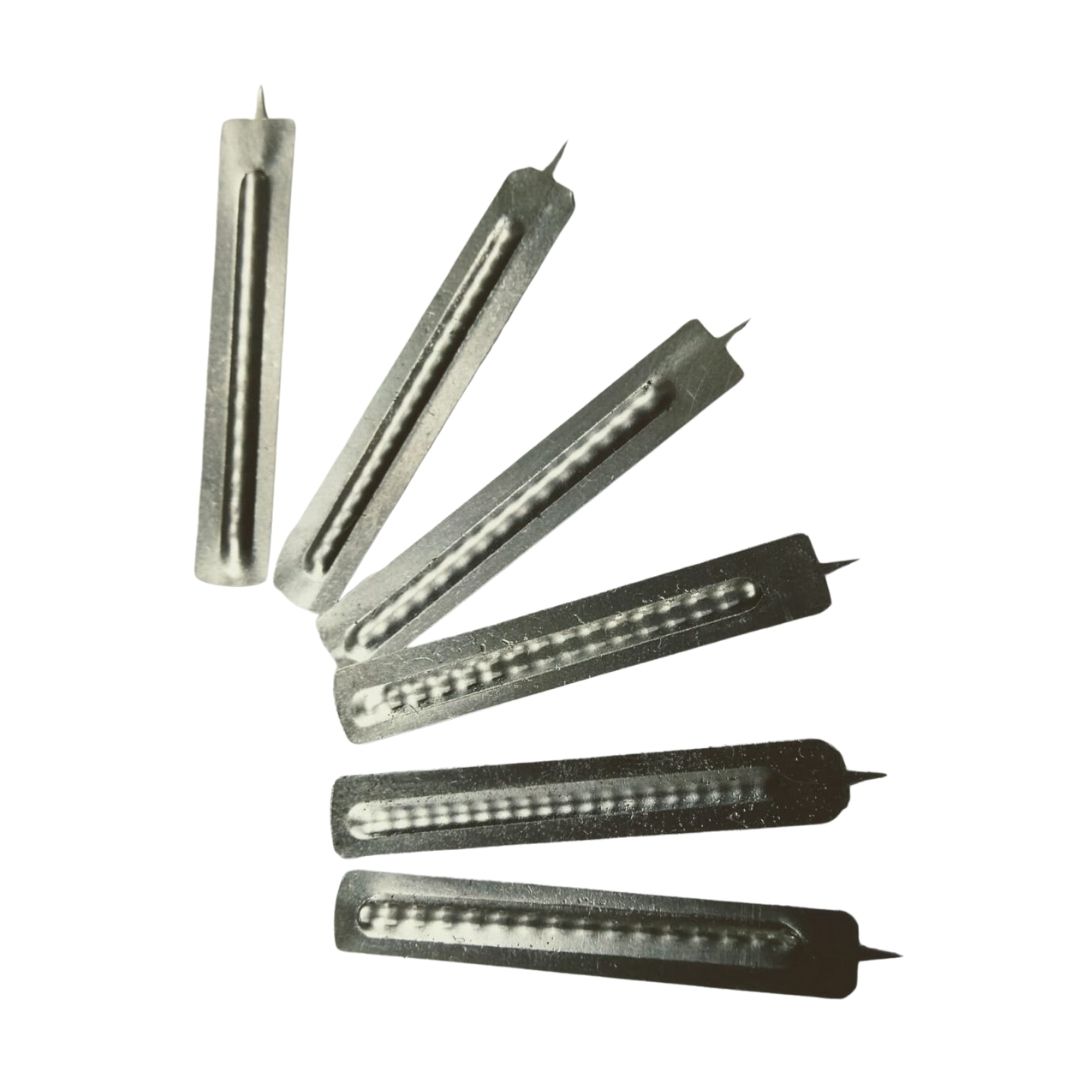
 Blood Lancet
 Bandage
 Gloves & Masks









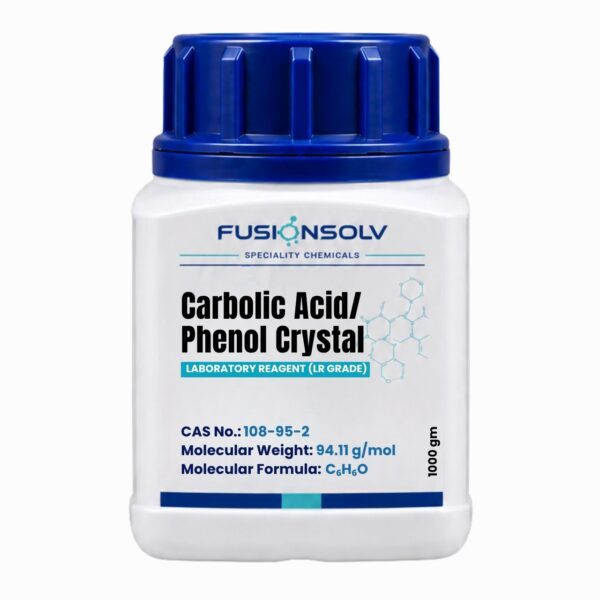
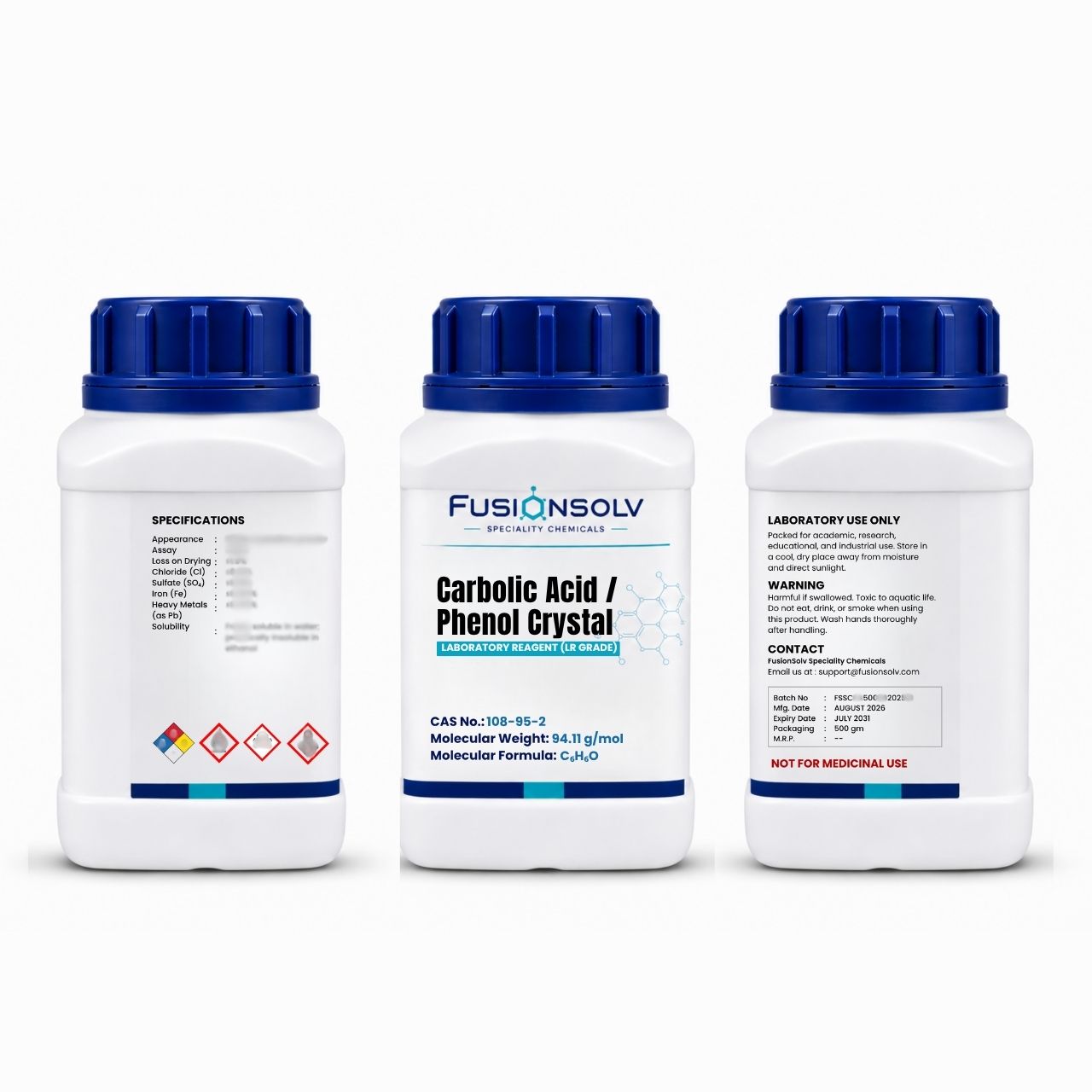







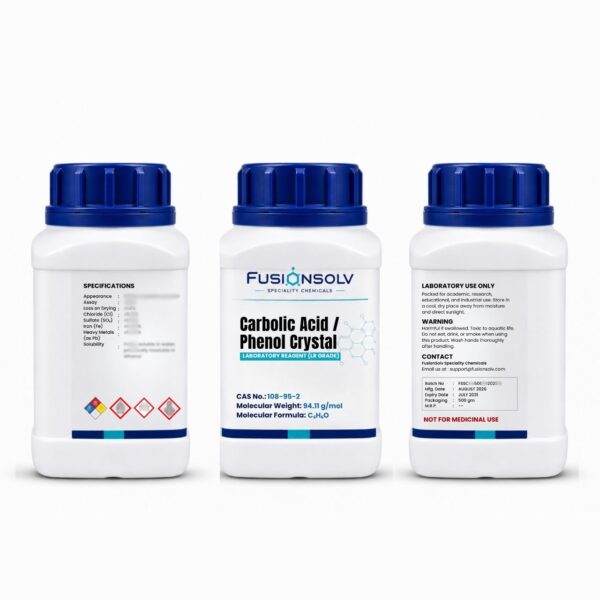
Carbolic Acid, also known as Phenol, is an aromatic organic compound belonging to the phenolic class, with the molecular formula C₆H₆O and a molecular weight of 94.11 g/mol. Its structure consists of a hydroxyl group directly attached to a benzene ring, giving it characteristic chemical properties that distinguish it from ordinary alcohols. Phenol commonly occurs as a colourless to white crystalline solid near room temperature and has a distinctive pungent odour. It exhibits weakly acidic behaviour and is used in selected organic chemistry experiments, chemical synthesis procedures, analytical investigations, and laboratory reagent preparation. Carbolic Acid Crystal for laboratory use is relevant to educational institutions, university laboratories, and research facilities when the specified grade meets the requirements of the intended procedure. Phenol is highly hazardous and can cause severe burns and systemic toxicity through exposure. Appropriate protective equipment, effective ventilation, and strict adherence to laboratory safety procedures are essential.
Product Specifications
| Specification | Details |
|---|---|
| Appearance | Colourless to white crystalline solid |
| Assay | 99% |
| Chemical Name | Phenol |
| Alternate Names | Carbolic Acid, Hydroxybenzene, Benzenol, Phenic Acid, Monohydroxybenzene |
| Molecular Formula | C₆H₆O |
| Empirical Formula | C₆H₆O |
| CAS Number | 108-95-2 |
| Molecular Weight | 94.11 g/mol |
| Grade | LR Laboratory Reagent |
Key Features of Carbolic Acid (Phenol)
- Defined aromatic structure: Phenol contains a hydroxyl group directly attached to a benzene ring, giving it characteristic phenolic chemistry.
- Crystalline physical form: Pure phenol is generally a colourless to white crystalline solid near room temperature, with a melting point of approximately 40–41°C.
- Weakly acidic character: Its hydroxyl group can release a proton, making phenol relevant to studies of acidity and organic functional groups.
- Solubility characteristics: Phenol has limited solubility in water and dissolves in several organic solvents, depending on temperature and composition.
- Laboratory reagent relevance: Its chemical properties support selected organic synthesis procedures, analytical investigations, and specialised reagent preparation.
Laboratory Applications of Carbolic Acid (Phenol)
- Organic chemistry practicals: Used in supervised investigations of aromatic compounds, phenolic functional groups, and characteristic organic reactions.
- Acid-base studies: Supports selected experiments examining weak acidity, ionisation, and the chemical behaviour of phenolic compounds.
- Organic synthesis: Serves as a starting material in selected synthesis procedures that specifically require phenol, subject to appropriate reaction controls.
- Laboratory reagent preparation: Used in validated procedures for preparing phenol-containing reagents when the specified formulation and concentration are appropriate.
- Specialised microbiological procedures: May be used in laboratory formulations that specifically require phenol, provided suitable exposure controls and validated protocols are followed.
Why Choose Lab Wale to Buy Carbolic Acid (Phenol)
Lab Wale provides a convenient sourcing option for laboratory chemicals and scientific supplies used by schools, colleges, universities, research centres, and laboratory professionals. When purchasing Carbolic Acid, review the chemical identity, stated reagent grade, available specifications, and relevant safety documentation to establish whether the material meets your experimental requirements. Selecting the correct chemical and grade supports appropriate laboratory planning and reagent preparation. Because phenol presents significant exposure hazards, it should be handled by trained personnel using suitable protective equipment and engineering controls.
Frequently Asked Questions About Carbolic Acid (Phenol)
What is Carbolic Acid used for in laboratories?
Carbolic Acid, or phenol, is used in selected organic chemistry experiments, chemical synthesis, analytical investigations, and preparation of specialised laboratory reagents. It may also be included in specific microbiological formulations. Suitability depends on the procedure, required grade, formulation, and safety controls available in the laboratory.
What is the chemical formula and molecular weight of Phenol?
Phenol has the molecular formula C₆H₆O, which is also its empirical formula. Its molecular weight is approximately 94.11 g/mol. The molecule contains a benzene ring with a hydroxyl group attached directly to the aromatic ring, giving it characteristic phenolic chemical properties.
What is the CAS number of Carbolic Acid?
The CAS Registry Number for Phenol, also known as Carbolic Acid or Hydroxybenzene, is 108-95-2. This identifier is used in chemical databases, purchasing records, and safety documentation to distinguish phenol from other aromatic compounds and related substances.
Why is Phenol hazardous to handle?
Phenol can cause severe skin burns, serious eye damage, and systemic toxicity. It can be absorbed through the skin, making even direct contact with small quantities potentially dangerous. Handle it using appropriate chemical-resistant protective equipment and effective ventilation, following the current Safety Data Sheet and institutional emergency procedures.
How should Carbolic Acid Crystals be stored and handled?
Store phenol in a tightly closed, compatible container in a cool, appropriately ventilated chemical storage area. Protect it from incompatible substances, particularly strong oxidising agents. Use suitable chemical-resistant gloves, protective clothing, and eye protection, and follow established procedures for spills, exposure incidents, and hazardous waste disposal.
Storage Conditions for Carbolic Acid (Phenol)
Store Carbolic Acid in a tightly closed, compatible container in a cool, dry, well-ventilated chemical storage area. Protect it from excessive heat and incompatible substances, particularly strong oxidising agents. Keep the container clearly labelled and segregated according to its hazard classification and institutional procedures. Follow the current Safety Data Sheet for specific temperature, container compatibility, and segregation requirements.
Precautions for Handling Carbolic Acid (Phenol)
Review the current Safety Data Sheet before use and handle phenol only in a suitably equipped laboratory with trained personnel. Wear chemical-resistant gloves specifically suitable for phenol, protective clothing, and appropriate eye and face protection. Use effective local exhaust ventilation or a suitable fume hood, and avoid all skin contact and vapour inhalation. Establish appropriate spill response, emergency arrangements, and hazardous waste disposal procedures before handling.





 Cardiology
 Clinical Oncology








Reviews
Clear filtersThere are no reviews yet.