
-
-
 Cardiology
-
 Clinical Oncology
-
 Dental
-
 Dermatology
-
 Ear, Nose, Throat (ENT)
-
 Endocrinology
-
 Gastroenterology
-
 General Surgery
-
 Gynecology & Obstetrics
-
 Interventional Cardiology
-
 Nephrology
-
 Neurology
-
 Oncology Surgery
-
 Ophthalmology
-
 Orthopedics
-
 Pediatrics
-
 Pediatrics Surgery
-
 Physiotherapy
-
 Plastic Surgery
-
 Psychiatry & Psychology
-
 Radiology
-
 Urology
-
 Vascular Surgery
-

 Anatomy Lab Equipments
 Biochemistry Lab Equipments
 Biology Lab Equipments
 Chemistry Lab Equipments
 Cytology Lab Equipments
 Cytopathology Lab Equipments
 Dental Lab Equipments
 Forensic Lab Equipments
 Genetics Lab Equipments
 Hematology Lab Equipments
 Histology Lab Equipments
 Histopathology Lab Equipments
 Mathematics Lab Equipments
 Microbiology Lab Equipments
 Molecular Biology Lab Equipments
 Pathology Lab Equipments
 Pharmaceutical Lab Equipments
 Physics Lab Equipments
 Radiology Lab Equipments
 Science Lab Kit’s
 Toxicology Lab Equipments

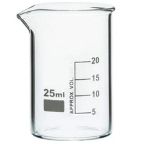 Borosilicate Glass Beaker
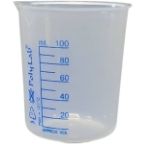 Plastic Beaker (Euro Design)
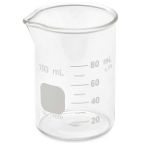 Plastic Beaker (Printed Graduation)
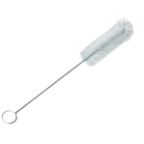 Test Tube Brush
 Measuring Cylinder Brush
 Conical Flask Brush
 Volumetric Flask Brush
 Round Bottom Flask Brush
 Glass Beaker Brush
 Pipette Brush
 Wash Bottle Brush
 Borosilicate Büchner Flask
 Borosilicate Erlenmeyer/Conical Flask
 Borosilicate Pear-Shaped Flask
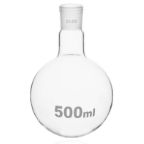 Borosilicate Round Bottom Flask
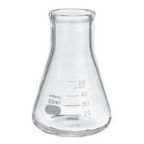 Plastic Conical Flask
 Plastic Volumetric Flask
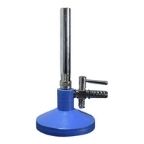 Bunsen Burner
 Spirit Lamp
 Borosilicate Glass Burette
 Plastic Burette
 Capillary Tube
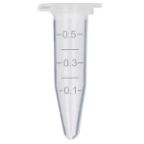 Centrifuge Tube
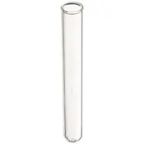 Test Tube
 Ria Vial
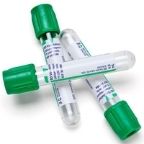 Vacutainer Tubes
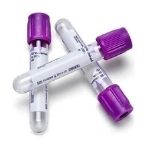 Syringes
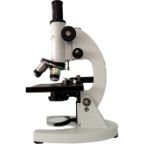 Student Microscope
 Binocular Microscope
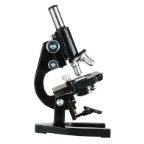 Dissecting Microscope
 Microscope Glass Slides
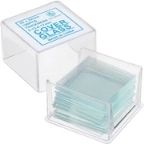 Cover Slip
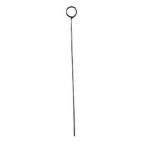 Inoculating Loop
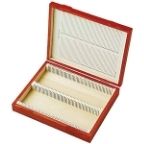 Slide Box
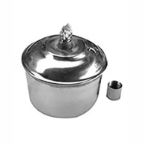 Lamps
 Oils
 Beaker Tongs
 Crucible Tongs
 Flask Tongs
 Borosilicate Glass Funnel
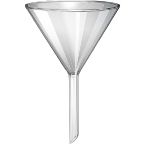 Plastic Funnels
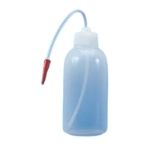 Wash Bottle
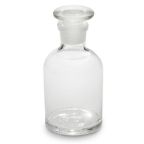 Borosilicate Glass Reagent Bottle
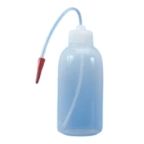 Plastic Reagent Bottle
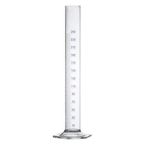 Borosilicate Measuring Cylinder
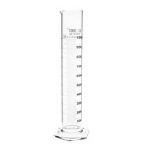 Plastic Measuring Cylinder
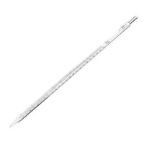 Borosilicate Glass Graduated Pipette
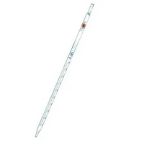 Borosilicate Glass Volumetric Pipette
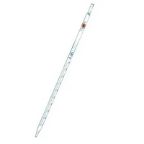 HB Pipette
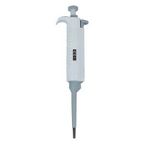 Pasteur Pipette
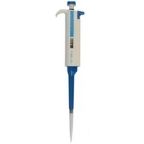 Micropipettes
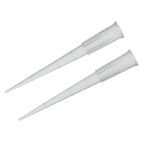 Micropipette Tips
 Filter Paper
 Litmus Paper
 pH Paper
 Chromatography Paper
 Plastic Petri Plates (Sterile)
 Glass Petri Plates (Non-Sterile)
 Safety Goggles
 Lab Coats
 Gloves
 Masks
 Shoe Covers
 Hair & Beard Covers
 Steel Spatula
 Plastic Spatula
 Hitachi Sample Cup
 Plastic Scoop
 Plastic Medicine Cup
 Dissecting Tool Kit
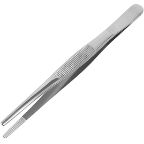 Dissecting Forceps
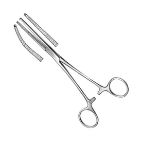 Hemostatic Forceps
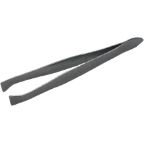 Thumb Forceps / Tweezers
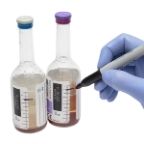 Blood Culture Bottle
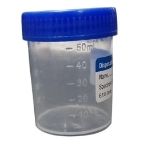 Urine Container
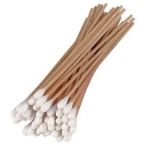 Wooden Swab Stick
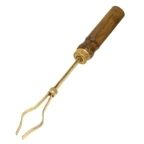 Test Tube Holder
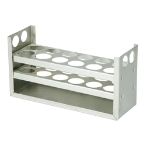 Test Tube Racks
 Magnifying Glass
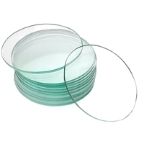 Watch Glass
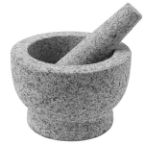 Mortar and Pestle
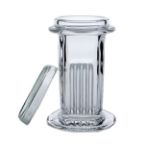 Coplin Jar
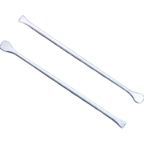 Plastic Stirrer
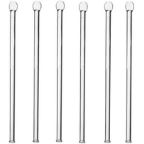 Glass Stirrer
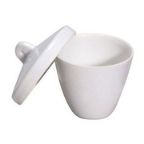 Crucible
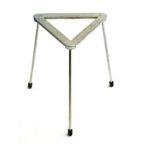 Tripod
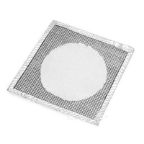 Wire Mesh
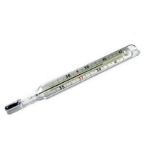 Laboratory Thermometer
 Tourniquet
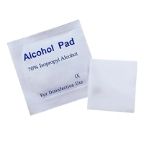 Alcohol Swab
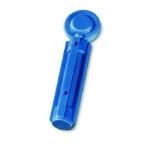 Blood Lancet
 Bandage
 Gloves & Masks









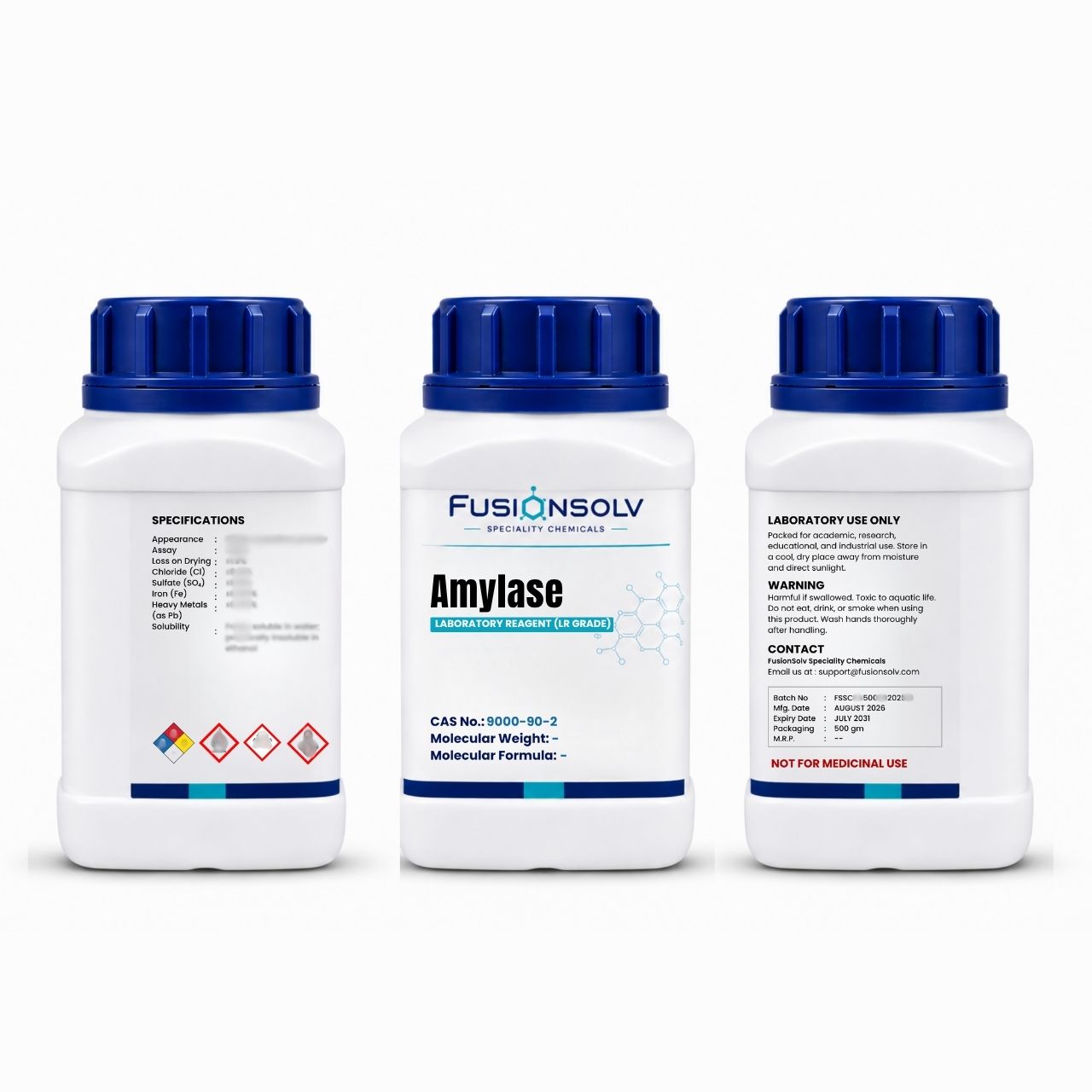







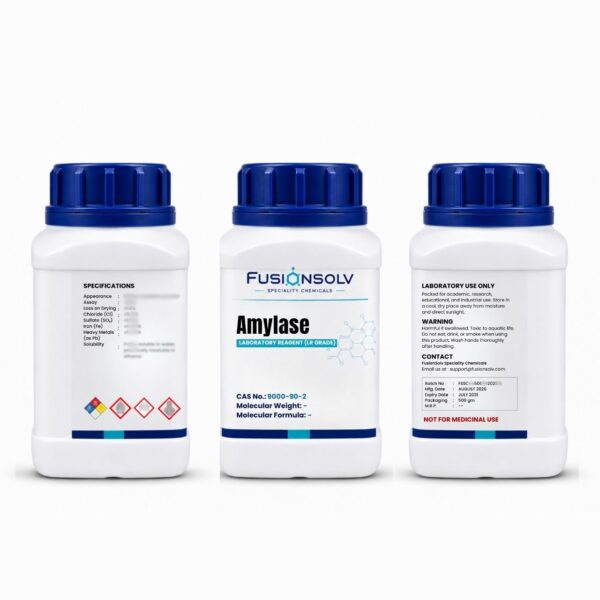
Amylase is an enzyme preparation that catalyses the hydrolysis of starch and related polysaccharides into smaller carbohydrate fragments. The enzyme class includes alpha-amylase and beta-amylase, which differ in their modes of action on starch. Laboratory amylase preparations are commonly supplied as powders, with their activity and performance depending on the enzyme source, formulation, and specified activity units. Amylase is widely used in biochemistry practicals, enzyme activity demonstrations, starch hydrolysis experiments, and research investigating enzyme-substrate interactions. It enables students and researchers to examine how factors such as temperature, pH, reaction time, and substrate concentration influence enzymatic activity. The 500 gram pack is intended for laboratory and research applications where the selected amylase preparation meets the experimental requirements. Product-specific activity, storage conditions, and handling instructions should be checked before use.
Product Specifications
| Specification | Details |
|---|---|
| Appearance | Off-white to pale yellow powder |
| Assay | 99% |
| Chemical Name | Amylase (Alpha-Amylase Enzyme Preparation) |
| Alternate Names | Alpha-Amylase, Diastase, 1,4-Alpha-D-Glucan Glucanohydrolase |
| Molecular Formula | Not applicable; enzyme preparations are proteins with composition dependent on the enzyme source and formulation. |
| Empirical Formula | Not applicable; the elemental composition varies with the enzyme protein and preparation. |
| CAS Number | 9000-90-2 |
| Molecular Weight | No single molecular weight applies to all amylase preparations; it depends on the enzyme type and source. |
| Grade | LR Laboratory Reagent |
Key Features of Amylase
- Starch-hydrolysing enzyme: Alpha-amylase catalyses the breakdown of internal alpha-1,4 glycosidic bonds in starch and related polysaccharides.
- Enzymatic specificity: Its catalytic activity enables investigations of enzyme-substrate interactions and carbohydrate breakdown.
- Powdered preparation: The solid formulation allows measured quantities to be weighed for suitable laboratory experiments.
- Activity-dependent performance: Enzyme performance depends on the declared activity, source, pH, temperature, and experimental conditions.
- Biochemistry research relevance: Amylase is useful for studying enzyme kinetics, catalytic activity, and the effects of environmental conditions on enzymes.
Laboratory Applications of Amylase
- Starch hydrolysis experiments: Used to demonstrate the enzymatic breakdown of starch and observe changes in starch concentration during a reaction.
- Enzyme activity practicals: Suitable for supervised educational experiments examining how temperature, pH, and reaction time influence enzyme activity.
- Biochemistry research: Used in studies of enzyme kinetics, catalytic behaviour, and enzyme-substrate interactions under controlled conditions.
- Carbohydrate analysis: Applied in selected laboratory methods involving the enzymatic breakdown of starch before subsequent analysis.
- Comparative enzyme investigations: Used to compare amylase activity under different experimental conditions, provided the enzyme activity and assay method are appropriately defined.
Why Choose Lab Wale to Buy Amylase
Lab Wale provides a convenient sourcing option for laboratory chemicals, biochemical reagents, and scientific supplies for educational institutions, universities, research centres, and laboratory professionals. When purchasing Amylase, buyers should review the enzyme identity, source, declared activity, grade, and storage requirements to ensure compatibility with their intended experiment. Clear product specifications help laboratories select appropriate reagents for teaching and research. Lab Wale supports laboratory procurement for scientific applications where the selected product meets the relevant experimental requirements.
Frequently Asked Questions About Amylase
What is Amylase used for in laboratories?
Amylase is used to investigate starch hydrolysis, enzyme activity, and the effects of temperature and pH on biochemical reactions. It is commonly used in biochemistry practicals and research examining enzyme kinetics and substrate breakdown. The exact application depends on the enzyme type and declared activity.
What is the molecular formula of Amylase?
Amylase does not have one universal molecular formula because it is a family of protein enzymes whose amino acid sequences vary by type and biological source. Its composition is better described by its specific enzyme identity and protein structure than by a single small-molecule formula.
What is the CAS number of Amylase?
CAS 9000-90-2 is associated with alpha-amylase. Other amylase types and source-specific enzyme preparations may have different identifiers. Confirming the enzyme type and source is important when selecting a reagent for a particular laboratory method.
How does Amylase break down starch during an experiment?
Alpha-amylase catalyses the hydrolysis of internal alpha-1,4 glycosidic bonds in starch, producing shorter carbohydrate chains and oligosaccharides. Reaction rate depends on factors including enzyme activity, substrate concentration, temperature, pH, and incubation time. Appropriate controls help interpret experimental results.
How should Amylase be stored and handled safely?
Follow the product-specific Safety Data Sheet and storage instructions. Enzyme powders should be handled carefully to minimize airborne dust, which can cause respiratory irritation or sensitization. Wear suitable gloves and eye protection, use appropriate ventilation, and keep the container tightly closed under the recommended temperature and humidity conditions.
Storage Conditions for Amylase
Store Amylase in a tightly closed, clearly labelled container in a cool, dry place protected from moisture and direct sunlight. Because enzyme activity can decline with unsuitable storage conditions, follow the temperature recommendations specified for the particular preparation. Avoid repeated exposure to humid air and excessive heat, and maintain appropriate storage conditions throughout laboratory use.
Precautions for Handling Amylase
Review the current Safety Data Sheet before handling Amylase. Wear suitable protective gloves, safety glasses, and laboratory clothing. Avoid generating or inhaling airborne enzyme dust, as some enzyme preparations can cause respiratory sensitization. Use appropriate ventilation and follow institutional procedures for spills, waste disposal, and accidental exposure. Educational experiments should be conducted under suitable supervision.






 Cardiology
 Clinical Oncology








Reviews
Clear filtersThere are no reviews yet.