
-
-
 Cardiology
-
 Clinical Oncology
-
 Dental
-
 Dermatology
-
 Ear, Nose, Throat (ENT)
-
 Endocrinology
-
 Gastroenterology
-
 General Surgery
-
 Gynecology & Obstetrics
-
 Interventional Cardiology
-
 Nephrology
-
 Neurology
-
 Oncology Surgery
-
 Ophthalmology
-
 Orthopedics
-
 Pediatrics
-
 Pediatrics Surgery
-
 Physiotherapy
-
 Plastic Surgery
-
 Psychiatry & Psychology
-
 Radiology
-
 Urology
-
 Vascular Surgery
-

 Anatomy Lab Equipments
 Biochemistry Lab Equipments
 Biology Lab Equipments
 Chemistry Lab Equipments
 Cytology Lab Equipments
 Cytopathology Lab Equipments
 Dental Lab Equipments
 Forensic Lab Equipments
 Genetics Lab Equipments
 Hematology Lab Equipments
 Histology Lab Equipments
 Histopathology Lab Equipments
 Mathematics Lab Equipments
 Microbiology Lab Equipments
 Molecular Biology Lab Equipments
 Pathology Lab Equipments
 Pharmaceutical Lab Equipments
 Physics Lab Equipments
 Radiology Lab Equipments
 Science Lab Kit’s
 Toxicology Lab Equipments

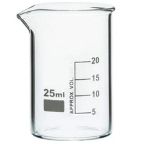 Borosilicate Glass Beaker
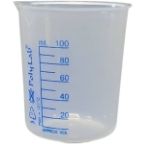 Plastic Beaker (Euro Design)
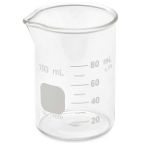 Plastic Beaker (Printed Graduation)
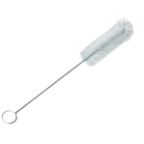 Test Tube Brush
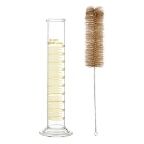 Measuring Cylinder Brush
 Conical Flask Brush
 Volumetric Flask Brush
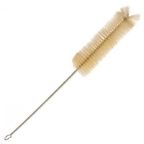 Round Bottom Flask Brush
 Glass Beaker Brush
 Pipette Brush
 Wash Bottle Brush
 Borosilicate Büchner Flask
 Borosilicate Erlenmeyer/Conical Flask
 Borosilicate Pear-Shaped Flask
 Borosilicate Round Bottom Flask
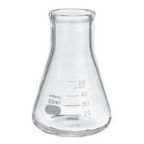 Plastic Conical Flask
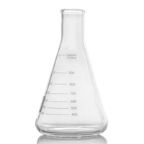 Plastic Volumetric Flask
 Bunsen Burner
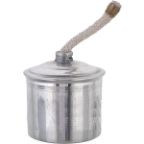 Spirit Lamp
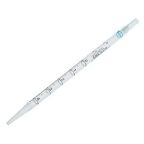 Borosilicate Glass Burette
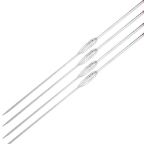 Plastic Burette
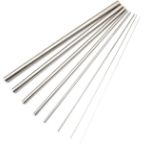 Capillary Tube
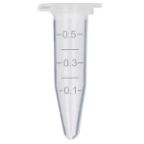 Centrifuge Tube
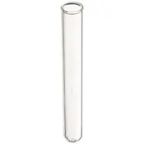 Test Tube
 Ria Vial
 Vacutainer Tubes
 Syringes
 Student Microscope
 Binocular Microscope
 Dissecting Microscope
 Microscope Glass Slides
 Cover Slip
 Inoculating Loop
 Slide Box
 Lamps
 Oils
 Beaker Tongs
 Crucible Tongs
 Flask Tongs
 Borosilicate Glass Funnel
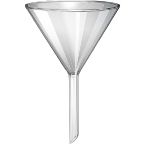 Plastic Funnels
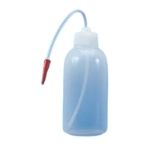 Wash Bottle
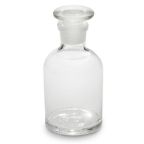 Borosilicate Glass Reagent Bottle
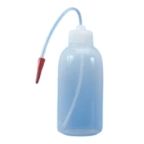 Plastic Reagent Bottle
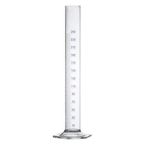 Borosilicate Measuring Cylinder
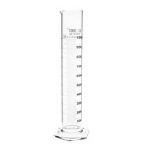 Plastic Measuring Cylinder
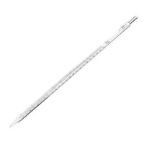 Borosilicate Glass Graduated Pipette
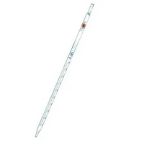 Borosilicate Glass Volumetric Pipette
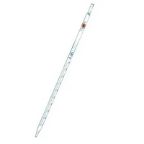 HB Pipette
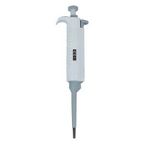 Pasteur Pipette
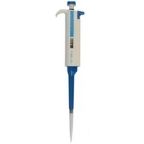 Micropipettes
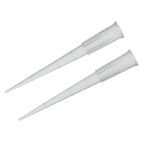 Micropipette Tips
 Filter Paper
 Litmus Paper
 pH Paper
 Chromatography Paper
 Plastic Petri Plates (Sterile)
 Glass Petri Plates (Non-Sterile)
 Safety Goggles
 Lab Coats
 Gloves
 Masks
 Shoe Covers
 Hair & Beard Covers
 Steel Spatula
 Plastic Spatula
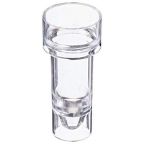 Hitachi Sample Cup
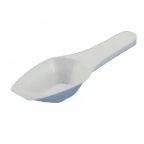 Plastic Scoop
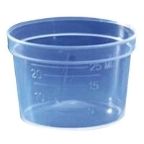 Plastic Medicine Cup
 Dissecting Tool Kit
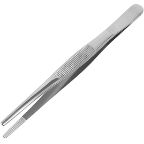 Dissecting Forceps
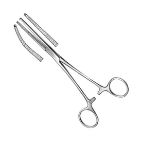 Hemostatic Forceps
 Thumb Forceps / Tweezers
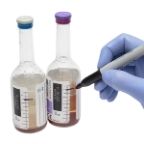 Blood Culture Bottle
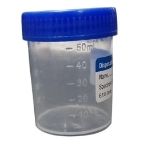 Urine Container
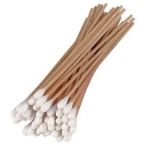 Wooden Swab Stick
 Test Tube Holder
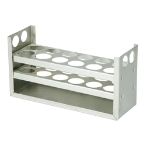 Test Tube Racks
 Magnifying Glass
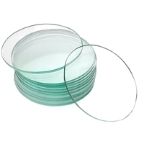 Watch Glass
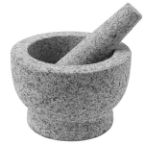 Mortar and Pestle
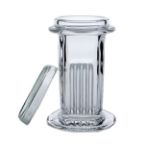 Coplin Jar
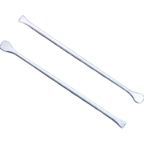 Plastic Stirrer
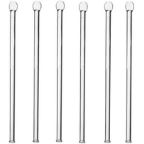 Glass Stirrer
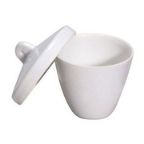 Crucible
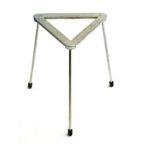 Tripod
 Wire Mesh
 Laboratory Thermometer
 Tourniquet
 Alcohol Swab
 Blood Lancet
 Bandage
 Gloves & Masks









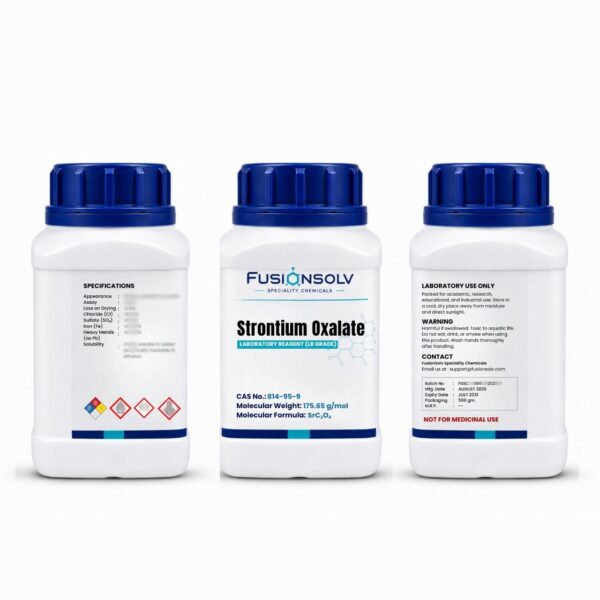
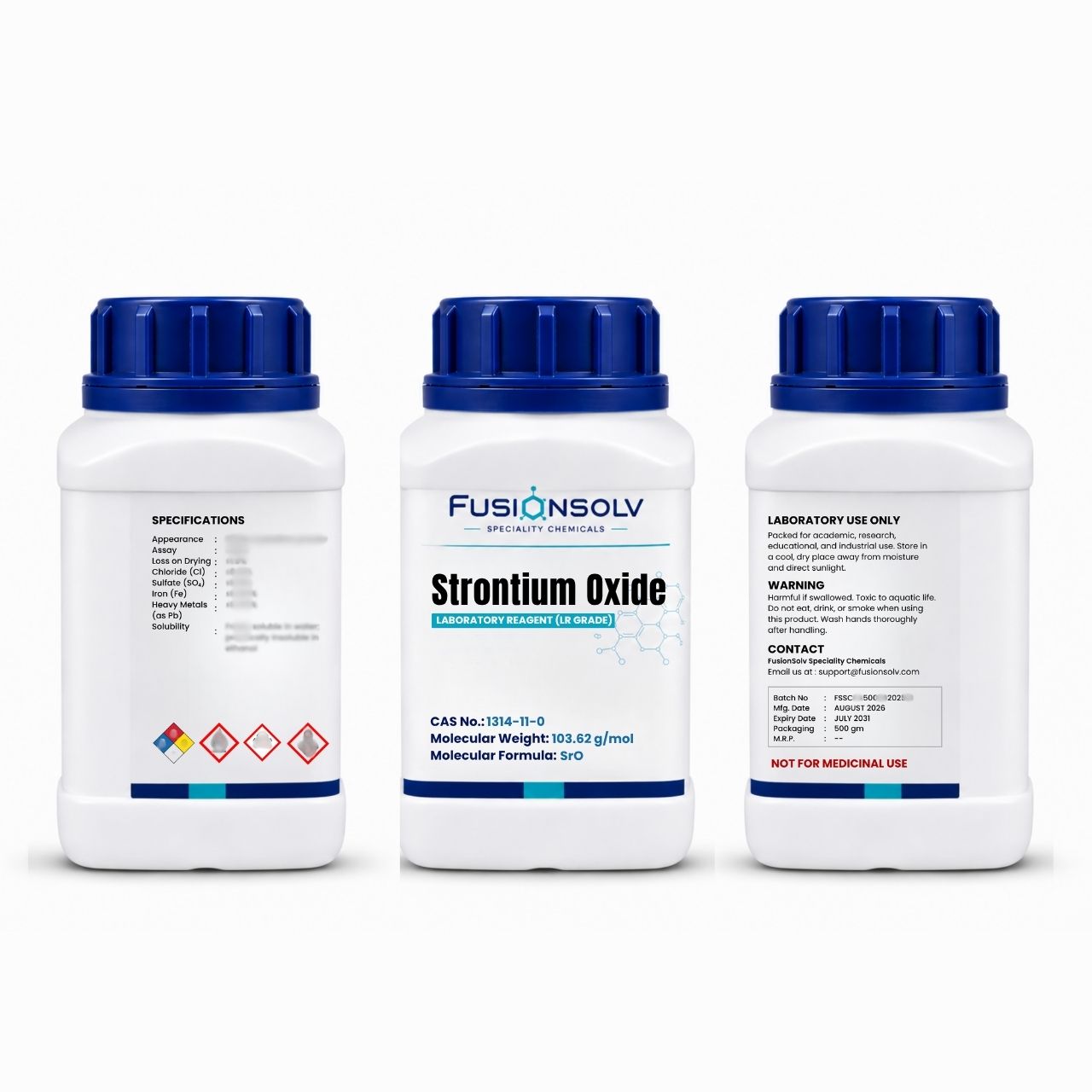








Strontium oxide is a basic alkaline-earth metal oxide supplied for scientific and laboratory work. It is identified by its white to greyish-white solid and its characteristic chemical behaviour: reacts with water to form strontium hydroxide and generates heat. In educational and research settings, this material is relevant to basic oxide and solid-state chemistry. Its experimental value depends on appropriate preparation, accurate identification, and observance of the relevant safety controls. Laboratory users should consider solubility, compatibility, concentration and stability when designing procedures, especially when standardising solutions or comparing results. The listed 500 gram Packs is a purchasing format, not evidence of a particular analytical performance standard. Use the current safety data and the actual label to confirm which methods are appropriate for the supplied reagent.
Product Specifications
| Specification | Details |
|---|---|
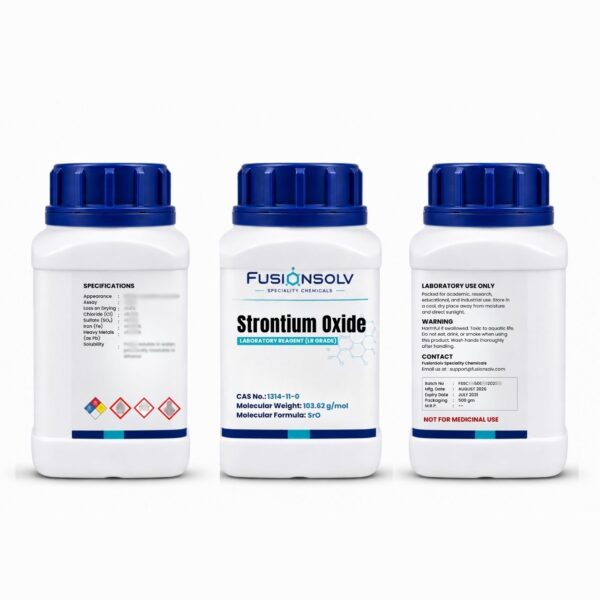
| Appearance | White to greyish-white solid |
| Assay | 99% |
| Chemical Name | Strontium oxide |
| Alternate Names | Strontium monoxide; strontia |
| Molecular Formula | SrO |
| Empirical Formula | SrO |
| CAS Number | 1314-11-0 |
| Molecular Weight | 103.62 g/mol |
| Grade | LR Laboratory Reagent |
Key Features of Strontium oxide
- Strontium oxide belongs to the basic alkaline-earth metal oxide group and is intended for controlled laboratory workflows.
- Physical appearance: white to greyish-white solid; inspect the actual material for consistency with its label.
- A key chemical characteristic is that it reacts with water to form strontium hydroxide and generates heat.
- Useful in carefully selected experiments concerning basic oxide and solid-state chemistry.
- The named pack size is intended for laboratory procurement; suitability still depends on the required method and verified product form.
Laboratory Applications of Strontium oxide
- Demonstration of basic oxide reactivity under controlled conditions These studies require trained supervision and chemical-specific precautions.
- Studies of alkaline-earth oxide chemistry These studies require trained supervision and chemical-specific precautions.
- Preparation of strontium-containing inorganic solids These studies require trained supervision and chemical-specific precautions.
- Solid-state reaction research These studies require trained supervision and chemical-specific precautions.
- Academic investigations of oxide hydration and carbonation These studies require trained supervision and chemical-specific precautions.
Why Choose Lab Wale to Buy Strontium oxide
Lab Wale supplies laboratory chemicals and scientific materials for educational institutions, research centres and analytical laboratories. When selecting Strontium oxide, purchasers should match the stated identity, physical form and intended procedure before ordering. Clear comparison of the listed specifications with an institution’s method requirements can help avoid choosing an unsuitable reagent. The grade information presented is a listing descriptor rather than a promise of performance in every analytical workflow. Follow the label and current safety documentation when planning use.
Frequently Asked Questions About Strontium oxide
What is Strontium oxide used for in laboratories?
Strontium oxide is relevant to basic oxide and solid-state chemistry. Examples include demonstration of basic oxide reactivity under controlled conditions and studies of alkaline-earth oxide chemistry. The appropriate method depends on the composition, working concentration and laboratory safety controls. Some specialised investigations require additional validated conditions.
What chemical formula and molecular weight apply to Strontium oxide?
The reference formula is SrO, with molecular weight 103.62 g/mol. For polymers, formulated media, uncertain borates or salts available as hydrates, these entries must not be treated as guaranteed specifications of an unspecified commercial form.
What is the CAS number of Strontium oxide?
The CAS entry is 1314-11-0. This identification refers to the stated reference substance where applicable. If the product is a mixture or an unspecified hydrate, the exact supplied formulation should be verified before assigning a substance-specific identifier.
Can Strontium oxide be used for teaching and research?
It can support appropriate supervised work involving basic oxide and solid-state chemistry. Suitability is not universal: required grade, exact composition, method sensitivity, equipment and facility safety controls must be assessed. More hazardous or reactive substances should only be handled by appropriately trained personnel.
How should Strontium oxide be stored and handled?
Protect rigorously from moisture and carbon dioxide in well-sealed compatible containers; segregate from acids. Use eye, skin and respiratory protection as indicated by the SDS; moisture reactions are exothermic and require supervised handling. Review the current SDS and the institution’s disposal and emergency procedures before performing experiments.
Storage Conditions for Strontium oxide
Protect rigorously from moisture and carbon dioxide in well-sealed compatible containers; segregate from acids. Keep the product clearly labelled and review its current safety data for any grade- or formulation-specific conditions. Do not expose it to incompatible materials, and use suitable containment for the listed chemical form.
Precautions for Handling Strontium oxide
Read the current Safety Data Sheet before use. Use eye, skin and respiratory protection as indicated by the SDS; moisture reactions are exothermic and require supervised handling. Avoid unnecessary inhalation, ingestion and skin or eye contact. Use suitable ventilation and follow institutional spill-response, emergency and waste-disposal protocols. Where experiments involve hazardous reactions, ensure appropriate supervision and compatible protective equipment.







 Cardiology
 Clinical Oncology








Reviews
Clear filtersThere are no reviews yet.