
-
-
 Cardiology
-
 Clinical Oncology
-
 Dental
-
 Dermatology
-
 Ear, Nose, Throat (ENT)
-
 Endocrinology
-
 Gastroenterology
-
 General Surgery
-
 Gynecology & Obstetrics
-
 Interventional Cardiology
-
 Nephrology
-
 Neurology
-
 Oncology Surgery
-
 Ophthalmology
-
 Orthopedics
-
 Pediatrics
-
 Pediatrics Surgery
-
 Physiotherapy
-
 Plastic Surgery
-
 Psychiatry & Psychology
-
 Radiology
-
 Urology
-
 Vascular Surgery
-

 Anatomy Lab Equipments
 Biochemistry Lab Equipments
 Biology Lab Equipments
 Chemistry Lab Equipments
 Cytology Lab Equipments
 Cytopathology Lab Equipments
 Dental Lab Equipments
 Forensic Lab Equipments
 Genetics Lab Equipments
 Hematology Lab Equipments
 Histology Lab Equipments
 Histopathology Lab Equipments
 Mathematics Lab Equipments
 Microbiology Lab Equipments
 Molecular Biology Lab Equipments
 Pathology Lab Equipments
 Pharmaceutical Lab Equipments
 Physics Lab Equipments
 Radiology Lab Equipments
 Science Lab Kit’s
 Toxicology Lab Equipments

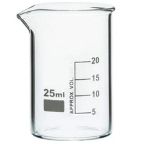 Borosilicate Glass Beaker
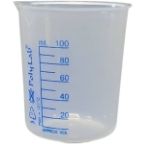 Plastic Beaker (Euro Design)
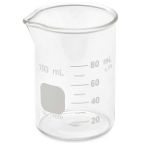 Plastic Beaker (Printed Graduation)
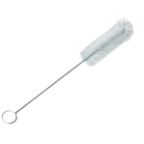 Test Tube Brush
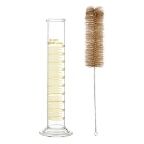 Measuring Cylinder Brush
 Conical Flask Brush
 Volumetric Flask Brush
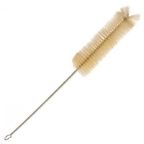 Round Bottom Flask Brush
 Glass Beaker Brush
 Pipette Brush
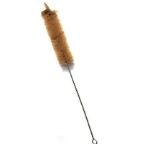 Wash Bottle Brush
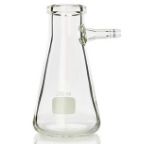 Borosilicate Büchner Flask
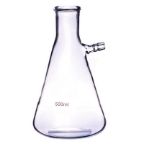 Borosilicate Erlenmeyer/Conical Flask
 Borosilicate Pear-Shaped Flask
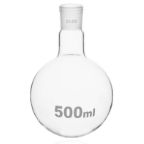 Borosilicate Round Bottom Flask
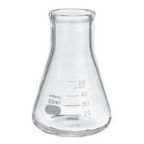 Plastic Conical Flask
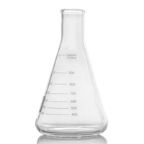 Plastic Volumetric Flask
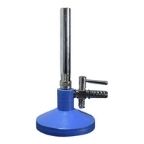 Bunsen Burner
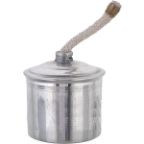 Spirit Lamp
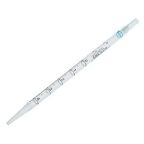 Borosilicate Glass Burette
 Plastic Burette
 Capillary Tube
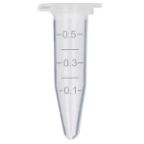 Centrifuge Tube
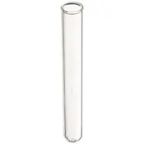 Test Tube
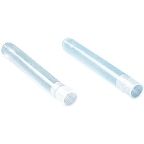 Ria Vial
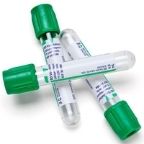 Vacutainer Tubes
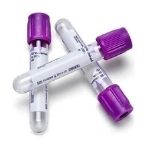 Syringes
 Student Microscope
 Binocular Microscope
 Dissecting Microscope
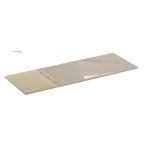 Microscope Glass Slides
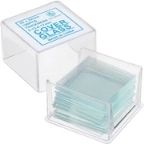 Cover Slip
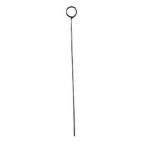 Inoculating Loop
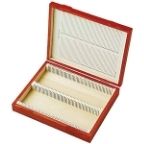 Slide Box
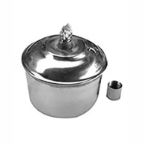 Lamps
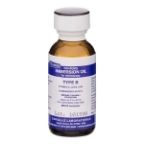 Oils
 Beaker Tongs
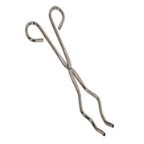 Crucible Tongs
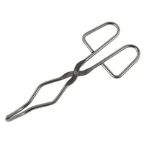 Flask Tongs
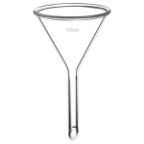 Borosilicate Glass Funnel
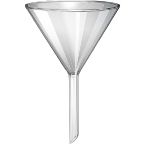 Plastic Funnels
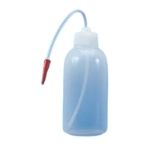 Wash Bottle
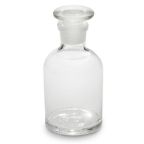 Borosilicate Glass Reagent Bottle
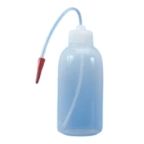 Plastic Reagent Bottle
 Borosilicate Measuring Cylinder
 Plastic Measuring Cylinder
 Borosilicate Glass Graduated Pipette
 Borosilicate Glass Volumetric Pipette
 HB Pipette
 Pasteur Pipette
 Micropipettes
 Micropipette Tips
 Filter Paper
 Litmus Paper
 pH Paper
 Chromatography Paper
 Plastic Petri Plates (Sterile)
 Glass Petri Plates (Non-Sterile)
 Safety Goggles
 Lab Coats
 Gloves
 Masks
 Shoe Covers
 Hair & Beard Covers
 Steel Spatula
 Plastic Spatula
 Hitachi Sample Cup
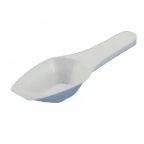 Plastic Scoop
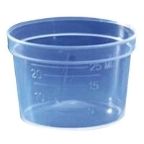 Plastic Medicine Cup
 Dissecting Tool Kit
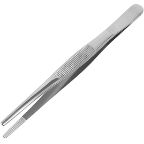 Dissecting Forceps
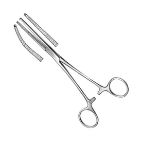 Hemostatic Forceps
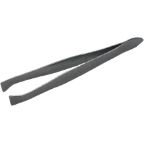 Thumb Forceps / Tweezers
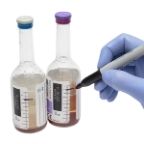 Blood Culture Bottle
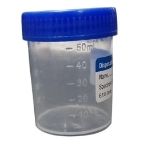 Urine Container
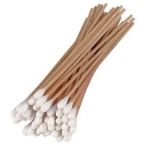 Wooden Swab Stick
 Test Tube Holder
 Test Tube Racks
 Magnifying Glass
 Watch Glass
 Mortar and Pestle
 Coplin Jar
 Plastic Stirrer
 Glass Stirrer
 Crucible
 Tripod
 Wire Mesh
 Laboratory Thermometer
 Tourniquet
 Alcohol Swab
 Blood Lancet
 Bandage
 Gloves & Masks









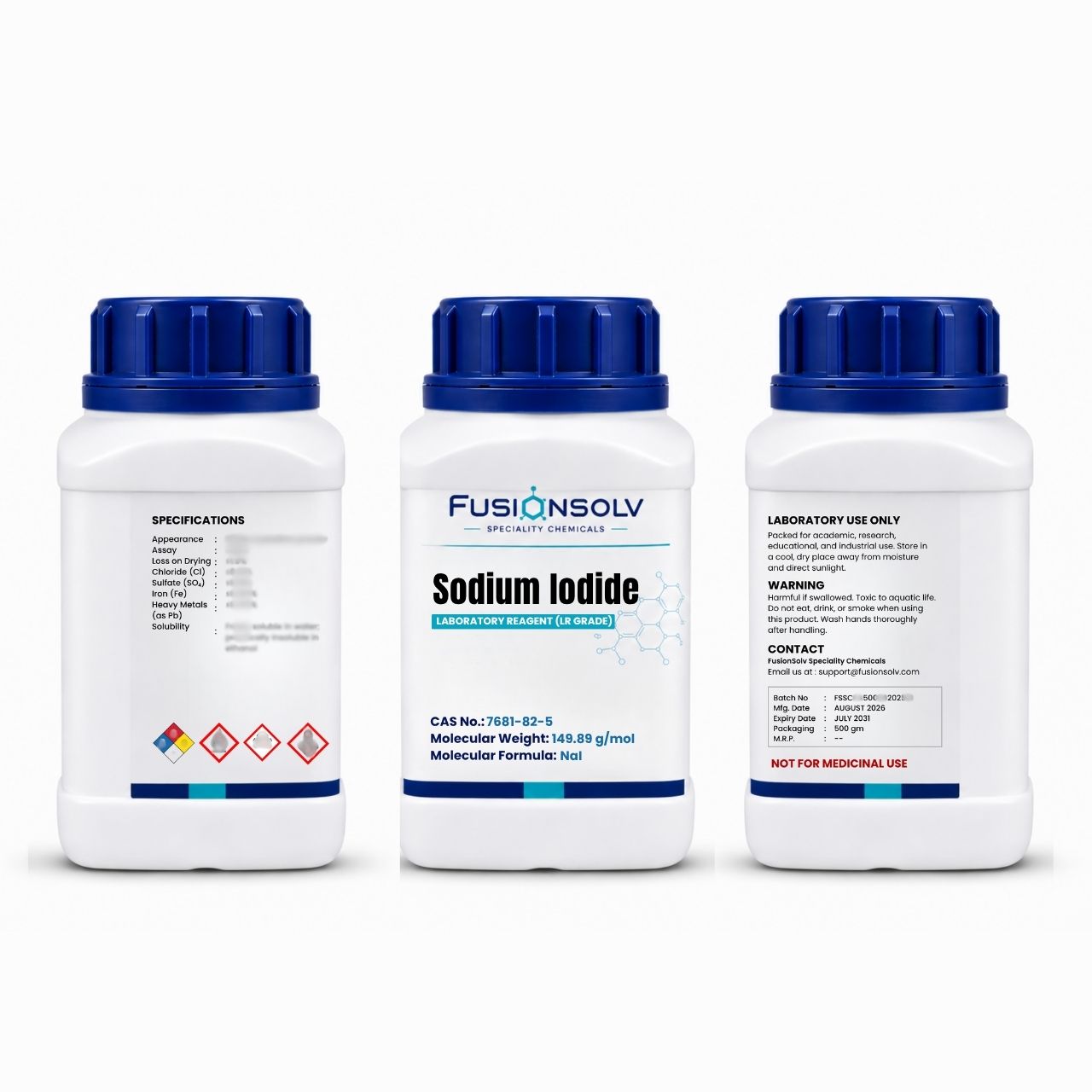








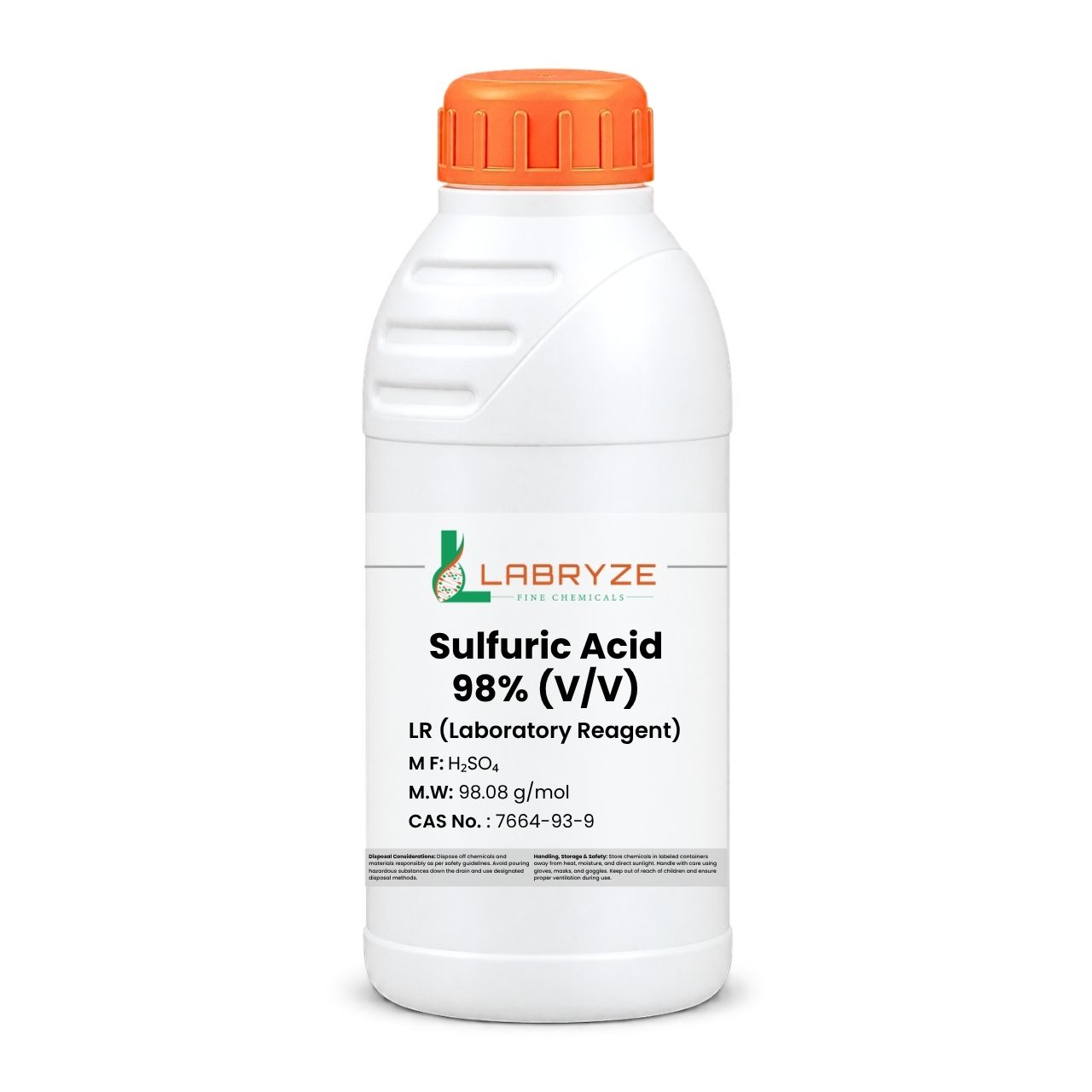
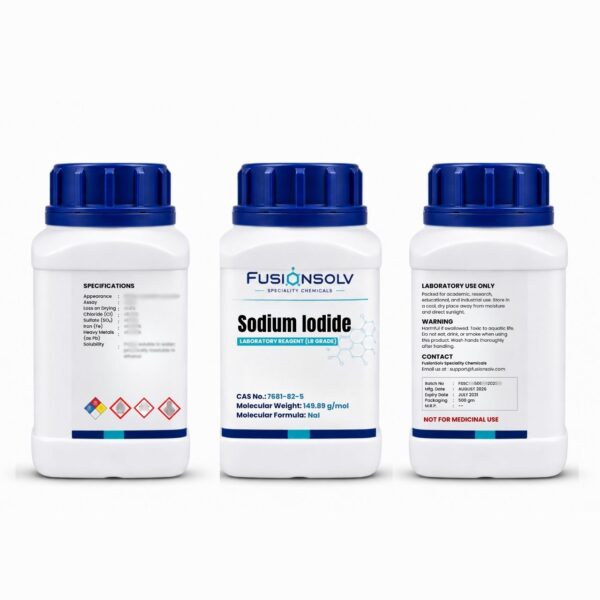
Sodium Iodide is a laboratory catalog product associated with alkali-metal iodide salt and scientific work involving iodide equilibria and halide analytical chemistry. Iodide is readily oxidized and can form triiodide in iodine-containing solutions. The exact chemical identification is important for interpreting stoichiometry, test outcomes, solubility and reagent compatibility. Teaching laboratories and analytical research groups may use appropriately selected materials for established investigations, but the actual experimental purpose must match the supplied composition and grade. In particular, controlled work with this product can illustrate characteristic inorganic or solution chemistry while strengthening an understanding of reaction mechanisms and analytical observations. It should not be treated as universally suitable for classroom or quantitative procedures. Personnel must consider the substance-specific hazards, proper protective equipment, incompatible reagents and regulated disposal before using this material. Where the product name does not establish hydration, composition or a unique identity, confirm these details from its original supplier documentation before use.
Product Specifications
| Specification | Details |
|---|---|
| Appearance | White crystalline solid |
| Assay | 99% |
| Chemical Name | Sodium iodide, anhydrous basis |
| Alternate Names | Sodium monoiodide |
| Molecular Formula | NaI |
| Empirical Formula | NaI |
| CAS Number | 7681-82-5 |
| Molecular Weight | 149.89 g/mol |
| Grade | LR Laboratory Reagent |
Key Features of Sodium Iodide
- Sodium iodide, anhydrous basis is associated with the alkali-metal iodide salt category.
- Relevant chemical behaviour includes iodide is readily oxidized and can form triiodide in iodine-containing solutions.
- Offers a scientific context for studying iodide equilibria and halide analytical chemistry.
- Correct grade, form and composition must be matched to each validated procedure.
- Use requires chemical-specific safety controls and appropriately trained laboratory personnel.
Laboratory Applications of Sodium Iodide
- Iodide qualitative analysis using an approved procedure and appropriate safety controls.
- Iodine–iodide equilibrium experiments using an approved procedure and appropriate safety controls.
- Halide precipitation comparisons using an approved procedure and appropriate safety controls.
- Iodometric reagent investigation using an approved procedure and appropriate safety controls.
- Inorganic iodide redox studies using an approved procedure and appropriate safety controls.
Why Choose Lab Wale to Buy Sodium Iodide
Lab Wale lists Sodium Iodide for schools, colleges, universities, research centres and professional laboratory buyers. Product identification, listed grade, pack size and applicable safety details help purchasing teams select materials for defined scientific tasks. Check the exact substance, hydration state or mixture composition before purchasing, particularly where several commercial variants have similar names. Suitability for a particular test depends on the actual supplied specifications, method requirements and your institution’s laboratory safety arrangements. Lab Wale offers a sourcing reference without implying guaranteed experimental outcomes.
Frequently Asked Questions About Sodium Iodide
What are the main laboratory uses of Sodium Iodide?
This material is associated with iodide equilibria and halide analytical chemistry. Typical contexts include iodide qualitative analysis and iodine–iodide equilibrium experiments. Each use requires an appropriate method, confirmed identity and suitable handling controls; restricted or highly reactive substances should not be used in unsupervised student exercises.
What formula and molecular weight apply to Sodium Iodide?
The applicable formula entry is NaI, with a formula-mass entry of 149.89. Some product names cover hydrated, commercial or mixed forms, so a theoretical formula does not necessarily describe the supplied material. Check the container label and relevant supplier documents before using these figures in calculations.
What CAS number identifies Sodium Iodide?
The identifier information for this listing is 7681-82-5. This refers to the stated chemical basis where indicated; the actual product may require a different hydrate or composition identifier. Never substitute the CAS of a related compound solely because its trade name appears similar.
Is Sodium Iodide suitable for college and research laboratories?
This reagent may support selected supervised analytical or research procedures where its form, grade and risks have been evaluated. It is not automatically appropriate for every method or for ordinary school practicals. The institution should establish controls based on the current safety data and procedure.
How should Sodium Iodide be stored and handled?
Use a clearly labelled compatible container and follow the supplied Safety Data Sheet for exposure controls, incompatibilities, ventilation and spill response. Some salts are oxidizers, corrosive or moisture sensitive, and sodium metal requires specialist water-reactive handling. Collect residues through the institutional hazardous-waste procedure.
Storage Conditions for Sodium Iodide
Store Sodium Iodide in its appropriate tightly closed, clearly labelled and compatible container, protected from moisture, excess heat and accidental contamination. Separate from incompatible substances identified in the applicable Safety Data Sheet and maintain suitable access controls. Confirm any additional moisture, light and chemical segregation requirements from the product-specific documentation before storing a new lot.
Precautions for Handling Sodium Iodide
Review the current Safety Data Sheet for Sodium Iodide before handling. Wear suitable chemical-resistant gloves, eye protection and laboratory clothing, and use adequate ventilation or local containment as required. Avoid inhaling dust, contacting eyes or skin, and mixing with incompatible chemicals. Collect spills and wastes according to the approved institutional procedure; ensure appropriate supervision for hazardous experiments.









 Cardiology
 Clinical Oncology








Reviews
Clear filtersThere are no reviews yet.