
-
-
 Cardiology
-
 Clinical Oncology
-
 Dental
-
 Dermatology
-
 Ear, Nose, Throat (ENT)
-
 Endocrinology
-
 Gastroenterology
-
 General Surgery
-
 Gynecology & Obstetrics
-
 Interventional Cardiology
-
 Nephrology
-
 Neurology
-
 Oncology Surgery
-
 Ophthalmology
-
 Orthopedics
-
 Pediatrics
-
 Pediatrics Surgery
-
 Physiotherapy
-
 Plastic Surgery
-
 Psychiatry & Psychology
-
 Radiology
-
 Urology
-
 Vascular Surgery
-

 Anatomy Lab Equipments
 Biochemistry Lab Equipments
 Biology Lab Equipments
 Chemistry Lab Equipments
 Cytology Lab Equipments
 Cytopathology Lab Equipments
 Dental Lab Equipments
 Forensic Lab Equipments
 Genetics Lab Equipments
 Hematology Lab Equipments
 Histology Lab Equipments
 Histopathology Lab Equipments
 Mathematics Lab Equipments
 Microbiology Lab Equipments
 Molecular Biology Lab Equipments
 Pathology Lab Equipments
 Pharmaceutical Lab Equipments
 Physics Lab Equipments
 Radiology Lab Equipments
 Science Lab Kit’s
 Toxicology Lab Equipments

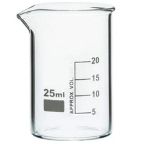 Borosilicate Glass Beaker
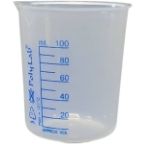 Plastic Beaker (Euro Design)
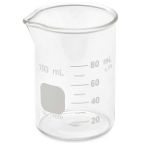 Plastic Beaker (Printed Graduation)
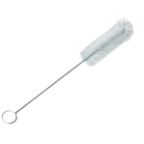 Test Tube Brush
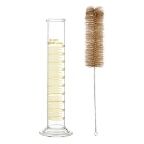 Measuring Cylinder Brush
 Conical Flask Brush
 Volumetric Flask Brush
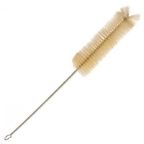 Round Bottom Flask Brush
 Glass Beaker Brush
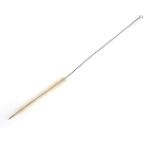 Pipette Brush
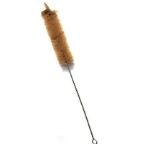 Wash Bottle Brush
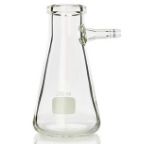 Borosilicate Büchner Flask
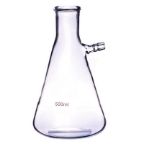 Borosilicate Erlenmeyer/Conical Flask
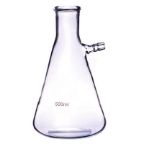 Borosilicate Pear-Shaped Flask
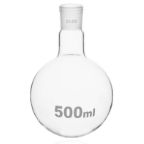 Borosilicate Round Bottom Flask
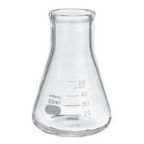 Plastic Conical Flask
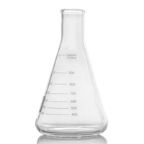 Plastic Volumetric Flask
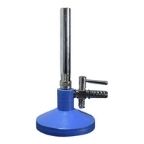 Bunsen Burner
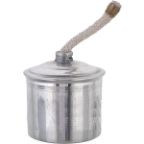 Spirit Lamp
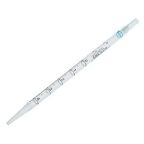 Borosilicate Glass Burette
 Plastic Burette
 Capillary Tube
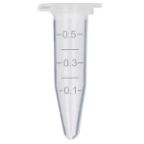 Centrifuge Tube
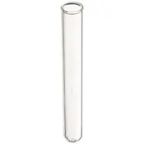 Test Tube
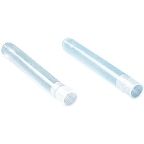 Ria Vial
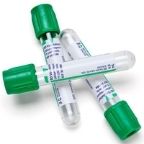 Vacutainer Tubes
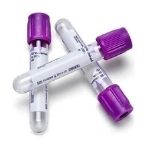 Syringes
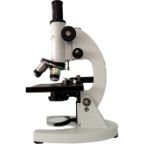 Student Microscope
 Binocular Microscope
 Dissecting Microscope
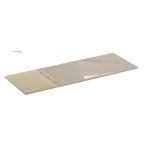 Microscope Glass Slides
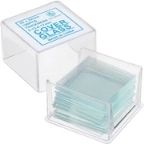 Cover Slip
 Inoculating Loop
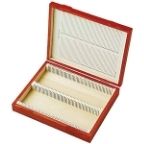 Slide Box
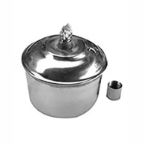 Lamps
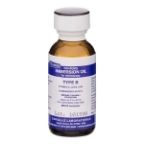 Oils
 Beaker Tongs
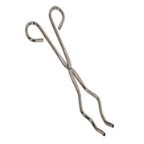 Crucible Tongs
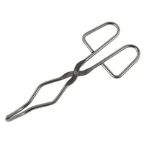 Flask Tongs
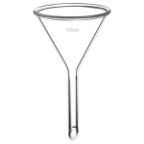 Borosilicate Glass Funnel
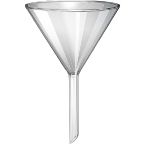 Plastic Funnels
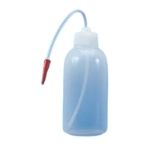 Wash Bottle
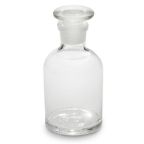 Borosilicate Glass Reagent Bottle
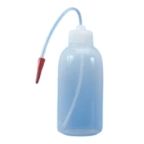 Plastic Reagent Bottle
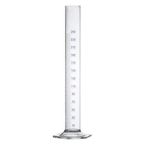 Borosilicate Measuring Cylinder
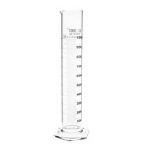 Plastic Measuring Cylinder
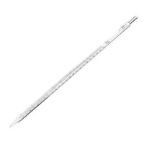 Borosilicate Glass Graduated Pipette
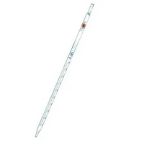 Borosilicate Glass Volumetric Pipette
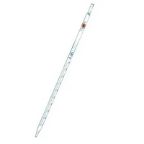 HB Pipette
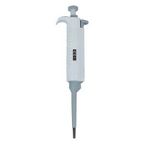 Pasteur Pipette
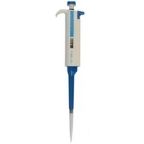 Micropipettes
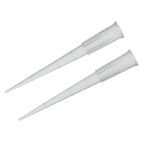 Micropipette Tips
 Filter Paper
 Litmus Paper
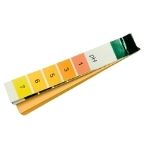 pH Paper
 Chromatography Paper
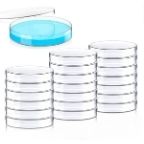 Plastic Petri Plates (Sterile)
 Glass Petri Plates (Non-Sterile)
 Safety Goggles
 Lab Coats
 Gloves
 Masks
 Shoe Covers
 Hair & Beard Covers
 Steel Spatula
 Plastic Spatula
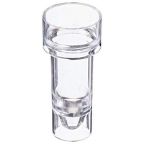 Hitachi Sample Cup
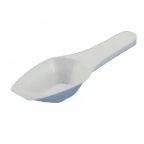 Plastic Scoop
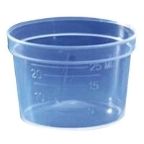 Plastic Medicine Cup
 Dissecting Tool Kit
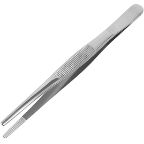 Dissecting Forceps
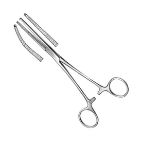 Hemostatic Forceps
 Thumb Forceps / Tweezers
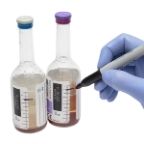 Blood Culture Bottle
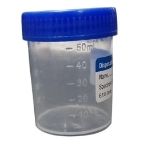 Urine Container
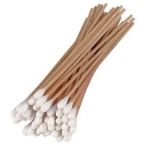 Wooden Swab Stick
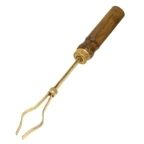 Test Tube Holder
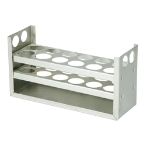 Test Tube Racks
 Magnifying Glass
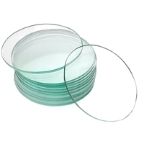 Watch Glass
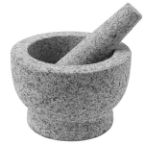 Mortar and Pestle
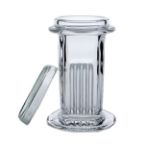 Coplin Jar
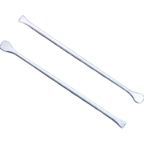 Plastic Stirrer
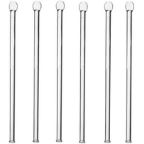 Glass Stirrer
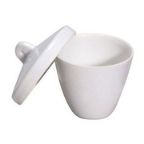 Crucible
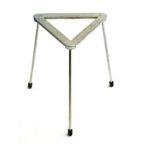 Tripod
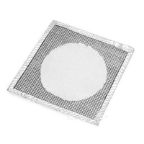 Wire Mesh
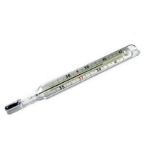 Laboratory Thermometer
 Tourniquet
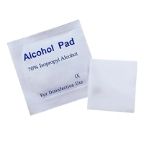 Alcohol Swab
 Blood Lancet
 Bandage
 Gloves & Masks









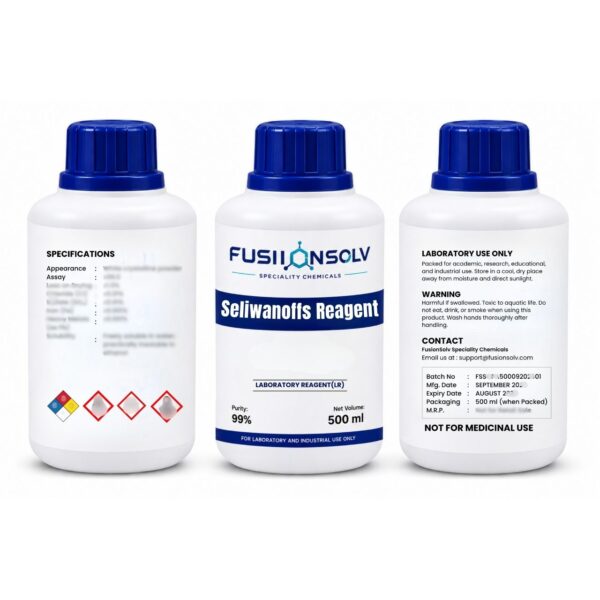
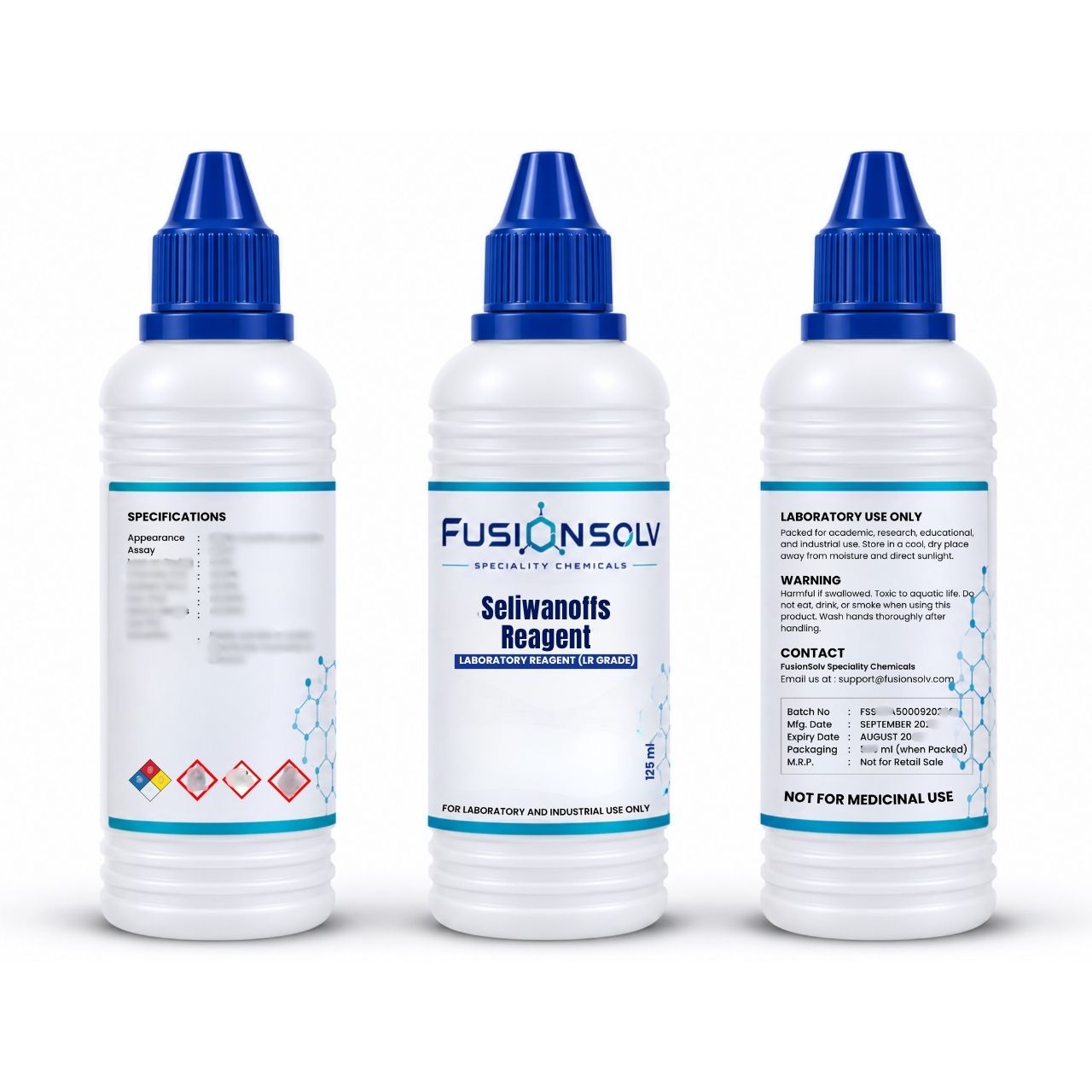







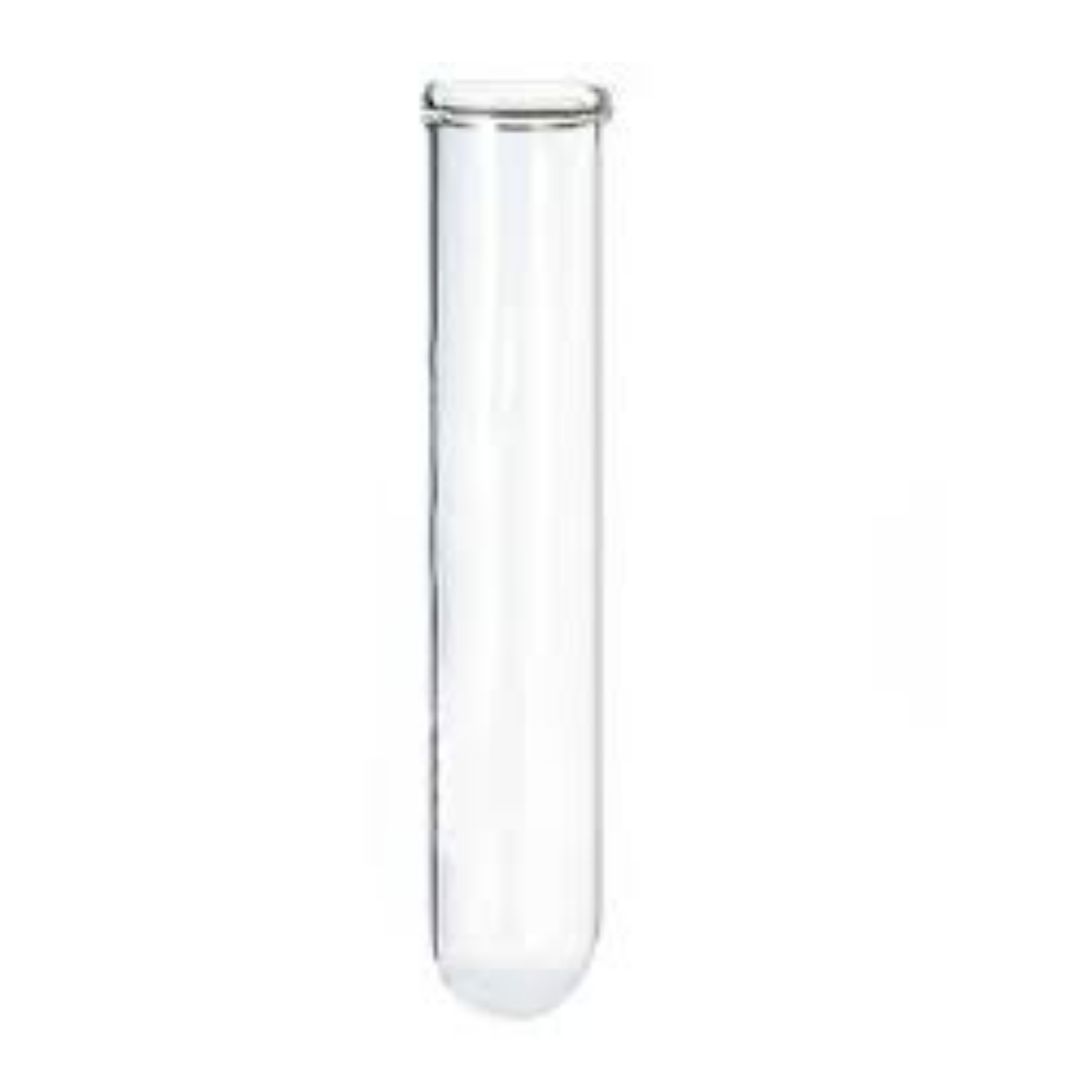
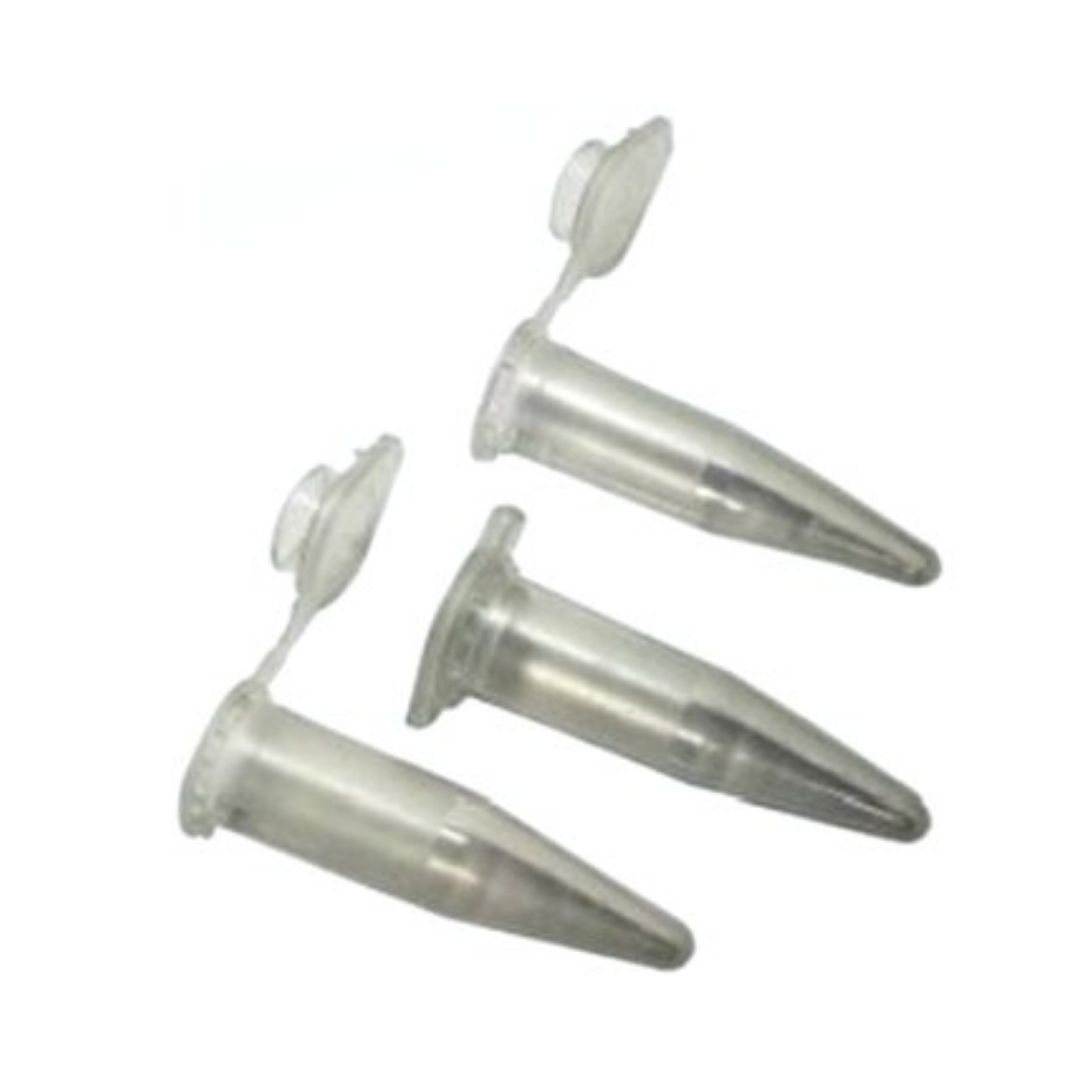
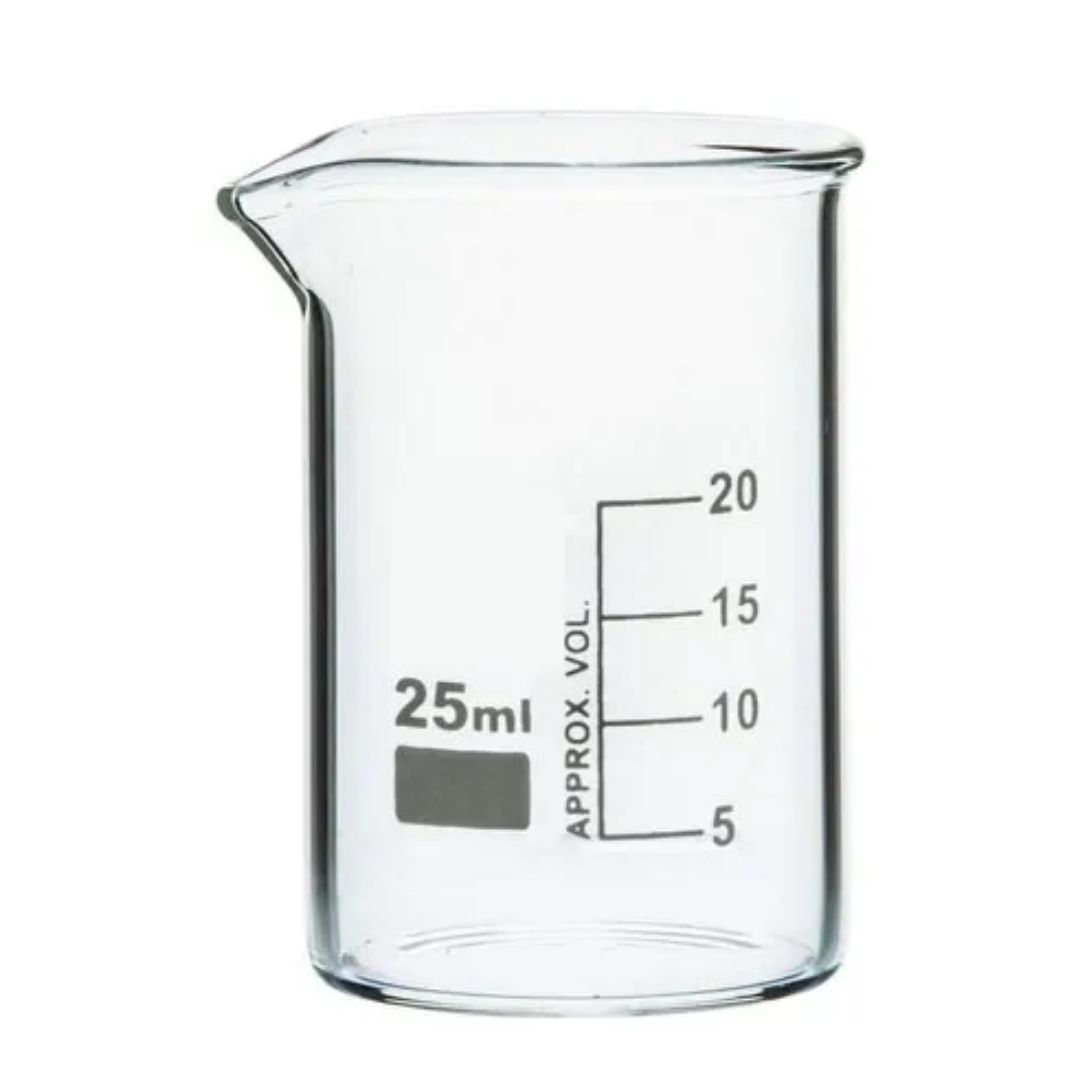
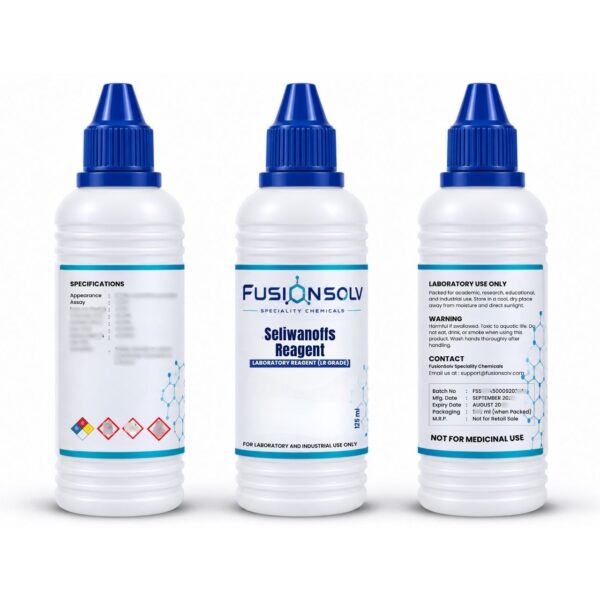
Seliwanoffs Reagent is a acidic resorcinol carbohydrate-testing reagent used for selected laboratory investigations and supervised educational demonstrations. It is characterised by an acidic solution containing resorcinol, used to distinguish rapidly reacting ketose sugars from many aldoses by colour formation. Understanding its chemical identity and physical behaviour helps students, technicians and research personnel select suitable methods, sample containers and analytical controls. In chemical and scientific teaching, this material can support experiments related to its established properties, while its compatibility with a particular assay depends on the actual preparation and procedure. This listing is supplied as 125ml Packs, and the pack size should not be confused with concentration or chemical composition. Laboratory personnel should review the applicable safety data and confirm product-specific formulation details before selecting it for sensitive analyses. Use in schools and colleges requires age-appropriate supervision, and use in advanced work should follow validated laboratory protocols.
Product Specifications
| Specification | Details |
|---|---|
| Appearance | Colourless to pale yellow liquid |
| Assay | 99% |
| Chemical Name | Seliwanoffs Reagent |
| Alternate Names | Seliwanoff reagent; resorcinol–hydrochloric acid reagent |
| Molecular Formula | Resorcinol + hydrochloric acid aqueous mixture |
| Empirical Formula | Not applicable; mixture |
| CAS Number | Not applicable; mixture |
| Molecular Weight | Not applicable; mixture |
| Grade | LR Laboratory Reagent |
Key Features of Seliwanoffs Reagent
- Chemical identity: acidic resorcinol carbohydrate-testing reagent; an acidic solution containing resorcinol, used to distinguish rapidly reacting ketose sugars from many aldoses by colour formation.
- Physical form: colourless to pale yellow liquid, supporting appropriate laboratory handling and observation.
- Known names include Seliwanoff reagent; resorcinol–hydrochloric acid reagent; identity should be matched to the intended procedure.
- Useful in selected chemistry, analytical or educational work, subject to a method’s requirements.
- Packaged as 125ml Packs; suitability depends on actual formulation, not package size.
Laboratory Applications of Seliwanoffs Reagent
- Qualitative detection of ketoses in teaching laboratories. Follow the specific laboratory method and relevant safety controls.
- Demonstration of fructose response relative to glucose. Follow the specific laboratory method and relevant safety controls.
- Illustration of acid-catalysed carbohydrate dehydration. Follow the specific laboratory method and relevant safety controls.
- Study of heating-time effects and false positives. Follow the specific laboratory method and relevant safety controls.
- Comparison of classic carbohydrate identification reactions. Follow the specific laboratory method and relevant safety controls.
Why Choose Lab Wale to Buy Seliwanoffs Reagent
Lab Wale provides a purchasing reference for Seliwanoffs Reagent in laboratory supply workflows serving educational institutions, research centres and scientific laboratories. The stated pack size, chemical identity and available specification information can help buyers compare the material with their intended experiment or analytical method. For solutions or natural mixtures, confirm the required concentration, composition and compatibility before ordering. Laboratory staff should also review relevant handling information and ensure that the chosen form meets the needs of their procedure.
Frequently Asked Questions About Seliwanoffs Reagent
What is Seliwanoffs Reagent used for in laboratories?
Seliwanoffs Reagent is used in specific analytical and teaching contexts, including qualitative detection of ketoses in teaching laboratories. Its suitability depends on the exact experimental conditions, available instruments and chemical composition. Laboratory professionals should follow a validated method instead of assuming that every formulation is interchangeable.
What is the chemical composition of Seliwanoffs Reagent?
An acidic solution containing resorcinol, used to distinguish rapidly reacting ketose sugars from many aldoses by colour formation. For this listing, the formula is described as Resorcinol + hydrochloric acid aqueous mixture and the relevant CAS identification is Not applicable; mixture. Mixtures and solutions cannot reliably be assigned one molecular formula or one molecular weight without specifying their components.
Is Seliwanoffs Reagent suitable for school and research laboratories?
It may be used in suitable educational or research procedures when the experiment is scientifically justified and laboratory facilities are adequate. Hazardous reagents must be restricted to trained users and supervised work. The specified laboratory reagent grade alone does not establish suitability for every analytical method.
How should Seliwanoffs Reagent be stored?
Store closed in compatible acid-resistant bottles away from bases and reactive metals; follow manufacturer formulation advice. Staff should read the current safety data sheet and label to verify additional requirements for the particular formulation, including temperature restrictions or incompatibilities. Use compatible containers and avoid transferring material into poorly identified vessels.
What precautions apply when handling Seliwanoffs Reagent?
Contains hydrochloric acid and may be corrosive; use splash-resistant PPE, ventilation and careful heating under supervision. Review the current safety data sheet and institutional procedures, including appropriate spill response and waste handling. Where a preparation is composition-dependent, obtain that formulation’s hazard information rather than relying only on its general reagent name.
Storage Conditions for Seliwanoffs Reagent
Store closed in compatible acid-resistant bottles away from bases and reactive metals; follow manufacturer formulation advice. Always consult the product-specific safety data sheet and container label before storage. Keep the original identity and pack label legible, use appropriate secondary containment where needed, and separate incompatible reagents. Do not assume that an unspecified solution has the same storage requirements as the pure chemical.
Precautions for Handling Seliwanoffs Reagent
Contains hydrochloric acid and may be corrosive; use splash-resistant PPE, ventilation and careful heating under supervision. Consult the current Safety Data Sheet (SDS) before use, wear suitable gloves and eye protection, and use appropriate ventilation for the material. Avoid unapproved mixing, exposure by inhalation or contact, and uncontrolled disposal. Follow institutional spill-response and waste-segregation procedures. Hazardous procedures require trained personnel, appropriate facilities and supervision.




 Cardiology
 Clinical Oncology








Reviews
Clear filtersThere are no reviews yet.