
-
-
 Cardiology
-
 Clinical Oncology
-
 Dental
-
 Dermatology
-
 Ear, Nose, Throat (ENT)
-
 Endocrinology
-
 Gastroenterology
-
 General Surgery
-
 Gynecology & Obstetrics
-
 Interventional Cardiology
-
 Nephrology
-
 Neurology
-
 Oncology Surgery
-
 Ophthalmology
-
 Orthopedics
-
 Pediatrics
-
 Pediatrics Surgery
-
 Physiotherapy
-
 Plastic Surgery
-
 Psychiatry & Psychology
-
 Radiology
-
 Urology
-
 Vascular Surgery
-

 Anatomy Lab Equipments
 Biochemistry Lab Equipments
 Biology Lab Equipments
 Chemistry Lab Equipments
 Cytology Lab Equipments
 Cytopathology Lab Equipments
 Dental Lab Equipments
 Forensic Lab Equipments
 Genetics Lab Equipments
 Hematology Lab Equipments
 Histology Lab Equipments
 Histopathology Lab Equipments
 Mathematics Lab Equipments
 Microbiology Lab Equipments
 Molecular Biology Lab Equipments
 Pathology Lab Equipments
 Pharmaceutical Lab Equipments
 Physics Lab Equipments
 Radiology Lab Equipments
 Science Lab Kit’s
 Toxicology Lab Equipments

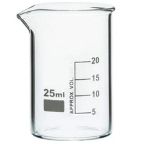 Borosilicate Glass Beaker
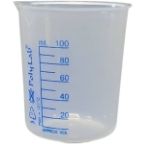 Plastic Beaker (Euro Design)
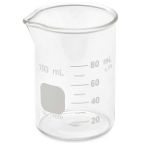 Plastic Beaker (Printed Graduation)
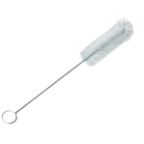 Test Tube Brush
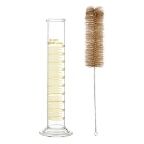 Measuring Cylinder Brush
 Conical Flask Brush
 Volumetric Flask Brush
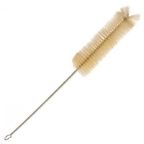 Round Bottom Flask Brush
 Glass Beaker Brush
 Pipette Brush
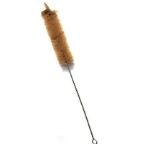 Wash Bottle Brush
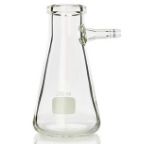 Borosilicate Büchner Flask
 Borosilicate Erlenmeyer/Conical Flask
 Borosilicate Pear-Shaped Flask
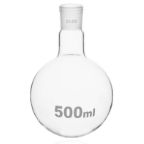 Borosilicate Round Bottom Flask
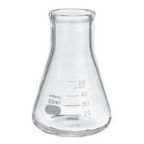 Plastic Conical Flask
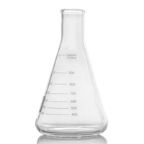 Plastic Volumetric Flask
 Bunsen Burner
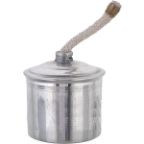 Spirit Lamp
 Borosilicate Glass Burette
 Plastic Burette
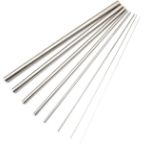 Capillary Tube
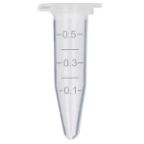 Centrifuge Tube
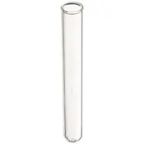 Test Tube
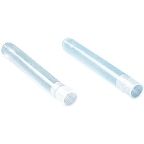 Ria Vial
 Vacutainer Tubes
 Syringes
 Student Microscope
 Binocular Microscope
 Dissecting Microscope
 Microscope Glass Slides
 Cover Slip
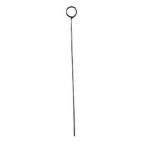 Inoculating Loop
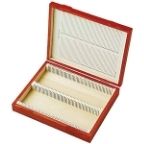 Slide Box
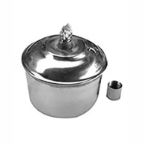 Lamps
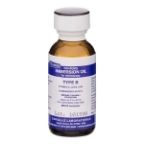 Oils
 Beaker Tongs
 Crucible Tongs
 Flask Tongs
 Borosilicate Glass Funnel
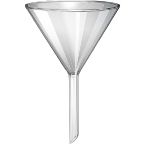 Plastic Funnels
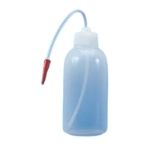 Wash Bottle
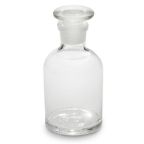 Borosilicate Glass Reagent Bottle
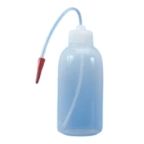 Plastic Reagent Bottle
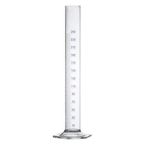 Borosilicate Measuring Cylinder
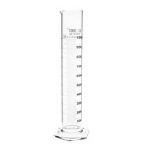 Plastic Measuring Cylinder
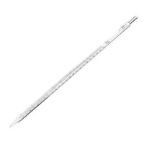 Borosilicate Glass Graduated Pipette
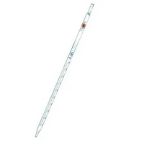 Borosilicate Glass Volumetric Pipette
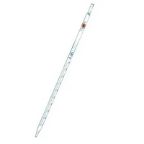 HB Pipette
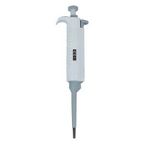 Pasteur Pipette
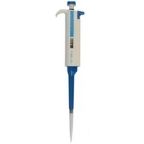 Micropipettes
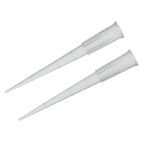 Micropipette Tips
 Filter Paper
 Litmus Paper
 pH Paper
 Chromatography Paper
 Plastic Petri Plates (Sterile)
 Glass Petri Plates (Non-Sterile)
 Safety Goggles
 Lab Coats
 Gloves
 Masks
 Shoe Covers
 Hair & Beard Covers
 Steel Spatula
 Plastic Spatula
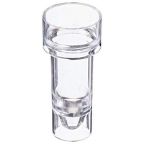 Hitachi Sample Cup
 Plastic Scoop
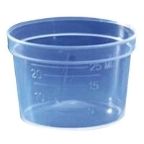 Plastic Medicine Cup
 Dissecting Tool Kit
 Dissecting Forceps
 Hemostatic Forceps
 Thumb Forceps / Tweezers
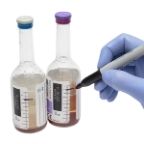 Blood Culture Bottle
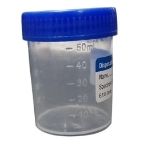 Urine Container
 Wooden Swab Stick
 Test Tube Holder
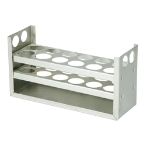 Test Tube Racks
 Magnifying Glass
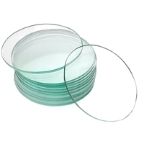 Watch Glass
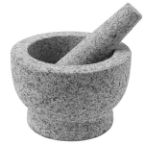 Mortar and Pestle
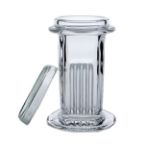 Coplin Jar
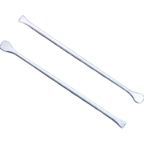 Plastic Stirrer
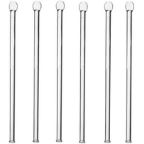 Glass Stirrer
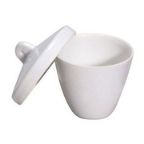 Crucible
 Tripod
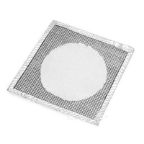 Wire Mesh
 Laboratory Thermometer
 Tourniquet
 Alcohol Swab
 Blood Lancet
 Bandage
 Gloves & Masks









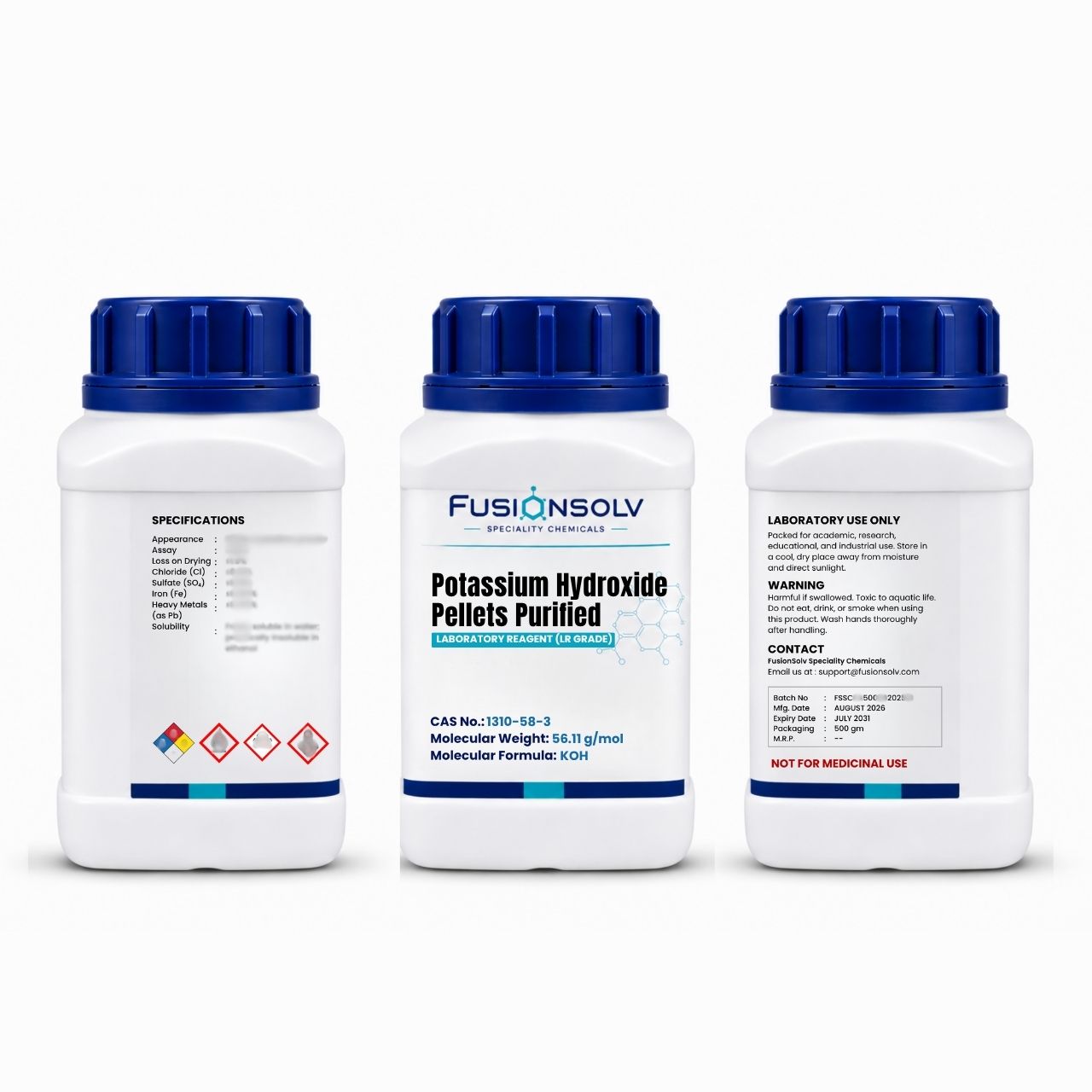










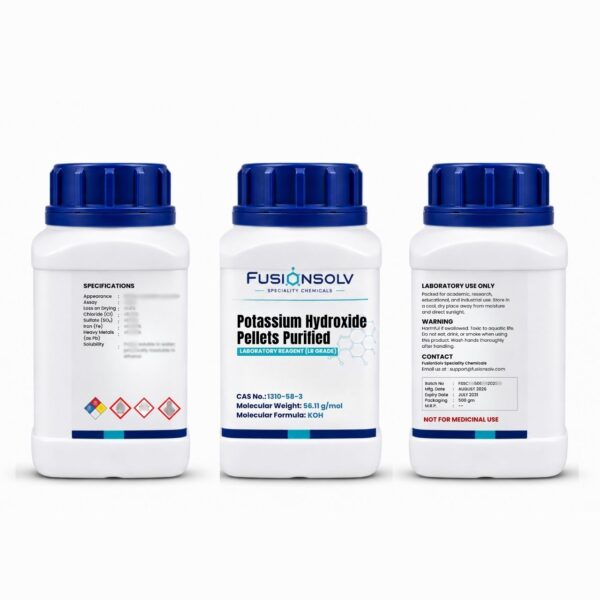
Potassium hydroxide is a strong inorganic alkali used in analytical, educational and research laboratory settings. Its chemical identity is important when selecting reagents for alkaline titrimetry and hydroxide reactions. High water solubility with strongly exothermic dissolution influences experimental design, solution preparation and the interpretation of observed reactions. In school and university laboratories, the material can support carefully selected demonstrations of inorganic chemistry, while institutional research may use it in validated procedures requiring appropriate reagent identity and grade. The stated product is offered as a laboratory reagent, but suitability for an analytical method depends on its actual specifications and the method requirements. Users should confirm the form and composition wherever the catalogue name does not fully distinguish related salts, hydrates or commercial formulations, and review the safety information before preparing any practical experiment.
Product Specifications
| Specification | Details |
|---|---|
| Appearance | White solid pellets |
| Assay | 99% |
| Chemical Name | Potassium hydroxide |
| Alternate Names | Caustic potash; potassium hydrate |
| Molecular Formula | KOH |
| Empirical Formula | KOH |
| CAS Number | 1310-58-3 |
| Molecular Weight | 56.11 g/mol |
| Grade | LR Laboratory Reagent |
Key Features of Potassium Hydroxide Pellets Purified
- Potassium hydroxide belongs to the strong inorganic alkali family, with characteristics relevant to alkaline titrimetry and hydroxide reactions.
- Its chemical properties include high water solubility with strongly exothermic dissolution.
- Its documented chemical identity is important for selecting a laboratory method and preventing substitution with unrelated compounds.
- Useful for exploring reaction chemistry and interpreting experimental observations in alkaline titrimetry and hydroxide reactions.
- Applicable to supervised laboratory education and institutional studies when the product form and method specifications are confirmed.
Laboratory Applications of Potassium Hydroxide Pellets Purified
- Preparation of alkaline solutions, with the required hazard controls and verified method conditions.
- Acid–base neutralization experiments, with the required hazard controls and verified method conditions.
- Saponification chemistry as a laboratory reaction, with the required hazard controls and verified method conditions.
- Ph control in chemical synthesis, with the required hazard controls and verified method conditions.
- Titrimetric studies using standardized alkali, with the required hazard controls and verified method conditions.
Why Choose Lab Wale to Buy Potassium Hydroxide Pellets Purified
Lab Wale helps schools, colleges, universities and professional laboratories identify Potassium hydroxide for suitable scientific requirements. When sourcing this material, check the listed chemical identity, laboratory reagent grade, pack size and relevant technical or safety information available for the specific item. Lab Wale provides a convenient point of reference for laboratory chemicals and scientific supplies, while purchasers remain responsible for matching concentration, hydrate form and suitability to their procedures. Confirm product-specific details before ordering whenever the designation can refer to multiple chemical forms.
Frequently Asked Questions About Potassium Hydroxide Pellets Purified
What is Potassium Hydroxide Pellets Purified used for in laboratory chemistry?
It is associated with alkaline titrimetry and hydroxide reactions. Specific uses include preparation of alkaline solutions and acid–base neutralization experiments. The selected method should be compatible with the product grade, exact chemical form and required safety controls.
What is the chemical formula of Potassium Hydroxide Pellets Purified?
The indicated formula for Potassium hydroxide is KOH. Correct chemical identity matters because formulas and formula masses may change for hydrates, mixtures or differently specified compositions. Verify the label before any stoichiometric calculations.
Which reactions are useful for studying Potassium Hydroxide Pellets Purified?
Laboratory studies may involve saponification chemistry as a laboratory reaction or pH control in chemical synthesis. These activities illustrate high water solubility with strongly exothermic dissolution. Choose only established protocols and apply enhanced control measures where the material is corrosive, reactive, an oxidizer or otherwise hazardous.
Can Potassium Hydroxide Pellets Purified be used in teaching laboratories?
It may be relevant to supervised education in alkaline titrimetry and hydroxide reactions, but appropriate use depends on hazard assessment, students’ training and the institution’s facilities. Particularly hazardous materials are more suitable for specialist demonstrations or research than routine classroom handling.
How should Potassium Hydroxide Pellets Purified be handled and stored?
Keep the product in a correctly labelled compatible container and use the protective equipment and segregation precautions stated in its current SDS. Assess moisture sensitivity, incompatibilities and potential reaction hazards before opening, weighing or preparing solutions.
Storage Conditions for Potassium Hydroxide Pellets Purified
Store in tightly sealed, moisture-resistant containers away from acids and reactive metals. Potassium hydroxide absorbs water and carbon dioxide from air, so minimize exposure during weighing and transfer.
Precautions for Handling Potassium Hydroxide Pellets Purified
Potassium hydroxide is strongly corrosive, and dissolution in water releases considerable heat. Wear splash goggles, appropriate gloves and a lab coat; add pellets slowly to water with controlled stirring rather than pouring water onto bulk pellets. Follow chemical-burn and spill procedures from the SDS.











 Cardiology
 Clinical Oncology








Reviews
Clear filtersThere are no reviews yet.