
-
-
 Cardiology
-
 Clinical Oncology
-
 Dental
-
 Dermatology
-
 Ear, Nose, Throat (ENT)
-
 Endocrinology
-
 Gastroenterology
-
 General Surgery
-
 Gynecology & Obstetrics
-
 Interventional Cardiology
-
 Nephrology
-
 Neurology
-
 Oncology Surgery
-
 Ophthalmology
-
 Orthopedics
-
 Pediatrics
-
 Pediatrics Surgery
-
 Physiotherapy
-
 Plastic Surgery
-
 Psychiatry & Psychology
-
 Radiology
-
 Urology
-
 Vascular Surgery
-

 Anatomy Lab Equipments
 Biochemistry Lab Equipments
 Biology Lab Equipments
 Chemistry Lab Equipments
 Cytology Lab Equipments
 Cytopathology Lab Equipments
 Dental Lab Equipments
 Forensic Lab Equipments
 Genetics Lab Equipments
 Hematology Lab Equipments
 Histology Lab Equipments
 Histopathology Lab Equipments
 Mathematics Lab Equipments
 Microbiology Lab Equipments
 Molecular Biology Lab Equipments
 Pathology Lab Equipments
 Pharmaceutical Lab Equipments
 Physics Lab Equipments
 Radiology Lab Equipments
 Science Lab Kit’s
 Toxicology Lab Equipments

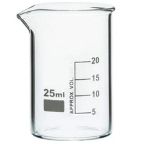 Borosilicate Glass Beaker
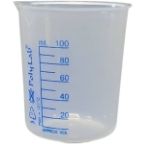 Plastic Beaker (Euro Design)
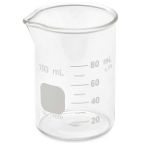 Plastic Beaker (Printed Graduation)
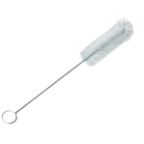 Test Tube Brush
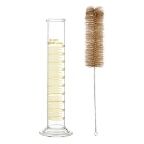 Measuring Cylinder Brush
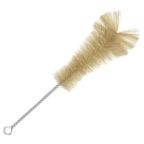 Conical Flask Brush
 Volumetric Flask Brush
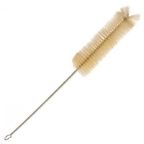 Round Bottom Flask Brush
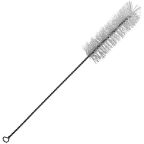 Glass Beaker Brush
 Pipette Brush
 Wash Bottle Brush
 Borosilicate Büchner Flask
 Borosilicate Erlenmeyer/Conical Flask
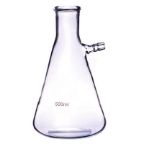 Borosilicate Pear-Shaped Flask
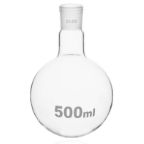 Borosilicate Round Bottom Flask
 Plastic Conical Flask
 Plastic Volumetric Flask
 Bunsen Burner
 Spirit Lamp
 Borosilicate Glass Burette
 Plastic Burette
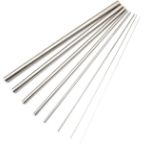 Capillary Tube
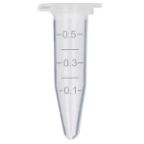 Centrifuge Tube
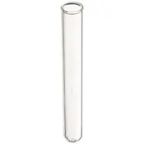 Test Tube
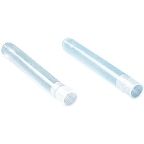 Ria Vial
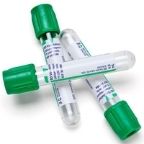 Vacutainer Tubes
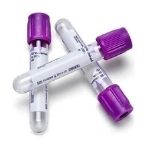 Syringes
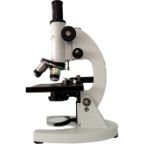 Student Microscope
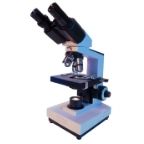 Binocular Microscope
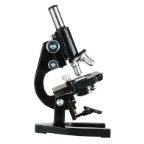 Dissecting Microscope
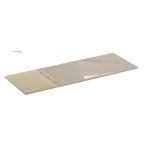 Microscope Glass Slides
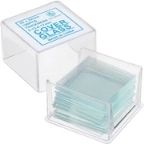 Cover Slip
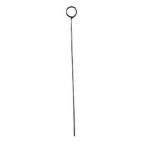 Inoculating Loop
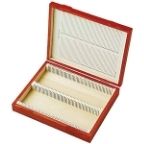 Slide Box
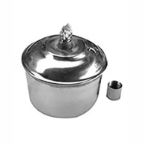 Lamps
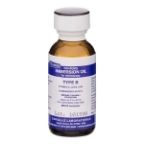 Oils
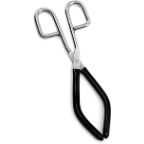 Beaker Tongs
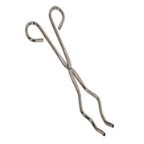 Crucible Tongs
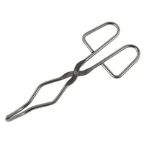 Flask Tongs
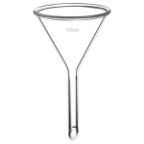 Borosilicate Glass Funnel
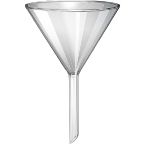 Plastic Funnels
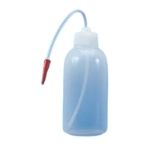 Wash Bottle
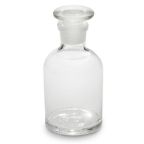 Borosilicate Glass Reagent Bottle
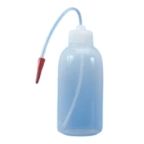 Plastic Reagent Bottle
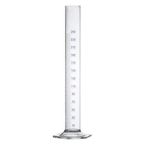 Borosilicate Measuring Cylinder
 Plastic Measuring Cylinder
 Borosilicate Glass Graduated Pipette
 Borosilicate Glass Volumetric Pipette
 HB Pipette
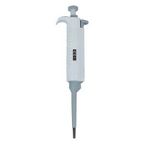 Pasteur Pipette
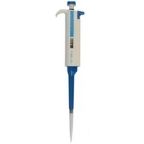 Micropipettes
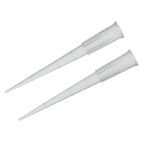 Micropipette Tips
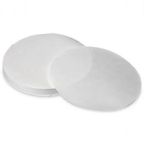 Filter Paper
 Litmus Paper
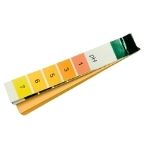 pH Paper
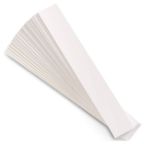 Chromatography Paper
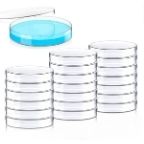 Plastic Petri Plates (Sterile)
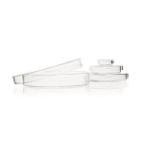 Glass Petri Plates (Non-Sterile)
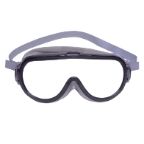 Safety Goggles
 Lab Coats
 Gloves
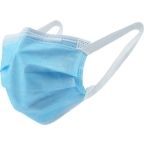 Masks
 Shoe Covers
 Hair & Beard Covers
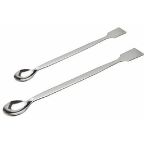 Steel Spatula
 Plastic Spatula
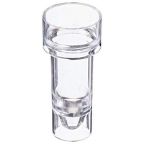 Hitachi Sample Cup
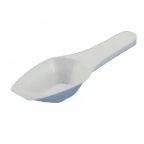 Plastic Scoop
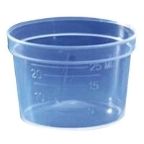 Plastic Medicine Cup
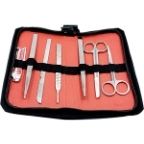 Dissecting Tool Kit
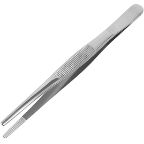 Dissecting Forceps
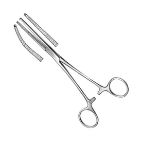 Hemostatic Forceps
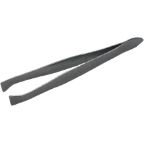 Thumb Forceps / Tweezers
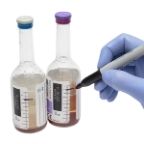 Blood Culture Bottle
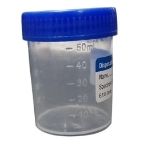 Urine Container
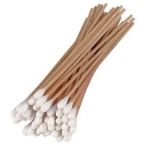 Wooden Swab Stick
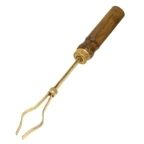 Test Tube Holder
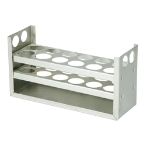 Test Tube Racks
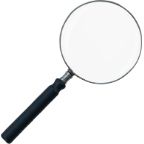 Magnifying Glass
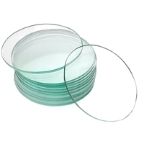 Watch Glass
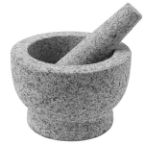 Mortar and Pestle
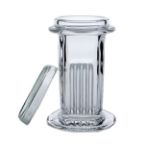 Coplin Jar
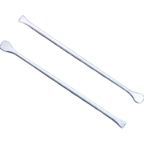 Plastic Stirrer
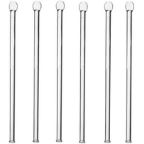 Glass Stirrer
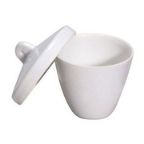 Crucible
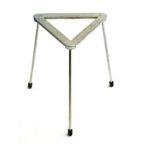 Tripod
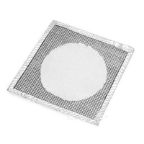 Wire Mesh
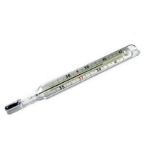 Laboratory Thermometer
 Tourniquet
 Alcohol Swab
 Blood Lancet
 Bandage
 Gloves & Masks









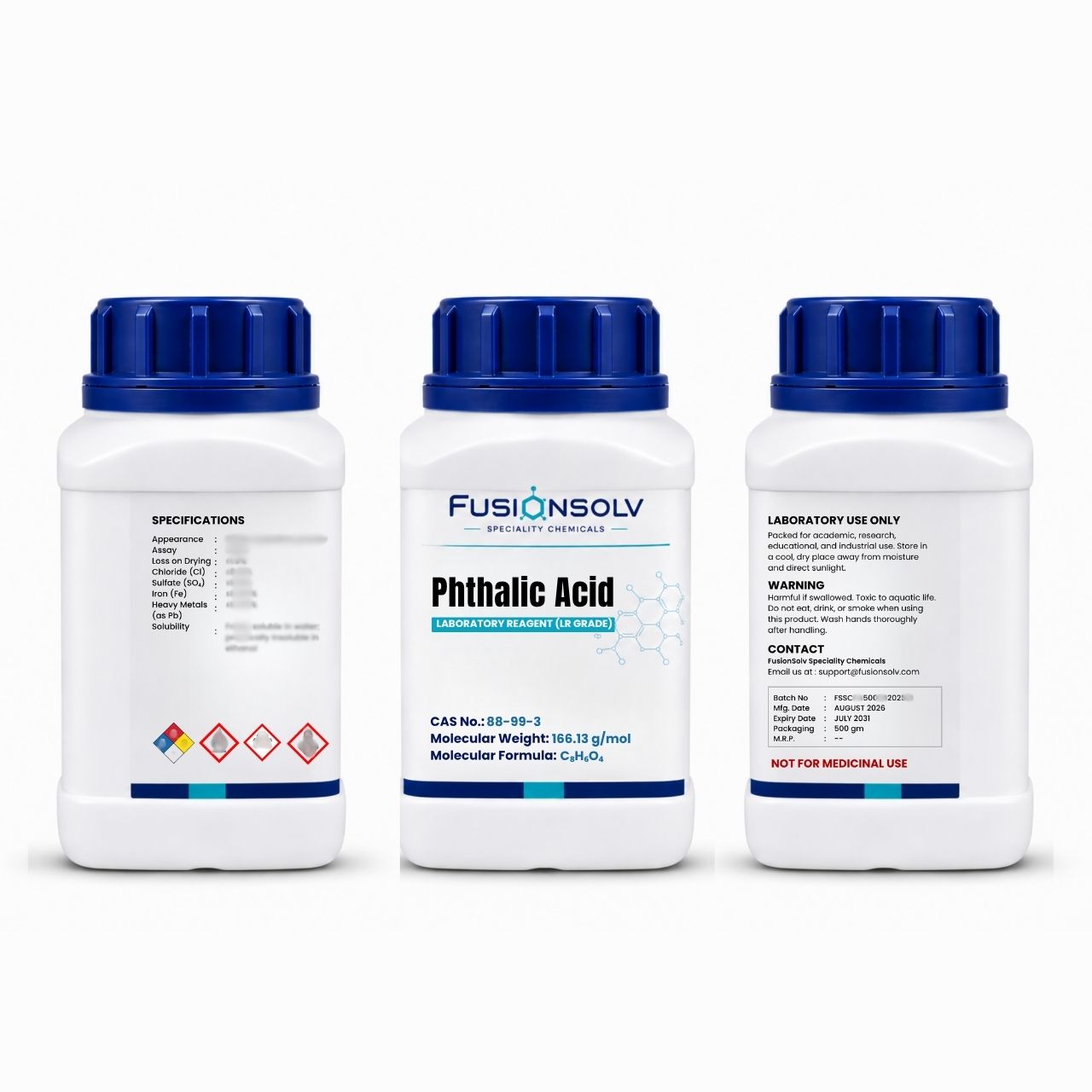







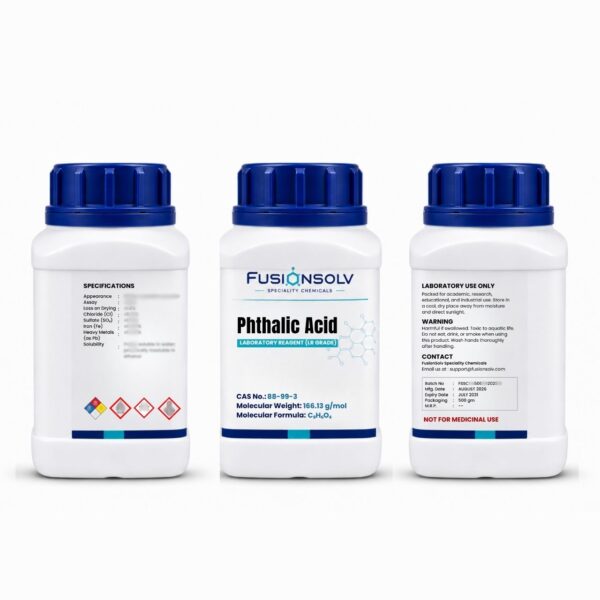
Phthalic Acid is a laboratory material described as a aromatic dicarboxylic acid with two adjacent carboxyl groups. It is the ortho isomer of benzene dicarboxylic acid and can form an anhydride under dehydration conditions. The material is listed in a 500 gram packs pack size for laboratory purchasing and inventory identification; pack quantity does not establish chemical purity or suitability for a specific method. In educational and analytical work, the relevant chemical properties help determine appropriate experiments, preparation conditions, and safe handling practices. Its behavior should be evaluated with the actual supplied grade, composition, and product-specific safety information in mind. Students, technicians, and researchers should use defined procedures when preparing solutions, measuring samples, or performing controlled demonstrations. Where composition, hydrate state, molecular-weight distribution, or solvent compatibility varies by manufacturer, verify the exact supplied product before using quantitative calculations or relying on method-specific performance.
Product Specifications
| Specification | Details |
|---|---|
| Appearance | White crystalline powder |
| Assay | 99% |
| Chemical Name | Phthalic Acid |
| Alternate Names | Benzene-1,2-dicarboxylic acid; o-phthalic acid |
| Molecular Formula | C8H6O4 |
| Empirical Formula | C4H3O2 |
| CAS Number | 88-99-3 |
| Molecular Weight | 166.13 g/mol |
| Grade | LR Laboratory Reagent |
Key Features of Phthalic Acid
- Phthalic Acid is identified for laboratory use as a aromatic dicarboxylic acid with two adjacent carboxyl groups.
- It is the ortho isomer of benzene dicarboxylic acid and can form an anhydride under dehydration conditions.
- Pack configuration: 500 gram Packs; use the full product label to distinguish it from other catalogue sizes.
- Listed chemical form and composition: C8H6O4.
- Suitable only for methods that accept the verified product form, grade, concentration and associated safety constraints.
Laboratory Applications of Phthalic Acid
- Teaching organic acid functional groups and aromatic substitution patterns
- Preparation of appropriately specified phthalate salt solutions
- Controlled acid-base characterization in educational laboratories
- Study of isomeric aromatic dicarboxylic acids
- Research involving phthalic acid as a defined starting material
Why Choose Lab Wale to Buy Phthalic Acid
Lab Wale offers Phthalic Acid as part of a catalogue intended for educational institutions, laboratories, and research purchasers. Clear chemical identification, pack information, and the correct reagent grade help teams choose materials for experiments and routine laboratory preparation. Before ordering, compare the intended protocol with the actual formulation, available product details, and safety documentation. Where hydrate state or composition is not identified by the catalogue name, confirm the supplied variant before performing formula-based calculations or selecting specialized analytical methods.
Frequently Asked Questions About Phthalic Acid
What is Phthalic Acid used for in laboratories?
Phthalic Acid is used where its aromatic dicarboxylic acid with two adjacent carboxyl groups properties are relevant. Examples include teaching organic acid functional groups and aromatic substitution patterns and preparation of appropriately specified phthalate salt solutions. Only use it where the supplied grade and form meet the experimental or analytical method requirements.
What chemical formula and molecular weight apply to Phthalic Acid?
The formula information for this listing is C8H6O4; the molecular-weight information is 166.13 g/mol. For mixtures, polymers and hydrate-dependent products, a single value may not be meaningful without confirming the actual composition.
How should Phthalic Acid be selected for a laboratory method?
Check the exact chemical identity, concentration or hydration state where relevant, pack size, method compatibility, and current safety information. A nominal LR designation alone does not demonstrate that a material meets the criteria for a particular quantitative or specialized test.
What is an important property of Phthalic Acid?
It is the ortho isomer of benzene dicarboxylic acid and can form an anhydride under dehydration conditions. This behavior helps explain why the substance may be selected for particular laboratory investigations, and also why controls or precautions may be required during preparation, handling and storage.
How should Phthalic Acid be stored and handled?
Keep tightly closed, cool and dry, away from excess heat, moisture and strong oxidizers. Avoid introducing contamination into the reagent container. Avoid generating dust and contact with skin or eyes. Wear laboratory gloves, goggles and suitable protective clothing; consult the current SDS before heating or processing. Read the current product-specific SDS and apply institutional procedures before use.
Storage Conditions for Phthalic Acid
Keep tightly closed, cool and dry, away from excess heat, moisture and strong oxidizers. Avoid introducing contamination into the reagent container. Confirm any additional controls from the current SDS and packaging instructions. Store separately from incompatible substances as required by laboratory chemical segregation policies.
Precautions for Handling Phthalic Acid
Review the current Safety Data Sheet before opening the container. Avoid generating dust and contact with skin or eyes. Wear laboratory gloves, goggles and suitable protective clothing; consult the current SDS before heating or processing. Use appropriate laboratory attire and prevent unnecessary exposure. Follow applicable procedures for spills, incident reporting, and disposal; do not discharge residues into drains unless expressly permitted.





 Cardiology
 Clinical Oncology








Reviews
Clear filtersThere are no reviews yet.