
-
-
 Cardiology
-
 Clinical Oncology
-
 Dental
-
 Dermatology
-
 Ear, Nose, Throat (ENT)
-
 Endocrinology
-
 Gastroenterology
-
 General Surgery
-
 Gynecology & Obstetrics
-
 Interventional Cardiology
-
 Nephrology
-
 Neurology
-
 Oncology Surgery
-
 Ophthalmology
-
 Orthopedics
-
 Pediatrics
-
 Pediatrics Surgery
-
 Physiotherapy
-
 Plastic Surgery
-
 Psychiatry & Psychology
-
 Radiology
-
 Urology
-
 Vascular Surgery
-

 Anatomy Lab Equipments
 Biochemistry Lab Equipments
 Biology Lab Equipments
 Chemistry Lab Equipments
 Cytology Lab Equipments
 Cytopathology Lab Equipments
 Dental Lab Equipments
 Forensic Lab Equipments
 Genetics Lab Equipments
 Hematology Lab Equipments
 Histology Lab Equipments
 Histopathology Lab Equipments
 Mathematics Lab Equipments
 Microbiology Lab Equipments
 Molecular Biology Lab Equipments
 Pathology Lab Equipments
 Pharmaceutical Lab Equipments
 Physics Lab Equipments
 Radiology Lab Equipments
 Science Lab Kit’s
 Toxicology Lab Equipments

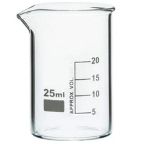 Borosilicate Glass Beaker
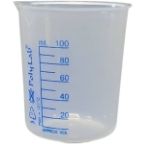 Plastic Beaker (Euro Design)
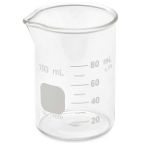 Plastic Beaker (Printed Graduation)
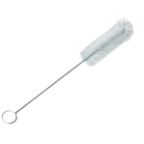 Test Tube Brush
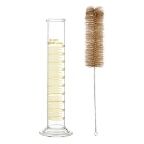 Measuring Cylinder Brush
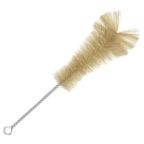 Conical Flask Brush
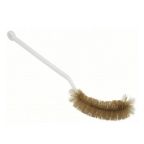 Volumetric Flask Brush
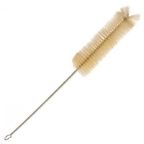 Round Bottom Flask Brush
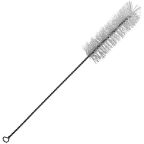 Glass Beaker Brush
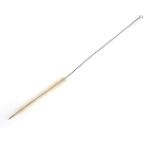 Pipette Brush
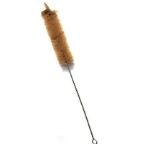 Wash Bottle Brush
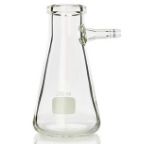 Borosilicate Büchner Flask
 Borosilicate Erlenmeyer/Conical Flask
 Borosilicate Pear-Shaped Flask
 Borosilicate Round Bottom Flask
 Plastic Conical Flask
 Plastic Volumetric Flask
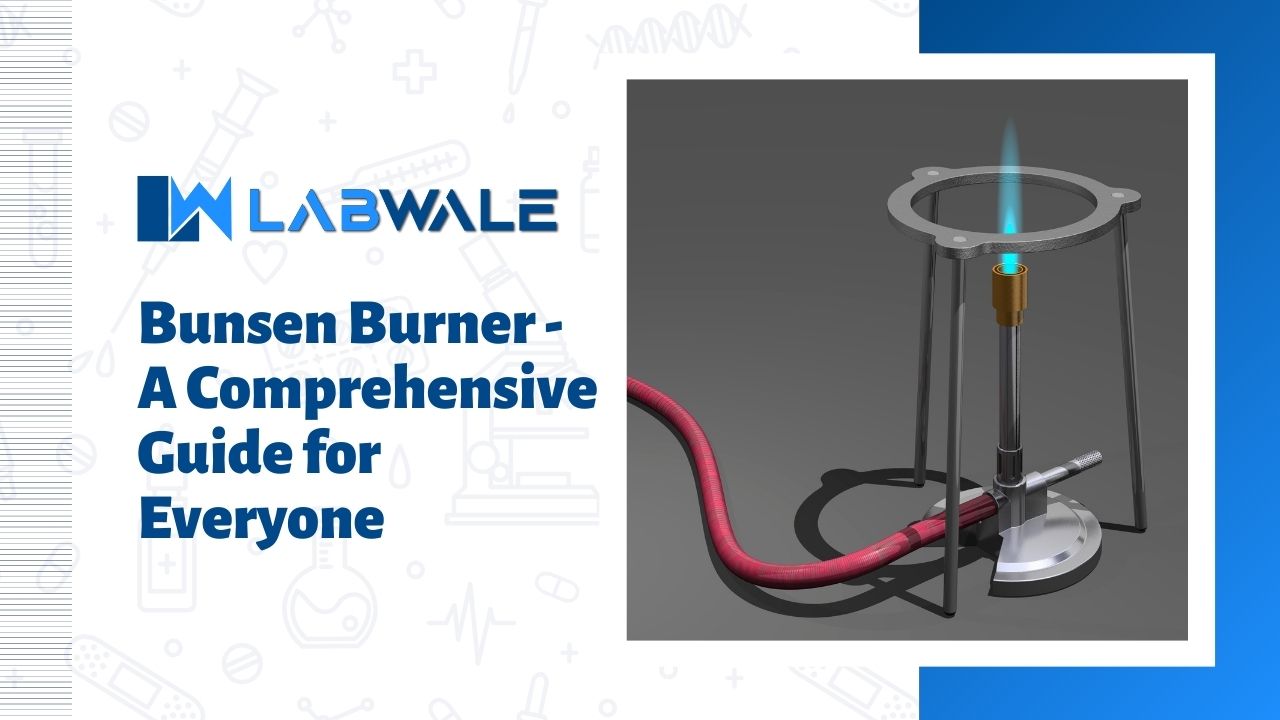
 Bunsen Burner
 Spirit Lamp
 Borosilicate Glass Burette
 Plastic Burette
 Capillary Tube
 Centrifuge Tube
 Test Tube
 Ria Vial
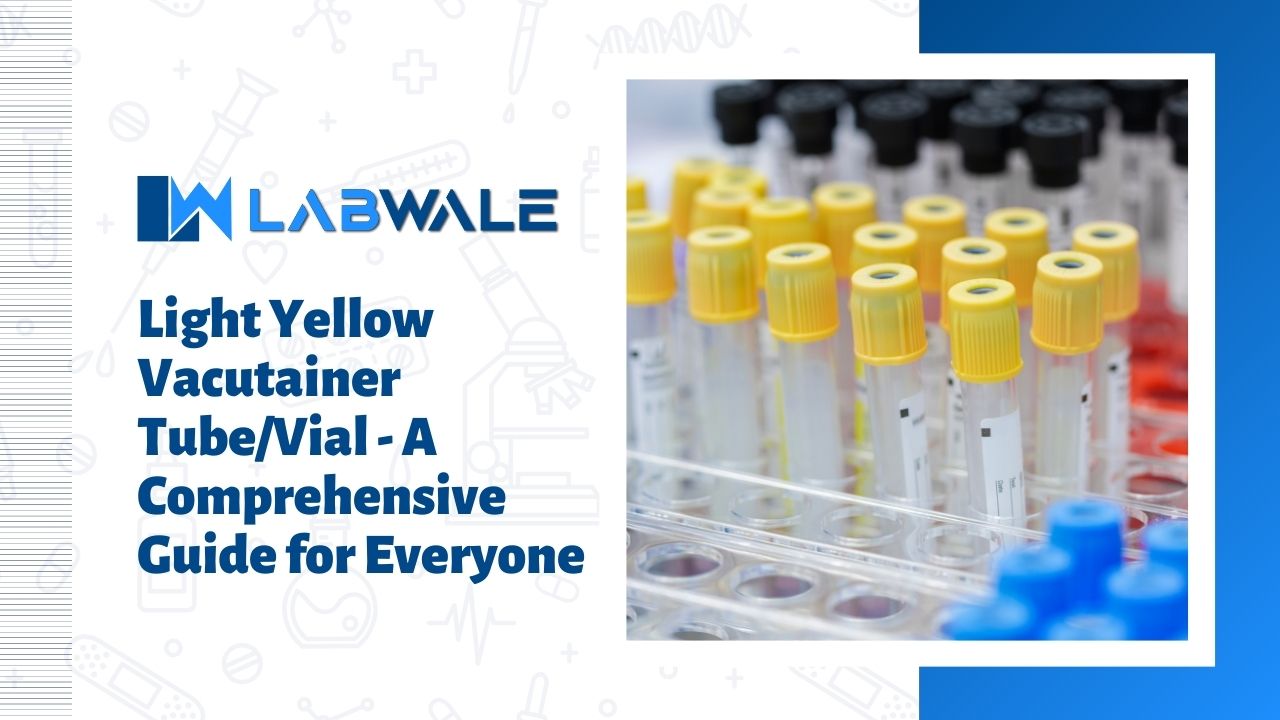
 Vacutainer Tubes
 Syringes
 Student Microscope
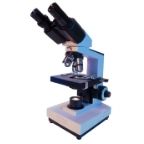 Binocular Microscope
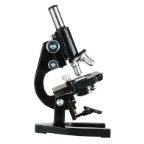 Dissecting Microscope
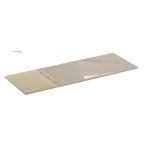 Microscope Glass Slides
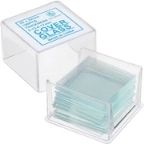 Cover Slip
 Inoculating Loop
 Slide Box
 Lamps
 Oils
 Beaker Tongs
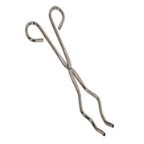 Crucible Tongs
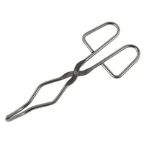 Flask Tongs
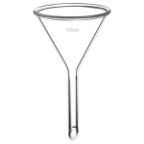 Borosilicate Glass Funnel
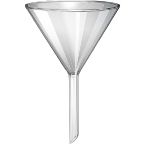 Plastic Funnels
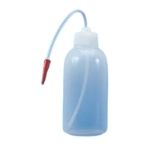 Wash Bottle
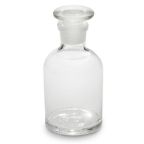 Borosilicate Glass Reagent Bottle
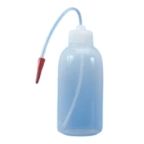 Plastic Reagent Bottle
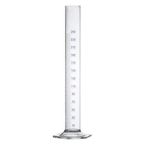 Borosilicate Measuring Cylinder
 Plastic Measuring Cylinder
 Borosilicate Glass Graduated Pipette
 Borosilicate Glass Volumetric Pipette
 HB Pipette
 Pasteur Pipette
 Micropipettes
 Micropipette Tips
 Filter Paper
 Litmus Paper
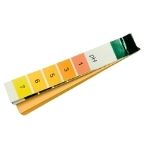 pH Paper
 Chromatography Paper
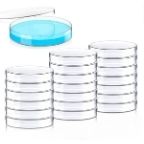 Plastic Petri Plates (Sterile)
 Glass Petri Plates (Non-Sterile)
 Safety Goggles
 Lab Coats
 Gloves
 Masks
 Shoe Covers
 Hair & Beard Covers
 Steel Spatula
 Plastic Spatula
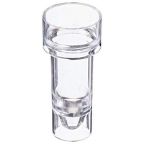 Hitachi Sample Cup
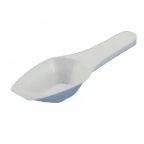 Plastic Scoop
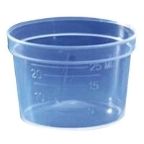 Plastic Medicine Cup
 Dissecting Tool Kit
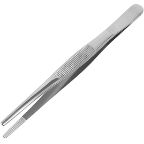 Dissecting Forceps
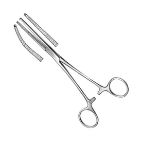 Hemostatic Forceps
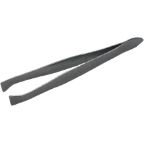 Thumb Forceps / Tweezers
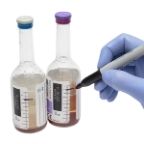 Blood Culture Bottle
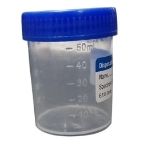 Urine Container
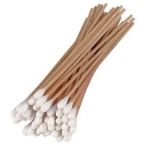 Wooden Swab Stick
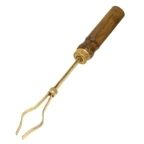 Test Tube Holder
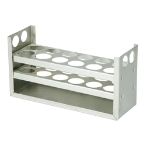 Test Tube Racks
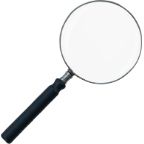 Magnifying Glass
 Watch Glass
 Mortar and Pestle
 Coplin Jar
 Plastic Stirrer
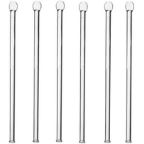 Glass Stirrer
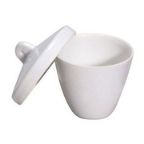 Crucible
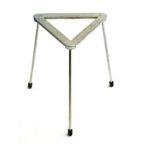 Tripod
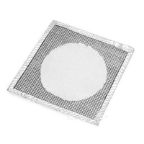 Wire Mesh
 Laboratory Thermometer
 Tourniquet
 Alcohol Swab
 Blood Lancet
 Bandage
 Gloves & Masks









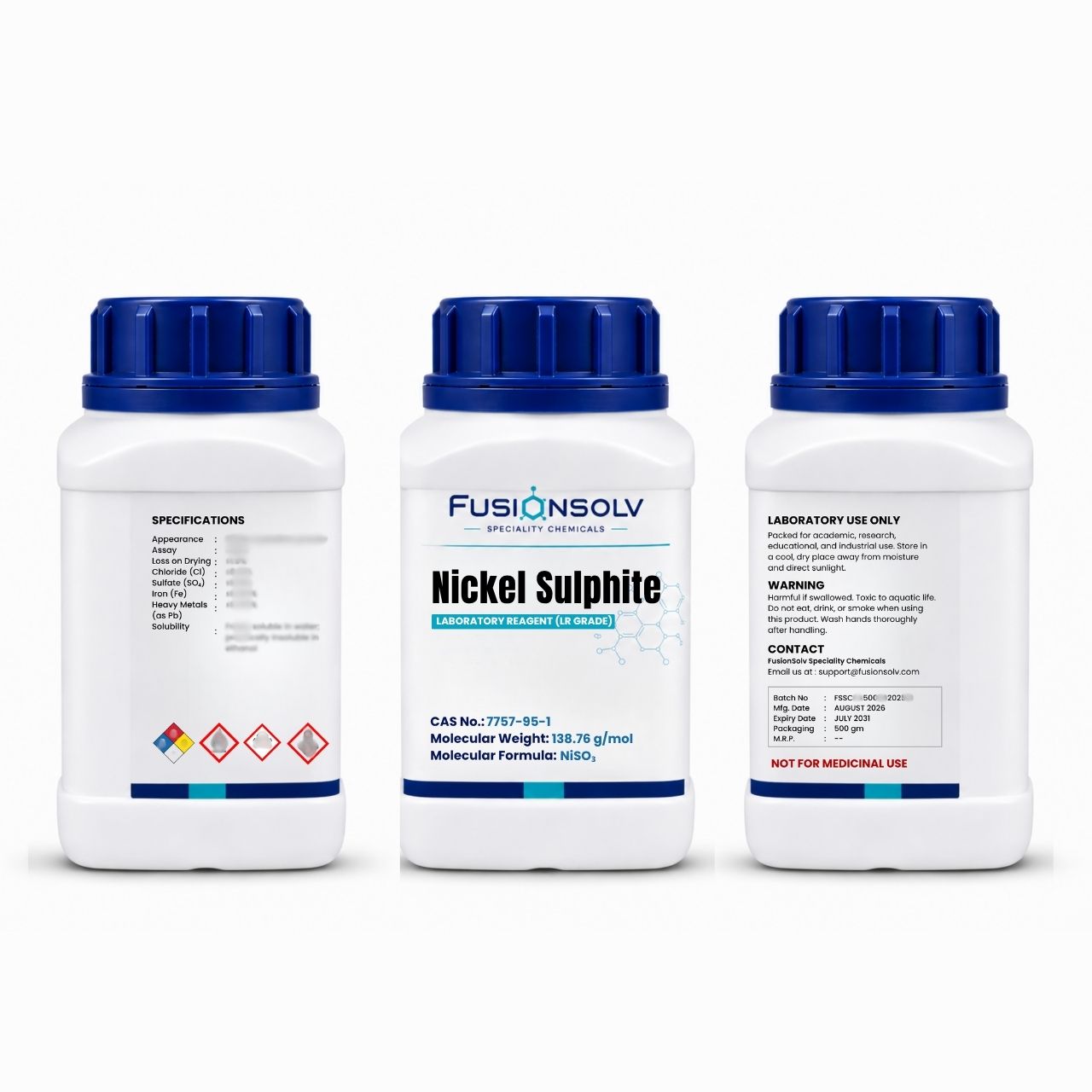







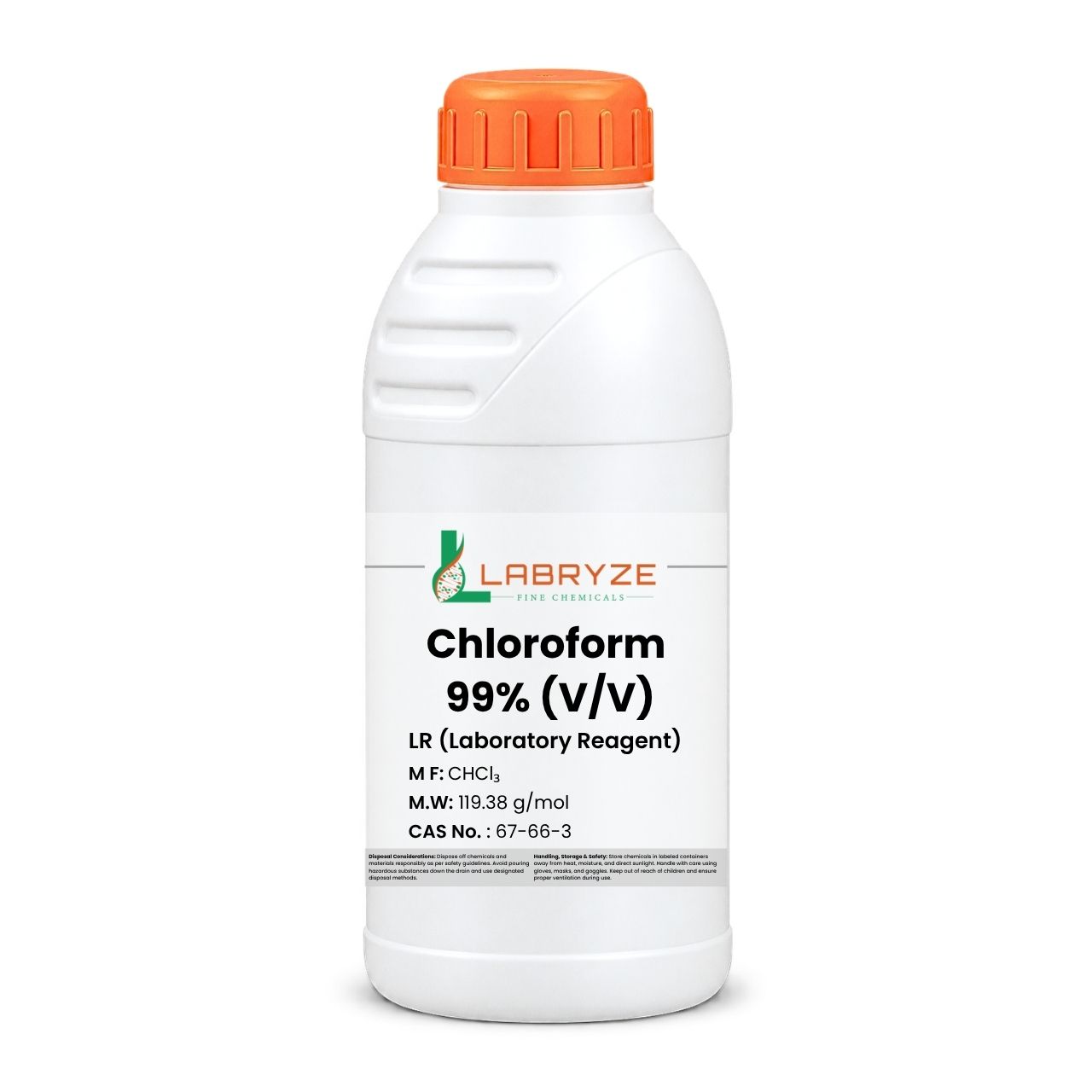

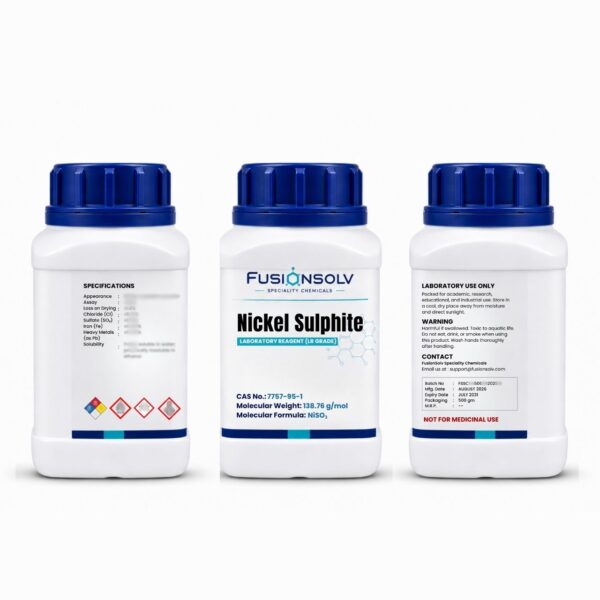
Nickel Sulphite is a laboratory material classified as a inorganic nickel(II) sulphite salt. It is supplied in a 500 g pack for chemical, educational and research settings where its specific identity and properties suit the chosen method. The material is a sulphite-containing nickel salt whose stability and hydration depend on preparation and storage. This makes it relevant to sulphite reaction chemistry and nickel salt investigations, subject to the actual formulation and experimental conditions. The listing describes its chemical basis rather than guaranteeing compatibility with every laboratory technique. Users should check the stated chemical form and any composition-dependent properties before designing experiments. In institutional work, appropriate risk assessment, correct waste segregation, trained supervision and the current Safety Data Sheet are important. For products described by a general commercial name or without a hydrate designation, the complete product specification should be confirmed rather than inferred from the name alone.
Product Specifications
| Specification | Details |
|---|---|
| Appearance | Pale green solid |
| Assay | 99% |
| Chemical Name | Nickel(II) sulphite, hydrate unspecified |
| Alternate Names | Nickelous sulphite; nickel(II) sulfite |
| Molecular Formula | NiSO3 (anhydrous basis; hydration unspecified) |
| Empirical Formula | NiSO3 (anhydrous basis) |
| CAS Number | Confirm exact hydrate or composition |
| Molecular Weight | 138.75 g/mol (anhydrous basis; actual mass depends on hydration) |
| Grade | LR Laboratory Reagent |
Key Features of Nickel Sulphite
- Chemical class: inorganic nickel(II) sulphite salt.
- Physical appearance: pale green solid.
- Notable property: a sulphite-containing nickel salt whose stability and hydration depend on preparation and storage.
- Laboratory relevance: sulphite reaction chemistry and nickel salt investigations.
- Pack format: 500 g for measured institutional laboratory use.
Laboratory Applications of Nickel Sulphite
- Demonstration of sulphite reactivity in controlled inorganic chemistry lessons
- Studies of nickel salt precipitation and solid-phase transformations
- Research on the oxidation of sulphite-containing inorganic solids
- Preparation of comparative samples for sulphur oxyanion analysis
- Evaluation of the interaction of nickel ions with sulphite under defined conditions
Why Choose Lab Wale to Buy Nickel Sulphite
Lab Wale offers a sourcing option for Nickel Sulphite for schools, colleges, universities and scientific laboratories. Clearly identifying the material, its listed grade and 500 g pack helps purchasing teams compare it with their intended experiment. For chemicals available in multiple forms or mixtures, confirm composition and applicable safety documents before ordering. Laboratory users should match reagent selection to the procedure, equipment, supervision and waste-management requirements rather than assume that a general laboratory grade suits every analytical method.
Frequently Asked Questions About Nickel Sulphite
What is Nickel Sulphite used for in a laboratory?
Nickel Sulphite is relevant to sulphite reaction chemistry and nickel salt investigations. Practical choices include demonstration of sulphite reactivity in controlled inorganic chemistry lessons and studies of nickel salt precipitation and solid-phase transformations. Its use should be limited to methods for which the actual material, required concentration and institutional controls are appropriate.
What chemical formula and composition does Nickel Sulphite have?
The listed formula information is: NiSO3 (anhydrous basis; hydration unspecified). The name alone does not define every constituent or hydration state, so composition-dependent data need confirmation.
How is Nickel Sulphite identified for purchasing?
The chemical name is Nickel(II) sulphite, hydrate unspecified. The registry information is Confirm exact hydrate or composition. Buyers should match the supplied label, chemical form, concentration where relevant and supporting documentation against their method before approving a laboratory purchase.
Can Nickel Sulphite be used in school and college experiments?
Only when the experiment is appropriate to the material and a responsible instructor has completed a risk assessment. Avoid inhaling nickel-containing dust. Acidification of sulphites can release irritating sulphur dioxide; work under appropriate ventilation. More specialised, hazardous or composition-dependent work should be restricted to adequately equipped, supervised facilities.
How should Nickel Sulphite be stored and handled?
Keep dry and sealed away from acids and oxidisers; limit exposure to air and moisture to maintain composition. Avoid inhaling nickel-containing dust. Acidification of sulphites can release irritating sulphur dioxide; work under appropriate ventilation. Review the current SDS for the exact supplied product and follow your institution’s procedures for spills, protective equipment and waste disposal.
Storage Conditions for Nickel Sulphite
Keep dry and sealed away from acids and oxidisers; limit exposure to air and moisture to maintain composition. Keep the container accurately labelled and verify storage requirements in the supplier SDS for the exact formulation. Separate waste and working stocks from incompatible materials, and limit access to trained laboratory personnel.
Precautions for Handling Nickel Sulphite
Read the current product-specific Safety Data Sheet and complete a documented risk assessment before handling. Avoid inhaling nickel-containing dust. Acidification of sulphites can release irritating sulphur dioxide; work under appropriate ventilation. Use suitable gloves, eye protection and ventilation as required, minimise exposure, avoid unsafe combinations, and follow local spill-response and hazardous-waste disposal procedures. In instructional laboratories, ensure responsible supervision and appropriate training.







 Cardiology
 Clinical Oncology








Reviews
Clear filtersThere are no reviews yet.