
-
-
 Cardiology
-
 Clinical Oncology
-
 Dental
-
 Dermatology
-
 Ear, Nose, Throat (ENT)
-
 Endocrinology
-
 Gastroenterology
-
 General Surgery
-
 Gynecology & Obstetrics
-
 Interventional Cardiology
-
 Nephrology
-
 Neurology
-
 Oncology Surgery
-
 Ophthalmology
-
 Orthopedics
-
 Pediatrics
-
 Pediatrics Surgery
-
 Physiotherapy
-
 Plastic Surgery
-
 Psychiatry & Psychology
-
 Radiology
-
 Urology
-
 Vascular Surgery
-

 Anatomy Lab Equipments
 Biochemistry Lab Equipments
 Biology Lab Equipments
 Chemistry Lab Equipments
 Cytology Lab Equipments
 Cytopathology Lab Equipments
 Dental Lab Equipments
 Forensic Lab Equipments
 Genetics Lab Equipments
 Hematology Lab Equipments
 Histology Lab Equipments
 Histopathology Lab Equipments
 Mathematics Lab Equipments
 Microbiology Lab Equipments
 Molecular Biology Lab Equipments
 Pathology Lab Equipments
 Pharmaceutical Lab Equipments
 Physics Lab Equipments
 Radiology Lab Equipments
 Science Lab Kit’s
 Toxicology Lab Equipments

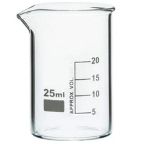 Borosilicate Glass Beaker
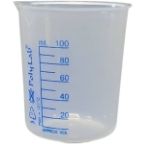 Plastic Beaker (Euro Design)
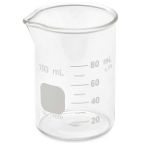 Plastic Beaker (Printed Graduation)
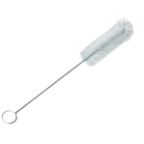 Test Tube Brush
 Measuring Cylinder Brush
 Conical Flask Brush
 Volumetric Flask Brush
 Round Bottom Flask Brush
 Glass Beaker Brush
 Pipette Brush
 Wash Bottle Brush
 Borosilicate Büchner Flask
 Borosilicate Erlenmeyer/Conical Flask
 Borosilicate Pear-Shaped Flask
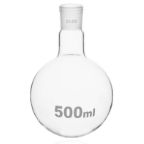 Borosilicate Round Bottom Flask
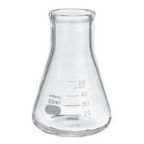 Plastic Conical Flask
 Plastic Volumetric Flask
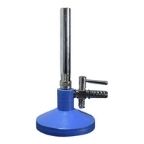 Bunsen Burner
 Spirit Lamp
 Borosilicate Glass Burette
 Plastic Burette
 Capillary Tube
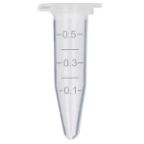 Centrifuge Tube
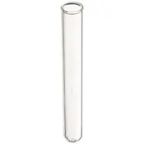 Test Tube
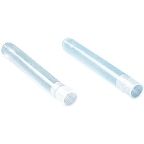 Ria Vial
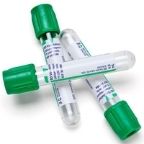 Vacutainer Tubes
 Syringes
 Student Microscope
 Binocular Microscope
 Dissecting Microscope
 Microscope Glass Slides
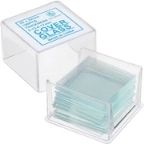 Cover Slip
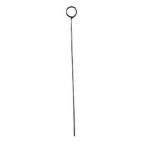 Inoculating Loop
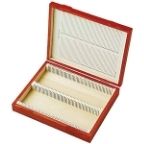 Slide Box
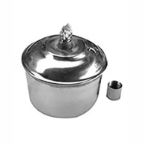 Lamps
 Oils
 Beaker Tongs
 Crucible Tongs
 Flask Tongs
 Borosilicate Glass Funnel
 Plastic Funnels
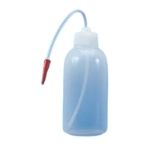 Wash Bottle
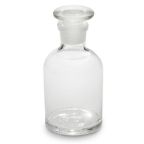 Borosilicate Glass Reagent Bottle
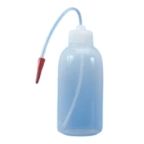 Plastic Reagent Bottle
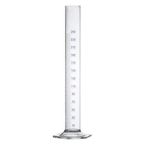 Borosilicate Measuring Cylinder
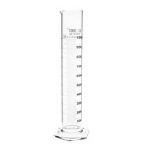 Plastic Measuring Cylinder
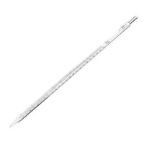 Borosilicate Glass Graduated Pipette
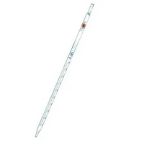 Borosilicate Glass Volumetric Pipette
 HB Pipette
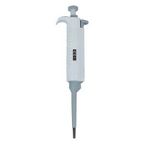 Pasteur Pipette
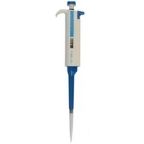 Micropipettes
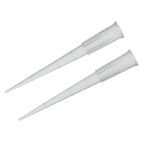 Micropipette Tips
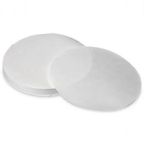 Filter Paper
 Litmus Paper
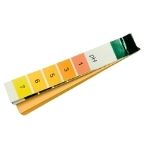 pH Paper
 Chromatography Paper
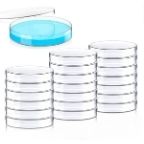 Plastic Petri Plates (Sterile)
 Glass Petri Plates (Non-Sterile)
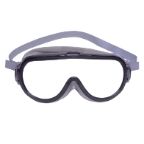 Safety Goggles
 Lab Coats
 Gloves
 Masks
 Shoe Covers
 Hair & Beard Covers
 Steel Spatula
 Plastic Spatula
 Hitachi Sample Cup
 Plastic Scoop
 Plastic Medicine Cup
 Dissecting Tool Kit
 Dissecting Forceps
 Hemostatic Forceps
 Thumb Forceps / Tweezers
 Blood Culture Bottle
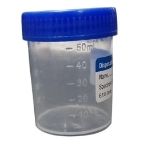 Urine Container
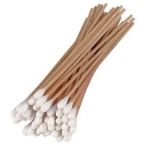 Wooden Swab Stick
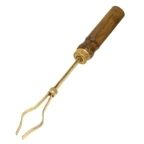 Test Tube Holder
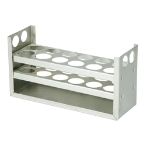 Test Tube Racks
 Magnifying Glass
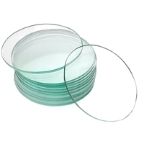 Watch Glass
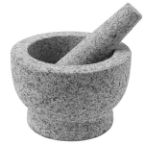 Mortar and Pestle
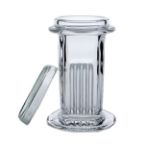 Coplin Jar
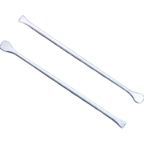 Plastic Stirrer
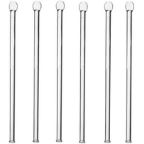 Glass Stirrer
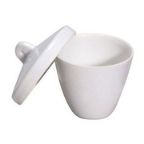 Crucible
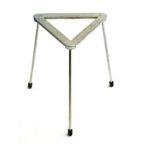 Tripod
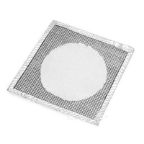 Wire Mesh
 Laboratory Thermometer
 Tourniquet
 Alcohol Swab
 Blood Lancet
 Bandage
 Gloves & Masks









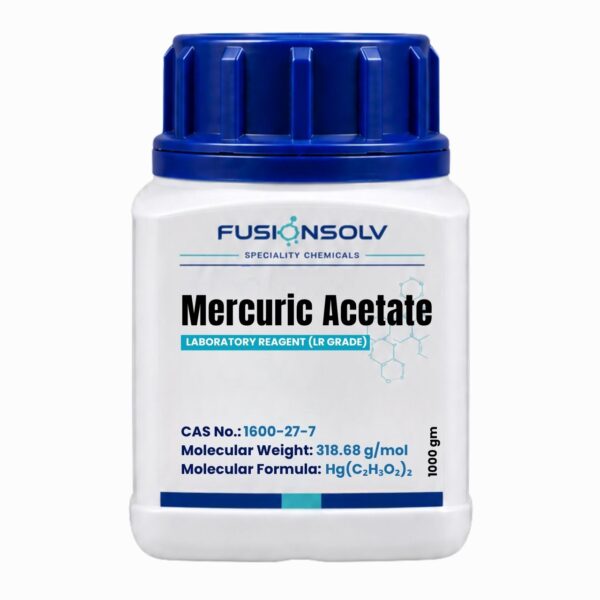
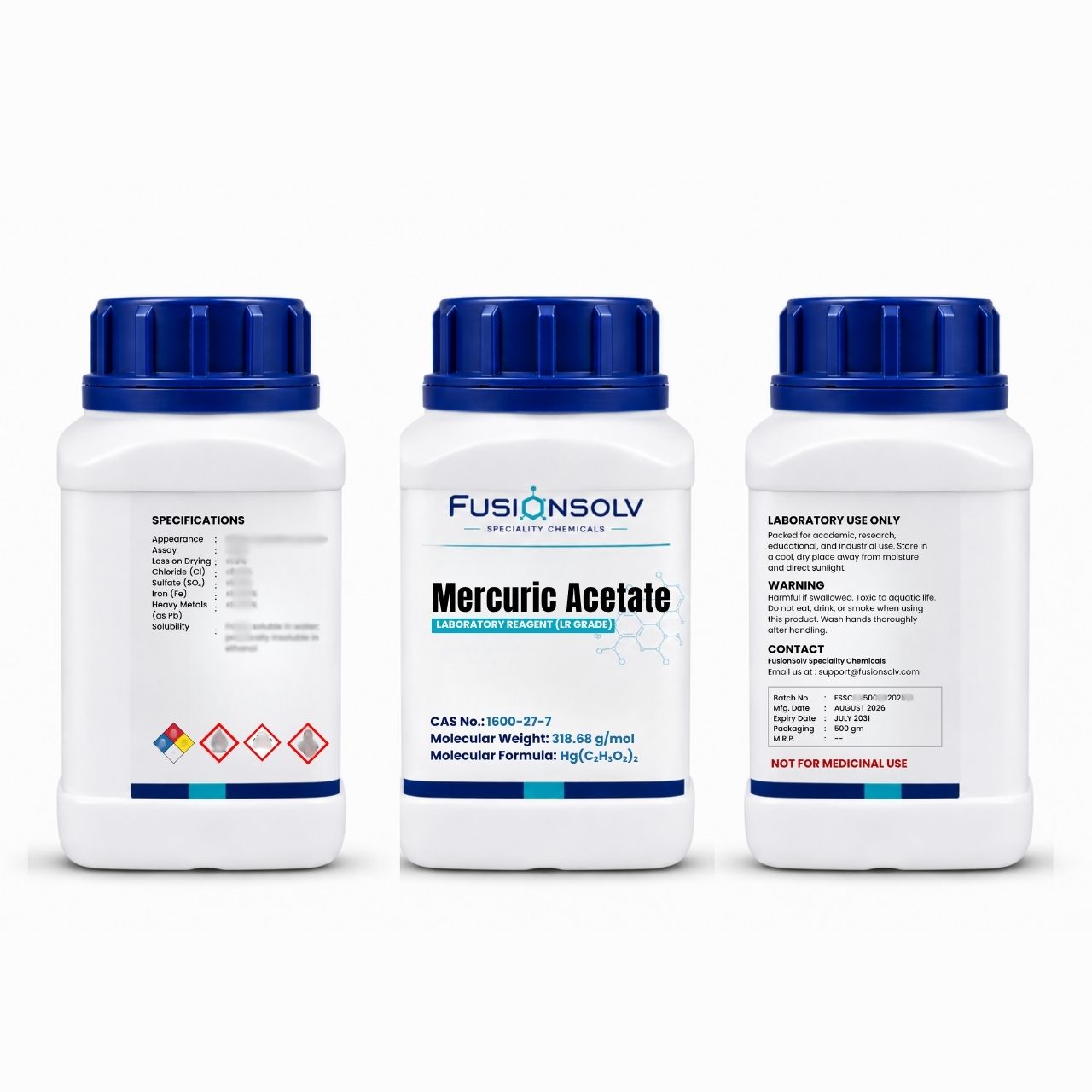







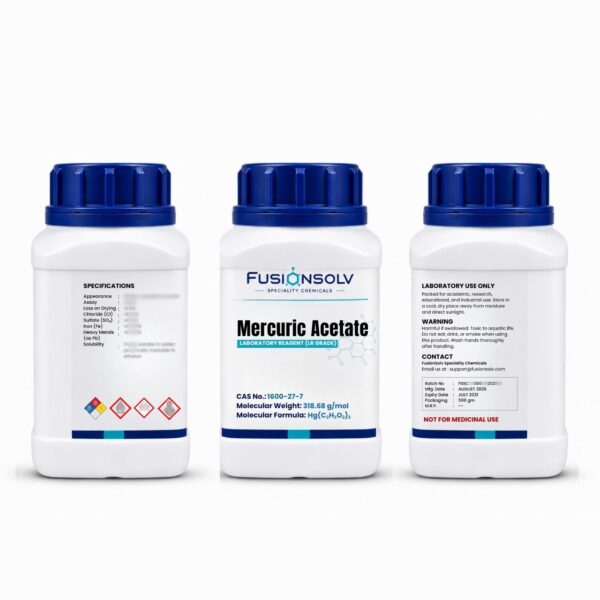
Mercuric Acetate, also called mercury(II) acetate, is a highly toxic inorganic-organic mercury salt formed from mercury(II) and acetate ions. Its molecular composition is Hg(C2H3O2)2, corresponding to a formula mass of approximately 318.68 g/mol. The compound is commonly encountered as a white crystalline powder and has historically been used as a reagent in selected organic transformations and mercury coordination chemistry. Its chemical reactivity makes it relevant to specialist mechanistic and analytical investigations, but modern laboratories should evaluate safer alternatives before selecting it. Exposure by inhalation, ingestion or skin contact can cause serious harm, and mercury-containing waste presents substantial environmental hazards. This material is intended only for appropriately equipped professional or advanced research environments with strict exposure controls. This listing is for the 500 gram pack size.
Product Specifications
| Specification | Details |
|---|---|
| Appearance | White crystalline powder |
| Assay | 99% |
| Chemical Name | Mercury(II) acetate |
| Alternate Names | Mercuric acetate; mercury diacetate; acetic acid mercury(II) salt |
| Molecular Formula | Hg(C2H3O2)2 |
| Empirical Formula | C4H6HgO4 |
| CAS Number | 1600-27-7 |
| Molecular Weight | 318.68 g/mol |
| Grade | LR Laboratory Reagent |
Key Features of Mercuric Acetate
- Contains mercury in the +2 oxidation state bound to acetate counterions.
- Crystalline mercury salt with a defined composition.
- Historically used in selected organic synthesis and coordination reactions.
- Highly toxic; exposure requires controlled laboratory procedures.
- Must be collected and disposed of as mercury-containing hazardous waste.
Laboratory Applications of Mercuric Acetate
- Studying mercury(II) coordination chemistry in properly authorized advanced research.
- Examining historical mercuration mechanisms in specialist organic-chemistry investigations.
- Using controlled mercury(II) reagent methods where a validated protocol specifically requires acetate.
- Performing instrumental characterization of mercury-containing coordination complexes in qualified facilities.
- Comparing toxic-metal reagent substitution strategies during green-chemistry method evaluation.
Why Choose Lab Wale to Buy Mercuric Acetate
Lab Wale supports procurement of Mercuric Acetate for colleges, universities, research centres and laboratory professionals seeking clearly identified scientific supplies. The 500 gram pack option allows institutions to select a quantity appropriate to their planned work. Before ordering, buyers should review the chemical identity, intended laboratory method, available specification and current safety information. Where hydration, isomerism or an unusual solid phase affects calculations, confirm the exact supplied material. Choose the reagent only when the verified form and laboratory safety controls match the intended application.
Frequently Asked Questions About Mercuric Acetate
What is the formula of mercuric acetate?
Mercury(II) acetate has formula Hg(C2H3O2)2, which is equivalent to C4H6HgO4, and a molecular weight near 318.68 g/mol. Its CAS Registry Number is 1600-27-7. The compound contains divalent mercury, not mercury(I).
What is mercuric acetate used for in research?
Mercury(II) acetate has been used in selected transformations involving unsaturated organic compounds and in coordination-chemistry investigations. Due to its severe toxicity and environmental consequences, researchers should evaluate safer substitutes and use it only when justified by an approved method.
Why is mercuric acetate considered hazardous?
Mercuric acetate can be highly toxic if swallowed, inhaled or absorbed through the skin, and repeated exposure can damage organs. Mercury compounds may also be extremely harmful to aquatic environments. Handling must follow the current Safety Data Sheet and institutional mercury-safety procedures.
Is mercuric acetate suitable for ordinary school laboratories?
It is not an appropriate choice for routine school demonstrations. Any authorized research use requires trained personnel, a risk assessment, effective containment, suitable protective equipment and a dedicated mercury-waste procedure. Teaching laboratories should consider safer alternatives where possible.
How should mercuric acetate waste be discarded?
Collect contaminated solids, solutions, gloves and absorbents as designated mercury-containing hazardous waste. Never pour material into drains or put it with ordinary rubbish. Use sealed, chemically compatible and clearly labelled containers following the institution’s hazardous-waste rules.
Storage Conditions for Mercuric Acetate
Store mercuric acetate in a tightly sealed, compatible container in a secure, clearly labelled toxic-substance storage location. Keep it dry and away from incompatible reducing agents and excessive heat. Restrict access to trained and authorized personnel. Provide secondary containment and ensure that spill-control materials and dedicated mercury-waste containers are available according to institutional procedures.
Precautions for Handling Mercuric Acetate
Consult the current mercuric acetate Safety Data Sheet before any operation. Use effective local exhaust or a fume hood, chemical-resistant gloves selected for the task, eye protection and suitable protective clothing. Prevent all unnecessary dust, vapour, skin and ingestion exposure. Do not handle it in open student areas. Collect every contaminated item as mercury waste, maintain a documented spill-response plan and follow institutional emergency procedures.





 Cardiology
 Clinical Oncology








Reviews
Clear filtersThere are no reviews yet.