
-
-
 Cardiology
-
 Clinical Oncology
-
 Dental
-
 Dermatology
-
 Ear, Nose, Throat (ENT)
-
 Endocrinology
-
 Gastroenterology
-
 General Surgery
-
 Gynecology & Obstetrics
-
 Interventional Cardiology
-
 Nephrology
-
 Neurology
-
 Oncology Surgery
-
 Ophthalmology
-
 Orthopedics
-
 Pediatrics
-
 Pediatrics Surgery
-
 Physiotherapy
-
 Plastic Surgery
-
 Psychiatry & Psychology
-
 Radiology
-
 Urology
-
 Vascular Surgery
-

 Anatomy Lab Equipments
 Biochemistry Lab Equipments
 Biology Lab Equipments
 Chemistry Lab Equipments
 Cytology Lab Equipments
 Cytopathology Lab Equipments
 Dental Lab Equipments
 Forensic Lab Equipments
 Genetics Lab Equipments
 Hematology Lab Equipments
 Histology Lab Equipments
 Histopathology Lab Equipments
 Mathematics Lab Equipments
 Microbiology Lab Equipments
 Molecular Biology Lab Equipments
 Pathology Lab Equipments
 Pharmaceutical Lab Equipments
 Physics Lab Equipments
 Radiology Lab Equipments
 Science Lab Kit’s
 Toxicology Lab Equipments

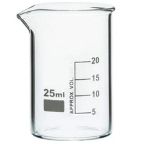 Borosilicate Glass Beaker
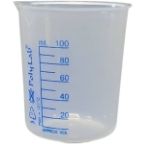 Plastic Beaker (Euro Design)
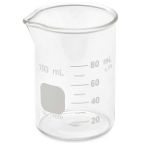 Plastic Beaker (Printed Graduation)
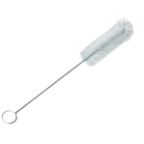 Test Tube Brush
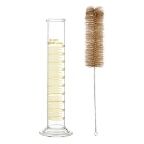 Measuring Cylinder Brush
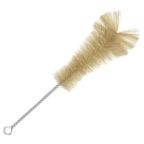 Conical Flask Brush
 Volumetric Flask Brush
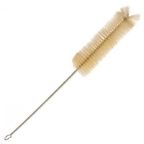 Round Bottom Flask Brush
 Glass Beaker Brush
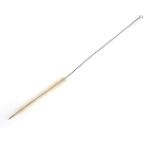 Pipette Brush
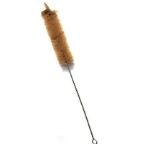 Wash Bottle Brush
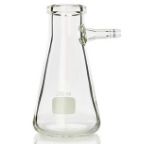 Borosilicate Büchner Flask
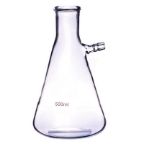 Borosilicate Erlenmeyer/Conical Flask
 Borosilicate Pear-Shaped Flask
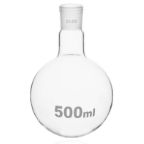 Borosilicate Round Bottom Flask
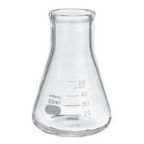 Plastic Conical Flask
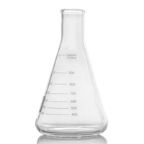 Plastic Volumetric Flask
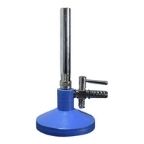 Bunsen Burner
 Spirit Lamp
 Borosilicate Glass Burette
 Plastic Burette
 Capillary Tube
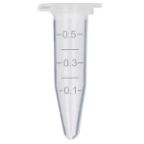 Centrifuge Tube
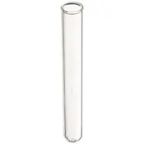 Test Tube
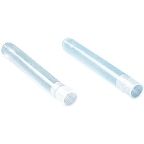 Ria Vial
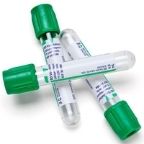 Vacutainer Tubes
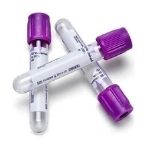 Syringes
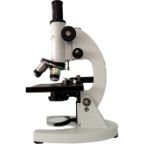 Student Microscope
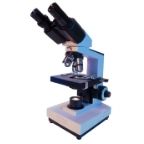 Binocular Microscope
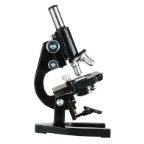 Dissecting Microscope
 Microscope Glass Slides
 Cover Slip
 Inoculating Loop
 Slide Box
 Lamps
 Oils
 Beaker Tongs
 Crucible Tongs
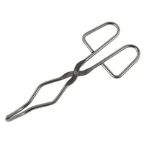 Flask Tongs
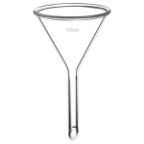 Borosilicate Glass Funnel
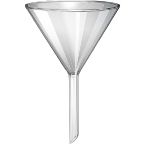 Plastic Funnels
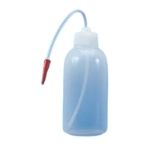 Wash Bottle
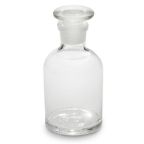 Borosilicate Glass Reagent Bottle
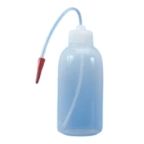 Plastic Reagent Bottle
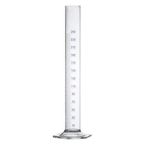 Borosilicate Measuring Cylinder
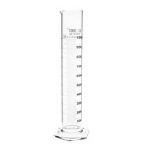 Plastic Measuring Cylinder
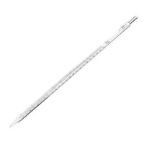 Borosilicate Glass Graduated Pipette
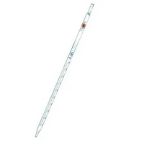 Borosilicate Glass Volumetric Pipette
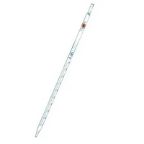 HB Pipette
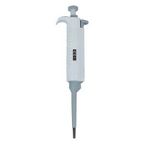 Pasteur Pipette
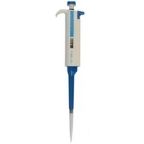 Micropipettes
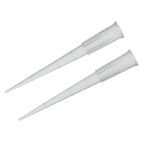 Micropipette Tips
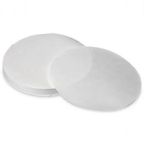 Filter Paper
 Litmus Paper
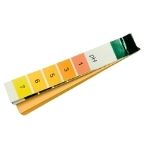 pH Paper
 Chromatography Paper
 Plastic Petri Plates (Sterile)
 Glass Petri Plates (Non-Sterile)
 Safety Goggles
 Lab Coats
 Gloves
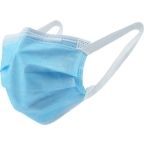 Masks
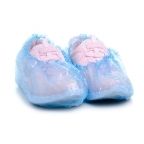 Shoe Covers
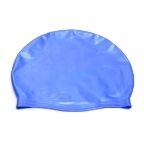 Hair & Beard Covers
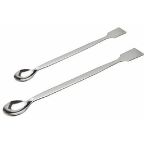 Steel Spatula
 Plastic Spatula
 Hitachi Sample Cup
 Plastic Scoop
 Plastic Medicine Cup
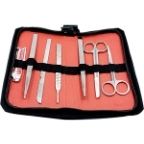 Dissecting Tool Kit
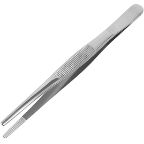 Dissecting Forceps
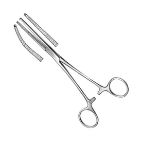 Hemostatic Forceps
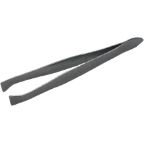 Thumb Forceps / Tweezers
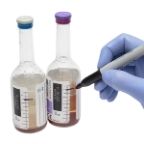 Blood Culture Bottle
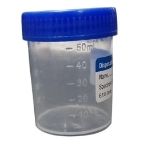 Urine Container
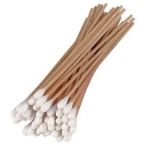 Wooden Swab Stick
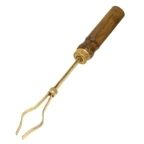 Test Tube Holder
 Test Tube Racks
 Magnifying Glass
 Watch Glass
 Mortar and Pestle
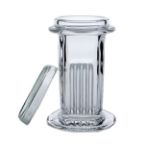 Coplin Jar
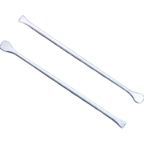 Plastic Stirrer
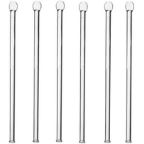 Glass Stirrer
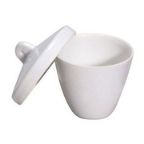 Crucible
 Tripod
 Wire Mesh
 Laboratory Thermometer
 Tourniquet
 Alcohol Swab
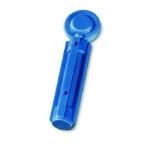 Blood Lancet
 Bandage
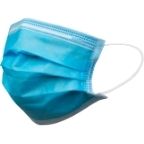 Gloves & Masks









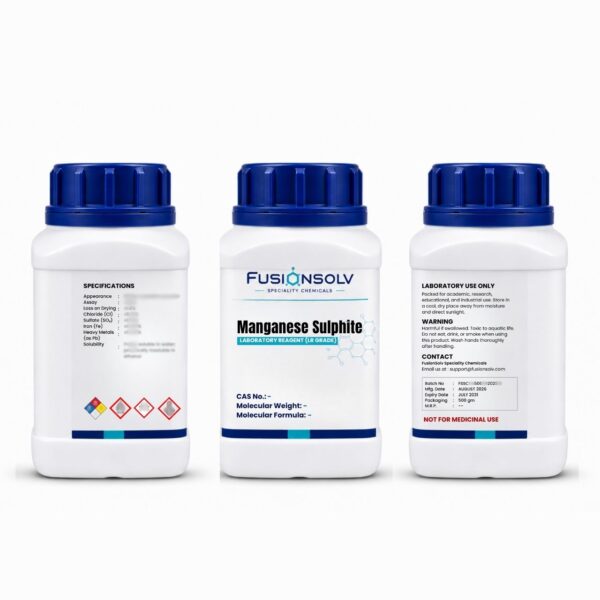

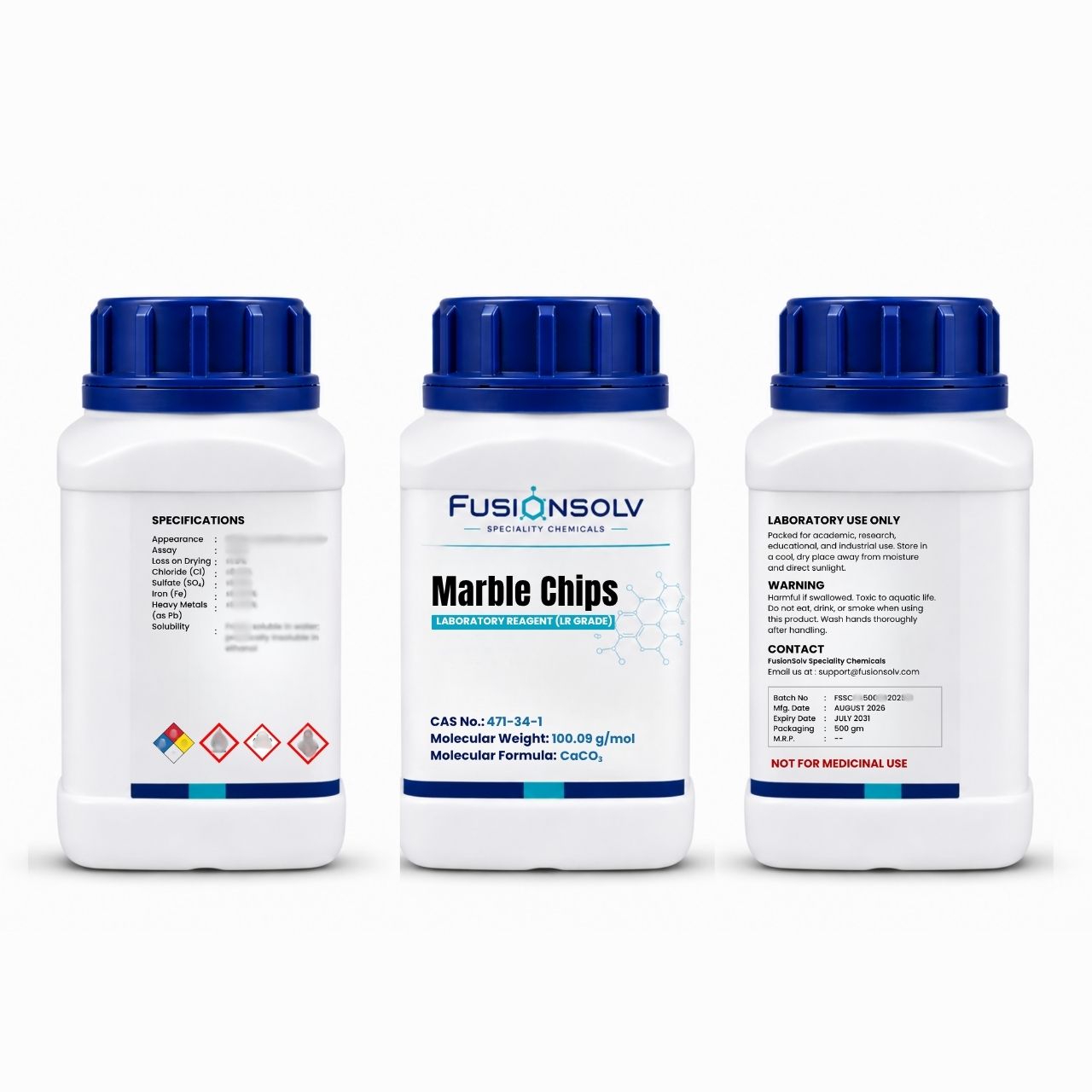







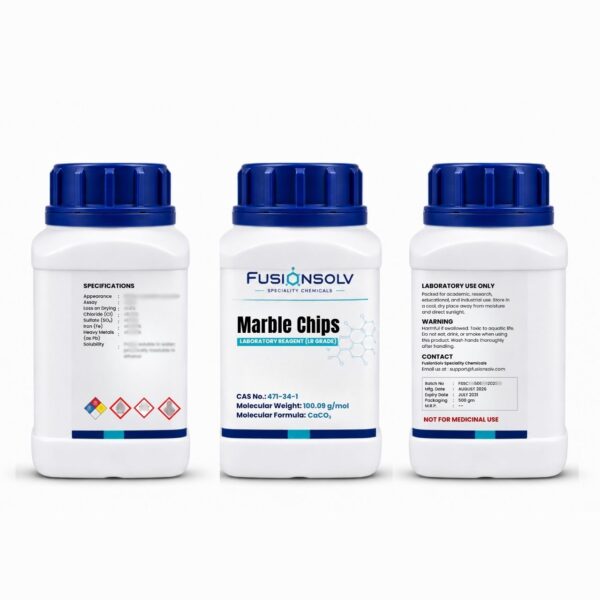
Marble Chips are pieces of natural calcium-carbonate-rich metamorphic rock commonly used in school, college and instructional chemistry laboratories. Their principal chemical constituent is calcium carbonate, CaCO3, although natural marble can contain mineral impurities and variable crystal textures. The chips are useful for demonstrating the behaviour of carbonates, particularly their reaction with dilute acids to produce carbon dioxide. Their relatively large particle size allows learners to observe gas evolution and compare surface-area effects with powdered calcium carbonate. In teaching laboratories, marble chips provide a familiar example of a mineral-derived reagent rather than a single perfectly pure molecular solid. For experiments requiring a known amount of calcium carbonate, the actual composition and particle size should be confirmed rather than assumed from the product name. This listing is for the 500 gram pack size.
Product Specifications
| Specification | Details |
|---|---|
| Appearance | White to off-white solid chips |
| Assay | 99% |
| Chemical Name | Natural calcium carbonate (marble) |
| Alternate Names | Marble; calcite-rich marble; natural calcium carbonate |
| Molecular Formula | CaCO3 (principal constituent) |
| Empirical Formula | CaCO3 (principal constituent) |
| CAS Number | 1317-65-3 (natural marble) |
| Molecular Weight | 100.09 g/mol (CaCO3 component) |
| Grade | LR Laboratory Reagent |
Key Features of Marble Chips
- Solid chips made from calcium-carbonate-rich natural marble.
- React with suitable dilute acids to evolve carbon dioxide.
- Visible particle size supports surface-area and reaction-rate demonstrations.
- Represent a mineral sample rather than a guaranteed pure molecular crystal.
- Suitable for supervised carbonate-identification practicals.
Laboratory Applications of Marble Chips
- Generating carbon dioxide in a supervised demonstration using an appropriate dilute acid.
- Studying how chip size influences the observed rate of acid-carbonate reaction.
- Testing the characteristic gas-evolution behaviour of carbonates.
- Comparing mineral samples in introductory geology and chemistry instruction.
- Discussing percentage composition and purity limits of natural laboratory materials.
Why Choose Lab Wale to Buy Marble Chips
Lab Wale supports procurement of Marble Chips for colleges, universities, research centres and laboratory professionals seeking clearly identified scientific supplies. The 500 gram pack option allows institutions to select a quantity appropriate to their planned work. Before ordering, buyers should review the chemical identity, intended laboratory method, available specification and current safety information. Where hydration, isomerism or an unusual solid phase affects calculations, confirm the exact supplied material. Choose the reagent only when the verified form and laboratory safety controls match the intended application.
Frequently Asked Questions About Marble Chips
What is the main chemical present in marble chips?
Marble consists principally of calcium carbonate, CaCO3, with a formula mass of 100.09 g/mol for the pure compound. Natural marble may contain other minerals. For accurate quantitative calculations, use confirmed composition rather than treating every marble chip as chemically pure calcium carbonate.
Why are marble chips used in carbon dioxide experiments?
Calcium carbonate reacts with dilute acids to release carbon dioxide, water and the corresponding calcium salt. Chips provide a visible solid that is straightforward to handle with laboratory tongs. The chosen acid and reaction vessel must be appropriate for the supervised activity.
Do small marble chips react faster than large chips?
Under otherwise similar experimental conditions, smaller pieces usually expose more surface area per unit mass and can react more rapidly with acid. The comparison also depends on temperature, acid concentration and natural material variability, making it useful for controlled reaction-rate practicals.
What is the CAS number of marble?
Natural marble is commonly identified under CAS 1317-65-3. The CAS number for chemically defined calcium carbonate is 471-34-1. These identifiers describe related but not necessarily identical materials, so laboratories should distinguish natural mineral chips from high-purity calcium carbonate reagent.
Can marble chips be reused after reacting with acid?
Chips partly consumed by an acid reaction have changed in size, mass and surface characteristics. They should not be treated as a fresh standardized sample for quantitative work. Follow the laboratory procedure for any rinsing, reuse and disposal of residual solids.
Storage Conditions for Marble Chips
Keep marble chips in a clean, closed and clearly labelled container at ordinary room temperature. Store them in a dry location to prevent dust contamination, and separate them from acids so that unintended reaction does not occur. Protect the chips from mixing with other minerals or reagents. Retain information on chip size when a rate experiment requires reproducible surface area.
Precautions for Handling Marble Chips
Review the applicable Safety Data Sheet and the laboratory experiment instructions before using marble chips. Wear eye protection, a laboratory coat and appropriate gloves, particularly when acids are involved. Avoid creating or inhaling dust from broken chips. Do not seal gas-generating reactions unless the apparatus is designed for pressure control. Follow institutional guidance for neutralization, spills and disposal of acid-treated residues.











 Cardiology
 Clinical Oncology








Reviews
Clear filtersThere are no reviews yet.