
-
-
 Cardiology
-
 Clinical Oncology
-
 Dental
-
 Dermatology
-
 Ear, Nose, Throat (ENT)
-
 Endocrinology
-
 Gastroenterology
-
 General Surgery
-
 Gynecology & Obstetrics
-
 Interventional Cardiology
-
 Nephrology
-
 Neurology
-
 Oncology Surgery
-
 Ophthalmology
-
 Orthopedics
-
 Pediatrics
-
 Pediatrics Surgery
-
 Physiotherapy
-
 Plastic Surgery
-
 Psychiatry & Psychology
-
 Radiology
-
 Urology
-
 Vascular Surgery
-

 Anatomy Lab Equipments
 Biochemistry Lab Equipments
 Biology Lab Equipments
 Chemistry Lab Equipments
 Cytology Lab Equipments
 Cytopathology Lab Equipments
 Dental Lab Equipments
 Forensic Lab Equipments
 Genetics Lab Equipments
 Hematology Lab Equipments
 Histology Lab Equipments
 Histopathology Lab Equipments
 Mathematics Lab Equipments
 Microbiology Lab Equipments
 Molecular Biology Lab Equipments
 Pathology Lab Equipments
 Pharmaceutical Lab Equipments
 Physics Lab Equipments
 Radiology Lab Equipments
 Science Lab Kit’s
 Toxicology Lab Equipments

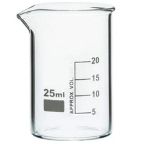 Borosilicate Glass Beaker
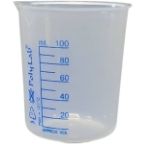 Plastic Beaker (Euro Design)
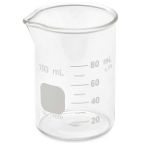 Plastic Beaker (Printed Graduation)
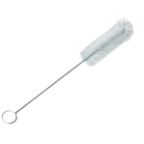 Test Tube Brush
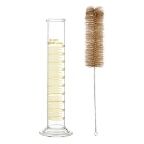 Measuring Cylinder Brush
 Conical Flask Brush
 Volumetric Flask Brush
 Round Bottom Flask Brush
 Glass Beaker Brush
 Pipette Brush
 Wash Bottle Brush
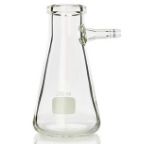 Borosilicate Büchner Flask
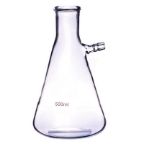 Borosilicate Erlenmeyer/Conical Flask
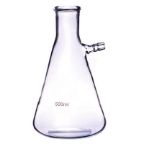 Borosilicate Pear-Shaped Flask
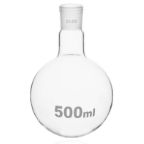 Borosilicate Round Bottom Flask
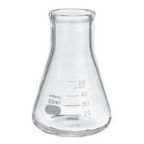 Plastic Conical Flask
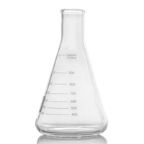 Plastic Volumetric Flask
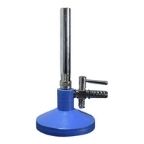 Bunsen Burner
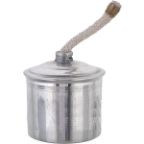 Spirit Lamp
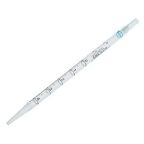 Borosilicate Glass Burette
 Plastic Burette
 Capillary Tube
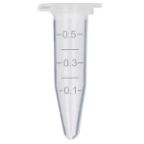 Centrifuge Tube
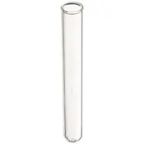 Test Tube
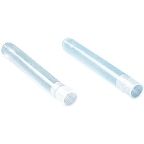 Ria Vial
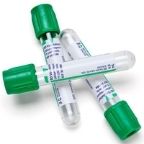 Vacutainer Tubes
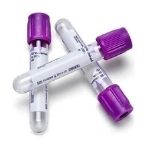 Syringes
 Student Microscope
 Binocular Microscope
 Dissecting Microscope
 Microscope Glass Slides
 Cover Slip
 Inoculating Loop
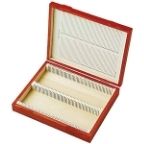 Slide Box
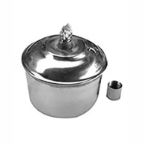 Lamps
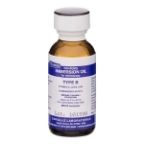 Oils
 Beaker Tongs
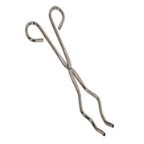 Crucible Tongs
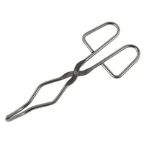 Flask Tongs
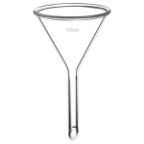 Borosilicate Glass Funnel
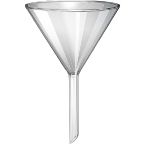 Plastic Funnels
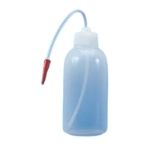 Wash Bottle
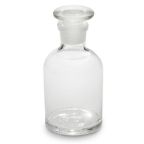 Borosilicate Glass Reagent Bottle
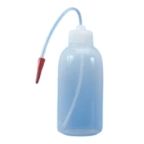 Plastic Reagent Bottle
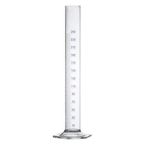 Borosilicate Measuring Cylinder
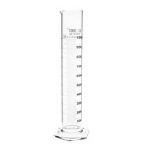 Plastic Measuring Cylinder
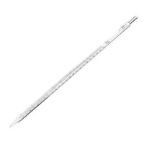 Borosilicate Glass Graduated Pipette
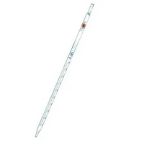 Borosilicate Glass Volumetric Pipette
 HB Pipette
 Pasteur Pipette
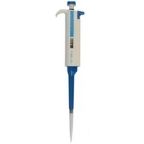 Micropipettes
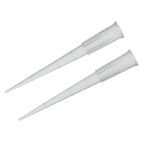 Micropipette Tips
 Filter Paper
 Litmus Paper
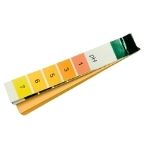 pH Paper
 Chromatography Paper
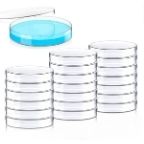 Plastic Petri Plates (Sterile)
 Glass Petri Plates (Non-Sterile)
 Safety Goggles
 Lab Coats
 Gloves
 Masks
 Shoe Covers
 Hair & Beard Covers
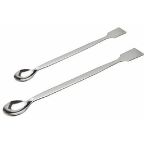 Steel Spatula
 Plastic Spatula
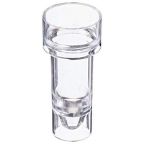 Hitachi Sample Cup
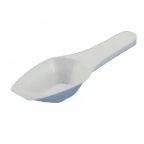 Plastic Scoop
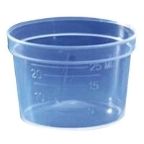 Plastic Medicine Cup
 Dissecting Tool Kit
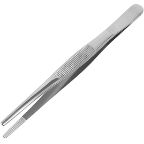 Dissecting Forceps
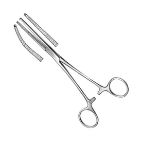 Hemostatic Forceps
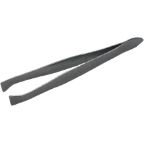 Thumb Forceps / Tweezers
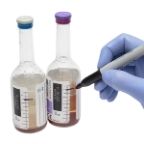 Blood Culture Bottle
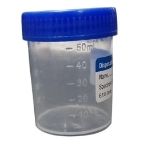 Urine Container
 Wooden Swab Stick
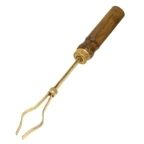 Test Tube Holder
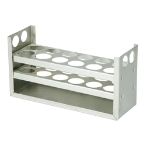 Test Tube Racks
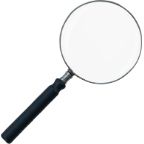 Magnifying Glass
 Watch Glass
 Mortar and Pestle
 Coplin Jar
 Plastic Stirrer
 Glass Stirrer
 Crucible
 Tripod
 Wire Mesh
 Laboratory Thermometer
 Tourniquet
 Alcohol Swab
 Blood Lancet
 Bandage
 Gloves & Masks









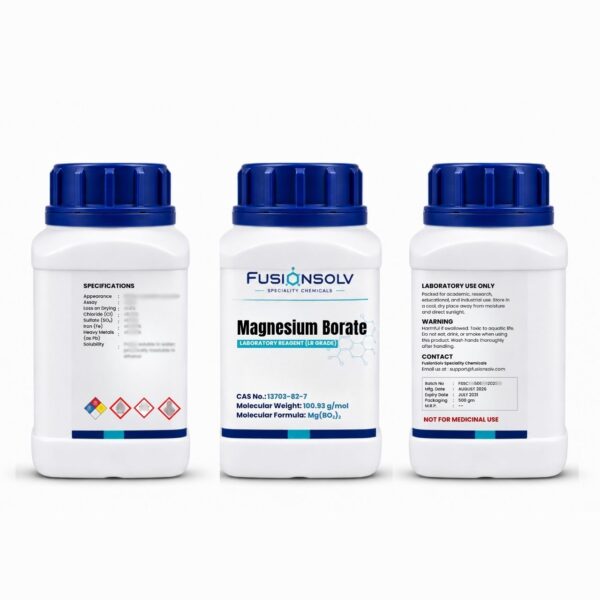
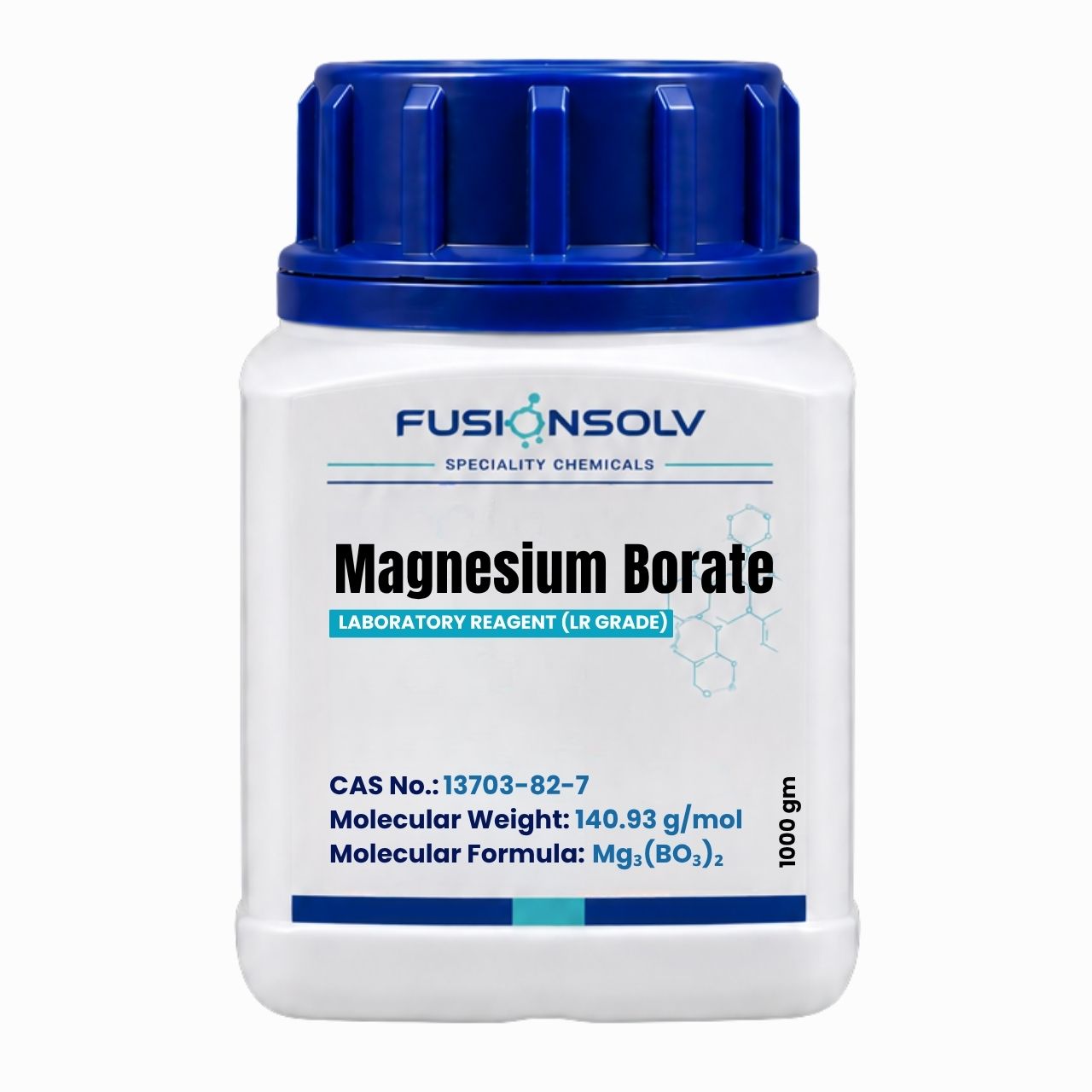








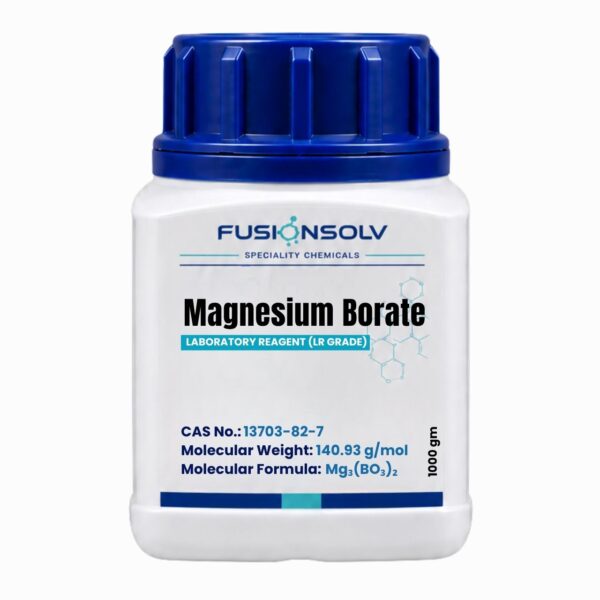
Magnesium Borate is a family of magnesium–boron oxide salts investigated in inorganic materials chemistry. The 1 Kg pack is intended for controlled laboratory use in educational, analytical or research environments where the reagent identity and its handling requirements are understood. Its technical relevance includes ceramic and glass formulation studies, borate-phase characterization, and high-temperature solid-state materials research. Magnesium borate may denote several stoichiometries and hydrates; exact formula and CAS cannot be assigned from this name alone. Before selecting this product for a particular procedure, examine the supplier label and safety documentation for the exact chemical form, hydration state where relevant, and intended method. This catalogue description explains general chemistry and typical research contexts; it does not establish suitability for an individual analytical method, a specific purity requirement or a regulated end use. Use appropriate laboratory controls and dispose of residues through the designated chemical-waste route.
Product Specifications
| Appearance | White powder |
|---|---|
| Assay | 99% |
| Chemical Name | Magnesium borate; stoichiometry unspecified |
| Alternate Names | Magnesium borate salts |
| Molecular Formula | Composition-dependent magnesium borate |
| Empirical Formula | Varies with stoichiometry |
| CAS Number | Varies with specified magnesium borate species |
| Molecular Weight | Composition-dependent |
| Grade | LR Laboratory Reagent |
Key Features of Magnesium Borate
- A family of magnesium–boron oxide salts investigated in inorganic materials chemistry.
- Supplied in the specified 1 Kg catalogue pack size for laboratory inventory planning.
- Chemical identity information supports selecting an appropriate experimental protocol.
- Magnesium borate may denote several stoichiometries and hydrates; exact formula and CAS cannot be assigned from this name alone.
- Handling and storage practices can be adapted to the documented properties of this material.
Laboratory Applications of Magnesium Borate
- Ceramic and glass formulation studies.
- Borate-phase characterization.
- High-temperature solid-state materials research.
- Comparative teaching experiments investigating the physical and chemical behavior of magnesium borate.
- Research reference work involving documented sample preparation and analytical controls.
Why Choose Lab Wale to Buy Magnesium Borate
Lab Wale provides a convenient catalogue listing for Magnesium Borate in a 1 Kg pack, supporting laboratory purchasing and materials planning. Product information is organized around substance identity, practical use cases and handling considerations to help laboratories review their requirements before ordering. For compounds with variable compositions or hydrate forms, customers should confirm the supplied specification and relevant safety documentation. Choose material according to the intended laboratory method, compatibility requirements and institutional procurement policies.
Frequently Asked Questions About Magnesium Borate
What is Magnesium Borate used for in laboratories?
Laboratory contexts include ceramic and glass formulation studies, borate-phase characterization, and high-temperature solid-state materials research. These are general examples of scientific use, not instructions for performing a particular experiment. Select a validated method and appropriate safeguards before beginning any preparation or analysis.
Is the molecular formula for Magnesium Borate definitive?
Not always. Magnesium borate may denote several stoichiometries and hydrates; exact formula and CAS cannot be assigned from this name alone. The molecular information in the specification table therefore identifies a reference formula or explains why a single formula is not appropriate. Confirm the exact manufacturer designation, hydrate or composition before setting up quantitative experiments or making purchasing decisions.
How should Magnesium Borate be stored?
Store dry in a tightly closed container to avoid moisture and contamination. Keep the original label legible, isolate the pack from incompatible reagents and review the manufacturer’s safety data for any additional temperature or atmospheric controls. Follow local chemical inventory rules for the relevant substance.
What precautions apply when handling Magnesium Borate?
Avoid dust inhalation; confirm classification and handling instructions for the exact borate composition. Use the containment, ventilation and personal protective equipment specified by your risk assessment. Never treat the catalogue description as a substitute for the actual safety data sheet, especially during weighing, transferring or waste disposal.
Can the 1 Kg pack be used in a specific analytical procedure?
The 1 Kg quantity identifies the catalogue pack size, not a guarantee of method suitability. Check the requested reagent grade, chemical identity, physical form and method-specific acceptance criteria against the actual supplied material before incorporating it into research or routine laboratory work.
Storage Conditions for Magnesium Borate
Store dry in a tightly closed container to avoid moisture and contamination. Keep the original container clearly labelled and limit unnecessary opening during routine use. Use designated storage areas that prevent accidental mixing with incompatible reagents and allow spill containment where appropriate. Review the actual manufacturer safety information for temperature, atmosphere and shelf-life recommendations because these can depend on the exact chemical form and packaging.
Precautions for Handling Magnesium Borate
Avoid dust inhalation; confirm classification and handling instructions for the exact borate composition. Conduct a task-specific risk assessment before weighing or transferring the product, and use appropriate eye protection, protective clothing, gloves and local exhaust ventilation when indicated. Do not eat or drink in laboratory areas. Avoid skin contact and airborne particulates. Collect spills and residues using procedures suitable for the substance, and arrange disposal as regulated laboratory chemical waste rather than ordinary rubbish or drain discharge.












 Cardiology
 Clinical Oncology








Reviews
Clear filtersThere are no reviews yet.