
-
-
 Cardiology
-
 Clinical Oncology
-
 Dental
-
 Dermatology
-
 Ear, Nose, Throat (ENT)
-
 Endocrinology
-
 Gastroenterology
-
 General Surgery
-
 Gynecology & Obstetrics
-
 Interventional Cardiology
-
 Nephrology
-
 Neurology
-
 Oncology Surgery
-
 Ophthalmology
-
 Orthopedics
-
 Pediatrics
-
 Pediatrics Surgery
-
 Physiotherapy
-
 Plastic Surgery
-
 Psychiatry & Psychology
-
 Radiology
-
 Urology
-
 Vascular Surgery
-

 Anatomy Lab Equipments
 Biochemistry Lab Equipments
 Biology Lab Equipments
 Chemistry Lab Equipments
 Cytology Lab Equipments
 Cytopathology Lab Equipments
 Dental Lab Equipments
 Forensic Lab Equipments
 Genetics Lab Equipments
 Hematology Lab Equipments
 Histology Lab Equipments
 Histopathology Lab Equipments
 Mathematics Lab Equipments
 Microbiology Lab Equipments
 Molecular Biology Lab Equipments
 Pathology Lab Equipments
 Pharmaceutical Lab Equipments
 Physics Lab Equipments
 Radiology Lab Equipments
 Science Lab Kit’s
 Toxicology Lab Equipments

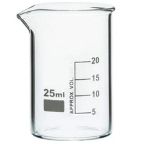 Borosilicate Glass Beaker
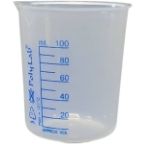 Plastic Beaker (Euro Design)
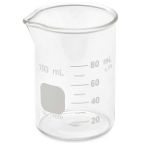 Plastic Beaker (Printed Graduation)
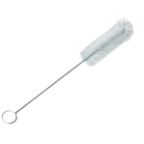 Test Tube Brush
 Measuring Cylinder Brush
 Conical Flask Brush
 Volumetric Flask Brush
 Round Bottom Flask Brush
 Glass Beaker Brush
 Pipette Brush
 Wash Bottle Brush
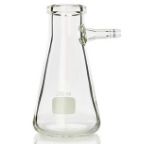 Borosilicate Büchner Flask
 Borosilicate Erlenmeyer/Conical Flask
 Borosilicate Pear-Shaped Flask
 Borosilicate Round Bottom Flask
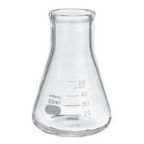 Plastic Conical Flask
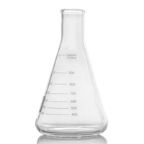 Plastic Volumetric Flask
 Bunsen Burner
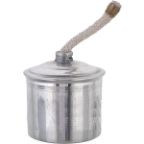 Spirit Lamp
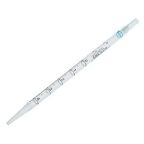 Borosilicate Glass Burette
 Plastic Burette
 Capillary Tube
 Centrifuge Tube
 Test Tube
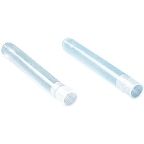 Ria Vial
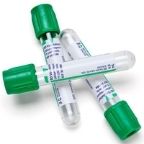 Vacutainer Tubes
 Syringes
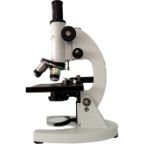 Student Microscope
 Binocular Microscope
 Dissecting Microscope
 Microscope Glass Slides
 Cover Slip
 Inoculating Loop
 Slide Box
 Lamps
 Oils
 Beaker Tongs
 Crucible Tongs
 Flask Tongs
 Borosilicate Glass Funnel
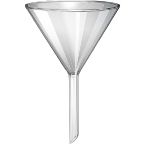 Plastic Funnels
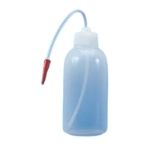 Wash Bottle
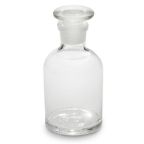 Borosilicate Glass Reagent Bottle
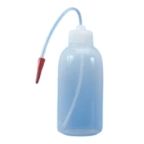 Plastic Reagent Bottle
 Borosilicate Measuring Cylinder
 Plastic Measuring Cylinder
 Borosilicate Glass Graduated Pipette
 Borosilicate Glass Volumetric Pipette
 HB Pipette
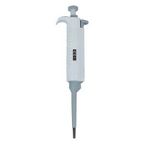 Pasteur Pipette
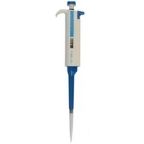 Micropipettes
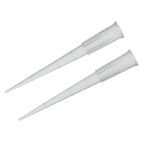 Micropipette Tips
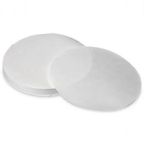 Filter Paper
 Litmus Paper
 pH Paper
 Chromatography Paper
 Plastic Petri Plates (Sterile)
 Glass Petri Plates (Non-Sterile)
 Safety Goggles
 Lab Coats
 Gloves
 Masks
 Shoe Covers
 Hair & Beard Covers
 Steel Spatula
 Plastic Spatula
 Hitachi Sample Cup
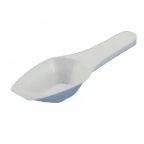 Plastic Scoop
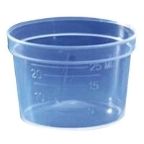 Plastic Medicine Cup
 Dissecting Tool Kit
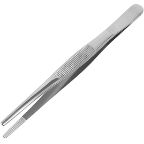 Dissecting Forceps
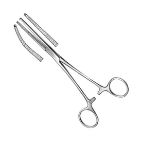 Hemostatic Forceps
 Thumb Forceps / Tweezers
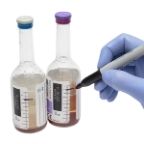 Blood Culture Bottle
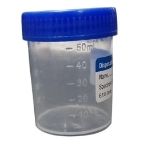 Urine Container
 Wooden Swab Stick
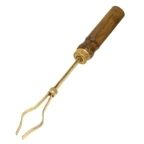 Test Tube Holder
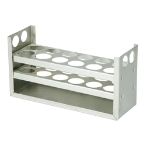 Test Tube Racks
 Magnifying Glass
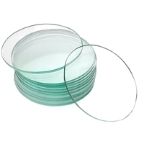 Watch Glass
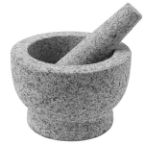 Mortar and Pestle
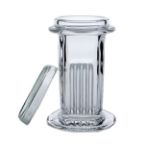 Coplin Jar
 Plastic Stirrer
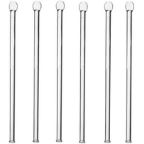 Glass Stirrer
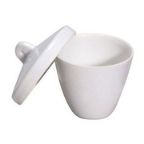 Crucible
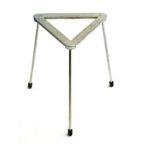 Tripod
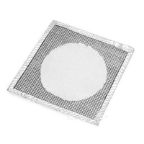 Wire Mesh
 Laboratory Thermometer
 Tourniquet
 Alcohol Swab
 Blood Lancet
 Bandage
 Gloves & Masks









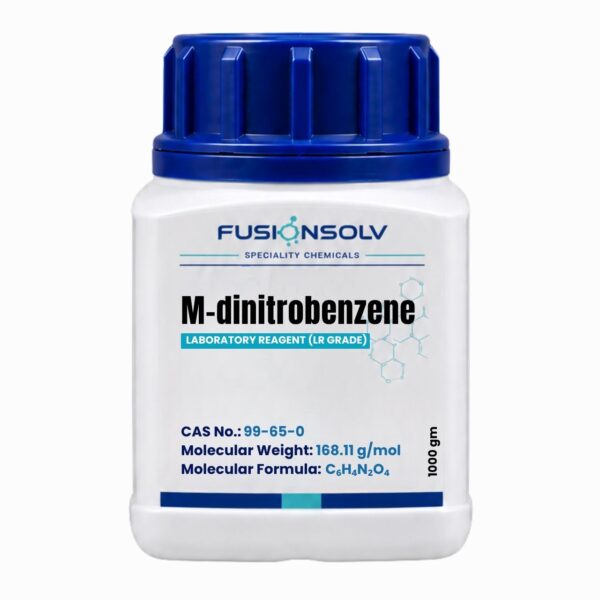
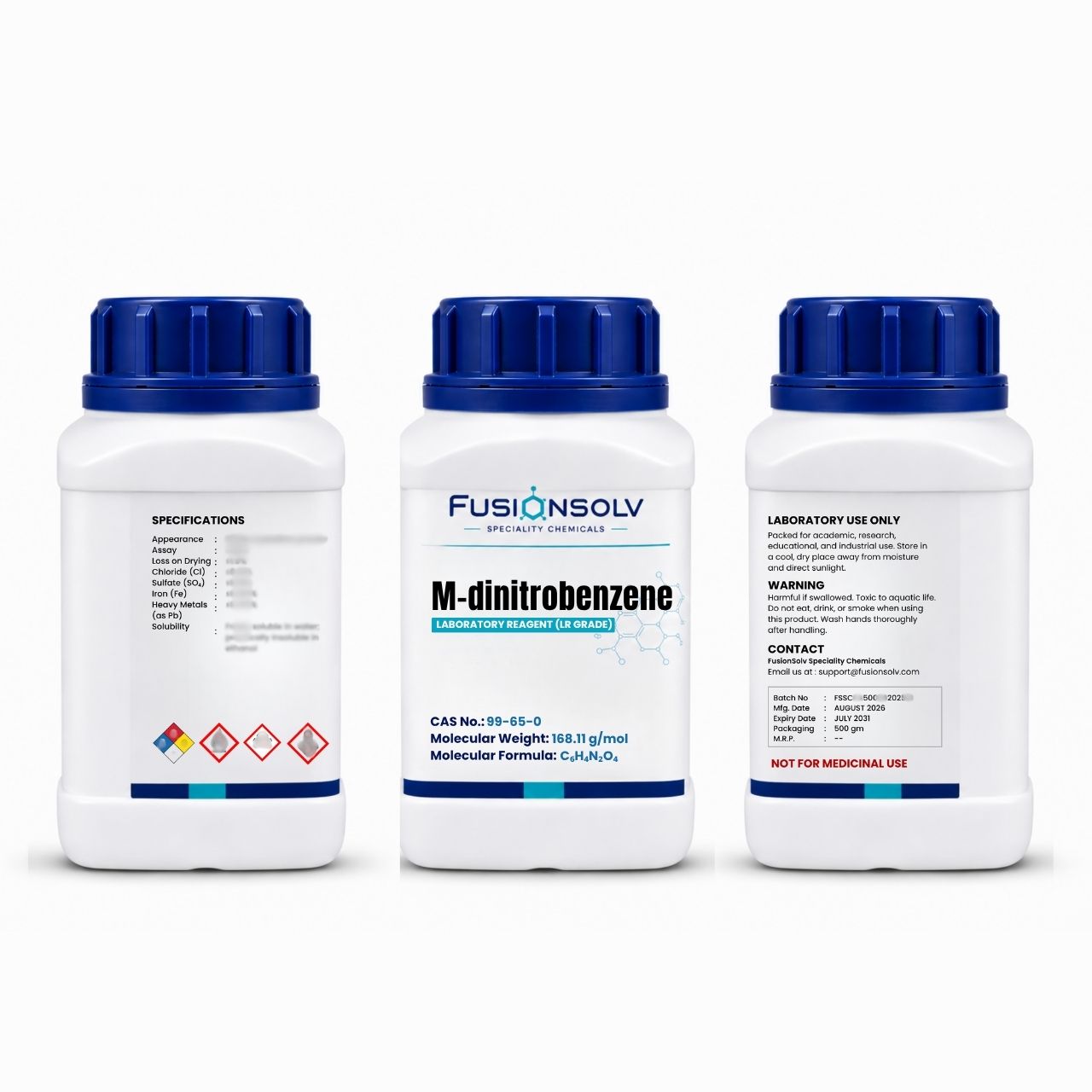








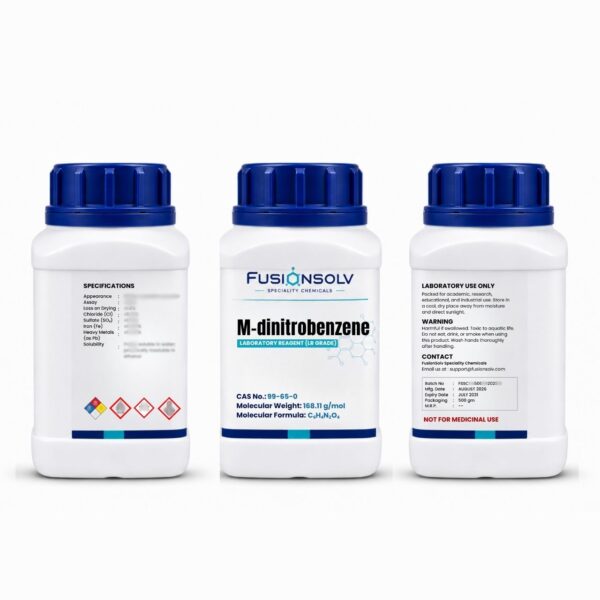
M-dinitrobenzene, also known as 1,3-dinitrobenzene, is an aromatic organic compound bearing two nitro groups in the meta positions of a benzene ring. Its molecular formula is C6H4N2O4 and its molecular mass is about 168.11 g/mol. It is generally a pale yellow crystalline solid with low water solubility. The strong electron-withdrawing nature of its nitro substituents makes the compound relevant to aromatic electronic effects, spectroscopy and controlled chemical analysis. It is also a hazardous substance that can cause systemic toxicity through exposure, so routine unsupervised classroom use is inappropriate. In advanced educational and research settings, it may be studied through approved analytical or mechanistic procedures with carefully selected controls, ventilation and waste management. This listing is for the 500 gram pack size.
Product Specifications
| Specification | Details |
|---|---|
| Appearance | Pale yellow crystalline solid |
| Assay | 99% |
| Chemical Name | 1,3-Dinitrobenzene |
| Alternate Names | meta-Dinitrobenzene; m-dinitrobenzene; 1,3-dinitrobenzol |
| Molecular Formula | C6H4N2O4 |
| Empirical Formula | C3H2NO2 |
| CAS Number | 99-65-0 |
| Molecular Weight | 168.11 g/mol |
| Grade | LR Laboratory Reagent |
Key Features of M-dinitrobenzene
- Defined meta substitution pattern distinguishes it from the 1,2- and 1,4-isomers.
- Two nitro substituents influence aromatic electronic behaviour.
- Crystalline organic solid with limited water solubility.
- Useful in selected advanced organic-analysis and spectroscopy studies.
- Requires stringent exposure control because of its toxicological hazards.
Laboratory Applications of M-dinitrobenzene
- Comparing spectral characteristics of aromatic nitro compounds in advanced laboratories.
- Studying positional-isomer effects using appropriately contained reference materials.
- Investigating electronic substituent effects in aromatic-compound coursework.
- Using a verified standard in a validated analytical method where its grade is suitable.
- Examining controlled reduction chemistry of aromatic nitro groups in specialist research facilities.
Why Choose Lab Wale to Buy M-dinitrobenzene
Lab Wale supports procurement of M-dinitrobenzene for colleges, universities, research centres and laboratory professionals seeking clearly identified scientific supplies. The 500 gram pack option allows institutions to select a quantity appropriate to their planned work. Before ordering, buyers should review the chemical identity, intended laboratory method, available specification and current safety information. Where hydration, isomerism or an unusual solid phase affects calculations, confirm the exact supplied material. Choose the reagent only when the verified form and laboratory safety controls match the intended application.
Frequently Asked Questions About M-dinitrobenzene
What does the m in m-dinitrobenzene mean?
The prefix m stands for meta, indicating that the two nitro groups occupy the 1 and 3 positions on the benzene ring. This arrangement is distinct from ortho- and para-dinitrobenzene, which have different structures and properties.
What is the molecular formula and CAS number?
The molecular formula of 1,3-dinitrobenzene is C6H4N2O4, and the molecular mass is approximately 168.11 g/mol. Its empirical formula reduces to C3H2NO2. The CAS Registry Number for this specific positional isomer is 99-65-0.
Is m-dinitrobenzene readily soluble in water?
No. 1,3-Dinitrobenzene has low water solubility. Solvent selection for analytical work should follow an established method and the relevant Safety Data Sheet; do not assume it can be prepared as a concentrated aqueous solution.
Why are strict handling controls necessary?
M-dinitrobenzene can be absorbed through the skin and can cause serious systemic effects, including interference with normal blood oxygen transport. Trained personnel should use effective ventilation, compatible gloves and eye protection while preventing contamination and following workplace exposure controls.
Can this compound be used in school practicals?
Because of its toxicity, m-dinitrobenzene is not appropriate for casual or unsupervised school demonstrations. Specialist or advanced teaching use requires an institutional risk assessment, suitable containment, trained supervision and appropriate disposal arrangements.
Storage Conditions for M-dinitrobenzene
Store m-dinitrobenzene in a tightly closed, clearly identified container in a cool, dry and well-ventilated designated chemical-storage area. Protect it from excessive heat, ignition sources and contact with strong oxidizing agents, strong bases and incompatible reducing materials. Restrict access to trained personnel and segregate it from materials intended for routine student use.
Precautions for Handling M-dinitrobenzene
Consult the current Safety Data Sheet and institutional exposure procedures before handling m-dinitrobenzene. Its dust and skin absorption create significant risks, so use an appropriate fume hood, suitable chemical-resistant gloves, protective clothing and eye protection. Prevent inhalation, spills and contamination of work surfaces. Avoid uncontrolled heating or reactions with incompatible substances. Collect waste as hazardous organic chemical waste and follow emergency protocols if exposure occurs.

















 Cardiology
 Clinical Oncology








Reviews
Clear filtersThere are no reviews yet.