
-
-
 Cardiology
-
 Clinical Oncology
-
 Dental
-
 Dermatology
-
 Ear, Nose, Throat (ENT)
-
 Endocrinology
-
 Gastroenterology
-
 General Surgery
-
 Gynecology & Obstetrics
-
 Interventional Cardiology
-
 Nephrology
-
 Neurology
-
 Oncology Surgery
-
 Ophthalmology
-
 Orthopedics
-
 Pediatrics
-
 Pediatrics Surgery
-
 Physiotherapy
-
 Plastic Surgery
-
 Psychiatry & Psychology
-
 Radiology
-
 Urology
-
 Vascular Surgery
-

 Anatomy Lab Equipments
 Biochemistry Lab Equipments
 Biology Lab Equipments
 Chemistry Lab Equipments
 Cytology Lab Equipments
 Cytopathology Lab Equipments
 Dental Lab Equipments
 Forensic Lab Equipments
 Genetics Lab Equipments
 Hematology Lab Equipments
 Histology Lab Equipments
 Histopathology Lab Equipments
 Mathematics Lab Equipments
 Microbiology Lab Equipments
 Molecular Biology Lab Equipments
 Pathology Lab Equipments
 Pharmaceutical Lab Equipments
 Physics Lab Equipments
 Radiology Lab Equipments
 Science Lab Kit’s
 Toxicology Lab Equipments

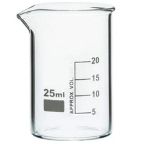 Borosilicate Glass Beaker
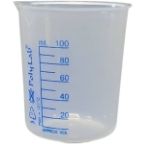 Plastic Beaker (Euro Design)
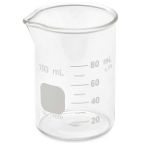 Plastic Beaker (Printed Graduation)
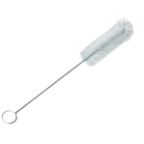 Test Tube Brush
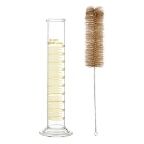 Measuring Cylinder Brush
 Conical Flask Brush
 Volumetric Flask Brush
 Round Bottom Flask Brush
 Glass Beaker Brush
 Pipette Brush
 Wash Bottle Brush
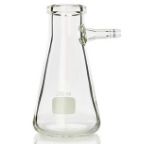 Borosilicate Büchner Flask
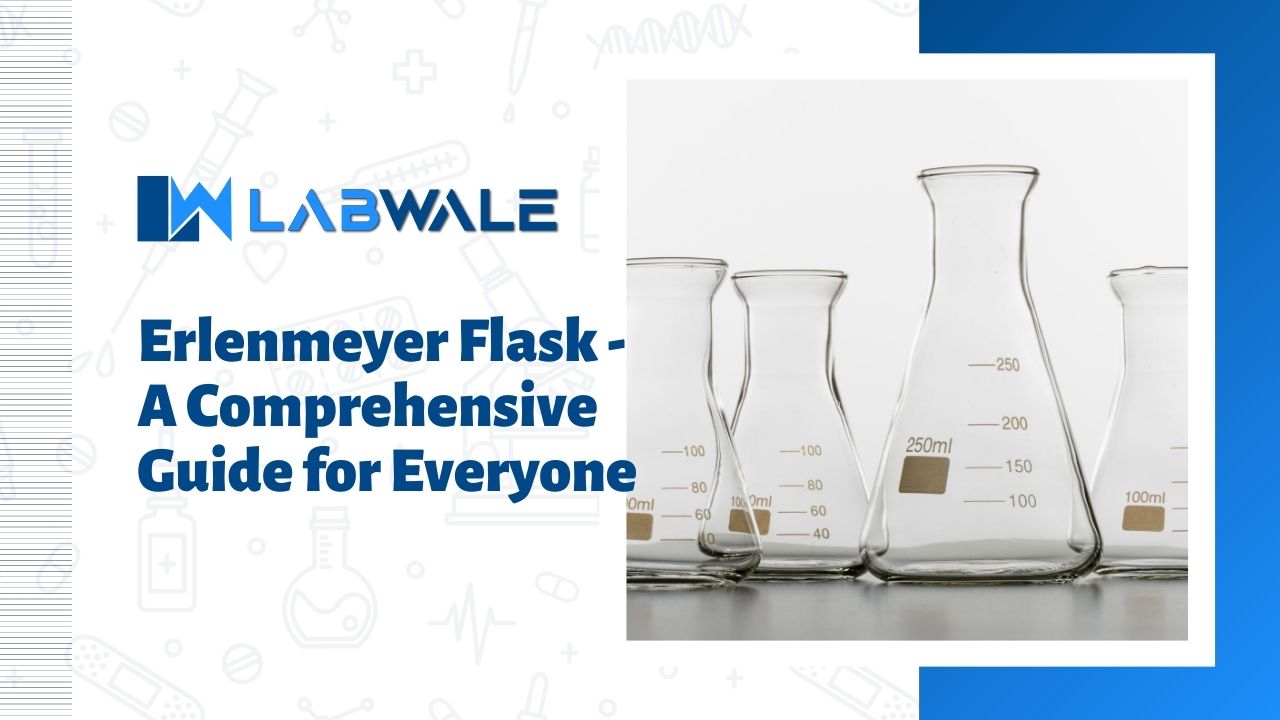
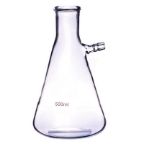 Borosilicate Erlenmeyer/Conical Flask
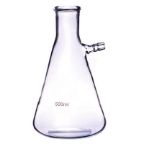 Borosilicate Pear-Shaped Flask
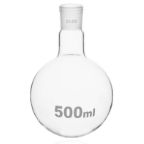 Borosilicate Round Bottom Flask
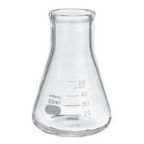 Plastic Conical Flask
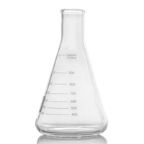 Plastic Volumetric Flask
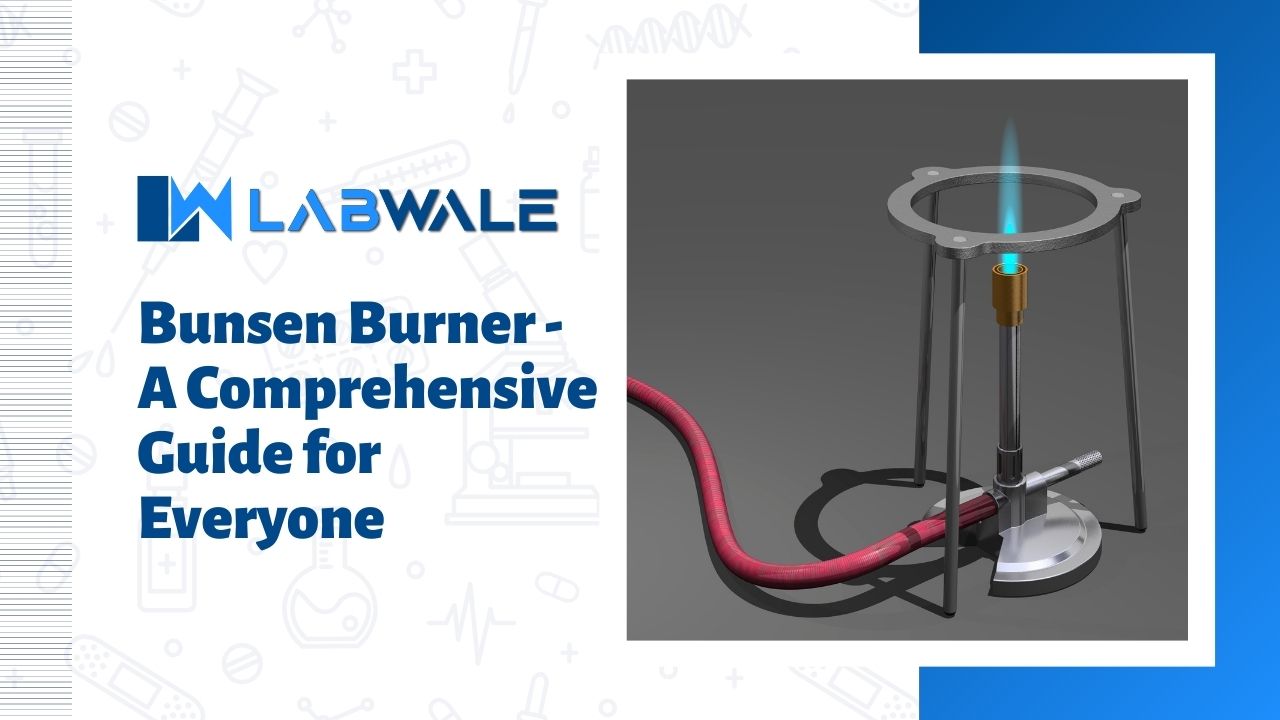
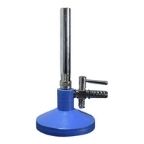 Bunsen Burner
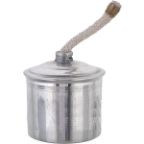 Spirit Lamp
 Borosilicate Glass Burette
 Plastic Burette
 Capillary Tube
 Centrifuge Tube
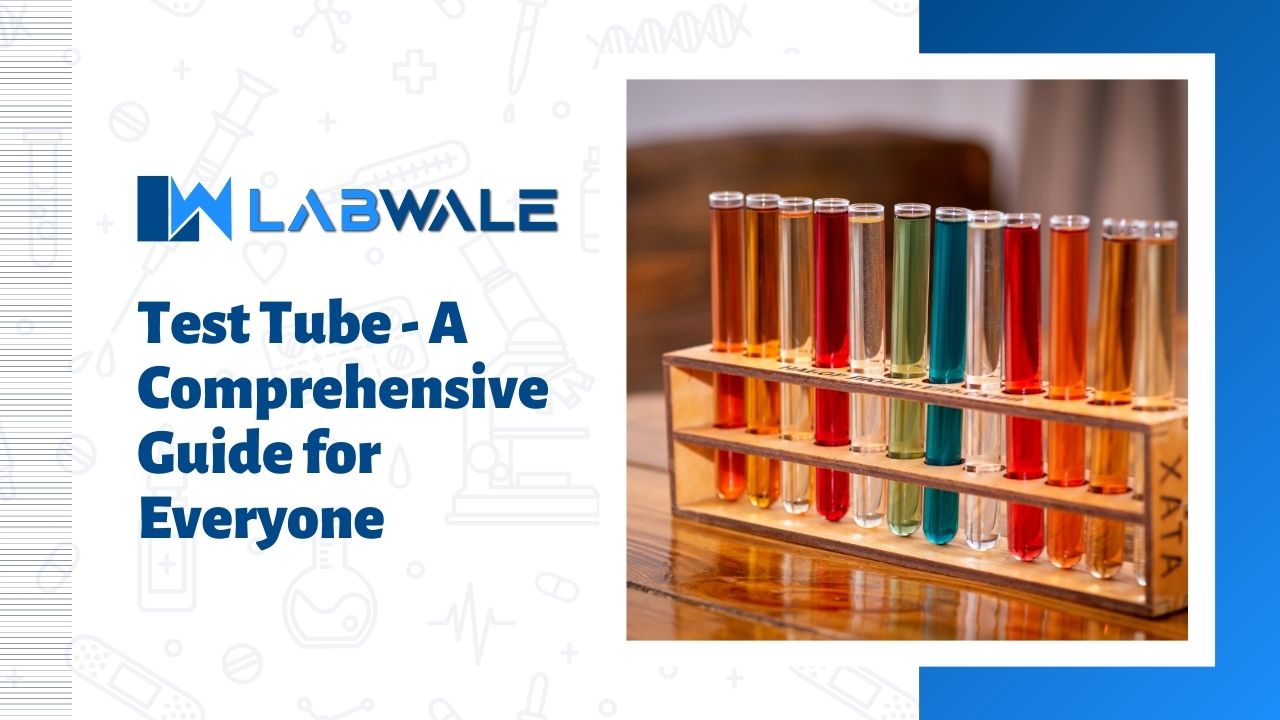
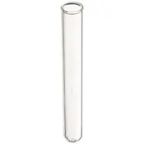 Test Tube
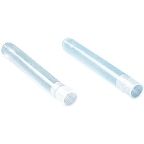 Ria Vial
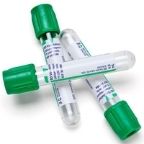 Vacutainer Tubes
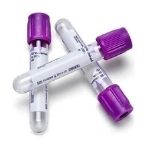 Syringes
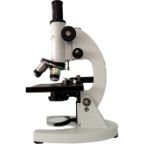 Student Microscope
 Binocular Microscope
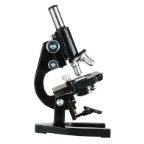 Dissecting Microscope
 Microscope Glass Slides
 Cover Slip
 Inoculating Loop
 Slide Box
 Lamps
 Oils
 Beaker Tongs
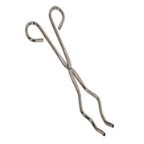 Crucible Tongs
 Flask Tongs
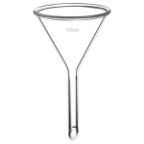 Borosilicate Glass Funnel
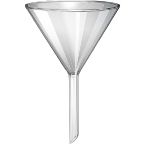 Plastic Funnels
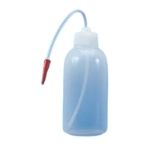 Wash Bottle
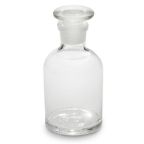 Borosilicate Glass Reagent Bottle
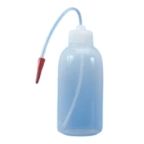 Plastic Reagent Bottle
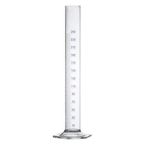 Borosilicate Measuring Cylinder
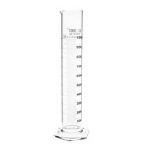 Plastic Measuring Cylinder
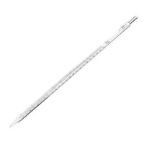 Borosilicate Glass Graduated Pipette
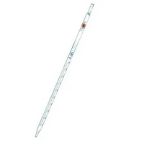 Borosilicate Glass Volumetric Pipette
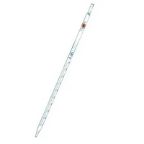 HB Pipette
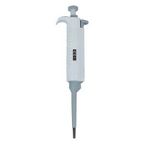 Pasteur Pipette
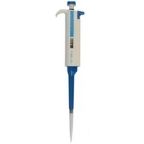 Micropipettes
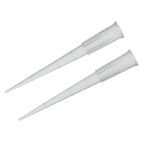 Micropipette Tips
 Filter Paper
 Litmus Paper
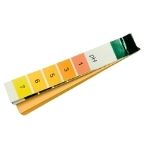 pH Paper
 Chromatography Paper
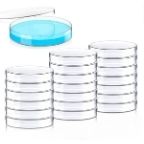 Plastic Petri Plates (Sterile)
 Glass Petri Plates (Non-Sterile)
 Safety Goggles
 Lab Coats
 Gloves
 Masks
 Shoe Covers
 Hair & Beard Covers
 Steel Spatula
 Plastic Spatula
 Hitachi Sample Cup
 Plastic Scoop
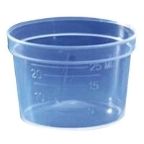 Plastic Medicine Cup
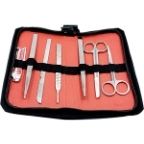 Dissecting Tool Kit
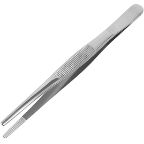 Dissecting Forceps
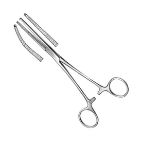 Hemostatic Forceps
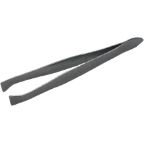 Thumb Forceps / Tweezers
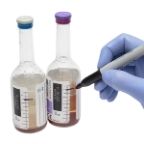 Blood Culture Bottle
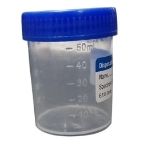 Urine Container
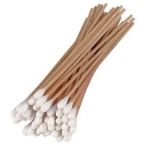 Wooden Swab Stick
 Test Tube Holder
 Test Tube Racks
 Magnifying Glass
 Watch Glass
 Mortar and Pestle
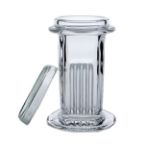 Coplin Jar
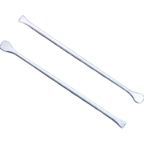 Plastic Stirrer
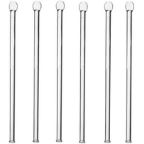 Glass Stirrer
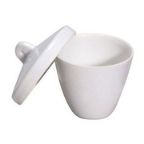 Crucible
 Tripod
 Wire Mesh
 Laboratory Thermometer
 Tourniquet
 Alcohol Swab
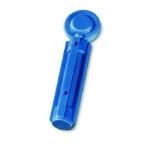 Blood Lancet
 Bandage
 Gloves & Masks









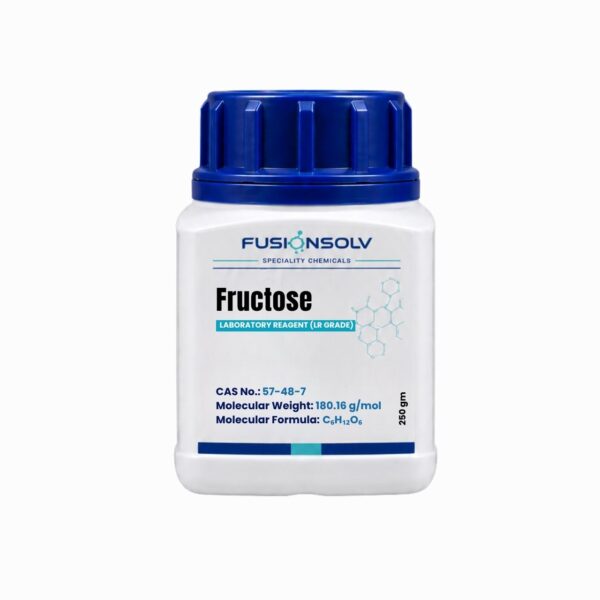
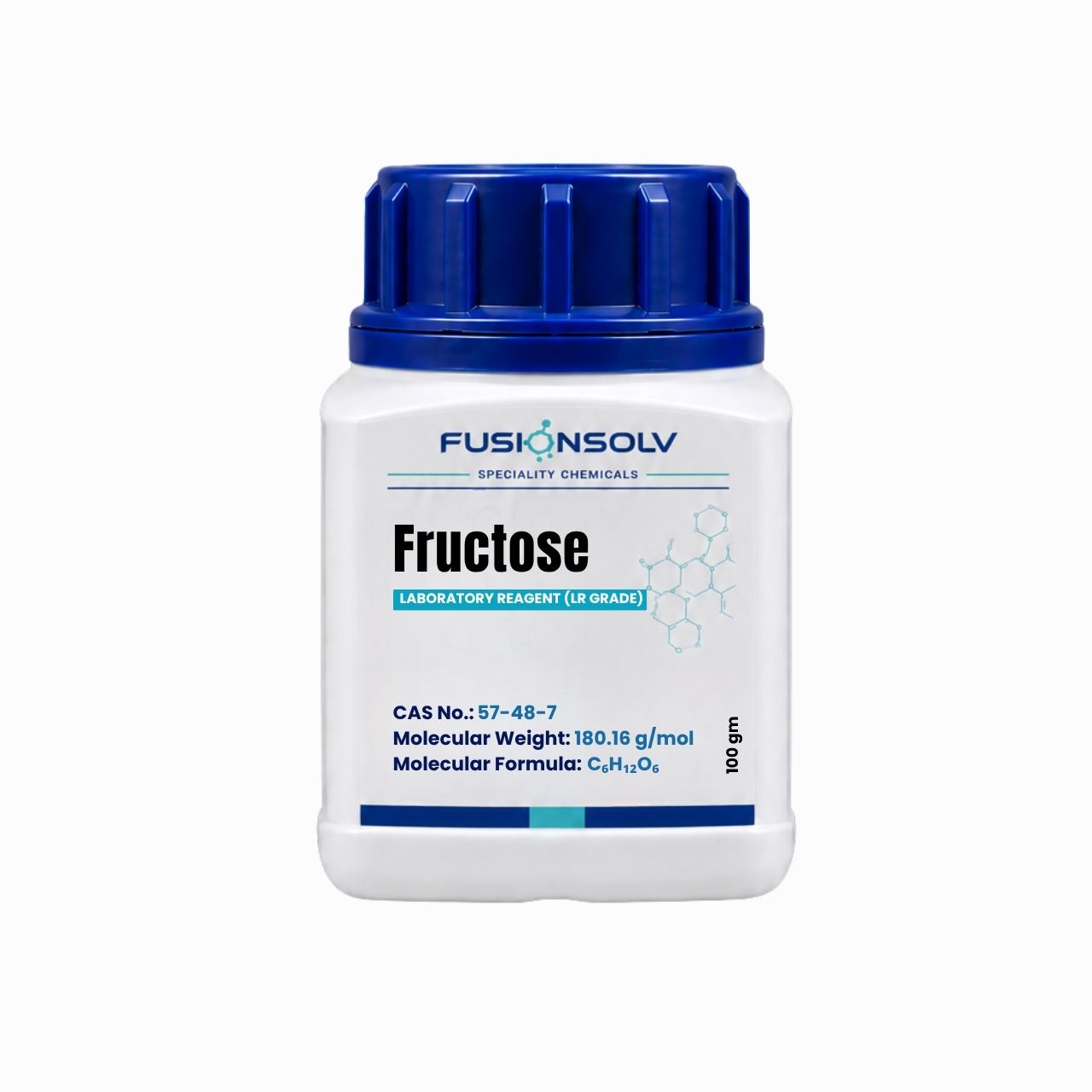







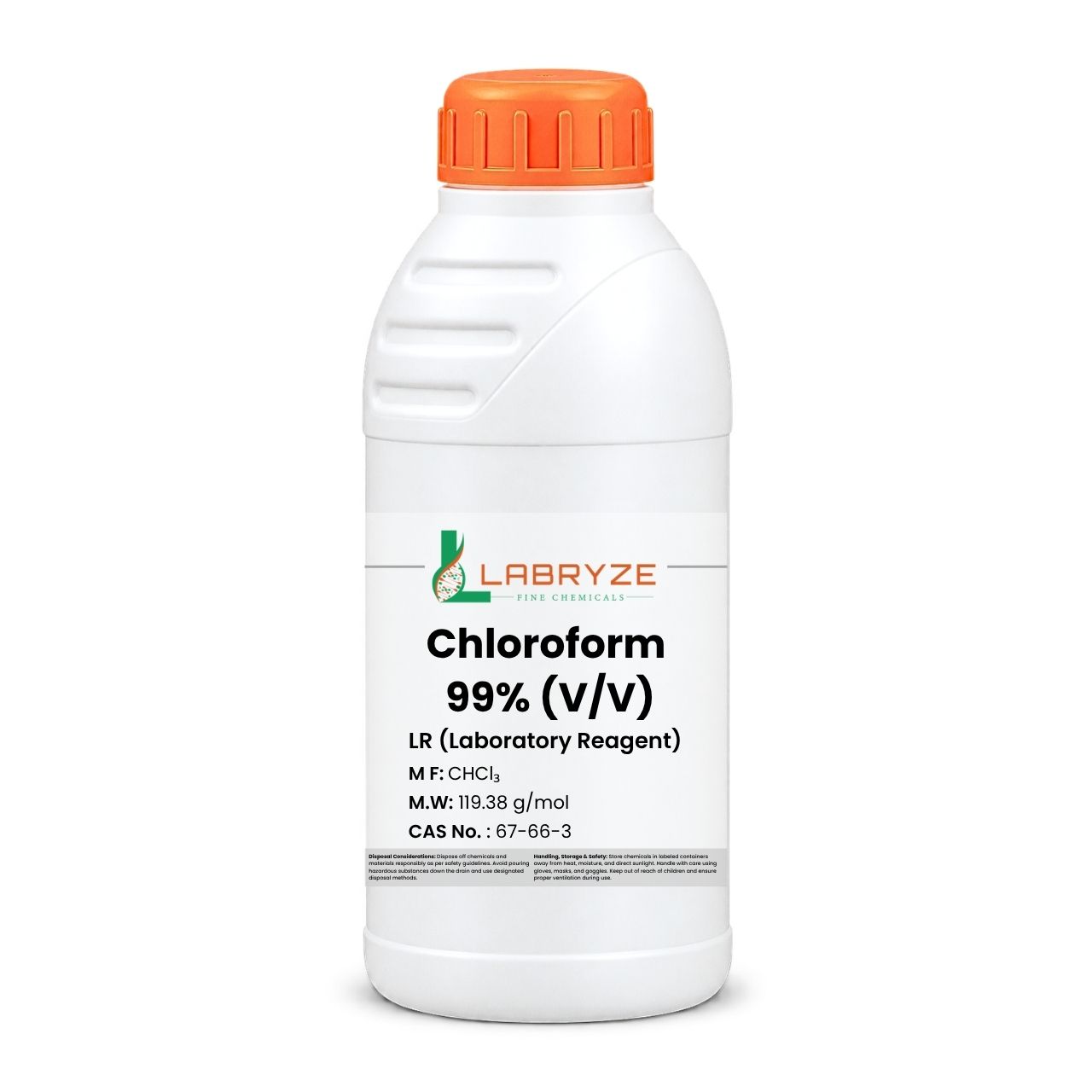
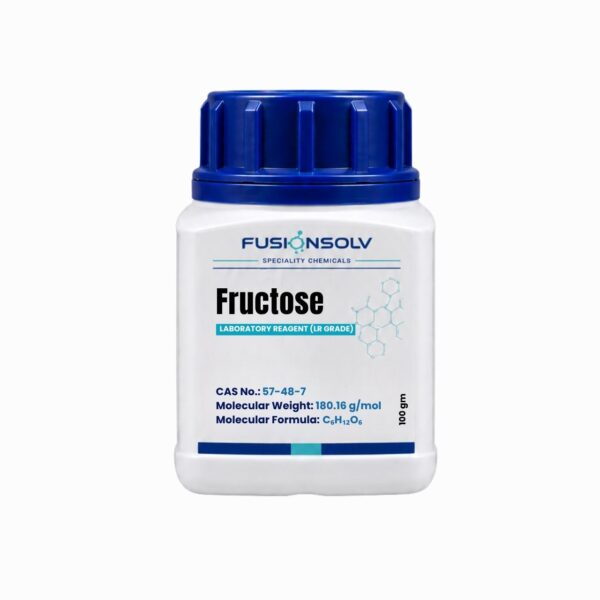
Fructose is a naturally occurring monosaccharide, commonly known as fruit sugar, that is widely used in biochemical, analytical, and educational laboratory work. With the molecular formula C₆H₁₂O₆, it is a hexose sugar found naturally in fruits and honey. Fructose is of interest in carbohydrate chemistry because of its reducing-sugar behaviour, high solubility in water, and role in studies of sugar metabolism and biochemical reactions. These 100 gm packs are suitable for laboratory settings where fructose is required for controlled experiments, qualitative investigations, and preparation of research solutions. Its defined chemical identity makes it useful for studying carbohydrate properties and comparing the behaviour of different monosaccharides under laboratory conditions. Use it according to the requirements of the intended laboratory procedure.
Product Specifications
| Specification | Details |
|---|---|
| Appearance | White crystalline powder |
| Assay | 99% |
| Chemical Name | D-Fructose |
| Alternate Names | Fruit Sugar, Levulose, D-Fructose |
| Molecular Formula | C₆H₁₂O₆ |
| Empirical Formula | CH₂O |
| CAS Number | 57-48-7 |
| Molecular Weight | 180.16 g/mol |
| Grade | LR Laboratory Reagent |
Key Features of Fructose
- Defined monosaccharide: Fructose is a six-carbon ketohexose sugar used in carbohydrate chemistry and biochemical studies.
- Water solubility: It dissolves readily in water, making it convenient for preparing laboratory solutions.
- Reducing-sugar behaviour: Fructose can participate in reducing-sugar reactions under suitable test conditions.
- Useful research compound: Its chemical properties make it relevant to studies involving sugars, metabolism, and biochemical transformations.
- Convenient pack size: The 100 gm pack is suitable for routine laboratory work and small-scale experimental preparation.
Laboratory Applications of Fructose
- Carbohydrate identification: Used in laboratory demonstrations and investigations of monosaccharide reactions.
- Reducing-sugar tests: Suitable as a reference carbohydrate in appropriate qualitative tests, including tests based on reducing behaviour.
- Biochemistry experiments: Used in educational and research procedures examining carbohydrate properties and metabolism.
- Chromatographic studies: Can be used as a reference compound in suitable methods for separating and identifying sugars.
- Solution preparation: Used to prepare fructose solutions for controlled laboratory experiments and comparative studies of carbohydrates.
Why Choose Lab Wale to Buy Fructose
Lab Wale offers laboratory chemicals in practical pack sizes for educational, analytical, and research environments. The 100 gm pack of fructose is convenient for laboratories that require a manageable quantity for routine experiments, solution preparation, and carbohydrate studies. Before use, review the product label and applicable safety information to confirm suitability for the intended procedure. Select the required quantity according to your laboratory’s experimental needs, handling practices, and storage arrangements.
Frequently Asked Questions About Fructose
1. What is fructose?
Fructose is a monosaccharide, or simple sugar, with the molecular formula C₆H₁₂O₆. It is commonly found in fruits and honey and is studied in carbohydrate chemistry and biochemistry because of its structure, solubility, and chemical reactions.
2. Is fructose a reducing sugar?
Yes. Fructose can give positive results in common reducing-sugar tests under suitable conditions. Although it is a ketose rather than an aldose, it can undergo chemical transformations in alkaline test solutions that enable reducing reactions.
3. Is fructose soluble in water?
Yes. Fructose is readily soluble in water, which makes it useful for preparing solutions for laboratory experiments. Solubility in a particular procedure can depend on factors such as temperature, concentration, and the composition of the solution.
4. What is the molecular weight of fructose?
The molecular weight of fructose is approximately 180.16 g/mol. Its molecular formula is C₆H₁₂O₆, and its empirical formula is CH₂O. These values are useful when calculating quantities for molar solutions and stoichiometric laboratory procedures.
5. How should fructose be stored in a laboratory?
Store fructose in a tightly closed, clearly labelled container in a cool, dry place. Protect it from moisture and contamination, and follow the product label and applicable laboratory storage guidance. Use clean, dry utensils when handling the material.
Storage Conditions for Fructose
Keep fructose in a tightly sealed, clearly labelled container in a cool, dry, well-ventilated storage area. Protect it from moisture, excessive heat, and contamination. Close the container promptly after use and avoid introducing water or other materials into the original pack. Store it according to the product label and your laboratory’s chemical-management procedures.
Precautions for Handling Fructose
Wear appropriate laboratory personal protective equipment, including safety glasses, a lab coat, and suitable gloves. Avoid creating or inhaling dust while transferring the powder, and work with adequate ventilation. Prevent contact with the eyes and avoid accidental ingestion. Use clean equipment and do not return unused material to the original container. Clean spills promptly using suitable laboratory procedures, and consult the product label and safety information before use.









 Cardiology
 Clinical Oncology








Reviews
Clear filtersThere are no reviews yet.