
-
-
 Cardiology
-
 Clinical Oncology
-
 Dental
-
 Dermatology
-
 Ear, Nose, Throat (ENT)
-
 Endocrinology
-
 Gastroenterology
-
 General Surgery
-
 Gynecology & Obstetrics
-
 Interventional Cardiology
-
 Nephrology
-
 Neurology
-
 Oncology Surgery
-
 Ophthalmology
-
 Orthopedics
-
 Pediatrics
-
 Pediatrics Surgery
-
 Physiotherapy
-
 Plastic Surgery
-
 Psychiatry & Psychology
-
 Radiology
-
 Urology
-
 Vascular Surgery
-

 Anatomy Lab Equipments
 Biochemistry Lab Equipments
 Biology Lab Equipments
 Chemistry Lab Equipments
 Cytology Lab Equipments
 Cytopathology Lab Equipments
 Dental Lab Equipments
 Forensic Lab Equipments
 Genetics Lab Equipments
 Hematology Lab Equipments
 Histology Lab Equipments
 Histopathology Lab Equipments
 Mathematics Lab Equipments
 Microbiology Lab Equipments
 Molecular Biology Lab Equipments
 Pathology Lab Equipments
 Pharmaceutical Lab Equipments
 Physics Lab Equipments
 Radiology Lab Equipments
 Science Lab Kit’s
 Toxicology Lab Equipments

 Borosilicate Glass Beaker
 Plastic Beaker (Euro Design)
 Plastic Beaker (Printed Graduation)
 Test Tube Brush
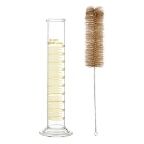 Measuring Cylinder Brush
 Conical Flask Brush
 Volumetric Flask Brush
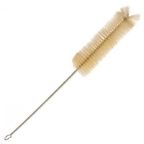 Round Bottom Flask Brush
 Glass Beaker Brush
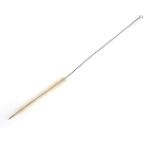 Pipette Brush
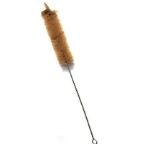 Wash Bottle Brush
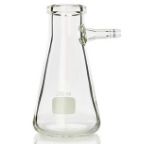 Borosilicate Büchner Flask
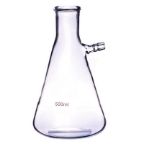 Borosilicate Erlenmeyer/Conical Flask
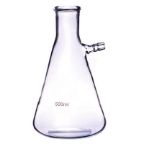 Borosilicate Pear-Shaped Flask
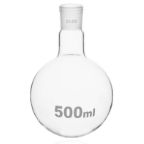 Borosilicate Round Bottom Flask
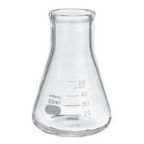 Plastic Conical Flask
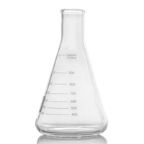 Plastic Volumetric Flask
 Bunsen Burner
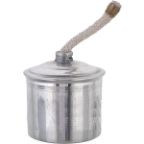 Spirit Lamp
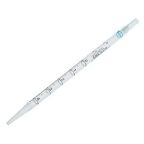 Borosilicate Glass Burette
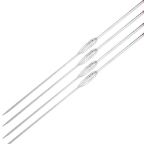 Plastic Burette
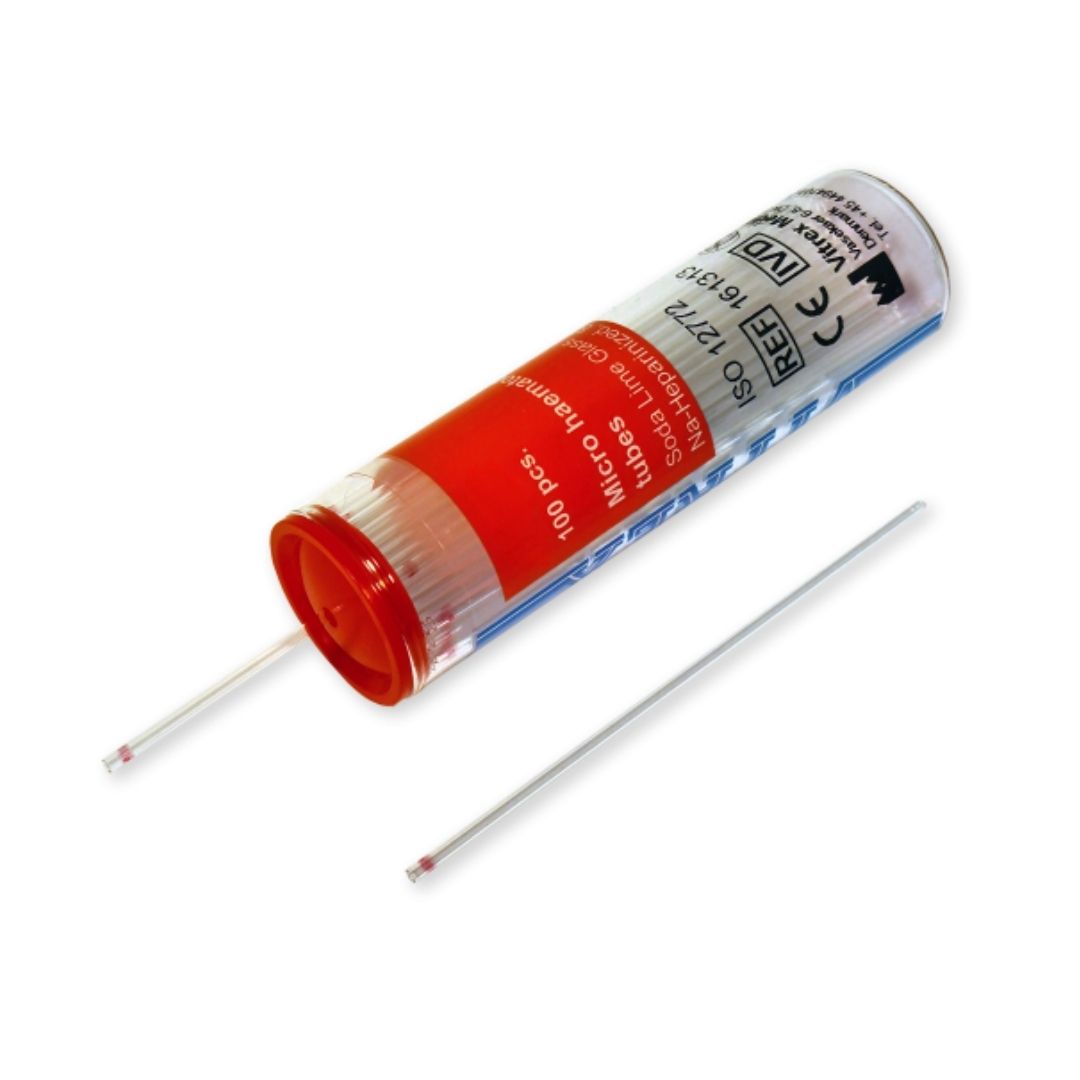
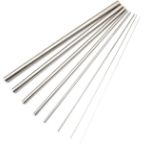 Capillary Tube
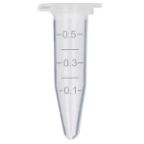 Centrifuge Tube
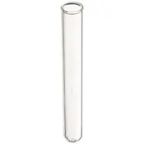 Test Tube
 Ria Vial
 Vacutainer Tubes
 Syringes
 Student Microscope
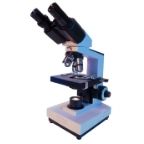 Binocular Microscope
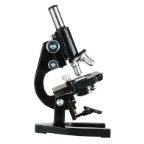 Dissecting Microscope
 Microscope Glass Slides
 Cover Slip
 Inoculating Loop
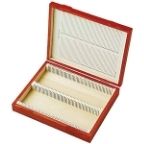 Slide Box
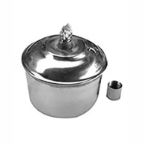 Lamps
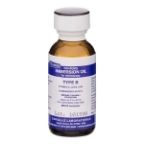 Oils
 Beaker Tongs
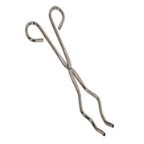 Crucible Tongs
 Flask Tongs
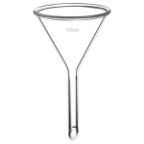 Borosilicate Glass Funnel
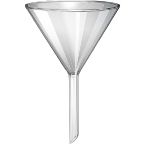 Plastic Funnels
 Wash Bottle
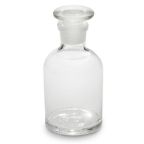 Borosilicate Glass Reagent Bottle
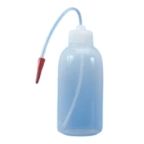 Plastic Reagent Bottle
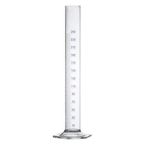 Borosilicate Measuring Cylinder
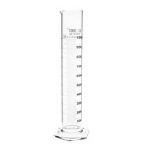 Plastic Measuring Cylinder
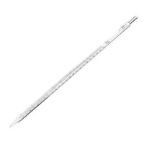 Borosilicate Glass Graduated Pipette
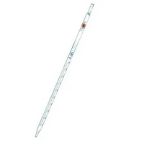 Borosilicate Glass Volumetric Pipette
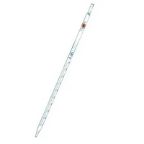 HB Pipette
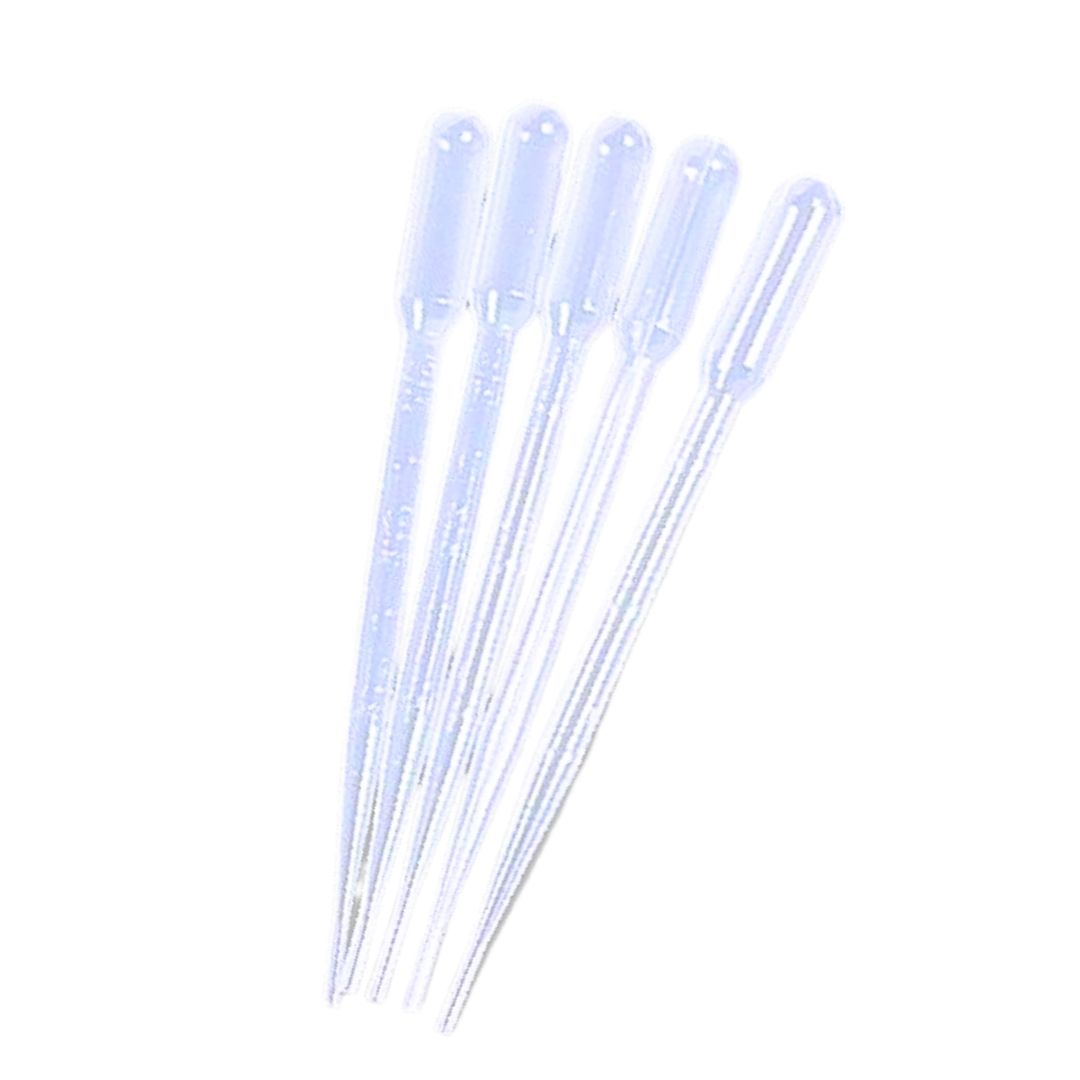
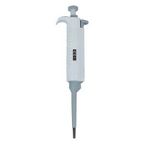 Pasteur Pipette
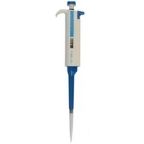 Micropipettes
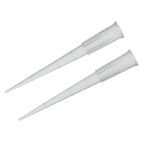 Micropipette Tips
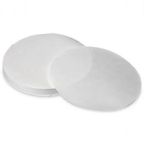 Filter Paper
 Litmus Paper
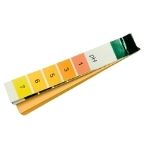 pH Paper
 Chromatography Paper
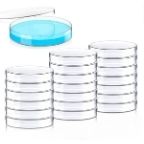 Plastic Petri Plates (Sterile)
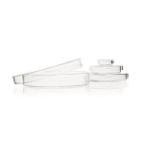 Glass Petri Plates (Non-Sterile)
 Safety Goggles
 Lab Coats
 Gloves
 Masks
 Shoe Covers
 Hair & Beard Covers
 Steel Spatula
 Plastic Spatula
 Hitachi Sample Cup
 Plastic Scoop
 Plastic Medicine Cup
 Dissecting Tool Kit
 Dissecting Forceps
 Hemostatic Forceps
 Thumb Forceps / Tweezers
 Blood Culture Bottle
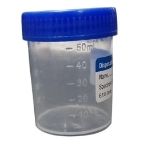 Urine Container
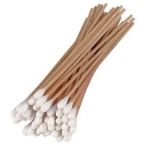 Wooden Swab Stick
 Test Tube Holder
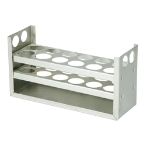 Test Tube Racks
 Magnifying Glass
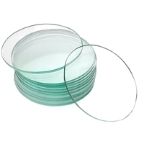 Watch Glass
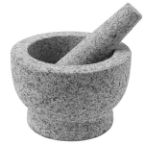 Mortar and Pestle
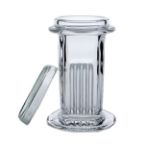 Coplin Jar
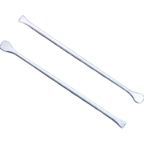 Plastic Stirrer
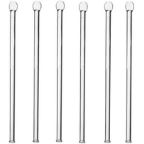 Glass Stirrer
 Crucible
 Tripod
 Wire Mesh
 Laboratory Thermometer
 Tourniquet
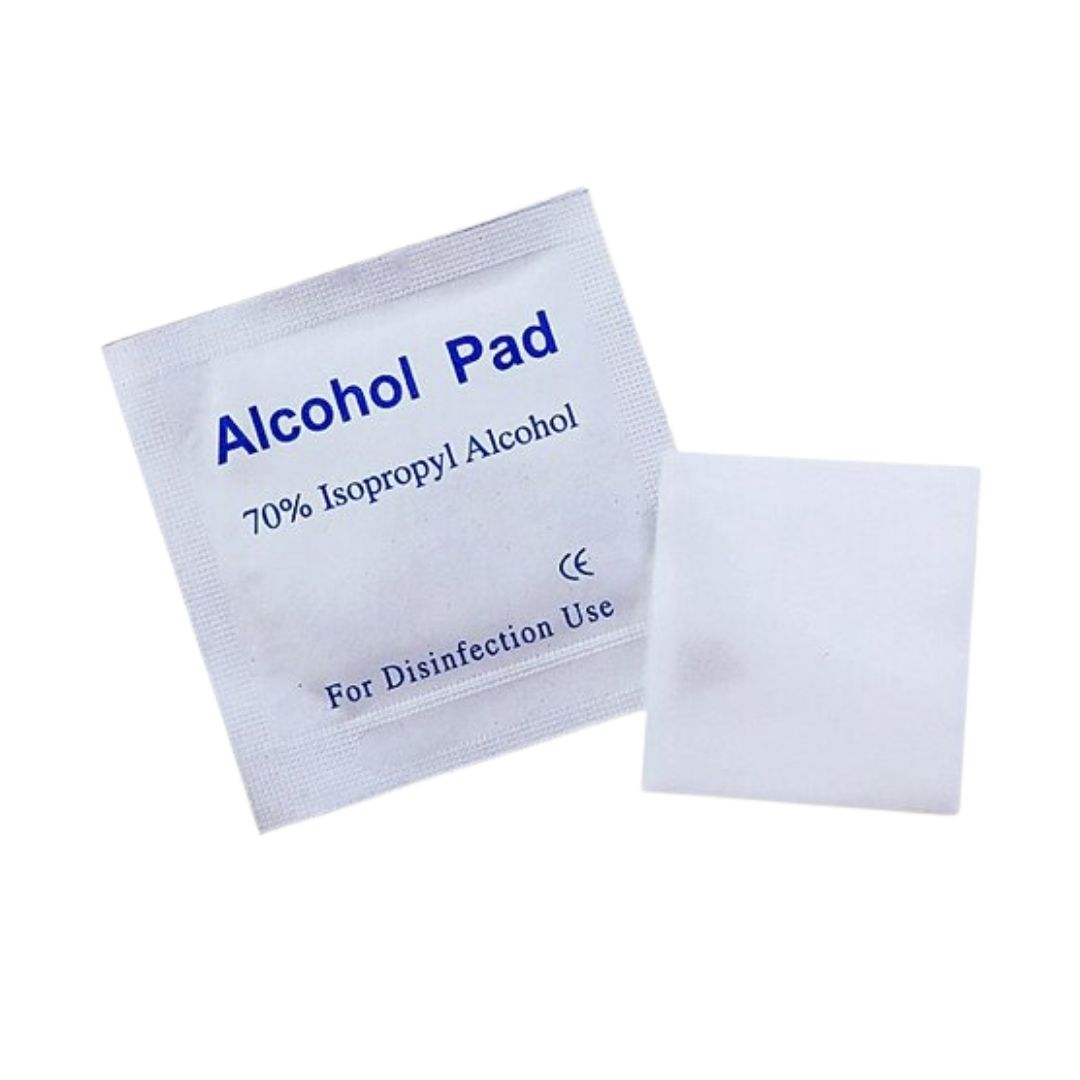
 Alcohol Swab
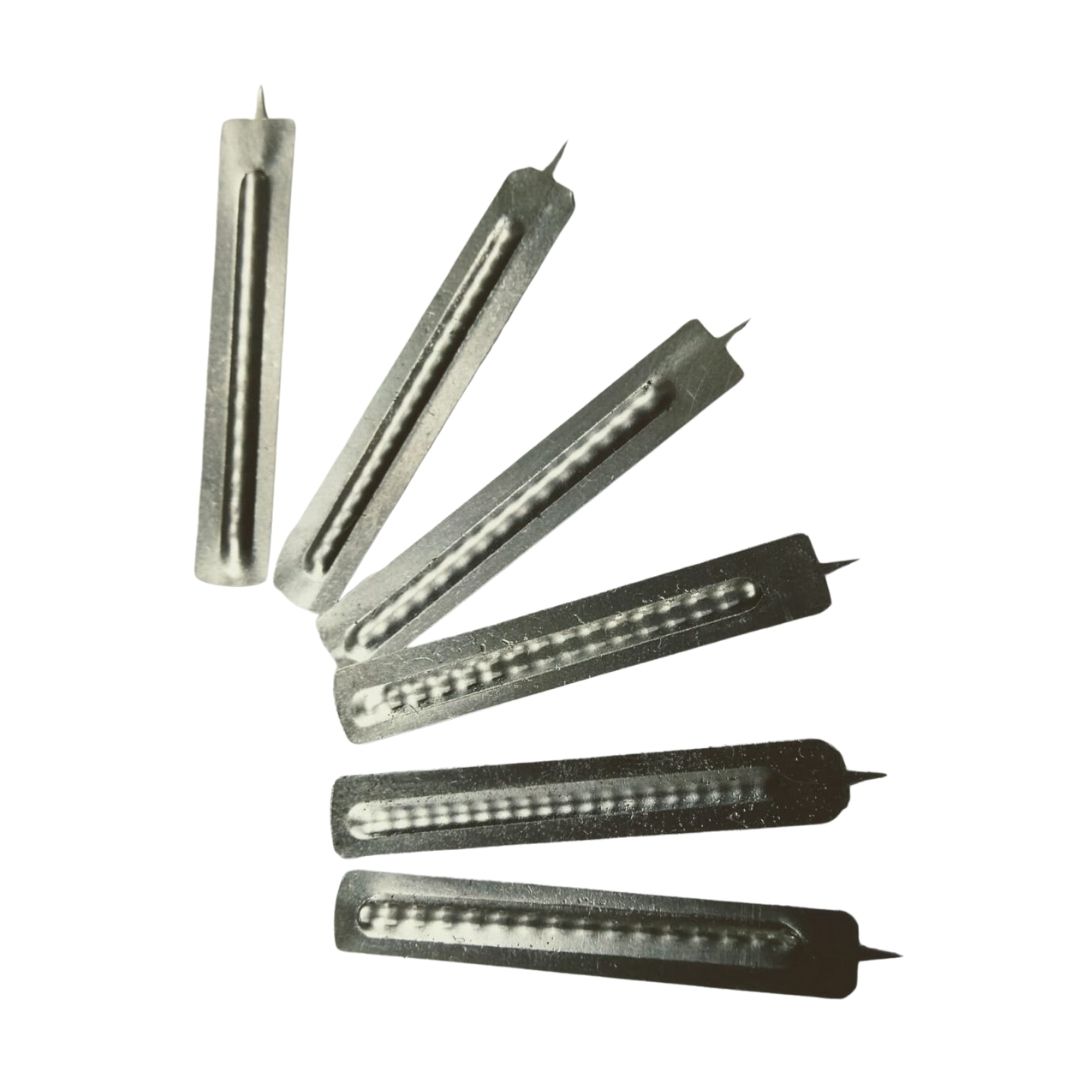
 Blood Lancet
 Bandage
 Gloves & Masks









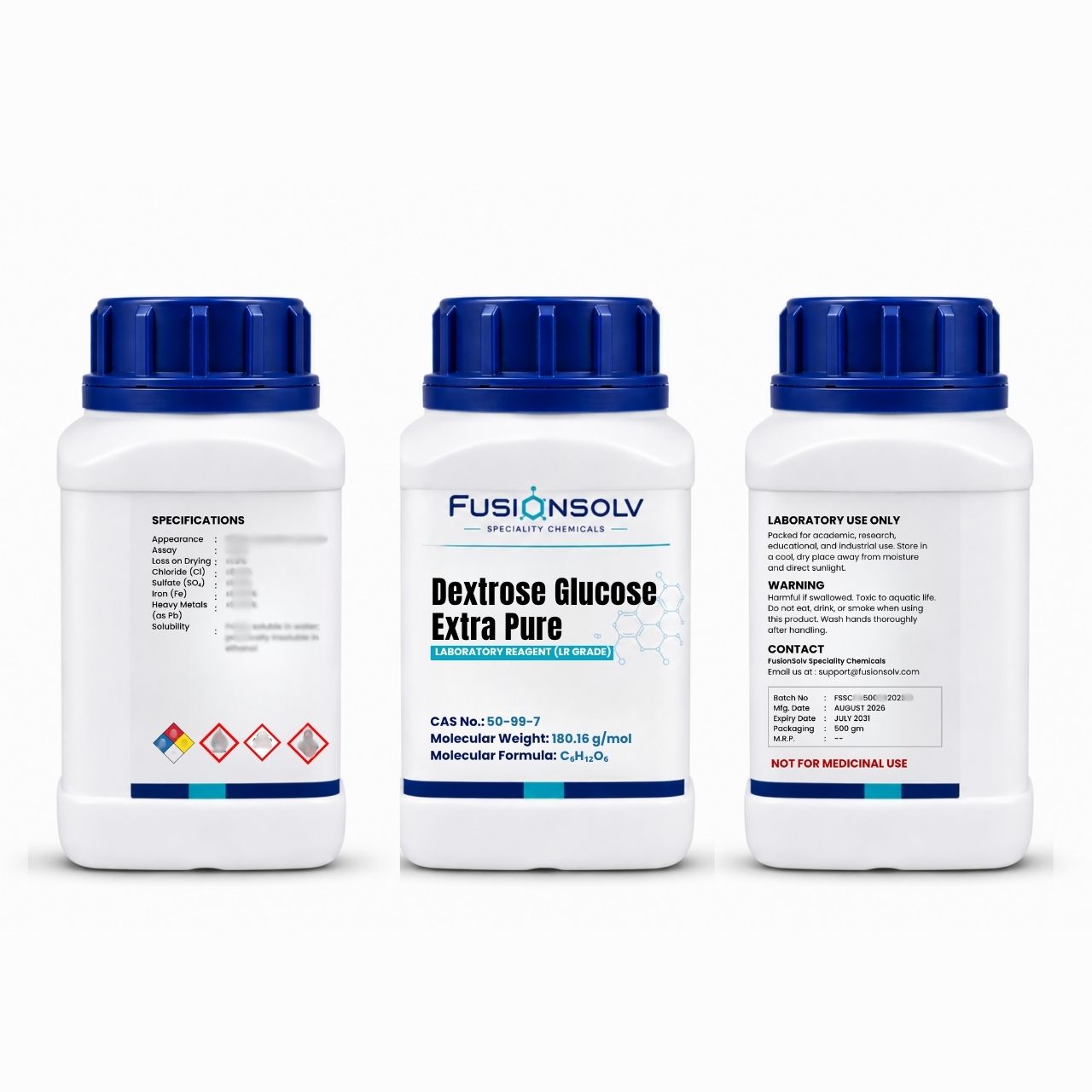








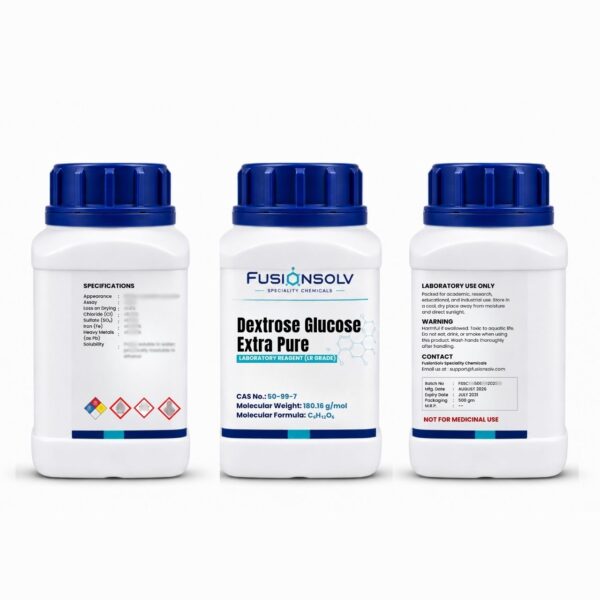
Dextrose Glucose Extra Pure, commonly known as D-Glucose or Dextrose, is an organic monosaccharide belonging to the hexose carbohydrate group. It has the molecular formula C₆H₁₂O₆ and a molecular weight of approximately 180.16 g/mol in its anhydrous form. This crystalline carbohydrate is readily soluble in water and is widely used in laboratory investigations involving carbohydrate chemistry, reducing sugars, solution preparation, and biochemical analysis. As a reducing sugar, glucose participates in established reactions used to study aldehyde-related chemical behaviour and carbohydrate identification. Its well-defined molecular composition makes it useful for educational practicals, analytical procedures, and selected research applications where a suitable glucose reagent is required. The term Extra Pure indicates a product-grade designation, but actual suitability depends on the stated specifications and method requirements. Lab Wale offers Dextrose Glucose Extra Pure in 500 gram packs for appropriate laboratory and institutional use.
Product Specifications
| Specification | Details |
|---|---|
| Appearance | White crystalline powder |
| Assay | 99% |
| Chemical Name | D-Glucose (Dextrose) |
| Alternate Names | Dextrose, D-Glucose, D-(+)-Glucose, D-Glucopyranose, Grape Sugar |
| Molecular Formula | C₆H₁₂O₆ |
| Empirical Formula | CH₂O |
| CAS Number | 50-99-7 |
| Molecular Weight | 180.16 g/mol |
| Grade | LR Laboratory Reagent |
Key Features of Dextrose Glucose Extra Pure
- Defined carbohydrate structure: D-Glucose is a monosaccharide with six carbon atoms and belongs to the aldohexose family of carbohydrates.
- Recognised reducing sugar: Glucose exhibits reducing properties and is suitable for selected qualitative and quantitative carbohydrate investigations.
- High water solubility: Its solubility supports the preparation of aqueous solutions for appropriate laboratory experiments and analytical procedures.
- Established chemical identity: The molecular formula C₆H₁₂O₆, CAS number 50-99-7, and molecular weight of approximately 180.16 g/mol identify anhydrous D-glucose.
- Educational and research utility: Its well-characterised chemical properties make it relevant to chemistry practicals, biochemical investigations, and analytical laboratory work.
Laboratory Applications of Dextrose Glucose Extra Pure
- Carbohydrate identification experiments: Used in supervised chemistry practicals demonstrating reducing-sugar reactions, including appropriate Benedict’s or Fehling’s tests.
- Quantitative glucose analysis: Serves as a reference material or standard solution component in suitable analytical methods when its grade and assigned purity meet the method requirements.
- Biochemistry investigations: Used in laboratory studies involving glucose metabolism, enzyme activity, and glucose-dependent biochemical reactions.
- Microbiology research: Used as a carbon source in suitable culture media and experimental systems when the formulation requires glucose and the reagent meets the relevant specifications.
- Solution preparation and method development: Used to prepare defined glucose solutions for calibration, experimental controls, and investigations involving carbohydrate concentration or chemical reactivity.
Why Choose Lab Wale to Buy Dextrose Glucose Extra Pure
Lab Wale provides a convenient sourcing option for laboratory chemicals and scientific supplies used by schools, colleges, universities, research centres, and laboratory professionals. When purchasing Dextrose Glucose Extra Pure, consider the chemical identity, specified grade, pack size, and suitability for the intended analytical or experimental procedure. Reviewing available product specifications and relevant safety information helps laboratories make informed procurement decisions. The 500 gram pack provides a practical quantity for suitable institutional laboratory requirements, subject to the product’s stated specifications and availability.
Frequently Asked Questions About Dextrose Glucose Extra Pure
What is Dextrose Glucose Extra Pure used for in laboratories?
Dextrose Glucose Extra Pure is used in carbohydrate chemistry, reducing-sugar experiments, biochemical investigations, and selected analytical procedures. It can also be used to prepare glucose solutions for calibration or experimental controls when the method permits. Suitability depends on the required grade, purity, and application-specific specifications.
What is the molecular formula and molecular weight of Dextrose Glucose?
Anhydrous D-glucose has the molecular formula C₆H₁₂O₆ and a molecular weight of approximately 180.16 g/mol. Its empirical formula is CH₂O, representing the simplest whole-number ratio of its constituent atoms. These values apply to anhydrous glucose; glucose monohydrate has a different formula mass.
What is the CAS number of Dextrose Glucose?
The CAS Registry Number for D-glucose, commonly called dextrose, is 50-99-7. This identifier is widely used for anhydrous D-glucose. Confirm the chemical form when ordering, because glucose monohydrate has a different molecular formula and formula mass.
Why is glucose considered a reducing sugar?
Glucose is classified as a reducing sugar because its cyclic structure can equilibrate with an open-chain form containing an aldehyde group. Under suitable reaction conditions, it can reduce reagents used in tests such as Benedict’s and Fehling’s. These reactions are commonly demonstrated in educational chemistry and biochemistry laboratories.
How should Dextrose Glucose Extra Pure be stored and handled?
Store the material in a tightly closed container in a cool, dry place, protected from moisture and contamination. Use suitable laboratory clothing, gloves, and eye protection, and minimise airborne dust during weighing or transfer. Follow the applicable Safety Data Sheet, maintain clean handling conditions, and use institutional procedures for spill management and disposal.
Storage Conditions for Dextrose Glucose Extra Pure
Store Dextrose Glucose Extra Pure in a tightly closed, compatible container in a cool, dry, well-ventilated area. Protect it from moisture, excessive heat, and contamination. Close the container promptly after dispensing because the solid can absorb moisture under suitable environmental conditions. Follow the supplier’s storage recommendations and maintain clear product labelling throughout laboratory storage.
Precautions for Handling Dextrose Glucose Extra Pure
Review the relevant Safety Data Sheet before use and wear suitable laboratory clothing, protective gloves, and safety goggles. Avoid generating or inhaling airborne dust during weighing and transfer, and use appropriate ventilation where necessary. Keep work surfaces and containers clean, prevent contamination of laboratory solutions, and follow institutional procedures for spills and waste disposal. Use the reagent only for applications supported by its specifications.














 Cardiology
 Clinical Oncology








Reviews
Clear filtersThere are no reviews yet.