
-
-
 Cardiology
-
 Clinical Oncology
-
 Dental
-
 Dermatology
-
 Ear, Nose, Throat (ENT)
-
 Endocrinology
-
 Gastroenterology
-
 General Surgery
-
 Gynecology & Obstetrics
-
 Interventional Cardiology
-
 Nephrology
-
 Neurology
-
 Oncology Surgery
-
 Ophthalmology
-
 Orthopedics
-
 Pediatrics
-
 Pediatrics Surgery
-
 Physiotherapy
-
 Plastic Surgery
-
 Psychiatry & Psychology
-
 Radiology
-
 Urology
-
 Vascular Surgery
-

 Anatomy Lab Equipments
 Biochemistry Lab Equipments
 Biology Lab Equipments
 Chemistry Lab Equipments
 Cytology Lab Equipments
 Cytopathology Lab Equipments
 Dental Lab Equipments
 Forensic Lab Equipments
 Genetics Lab Equipments
 Hematology Lab Equipments
 Histology Lab Equipments
 Histopathology Lab Equipments
 Mathematics Lab Equipments
 Microbiology Lab Equipments
 Molecular Biology Lab Equipments
 Pathology Lab Equipments
 Pharmaceutical Lab Equipments
 Physics Lab Equipments
 Radiology Lab Equipments
 Science Lab Kit’s
 Toxicology Lab Equipments

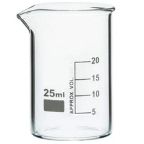 Borosilicate Glass Beaker
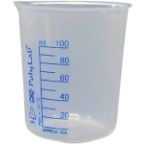 Plastic Beaker (Euro Design)
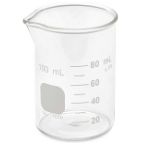 Plastic Beaker (Printed Graduation)
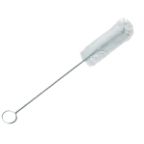 Test Tube Brush
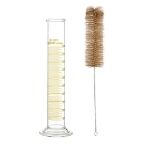 Measuring Cylinder Brush
 Conical Flask Brush
 Volumetric Flask Brush
 Round Bottom Flask Brush
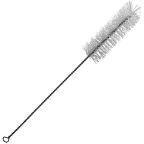 Glass Beaker Brush
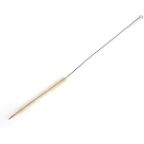 Pipette Brush
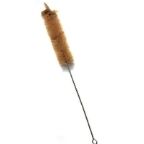 Wash Bottle Brush
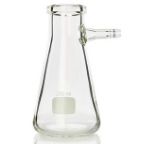 Borosilicate Büchner Flask
 Borosilicate Erlenmeyer/Conical Flask
 Borosilicate Pear-Shaped Flask
 Borosilicate Round Bottom Flask
 Plastic Conical Flask
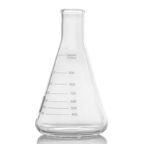 Plastic Volumetric Flask
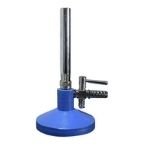 Bunsen Burner
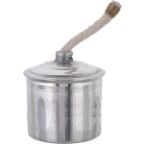 Spirit Lamp
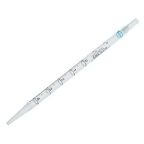 Borosilicate Glass Burette
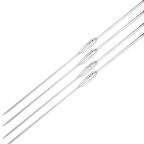 Plastic Burette
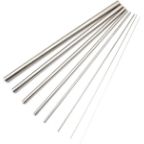 Capillary Tube
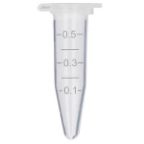 Centrifuge Tube
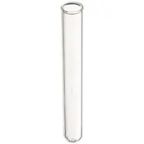 Test Tube
 Ria Vial
 Vacutainer Tubes
 Syringes
 Student Microscope
 Binocular Microscope
 Dissecting Microscope
 Microscope Glass Slides
 Cover Slip
 Inoculating Loop
 Slide Box
 Lamps
Lamps
 Oils
Oils
 Beaker Tongs
 Crucible Tongs
 Flask Tongs
 Borosilicate Glass Funnel
 Plastic Funnels
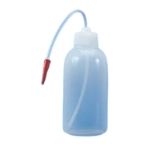 Wash Bottle
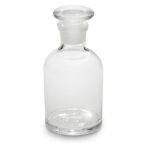 Borosilicate Glass Reagent Bottle
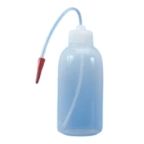 Plastic Reagent Bottle
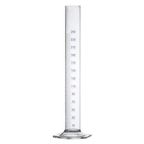 Borosilicate Measuring Cylinder
 Plastic Measuring Cylinder
 Borosilicate Glass Graduated Pipette
 Borosilicate Glass Volumetric Pipette
 HB Pipette
 Pasteur Pipette
 Micropipettes
 Micropipette Tips
 Filter Paper
 Litmus Paper
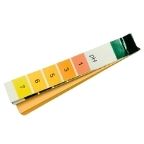 pH Paper
 Chromatography Paper
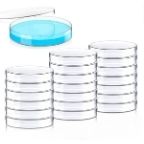 Plastic Petri Plates (Sterile)
 Glass Petri Plates (Non-Sterile)
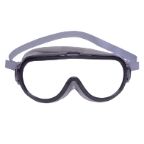 Safety Goggles
 Lab Coats
 Gloves
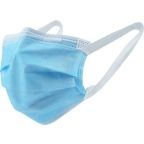 Masks
Masks
 Shoe Covers
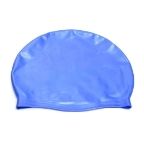 Hair & Beard Covers
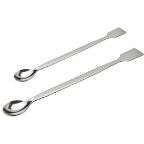 Steel Spatula
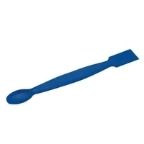 Plastic Spatula
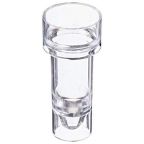 Hitachi Sample Cup
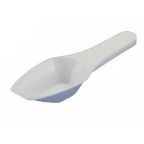 Plastic Scoop
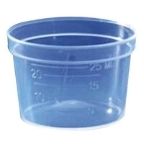 Plastic Medicine Cup
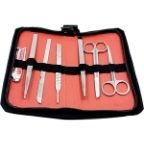 Dissecting Tool Kit
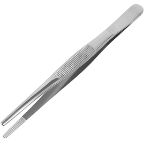 Dissecting Forceps
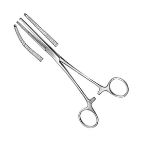 Hemostatic Forceps
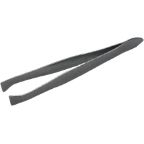 Thumb Forceps / Tweezers
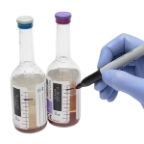 Blood Culture Bottle
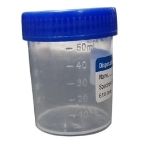 Urine Container
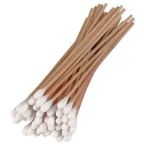 Wooden Swab Stick
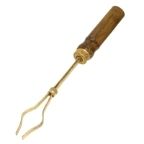 Test Tube Holder
 Test Tube Racks
 Magnifying Glass
 Watch Glass
 Mortar and Pestle
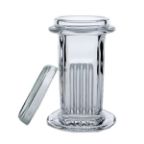 Coplin Jar
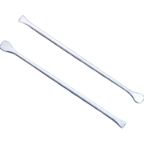 Plastic Stirrer
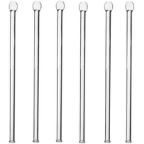 Glass Stirrer
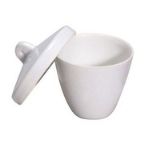 Crucible
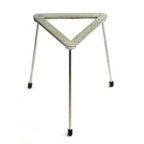 Tripod
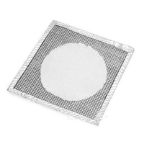 Wire Mesh
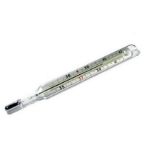 Laboratory Thermometer
 Tourniquet
 Alcohol Swab
 Blood Lancet
 Bandage
 Gloves & Masks









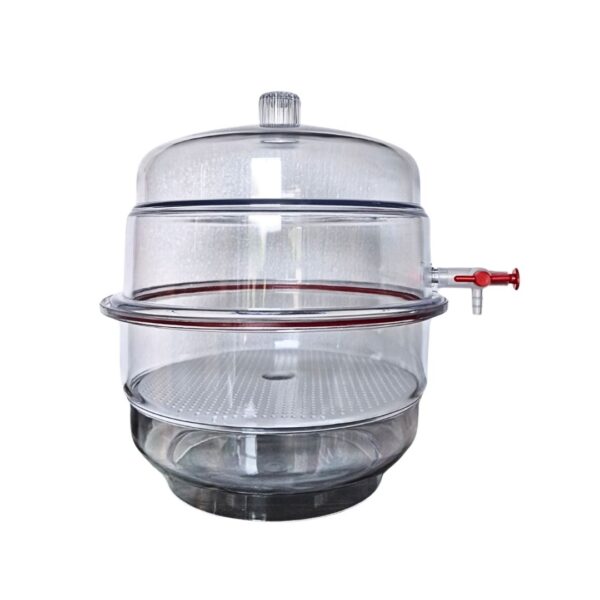
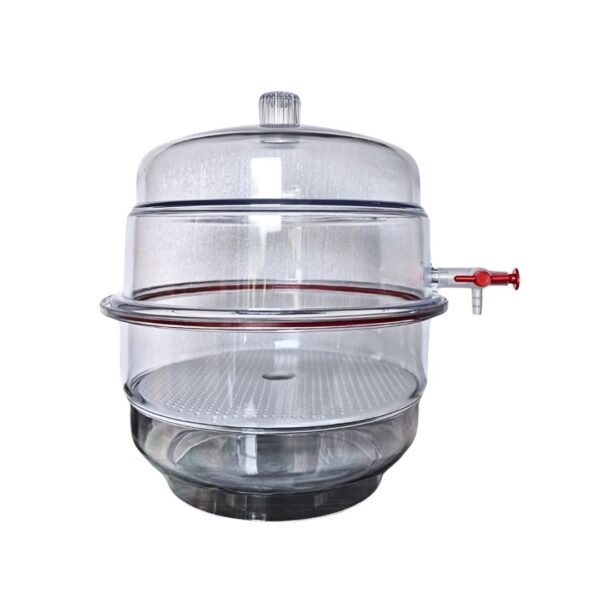
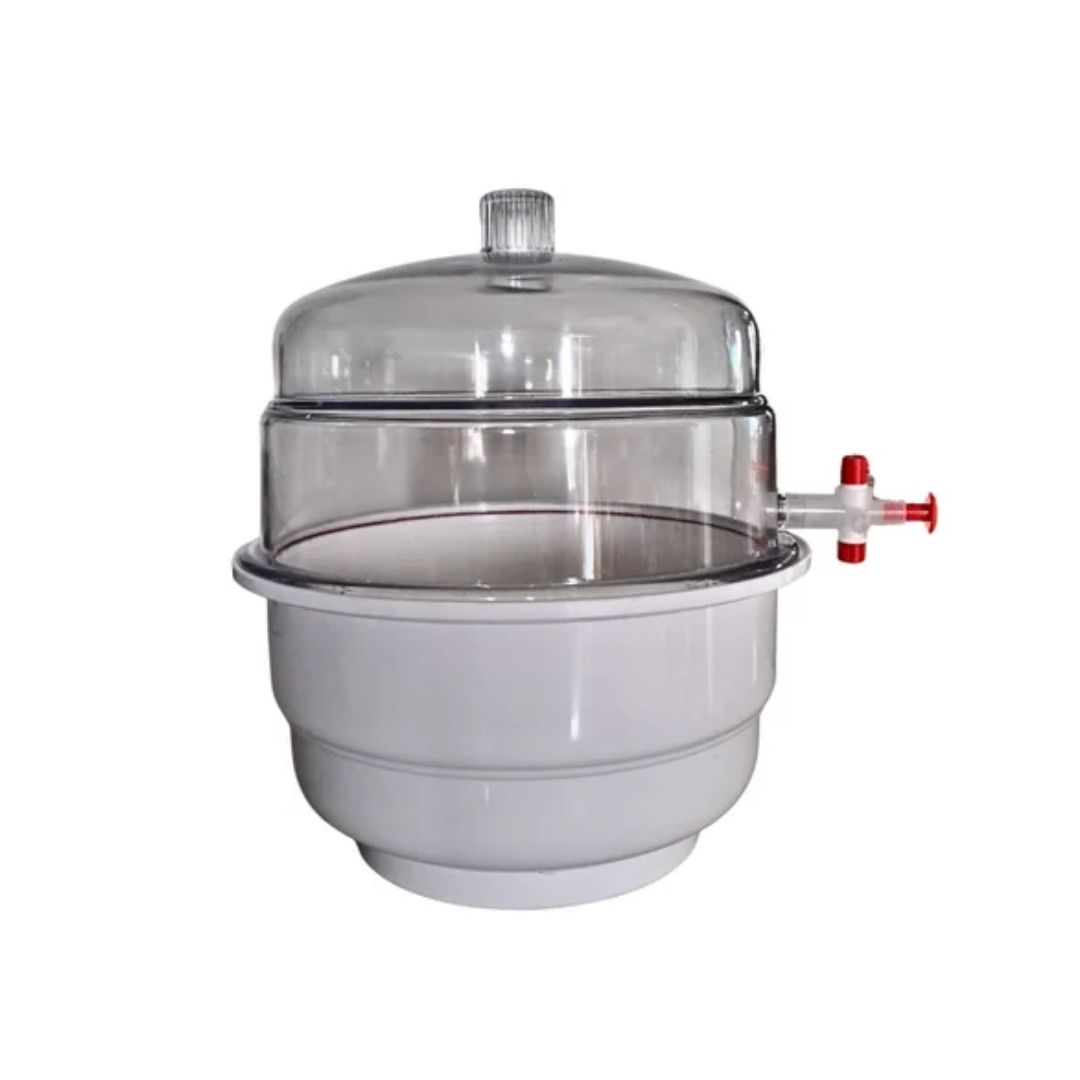






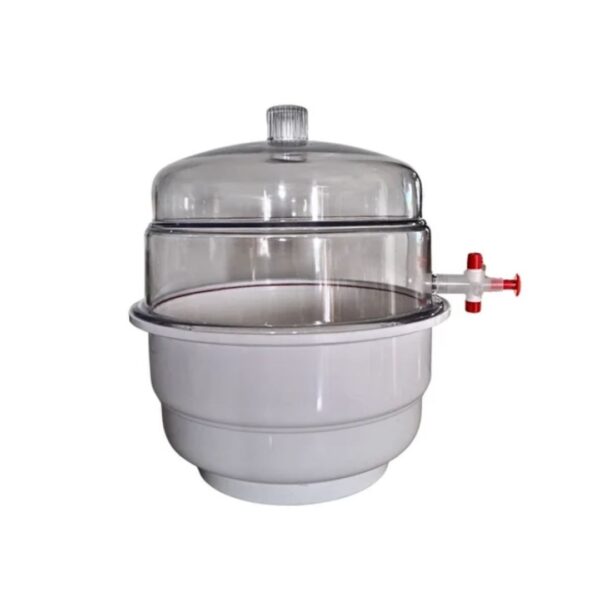
The Desiccator (Vacuum) PP/PC 200 mm is an essential tool for laboratories and industrial applications where moisture control is critical. Made from robust polypropylene and polycarbonate, this desiccator ensures a strong, airtight seal to maintain a controlled, dry environment. Its transparent construction allows for easy monitoring of contents, while the vacuum capability effectively prevents moisture ingress, safeguarding sensitive samples and materials. The 200 mm diameter provides ample space for various applications, making it versatile for both small and larger items. This desiccator is ideal for preserving the integrity of chemical compounds, electronics, and other moisture-sensitive substances.
Key Features
- High-Quality Construction: Made from durable polypropylene (PP) and polycarbonate (PC) for longevity and resistance to chemical damage.
- Effective Vacuum Seal: Ensures a moisture-free environment by creating a strong, airtight seal.
- Transparent Design: Allows clear visibility of contents for easy monitoring without opening.
- 200 mm Diameter: Provides sufficient space for a variety of samples and materials.
- Versatile Use: Ideal for laboratory, industrial, and research applications requiring moisture control.
Precautions
- Avoid Overloading: Do not exceed the recommended weight limit to prevent damage to the desiccator or its seal.
- Proper Sealing: Ensure the lid is correctly and securely sealed before applying vacuum to avoid air leaks.
- Handle with Care: Handle the desiccator gently to avoid cracks or damage to the polypropylene and polycarbonate materials.
- Regular Inspection: Frequently check the vacuum pump and seal for leaks or wear and tear.
- Clean Properly: Clean the desiccator with appropriate cleaning agents and avoid abrasive materials that can damage the surface.
Frequently Asked Questions (FAQs)
Question: What is the maximum vacuum level achievable with this desiccator?
Answer: The desiccator can achieve a vacuum level up to 1-2 mmHg, depending on the vacuum pump used.
Question: Can the desiccator be used for corrosive chemicals?
Answer: While the desiccator is made from durable materials, it’s best to avoid using it for highly corrosive chemicals to prevent damage.
Question: How do I know if the vacuum seal is intact?
Answer: Check the gauge or monitor the vacuum level. A steady reading indicates an intact seal. Additionally, observe for any changes in the desiccator’s pressure.
Question: Is the desiccator autoclavable?
Answer: No, the desiccator is not designed for autoclaving. Use appropriate cleaning methods as recommended by the manufacturer.
Question: What maintenance is required for the desiccator?
Answer: Regularly inspect the vacuum pump, check for any cracks or leaks in the seal, and clean the desiccator according to the manufacturer’s guidelines to ensure optimal performance.








 Cardiology
 Clinical Oncology







Reviews
Clear filtersThere are no reviews yet.