
-
-
 Cardiology
-
 Clinical Oncology
-
 Dental
-
 Dermatology
-
 Ear, Nose, Throat (ENT)
-
 Endocrinology
-
 Gastroenterology
-
 General Surgery
-
 Gynecology & Obstetrics
-
 Interventional Cardiology
-
 Nephrology
-
 Neurology
-
 Oncology Surgery
-
 Ophthalmology
-
 Orthopedics
-
 Pediatrics
-
 Pediatrics Surgery
-
 Physiotherapy
-
 Plastic Surgery
-
 Psychiatry & Psychology
-
 Radiology
-
 Urology
-
 Vascular Surgery
-

 Anatomy Lab Equipments
 Biochemistry Lab Equipments
 Biology Lab Equipments
 Chemistry Lab Equipments
 Cytology Lab Equipments
 Cytopathology Lab Equipments
 Dental Lab Equipments
 Forensic Lab Equipments
 Genetics Lab Equipments
 Hematology Lab Equipments
 Histology Lab Equipments
 Histopathology Lab Equipments
 Mathematics Lab Equipments
 Microbiology Lab Equipments
 Molecular Biology Lab Equipments
 Pathology Lab Equipments
 Pharmaceutical Lab Equipments
 Physics Lab Equipments
 Radiology Lab Equipments
 Science Lab Kit’s
 Toxicology Lab Equipments

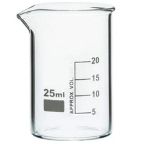 Borosilicate Glass Beaker
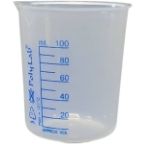 Plastic Beaker (Euro Design)
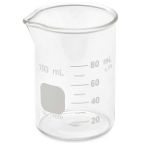 Plastic Beaker (Printed Graduation)
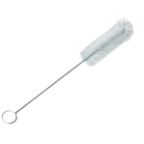 Test Tube Brush
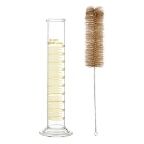 Measuring Cylinder Brush
 Conical Flask Brush
 Volumetric Flask Brush
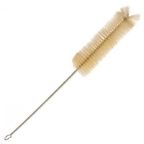 Round Bottom Flask Brush
 Glass Beaker Brush
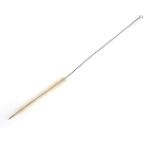 Pipette Brush
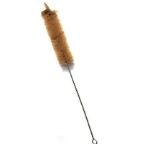 Wash Bottle Brush
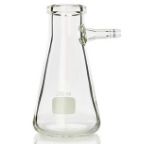 Borosilicate Büchner Flask
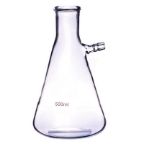 Borosilicate Erlenmeyer/Conical Flask
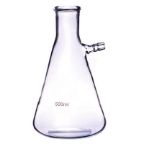 Borosilicate Pear-Shaped Flask
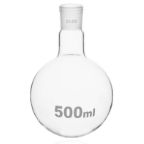 Borosilicate Round Bottom Flask
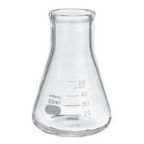 Plastic Conical Flask
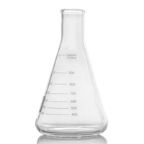 Plastic Volumetric Flask
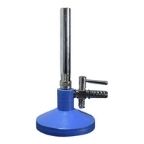 Bunsen Burner
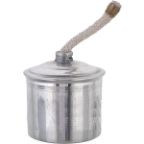 Spirit Lamp
 Borosilicate Glass Burette
 Plastic Burette
 Capillary Tube
 Centrifuge Tube
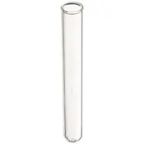 Test Tube
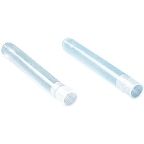 Ria Vial
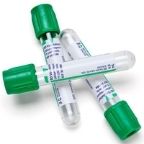 Vacutainer Tubes
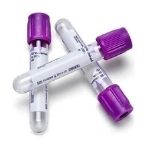 Syringes
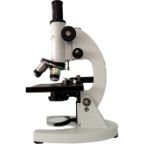 Student Microscope
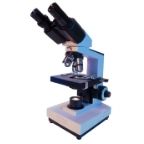 Binocular Microscope
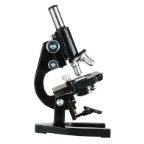 Dissecting Microscope
 Microscope Glass Slides
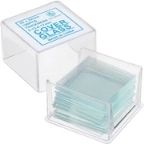 Cover Slip
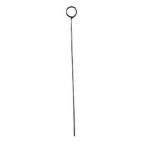 Inoculating Loop
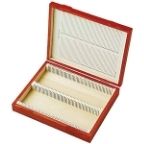 Slide Box
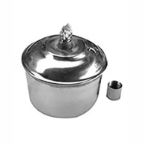 Lamps
 Oils
 Beaker Tongs
 Crucible Tongs
 Flask Tongs
 Borosilicate Glass Funnel
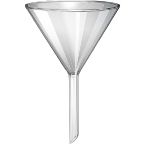 Plastic Funnels
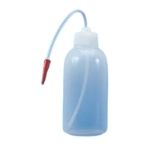 Wash Bottle
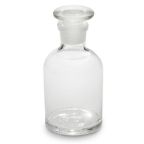 Borosilicate Glass Reagent Bottle
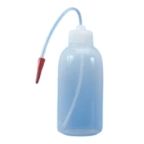 Plastic Reagent Bottle
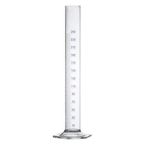 Borosilicate Measuring Cylinder
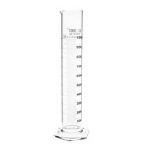 Plastic Measuring Cylinder
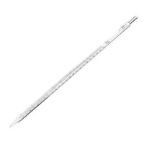 Borosilicate Glass Graduated Pipette
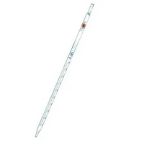 Borosilicate Glass Volumetric Pipette
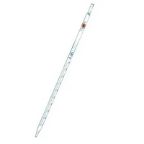 HB Pipette
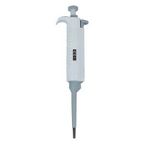 Pasteur Pipette
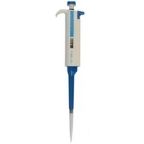 Micropipettes
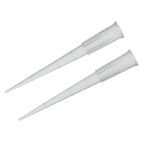 Micropipette Tips
 Filter Paper
 Litmus Paper
 pH Paper
 Chromatography Paper
 Plastic Petri Plates (Sterile)
 Glass Petri Plates (Non-Sterile)
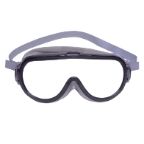 Safety Goggles
 Lab Coats
 Gloves
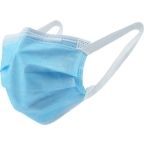 Masks
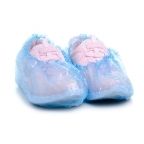 Shoe Covers
 Hair & Beard Covers
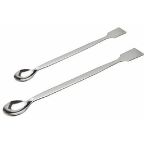 Steel Spatula
 Plastic Spatula
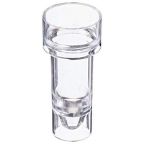 Hitachi Sample Cup
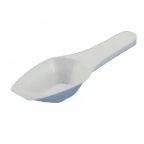 Plastic Scoop
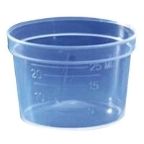 Plastic Medicine Cup
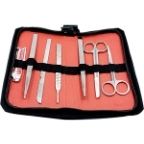 Dissecting Tool Kit
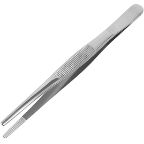 Dissecting Forceps
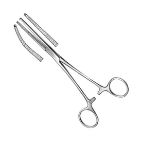 Hemostatic Forceps
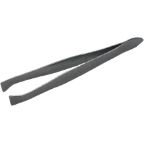 Thumb Forceps / Tweezers
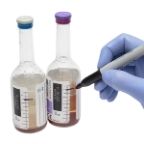 Blood Culture Bottle
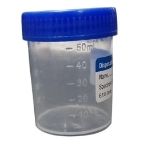 Urine Container
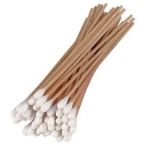 Wooden Swab Stick
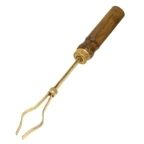 Test Tube Holder
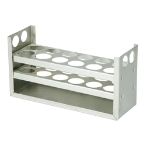 Test Tube Racks
 Magnifying Glass
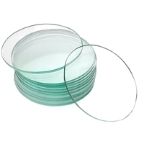 Watch Glass
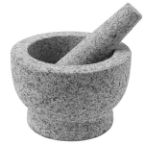 Mortar and Pestle
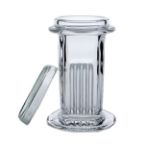 Coplin Jar
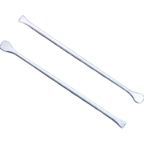 Plastic Stirrer
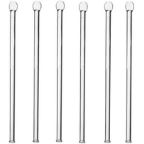 Glass Stirrer
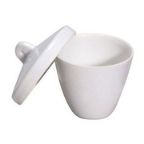 Crucible
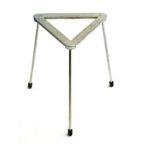 Tripod
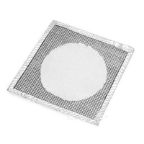 Wire Mesh
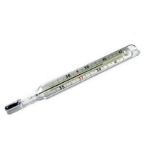 Laboratory Thermometer
 Tourniquet
 Alcohol Swab
 Blood Lancet
 Bandage
 Gloves & Masks









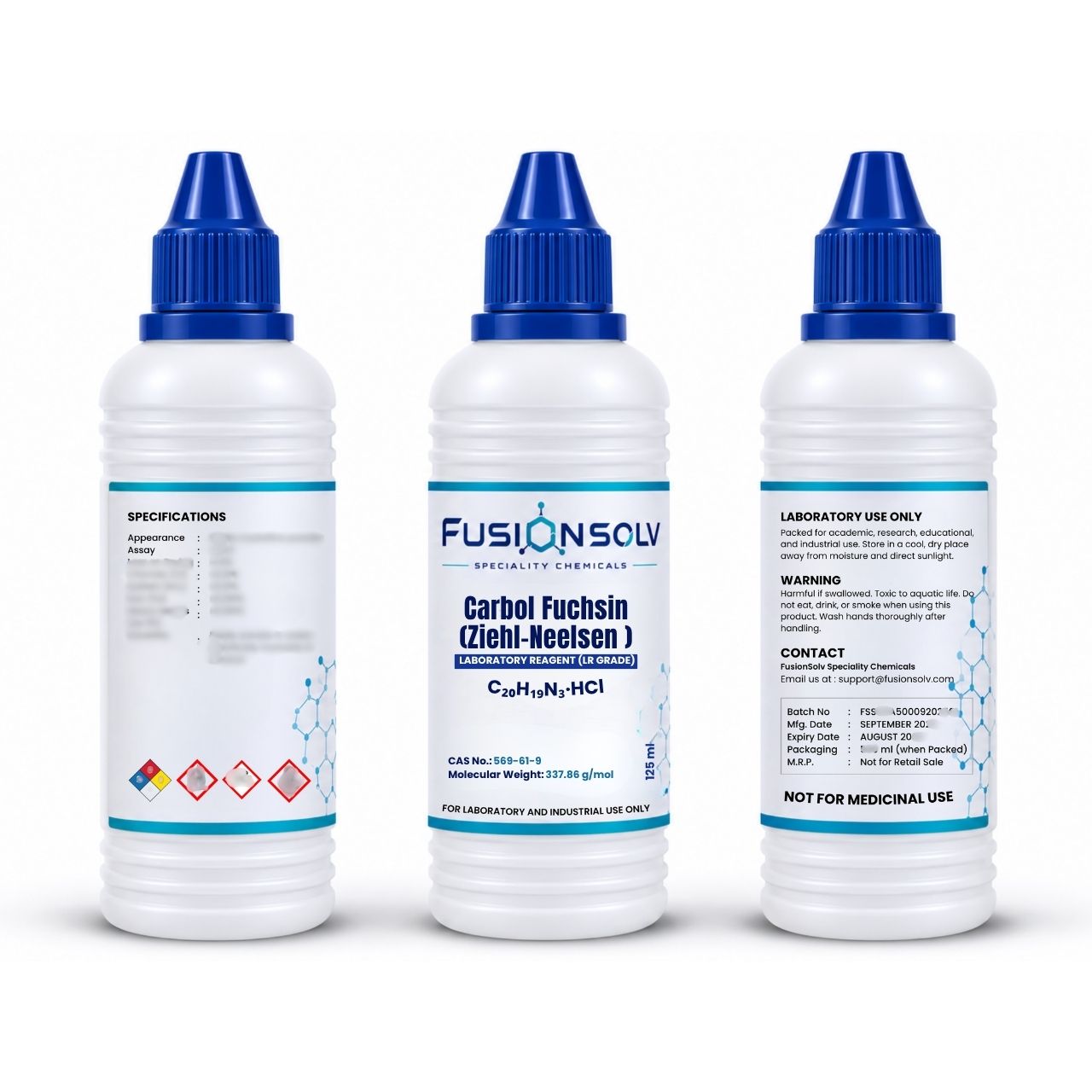







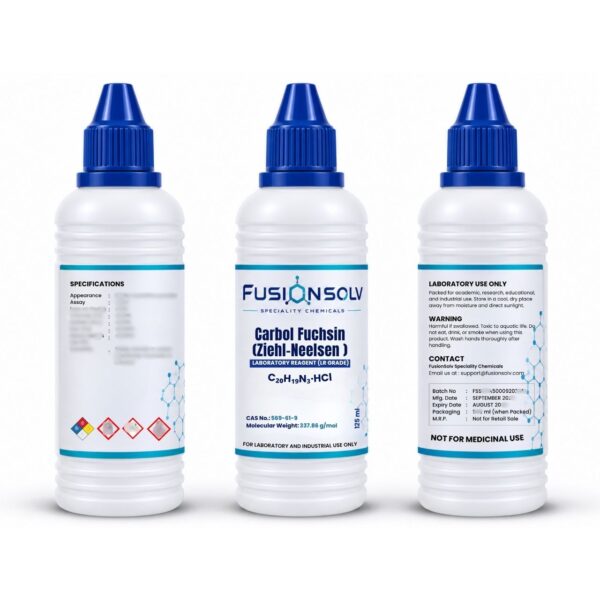
Carbol Fuchsin Solution (Ziehl–Neelsen) is a microbiological phenolic basic-fuchsin stain used in selected scientific, educational and analytical laboratory procedures. A primary stain used in acid-fast staining that combines basic fuchsin with a suitable phenol-based carrier; exact concentrations vary by recipe. The material is supplied for laboratory use, where its suitability depends on the exact formulation, method requirements and documented specifications. In teaching environments it can help demonstrate relevant chemical behaviour and method design; in professional laboratories it may contribute to defined sample preparation, microscopy or experimental workflows. The product should be selected using its correct identity, compatible equipment and an up-to-date safety data sheet. Personnel should consider handling risks, compatibility and waste management before use. Stain composition is recipe-dependent.
Product Specifications
| Specification | Details |
|---|---|
| Appearance | Red to deep magenta liquid |
| Assay | 99% |
| Chemical Name | Carbol Fuchsin Solution (Ziehl–Neelsen) |
| Alternate Names | Ziehl–Neelsen carbol fuchsin; phenolic fuchsin stain |
| Molecular Formula | Not applicable; formulated mixture |
| Empirical Formula | Not applicable |
| CAS Number | Not applicable; formulated mixture |
| Molecular Weight | Not applicable; formulated mixture |
| Grade | LR Laboratory Reagent |
Key Features of Carbol Fuchsin Solution (Ziehl–Neelsen)
- Chemical category: microbiological phenolic basic-fuchsin stain.
- Physical appearance: red to deep magenta liquid.
- A primary stain used in acid-fast staining that combines basic fuchsin with a suitable phenol-based carrier; exact concentrations vary by recipe.
- Listed identifiers: Not applicable; formulated mixture; CAS reference: Not applicable; formulated mixture.
- Practical selection depends on formulation and method compatibility. Stain composition is recipe-dependent.
Laboratory Applications of Carbol Fuchsin Solution (Ziehl–Neelsen)
- Primary staining of acid-fast bacterial smears under approved protocols.
- Teaching Ziehl–Neelsen microscopy workflow.
- Demonstration of dye retention after acid-alcohol decolorization.
- Microscopy slide staining in supervised training laboratories.
- Comparison of staining outcomes using reference preparations.
Why Choose Lab Wale to Buy Carbol Fuchsin Solution (Ziehl–Neelsen)
Lab Wale offers Carbol Fuchsin Solution (Ziehl–Neelsen) as a laboratory product listing for buyers working in schools, colleges, universities and scientific organisations. The product name and available specifications help purchasing teams assess whether the item matches a planned teaching activity, analytical method or research protocol. When sourcing through Lab Wale, verify the exact chemical identity, relevant safety documentation, packing details and suitability for the intended laboratory work before ordering. The chosen reagent should always be checked against method-specific requirements.
Frequently Asked Questions About Carbol Fuchsin Solution (Ziehl–Neelsen)
What is Carbol Fuchsin Solution (Ziehl–Neelsen) used for in a laboratory?
Carbol Fuchsin Solution (Ziehl–Neelsen) can support tasks such as primary staining of acid-fast bacterial smears under approved protocols and teaching ziehl–neelsen microscopy workflow. The correct method, equipment and protective measures depend on its actual formulation. Not every listed use is appropriate for every laboratory or teaching setting.
What are the chemical formula and CAS number of Carbol Fuchsin Solution (Ziehl–Neelsen)?
The formula entry is Not applicable; formulated mixture, and the CAS information is Not applicable; formulated mixture. A mixture or solution does not have one meaningful molecular formula or formula mass. Exact substance identity, concentration and hydrate state must be checked against the supplied label and SDS.
How is Carbol Fuchsin Solution (Ziehl–Neelsen) used in teaching or analytical procedures?
Examples include demonstration of dye retention after acid-alcohol decolorization and microscopy slide staining in supervised training laboratories. Use a validated or institution-approved procedure and confirm that the actual composition, concentration and grade meet its requirements. Supervision is particularly important where the material presents chemical or biological hazards.
What should be checked before purchasing Carbol Fuchsin Solution (Ziehl–Neelsen)?
Confirm the requested pack size, exact product identity and the intended laboratory method. Stain composition is recipe-dependent. Avoid relying on the product title alone where technical details are incomplete.
How should Carbol Fuchsin Solution (Ziehl–Neelsen) be handled and stored?
Store closed in a compatible labelled container away from heat and direct light; follow the actual SDS. Possible phenol toxicity and solvent flammability; use PPE, appropriate ventilation, and applicable biological-safety controls. Consult the specific current SDS for exposure controls, emergency measures, incompatible substances and disposal rules. Never infer low hazard solely from a familiar chemical name or a small laboratory pack size.
Storage Conditions for Carbol Fuchsin Solution (Ziehl–Neelsen)
Store closed in a compatible labelled container away from heat and direct light; follow the actual SDS. Always use compatible, correctly labelled laboratory packaging and avoid cross-contamination. Follow the supplier’s SDS for segregation, shelf-life and temperature conditions. Check the container before use and do not transfer the product into unlabelled vessels.
Precautions for Handling Carbol Fuchsin Solution (Ziehl–Neelsen)
Possible phenol toxicity and solvent flammability; use PPE, appropriate ventilation, and applicable biological-safety controls. Read the current product-specific Safety Data Sheet (SDS), wear suitable eye protection, protective clothing and chemically compatible gloves, and use effective ventilation where required. Avoid splashing, breathing vapours or aerosols, and unsafe mixing. Follow laboratory spill, waste disposal and emergency procedures, with appropriate supervision in educational settings.





 Cardiology
 Clinical Oncology








Reviews
Clear filtersThere are no reviews yet.