
-
-
 Cardiology
-
 Clinical Oncology
-
 Dental
-
 Dermatology
-
 Ear, Nose, Throat (ENT)
-
 Endocrinology
-
 Gastroenterology
-
 General Surgery
-
 Gynecology & Obstetrics
-
 Interventional Cardiology
-
 Nephrology
-
 Neurology
-
 Oncology Surgery
-
 Ophthalmology
-
 Orthopedics
-
 Pediatrics
-
 Pediatrics Surgery
-
 Physiotherapy
-
 Plastic Surgery
-
 Psychiatry & Psychology
-
 Radiology
-
 Urology
-
 Vascular Surgery
-

 Anatomy Lab Equipments
 Biochemistry Lab Equipments
 Biology Lab Equipments
 Chemistry Lab Equipments
 Cytology Lab Equipments
 Cytopathology Lab Equipments
 Dental Lab Equipments
 Forensic Lab Equipments
 Genetics Lab Equipments
 Hematology Lab Equipments
 Histology Lab Equipments
 Histopathology Lab Equipments
 Mathematics Lab Equipments
 Microbiology Lab Equipments
 Molecular Biology Lab Equipments
 Pathology Lab Equipments
 Pharmaceutical Lab Equipments
 Physics Lab Equipments
 Radiology Lab Equipments
 Science Lab Kit’s
 Toxicology Lab Equipments

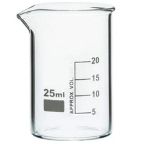 Borosilicate Glass Beaker
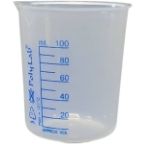 Plastic Beaker (Euro Design)
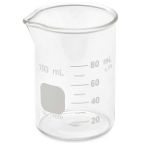 Plastic Beaker (Printed Graduation)
 Test Tube Brush
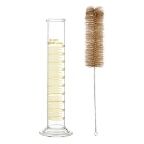 Measuring Cylinder Brush
 Conical Flask Brush
 Volumetric Flask Brush
 Round Bottom Flask Brush
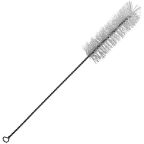 Glass Beaker Brush
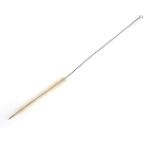 Pipette Brush
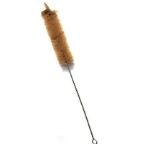 Wash Bottle Brush
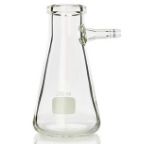 Borosilicate Büchner Flask
 Borosilicate Erlenmeyer/Conical Flask
 Borosilicate Pear-Shaped Flask
 Borosilicate Round Bottom Flask
 Plastic Conical Flask
 Plastic Volumetric Flask
 Bunsen Burner
 Spirit Lamp
 Borosilicate Glass Burette
 Plastic Burette
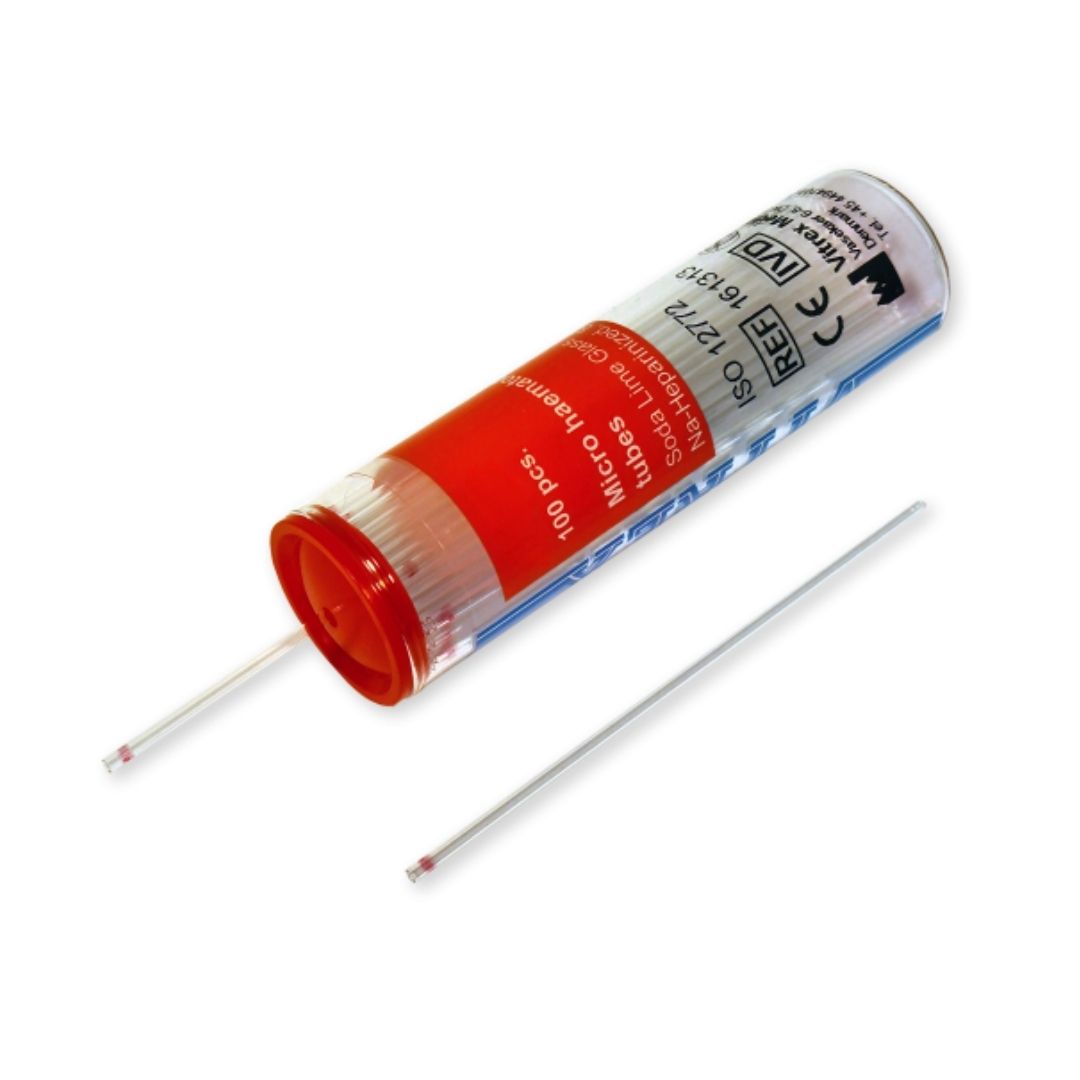
 Capillary Tube
 Centrifuge Tube
 Test Tube
 Ria Vial
 Vacutainer Tubes
 Syringes
 Student Microscope
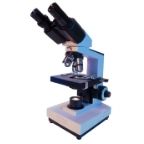 Binocular Microscope
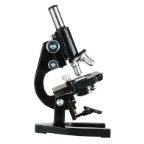 Dissecting Microscope
 Microscope Glass Slides
 Cover Slip
 Inoculating Loop
 Slide Box
 Lamps
 Oils
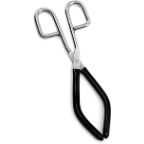 Beaker Tongs
 Crucible Tongs
 Flask Tongs
 Borosilicate Glass Funnel
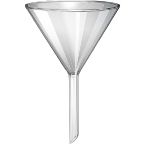 Plastic Funnels
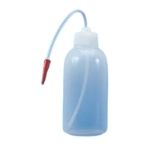 Wash Bottle
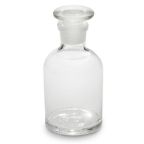 Borosilicate Glass Reagent Bottle
 Plastic Reagent Bottle
 Borosilicate Measuring Cylinder
 Plastic Measuring Cylinder
 Borosilicate Glass Graduated Pipette
 Borosilicate Glass Volumetric Pipette
 HB Pipette
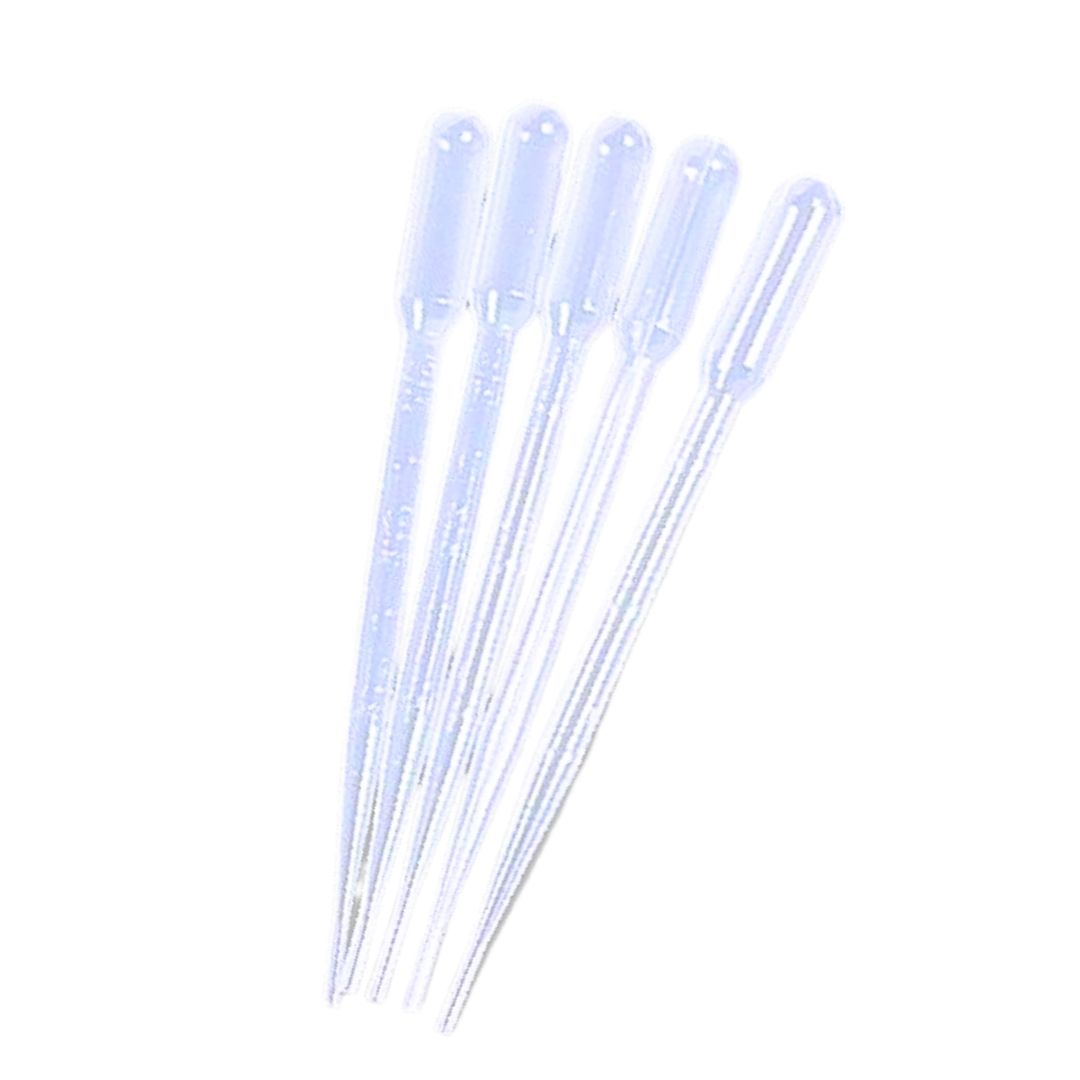
 Pasteur Pipette
 Micropipettes
 Micropipette Tips
 Filter Paper
 Litmus Paper
 pH Paper
 Chromatography Paper
 Plastic Petri Plates (Sterile)
 Glass Petri Plates (Non-Sterile)
 Safety Goggles
 Lab Coats
 Gloves
 Masks
 Shoe Covers
 Hair & Beard Covers
 Steel Spatula
 Plastic Spatula
 Hitachi Sample Cup
 Plastic Scoop
 Plastic Medicine Cup
 Dissecting Tool Kit
 Dissecting Forceps
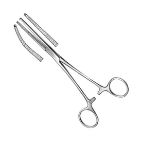 Hemostatic Forceps
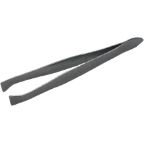 Thumb Forceps / Tweezers
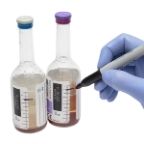 Blood Culture Bottle
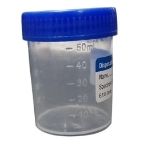 Urine Container
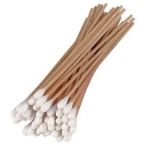 Wooden Swab Stick
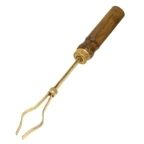 Test Tube Holder
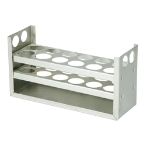 Test Tube Racks
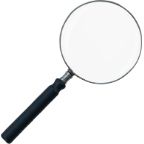 Magnifying Glass
 Watch Glass
 Mortar and Pestle
 Coplin Jar
 Plastic Stirrer
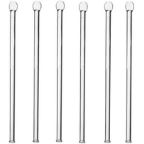 Glass Stirrer
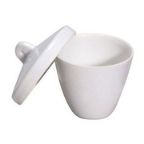 Crucible
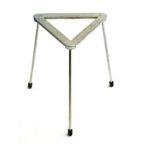 Tripod
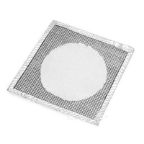 Wire Mesh
 Laboratory Thermometer
 Tourniquet
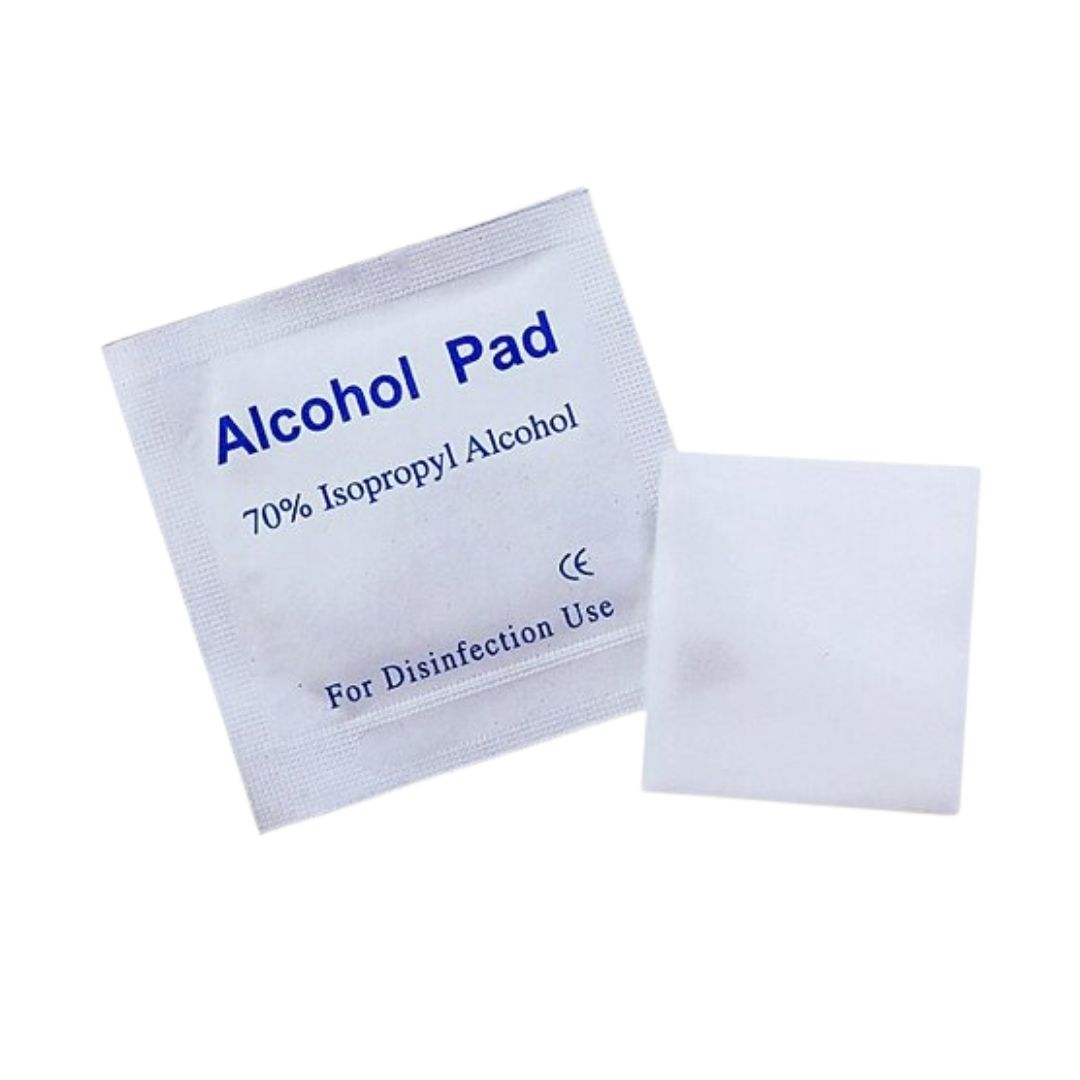
 Alcohol Swab
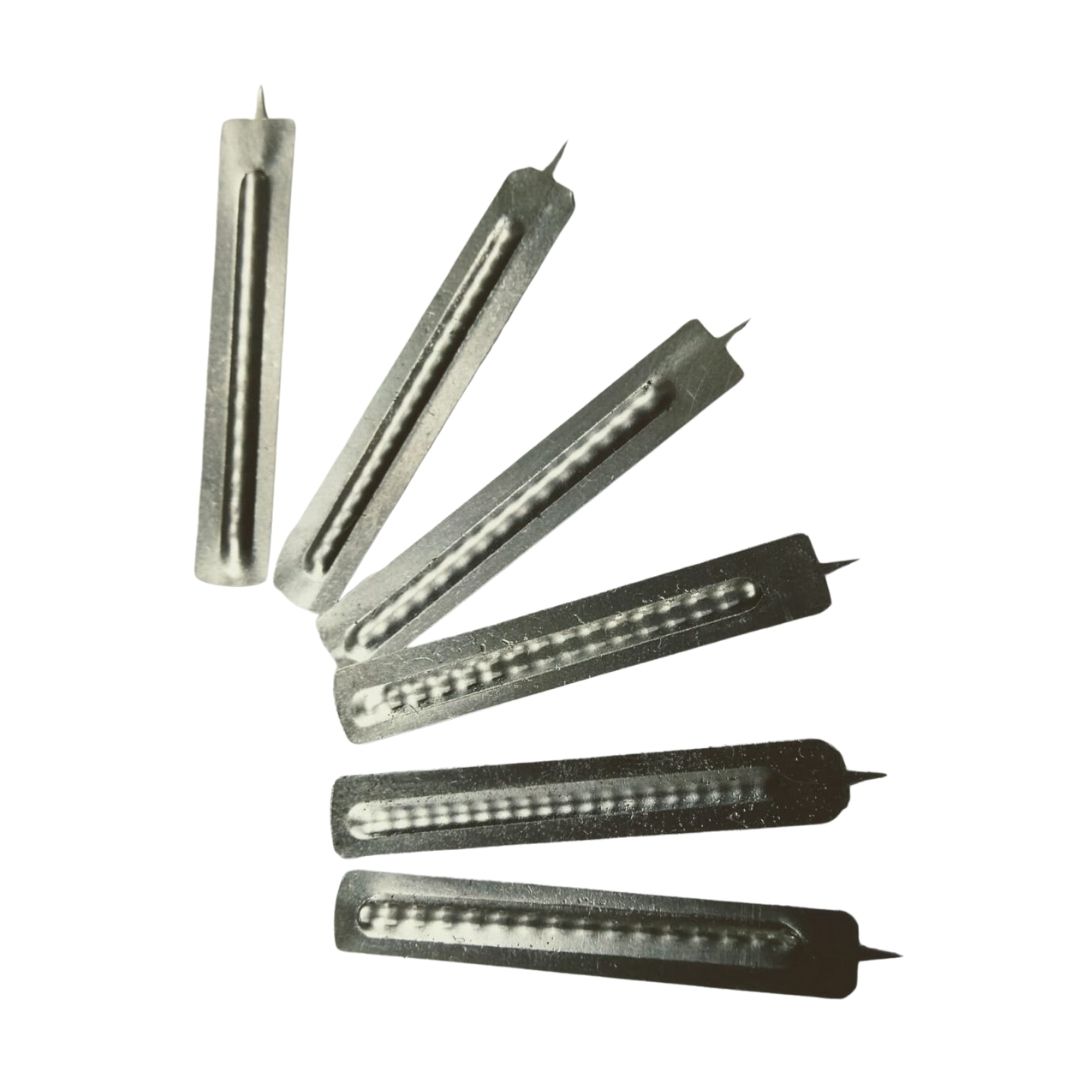
 Blood Lancet
 Bandage
 Gloves & Masks









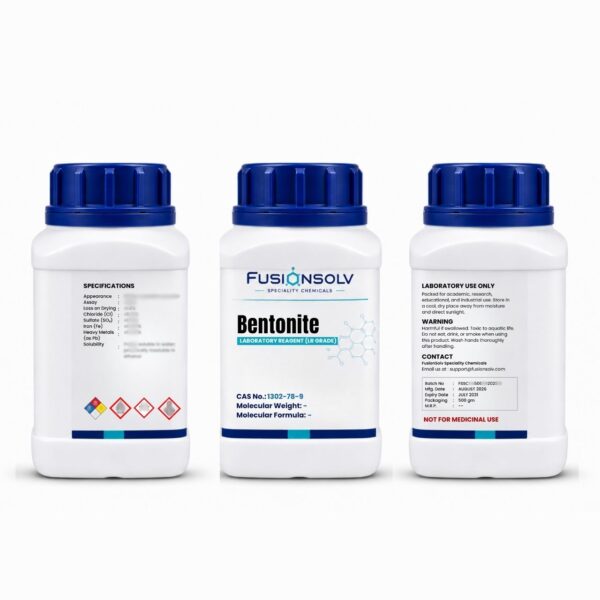
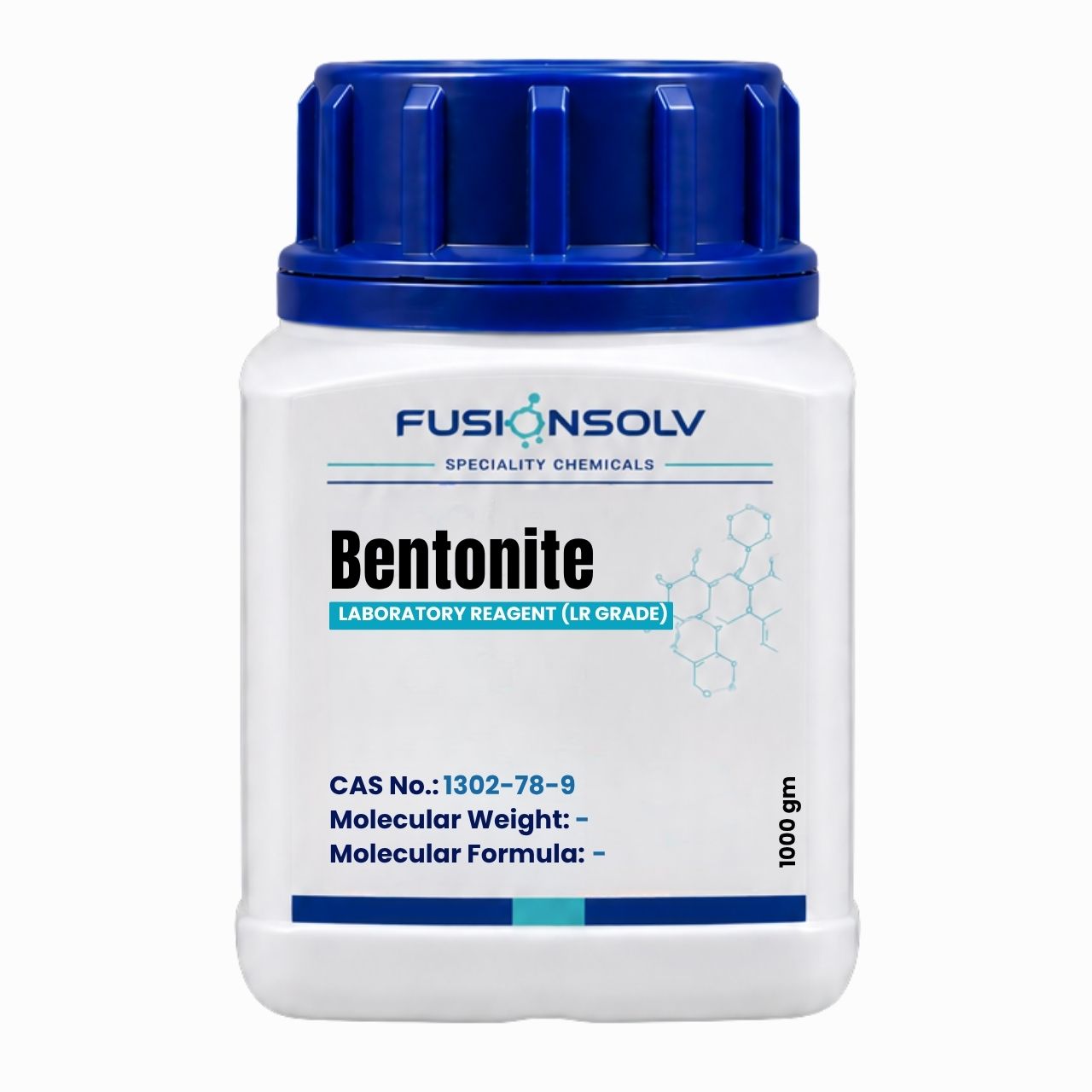







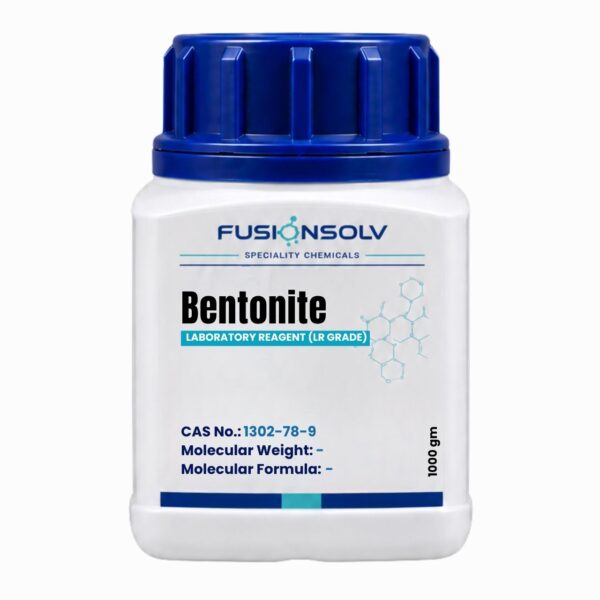
Bentonite is a naturally occurring clay material composed primarily of smectite-group minerals, particularly montmorillonite, a hydrated aluminium silicate. This fine mineral powder is known for its strong water-absorption capacity, swelling behaviour, colloidal properties, and ability to form suspensions in water. Unlike a pure chemical compound, Bentonite has a variable mineral composition, so its precise chemical formula and molecular weight depend on its constituent minerals and composition. Bentonite is widely relevant to laboratory investigations involving clay minerals, adsorption, sedimentation, suspension stability, and surface chemistry. In educational institutions, university laboratories, and research centres, it can be used for selected experiments in physical chemistry, environmental science, geology, and materials research. Its suitability for a particular procedure depends on the product’s composition, grade, and required performance characteristics. Lab Wale offers Bentonite for laboratory applications involving mineral materials and scientific investigations.
Product Specifications
| Specification | Details |
|---|---|
| Appearance | Fine grey to off-white powder |
| Assay | 99% |
| Chemical Name | Bentonite |
| Alternate Names | Bentonite clay, Montmorillonite-rich clay, Smectite clay |
| Molecular Formula | Variable; no single molecular formula applies to natural Bentonite |
| Empirical Formula | Not applicable; composition varies with mineral constituents |
| CAS Number | 1302-78-9 |
| Molecular Weight | Not applicable; variable mineral composition |
| Grade | LR Laboratory Reagent |
Key Features of Bentonite
- Natural clay mineral composition: Consists mainly of smectite-group minerals, particularly montmorillonite, with composition varying according to its geological origin.
- Water absorption and swelling: Certain Bentonite types absorb water and expand, making them suitable for studies of hydration and clay behaviour.
- Adsorption properties: Its mineral surfaces can interact with selected dissolved substances, supporting investigations of adsorption and surface chemistry.
- Suspension-forming behaviour: Bentonite can form aqueous suspensions whose stability and flow characteristics depend on concentration and mineral composition.
- Research versatility: Relevant to selected investigations in physical chemistry, geology, environmental science, and materials research.
Laboratory Applications of Bentonite
- Educational chemistry practicals: Used in supervised experiments demonstrating suspensions, colloidal behaviour, sedimentation, and the properties of finely divided solids.
- Adsorption studies: Supports laboratory investigations of interactions between clay surfaces and selected dissolved substances, with results depending on the Bentonite composition and experimental conditions.
- Environmental science research: Can be used in selected studies of soil minerals, contaminant interactions, and the behaviour of clay materials in aqueous systems.
- Geology and mineralogy investigations: Relevant to examining clay mineral characteristics, hydration behaviour, and differences between mineral samples.
- Materials and suspension research: Can support experiments involving rheology, suspension stability, and clay-based material properties when the material meets the method requirements.
Why Choose Lab Wale to Buy Bentonite
Lab Wale provides laboratory chemicals and scientific supplies for schools, colleges, universities, research centres, and laboratory professionals. When purchasing Bentonite, buyers should consider its mineral composition, grade, physical characteristics, and suitability for the intended experiment. Because natural Bentonite can vary in composition and performance, reviewing available product specifications and relevant safety documentation is important when selecting a suitable material. Lab Wale offers a convenient sourcing option for laboratory supplies used in educational, analytical, and research settings, helping institutions select materials according to their technical requirements.
Frequently Asked Questions About Bentonite
What is Bentonite used for in laboratories?
Bentonite is used in selected experiments involving adsorption, colloidal suspensions, sedimentation, clay mineral properties, and surface chemistry. It is also relevant to geology and environmental science research. Its performance in these applications depends on mineral composition, particle characteristics, and experimental conditions.
What is the chemical formula of Bentonite?
Bentonite does not have one fixed molecular formula because it is a naturally occurring mineral material containing variable proportions of clay minerals and other constituents. Montmorillonite, its principal mineral in many Bentonite samples, has a composition that also varies with substitutions and hydration.
What is the CAS number of Bentonite?
The commonly assigned CAS Registry Number for Bentonite is 1302-78-9. This identifier refers to the clay material rather than a single chemically pure molecular species. Its mineral composition and properties may vary depending on the geological source and processing method.
Does Bentonite dissolve in water?
Bentonite is generally not truly soluble in water. Instead, it absorbs water and may swell, dispersing into a suspension or forming a gel-like system depending on its type, concentration, and preparation conditions. These characteristics make it useful for selected studies of colloids and suspension behaviour.
How should Bentonite be stored and handled safely?
Store Bentonite in a tightly closed, labelled container in a dry location to prevent moisture uptake and contamination. Avoid generating or inhaling airborne dust, wear suitable eye protection and gloves, and use appropriate ventilation during powder handling. Check the current Safety Data Sheet for precautions relating to dust and any crystalline silica present.
Storage Conditions for Bentonite
Store Bentonite in a tightly closed, clearly labelled container in a dry, well-ventilated area, protected from moisture and contamination. Keep the powder away from conditions that could cause unwanted hydration or dispersion. Use a suitable container and follow the supplier’s storage recommendations. Maintain good housekeeping to prevent accumulated dust, particularly in areas where the powder is weighed or transferred.
Precautions for Handling Bentonite
Review the current Safety Data Sheet before handling Bentonite. Wear suitable laboratory gloves, protective clothing, and safety goggles, and avoid creating or inhaling airborne dust. Use appropriate local ventilation when weighing or transferring the powder. The mineral composition may include crystalline silica, so follow applicable exposure-control requirements. Clean spills using procedures that minimise dust dispersion and dispose of material according to institutional rules and applicable regulations.










 Cardiology
 Clinical Oncology








Reviews
Clear filtersThere are no reviews yet.