
-
-
 Cardiology
-
 Clinical Oncology
-
 Dental
-
 Dermatology
-
 Ear, Nose, Throat (ENT)
-
 Endocrinology
-
 Gastroenterology
-
 General Surgery
-
 Gynecology & Obstetrics
-
 Interventional Cardiology
-
 Nephrology
-
 Neurology
-
 Oncology Surgery
-
 Ophthalmology
-
 Orthopedics
-
 Pediatrics
-
 Pediatrics Surgery
-
 Physiotherapy
-
 Plastic Surgery
-
 Psychiatry & Psychology
-
 Radiology
-
 Urology
-
 Vascular Surgery
-

 Anatomy Lab Equipments
 Biochemistry Lab Equipments
 Biology Lab Equipments
 Chemistry Lab Equipments
 Cytology Lab Equipments
 Cytopathology Lab Equipments
 Dental Lab Equipments
 Forensic Lab Equipments
 Genetics Lab Equipments
 Hematology Lab Equipments
 Histology Lab Equipments
 Histopathology Lab Equipments
 Mathematics Lab Equipments
 Microbiology Lab Equipments
 Molecular Biology Lab Equipments
 Pathology Lab Equipments
 Pharmaceutical Lab Equipments
 Physics Lab Equipments
 Radiology Lab Equipments
 Science Lab Kit’s
 Toxicology Lab Equipments

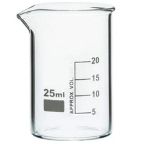 Borosilicate Glass Beaker
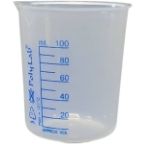 Plastic Beaker (Euro Design)
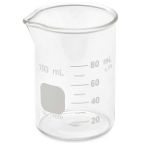 Plastic Beaker (Printed Graduation)
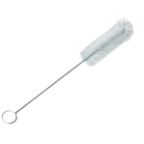 Test Tube Brush
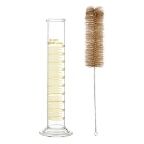 Measuring Cylinder Brush
 Conical Flask Brush
 Volumetric Flask Brush
 Round Bottom Flask Brush
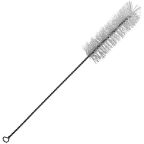 Glass Beaker Brush
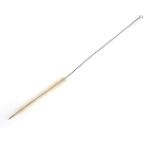 Pipette Brush
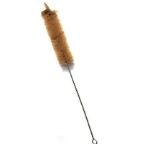 Wash Bottle Brush
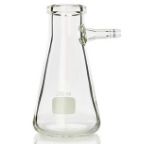 Borosilicate Büchner Flask
 Borosilicate Erlenmeyer/Conical Flask
 Borosilicate Pear-Shaped Flask
 Borosilicate Round Bottom Flask
 Plastic Conical Flask
 Plastic Volumetric Flask
 Bunsen Burner
 Spirit Lamp
 Borosilicate Glass Burette
 Plastic Burette
 Capillary Tube
 Centrifuge Tube
 Test Tube
 Ria Vial
 Vacutainer Tubes
 Syringes
 Student Microscope
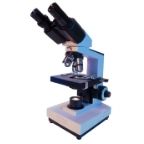 Binocular Microscope
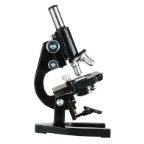 Dissecting Microscope
 Microscope Glass Slides
 Cover Slip
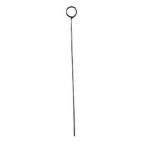 Inoculating Loop
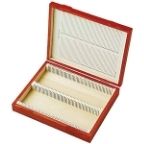 Slide Box
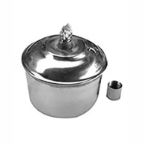 Lamps
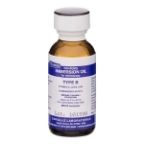 Oils
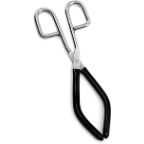 Beaker Tongs
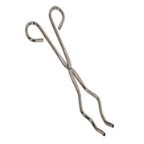 Crucible Tongs
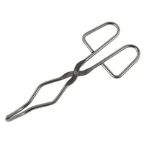 Flask Tongs
 Borosilicate Glass Funnel
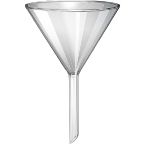 Plastic Funnels
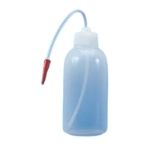 Wash Bottle
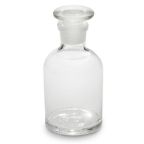 Borosilicate Glass Reagent Bottle
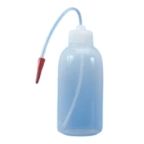 Plastic Reagent Bottle
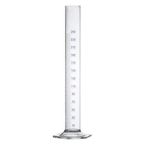 Borosilicate Measuring Cylinder
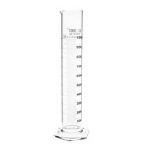 Plastic Measuring Cylinder
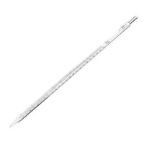 Borosilicate Glass Graduated Pipette
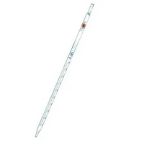 Borosilicate Glass Volumetric Pipette
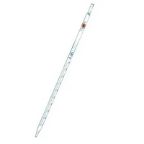 HB Pipette
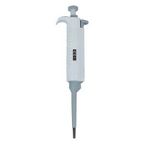 Pasteur Pipette
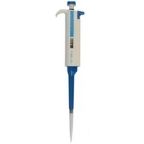 Micropipettes
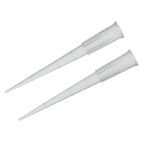 Micropipette Tips
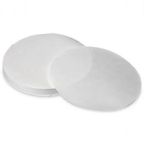 Filter Paper
 Litmus Paper
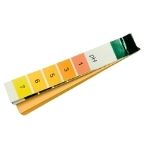 pH Paper
 Chromatography Paper
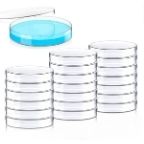 Plastic Petri Plates (Sterile)
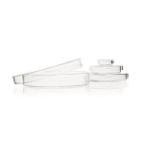 Glass Petri Plates (Non-Sterile)
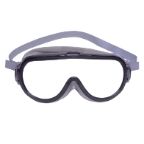 Safety Goggles
 Lab Coats
 Gloves
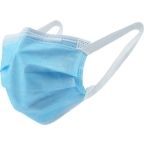 Masks
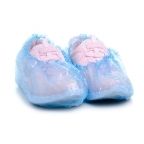 Shoe Covers
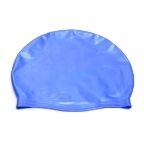 Hair & Beard Covers
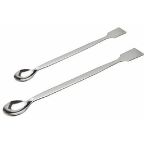 Steel Spatula
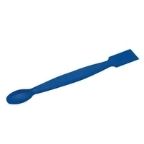 Plastic Spatula
 Hitachi Sample Cup
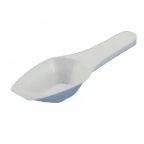 Plastic Scoop
 Plastic Medicine Cup
 Dissecting Tool Kit
 Dissecting Forceps
 Hemostatic Forceps
 Thumb Forceps / Tweezers
 Blood Culture Bottle
 Urine Container
 Wooden Swab Stick
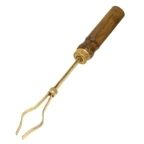 Test Tube Holder
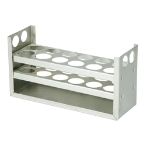 Test Tube Racks
 Magnifying Glass
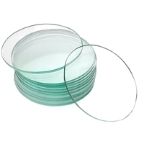 Watch Glass
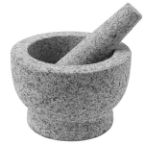 Mortar and Pestle
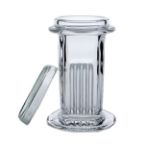 Coplin Jar
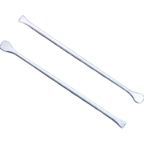 Plastic Stirrer
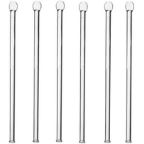 Glass Stirrer
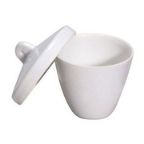 Crucible
 Tripod
 Wire Mesh
 Laboratory Thermometer
 Tourniquet
 Alcohol Swab
 Blood Lancet
 Bandage
 Gloves & Masks









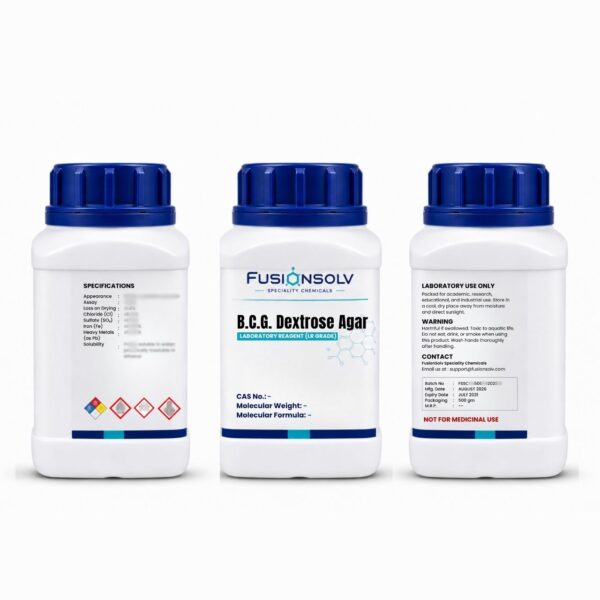
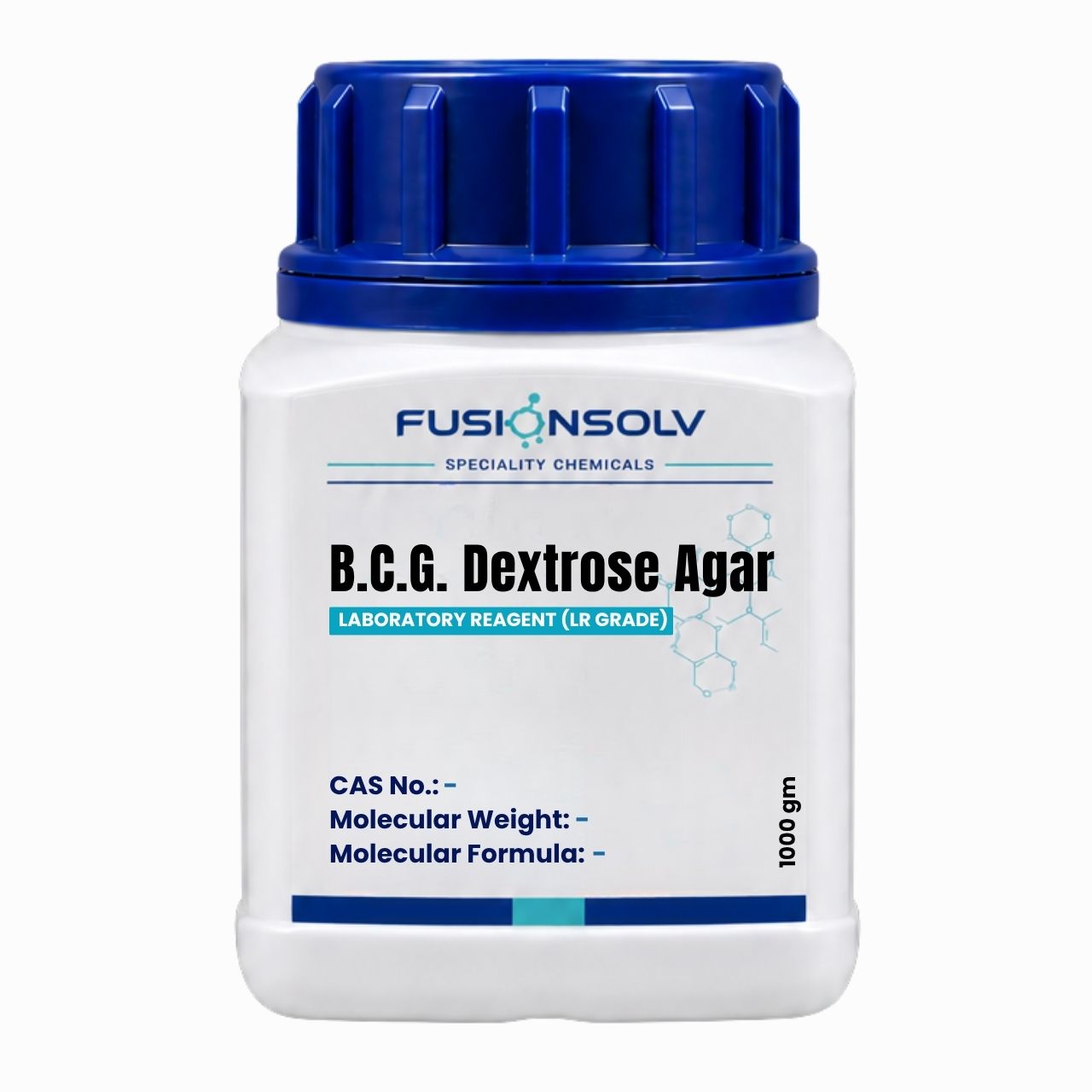







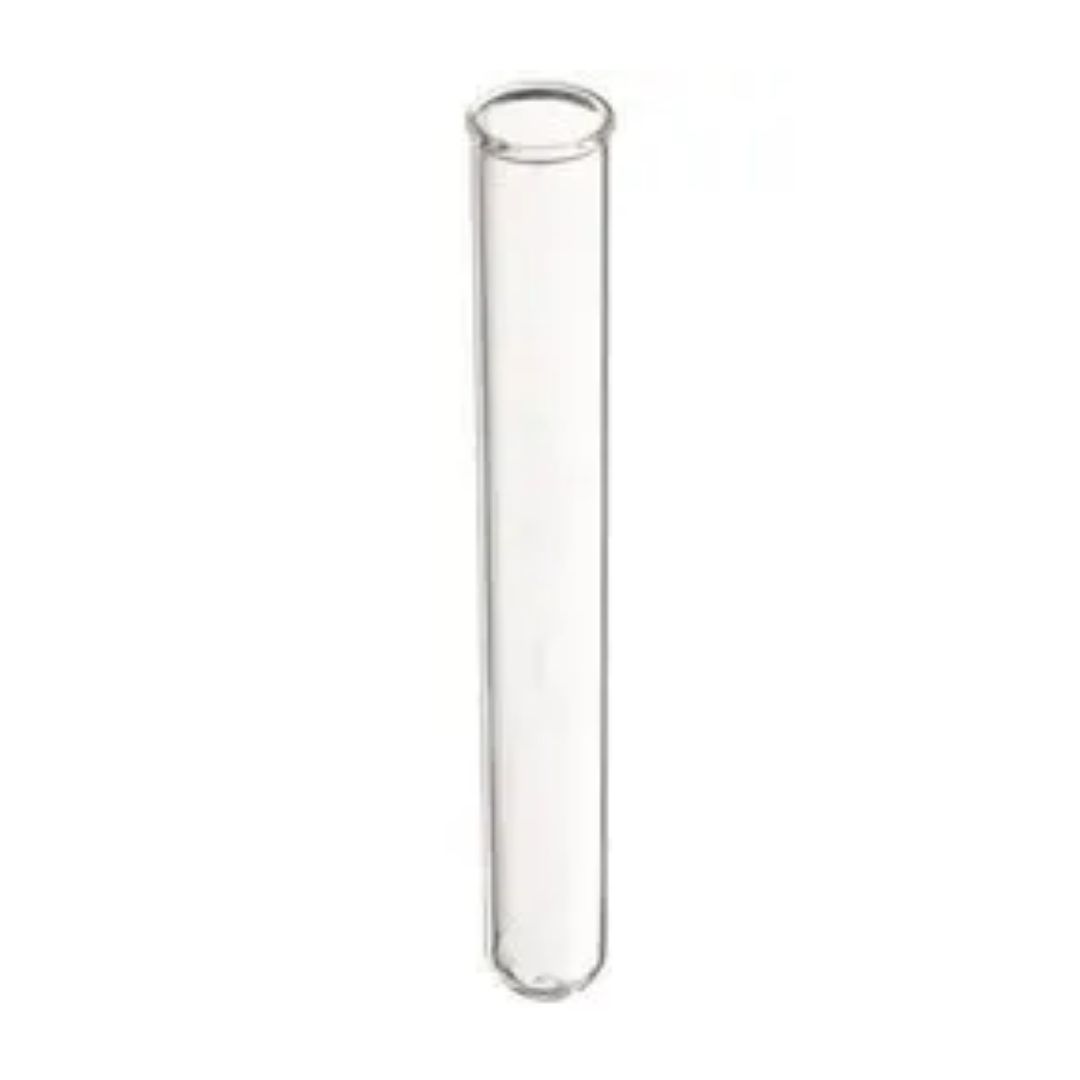
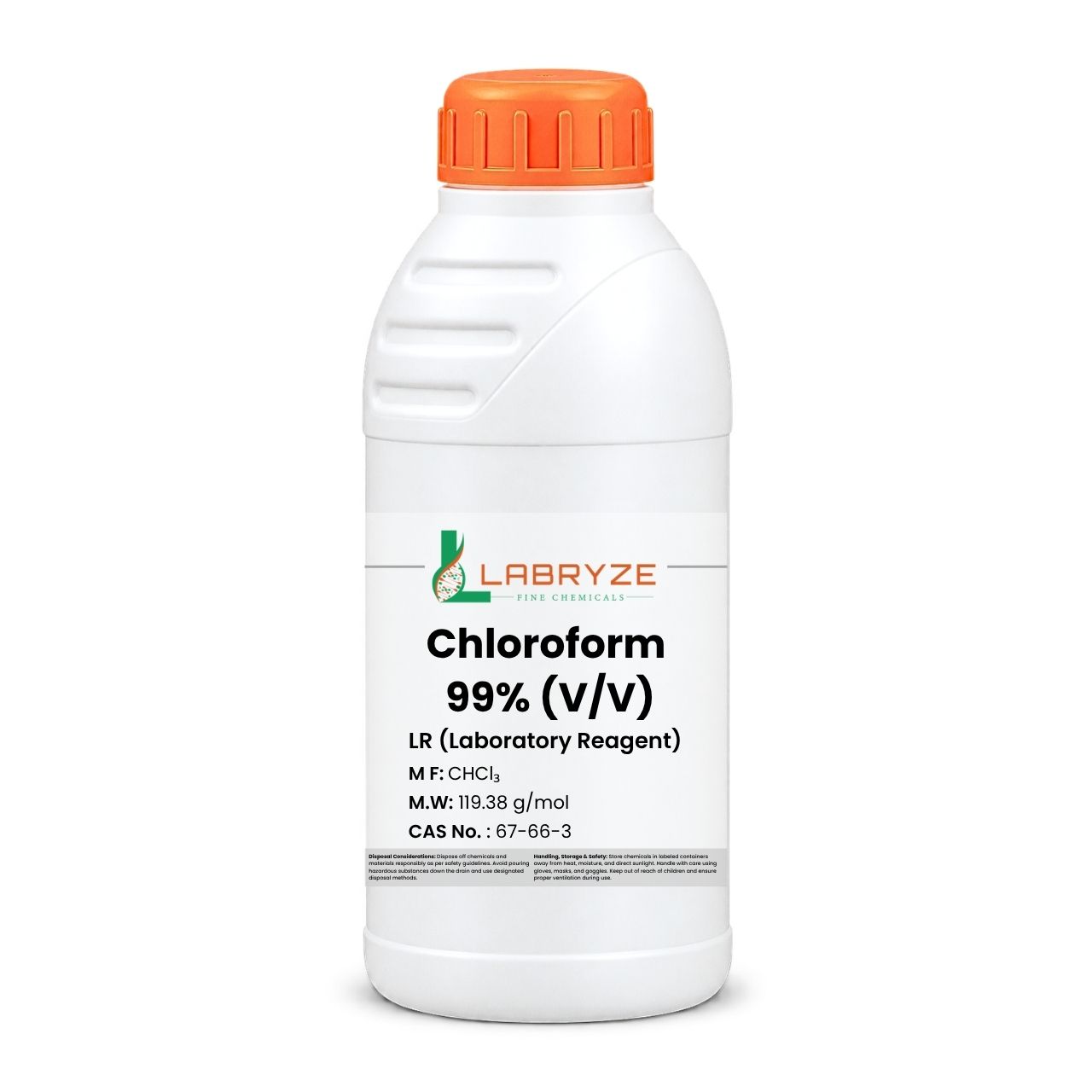

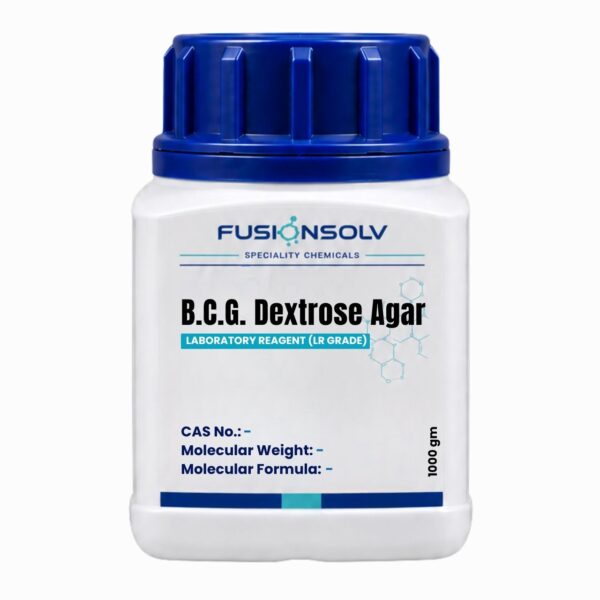
B.C.G. Dextrose Agar, also known as Bromocresol Green Dextrose Agar or Snyder Test Agar, is a specialized dehydrated culture medium used in microbiology to estimate Lactobacilli and assess microbial acid production associated with dental caries activity. It contains peptic digest of animal tissue, dextrose, sodium chloride, bromocresol green, and agar to support microbial growth and indicate acid formation. When dextrose-fermenting microorganisms produce acid, the pH decreases and the bromocresol green indicator changes from green toward yellow. This visible colour response helps laboratories evaluate the rate and extent of acid production under controlled test conditions. B.C.G. Dextrose Agar is relevant to microbiology teaching, dental research, and supervised laboratory investigations involving oral microorganisms. Its performance depends on correct preparation, incubation conditions, and appropriate microbiological practices. It is intended for laboratory use by trained personnel following the applicable product instructions.
Product Specifications
| Specification | Details |
|---|---|
| Appearance | Light yellow to greenish-yellow homogeneous free-flowing powder |
| Assay | 99% |
| Chemical Name | B.C.G. Dextrose Agar (Snyder Test Agar) |
| Alternate Names | Bromocresol Green Dextrose Agar, Snyder Test Agar |
| Molecular Formula | Not applicable; formulated culture medium mixture |
| Empirical Formula | Not applicable; formulated culture medium mixture |
| CAS Number | Not applicable; formulated culture medium mixture |
| Molecular Weight | Not applicable; formulated culture medium mixture |
| Grade | LR Laboratory Reagent |
Key Features of B.C.G. Dextrose Agar
- Specialized microbiological medium: Formulated for estimating Lactobacilli and evaluating acid production associated with dental caries activity.
- Dextrose-based fermentation system: Dextrose provides a fermentable carbohydrate that supports the assessment of microbial acid production.
- pH indicator response: Bromocresol green provides a visible colour change from green toward yellow as acidic products lower the medium’s pH.
- Solid culture format: Agar provides a gel matrix suitable for preparing culture medium in tubes under the prescribed laboratory conditions.
- Defined working pH: The standard formulation has a final pH of approximately 4.8 ± 0.2 at 25°C, supporting the intended differential test principle.
Laboratory Applications of B.C.G. Dextrose Agar
- Lactobacilli estimation: Used in Snyder test procedures to estimate Lactobacilli associated with oral microbial activity.
- Dental caries activity research: Supports controlled investigations of acid production by oral microorganisms as an indicator associated with caries activity.
- Microbial carbohydrate fermentation studies: Helps demonstrate how dextrose fermentation can produce acidic metabolites and change the pH of a culture medium.
- Educational microbiology practicals: Suitable for supervised college and university teaching activities involving culture media, microbial metabolism, and pH indicators, subject to institutional biosafety requirements.
- Dental microbiology investigations: May support research involving acidogenic oral microorganisms when the procedure, interpretation, and limitations of the method are appropriately established.
Why Choose Lab Wale to Buy B.C.G. Dextrose Agar
Lab Wale provides a sourcing option for laboratory chemicals, microbiological culture media, and scientific supplies used by educational institutions, universities, research centres, and laboratory professionals. When purchasing B.C.G. Dextrose Agar, laboratories should verify the product identity, formulation, stated grade, preparation instructions, and applicable technical and safety information. Selecting a medium designed for the intended microbiological test helps support appropriate laboratory planning and consistent procedures. Proper storage, preparation, quality control, and microbiological safety practices remain essential for reliable laboratory work.
Frequently Asked Questions About B.C.G. Dextrose Agar
What is B.C.G. Dextrose Agar used for?
B.C.G. Dextrose Agar, or Snyder Test Agar, is used to estimate Lactobacilli and assess acid production associated with dental caries activity. The medium contains dextrose and a pH indicator that responds to acid formation. Results must be interpreted according to the prescribed test method rather than as a standalone clinical diagnosis.
What is the principle of Snyder Test Agar?
The principle is based on acid production during microbial fermentation of dextrose. As microorganisms produce acidic metabolites, the pH decreases and bromocresol green changes from green toward yellow. The rate and extent of this colour change provide an indication of acid production under the specified test conditions.
What is the composition and pH of B.C.G. Dextrose Agar?
A common formulation contains peptic digest of animal tissue, dextrose, sodium chloride, bromocresol green, and agar. The standard final pH is approximately 4.8 ± 0.2 at 25°C. Exact ingredient specifications and preparation quantities should be checked against the technical information for the particular product.
How is B.C.G. Dextrose Agar prepared for laboratory use?
Follow the manufacturer’s instructions for the specific formulation. A common preparation uses approximately 65 g of dehydrated medium per litre of distilled or purified water, with heating to dissolve and sterilization by autoclaving at 121°C for 15 minutes. Avoid overheating and follow the specified dispensing, incubation, and quality-control procedures.
How should B.C.G. Dextrose Agar be stored and handled?
Store the dehydrated medium in a tightly sealed container in a cool, dry place, protected from moisture and direct sunlight. Wear suitable laboratory protective equipment and follow good microbiological practices. Treat inoculated cultures and used media as potentially biohazardous, and sterilize or dispose of them according to institutional biosafety procedures.
Storage Conditions for B.C.G. Dextrose Agar
Store the dehydrated B.C.G. Dextrose Agar in its tightly closed, moisture-resistant container in a cool, dry area, protected from direct sunlight and contamination. Follow the product-specific storage temperature stated by the manufacturer; some formulations specify storage below 30°C. Keep the container securely closed after use and avoid exposure to humidity, which can affect the quality of the medium.
Precautions for Handling B.C.G. Dextrose Agar
Review the product’s current safety information before use and wear a laboratory coat, suitable gloves, and eye protection. Avoid inhaling airborne powder and prevent contact with the eyes. Prepare the medium using appropriate laboratory equipment and follow the prescribed sterilization procedure. Handle inoculated media and clinical specimens using established microbiological safety practices, and sterilize or dispose of used cultures in accordance with institutional biosafety and waste-management requirements.





 Cardiology
 Clinical Oncology








Reviews
Clear filtersThere are no reviews yet.