
-
-
 Cardiology
-
 Clinical Oncology
-
 Dental
-
 Dermatology
-
 Ear, Nose, Throat (ENT)
-
 Endocrinology
-
 Gastroenterology
-
 General Surgery
-
 Gynecology & Obstetrics
-
 Interventional Cardiology
-
 Nephrology
-
 Neurology
-
 Oncology Surgery
-
 Ophthalmology
-
 Orthopedics
-
 Pediatrics
-
 Pediatrics Surgery
-
 Physiotherapy
-
 Plastic Surgery
-
 Psychiatry & Psychology
-
 Radiology
-
 Urology
-
 Vascular Surgery
-

 Anatomy Lab Equipments
 Biochemistry Lab Equipments
 Biology Lab Equipments
 Chemistry Lab Equipments
 Cytology Lab Equipments
 Cytopathology Lab Equipments
 Dental Lab Equipments
 Forensic Lab Equipments
 Genetics Lab Equipments
 Hematology Lab Equipments
 Histology Lab Equipments
 Histopathology Lab Equipments
 Mathematics Lab Equipments
 Microbiology Lab Equipments
 Molecular Biology Lab Equipments
 Pathology Lab Equipments
 Pharmaceutical Lab Equipments
 Physics Lab Equipments
 Radiology Lab Equipments
 Science Lab Kit’s
 Toxicology Lab Equipments

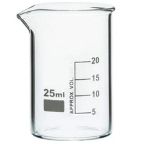 Borosilicate Glass Beaker
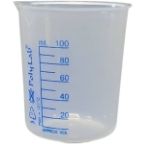 Plastic Beaker (Euro Design)
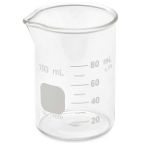 Plastic Beaker (Printed Graduation)
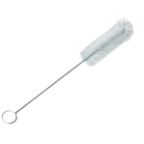 Test Tube Brush
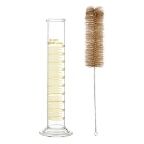 Measuring Cylinder Brush
 Conical Flask Brush
 Volumetric Flask Brush
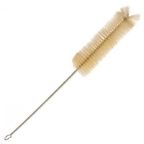 Round Bottom Flask Brush
 Glass Beaker Brush
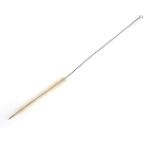 Pipette Brush
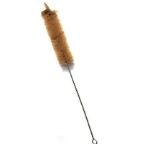 Wash Bottle Brush
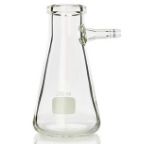 Borosilicate Büchner Flask
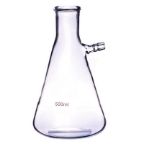 Borosilicate Erlenmeyer/Conical Flask
 Borosilicate Pear-Shaped Flask
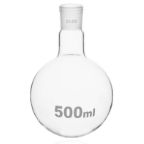 Borosilicate Round Bottom Flask
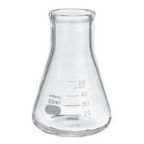 Plastic Conical Flask
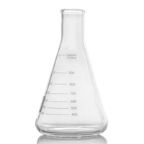 Plastic Volumetric Flask
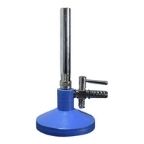 Bunsen Burner
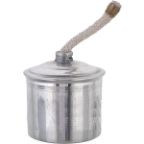 Spirit Lamp
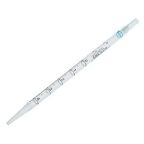 Borosilicate Glass Burette
 Plastic Burette
 Capillary Tube
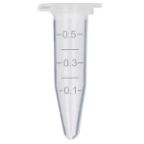 Centrifuge Tube
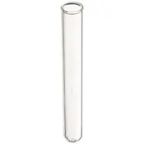 Test Tube
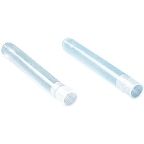 Ria Vial
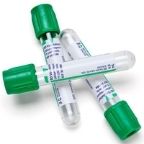 Vacutainer Tubes
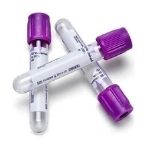 Syringes
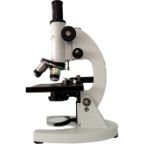 Student Microscope
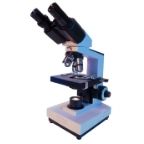 Binocular Microscope
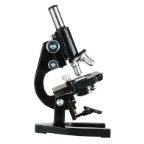 Dissecting Microscope
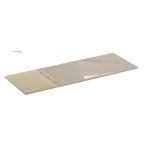 Microscope Glass Slides
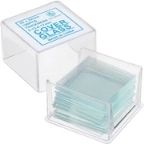 Cover Slip
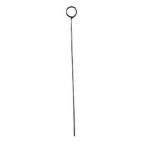 Inoculating Loop
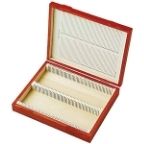 Slide Box
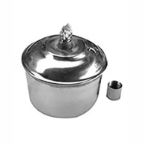 Lamps
 Oils
 Beaker Tongs
 Crucible Tongs
 Flask Tongs
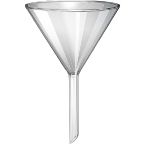
 Borosilicate Glass Funnel
 Plastic Funnels
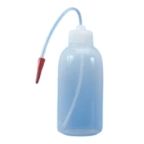
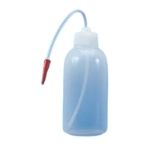 Wash Bottle
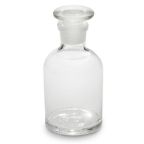 Borosilicate Glass Reagent Bottle
 Plastic Reagent Bottle
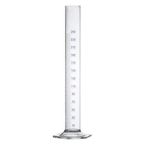 Borosilicate Measuring Cylinder
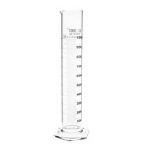 Plastic Measuring Cylinder
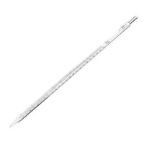 Borosilicate Glass Graduated Pipette
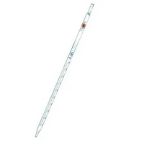 Borosilicate Glass Volumetric Pipette
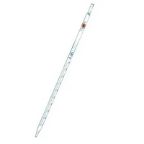 HB Pipette
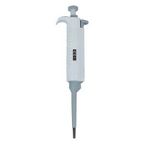 Pasteur Pipette
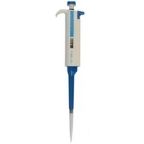 Micropipettes
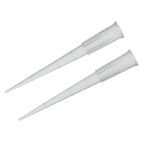 Micropipette Tips
 Filter Paper
 Litmus Paper
 pH Paper
 Chromatography Paper
 Plastic Petri Plates (Sterile)
 Glass Petri Plates (Non-Sterile)
 Safety Goggles
 Lab Coats
 Gloves
 Masks
 Shoe Covers
 Hair & Beard Covers
 Steel Spatula
 Plastic Spatula
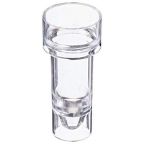 Hitachi Sample Cup
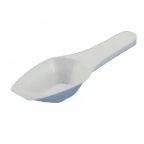 Plastic Scoop
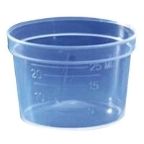 Plastic Medicine Cup
 Dissecting Tool Kit
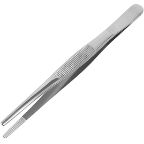 Dissecting Forceps
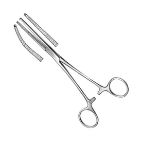 Hemostatic Forceps
 Thumb Forceps / Tweezers
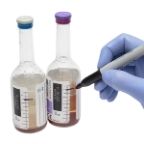 Blood Culture Bottle
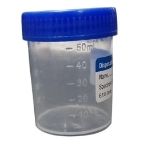 Urine Container
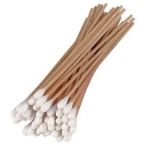 Wooden Swab Stick
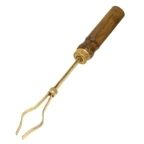 Test Tube Holder
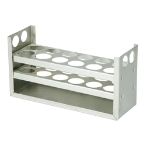 Test Tube Racks
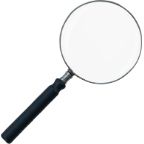 Magnifying Glass
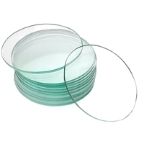 Watch Glass
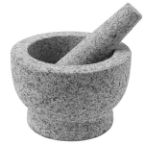 Mortar and Pestle
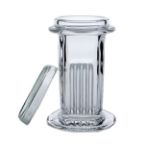 Coplin Jar
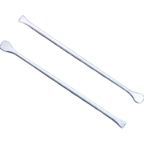 Plastic Stirrer
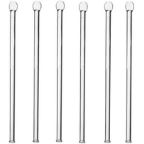 Glass Stirrer
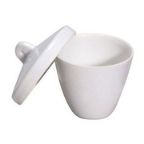 Crucible
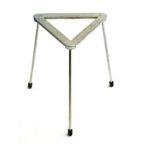 Tripod
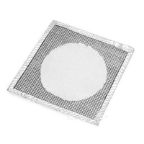 Wire Mesh
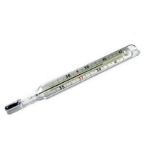 Laboratory Thermometer
 Tourniquet
 Alcohol Swab
 Blood Lancet
 Bandage
 Gloves & Masks









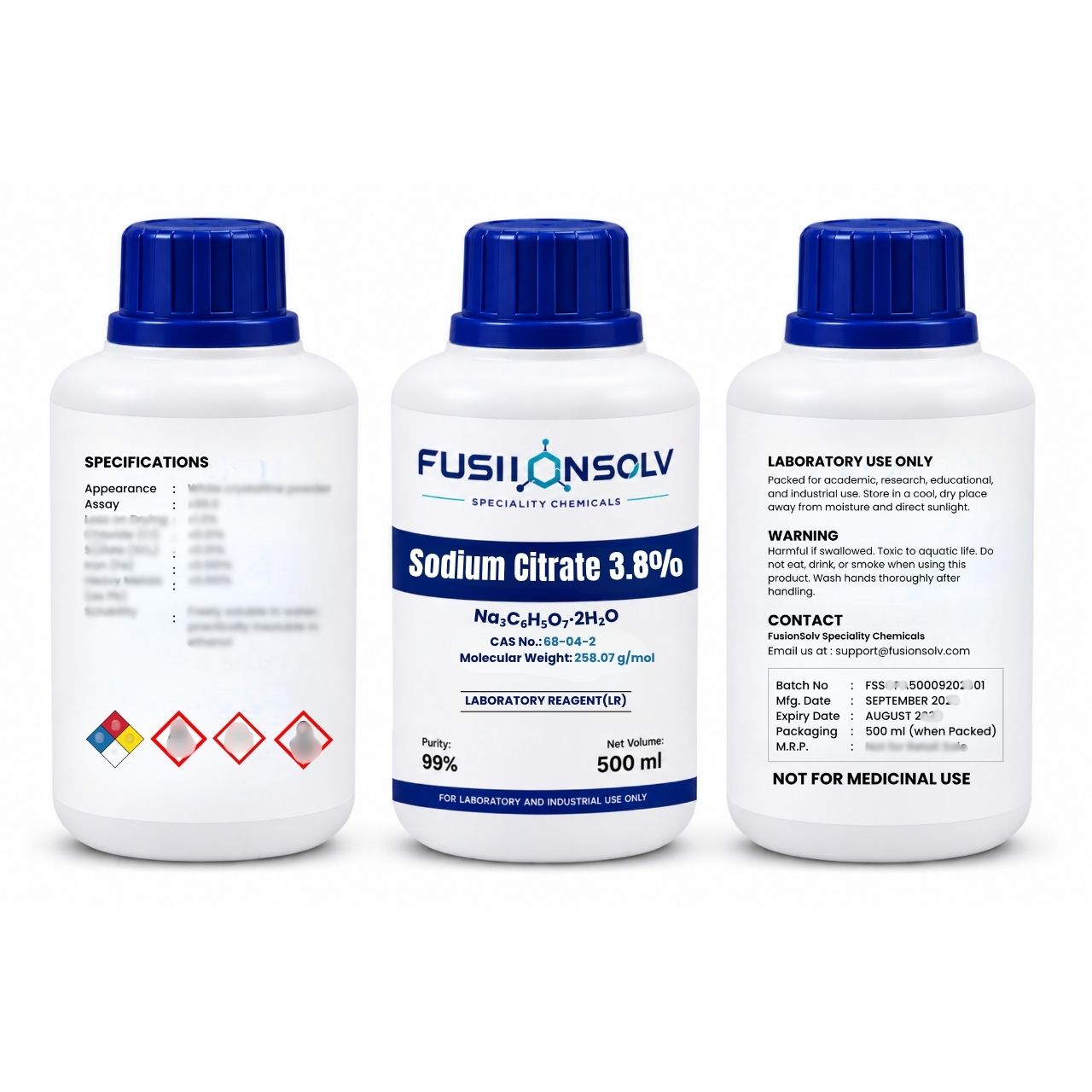







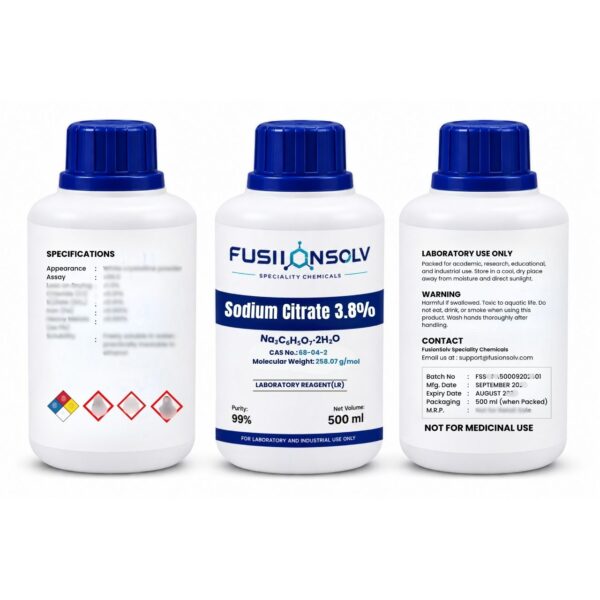
Sodium Citrate 3.8% is an aqueous 3.8% trisodium citrate preparation that complexes calcium ions and is used as an anticoagulant in specified laboratory sample-handling procedures. It is supplied as a laboratory product for educational and analytical work where the specified method is appropriate. Correct identification of the active components, concentration and solvent system is particularly important for reproducibility and safe handling. The reagent should be selected according to the intended experiment rather than assumed suitable for every analytical technique. Measured aliquots, suitable controls and good laboratory practice help distinguish genuine chemical responses from interference or contamination. Where a mixture has no single chemical formula or formula mass, the constituent identity is indicated instead of a fictitious whole-mixture value. The container label and current safety guidance should be consulted before use in schools, colleges, universities or research laboratories.
Product Specifications
| Specification | Details |
|---|---|
| Appearance | Colourless transparent liquid |
| Assay | 99% |
| Chemical Name | Trisodium citrate 3.8% solution |
| Alternate Names | Sodium citrate solution; trisodium citrate anticoagulant solution |
| Molecular Formula | Na₃C₆H₅O₇ (anhydrous solute) |
| Empirical Formula | Na₃C₆H₅O₇ (anhydrous solute) |
| CAS Number | 68-04-2 (anhydrous solute) |
| Molecular Weight | 258.06 g/mol (anhydrous solute) |
| Grade | LR Laboratory Reagent |
Key Features of Sodium Citrate 3.8%
- Contains trisodium citrate at the labelled 3.8% concentration
- Citrate binds calcium and reduces calcium-dependent clotting
- Aqueous formulation allows measured liquid additions
- Suitable only for methods specifying this exact concentration
- Hydrate identity and percentage basis require product-document confirmation
Laboratory Applications of Sodium Citrate 3.8%
- Demonstrating calcium chelation in laboratory teaching
- Anticoagulant exercises following validated specimen ratios
- Comparing coagulation behaviour under controlled calcium availability
- Preparation of teaching controls for citrate-dependent assays
- Study of citrate buffering and ionic interactions
Why Choose Lab Wale to Buy Sodium Citrate 3.8%
Lab Wale provides Sodium Citrate 3.8% as part of its laboratory chemical and scientific supply range for teaching institutions and research facilities. Product selection should take account of the indicated reagent identity, concentration, analytical method, and packaging requirements. For sensitive laboratory work, users should confirm any manufacturer-specific formulation details and review available technical and safety documentation. The appropriate product is one whose composition and grade match the intended experiment, not simply one with a similar name.
Frequently Asked Questions About Sodium Citrate 3.8%
What is Sodium Citrate 3.8% used for in a laboratory?
This product is mainly considered for demonstrating calcium chelation in laboratory teaching, as well as related demonstrations or methods that call for its identified chemical components. Its use must remain within the documented reagent strength and validated procedure, especially in quantitative work.
Is 3.8% sodium citrate interchangeable with 3.2% citrate?
No. Different concentrations can alter reagent-to-sample ratios and analytical results. Follow the specific approved method and do not substitute concentrations without validation. For reliable observations, compare against appropriate reference controls and use the method-specified timing and conditions.
Does Sodium Citrate 3.8% have one CAS number and molecular weight?
The relevant identifier is 68-04-2 (anhydrous solute), and the formula information is Na₃C₆H₅O₇ (anhydrous solute). For a formulated solution or mixture, a single whole-product molecular weight is not meaningful; ingredient identities and actual concentration should be checked separately.
Can Sodium Citrate 3.8% be used in schools and research laboratories?
It may be appropriate in school, college, or research settings when the named procedure, required concentration and safety controls match the product. Hazardous reagents require trained supervision, suitable equipment and compliance with institutional chemical-handling policies.
How should Sodium Citrate 3.8% be stored and handled?
Store sealed in a clean compatible bottle at the temperature stated by the manufacturer. Avoid contamination, evaporation and unsuitable biological contact; observe any shelf-life or sterility requirements of the intended assay. Use gloves and eye protection, work with clean dispensing tools and avoid cross-contamination. Where used with Follow the current product safety data sheet and local hazardous-waste procedures.
Storage Conditions for Sodium Citrate 3.8%
Store sealed in a clean compatible bottle at the temperature stated by the manufacturer. Avoid contamination, evaporation and unsuitable biological contact; observe any shelf-life or sterility requirements of the intended assay. Keep clearly labelled and inspect the container regularly for leakage or change in appearance.
Precautions for Handling Sodium Citrate 3.8%
Read the current Safety Data Sheet (SDS) before use. Use gloves and eye protection, work with clean dispensing tools and avoid cross-contamination. Where used with biological samples, follow biosafety procedures and the applicable method as well as the reagent SDS. Maintain competent supervision in educational laboratories, suitable chemical segregation and properly documented waste disposal.





 Cardiology
 Clinical Oncology








Reviews
Clear filtersThere are no reviews yet.