
-
-
 Cardiology
-
 Clinical Oncology
-
 Dental
-
 Dermatology
-
 Ear, Nose, Throat (ENT)
-
 Endocrinology
-
 Gastroenterology
-
 General Surgery
-
 Gynecology & Obstetrics
-
 Interventional Cardiology
-
 Nephrology
-
 Neurology
-
 Oncology Surgery
-
 Ophthalmology
-
 Orthopedics
-
 Pediatrics
-
 Pediatrics Surgery
-
 Physiotherapy
-
 Plastic Surgery
-
 Psychiatry & Psychology
-
 Radiology
-
 Urology
-
 Vascular Surgery
-

 Anatomy Lab Equipments
 Biochemistry Lab Equipments
 Biology Lab Equipments
 Chemistry Lab Equipments
 Cytology Lab Equipments
 Cytopathology Lab Equipments
 Dental Lab Equipments
 Forensic Lab Equipments
 Genetics Lab Equipments
 Hematology Lab Equipments
 Histology Lab Equipments
 Histopathology Lab Equipments
 Mathematics Lab Equipments
 Microbiology Lab Equipments
 Molecular Biology Lab Equipments
 Pathology Lab Equipments
 Pharmaceutical Lab Equipments
 Physics Lab Equipments
 Radiology Lab Equipments
 Science Lab Kit’s
 Toxicology Lab Equipments

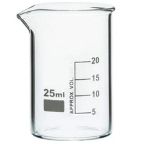 Borosilicate Glass Beaker
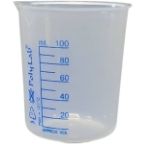 Plastic Beaker (Euro Design)
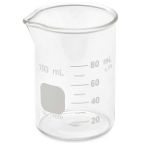 Plastic Beaker (Printed Graduation)
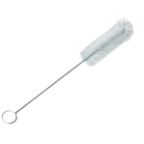 Test Tube Brush
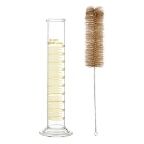 Measuring Cylinder Brush
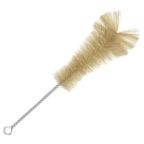 Conical Flask Brush
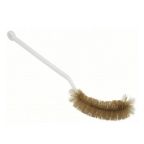 Volumetric Flask Brush
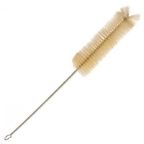 Round Bottom Flask Brush
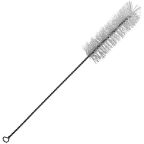 Glass Beaker Brush
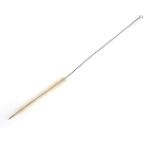 Pipette Brush
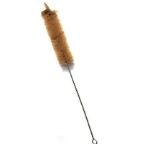 Wash Bottle Brush
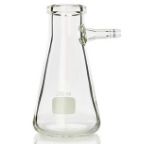 Borosilicate Büchner Flask
 Borosilicate Erlenmeyer/Conical Flask
 Borosilicate Pear-Shaped Flask
 Borosilicate Round Bottom Flask
 Plastic Conical Flask
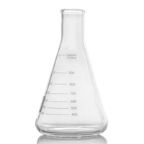 Plastic Volumetric Flask
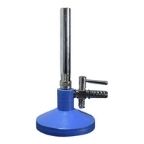 Bunsen Burner
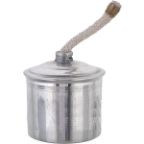 Spirit Lamp
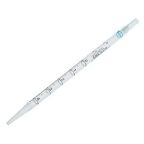 Borosilicate Glass Burette
 Plastic Burette
 Capillary Tube
 Centrifuge Tube
 Test Tube
 Ria Vial
 Vacutainer Tubes
 Syringes
 Student Microscope
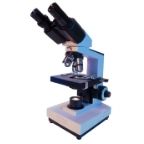 Binocular Microscope
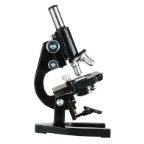 Dissecting Microscope
 Microscope Glass Slides
 Cover Slip
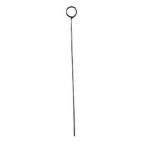 Inoculating Loop
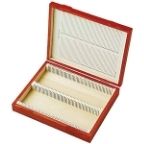 Slide Box
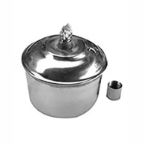 Lamps
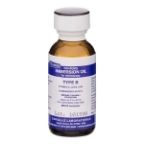 Oils
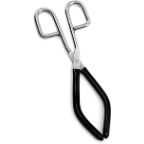 Beaker Tongs
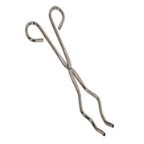 Crucible Tongs
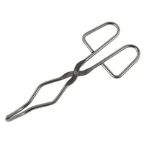 Flask Tongs
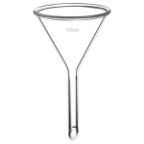 Borosilicate Glass Funnel
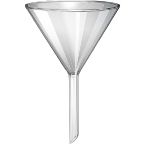 Plastic Funnels
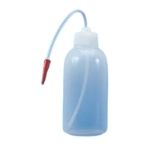 Wash Bottle
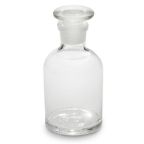 Borosilicate Glass Reagent Bottle
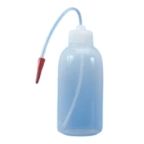 Plastic Reagent Bottle
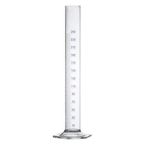 Borosilicate Measuring Cylinder
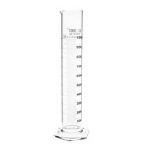 Plastic Measuring Cylinder
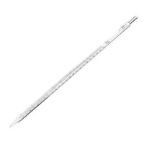 Borosilicate Glass Graduated Pipette
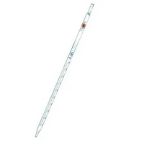 Borosilicate Glass Volumetric Pipette
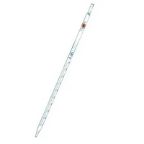 HB Pipette
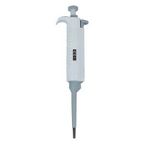 Pasteur Pipette
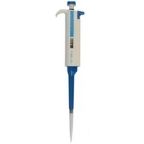 Micropipettes
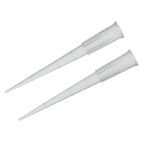 Micropipette Tips
 Filter Paper
 Litmus Paper
 pH Paper
 Chromatography Paper
 Plastic Petri Plates (Sterile)
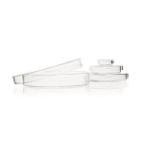 Glass Petri Plates (Non-Sterile)
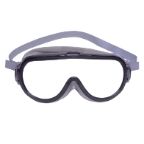 Safety Goggles
 Lab Coats
 Gloves
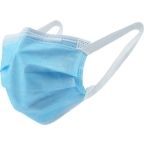 Masks
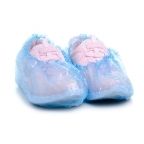 Shoe Covers
 Hair & Beard Covers
 Steel Spatula
 Plastic Spatula
 Hitachi Sample Cup
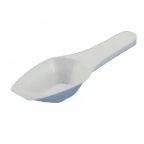 Plastic Scoop
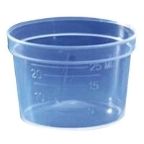 Plastic Medicine Cup
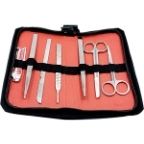 Dissecting Tool Kit
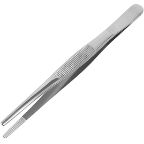 Dissecting Forceps
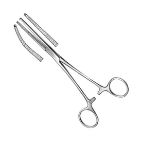 Hemostatic Forceps
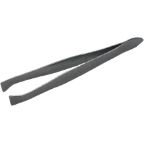 Thumb Forceps / Tweezers
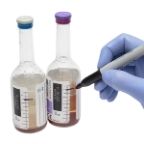 Blood Culture Bottle
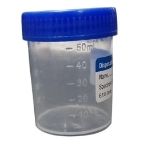 Urine Container
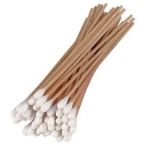 Wooden Swab Stick
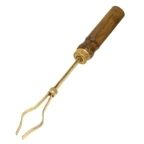 Test Tube Holder
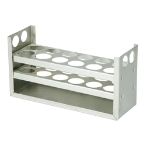 Test Tube Racks
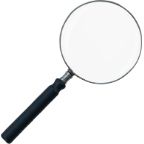 Magnifying Glass
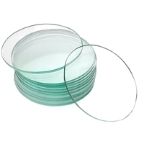 Watch Glass
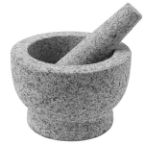 Mortar and Pestle
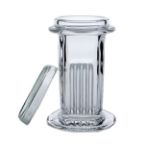 Coplin Jar
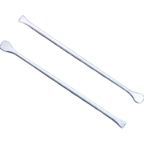 Plastic Stirrer
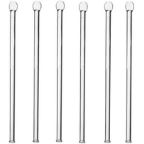 Glass Stirrer
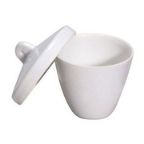 Crucible
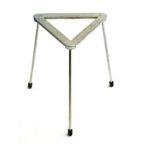 Tripod
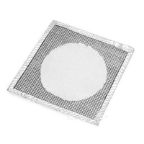 Wire Mesh
 Laboratory Thermometer
 Tourniquet
 Alcohol Swab
 Blood Lancet
 Bandage
 Gloves & Masks









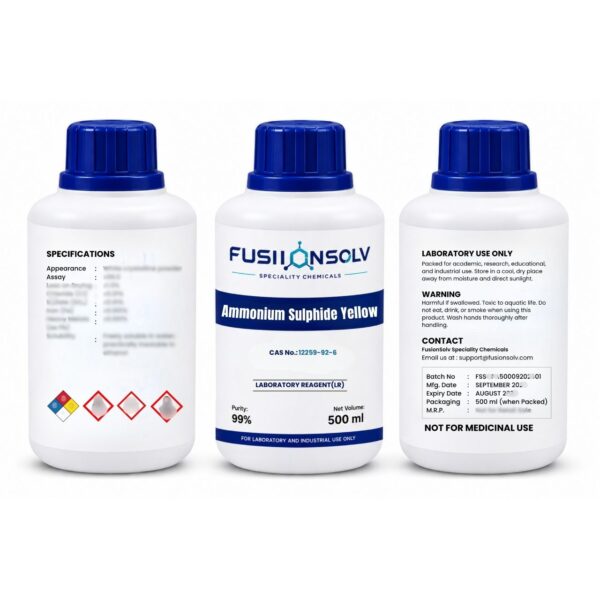
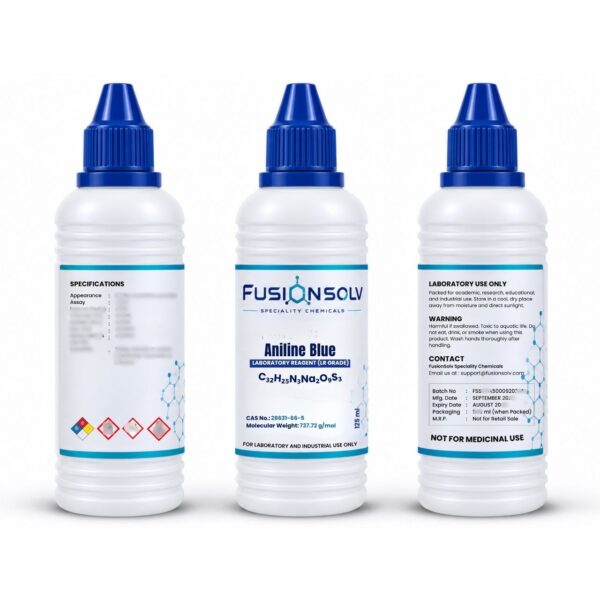
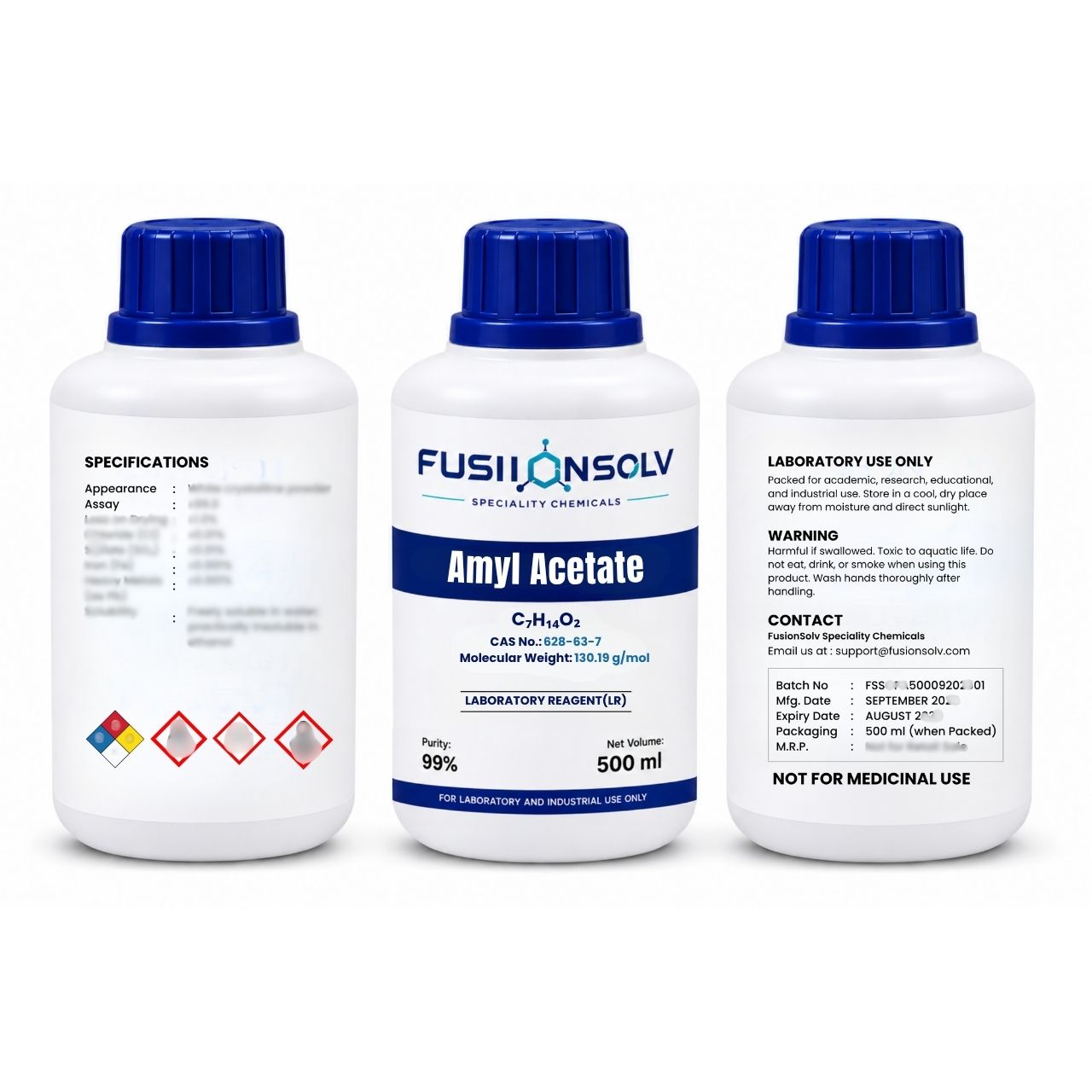







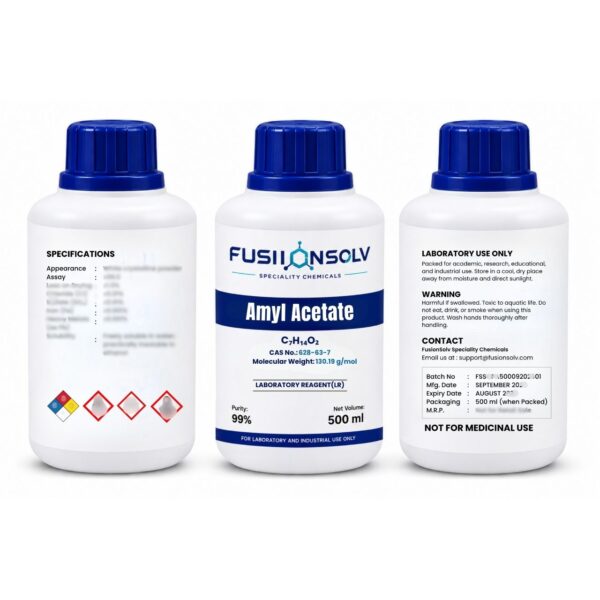
Amyl Acetate is a organic ester solvent used in chemistry, analytical science and supervised educational laboratory work. The material is supplied as colourless liquid, and the common n-amyl acetate identity is used; other amyl acetate isomers require confirmation. Its chemical behaviour makes it relevant to specific protocols rather than every general-purpose experiment. For researchers and teaching staff, understanding the material’s reactivity, preparation and compatibility is important when selecting a suitable procedure. The 500ml Packs presentation identifies the requested pack size, not a separately verified purity or performance grade. Laboratories should confirm the actual supplier formulation, analytical suitability and current safety guidance before use, particularly when a procedure relies on a defined concentration, solvent, or specification. Appropriate instruction, equipment and waste management help support safe experimental practice.
Product Specifications
| Specification | Details |
|---|---|
| Appearance | Colourless liquid |
| Assay | 99% |
| Chemical Name | Amyl Acetate |
| Alternate Names | Pentyl acetate; amyl ethanoate |
| Molecular Formula | C7H14O2 |
| Empirical Formula | C7H14O2 |
| CAS Number | 628-63-7 (n-amyl acetate) |
| Molecular Weight | 130.19 g/mol (n-amyl acetate) |
| Grade | LR Laboratory Reagent |
Key Features of Amyl Acetate
- Ester with limited water solubility
- Volatile liquid with characteristic fruity odour
- Organic solvent for compatible nonpolar substances
- Combustible/flammable liquid requiring ignition control
- Identity should be checked for pentyl acetate isomer
Laboratory Applications of Amyl Acetate
- Solvent-selection practicals for organic compounds
- Demonstration of ester functional-group properties
- Partitioning experiments with aqueous and organic phases
- Sample preparation where an amyl acetate solvent is validated
- Teaching volatility and organic solvent compatibility
Why Choose Lab Wale to Buy Amyl Acetate
Lab Wale offers a way for school, college, university, analytical and research laboratories to source Amyl Acetate alongside other scientific supplies. When choosing this product, verify the label, pack size, chemical identity and any stated solution strength against the laboratory method. For a prepared reagent, check the formulation and storage requirements before ordering. Lab Wale product information can assist with selection, but suitability for a particular experiment depends on the actual specification and the user’s validated procedure.
Frequently Asked Questions About Amyl Acetate
What is Amyl Acetate used for in a laboratory?
Amyl Acetate is associated with solvent-selection practicals for organic compounds and demonstration of ester functional-group properties. Other procedures may be appropriate only with a specified formulation or method. Laboratory personnel should check the intended analytical conditions and assess the relevant hazards before carrying out these activities.
What are the formula and CAS details of Amyl Acetate?
The molecular or composition entry is C7H14O2, and the CAS identification is 628-63-7 (n-amyl acetate). These identifiers refer to the stated chemical identity; verify any named isomer or specific grade when selecting material for analytical work.
How does Amyl Acetate behave in a typical experiment?
The relevant chemistry is that the common n-amyl acetate identity is used; other amyl acetate isomers require confirmation. Experimental observations also depend on sample composition, reagent concentration, temperature and the procedure. Use an appropriate control or reference where the method calls for one, and avoid interpreting a single colour change as conclusive evidence.
Can Amyl Acetate be used in educational laboratories?
Its use may be appropriate in a supervised laboratory when the procedure is scientifically justified, the hazard assessment permits it and staff have suitable protective equipment. Some experiments or chemicals require advanced facilities and should not be presented as routine school practicals.
How should Amyl Acetate be stored and handled?
Store in a flammable-liquid cabinet, away from heat, sparks and strong oxidizers. Avoid inhaling vapours and contact with eyes or skin; use local exhaust ventilation and eliminate ignition sources. Consult the supplier SDS for the exact isomer. Review the current Safety Data Sheet and the laboratory’s spill-response, segregation and disposal protocols before beginning work.
Storage Conditions for Amyl Acetate
Store in a flammable-liquid cabinet, away from heat, sparks and strong oxidizers. Keep the container label legible and observe any supplier-specific shelf-life and material compatibility requirements. Segregate hazardous reagents from incompatible chemicals and restrict access as appropriate.
Precautions for Handling Amyl Acetate
Review the current Safety Data Sheet before use. Avoid inhaling vapours and contact with eyes or skin; use local exhaust ventilation and eliminate ignition sources. Consult the supplier SDS for the exact isomer. Wear appropriate protective clothing, gloves and chemical splash eyewear, and use suitable ventilation for the specific procedure. Avoid inhalation, ingestion and unnecessary contact. Follow documented spill containment, emergency response and waste-disposal procedures. Supervise use in educational laboratories and do not assume all procedures are appropriate for general teaching.


 Cardiology
 Clinical Oncology








Reviews
Clear filtersThere are no reviews yet.