
-
-
 Cardiology
-
 Clinical Oncology
-
 Dental
-
 Dermatology
-
 Ear, Nose, Throat (ENT)
-
 Endocrinology
-
 Gastroenterology
-
 General Surgery
-
 Gynecology & Obstetrics
-
 Interventional Cardiology
-
 Nephrology
-
 Neurology
-
 Oncology Surgery
-
 Ophthalmology
-
 Orthopedics
-
 Pediatrics
-
 Pediatrics Surgery
-
 Physiotherapy
-
 Plastic Surgery
-
 Psychiatry & Psychology
-
 Radiology
-
 Urology
-
 Vascular Surgery
-

 Anatomy Lab Equipments
 Biochemistry Lab Equipments
 Biology Lab Equipments
 Chemistry Lab Equipments
 Cytology Lab Equipments
 Cytopathology Lab Equipments
 Dental Lab Equipments
 Forensic Lab Equipments
 Genetics Lab Equipments
 Hematology Lab Equipments
 Histology Lab Equipments
 Histopathology Lab Equipments
 Mathematics Lab Equipments
 Microbiology Lab Equipments
 Molecular Biology Lab Equipments
 Pathology Lab Equipments
 Pharmaceutical Lab Equipments
 Physics Lab Equipments
 Radiology Lab Equipments
 Science Lab Kit’s
 Toxicology Lab Equipments

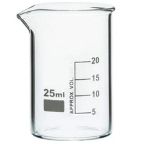 Borosilicate Glass Beaker
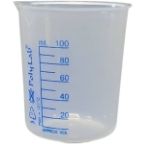 Plastic Beaker (Euro Design)
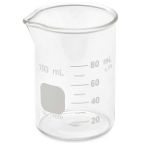 Plastic Beaker (Printed Graduation)
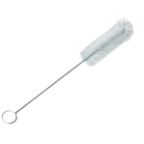 Test Tube Brush
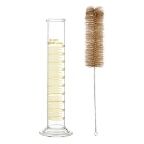 Measuring Cylinder Brush
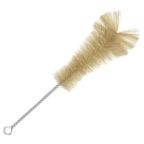 Conical Flask Brush
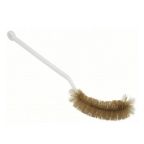 Volumetric Flask Brush
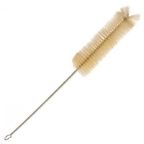 Round Bottom Flask Brush
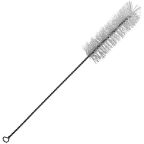 Glass Beaker Brush
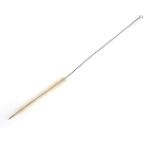 Pipette Brush
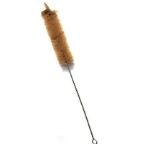 Wash Bottle Brush
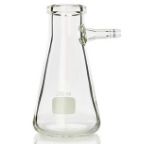 Borosilicate Büchner Flask
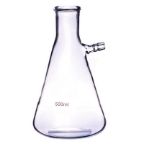 Borosilicate Erlenmeyer/Conical Flask
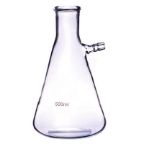 Borosilicate Pear-Shaped Flask
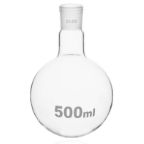 Borosilicate Round Bottom Flask
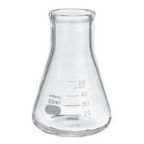 Plastic Conical Flask
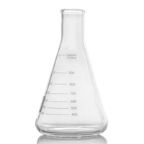 Plastic Volumetric Flask
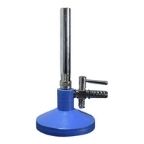 Bunsen Burner
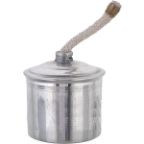 Spirit Lamp
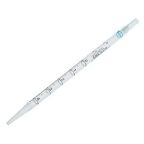 Borosilicate Glass Burette
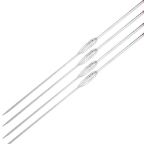 Plastic Burette
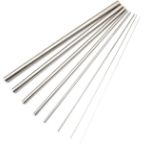 Capillary Tube
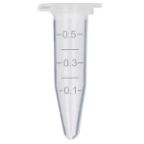 Centrifuge Tube
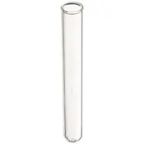 Test Tube
 Ria Vial
 Vacutainer Tubes
 Syringes
 Student Microscope
 Binocular Microscope
 Dissecting Microscope
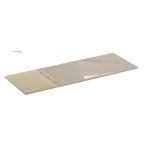 Microscope Glass Slides
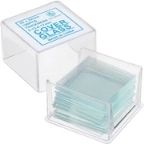 Cover Slip
 Inoculating Loop
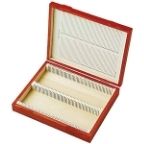 Slide Box
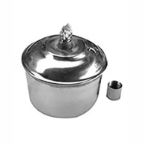 Lamps
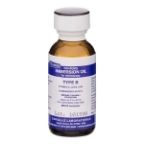 Oils
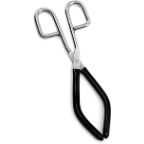 Beaker Tongs
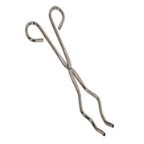 Crucible Tongs
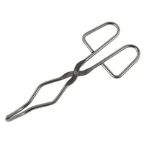 Flask Tongs
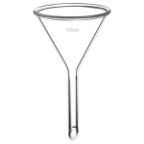 Borosilicate Glass Funnel
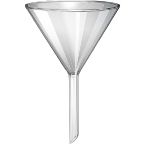 Plastic Funnels
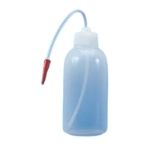 Wash Bottle
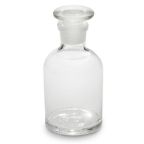 Borosilicate Glass Reagent Bottle
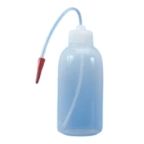 Plastic Reagent Bottle
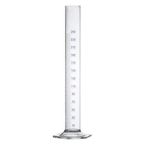 Borosilicate Measuring Cylinder
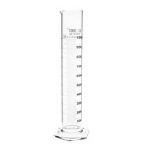 Plastic Measuring Cylinder
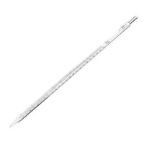 Borosilicate Glass Graduated Pipette
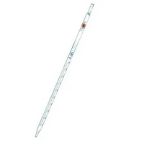 Borosilicate Glass Volumetric Pipette
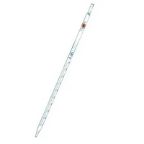 HB Pipette
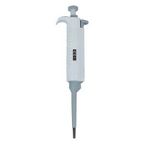 Pasteur Pipette
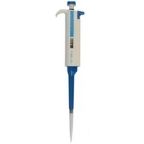 Micropipettes
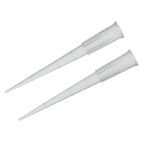 Micropipette Tips
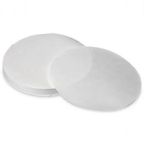 Filter Paper
 Litmus Paper
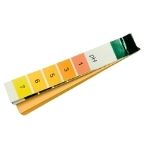 pH Paper
 Chromatography Paper
 Plastic Petri Plates (Sterile)
 Glass Petri Plates (Non-Sterile)
 Safety Goggles
 Lab Coats
 Gloves
 Masks
 Shoe Covers
 Hair & Beard Covers
 Steel Spatula
 Plastic Spatula
 Hitachi Sample Cup
 Plastic Scoop
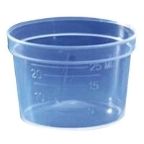 Plastic Medicine Cup
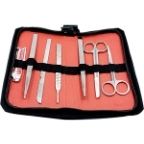 Dissecting Tool Kit
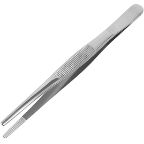 Dissecting Forceps
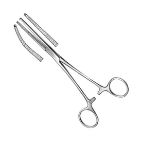 Hemostatic Forceps
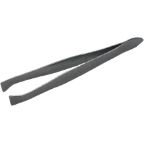 Thumb Forceps / Tweezers
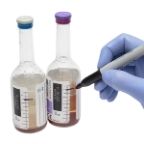 Blood Culture Bottle
 Urine Container
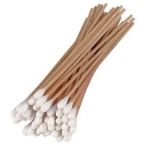 Wooden Swab Stick
 Test Tube Holder
 Test Tube Racks
 Magnifying Glass
 Watch Glass
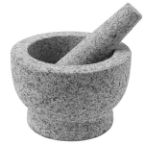 Mortar and Pestle
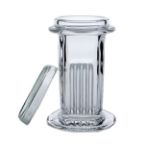 Coplin Jar
 Plastic Stirrer
 Glass Stirrer
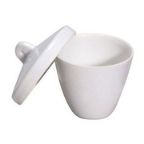 Crucible
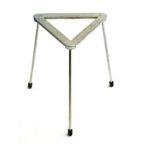 Tripod
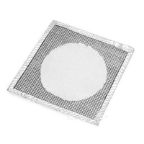 Wire Mesh
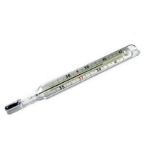 Laboratory Thermometer
 Tourniquet
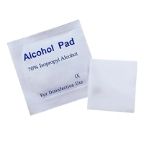 Alcohol Swab
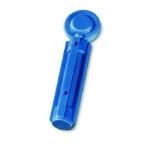 Blood Lancet
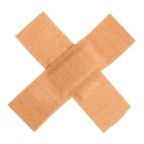 Bandage
 Gloves & Masks









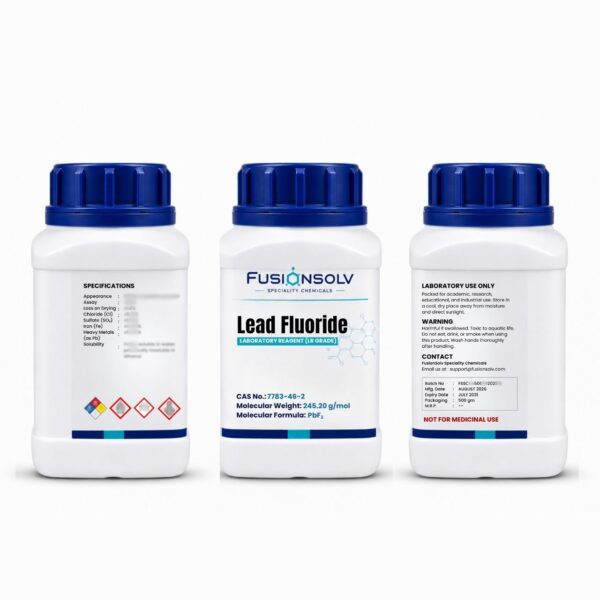
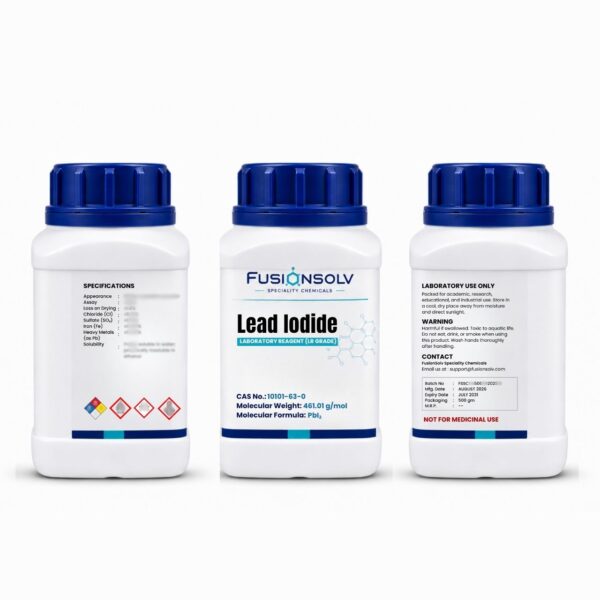
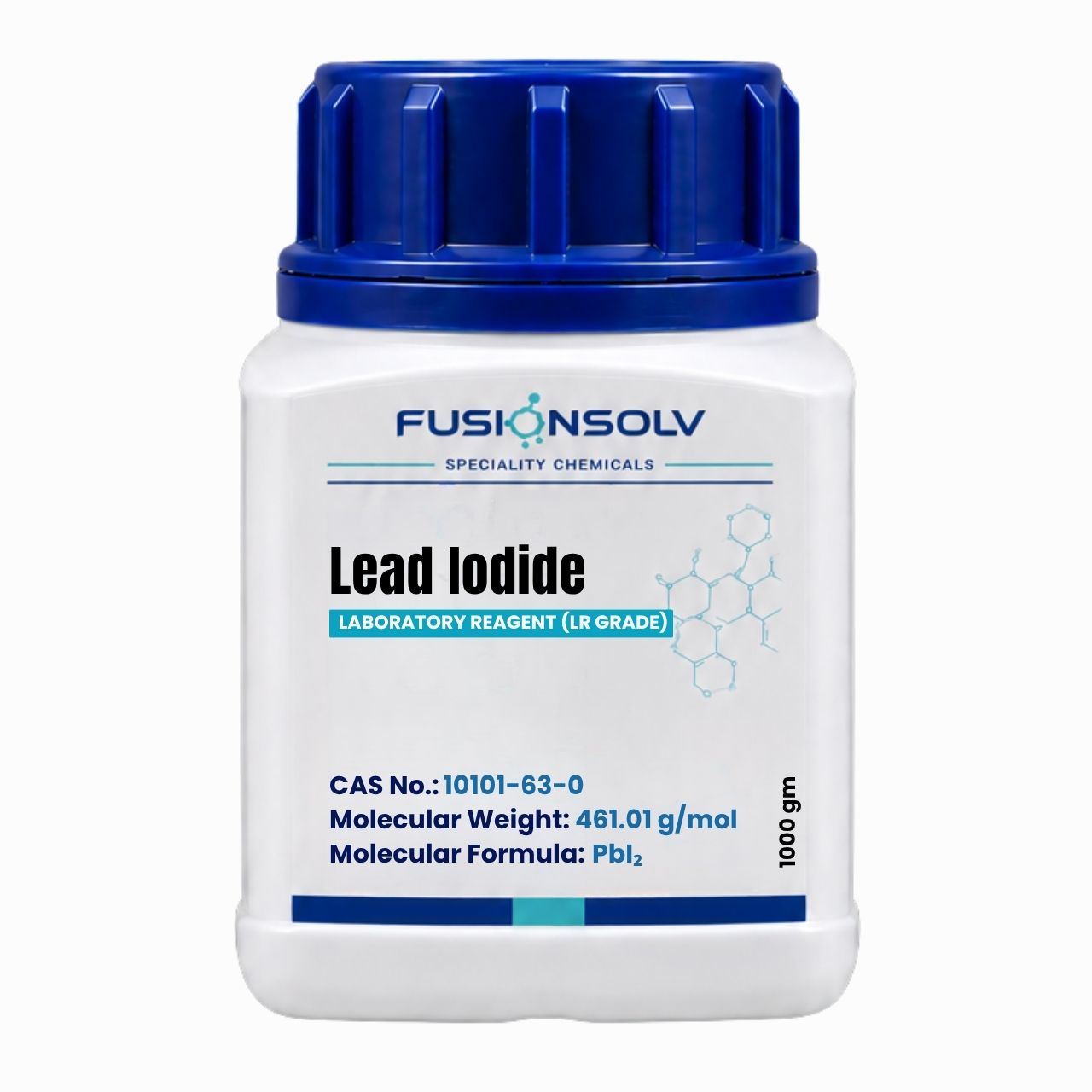








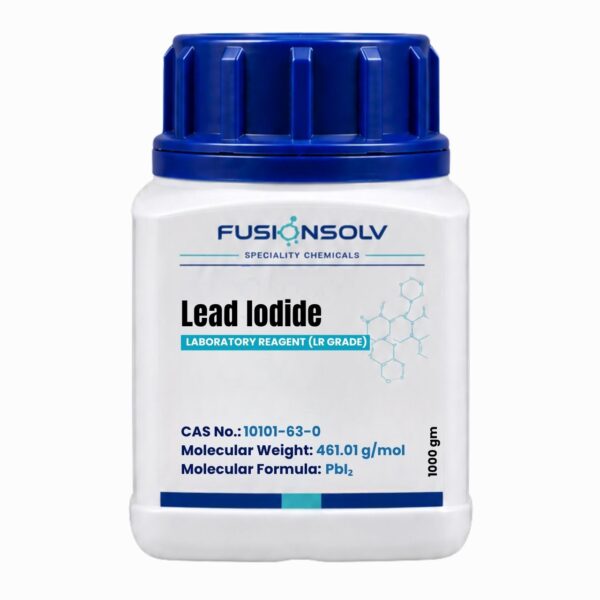
Lead Iodide is an inorganic laboratory material supplied in a 1 Kg pack for controlled analytical, educational, and research workflows. Its specified chemical identity is lead(ii) iodide, and its characteristic physical appearance is bright yellow crystalline powder. Researchers may use this material in iodide precipitation demonstrations, lead halide crystal research, and comparative investigations of lead-containing compounds. Chemical behaviour depends on composition, particle form, reaction medium, and experimental conditions; its characteristic yellow precipitate can recrystallize on cooling. This material is intended only for trained laboratory personnel using approved procedures, suitable engineering controls, and regulated waste management. All lead compounds and lead metal require careful exposure prevention because lead can cause serious health effects. Confirm the precise identity, composition, and safety documentation against the actual container label before choosing a method or calculating reagent quantities.
Product Specifications
| Appearance | Bright yellow crystalline powder |
|---|---|
| Assay | 99% |
| Chemical Name | Lead(II) iodide |
| Alternate Names | Plumbous iodide |
| Molecular Formula | PbI2 |
| Empirical Formula | PbI2 |
| CAS Number | 10101-63-0 |
| Molecular Weight | 461.01 g/mol |
| Grade | LR Laboratory Reagent |
Key Features of Lead Iodide
- Identified as lead(ii) iodide for laboratory reference and experimental planning.
- Physical form: bright yellow crystalline powder, suitable for documented bench-scale handling.
- Pack size: 1 Kg for laboratory inventory and controlled dispensing.
- Relevant to iodide precipitation demonstrations under established laboratory protocols.
- Requires lead-specific exposure controls and hazardous-waste procedures.
Laboratory Applications of Lead Iodide
- Iodide precipitation demonstrations in appropriately equipped laboratories.
- Lead halide crystal research with validated methods.
- Comparative evaluation of lead(ii) iodide in inorganic chemistry.
- Observation of phase, solubility, or reactivity changes under controlled conditions.
- Academic reference experiments involving lead-containing materials and safe waste capture.
Why Choose Lab Wale to Buy Lead Iodide
Lab Wale presents Lead Iodide in a clearly identified 1 Kg pack to support laboratory procurement and stock planning. The listing highlights chemical identity, typical physical form, and relevant research contexts so users can assess compatibility with their experimental requirements. Before use, compare the product label and supplier documentation with your method, particularly where composition or oxidation state matters. Lead-containing materials should be ordered and handled only by facilities equipped for exposure control and hazardous waste disposal.
Frequently Asked Questions About Lead Iodide
What is Lead Iodide used for?
Lead Iodide is used in controlled laboratory investigations such as iodide precipitation demonstrations and lead halide crystal research. The suitability of any particular procedure depends on the exact chemical identity, sample purity, and applicable safety requirements.
What is the chemical formula of Lead Iodide?
The listed molecular formula is PbI2. Its characteristic yellow precipitate can recrystallize on cooling. Confirm the composition on the product label before making stoichiometric calculations or preparing a defined solution.
How should Lead Iodide be handled?
Use a suitable fume hood or other validated containment, chemical-resistant gloves, protective eyewear, and a laboratory coat. Prevent inhalation, ingestion, and surface contamination, and follow site-specific lead exposure controls.
Can Lead Iodide be disposed of in normal waste?
No. Collect solids, contaminated consumables, and solutions as regulated lead-containing hazardous waste. Do not release residues to drains or general refuse. Follow institutional waste procedures and applicable local regulations.
What should be checked before ordering Lead Iodide?
Check the required compound, chemical form, pack size (1 Kg), and analytical method compatibility. Confirm identity, assay, and grade from the actual supplier label or technical documentation rather than assuming all similarly named lead materials are interchangeable.
Storage Conditions for Lead Iodide
Store Lead Iodide in a tightly closed, clearly labelled container within a secure, designated chemical storage area. Keep away from incompatible substances, heat, and conditions that could generate dust or contamination. Restrict access to authorized personnel and use secondary containment where appropriate. Follow the product-specific safety data sheet and site chemical segregation rules.
Precautions for Handling Lead Iodide
Lead-containing materials are toxic and can cause serious harm through repeated exposure. Avoid generating or breathing dust, swallowing material, and transferring contamination to skin or work surfaces. Handle only in approved laboratory containment with suitable gloves, eye protection, and protective clothing. Never eat or drink in work areas. Wash thoroughly after handling, monitor exposure where required, and collect all residues as hazardous lead waste. Consult the current product safety data sheet before use.





 Cardiology
 Clinical Oncology








Reviews
Clear filtersThere are no reviews yet.