
-
-
 Cardiology
-
 Clinical Oncology
-
 Dental
-
 Dermatology
-
 Ear, Nose, Throat (ENT)
-
 Endocrinology
-
 Gastroenterology
-
 General Surgery
-
 Gynecology & Obstetrics
-
 Interventional Cardiology
-
 Nephrology
-
 Neurology
-
 Oncology Surgery
-
 Ophthalmology
-
 Orthopedics
-
 Pediatrics
-
 Pediatrics Surgery
-
 Physiotherapy
-
 Plastic Surgery
-
 Psychiatry & Psychology
-
 Radiology
-
 Urology
-
 Vascular Surgery
-

 Anatomy Lab Equipments
 Biochemistry Lab Equipments
 Biology Lab Equipments
 Chemistry Lab Equipments
 Cytology Lab Equipments
 Cytopathology Lab Equipments
 Dental Lab Equipments
 Forensic Lab Equipments
 Genetics Lab Equipments
 Hematology Lab Equipments
 Histology Lab Equipments
 Histopathology Lab Equipments
 Mathematics Lab Equipments
 Microbiology Lab Equipments
 Molecular Biology Lab Equipments
 Pathology Lab Equipments
 Pharmaceutical Lab Equipments
 Physics Lab Equipments
 Radiology Lab Equipments
 Science Lab Kit’s
 Toxicology Lab Equipments

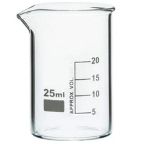 Borosilicate Glass Beaker
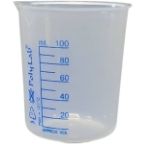 Plastic Beaker (Euro Design)
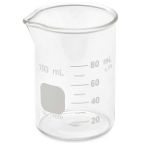 Plastic Beaker (Printed Graduation)
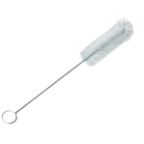 Test Tube Brush
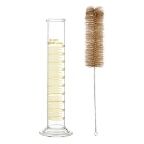 Measuring Cylinder Brush
 Conical Flask Brush
 Volumetric Flask Brush
 Round Bottom Flask Brush
 Glass Beaker Brush
 Pipette Brush
 Wash Bottle Brush
 Borosilicate Büchner Flask
 Borosilicate Erlenmeyer/Conical Flask
 Borosilicate Pear-Shaped Flask
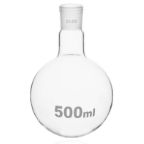 Borosilicate Round Bottom Flask
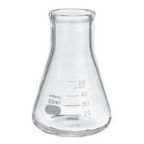 Plastic Conical Flask
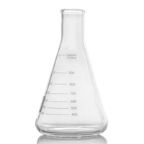 Plastic Volumetric Flask
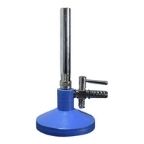 Bunsen Burner
 Spirit Lamp
 Borosilicate Glass Burette
 Plastic Burette
 Capillary Tube
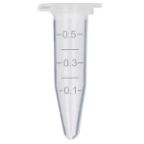 Centrifuge Tube
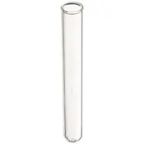 Test Tube
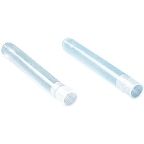 Ria Vial
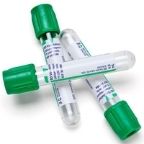 Vacutainer Tubes
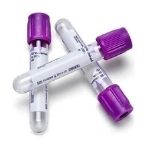 Syringes
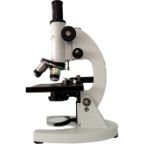 Student Microscope
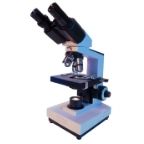 Binocular Microscope
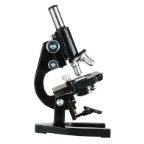 Dissecting Microscope
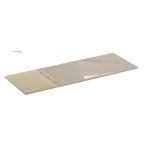 Microscope Glass Slides
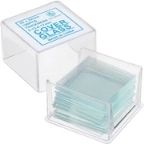 Cover Slip
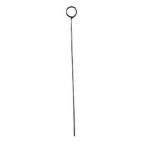 Inoculating Loop
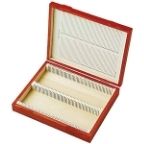 Slide Box
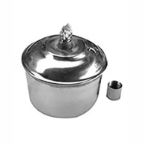 Lamps
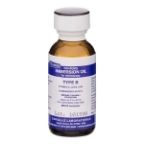 Oils
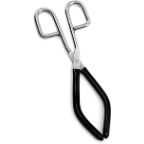 Beaker Tongs
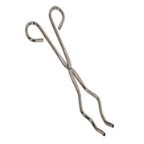 Crucible Tongs
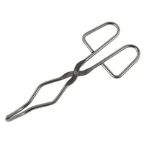 Flask Tongs
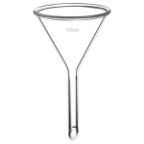 Borosilicate Glass Funnel
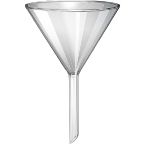 Plastic Funnels
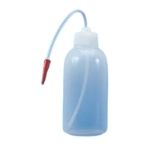 Wash Bottle
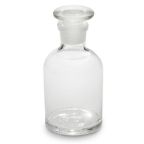 Borosilicate Glass Reagent Bottle
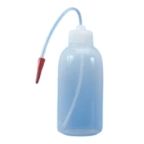 Plastic Reagent Bottle
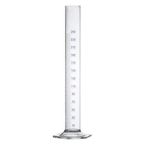 Borosilicate Measuring Cylinder
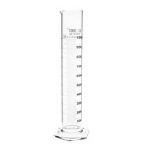 Plastic Measuring Cylinder
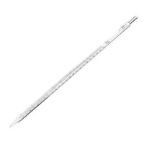 Borosilicate Glass Graduated Pipette
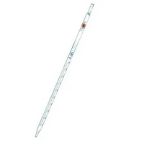 Borosilicate Glass Volumetric Pipette
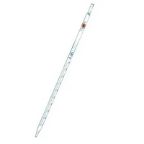 HB Pipette
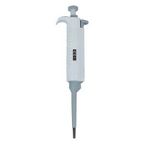 Pasteur Pipette
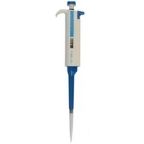 Micropipettes
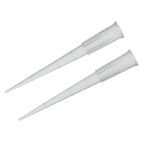 Micropipette Tips
 Filter Paper
 Litmus Paper
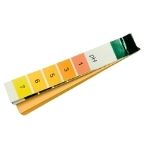 pH Paper
 Chromatography Paper
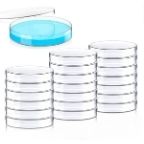 Plastic Petri Plates (Sterile)
 Glass Petri Plates (Non-Sterile)
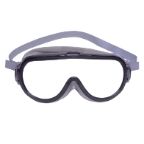 Safety Goggles
 Lab Coats
 Gloves
 Masks
 Shoe Covers
 Hair & Beard Covers
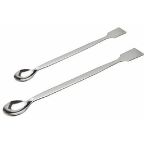 Steel Spatula
 Plastic Spatula
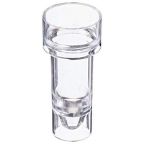 Hitachi Sample Cup
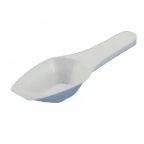 Plastic Scoop
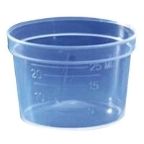 Plastic Medicine Cup
 Dissecting Tool Kit
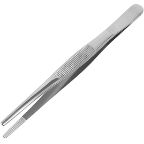 Dissecting Forceps
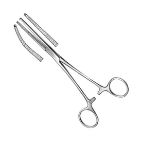 Hemostatic Forceps
 Thumb Forceps / Tweezers
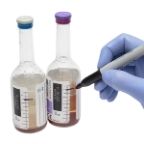 Blood Culture Bottle
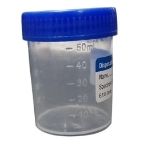 Urine Container
 Wooden Swab Stick
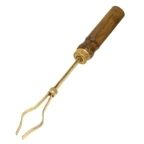 Test Tube Holder
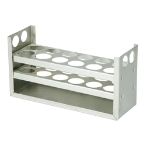 Test Tube Racks
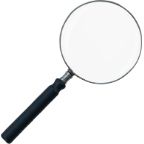 Magnifying Glass
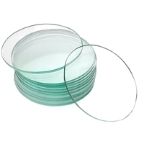 Watch Glass
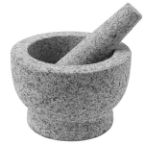 Mortar and Pestle
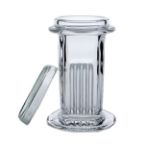 Coplin Jar
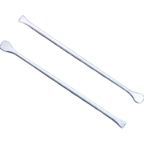 Plastic Stirrer
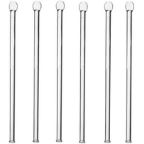 Glass Stirrer
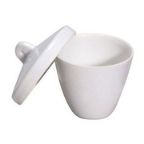 Crucible
 Tripod
 Wire Mesh
 Laboratory Thermometer
 Tourniquet
 Alcohol Swab
 Blood Lancet
 Bandage
 Gloves & Masks









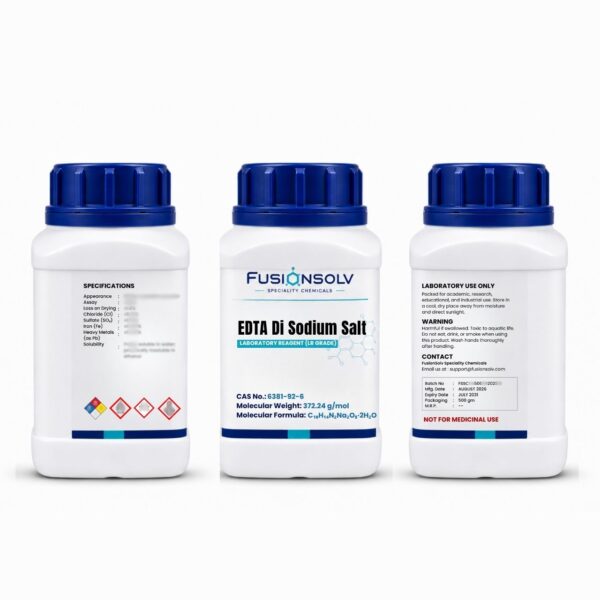
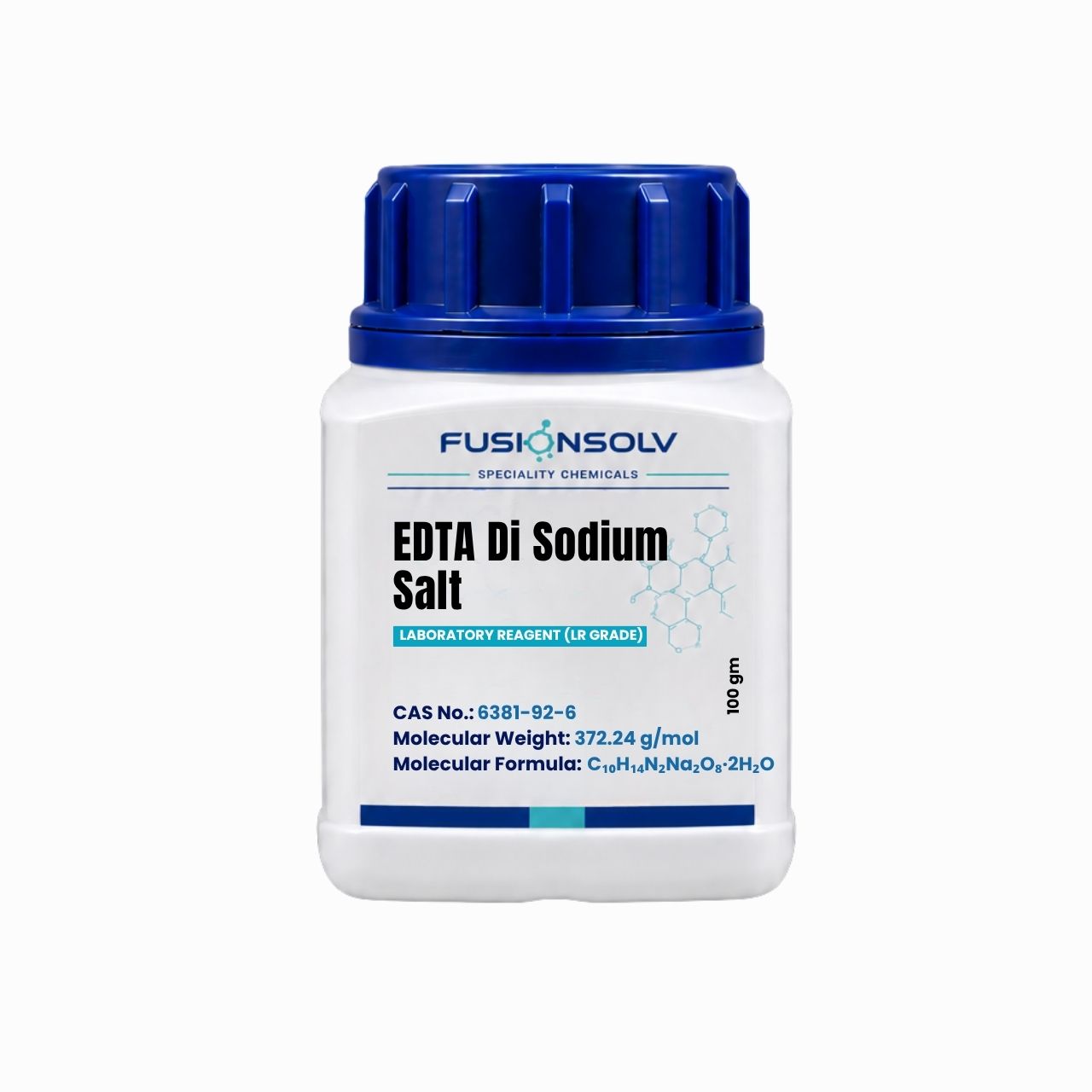








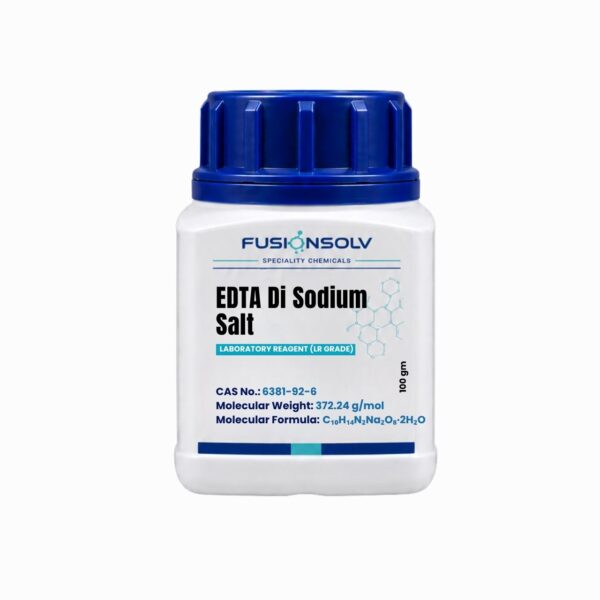
EDTA Disodium Salt is a water-soluble chelating agent widely used in analytical chemistry, chemical research, and laboratory solution preparation. Chemically known as disodium ethylenediaminetetraacetate, it binds metal ions such as calcium, magnesium, and iron through coordination with its nitrogen and oxygen donor atoms. This metal-binding property makes EDTA Disodium Salt valuable in complexometric titrations, water hardness determination, metal-ion analysis, and experiments investigating coordination chemistry. It is also used in selected buffer systems, sample preparation procedures, and research protocols where controlling the availability of metal ions is important. EDTA Disodium Salt is commonly supplied as a white crystalline powder and is soluble in water. The exact molecular formula and molecular weight depend on whether the material is anhydrous or the dihydrate. Laboratories should confirm the chemical form and product specifications before preparing solutions or conducting quantitative experiments.
Product Specifications
| Specification | Details |
|---|---|
| Appearance | White crystalline powder |
| Assay | 99% |
| Chemical Name | EDTA Disodium Salt |
| Alternate Names | Disodium EDTA, Disodium Ethylenediaminetetraacetate, Ethylenediaminetetraacetic Acid Disodium Salt, Disodium Edetate |
| Molecular Formula | C₁₀H₁₄N₂Na₂O₈·2H₂O (dihydrate) |
| Empirical Formula | C₅H₉NNaO₅ (dihydrate composition reduced to the simplest whole-number ratio) |
| CAS Number | 6381-92-6 (dihydrate) |
| Molecular Weight | 372.24 g/mol (dihydrate) |
| Grade | LR Laboratory Reagent |
Key Features of EDTA Disodium Salt
- Functions as a chelating agent that forms coordination complexes with various metal ions.
- Water-soluble crystalline material suitable for preparing aqueous laboratory solutions.
- Used in complexometric titrations and experiments involving metal-ion concentration and coordination chemistry.
- Useful for investigating water hardness and the effects of calcium and magnesium ions in analytical chemistry practicals.
- Available for routine educational and research laboratory applications, subject to the stated product grade and method-specific requirements.
Laboratory Applications of EDTA Disodium Salt
- Complexometric titration: Used in EDTA titration experiments to determine the concentration of selected metal ions in aqueous samples.
- Water hardness analysis: Applied in laboratory procedures for estimating calcium and magnesium content in water samples using an appropriate buffer and indicator system.
- Coordination chemistry experiments: Supports educational investigations into chelation, metal complexes, and the influence of pH on complex formation.
- Analytical sample preparation: Used in selected methods to bind interfering metal ions or control metal-ion availability when the procedure permits EDTA addition.
- Research and solution preparation: Used in suitable laboratory buffers and experimental solutions where metal-ion chelation is required, with formulation and pH adjusted to the specific protocol.
Why Choose Lab Wale to Buy EDTA Disodium Salt
Lab Wale is a sourcing option for laboratory chemicals and scientific supplies used by schools, colleges, universities, research centres, and analytical laboratories. When purchasing EDTA Disodium Salt, check the chemical form, pack size, grade, and available product specifications to ensure compatibility with your experimental method. Reviewing relevant technical and safety documentation helps laboratories select and handle the material appropriately. Lab Wale supports institutional and laboratory purchasing requirements by providing access to a range of scientific supplies for educational and research applications.
Frequently Asked Questions About EDTA Disodium Salt
What is EDTA Disodium Salt used for in laboratories?
EDTA Disodium Salt is primarily used as a chelating agent in analytical chemistry. Common applications include complexometric titrations, determination of water hardness, metal-ion analysis, coordination chemistry experiments, and selected research procedures where binding calcium, magnesium, or other metal ions is necessary.
What is the chemical formula of EDTA Disodium Salt?
The anhydrous form has the molecular formula C₁₀H₁₄N₂Na₂O₈, while the commonly used dihydrate has the formula C₁₀H₁₄N₂Na₂O₈·2H₂O. The dihydrate has a molecular weight of approximately 372.24 g/mol, compared with 336.21 g/mol for the anhydrous form.
What is the CAS number of EDTA Disodium Salt?
The CAS number 139-33-3 identifies anhydrous EDTA Disodium Salt, while 6381-92-6 identifies its dihydrate. Because these forms differ in water content and molecular weight, laboratories should confirm which form is supplied before using the substance in calculations, solution preparation, or procurement records.
Why is EDTA Disodium Salt used in water hardness determination?
EDTA forms stable complexes with calcium and magnesium ions, which contribute to water hardness. In a standard complexometric titration, a measured sample is titrated with an EDTA solution using a suitable pH buffer and indicator. The endpoint helps determine the hardness, provided the procedure and reagent concentrations are appropriate.
How should EDTA Disodium Salt be stored and handled safely?
Keep the material in a tightly closed, clearly labelled container in a cool, dry, well-ventilated area. Minimise dust formation and avoid contact with eyes and unnecessary skin exposure. Wear suitable laboratory gloves and safety goggles, consult the current Safety Data Sheet, and follow institutional procedures for spills and chemical waste disposal.
Storage Conditions for EDTA Disodium Salt
Store EDTA Disodium Salt in a tightly closed, compatible container in a cool, dry, well-ventilated location, protected from excessive moisture and contamination. Keep the material properly labelled and segregated from incompatible substances according to the applicable safety guidance. Avoid unnecessary dust formation during handling, and follow the product-specific Safety Data Sheet for any additional storage requirements.
Precautions for Handling EDTA Disodium Salt
Review the current Safety Data Sheet before use and wear suitable laboratory gloves, safety goggles, and protective clothing. Avoid generating or inhaling dust and prevent unnecessary contact with skin and eyes. Use appropriate laboratory ventilation when weighing or transferring powdered material. Prepare solutions using the specified chemical form and appropriate calculations, and manage spills and waste according to institutional procedures and applicable regulations.






 Cardiology
 Clinical Oncology








Reviews
Clear filtersThere are no reviews yet.