
-
-
 Cardiology
-
 Clinical Oncology
-
 Dental
-
 Dermatology
-
 Ear, Nose, Throat (ENT)
-
 Endocrinology
-
 Gastroenterology
-
 General Surgery
-
 Gynecology & Obstetrics
-
 Interventional Cardiology
-
 Nephrology
-
 Neurology
-
 Oncology Surgery
-
 Ophthalmology
-
 Orthopedics
-
 Pediatrics
-
 Pediatrics Surgery
-
 Physiotherapy
-
 Plastic Surgery
-
 Psychiatry & Psychology
-
 Radiology
-
 Urology
-
 Vascular Surgery
-

 Anatomy Lab Equipments
 Biochemistry Lab Equipments
 Biology Lab Equipments
 Chemistry Lab Equipments
 Cytology Lab Equipments
 Cytopathology Lab Equipments
 Dental Lab Equipments
 Forensic Lab Equipments
 Genetics Lab Equipments
 Hematology Lab Equipments
 Histology Lab Equipments
 Histopathology Lab Equipments
 Mathematics Lab Equipments
 Microbiology Lab Equipments
 Molecular Biology Lab Equipments
 Pathology Lab Equipments
 Pharmaceutical Lab Equipments
 Physics Lab Equipments
 Radiology Lab Equipments
 Science Lab Kit’s
 Toxicology Lab Equipments

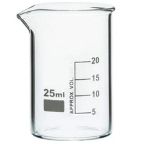 Borosilicate Glass Beaker
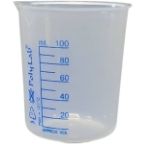 Plastic Beaker (Euro Design)
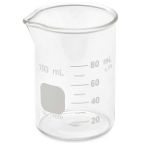 Plastic Beaker (Printed Graduation)
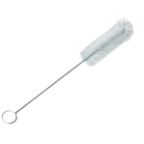 Test Tube Brush
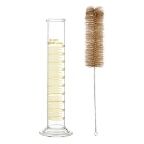 Measuring Cylinder Brush
 Conical Flask Brush
 Volumetric Flask Brush
 Round Bottom Flask Brush
 Glass Beaker Brush
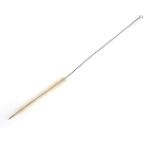 Pipette Brush
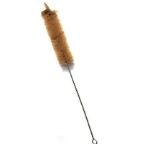 Wash Bottle Brush
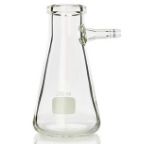 Borosilicate Büchner Flask
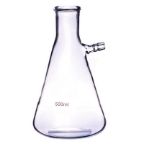 Borosilicate Erlenmeyer/Conical Flask
 Borosilicate Pear-Shaped Flask
 Borosilicate Round Bottom Flask
 Plastic Conical Flask
 Plastic Volumetric Flask
 Bunsen Burner
 Spirit Lamp
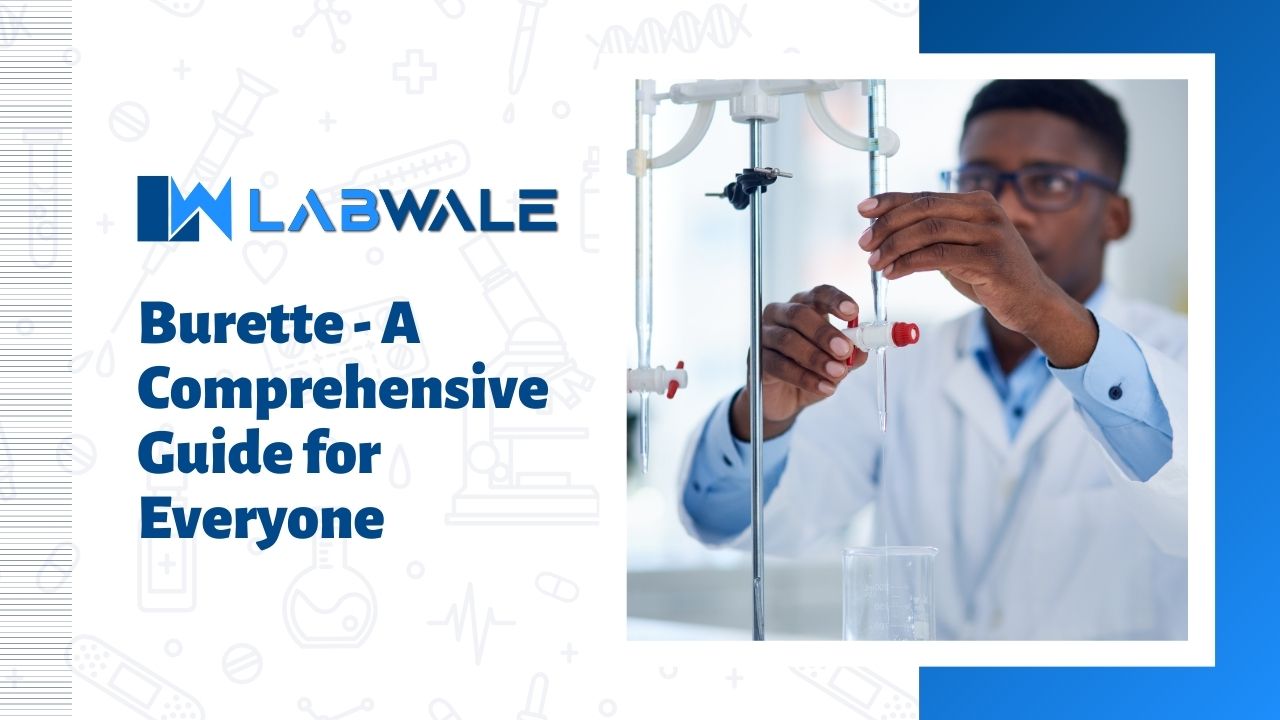
 Borosilicate Glass Burette
 Plastic Burette
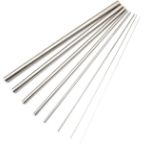 Capillary Tube
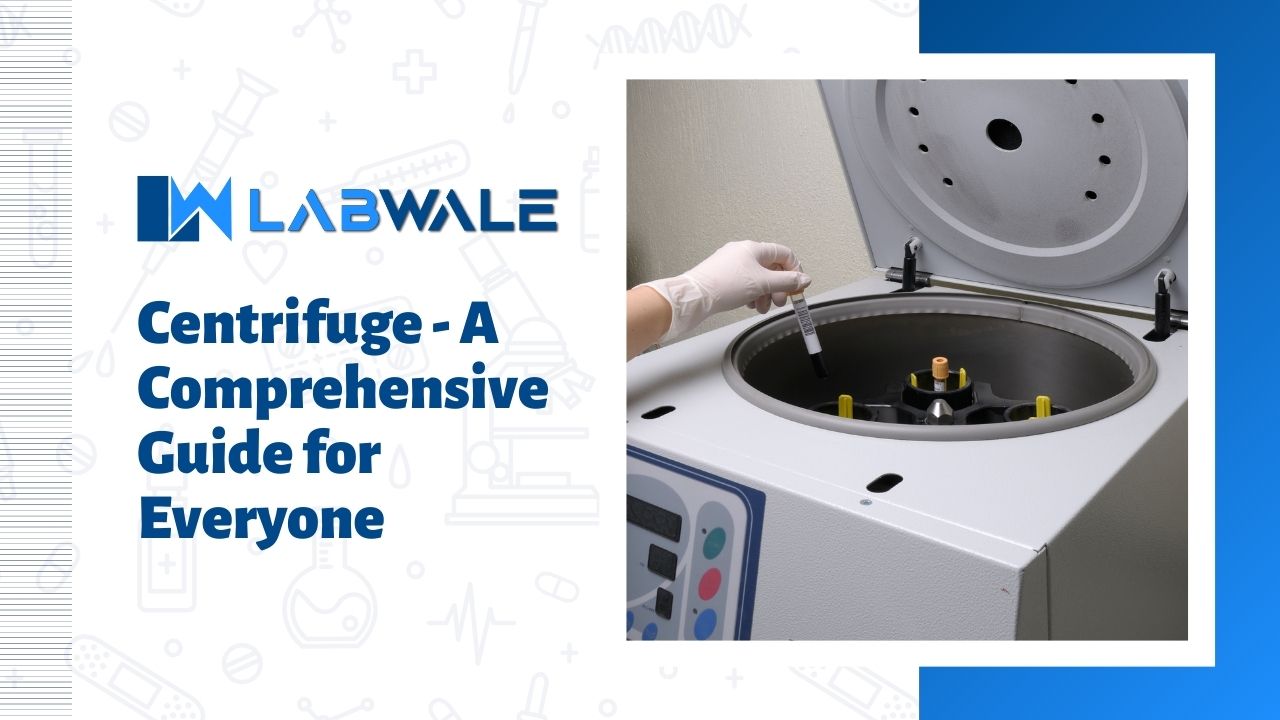
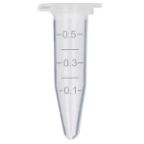 Centrifuge Tube
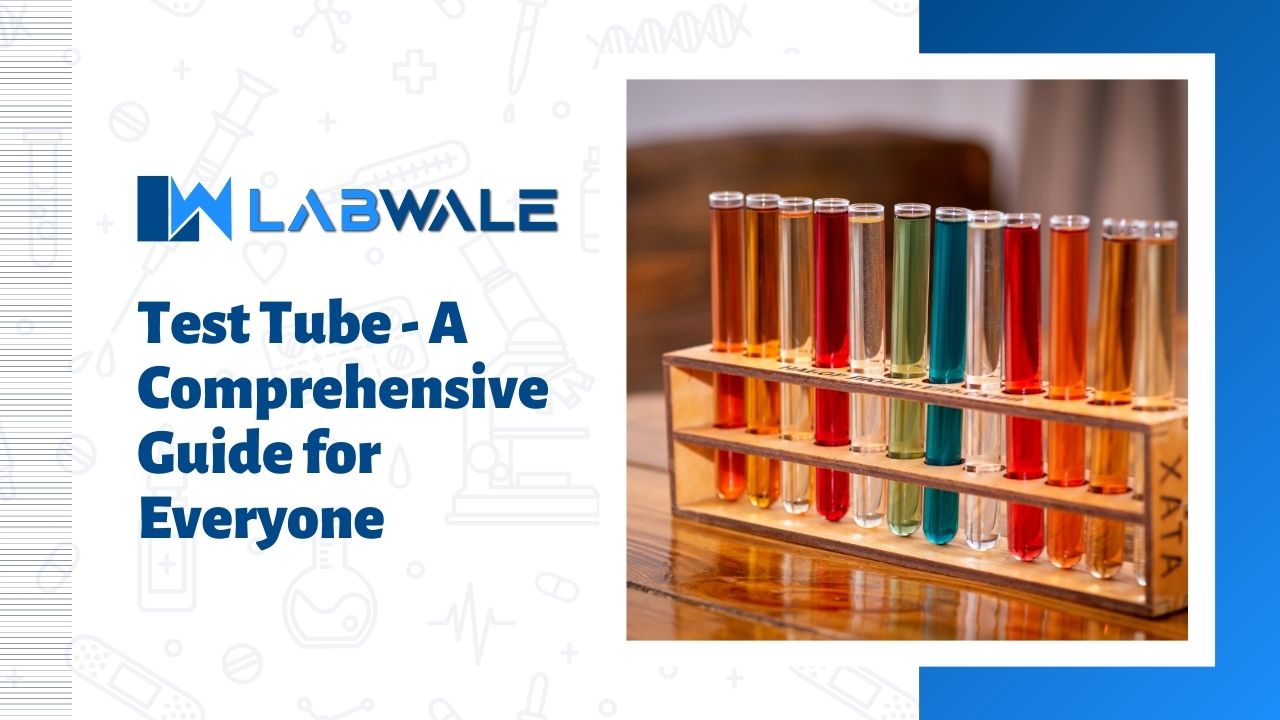
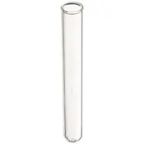 Test Tube
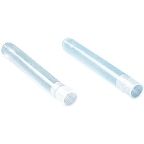 Ria Vial
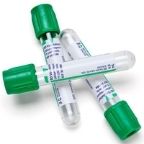 Vacutainer Tubes
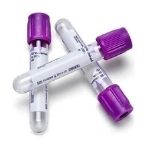 Syringes
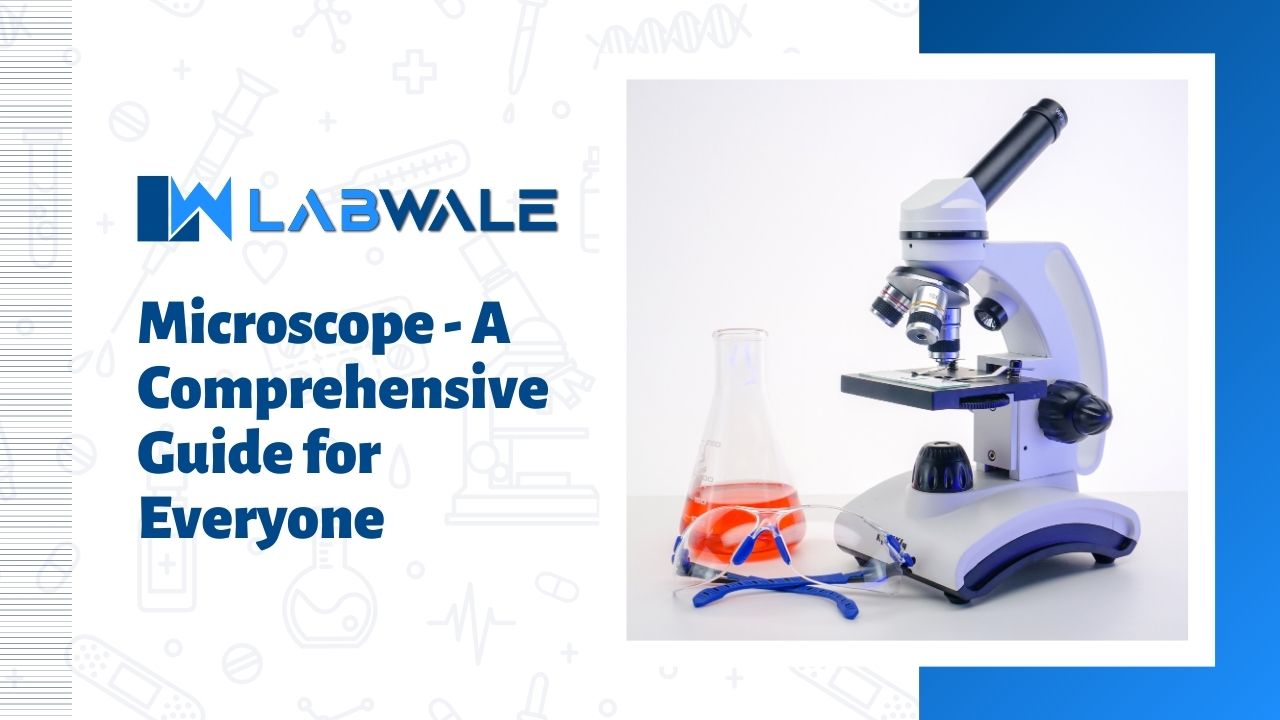
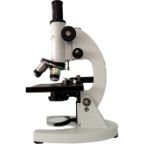 Student Microscope
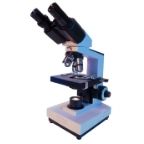 Binocular Microscope
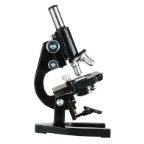 Dissecting Microscope
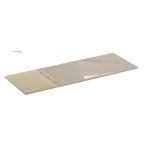 Microscope Glass Slides
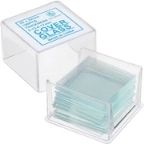 Cover Slip
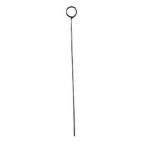 Inoculating Loop
 Slide Box
 Lamps
 Oils
 Beaker Tongs
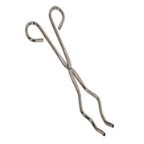 Crucible Tongs
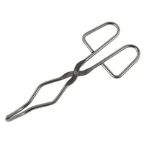 Flask Tongs
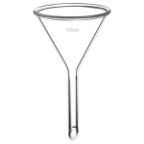 Borosilicate Glass Funnel
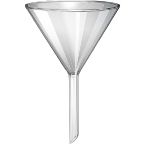 Plastic Funnels
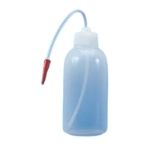 Wash Bottle
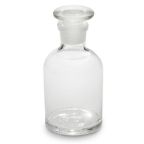 Borosilicate Glass Reagent Bottle
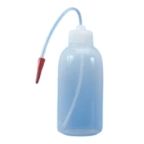 Plastic Reagent Bottle
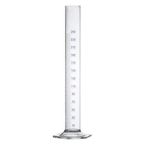 Borosilicate Measuring Cylinder
 Plastic Measuring Cylinder
 Borosilicate Glass Graduated Pipette
 Borosilicate Glass Volumetric Pipette
 HB Pipette
 Pasteur Pipette
 Micropipettes
 Micropipette Tips
 Filter Paper
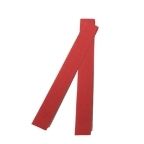 Litmus Paper
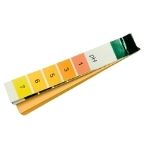 pH Paper
 Chromatography Paper
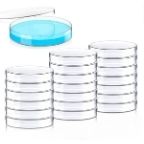 Plastic Petri Plates (Sterile)
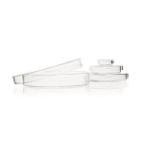 Glass Petri Plates (Non-Sterile)
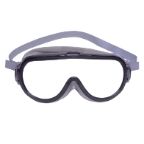 Safety Goggles
 Lab Coats
 Gloves
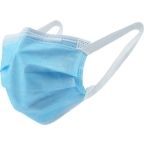 Masks
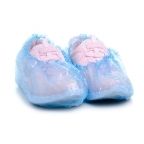 Shoe Covers
 Hair & Beard Covers
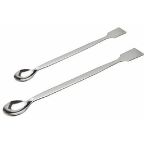 Steel Spatula
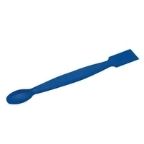 Plastic Spatula
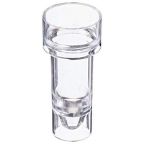 Hitachi Sample Cup
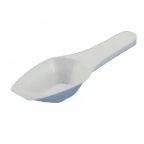 Plastic Scoop
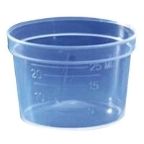 Plastic Medicine Cup
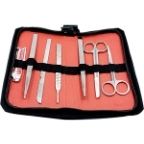 Dissecting Tool Kit
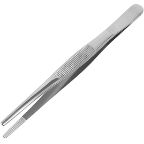 Dissecting Forceps
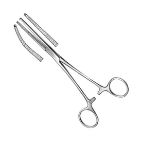 Hemostatic Forceps
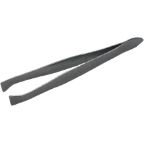 Thumb Forceps / Tweezers
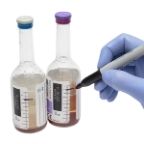 Blood Culture Bottle
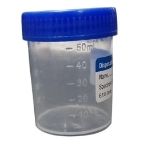 Urine Container
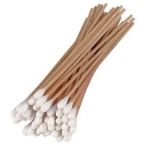 Wooden Swab Stick
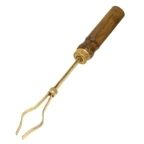 Test Tube Holder
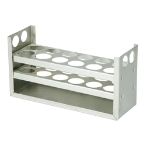 Test Tube Racks
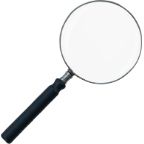 Magnifying Glass
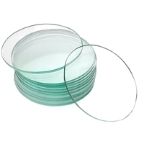 Watch Glass
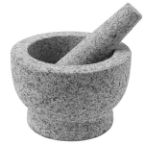 Mortar and Pestle
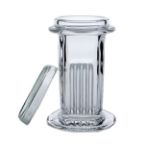 Coplin Jar
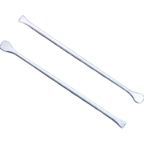 Plastic Stirrer
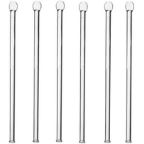 Glass Stirrer
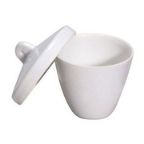 Crucible
 Tripod
 Wire Mesh
 Laboratory Thermometer
 Tourniquet
 Alcohol Swab
 Blood Lancet
 Bandage
 Gloves & Masks









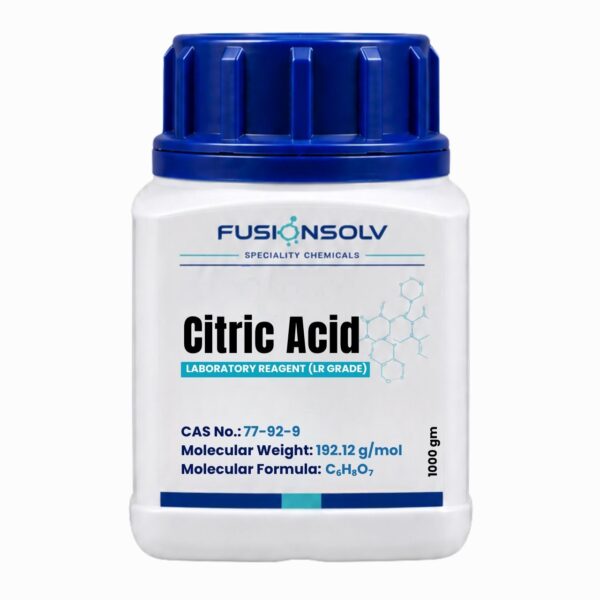
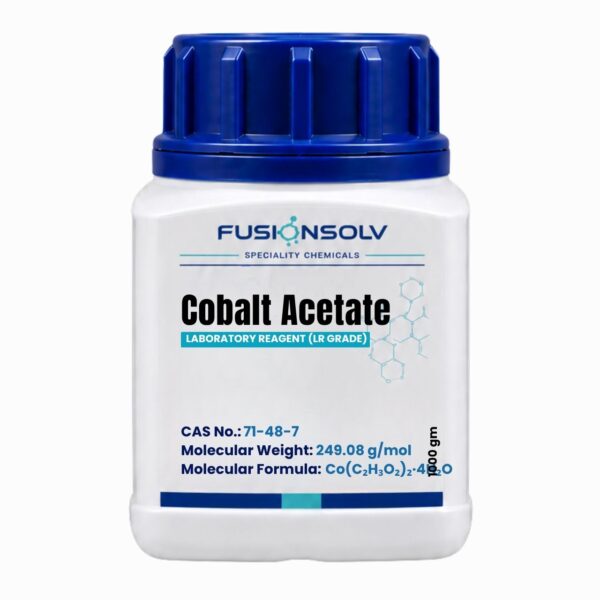
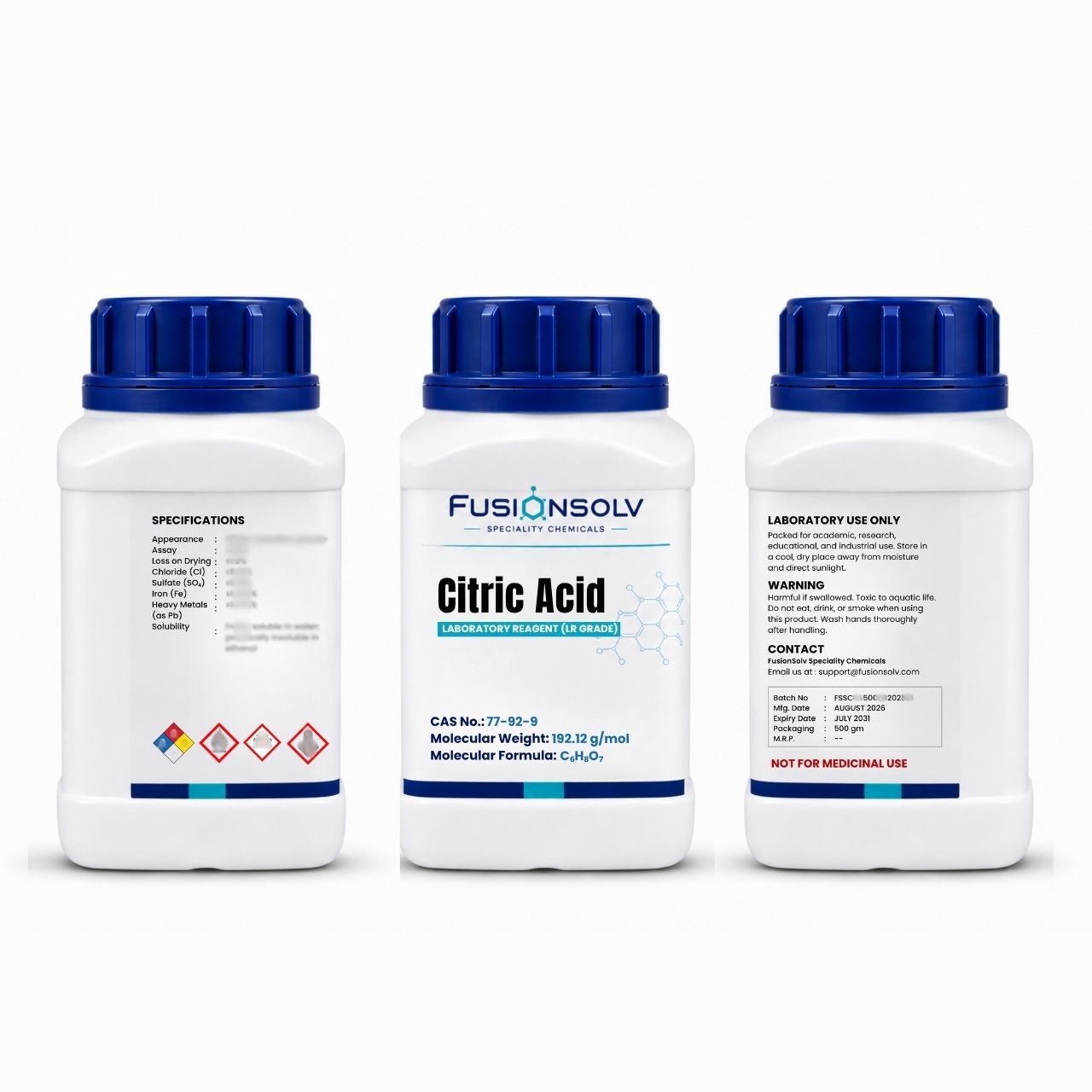







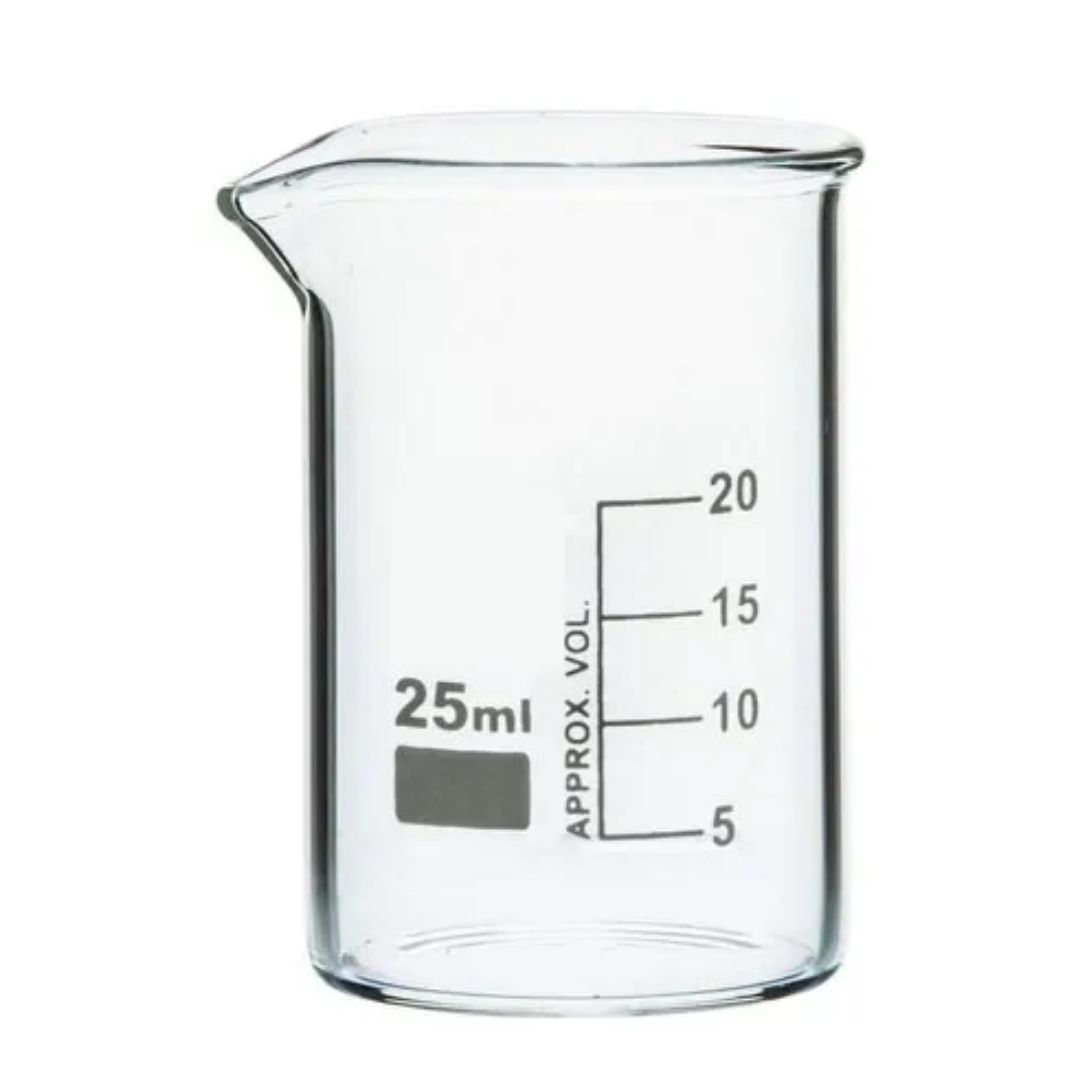
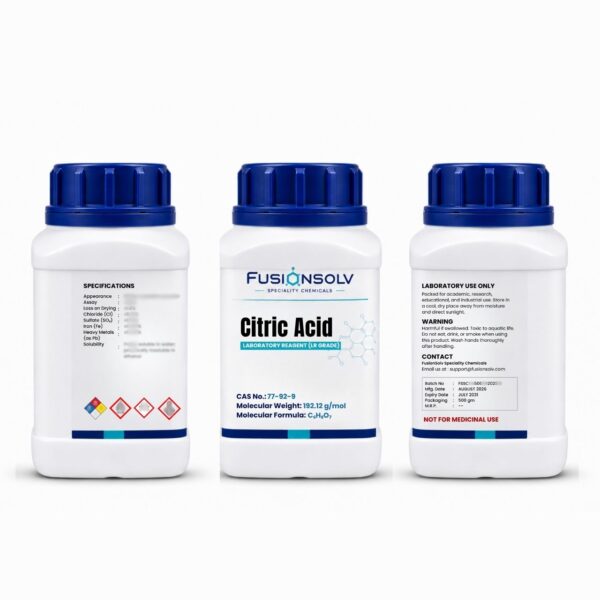
Citric Acid Extra Pure is an organic tricarboxylic acid widely used in laboratory research, analytical chemistry, and chemical preparation procedures. It contains three carboxylic acid groups and one hydroxyl group, making it useful in acid–base studies, buffer preparation, and investigations involving complex formation with metal ions. Citric acid typically appears as a white crystalline solid and is available in anhydrous and monohydrate forms, which differ in molecular weight and water content. Lab Wale offers Citric Acid Extra Pure in a 500 gram pack for laboratory, educational, and research requirements. Before quantitative use, confirm whether the supplied material is anhydrous or monohydrate to ensure accurate calculations. Appropriate handling, clean dispensing equipment, and suitable storage practices help maintain the reagent’s condition and laboratory suitability.
Product Specifications
| Specification | Details |
|---|---|
| Appearance | White crystalline solid |
| Assay | 99% |
| Chemical Name | Citric Acid |
| Alternate Names | 2-Hydroxypropane-1,2,3-tricarboxylic acid |
| Molecular Formula | C₆H₈O₇ (anhydrous form) |
| Empirical Formula | C₆H₈O₇ (anhydrous form) |
| CAS Number | 77-92-9 (anhydrous form) |
| Molecular Weight | 192.12 g/mol (anhydrous form) |
| Grade | LR Laboratory Reagent |
Key Features of Citric Acid Extra Pure
- Organic tricarboxylic acid suitable for a range of laboratory investigations.
- White crystalline material commonly used in chemical preparation procedures.
- Contains three carboxylic acid groups and one hydroxyl group.
- Useful for acid–base studies, buffer preparation, and selected complexation experiments.
- Supplied in a convenient 500 gram pack for laboratory inventory and research requirements.
Laboratory Applications of Citric Acid Extra Pure
- Preparation of citrate buffer solutions for suitable laboratory procedures.
- Acid–base chemistry experiments and investigations of solution behaviour.
- Complexation studies involving citrate and selected metal ions.
- Educational demonstrations of polyprotic acids and neutralization reactions.
- Analytical and research procedures that specify citric acid as a reagent.
Why Choose Lab Wale to Buy Citric Acid Extra Pure
Lab Wale supplies laboratory reagents for research, educational, and analytical environments. The 500 gram pack of Citric Acid Extra Pure offers a practical quantity for laboratories conducting buffer preparation, acid–base experiments, and other procedures requiring citric acid. Its chemical characteristics make it useful across a range of laboratory applications. Before use, verify the hydration state and product specifications required by your method, particularly for quantitative work, and follow appropriate handling and storage practices.
Frequently Asked Questions About Citric Acid Extra Pure
1. What is Citric Acid Extra Pure?
Citric Acid is an organic acid containing three carboxylic acid groups and one hydroxyl group. It is used in laboratory chemistry for buffer preparation, acid–base studies, and selected investigations involving metal-ion complexation.
2. What is the pack size of this product?
This listing is for a 500 gram pack intended for laboratory and research requirements. Use clean, suitable dispensing equipment when weighing the reagent, and keep the remaining material in a tightly closed, clearly labelled container.
3. What are the laboratory applications of Citric Acid?
Citric acid is used in buffer preparation, acid–base experiments, complexation studies, and educational demonstrations involving polyprotic acids. Its suitability depends on the method, required grade, and whether the anhydrous or monohydrate form is specified.
4. What is the difference between anhydrous Citric Acid and Citric Acid Monohydrate?
Anhydrous citric acid contains no water of crystallization, while the monohydrate contains one water molecule per citric acid molecule. Their molecular weights differ, so the specified form must be used for accurate weighing and solution preparation.
5. How should Citric Acid Extra Pure be stored?
Store the reagent in a tightly closed, clearly labelled container in a cool, dry place. Protect it from moisture and contamination, and follow product-specific storage guidance. Wear suitable protective equipment during weighing and routine laboratory handling.
Storage Conditions for Citric Acid Extra Pure
Store Citric Acid Extra Pure in a tightly sealed, clearly labelled container in a cool, dry, well-ventilated area. Protect it from moisture, contamination, and incompatible materials. Use clean dispensing tools and close the container promptly after each use to help maintain its condition and suitability for laboratory procedures.
Precautions for Handling Citric Acid Extra Pure
Handle Citric Acid Extra Pure using standard laboratory safety practices. Wear appropriate protective gloves, safety goggles, and a laboratory coat, and avoid generating or inhaling dust. Prevent contact with eyes and prolonged contact with skin. Use suitable ventilation during weighing or transfer, wash hands after handling, and clean spills promptly using approved procedures. Dispose of laboratory residues in accordance with institutional and local chemical-waste requirements.




 Cardiology
 Clinical Oncology








Reviews
Clear filtersThere are no reviews yet.