
-
-
 Cardiology
-
 Clinical Oncology
-
 Dental
-
 Dermatology
-
 Ear, Nose, Throat (ENT)
-
 Endocrinology
-
 Gastroenterology
-
 General Surgery
-
 Gynecology & Obstetrics
-
 Interventional Cardiology
-
 Nephrology
-
 Neurology
-
 Oncology Surgery
-
 Ophthalmology
-
 Orthopedics
-
 Pediatrics
-
 Pediatrics Surgery
-
 Physiotherapy
-
 Plastic Surgery
-
 Psychiatry & Psychology
-
 Radiology
-
 Urology
-
 Vascular Surgery
-

 Anatomy Lab Equipments
 Biochemistry Lab Equipments
 Biology Lab Equipments
 Chemistry Lab Equipments
 Cytology Lab Equipments
 Cytopathology Lab Equipments
 Dental Lab Equipments
 Forensic Lab Equipments
 Genetics Lab Equipments
 Hematology Lab Equipments
 Histology Lab Equipments
 Histopathology Lab Equipments
 Mathematics Lab Equipments
 Microbiology Lab Equipments
 Molecular Biology Lab Equipments
 Pathology Lab Equipments
 Pharmaceutical Lab Equipments
 Physics Lab Equipments
 Radiology Lab Equipments
 Science Lab Kit’s
 Toxicology Lab Equipments

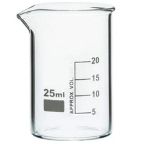 Borosilicate Glass Beaker
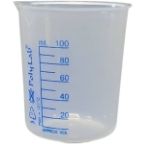 Plastic Beaker (Euro Design)
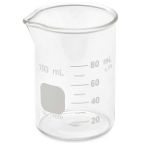 Plastic Beaker (Printed Graduation)
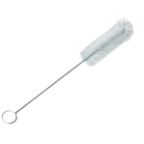 Test Tube Brush
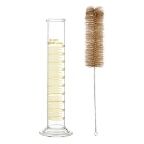 Measuring Cylinder Brush
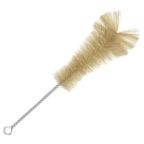 Conical Flask Brush
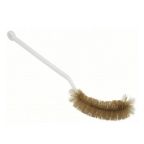 Volumetric Flask Brush
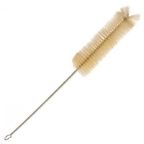 Round Bottom Flask Brush
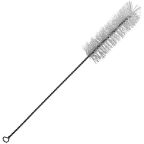 Glass Beaker Brush
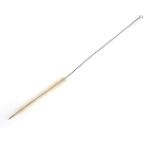 Pipette Brush
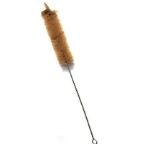 Wash Bottle Brush
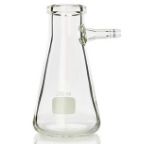 Borosilicate Büchner Flask
 Borosilicate Erlenmeyer/Conical Flask
 Borosilicate Pear-Shaped Flask
 Borosilicate Round Bottom Flask
 Plastic Conical Flask
 Plastic Volumetric Flask
 Bunsen Burner
 Spirit Lamp
 Borosilicate Glass Burette
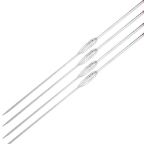 Plastic Burette
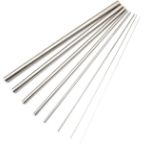 Capillary Tube
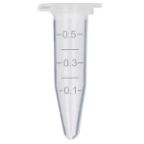 Centrifuge Tube
 Test Tube
 Ria Vial
 Vacutainer Tubes
 Syringes
 Student Microscope
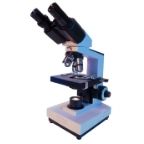 Binocular Microscope
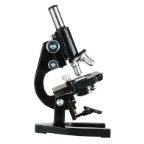 Dissecting Microscope
 Microscope Glass Slides
 Cover Slip
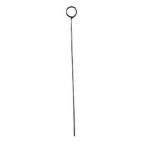 Inoculating Loop
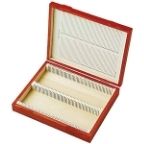 Slide Box
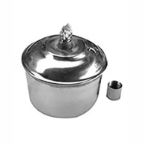 Lamps
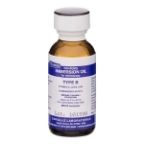 Oils
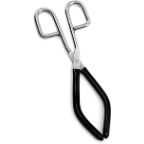 Beaker Tongs
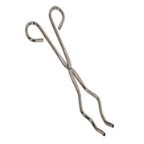 Crucible Tongs
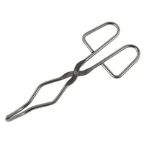 Flask Tongs
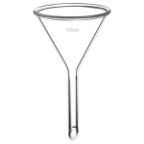 Borosilicate Glass Funnel
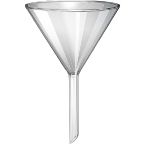 Plastic Funnels
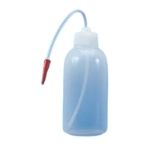 Wash Bottle
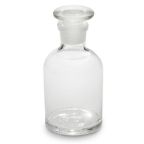 Borosilicate Glass Reagent Bottle
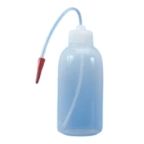 Plastic Reagent Bottle
 Borosilicate Measuring Cylinder
 Plastic Measuring Cylinder
 Borosilicate Glass Graduated Pipette
 Borosilicate Glass Volumetric Pipette
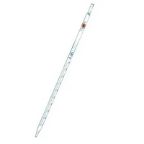 HB Pipette
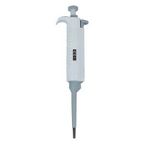 Pasteur Pipette
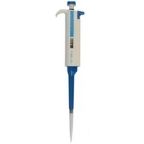 Micropipettes
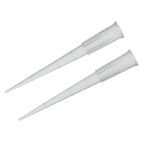 Micropipette Tips
 Filter Paper
 Litmus Paper
 pH Paper
 Chromatography Paper
 Plastic Petri Plates (Sterile)
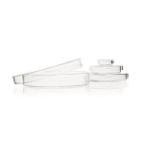 Glass Petri Plates (Non-Sterile)
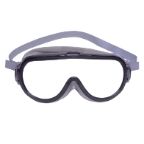 Safety Goggles
 Lab Coats
 Gloves
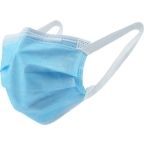 Masks
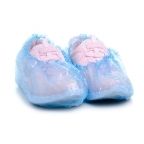 Shoe Covers
 Hair & Beard Covers
 Steel Spatula
 Plastic Spatula
 Hitachi Sample Cup
 Plastic Scoop
 Plastic Medicine Cup
 Dissecting Tool Kit
 Dissecting Forceps
 Hemostatic Forceps
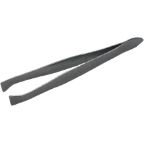 Thumb Forceps / Tweezers
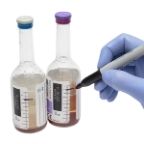 Blood Culture Bottle
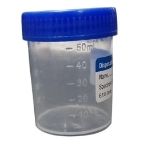 Urine Container
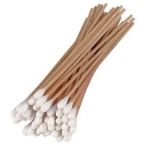 Wooden Swab Stick
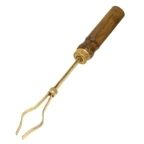 Test Tube Holder
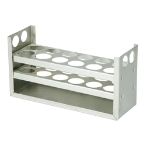 Test Tube Racks
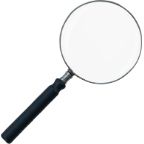 Magnifying Glass
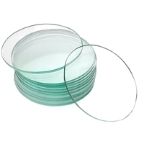 Watch Glass
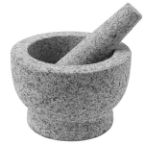 Mortar and Pestle
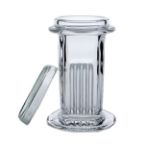 Coplin Jar
 Plastic Stirrer
 Glass Stirrer
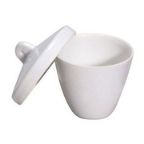 Crucible
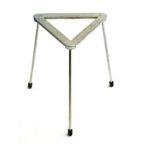 Tripod
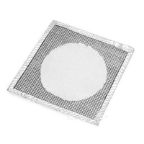 Wire Mesh
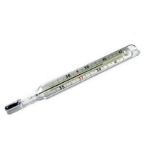 Laboratory Thermometer
 Tourniquet
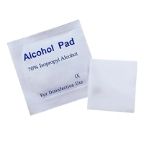 Alcohol Swab
 Blood Lancet
 Bandage
 Gloves & Masks









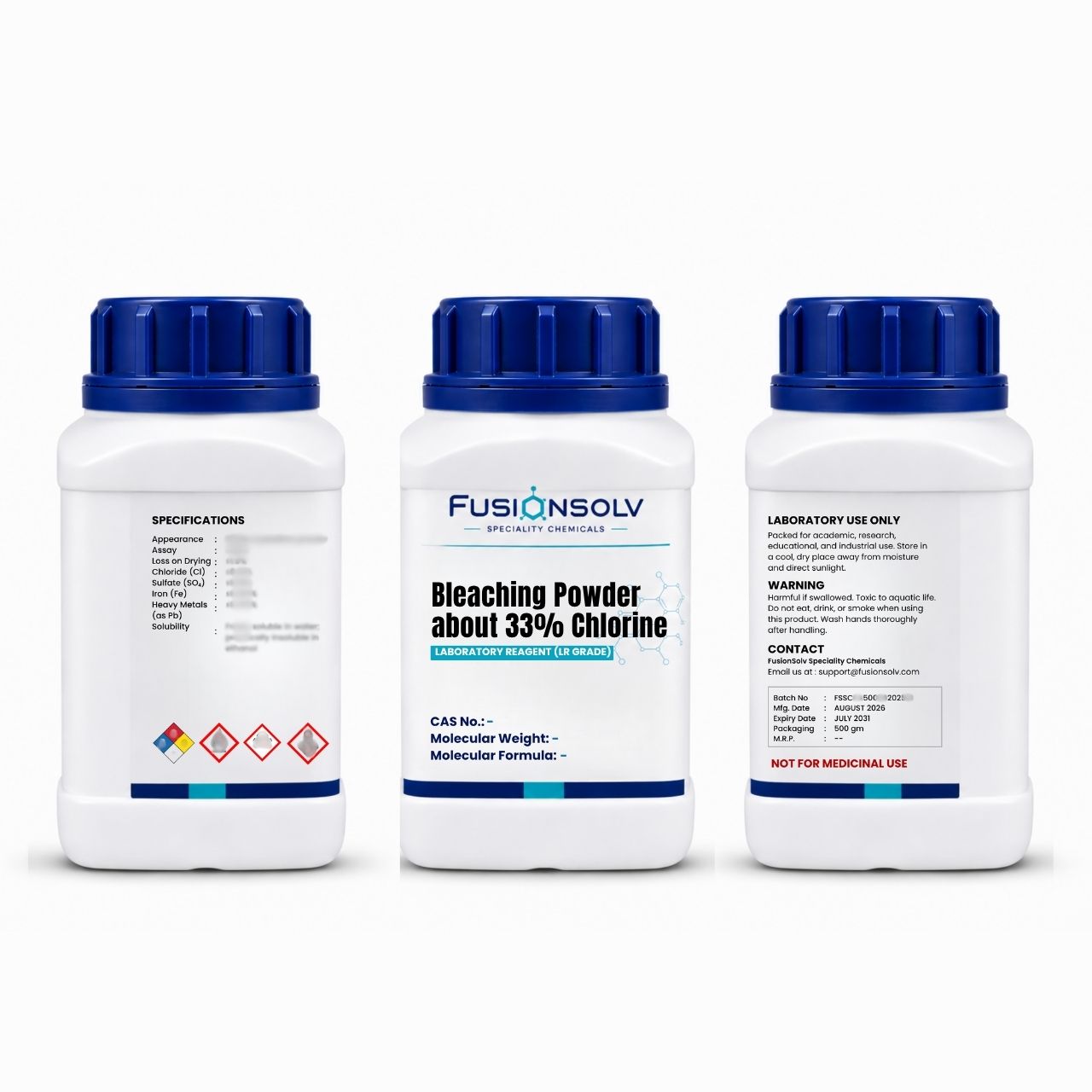







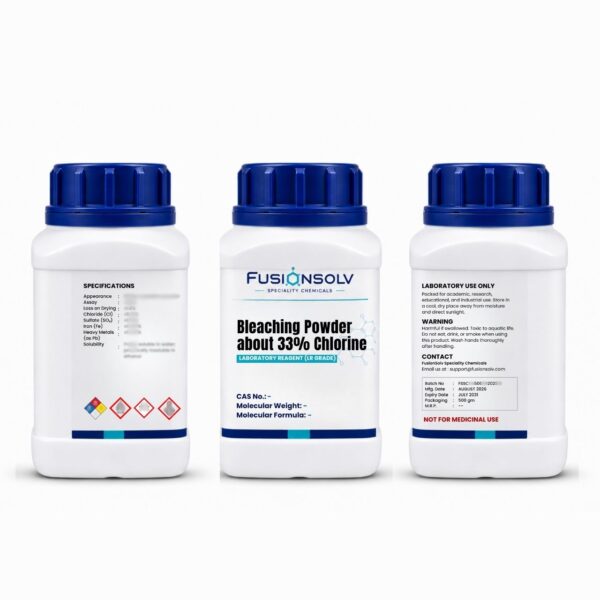
Bleaching Powder with approximately 33% available chlorine is an inorganic chlorine-releasing oxidizing agent used in educational, analytical, and research laboratories. Commonly associated with calcium hypochlorite and chlorinated lime, commercial bleaching powder is generally a reactive mixture rather than a chemically pure single compound. Its available chlorine content indicates its oxidizing and disinfecting capacity. The white powder is useful for supervised chemistry practicals, oxidation-reduction studies, iodometric estimation of available chlorine, and selected water-treatment and disinfection investigations. This 500 g pack is a convenient quantity for laboratory stock management and controlled experimental work. Its suitability for a particular procedure depends on the method, required chlorine concentration, and applicable product specifications. Bleaching powder is a strong oxidizer and must be handled carefully, kept away from acids and combustible materials, and used with appropriate protective equipment and laboratory safety procedures.
Product Specifications
| Specification | Details |
|---|---|
| Appearance | White powder |
| Assay | 99% |
| Chemical Name | Bleaching Powder (Commercial Calcium Hypochlorite-Based Mixture) |
| Alternate Names | Chlorinated Lime, Chloride of Lime, Bleaching Powder |
| Molecular Formula | Not applicable; commercial bleaching powder has variable composition |
| Empirical Formula | Not applicable; commercial bleaching powder has variable composition |
| CAS Number | 7778-54-3 (calcium hypochlorite reference; commercial mixture identity may differ) |
| Molecular Weight | Not applicable to the commercial mixture |
| Grade | LR Laboratory Reagent |
Key Features of Bleaching Powder
- Provides approximately 33% available chlorine, as specified for this product, for relevant oxidation and disinfection investigations.
- White powdered inorganic oxidizing material suitable for measured laboratory dispensing.
- Releases chlorine-based oxidizing species under appropriate aqueous conditions.
- Useful for studying oxidation-reduction reactions and the chemistry of active chlorine.
- Supplied in a 500 g pack for laboratory inventory and controlled experimental use.
Laboratory Applications of Bleaching Powder
- School and college chemistry practicals demonstrating oxidation and reduction, subject to appropriate supervision and risk assessment.
- Iodometric estimation of available chlorine using an established analytical procedure and suitable standardized reagents.
- University laboratory investigations into chlorine-releasing compounds and aqueous oxidation chemistry.
- Water-treatment and disinfection studies conducted under appropriate laboratory protocols; this product should not be assumed suitable for direct potable-water dosing without applicable specifications and validation.
- Research investigations involving oxidation reactions or controlled disinfection experiments where the available chlorine content and product composition are appropriate for the method.
Why Choose Lab Wale to Buy Bleaching Powder
Lab Wale provides a sourcing option for laboratory chemicals and scientific supplies used by schools, colleges, universities, research centres, and laboratory professionals. When purchasing bleaching powder, check the product identity, stated available chlorine content, pack size, grade, and suitability for the intended procedure. Review relevant product and safety information before ordering, particularly when a laboratory method requires a defined active-chlorine concentration. Selecting the correct specification helps laboratories plan procurement and manage chemical use responsibly.
Frequently Asked Questions About Bleaching Powder
What is bleaching powder used for in laboratories?
Bleaching powder is used in suitable oxidation-reduction experiments, available-chlorine estimation, and controlled disinfection or water-treatment studies. Its suitability depends on the experimental method and the product’s composition. Laboratory use should follow an appropriate risk assessment, established procedures, and required protective measures.
What does approximately 33% available chlorine mean?
Available chlorine expresses the oxidizing capacity of bleaching powder in terms of an equivalent amount of chlorine. It does not mean that the product contains 33% free chlorine gas. The value is relevant to calculating reagent quantities and evaluating suitability for a particular analytical or disinfection procedure.
What are the chemical formula and CAS number of bleaching powder?
Commercial bleaching powder has variable composition, so it does not have one universally applicable molecular formula or molecular weight. Calcium hypochlorite, a related active constituent, has the formula Ca(ClO)₂, a formula mass of approximately 142.98 g/mol, and CAS number 7778-54-3. These identifiers should not automatically be treated as a complete description of every commercial bleaching-powder mixture.
Can bleaching powder be used for available-chlorine estimation?
Yes. A recognized iodometric method can estimate available chlorine by reacting a prepared sample with potassium iodide under controlled acidic conditions and titrating the liberated iodine with standardized sodium thiosulfate. The procedure should be performed by trained personnel using suitable ventilation, protective equipment, and an approved laboratory method.
How should bleaching powder be stored and handled safely?
Keep bleaching powder tightly closed in a compatible container in a cool, dry, well-ventilated location, away from heat, moisture, acids, reducing agents, organic substances, and combustible materials. Avoid dust formation and contact with skin or eyes. Review the applicable Safety Data Sheet and follow institutional procedures for handling, spills, and disposal.
Storage Conditions for Bleaching Powder
Store bleaching powder in its original, tightly closed, compatible container in a cool, dry, well-ventilated area protected from direct sunlight, heat, and moisture. Keep it segregated from acids, ammonia-containing materials, reducing agents, organic substances, and combustibles because hazardous reactions or chlorine release may occur. Protect the container from contamination and follow the applicable storage and segregation requirements for oxidizing chemicals.
Precautions for Handling Bleaching Powder
Review the applicable Safety Data Sheet before use and wear suitable chemical-resistant gloves, protective clothing, and safety goggles. Avoid breathing powder or contacting the eyes and skin; use appropriate ventilation and minimize dust generation. Never mix bleaching powder with acids, ammonia, or incompatible cleaning chemicals because hazardous gases may be released. Keep it away from combustible materials, use suitable spill-response procedures, and dispose of residues according to institutional requirements and local regulations. Educational use requires appropriate supervision and a documented risk assessment.



 Cardiology
 Clinical Oncology








Reviews
Clear filtersThere are no reviews yet.