
-
-
 Cardiology
-
 Clinical Oncology
-
 Dental
-
 Dermatology
-
 Ear, Nose, Throat (ENT)
-
 Endocrinology
-
 Gastroenterology
-
 General Surgery
-
 Gynecology & Obstetrics
-
 Interventional Cardiology
-
 Nephrology
-
 Neurology
-
 Oncology Surgery
-
 Ophthalmology
-
 Orthopedics
-
 Pediatrics
-
 Pediatrics Surgery
-
 Physiotherapy
-
 Plastic Surgery
-
 Psychiatry & Psychology
-
 Radiology
-
 Urology
-
 Vascular Surgery
-

 Anatomy Lab Equipments
 Biochemistry Lab Equipments
 Biology Lab Equipments
 Chemistry Lab Equipments
 Cytology Lab Equipments
 Cytopathology Lab Equipments
 Dental Lab Equipments
 Forensic Lab Equipments
 Genetics Lab Equipments
 Hematology Lab Equipments
 Histology Lab Equipments
 Histopathology Lab Equipments
 Mathematics Lab Equipments
 Microbiology Lab Equipments
 Molecular Biology Lab Equipments
 Pathology Lab Equipments
 Pharmaceutical Lab Equipments
 Physics Lab Equipments
 Radiology Lab Equipments
 Science Lab Kit’s
 Toxicology Lab Equipments

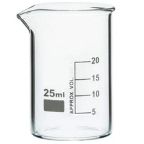 Borosilicate Glass Beaker
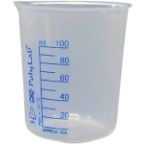 Plastic Beaker (Euro Design)
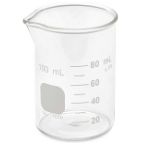 Plastic Beaker (Printed Graduation)
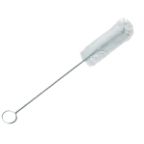 Test Tube Brush
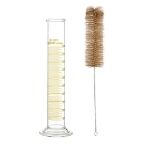 Measuring Cylinder Brush
 Conical Flask Brush
 Volumetric Flask Brush
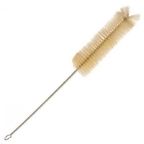 Round Bottom Flask Brush
 Glass Beaker Brush
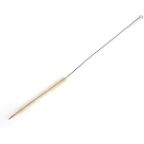 Pipette Brush
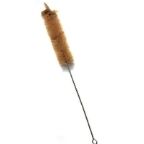 Wash Bottle Brush
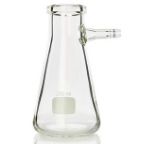 Borosilicate Büchner Flask
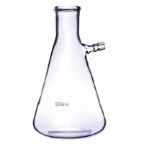 Borosilicate Erlenmeyer/Conical Flask
 Borosilicate Pear-Shaped Flask
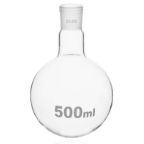 Borosilicate Round Bottom Flask
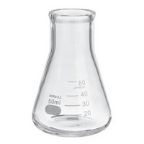 Plastic Conical Flask
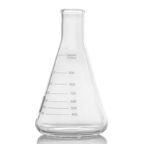 Plastic Volumetric Flask
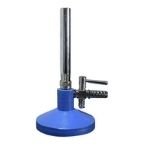 Bunsen Burner
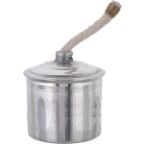 Spirit Lamp
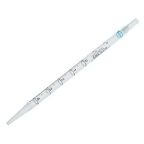 Borosilicate Glass Burette
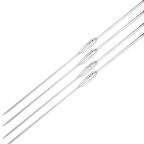 Plastic Burette
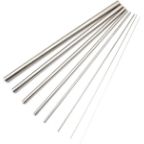 Capillary Tube
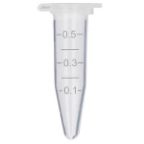 Centrifuge Tube
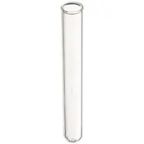 Test Tube
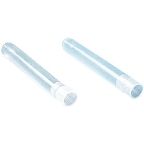 Ria Vial
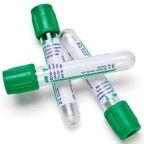 Vacutainer Tubes
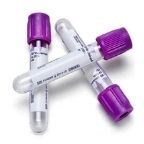 Syringes
 Student Microscope
 Binocular Microscope
 Dissecting Microscope
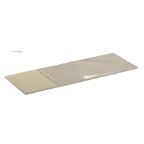 Microscope Glass Slides
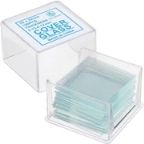 Cover Slip
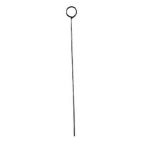 Inoculating Loop
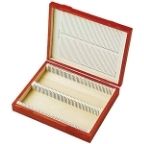 Slide Box
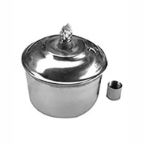 Lamps
Lamps
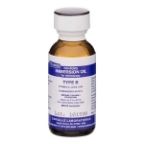 Oils
Oils
 Beaker Tongs
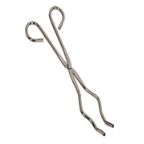 Crucible Tongs
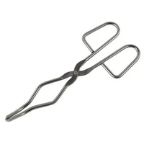 Flask Tongs
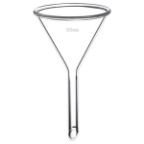 Borosilicate Glass Funnel
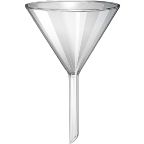 Plastic Funnels
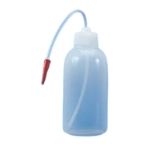 Wash Bottle
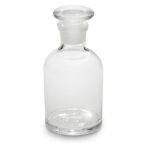 Borosilicate Glass Reagent Bottle
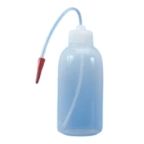 Plastic Reagent Bottle
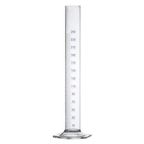 Borosilicate Measuring Cylinder
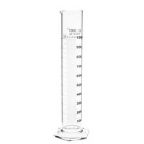 Plastic Measuring Cylinder
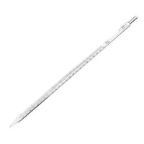 Borosilicate Glass Graduated Pipette
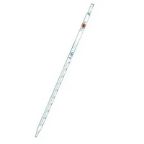 Borosilicate Glass Volumetric Pipette
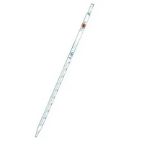 HB Pipette
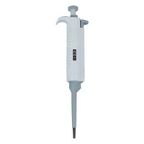 Pasteur Pipette
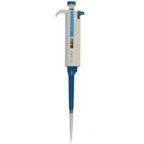 Micropipettes
 Micropipette Tips
 Filter Paper
 Litmus Paper
 pH Paper
 Chromatography Paper
 Plastic Petri Plates (Sterile)
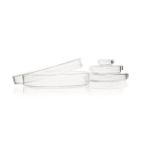 Glass Petri Plates (Non-Sterile)
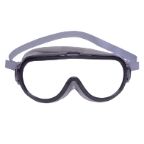 Safety Goggles
 Lab Coats
 Gloves
 Masks
Masks
 Shoe Covers
 Hair & Beard Covers
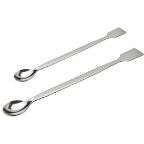 Steel Spatula
 Plastic Spatula
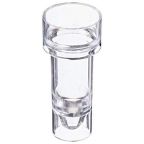 Hitachi Sample Cup
 Plastic Scoop
 Plastic Medicine Cup
 Dissecting Tool Kit
 Dissecting Forceps
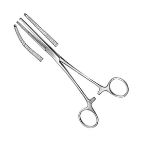 Hemostatic Forceps
 Thumb Forceps / Tweezers
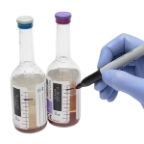 Blood Culture Bottle
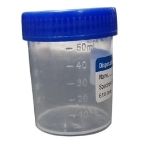 Urine Container
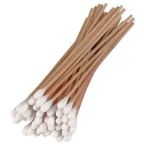 Wooden Swab Stick
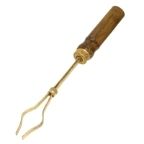 Test Tube Holder
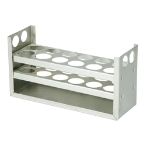 Test Tube Racks
 Magnifying Glass
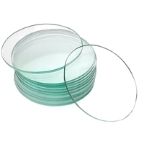 Watch Glass
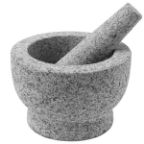 Mortar and Pestle
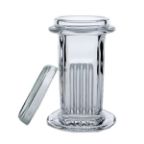 Coplin Jar
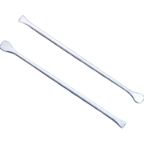 Plastic Stirrer
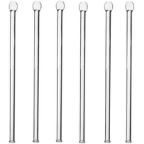 Glass Stirrer
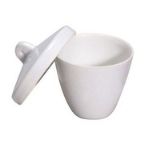 Crucible
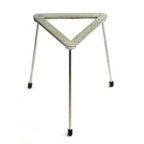 Tripod
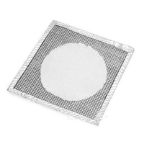 Wire Mesh
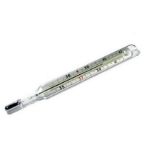 Laboratory Thermometer
 Tourniquet
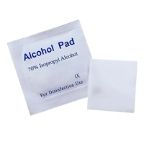 Alcohol Swab
 Blood Lancet
 Bandage
 Gloves & Masks









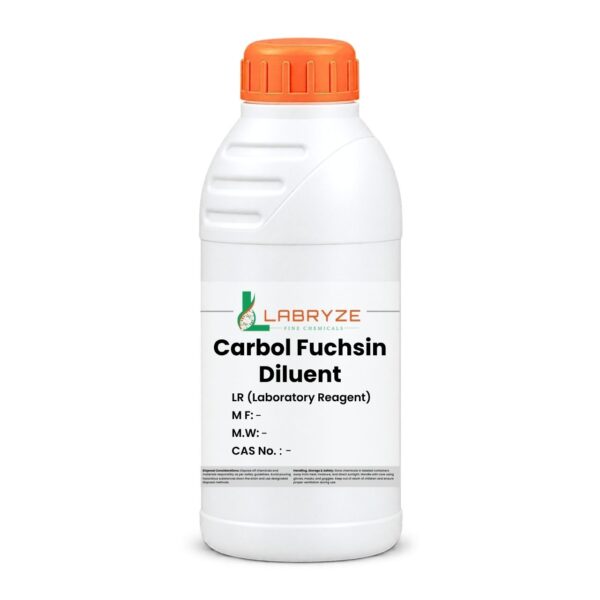
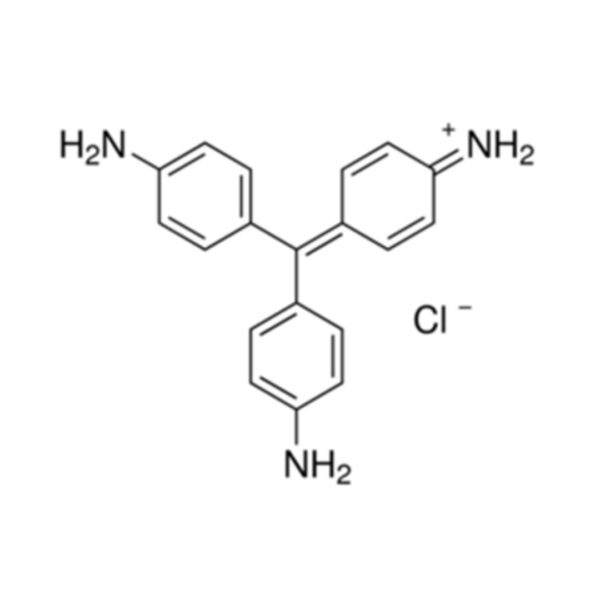
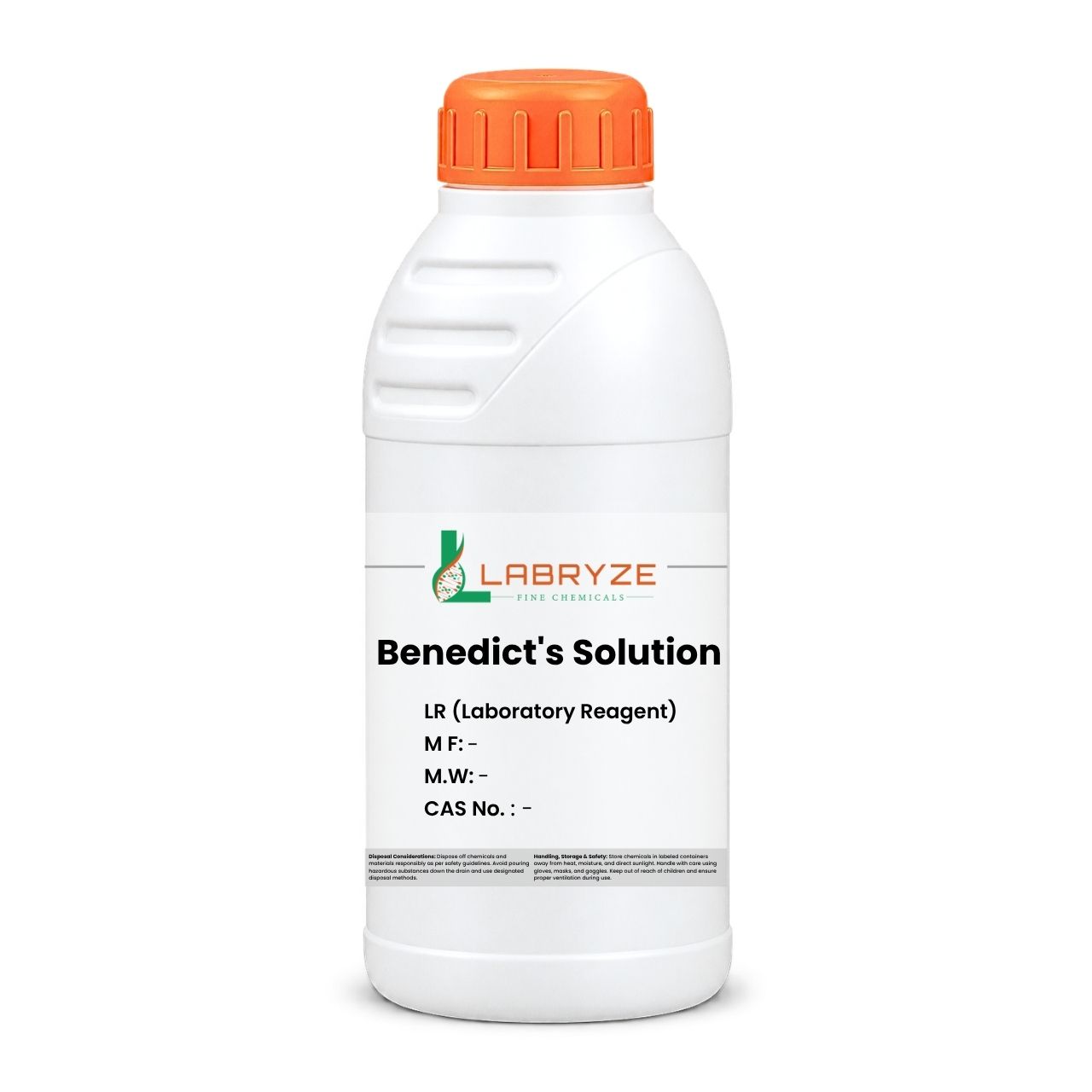







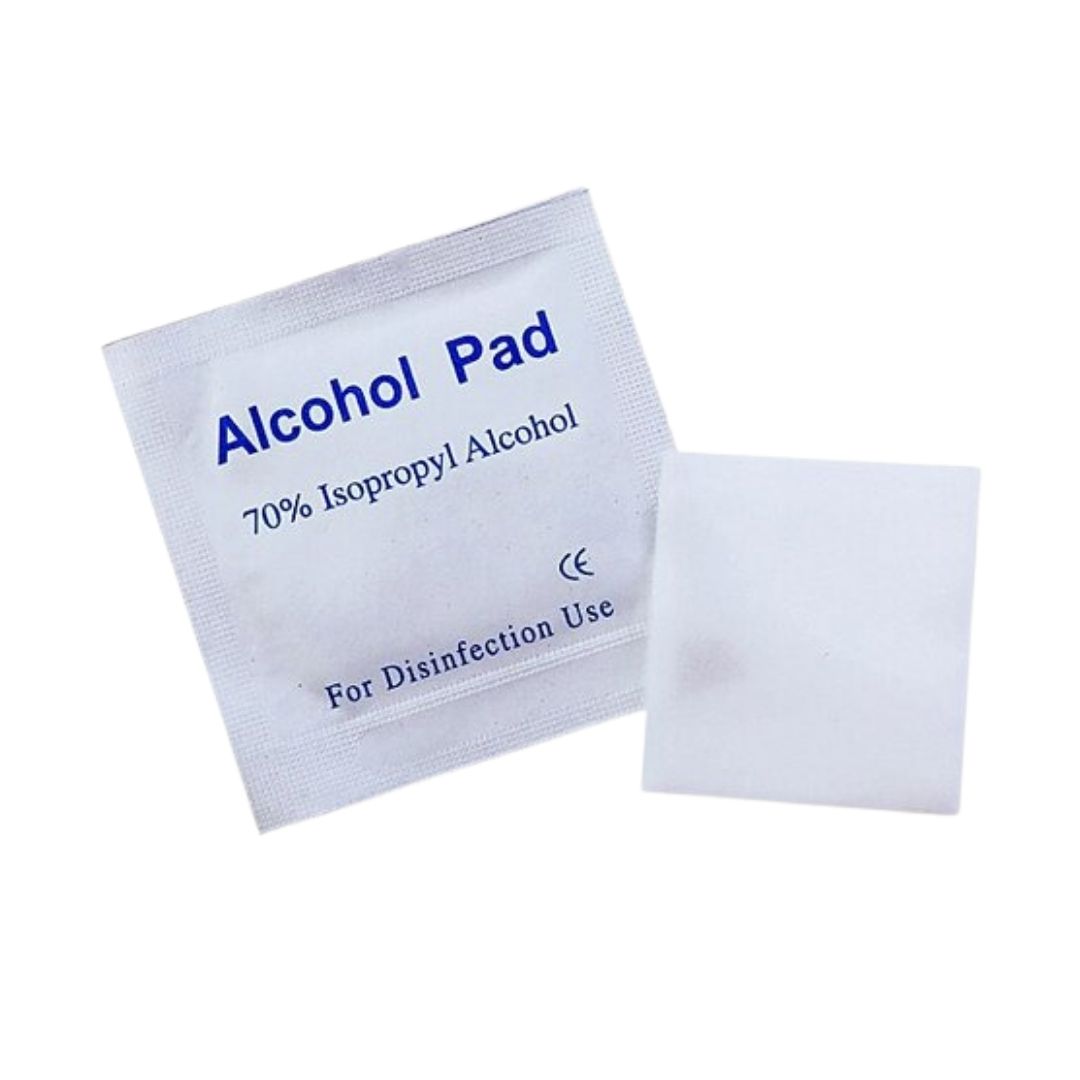
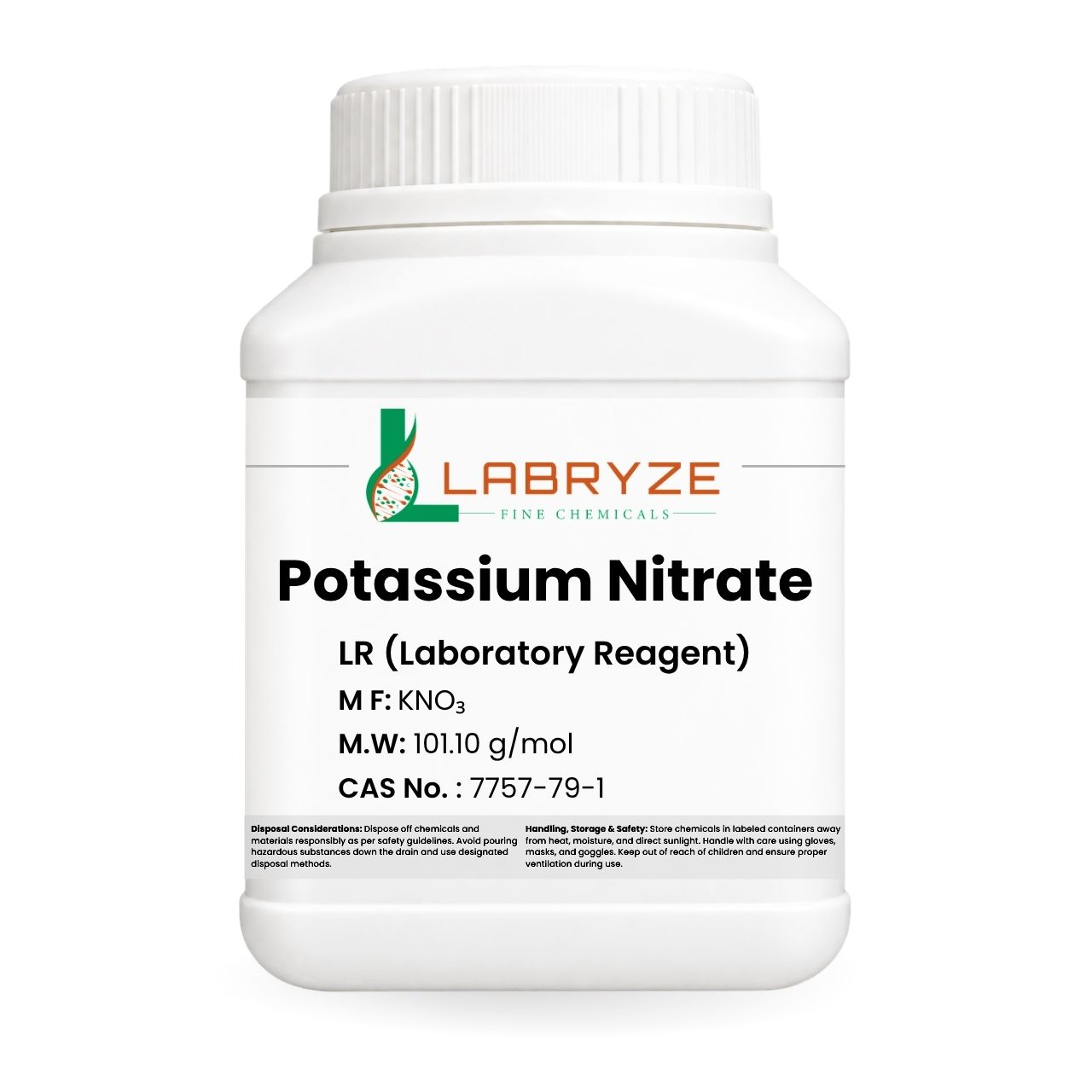
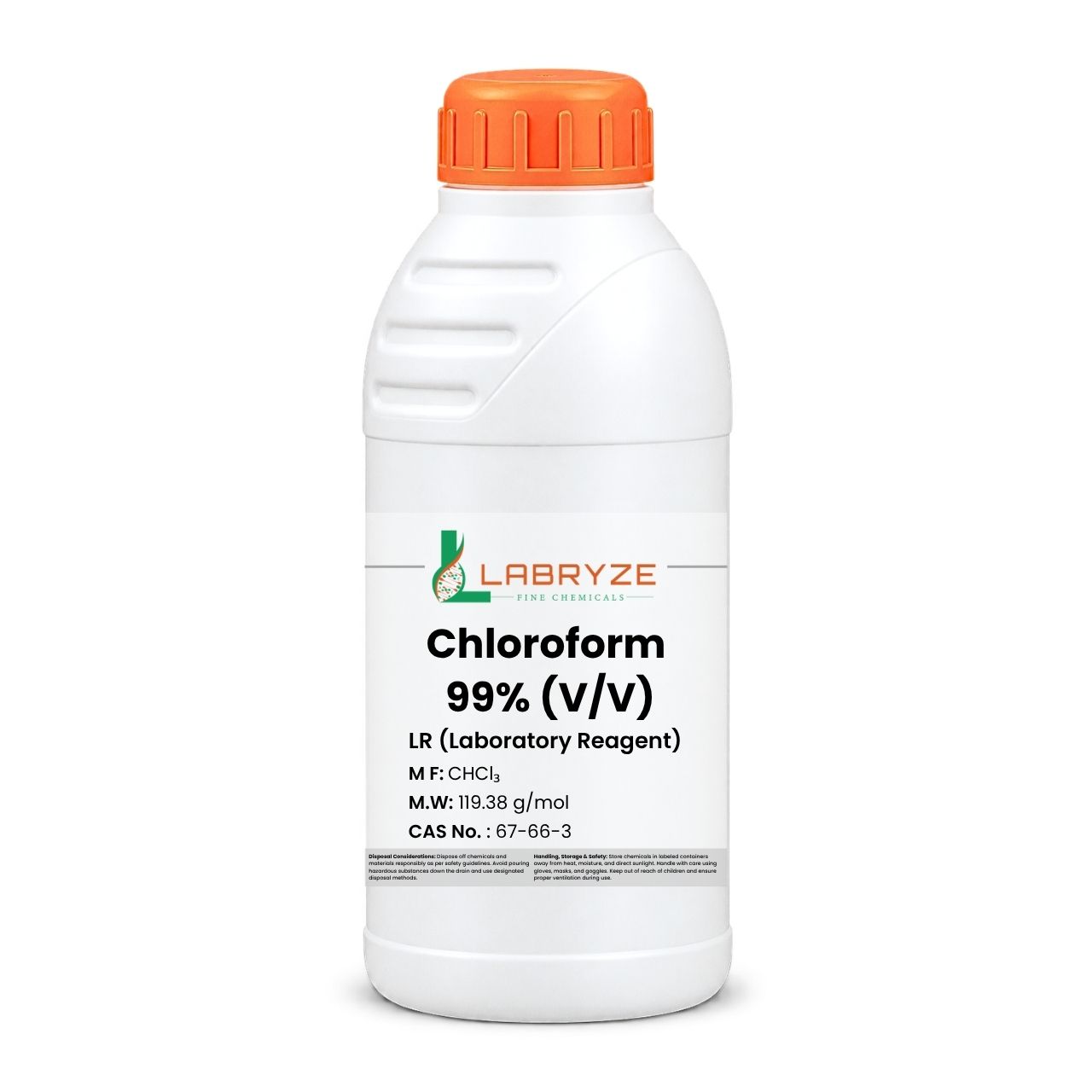

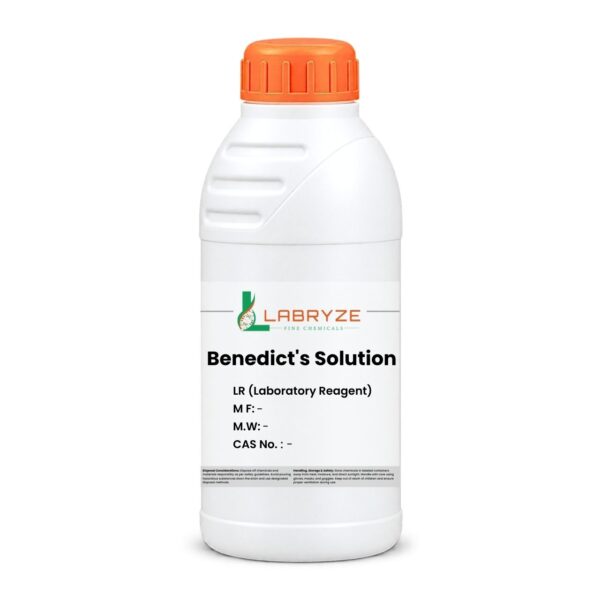
Benedict’s Reagent (Qualitative) (500 ml) is a staple in laboratories for detecting reducing sugars. This solution, renowned for its blue hue, undergoes a color transformation to green, yellow, orange, or red upon reacting with reducing sugars. Essential for qualitative analysis in diverse sectors including biochemistry, food science, and pharmaceuticals, it aids in identifying the presence of reducing sugars with precision. With a 500 ml volume, this reagent ensures an adequate supply for routine tests, making it indispensable for researchers and analysts alike.
Key Features
- High Sensitivity: Detects minute quantities of reducing sugars accurately.
- Reliable Results: Provides consistent and reproducible outcomes.
- Versatile Application: Suitable for various qualitative tests in biochemistry, food science, and pharmaceuticals.
- Ample Quantity: Generous 500 ml volume ensures long-term usage.
- Easy Storage: Comes in a convenient container designed for safe and efficient storage.
Precautions
- Handle with Care: Avoid contact with skin and eyes; wear appropriate protective gear.
- Store Properly: Keep tightly sealed in a cool, dry place away from direct sunlight.
- Avoid Contamination: Use clean utensils and equipment during handling and storage.
- Follow Instructions: Adhere strictly to recommended procedures and dosage to prevent accidents.
- Dispose Properly: Dispose of waste according to local regulations; avoid environmental contamination.
Frequently Asked Questions (FAQs)
Question: What is the shelf life of Benedict’s Reagent (Qualitative) (500 ml)?
Answer: Typically, if stored properly, it has a shelf life of 12-24 months.
Question: Can Benedict’s Reagent be used to test all types of sugars?
A: It primarily detects reducing sugars like glucose, fructose, and lactose.
Question: How should I dispose of unused or expired Benedict’s Reagent?
A: Follow local regulations for chemical waste disposal to ensure safe and environmentally friendly disposal.
Question: Can I dilute Benedict’s Reagent for my experiments?
A: Dilution may affect its sensitivity and reliability; it’s advisable to use it as directed.
Question: Is Benedict’s Reagent corrosive?
A: While it’s not highly corrosive, it’s best to handle it with caution and wear appropriate protective gear.



 Cardiology
 Clinical Oncology







Reviews
Clear filtersThere are no reviews yet.