
-
-
 Cardiology
-
 Clinical Oncology
-
 Dental
-
 Dermatology
-
 Ear, Nose, Throat (ENT)
-
 Endocrinology
-
 Gastroenterology
-
 General Surgery
-
 Gynecology & Obstetrics
-
 Interventional Cardiology
-
 Nephrology
-
 Neurology
-
 Oncology Surgery
-
 Ophthalmology
-
 Orthopedics
-
 Pediatrics
-
 Pediatrics Surgery
-
 Physiotherapy
-
 Plastic Surgery
-
 Psychiatry & Psychology
-
 Radiology
-
 Urology
-
 Vascular Surgery
-

 Anatomy Lab Equipments
 Biochemistry Lab Equipments
 Biology Lab Equipments
 Chemistry Lab Equipments
 Cytology Lab Equipments
 Cytopathology Lab Equipments
 Dental Lab Equipments
 Forensic Lab Equipments
 Genetics Lab Equipments
 Hematology Lab Equipments
 Histology Lab Equipments
 Histopathology Lab Equipments
 Mathematics Lab Equipments
 Microbiology Lab Equipments
 Molecular Biology Lab Equipments
 Pathology Lab Equipments
 Pharmaceutical Lab Equipments
 Physics Lab Equipments
 Radiology Lab Equipments
 Science Lab Kit’s
 Toxicology Lab Equipments

 Borosilicate Glass Beaker
 Plastic Beaker (Euro Design)
 Plastic Beaker (Printed Graduation)
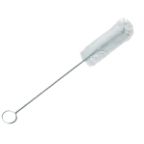 Test Tube Brush
 Measuring Cylinder Brush
 Conical Flask Brush
 Volumetric Flask Brush
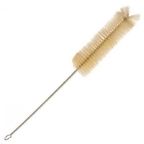 Round Bottom Flask Brush
 Glass Beaker Brush
 Pipette Brush
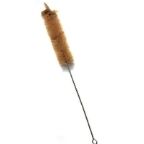 Wash Bottle Brush
 Borosilicate Büchner Flask
 Borosilicate Erlenmeyer/Conical Flask
 Borosilicate Pear-Shaped Flask
 Borosilicate Round Bottom Flask
 Plastic Conical Flask
 Plastic Volumetric Flask
 Bunsen Burner
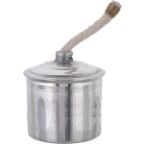 Spirit Lamp
 Borosilicate Glass Burette
 Plastic Burette
 Capillary Tube
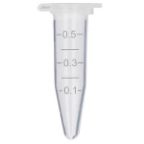 Centrifuge Tube
 Test Tube
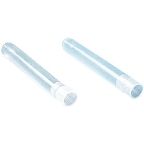 Ria Vial
 Vacutainer Tubes
 Syringes
 Student Microscope
 Binocular Microscope
 Dissecting Microscope
 Microscope Glass Slides
 Cover Slip
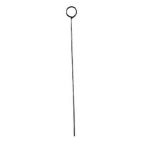 Inoculating Loop
 Slide Box
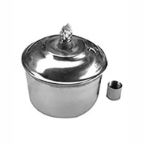 Lamps
Lamps
 Oils
Oils
 Beaker Tongs
 Crucible Tongs
 Flask Tongs
 Borosilicate Glass Funnel
 Plastic Funnels
 Wash Bottle
 Borosilicate Glass Reagent Bottle
 Plastic Reagent Bottle
 Borosilicate Measuring Cylinder
 Plastic Measuring Cylinder
 Borosilicate Glass Graduated Pipette
 Borosilicate Glass Volumetric Pipette
 HB Pipette
 Pasteur Pipette
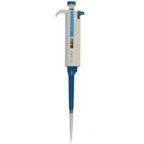 Micropipettes
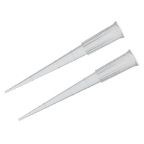 Micropipette Tips
 Filter Paper
 Litmus Paper
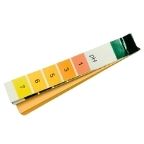 pH Paper
 Chromatography Paper
 Plastic Petri Plates (Sterile)
 Glass Petri Plates (Non-Sterile)
 Safety Goggles
 Lab Coats
 Gloves
 Masks
Masks
 Shoe Covers
 Hair & Beard Covers
 Steel Spatula
 Plastic Spatula
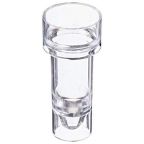 Hitachi Sample Cup
 Plastic Scoop
 Plastic Medicine Cup
 Dissecting Tool Kit
 Dissecting Forceps
 Hemostatic Forceps
 Thumb Forceps / Tweezers
 Blood Culture Bottle
 Urine Container
 Wooden Swab Stick
 Test Tube Holder
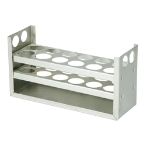 Test Tube Racks
 Magnifying Glass
 Watch Glass
 Mortar and Pestle
 Coplin Jar
 Plastic Stirrer
 Glass Stirrer
 Crucible
 Tripod
 Wire Mesh
 Laboratory Thermometer
 Tourniquet
 Alcohol Swab
 Blood Lancet
 Bandage
 Gloves & Masks









Understanding the Role of Ammeter in Electrical Circuits


Introduction to Ammeter in Electrical Measurements
When it comes to electrical circuits, understanding the flow of current is key. But how do we measure that invisible force? Enter the ammeter—a vital instrument that plays a crucial role in electrical measurements. Whether you’re an experienced electrician or a curious hobbyist, grasping the function and importance of an ammeter can elevate your projects to new heights. This blog post will take you on a journey through the ins and outs of this indispensable tool, exploring its principles, operation, types, and practical applications. Get ready to demystify one of the most essential devices in the world of electricity!
What Is an Ammeter and Why Is It Important?
An ammeter is a specialized instrument used to measure electric current in a circuit. It provides vital information about how much current flows, which is crucial for the safe and efficient operation of electrical systems.
Understanding the amount of current helps in diagnosing issues, optimizing performance, and ensuring safety. Without accurate measurements, circuits can overheat or components may fail due to excessive currents.
Moreover, ammeters play an essential role in educational settings by helping students grasp fundamental concepts of electricity. They serve as practical tools that bridge theory with real-world applications.
In industries such as manufacturing and telecommunications, precise current measurement can prevent costly downtime and equipment failure. Therefore, an ammeter isn’t just a tool; it’s a key player in maintaining the integrity of electrical systems across various fields.
Basic Principle of Operation of an Ammeter
An ammeter operates on a straightforward principle: it measures electric current flowing through a circuit. By creating a low-resistance path, the instrument allows almost all current to pass without significantly altering the circuit conditions.
When connected in series, an ammeter detects how much charge passes per unit time. This measurement is expressed in amperes (A). The device typically uses magnetic fields or other methods to translate this movement into readable values.
Its design ensures minimal impact on the overall system while providing accurate readings. Small internal resistance is crucial because excessive resistance can disrupt the flow of current being measured.
In essence, an ammeter transforms electrical energy into mechanical motion or digital signals, allowing users to monitor currents effectively and maintain optimal performance within circuits. Understanding its operation sheds light on its critical role in various applications.
Understanding Electric Current and Its Measurement
Electric current is the flow of electric charge, typically carried by electrons moving through a conductor. Understanding this flow is fundamental to grasping how electrical circuits function.
The unit of measurement for electric current is the ampere (A), which quantifies the amount of charge passing through a point in one second. This simple yet powerful metric helps engineers and technicians assess circuit performance.
Current can be direct (DC) or alternating (AC). In DC, charges move steadily in one direction, while AC alternates directions periodically. This distinction influences how devices operate and interact with power sources.
Measuring current accurately allows for better control and troubleshooting within electrical systems. Without precise measurements, diagnosing issues becomes a challenge that could lead to inefficiencies or failures. Knowing how to read these currents ensures safe operations across various applications.
Key Components of an Ammeter Explained
An ammeter is a vital instrument in electrical circuits, primarily composed of several key components that enable accurate measurement of current. The moving coil mechanism is central to its operation, allowing the needle to deflect based on current flow.
The shunt resistor plays a crucial role by providing an alternate path for excess current. This helps protect the delicate mechanism while ensuring that only a fraction of total current passes through it for measurement.
Another important element is the scale and dial, which displays readings. Depending on design, these can be analog or digital. In analog models, the needle movement illustrates current levels against marked values.
Housing protects internal components from damage and environmental factors. It also ensures user safety during measurements. Each part works harmoniously to deliver precise readings essential for various electrical applications.
Types of Ammeters Used in Electrical Circuits
Ammeters come in various types, each tailored for specific applications. The most common are analog and digital ammeters. Analog ammeters use a needle to indicate current levels on a calibrated scale. They provide a real-time visual representation but can be less precise than their digital counterparts.
Digital ammeters display measurements numerically, often with additional features such as data logging and maximum hold functions. These devices offer greater accuracy and ease of reading.
Another type includes clamp-on ammeters. These versatile tools allow users to measure current without breaking the circuit by simply clamping around a wire.
Shunt ammeters are designed for high-current applications, using an external shunt resistor to facilitate accurate readings without damaging the device itself.
Each type serves unique needs in electrical circuits, making it essential to choose the right one based on your measurement requirements.
Analog Ammeter vs Digital Ammeter
When it comes to measuring electric current, both analog and digital ammeters serve the purpose but in distinct ways. Analog ammeters display readings via a needle on a dial. This visual representation can be easier for some users to interpret quickly.
On the other hand, digital ammeters present numerical values on an electronic screen. This format often allows for more precise readings and eliminates any guesswork associated with needle placement.
Analog models tend to have faster response times due to their mechanical nature, making them suitable for monitoring fluctuating currents. Conversely, digital devices may come equipped with features like data logging or backlighting that enhance usability in various environments.
The choice between the two largely depends on personal preference and specific application requirements. While some prefer the classic feel of an analog meter, others appreciate the accuracy and versatility of a digital version.
Difference Between Ammeter, Voltmeter, and Ohmmeter
Understanding the differences between an ammeter, voltmeter, and ohmmeter is crucial for anyone working with electrical circuits. Each of these instruments serves a unique purpose in measuring different aspects of electricity.
An ammeter measures electric current flowing through a circuit. It’s essential for determining how much electricity is being used or transmitted at any given moment.
On the other hand, a voltmeter gauges the voltage across two points in an electrical circuit. It reveals how much potential energy exists to push electrons through the system.
An ohmmeter tests resistance within a conductor or component. This helps identify issues like shorts or breaks that may affect overall circuit performance.
Each tool plays its part in ensuring effective troubleshooting and efficient design in electrical systems. Understanding their specific functions empowers technicians and engineers alike.
How an Ammeter Is Connected in an Electrical Circuit
Connecting an ammeter in an electrical circuit requires careful attention to detail. The primary rule is that it must be connected in series with the load or component whose current you want to measure.
Before making any connections, ensure the power supply is turned off. This prevents accidental shocks and protects the equipment.
Once ready, disconnect one terminal of the circuit where you plan to measure current. Connect one lead of the ammeter to this open terminal and attach the other lead back to where you disconnected previously.
Double-check your connections for security before powering on again. An improperly connected ammeter can give inaccurate readings or damage both the meter and circuit components.
Proper placement ensures accurate measurements, allowing for effective monitoring of electrical performance within your system.
Realated Products
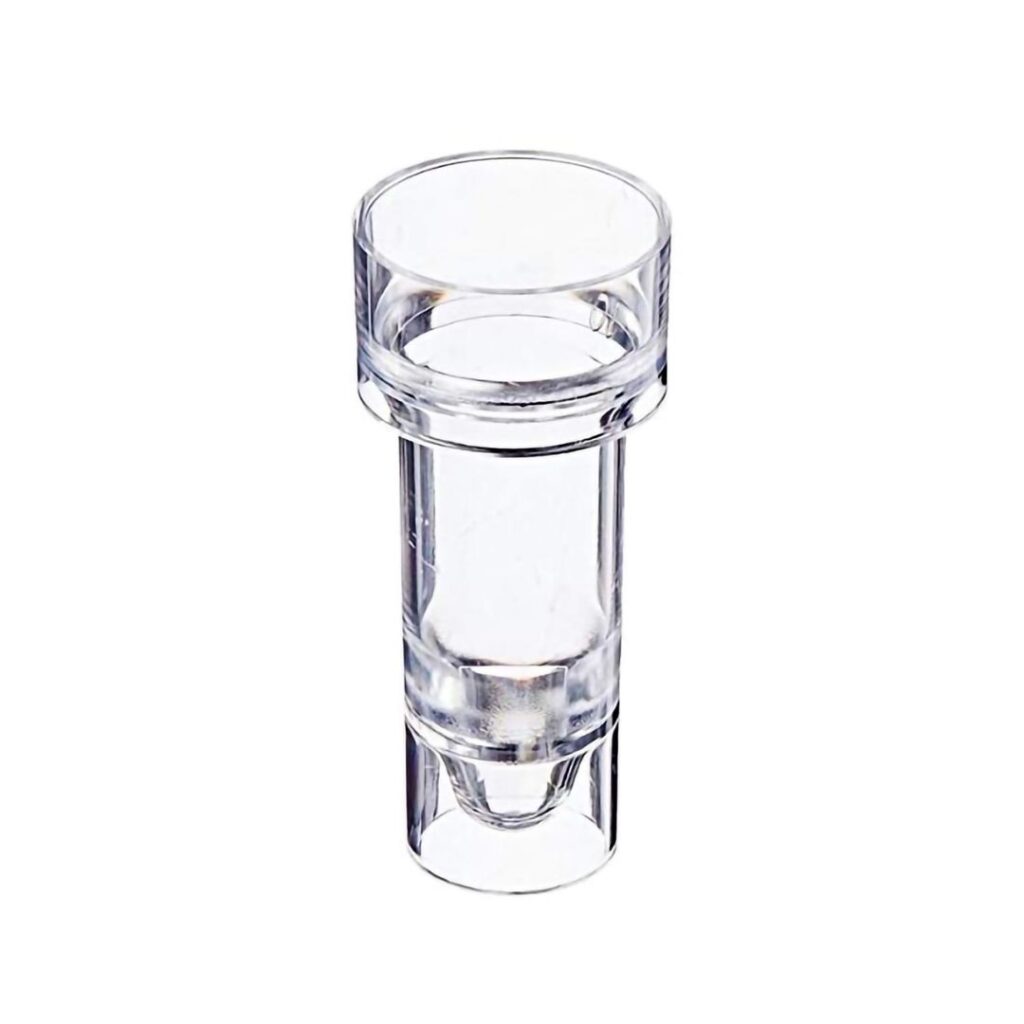


Pycnometer 25ml – Specific Gravity Bottle with Flat Bottom
₹135.00 (inc. GST) / Unit
SKU:
LW-WEB-3550







Series Connection of Ammeter: Why It Matters
Connecting an ammeter in series is crucial for accurate current measurements. When placed in series, the ammeter becomes part of the circuit, ensuring that all current flowing through it is measured.
This setup allows you to see how much current a particular component or circuit section takes under specific conditions. If connected incorrectly, such as in parallel, the device could malfunction or give incorrect readings.
Moreover, measuring current accurately helps identify issues like overloads or short circuits. Understanding these details can prevent potential hazards and equipment damage.
In essence, using a series connection provides clear insights into circuit behavior and performance. This knowledge leads to better troubleshooting and optimization of electrical systems.
Internal Resistance of an Ammeter and Its Impact
Every ammeter has a characteristic known as internal resistance. This is the resistance within the device itself that can influence measurements.
When an ammeter is connected to a circuit, its internal resistance interacts with the total load of that circuit. Higher internal resistance can lead to inaccurate readings because it affects how much current actually flows through it.
In practical terms, if an ammeter has significant internal resistance, it may cause a voltage drop across itself. This means less current reaches other components in the circuit, leading to skewed results.
For precise measurements, especially in sensitive applications, selecting an ammeter with low internal resistance is crucial. It minimizes any impact on circuit performance and ensures reliability in data collection. Understanding this aspect helps engineers make informed choices when designing or troubleshooting electrical systems.
Accuracy and Sensitivity of Ammeters
The accuracy of an ammeter is crucial for effective electrical measurements. It determines how closely the readings reflect the actual current flowing through a circuit. High accuracy is essential in applications where precise current values are necessary, such as in laboratory settings or when troubleshooting.
Sensitivity goes hand-in-hand with accuracy. A sensitive ammeter can detect even minute changes in current, making it invaluable for delicate operations. This feature allows technicians to monitor fluctuations that might otherwise go unnoticed.
Different types of ammeters exhibit varying degrees of both traits. For example, digital models often offer superior sensitivity compared to their analog counterparts, thanks to advanced technology and display features.
When selecting an ammeter, consider your measurement needs carefully. The right choice will enhance reliability and precision in your work, ensuring you capture every detail accurately without unnecessary errors.
Working of Moving Coil Ammeter
The moving coil ammeter operates based on a simple yet effective principle of electromagnetism. At its core, it consists of a coil suspended in a magnetic field. When electric current flows through the coil, it generates a magnetic force.
This force causes the coil to rotate. The degree of rotation corresponds to the amount of current flowing through the circuit. A pointer attached to the coil moves along a calibrated scale, allowing users to read precise measurements easily.
One essential aspect is that this type of ammeter is designed for direct current (DC) applications. It provides good accuracy and sensitivity for lower ranges of current measurement.
Calibration ensures that readings are reliable over time. Users often appreciate how straightforward these devices are in terms of functionality and interpretation, making them popular in various electrical applications.
Working of Moving Iron Ammeter
The moving iron ammeter operates on a straightforward yet effective principle. It utilizes an iron piece that moves in response to the magnetic field generated by electric current. When current flows through the coil, it creates a magnetic field that attracts or repels the movable iron element.
This movement is proportional to the amount of current passing through the circuit. The deflection of the pointer indicates this value on a calibrated scale, making it easy for users to read measurements.
One unique feature of moving iron ammeters is their ability to measure both alternating and direct currents effectively. This versatility makes them popular in various applications where different types of electrical signals are encountered.
Despite its simplicity, careful calibration is essential for accuracy. Regular maintenance ensures reliable performance over time, allowing technicians and engineers to depend on these instruments in critical situations.
Role of Ammeter in AC and DC Circuits
Ammeters play a crucial role in both AC and DC circuits, providing essential insights into current flow. In direct current (DC) systems, ammeters measure steady currents, allowing for easy monitoring of electrical consumption.
In alternating current (AC) circuits, the situation is slightly more complex due to the changing direction of current. Specialized ammeters are designed to handle these fluctuations effectively. By utilizing true RMS measurements, they can accurately gauge varying waveforms often found in household appliances and industrial equipment.
Understanding how much current flows through each circuit helps prevent overloads and ensures optimal performance. This knowledge is vital for engineers and technicians alike when troubleshooting or designing electrical systems.
Whether you’re dealing with simple home wiring or more advanced setups in factories, having an accurate reading from your ammeter enhances safety and efficiency across the board.
Common Applications of Ammeters in Electrical Systems
Ammeters play a vital role in various electrical systems. They are essential for monitoring current flow in household wiring. This ensures that appliances run efficiently and safely.
In industrial settings, ammeters help manage machinery. Monitoring currents helps prevent overloads and equipment failures. Workers can adjust operations based on real-time data.
Laboratories also rely on ammeters for experiments. Researchers need precise measurements to validate their findings. It’s crucial when developing new technologies or testing components.
In renewable energy systems, such as solar panels, ammeters track performance levels. This information assists technicians in optimizing energy output.
Automotive applications utilize ammeters too. Mechanics check the current draw of vehicle electrical systems to diagnose issues effectively.
From educational purposes to advanced engineering projects, the versatility of ammeters makes them indispensable across multiple fields.
Industrial and Laboratory Uses of Ammeters
Ammeters find extensive use in various industrial and laboratory settings. In factories, they help monitor electrical currents for machinery, ensuring that equipment operates efficiently. This constant monitoring can prevent overheating and reduce the risk of failures.
In laboratories, precision is key. Researchers rely on ammeters to measure current accurately during experiments. This data is crucial for validating hypotheses and achieving reliable results.
Moreover, in educational institutions, ammeters are essential tools in physics labs. Students gain hands-on experience with these devices to understand electric circuits better.
Quality control processes also benefit from ammeter usage. Inspectors can verify compliance with electrical standards by measuring current flow within components or systems.
From manufacturing plants to research facilities, the versatility of ammeters makes them indispensable across a wide range of applications. Their role ensures safety, efficiency, and accuracy in managing electrical systems.
Safety Precautions While Using an Ammeter
When using an ammeter, safety should always be a priority. Proper handling can prevent accidents and ensure accurate measurements.
Always wear appropriate personal protective equipment (PPE) like gloves and safety goggles. This is essential when working with live circuits.
Before connecting the ammeter, double-check that it’s rated for the current you’ll measure. Using an incorrect rating can cause damage to both the device and the circuit.
Ensure your hands are dry when making connections to avoid electrical shock. A solid grip on insulated tools also helps maintain safety.
Be cautious of overheating components during prolonged use. Continually monitor your readings to detect any irregularities promptly.
Never attempt repairs or adjustments while power is on. It’s crucial to turn off all relevant circuits before working on them to protect yourself from potential hazards.
Common Errors in Ammeter Readings
Errors in ammeter readings can stem from several sources. Calibration issues are common; if an ammeter isn’t calibrated correctly, it may yield inaccurate results.
Another frequent mistake occurs during connection. If the ammeter is not properly integrated into the circuit, readings can be skewed. This often happens when users forget to check polarity or connect it incorrectly.
Environmental factors also play a role. Temperature fluctuations can affect electrical resistance and subsequently impact measurements.
User error is another aspect to consider. Misreading scales on analog meters or misinterpreting digital display units can lead to incorrect assessments of current flow.
Interference from nearby devices might cause fluctuating readings in sensitive equipment. Recognizing these potential pitfalls ensures more accurate measurements and better performance of your electrical circuits.
Advantages and Limitations of Ammeters
Ammeters are essential tools in electrical measurements, offering several advantages. They provide direct readings of current flow, making it easy to monitor and troubleshoot circuits. Their ability to gauge both AC and DC currents enhances versatility in various applications.
However, ammeters come with limitations as well. For instance, their internal resistance can affect circuit performance, especially in sensitive systems. This may lead to inaccurate readings under certain conditions.
Additionally, not all ammeters handle high ranges effectively. Selecting the wrong type could result in damage or improper functioning.
Calibration is crucial for accuracy but adds another layer of complexity when using these devices. Users must also be aware of potential errors during measurement due to factors like parallax error or connection issues.
Understanding both the strengths and weaknesses helps users make informed decisions about incorporating ammeters into their projects.
How to Select the Right Ammeter for Your Circuit
Selecting the right ammeter for your circuit involves several key considerations. First, determine the expected current range. This helps narrow down which type of ammeter will work best without exceeding its limits.
Next, consider whether you need an analog or digital display. Digital ammeters often provide clearer readings and can come with additional features like data logging capabilities.
Look into the internal resistance of the ammeter as well; lower internal resistance is essential for minimizing measurement errors in sensitive circuits.
Check if your application requires an AC or DC ammeter since these devices are not interchangeable due to their design differences.
Assess any environmental factors that may affect performance, such as temperature or humidity levels. Choose a model suited to withstand those conditions while providing accurate measurements consistently.
Maintenance and Calibration of Ammeters
Regular maintenance and calibration of ammeters are essential for accurate measurements. Dust, dirt, and moisture can interfere with their performance. Therefore, keeping the device clean is crucial.
Calibration ensures that the ammeter provides precise readings over time. This process involves comparing its output against a known standard to identify discrepancies.
It’s advisable to perform calibrations periodically or whenever significant changes in temperature or usage occur. Many manufacturers recommend specific intervals based on usage patterns.
When calibrating an ammeter, use reliable reference equipment for best results. Proper tools will help in adjusting any inaccuracies found during testing.
Additionally, always check connections before taking measurements. Loose wires can lead to erroneous readings and potential damage to both the meter and circuit components.
Taking these steps not only extends the lifespan of your ammeter but also enhances reliability in all electrical applications.
Frequently Asked Questions About Ammeter in Electrical Circuits
When it comes to understanding ammeters and their role in electrical circuits, many questions arise. Here are some common inquiries along with clear answers. These FAQs highlight some key aspects of utilizing amperes in electrical measurements effectively and safely.
What is the primary function of an ammeter?
An ammeter measures electric current flowing through a circuit. It provides vital information for diagnosing issues or optimizing performance.
Can I use an ammeter on both AC and DC circuits?
Yes, however, you need to ensure that the ammeter is designed specifically for the type of current you’re measuring. Some models can handle both AC and DC.
How do I connect an ammeter in a circuit?
To measure current accurately, you should connect the ammeter in series with the component whose current you wish to measure.
Why does my ammeter show inaccurate readings sometimes?
Inaccurate readings could result from several factors including poor connections, internal resistance affecting measurement accuracy, or using an inappropriate range setting on your device.
Do I need any special training to use an ammeter effectively?
While basic operation is straightforward, understanding its principles and following safety protocols will enhance your effectiveness and prevent accidents while using this essential tool.
 Cardiology
 Clinical Oncology