
-
-
 Cardiology
-
 Clinical Oncology
-
 Dental
-
 Dermatology
-
 Ear, Nose, Throat (ENT)
-
 Endocrinology
-
 Gastroenterology
-
 General Surgery
-
 Gynecology & Obstetrics
-
 Interventional Cardiology
-
 Nephrology
-
 Neurology
-
 Oncology Surgery
-
 Ophthalmology
-
 Orthopedics
-
 Pediatrics
-
 Pediatrics Surgery
-
 Physiotherapy
-
 Plastic Surgery
-
 Psychiatry & Psychology
-
 Radiology
-
 Urology
-
 Vascular Surgery
-

 Anatomy Lab Equipments
 Biochemistry Lab Equipments
 Biology Lab Equipments
 Chemistry Lab Equipments
 Cytology Lab Equipments
 Cytopathology Lab Equipments
 Dental Lab Equipments
 Forensic Lab Equipments
 Genetics Lab Equipments
 Hematology Lab Equipments
 Histology Lab Equipments
 Histopathology Lab Equipments
 Mathematics Lab Equipments
 Microbiology Lab Equipments
 Molecular Biology Lab Equipments
 Pathology Lab Equipments
 Pharmaceutical Lab Equipments
 Physics Lab Equipments
 Radiology Lab Equipments
 Science Lab Kit’s
 Toxicology Lab Equipments

 Borosilicate Glass Beaker
 Plastic Beaker (Euro Design)
 Plastic Beaker (Printed Graduation)
 Test Tube Brush
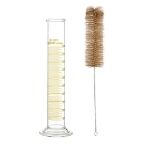 Measuring Cylinder Brush
 Conical Flask Brush
 Volumetric Flask Brush
 Round Bottom Flask Brush
 Glass Beaker Brush
 Pipette Brush
 Wash Bottle Brush
 Borosilicate Büchner Flask
 Borosilicate Erlenmeyer/Conical Flask
 Borosilicate Pear-Shaped Flask
 Borosilicate Round Bottom Flask
 Plastic Conical Flask
 Plastic Volumetric Flask
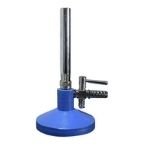 Bunsen Burner
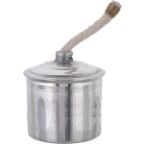 Spirit Lamp
 Borosilicate Glass Burette
 Plastic Burette
 Capillary Tube
 Centrifuge Tube
 Test Tube
 Ria Vial
 Vacutainer Tubes
 Syringes
 Student Microscope
 Binocular Microscope
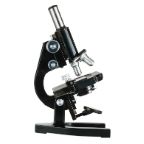 Dissecting Microscope
 Microscope Glass Slides
 Cover Slip
 Inoculating Loop
 Slide Box
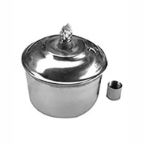 Lamps
Lamps
 Oils
Oils
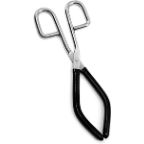 Beaker Tongs
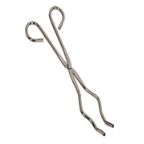 Crucible Tongs
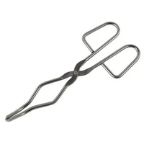 Flask Tongs
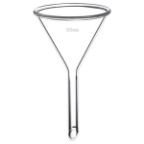 Borosilicate Glass Funnel
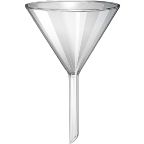 Plastic Funnels
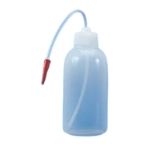 Wash Bottle
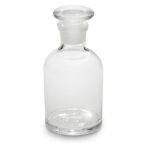 Borosilicate Glass Reagent Bottle
 Plastic Reagent Bottle
 Borosilicate Measuring Cylinder
 Plastic Measuring Cylinder
 Borosilicate Glass Graduated Pipette
 Borosilicate Glass Volumetric Pipette
 HB Pipette
 Pasteur Pipette
 Micropipettes
 Micropipette Tips
 Filter Paper
 Litmus Paper
 pH Paper
 Chromatography Paper
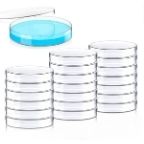 Plastic Petri Plates (Sterile)
 Glass Petri Plates (Non-Sterile)
 Safety Goggles
 Lab Coats
 Gloves
 Masks
Masks
 Shoe Covers
 Hair & Beard Covers
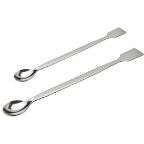 Steel Spatula
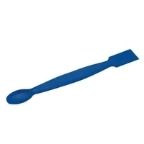 Plastic Spatula
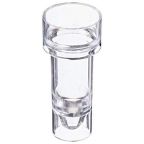 Hitachi Sample Cup
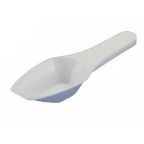 Plastic Scoop
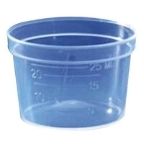 Plastic Medicine Cup
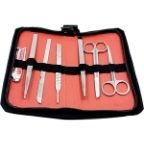 Dissecting Tool Kit
 Dissecting Forceps
 Hemostatic Forceps
 Thumb Forceps / Tweezers
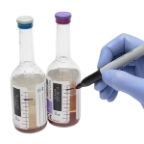 Blood Culture Bottle
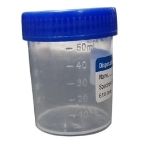 Urine Container
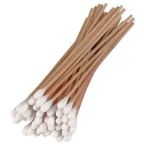 Wooden Swab Stick
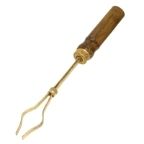 Test Tube Holder
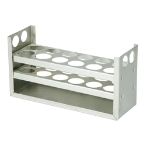 Test Tube Racks
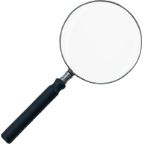 Magnifying Glass
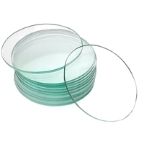 Watch Glass
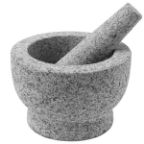 Mortar and Pestle
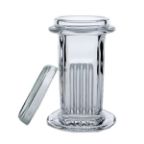 Coplin Jar
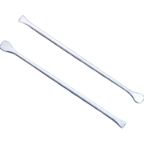 Plastic Stirrer
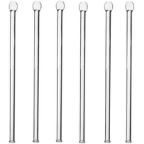 Glass Stirrer
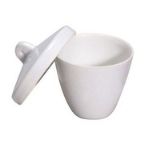 Crucible
 Tripod
 Wire Mesh
 Laboratory Thermometer
 Tourniquet
 Alcohol Swab
 Blood Lancet
 Bandage
 Gloves & Masks









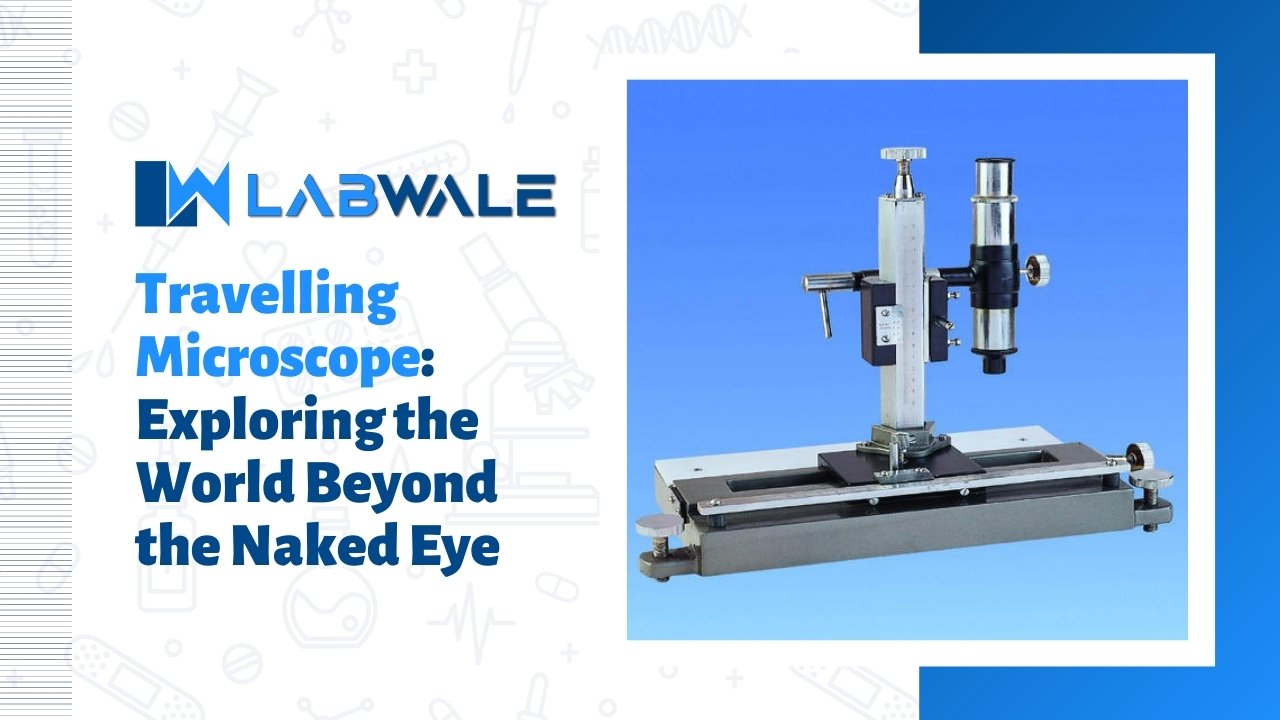
Travelling Microscope: Exploring the World Beyond the Naked Eye

Contents
- Introduction to Travelling Microscopes
- What Is a Travelling Microscope?
- The Science Behind Travelling Microscopes
- Key Components of a Travelling Microscope
- How a Travelling Microscope Works
- Difference Between Travelling Microscope and Compound Microscope
- Importance of Travelling Microscopes in Scientific Measurement
- Role of Travelling Microscopes in Physics Laboratories
- Applications of Travelling Microscopes in Research and Education
- Measuring Small Distances with High Precision
- Accuracy and Least Count of a Travelling Microscope
- Advantages of Using a Travelling Microscope
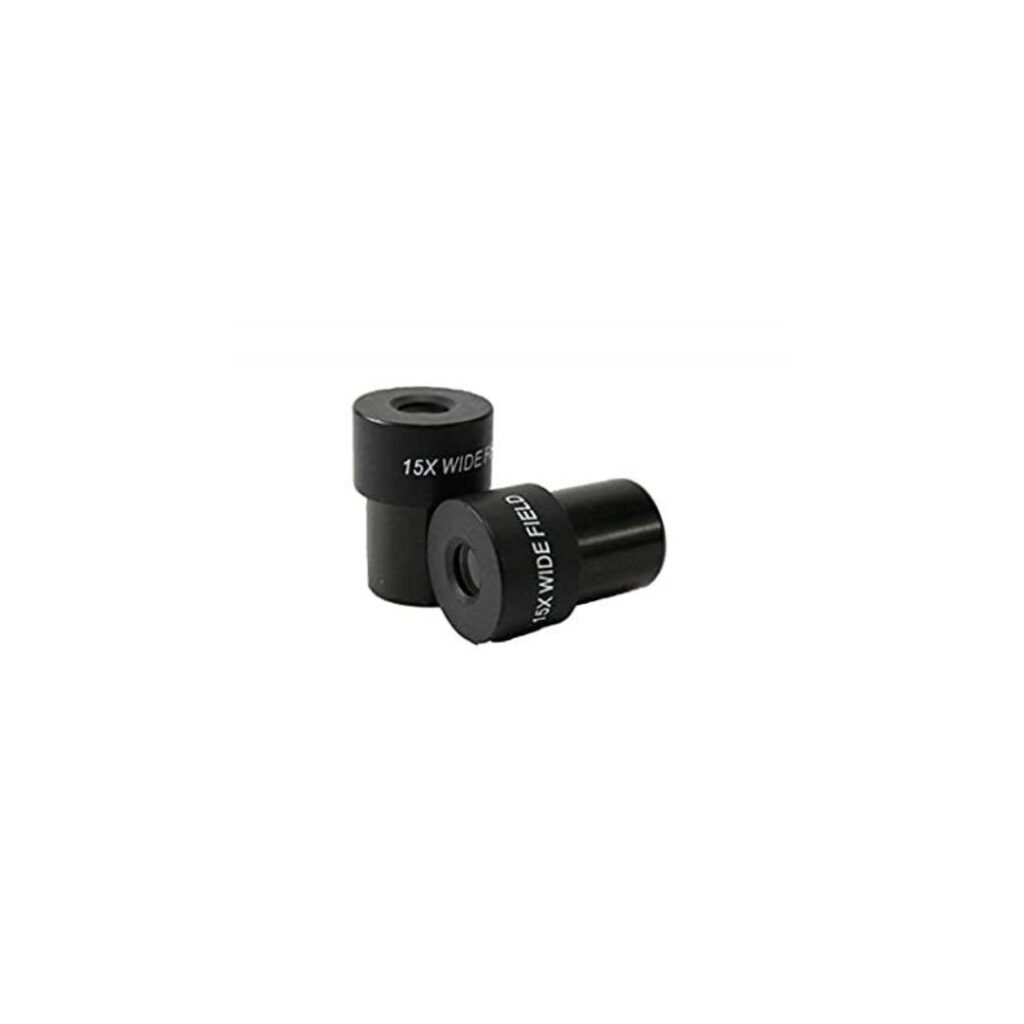
- 15x Wide Field Microscope Eyepiece
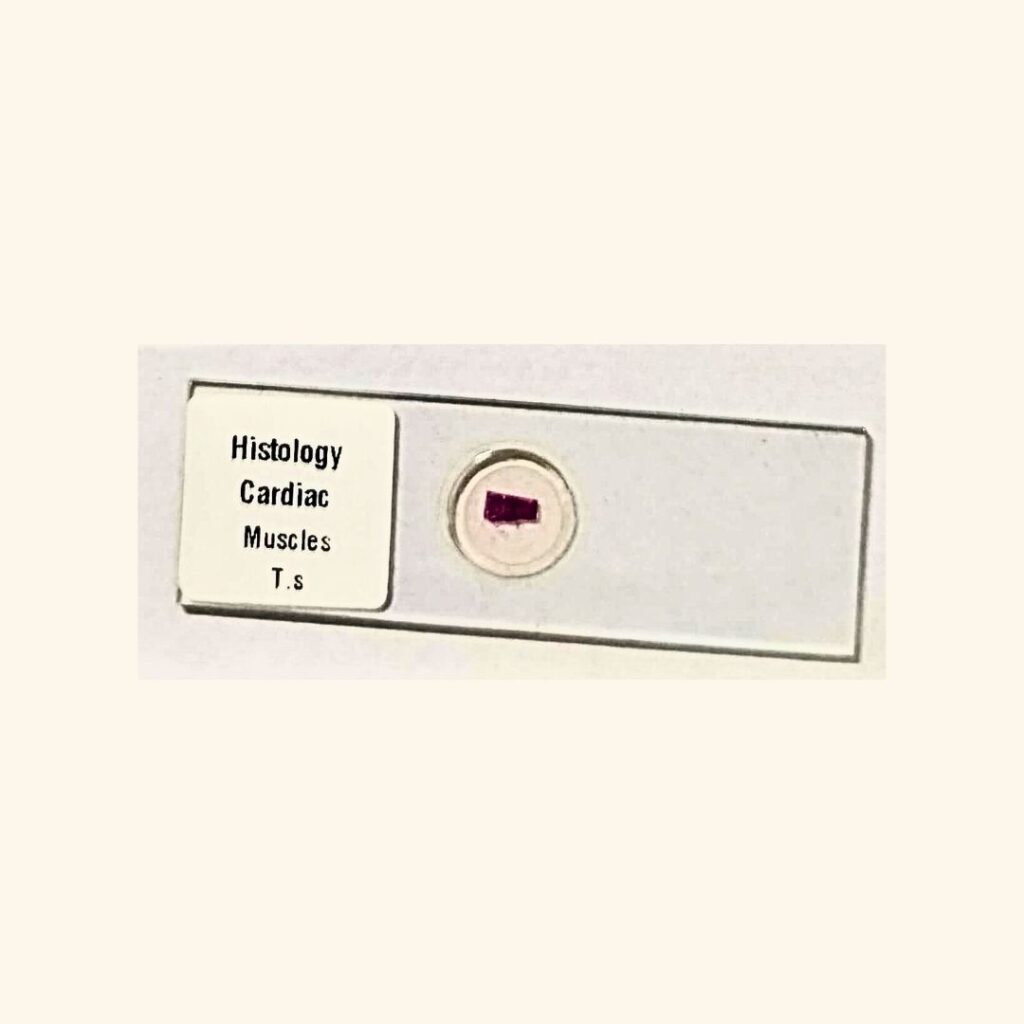
- Cardiac Muscles – Transverse Section / Cross Section – Histology Prepared Slide for Microscopy
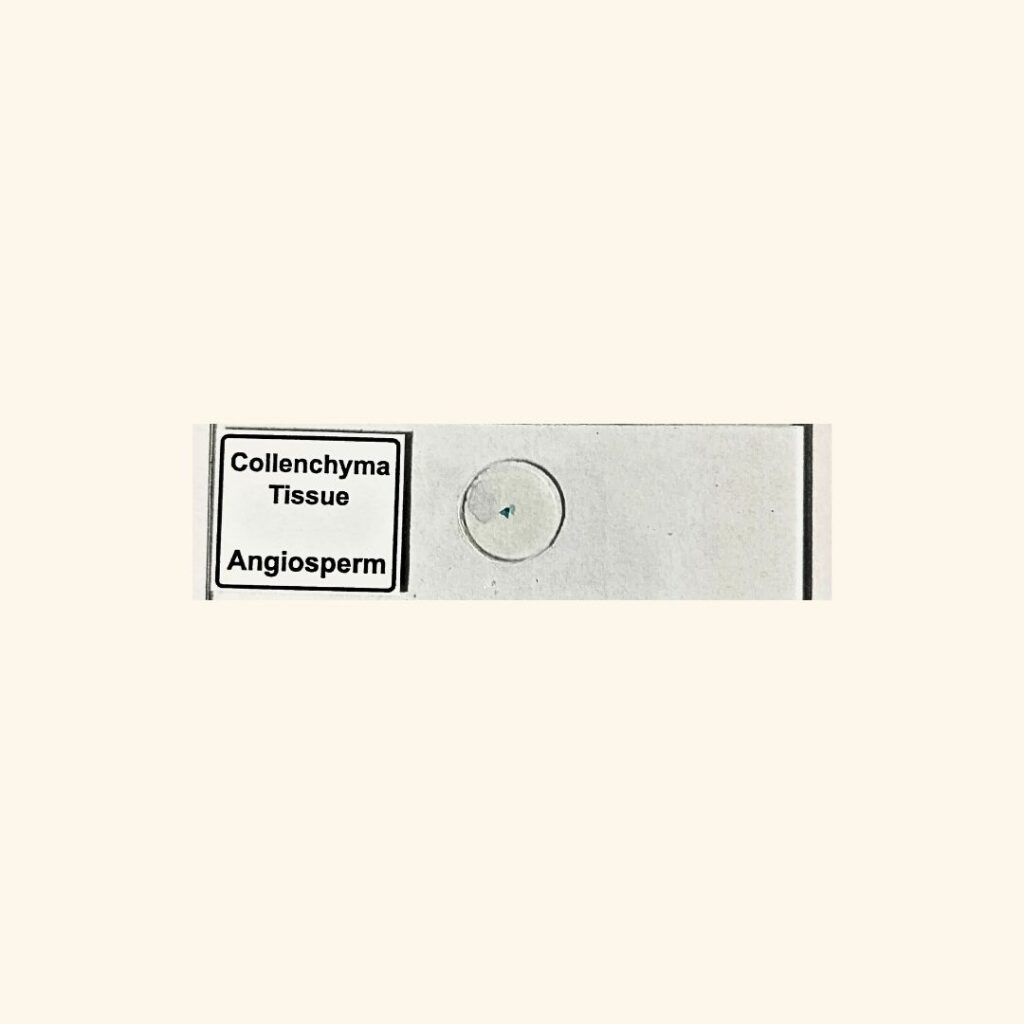
- Collenchyma Tissue – Angiosperm Prepared Slide for Microscopy
- Frosted Microscope Glass Slides (Pack of 50 Slides)
- Human Hyaline Cartine Cartilage Sec.(17) – Histology Prepared Slide for Microscopy
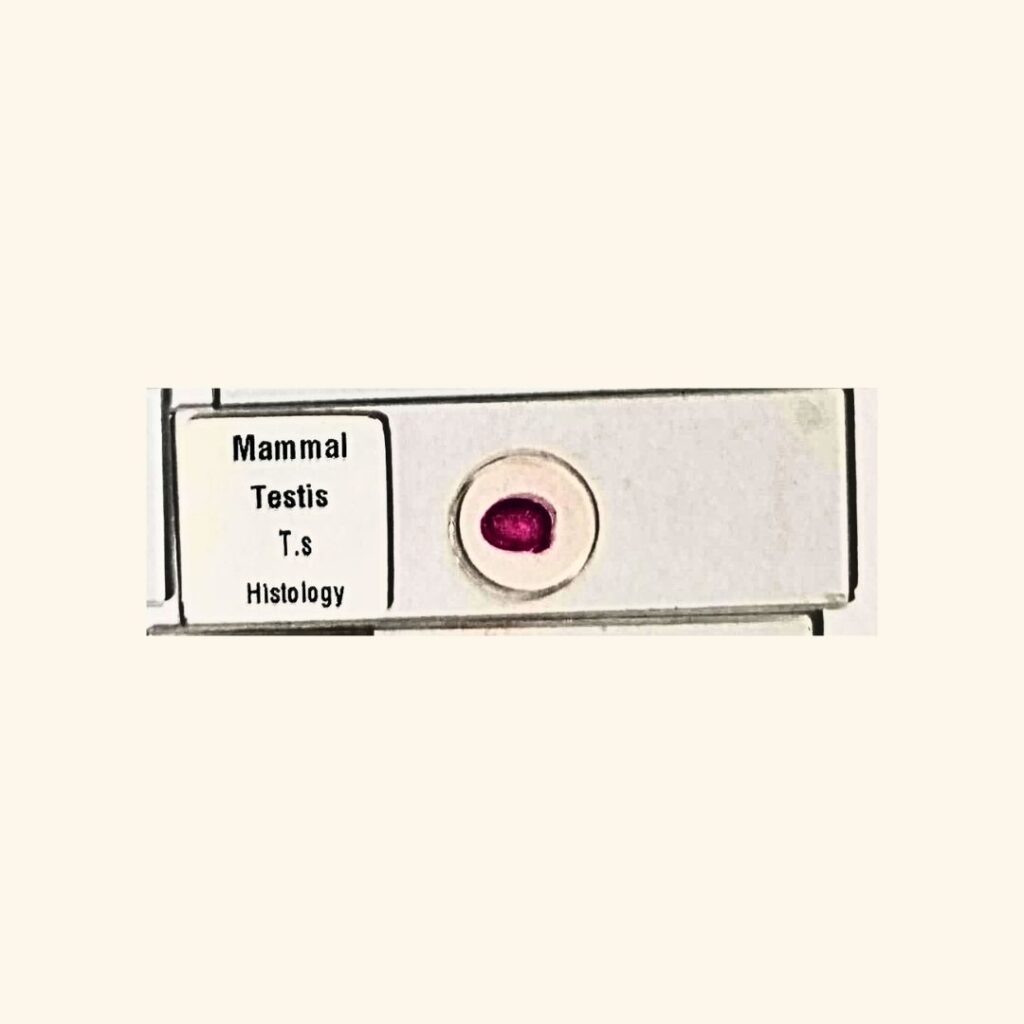
- Mammal Testis – Transverse Section / Cross Section – Histology Prepared Slide for Microscopy
- Microscope Glass Slides (For Microbiology) – Pack of 50 Slides
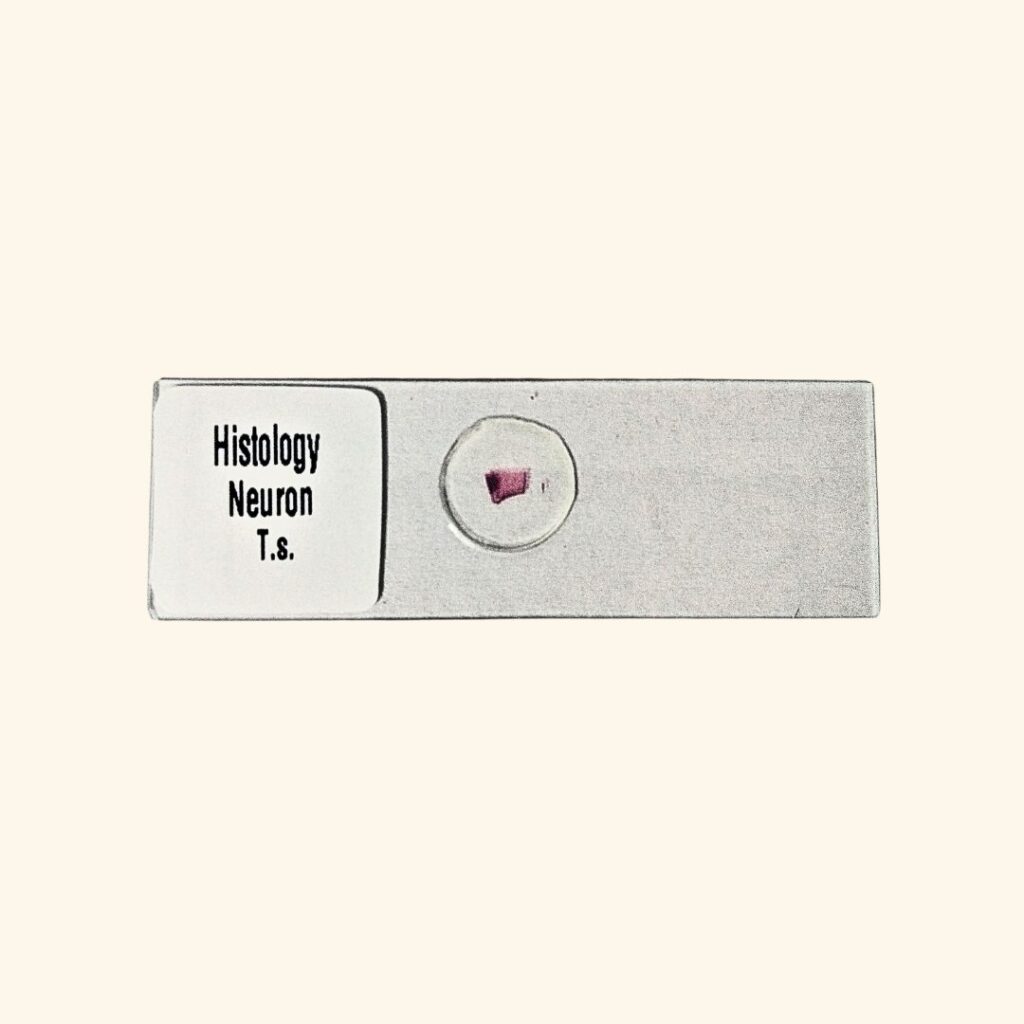
- Neuron – Transverse Section / Cross Section – Histology Prepared Slide for Microscopy
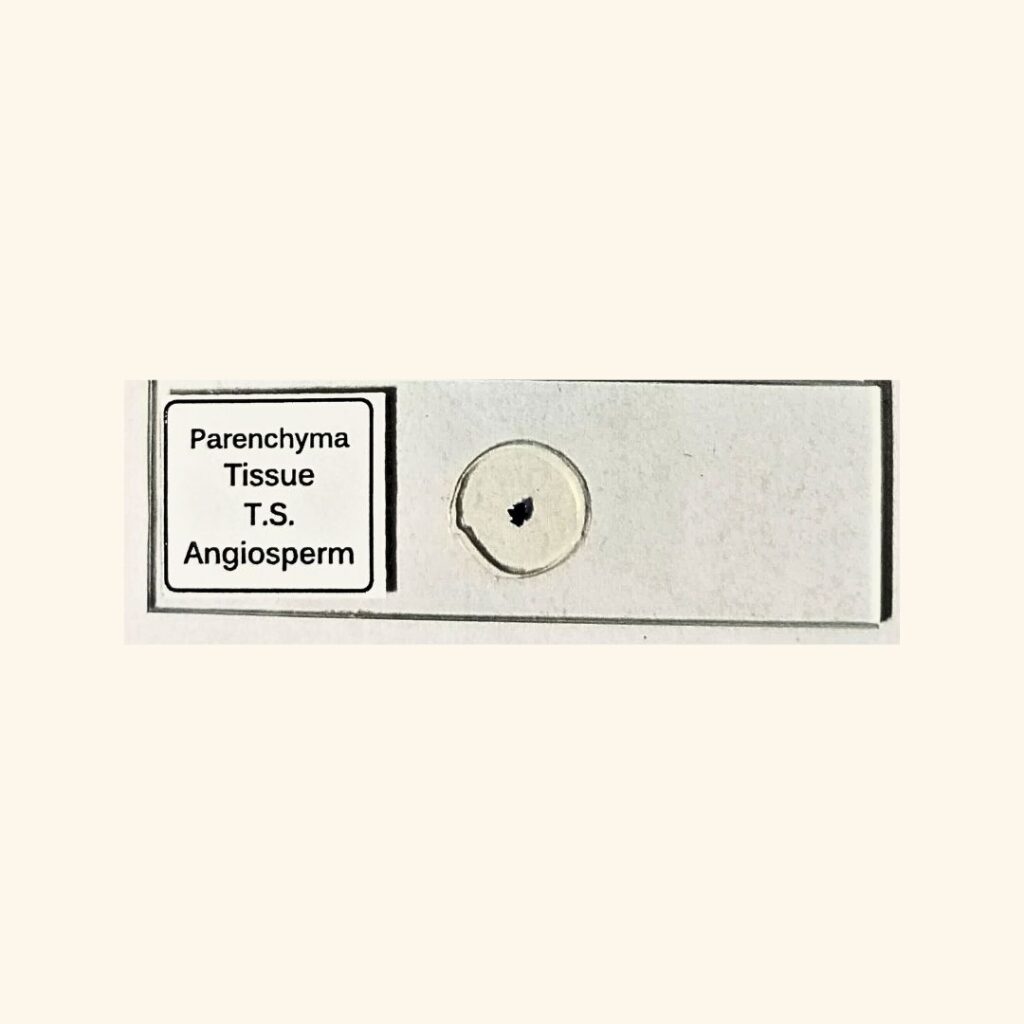
- Parenchyma tissue – Transverse Section / Cross Section – Angiosperm Prepared Slide for Microscopy
- Student Microscope with LED Lamp
- Student Microscope with LED Lamp & Dissection Kit
- Limitations and Challenges of Travelling Microscopes
- Common Experiments Performed Using a Travelling Microscope
- Travelling Microscope in Modern Scientific Studies
- Calibration and Adjustment of a Travelling Microscope
- Best Practices for Using a Travelling Microscope
- Maintenance and Care for Long-Term Accuracy
- Choosing the Right Travelling Microscope for Laboratory Use
- Safety Guidelines While Handling Travelling Microscopes
- Future Developments in Microscopic Measurement Tools
- Conclusion
- Frequently Asked Questions About Travelling Microscope
Introduction to Travelling Microscopes
Imagine standing on the edge of discovery, where the unseen world begins to unfold right before your eyes. The travelling microscope is a remarkable tool that bridges the gap between our everyday reality and a universe teeming with microscopic wonders. Whether you’re an avid science enthusiast or simply curious about what’s lurking in nature’s shadows, these portable instruments can ignite your passion for exploration.
From observing tiny cellular structures to measuring minute distances with precision, travelling microscopes offer a unique glimpse into realms that are otherwise hidden from view. They empower researchers and students alike to engage deeply with their surroundings and appreciate the intricate details of life at a micro level. In this blog post, we will embark on an enlightening journey through the fascinating features and applications of travelling microscopes—unraveling their significance in both scientific measurement and education. Get ready to explore what lies beyond the naked eye!
What Is a Travelling Microscope?
A travelling microscope is a specialized optical instrument designed for precise measurements of small objects and distances. It combines portability with advanced functionality, making it ideal for fieldwork and laboratory settings.
Unlike traditional microscopes primarily used for magnifying specimens, a travelling microscope focuses on measuring dimensions accurately. It utilizes an eyepiece and adjustable scales to provide high-resolution readings.
These instruments are particularly valuable in physics labs, where accurate distance measurement is critical. Researchers can assess minute variations with ease due to their finely calibrated components.
Designed for convenience, many models of travelling microscopes are compact and lightweight. This portability means scientists can carry them into various environments without compromising accuracy or performance.
The Science Behind Travelling Microscopes
The science behind travelling microscopes hinges on the principles of optics. These devices utilize lenses to magnify tiny specimens, allowing us to see details invisible to the naked eye.
A combination of concave and convex lenses provides clarity and precision. Light passing through these lenses bends, creating a larger image that reveals fascinating structures.
Moreover, the measurement aspect is crucial. Travelling microscopes come equipped with calibrated scales for accurate distance readings. This enables scientists to examine minute changes in size or shape.
Understanding refraction plays an essential role as well. The bending of light influences how images are projected and perceived through the microscope’s eyepiece.
These scientific principles transform simple observations into profound discoveries across various fields like biology and materials science, elevating our understanding of microscopic worlds hidden within everyday objects. Each component works harmoniously, making exploration both precise and enlightening.
Key Components of a Travelling Microscope
A travelling microscope is a fascinating instrument, designed for precision. Its key components work together to provide accurate measurements.
At the heart of this device is the optical system. This includes eyepieces and objectives that magnify tiny details, bringing them into sharp focus.
The base provides stability and support. It holds everything in place during measurements, ensuring reliability when observing small samples.
The stage plays a crucial role as well. It supports the specimen being examined and often has micrometric adjustments for precise positioning.
Another critical element is the scale or vernier scale attached to the body tube. This allows users to measure minute distances with exceptional accuracy.
Fine adjustment knobs enable smooth focusing, allowing scientists to hone in on their subjects effortlessly. Each component contributes significantly to creating an effective tool for exploration beyond what our eyes can see.
How a Travelling Microscope Works
A travelling microscope operates on fundamental optical principles. It utilizes a simple yet effective lens system to magnify small objects, allowing users to observe details invisible to the naked eye.
Light passes through an object placed on its stage and enters the eyepiece. The objective lens captures this light and focuses it, creating a magnified image. Users can adjust focus by sliding the eyepiece or changing distances between components.
Precision is key in measurement. A finely calibrated scale helps ensure that observations are accurate, providing reliable data for experiments.
The design also incorporates fine adjustment knobs for minute shifts, enhancing clarity when viewing tiny specimens or taking measurements.
This flexibility makes travelling microscopes invaluable tools in various scientific fields, from education to research labs where detail matters most.
Difference Between Travelling Microscope and Compound Microscope
Travelling microscopes and compound microscopes serve distinct purposes in the world of microscopy. While both instruments magnify small objects, their design and functionality differ significantly.
The travelling microscope is primarily used for measuring small distances with high precision. It incorporates a scale that allows users to take accurate readings, making it essential for laboratory measurements.
On the other hand, a compound microscope focuses on visualizing specimens in detail. This device employs multiple lenses to enhance magnification, enabling scientists to observe intricate structures within biological samples.
Furthermore, travelling microscopes are generally more portable than their compound counterparts. Their compact form makes them ideal for fieldwork or various research environments where space is limited.
In contrast, compound microscopes often require stable surfaces and controlled lighting conditions to function optimally. Each type addresses specific needs within scientific exploration and education, catering to different aspects of microscopic analysis.
Importance of Travelling Microscopes in Scientific Measurement
Travelling microscopes play a crucial role in scientific measurement. Their precision allows researchers to observe minute details that are otherwise invisible to the naked eye.
These instruments enable scientists to measure small distances with incredible accuracy. This is essential in fields like physics and biology, where even slight variations can lead to significant impacts on results.
With their portability, travelling microscopes facilitate fieldwork. Researchers can gather data directly from natural environments without compromising quality.
Moreover, they enhance educational experiences by providing students hands-on opportunities for exploration. Learning about microscopic structures becomes engaging when students can use these tools themselves.
The adaptability of travelling microscopes also invites innovations across various research domains, encouraging expanded inquiry into realms previously overlooked.
Role of Travelling Microscopes in Physics Laboratories
Travelling microscopes play a vital role in physics laboratories, bridging the gap between theory and practical application. They allow students and researchers to explore the minute details of experiments that are crucial for understanding physical phenomena.
These instruments enable precise measurements of small distances, making them essential for tasks like determining refractive indices or measuring wavelengths. Their portability is another advantage; they can be easily transported from one location to another, facilitating fieldwork where larger equipment might not be feasible.
In educational settings, travelling microscopes foster hands-on learning. Students engage directly with scientific concepts through experimentation rather than passive observation. This active involvement deepens their comprehension of optics and measurement principles.
Moreover, they serve as tools for innovation within research projects. Physicists often utilize these microscopes to investigate new materials or test hypotheses on a microscopic scale, paving the way for advancements in technology and science alike.
Applications of Travelling Microscopes in Research and Education
Travelling microscopes play a vital role in both research and education, bridging the gap between theoretical knowledge and practical application. In educational settings, they allow students to engage with concepts of measurement and optics firsthand. This hands-on experience fosters an understanding of scientific principles that textbooks can only convey abstractly.
In research laboratories, travelling microscopes are indispensable tools for precise measurements. Scientists utilize them to analyze samples at microscopic levels, ensuring accuracy in experiments across various fields such as biology and materials science.
Moreover, these instruments enable researchers to document findings meticulously. High precision is crucial when drawing conclusions based on minute details; thus, travelling microscopes enhance data reliability significantly.
With their portability, these devices make field studies more accessible. Researchers can gather essential information on-site without needing bulky equipment—an advantage that opens up new avenues for exploration in diverse environments.
Measuring Small Distances with High Precision
Measuring small distances with high precision is a cornerstone of scientific inquiry. Whether in physics experiments or biological studies, accuracy can make all the difference.
Travelling microscopes excel at this task thanks to their finely calibrated scales. These instruments can measure down to fractions of a millimeter with ease. The ability to discern minute differences allows researchers to collect reliable data crucial for detailed analysis.
For instance, calculating the thickness of a single cell layer requires extraordinary precision. Traditional measuring tools often fall short; however, travelling microscopes bridge that gap effectively.
The dual eyepiece system enhances depth perception and focus, enabling users to pinpoint exact measurements effortlessly. This capability opens doors for innovative research applications across various fields.
With each advancement in technology, these devices continue evolving, offering even greater levels of precision and reliability for those who dare to explore beyond what meets the naked eye.
Accuracy and Least Count of a Travelling Microscope
Accuracy is the cornerstone of any scientific instrument, and travelling microscopes are no exception. They offer remarkable precision, allowing scientists to measure small distances with confidence.
The least count refers to the smallest division that can be measured accurately with the microscope. For a typical travelling microscope, this value ranges from 0.01 mm to 0.001 mm, depending on its design and construction.
This fine resolution enables researchers to observe minute changes in their experiments or samples. Whether in measuring lengths or diameter of small objects, every fraction counts in scientific inquiry.
Calibration plays a vital role here as well. Regular adjustments ensure that measurements remain reliable over time.
Using a travelling microscope means embracing an intricate dance between accuracy and technique. The right handling methods further enhance its performance for precise outcomes in various applications.
Advantages of Using a Travelling Microscope
Using a travelling microscope opens up a world of possibilities for researchers and educators alike. Its portability allows scientists to conduct experiments in various locations, making it ideal for field studies.
The precision offered by these microscopes is another significant advantage. They can measure small distances with remarkable accuracy, ensuring reliable data collection for precise scientific analysis.
Additionally, their simple design makes them user-friendly. Even those new to microscopy can quickly learn how to use one effectively.
Travelling microscopes are also versatile tools. They serve multiple purposes across disciplines like biology and physics, adapting seamlessly to different research needs.
Moreover, they promote hands-on learning experiences in educational settings. Students gain practical skills while exploring the microscopic world around them, enhancing engagement and understanding in science subjects.
Realated Products



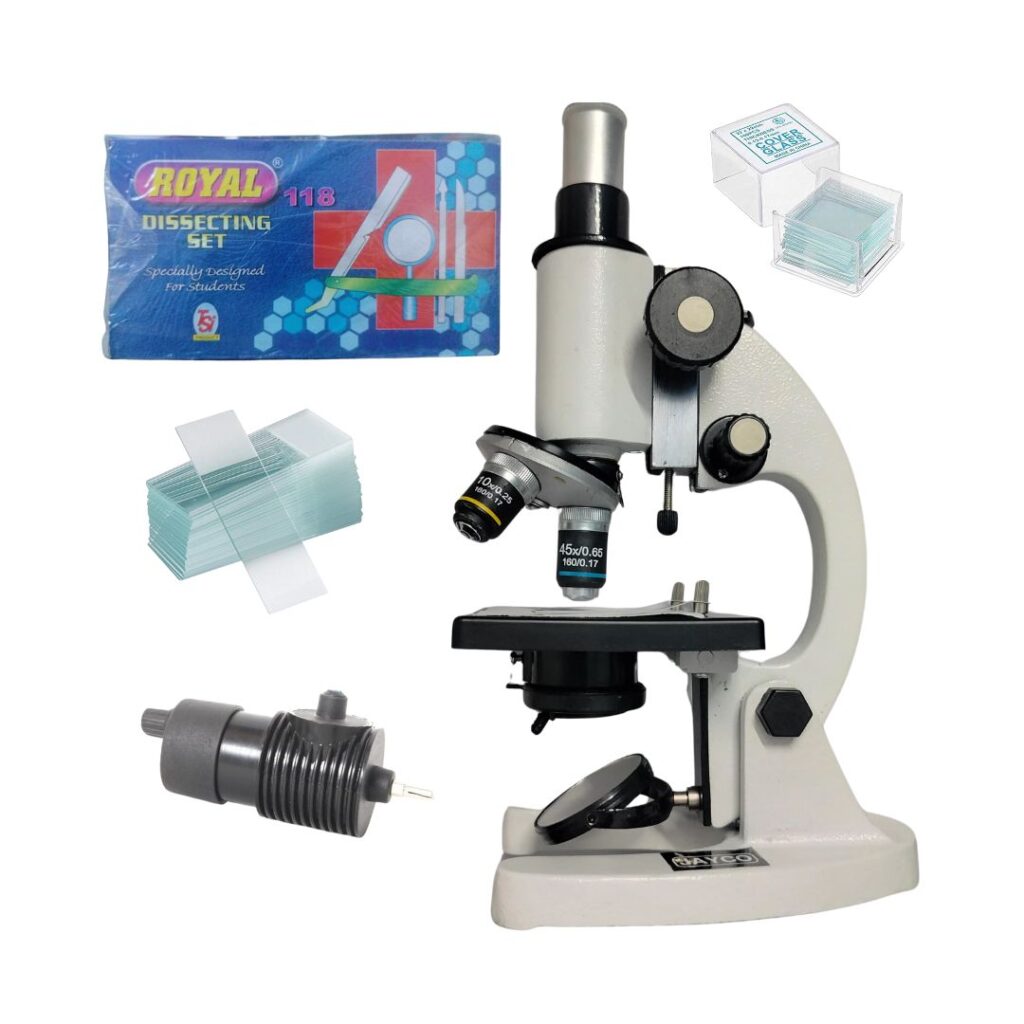
Student Microscope with LED Lamp & Dissection Kit
Original price was: ₹3,500.00.₹2,500.00Current price is: ₹2,500.00. / Unit
Limitations and Challenges of Travelling Microscopes
Travelling microscopes, while useful, come with their own set of challenges. One notable limitation is their sensitivity to environmental factors. Changes in temperature and humidity can affect measurements.
Another issue is the complexity of setup and calibration. Users must have a solid understanding of how to align optics precisely for accurate results. This requirement can be daunting for beginners.
Portability may also pose a challenge; these instruments are delicate and need careful handling during transport. Any jostle or drop can misalign components or cause damage.
Additionally, there’s often a trade-off between magnification power and field of view. Achieving high precision might limit what you can observe at once.
The learning curve associated with using travelling microscopes can deter some users from fully harnessing their potential in research or education settings.
Common Experiments Performed Using a Travelling Microscope
Travelling microscopes are versatile tools in laboratories, allowing students and researchers to perform a variety of fascinating experiments. One common experiment involves measuring the diameter of small objects, such as hair or fibers. This helps illustrate concepts like scale and precision.
Another popular use is in the observation of cell structures. Using prepared slides, users can explore the intricacies of plant and animal cells up close. It’s an engaging way to visualize biological principles.
Experiments that involve determining focal lengths also benefit from travelling microscopes. These studies provide insights into optics and lens properties, enhancing understanding of light behavior.
Some labs utilize these instruments for angular measurements too. Students learn about angles through practical applications while gaining hands-on experience with this critical scientific tool.
Each experiment fosters curiosity and hones skills essential for future scientific endeavors, making them invaluable educational resources across various fields.
Travelling Microscope in Modern Scientific Studies
The travelling microscope has carved out a significant niche in modern scientific studies. Its portability allows researchers to conduct experiments in various field settings, bridging the gap between theory and real-world observation.
In environmental science, for instance, these microscopes facilitate the examination of soil samples right at the site. Researchers can analyze microbial content without transporting samples back to a lab.
In biology and medicine, they enable on-the-spot analysis of tissues or cells. This immediate feedback loop can be crucial during time-sensitive research.
Moreover, educational institutions are embracing travelling microscopes to enhance learning experiences. Students gain hands-on insights into microscopic worlds while conducting experiments outdoors or in remote locations.
This adaptability not only enriches data collection but also inspires curiosity and creativity among budding scientists as they explore beyond traditional laboratory confines.
Calibration and Adjustment of a Travelling Microscope
Calibration is crucial for the accuracy of a travelling microscope. It ensures precise measurements, allowing researchers to trust their data.
To calibrate, start with a standard scale or reference slide. Position it under the microscope and focus on clear visibility. Adjust the eyepiece and objective lens until you achieve sharpness.
Once focused, use the micrometer screw to align your readings with the known values on the scale. This step verifies that all components are functioning correctly.
Regular checks should be part of maintenance routines. Environmental factors can affect performance over time, so adjustments may be necessary after extended periods of use.
Remember to document each calibration session meticulously. This practice helps maintain consistency in experiments and enhances reliability in results across different studies.
Best Practices for Using a Travelling Microscope
Using a travelling microscope effectively requires attention to detail. Start by ensuring the instrument is clean before every use. Dust or fingerprints can distort your observations.
Position the microscope on a stable surface. This minimizes vibrations that could affect measurements. A level base enhances accuracy significantly.
Take your time when focusing on an object. Slowly adjust the eyepiece and stage to achieve clarity, which is crucial for precise readings.
Always record your findings methodically. Accurate documentation allows you to track measurements and compare results over time.
Regularly check calibration against known standards, ensuring consistent performance during experiments. Calibration should be part of your routine maintenance.
Handle all components gently. Rough treatment can misalign parts or damage delicate mechanisms, leading to inaccurate results in future analyses. Being mindful preserves both function and longevity of this valuable tool.
Maintenance and Care for Long-Term Accuracy
Maintaining a travelling microscope is crucial for ensuring long-term accuracy. Regular cleaning of the lenses is essential. Use a soft lens cloth to gently wipe away dust and fingerprints, avoiding any abrasive materials that could scratch the surface.
Calibration should be performed periodically. This involves checking against known measurements to ensure precision remains intact over time. If discrepancies arise, adjustments may be necessary.
Proper storage can also extend the life of your microscope. Keep it in a protective case when not in use, away from direct sunlight and extreme temperatures.
Additionally, inspect moving parts regularly for wear or misalignment. Lubrication may be needed but use only recommended oils sparingly to avoid excess build-up.
Remember to handle with care during experiments and transport. A little attention goes a long way in preserving functionality and achieving reliable results throughout years of usage.
Choosing the Right Travelling Microscope for Laboratory Use
Selecting the right travelling microscope for laboratory use can be a game-changer in your research. Consider your specific requirements, such as the level of detail needed and the types of measurements you’ll be conducting.
Look for microscopes that offer adjustable focal lengths. This flexibility allows you to observe specimens at various distances, enhancing accuracy. A solid build is essential too; choose materials that withstand regular handling yet remain lightweight for easy transport.
Check the optical quality as well. Lenses should provide clear images without distortion, ensuring reliable results during experiments. The ease of calibration also plays a vital role—microscopes with intuitive adjustment mechanisms save time and reduce frustration.
Don’t forget about additional features like built-in illumination or digital integration, which can enhance functionality further. Investing time in selecting the right model will pay off in precision and efficiency down the line.
Safety Guidelines While Handling Travelling Microscopes
Handling a travelling microscope requires attention to safety to ensure both the user and the instrument remain unharmed. Start by wearing protective eyewear, especially when working under bright light conditions. This will shield your eyes from potential glare or accidental exposure.
Always work on a stable surface to prevent any vibrations that could lead to accidents or misalignment of measurements. Ensure that the area is clear of clutter, allowing for easy movement around your workspace.
When adjusting lenses or making fine calibrations, avoid touching glass surfaces directly with fingers. Instead, use lens paper for cleaning and adjustments. This practice helps maintain optical clarity while preventing smudges that might compromise results.
Always handle the microscope with care during transport. Use its case if available and secure it properly in place to avoid damage from knocks or falls during travel between locations.
Future Developments in Microscopic Measurement Tools
The future of microscopic measurement tools is poised for remarkable advancements. Researchers are exploring the integration of artificial intelligence to enhance image analysis and interpretation. This innovation could lead to more intuitive user interactions and smarter data processing.
Nanotechnology is also paving the way for miniaturized devices that offer unprecedented precision. Imagine handheld microscopes capable of measuring at atomic scales, revolutionizing fields like materials science and biology.
Moreover, augmented reality (AR) may play a significant role in microscope usage. Users might visualize specimens through digital overlays, providing context-rich experiences right before their eyes.
Collaboration between disciplines is expected to spur further breakthroughs. By combining optics with biotechnology or engineering principles, entirely new forms of microscopy will emerge, expanding our understanding of microcosms previously thought inaccessible.
As these technologies develop, we can anticipate even greater accuracy and efficiency in scientific research across various domains.
Conclusion
Travelling microscopes open up a fascinating world of discovery. They enable scientists and students alike to observe the minutiae that typically elude our naked eye.
These instruments play an essential role in various fields, from physics laboratories to educational settings. Their precision allows for accurate measurements which are crucial in research and experimentation.
As technology continues to evolve, so too will the capabilities of travelling microscopes. The future holds exciting possibilities for enhanced functionality and design improvements.
Whether you’re a budding scientist or an experienced professional, understanding how to use this tool effectively can lead to remarkable insights into the natural world. Embracing these innovative devices can inspire curiosity and drive exploration beyond conventional limits.
Frequently Asked Questions About Travelling Microscope
When exploring the fascinating world of travelling microscopes, you may have some lingering questions. Here are five frequently asked queries that can help clarify any uncertainties.
What is the primary use of a travelling microscope?
A travelling microscope is primarily used for making precise measurements in laboratories and educational settings. It allows scientists to study small objects, measure distances accurately, and perform experiments with high precision.
How does a travelling microscope differ from other types of microscopes?
Unlike compound microscopes, which magnify images using multiple lenses, a travelling microscope focuses on providing accurate measurements rather than just magnification. Its design emphasizes fine adjustments and scales for measuring dimensions.
Can I use a travelling microscope for everyday purposes?
While they are mainly designed for scientific research and education, enthusiasts or hobbyists can also find value in using a travelling microscope to observe small specimens or make detailed measurements at home.
How do I maintain my travelling microscope?
Proper maintenance involves regular cleaning of lenses with appropriate solutions and avoiding exposure to extreme temperatures. Calibration should also be performed periodically to ensure accuracy remains intact over time.
Are there advancements in technology that improve the functionalities of modern travelling microscopes?
Yes! Advancements include digital displays for easier reading of measurements and enhanced materials that increase durability while maintaining lightweight portability. These innovations allow more users access to this valuable tool without compromising performance.
 Cardiology
 Clinical Oncology