
-
-
 Cardiology
-
 Clinical Oncology
-
 Dental
-
 Dermatology
-
 Ear, Nose, Throat (ENT)
-
 Endocrinology
-
 Gastroenterology
-
 General Surgery
-
 Gynecology & Obstetrics
-
 Interventional Cardiology
-
 Nephrology
-
 Neurology
-
 Oncology Surgery
-
 Ophthalmology
-
 Orthopedics
-
 Pediatrics
-
 Pediatrics Surgery
-
 Physiotherapy
-
 Plastic Surgery
-
 Psychiatry & Psychology
-
 Radiology
-
 Urology
-
 Vascular Surgery
-

 Anatomy Lab Equipments
 Biochemistry Lab Equipments
 Biology Lab Equipments
 Chemistry Lab Equipments
 Cytology Lab Equipments
 Cytopathology Lab Equipments
 Dental Lab Equipments
 Forensic Lab Equipments
 Genetics Lab Equipments
 Hematology Lab Equipments
 Histology Lab Equipments
 Histopathology Lab Equipments
 Mathematics Lab Equipments
 Microbiology Lab Equipments
 Molecular Biology Lab Equipments
 Pathology Lab Equipments
 Pharmaceutical Lab Equipments
 Physics Lab Equipments
 Radiology Lab Equipments
 Science Lab Kit’s
 Toxicology Lab Equipments

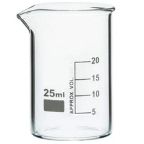 Borosilicate Glass Beaker
 Plastic Beaker (Euro Design)
 Plastic Beaker (Printed Graduation)
 Test Tube Brush
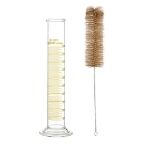 Measuring Cylinder Brush
 Conical Flask Brush
 Volumetric Flask Brush
 Round Bottom Flask Brush
 Glass Beaker Brush
 Pipette Brush
 Wash Bottle Brush
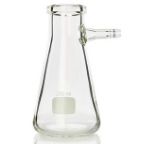 Borosilicate Büchner Flask
 Borosilicate Erlenmeyer/Conical Flask
 Borosilicate Pear-Shaped Flask
 Borosilicate Round Bottom Flask
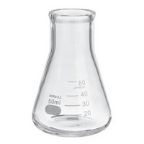 Plastic Conical Flask
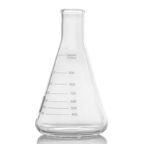 Plastic Volumetric Flask
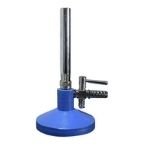 Bunsen Burner
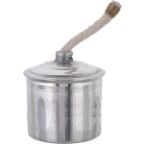 Spirit Lamp
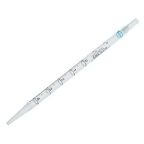 Borosilicate Glass Burette
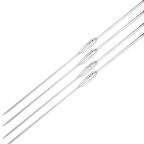 Plastic Burette
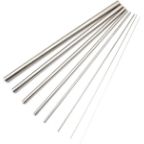 Capillary Tube
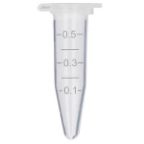 Centrifuge Tube
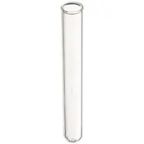 Test Tube
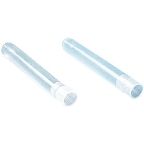 Ria Vial
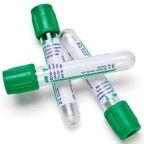 Vacutainer Tubes
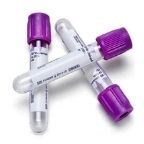 Syringes
 Student Microscope
 Binocular Microscope
 Dissecting Microscope
 Microscope Glass Slides
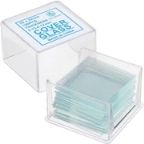 Cover Slip
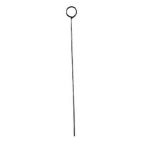 Inoculating Loop
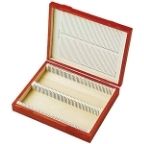 Slide Box
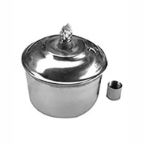 Lamps
Lamps
 Oils
Oils
 Beaker Tongs
 Crucible Tongs
 Flask Tongs
 Borosilicate Glass Funnel
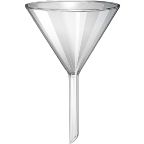 Plastic Funnels
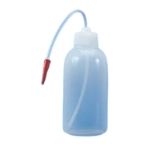 Wash Bottle
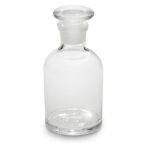 Borosilicate Glass Reagent Bottle
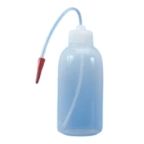 Plastic Reagent Bottle
 Borosilicate Measuring Cylinder
 Plastic Measuring Cylinder
 Borosilicate Glass Graduated Pipette
 Borosilicate Glass Volumetric Pipette
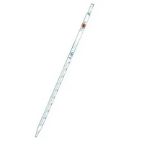 HB Pipette
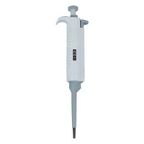 Pasteur Pipette
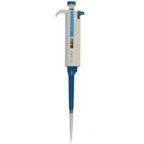 Micropipettes
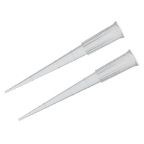 Micropipette Tips
 Filter Paper
 Litmus Paper
 pH Paper
 Chromatography Paper
 Plastic Petri Plates (Sterile)
 Glass Petri Plates (Non-Sterile)
 Safety Goggles
 Lab Coats
 Gloves
 Masks
Masks
 Shoe Covers
 Hair & Beard Covers
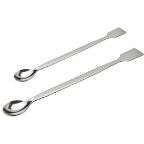 Steel Spatula
 Plastic Spatula
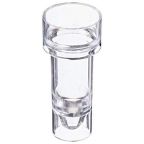 Hitachi Sample Cup
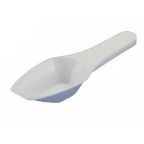 Plastic Scoop
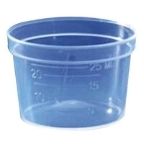 Plastic Medicine Cup
 Dissecting Tool Kit
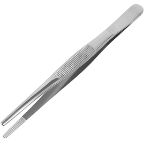 Dissecting Forceps
 Hemostatic Forceps
 Thumb Forceps / Tweezers
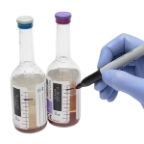 Blood Culture Bottle
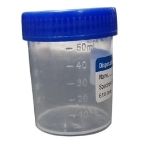 Urine Container
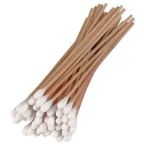 Wooden Swab Stick
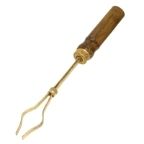 Test Tube Holder
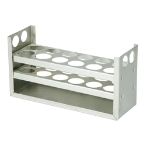 Test Tube Racks
 Magnifying Glass
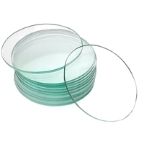 Watch Glass
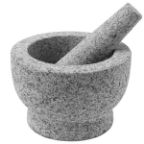 Mortar and Pestle
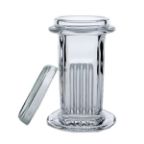 Coplin Jar
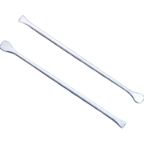 Plastic Stirrer
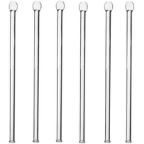 Glass Stirrer
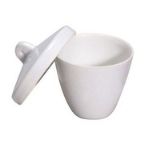 Crucible
 Tripod
 Wire Mesh
 Laboratory Thermometer
 Tourniquet
 Alcohol Swab
 Blood Lancet
 Bandage
 Gloves & Masks









Red Vacutainer Tube/Vial – A Comprehensive Guide for Everyone


Contents
- What Is a Red Vacutainer Tube/Vial?
- Why Is the Red Vacutainer Tube Commonly Used in Laboratories?
- Types of Red Vacutainer Tubes Available in the Market
- Additive vs Non-Additive Red Vacutainer Tubes Explained
- Composition and Material of Red Vacutainer Tubes
- How Red Vacutainer Tubes Work in Blood Collection
- Difference Between Red Top and Other Color Vacutainer Tubes
- Clinical Applications of Red Vacutainer Tubes
- Blood Tests That Require Red Vacutainer Tubes
- Role of Red Vacutainer Tubes in Serum Collection
- Proper Procedure for Using a Red Vacutainer Tube
- Safety Guidelines While Handling Red Vacutainer Tubes
- Storage Conditions for Red Vacutainer Tubes
- Shelf Life and Expiry Considerations
- Common Mistakes to Avoid When Using Red Vacutainer Tubes
- Red Vacutainer Tube Sizes and Volume Options
- Sterility and Quality Standards in Red Vacutainer Tubes
- Importance of Color Coding in Blood Collection Tubes
- How to Choose the Right Red Vacutainer Tube for Your Lab
- Red Vacutainer Tubes in Hospitals vs Diagnostic Laboratories
- Regulatory Standards and Certifications for Vacutainer Tubes
- Frequently Asked Questions About Red Vacutainer Tubes
When it comes to blood collection, precision and reliability are paramount. Enter the red vacutainer tube, a staple in laboratories around the world. But what makes this unassuming vial so essential? Whether you’re a seasoned lab technician or someone new to the medical field, understanding these tubes can enhance your knowledge of laboratory practices. From their unique applications in serum testing to specific handling guidelines, there’s much more than meets the eye with red vacutainer tubes. Let’s dive into everything you need to know about this critical component of blood work!
What Is a Red Vacutainer Tube/Vial?
A red vacutainer tube, often seen in medical settings, is a type of glass or plastic vial designed for blood collection. Its signature color indicates that it is typically free from additives, making it ideal for serum testing.
These tubes feature a vacuum-sealed design that allows for efficient blood draw with minimal disturbance to the sample. Upon filling, they create an airtight environment which helps preserve the integrity of the collected specimen.
Laboratories utilize red vacutainers primarily due to their simplicity and versatility. They are commonly used for various assays where serum analysis is required. Understanding these characteristics can enhance your approach to laboratory procedures and blood handling techniques.
Why Is the Red Vacutainer Tube Commonly Used in Laboratories?
The red vacutainer tube is a staple in laboratory settings due to its versatility. Primarily designed for serum collection, it plays a crucial role in various diagnostic tests.
One major reason for its popularity is the absence of additives, which allows blood samples to clot naturally. This characteristic makes it ideal for procedures requiring serum analysis.
Moreover, the clear identification associated with the red color ensures easy sorting and handling in busy labs. Technicians can quickly grab the right tube during critical moments.
Additionally, these tubes are compatible with many automated analyzers found in laboratories today. Their reliability enhances workflow efficiency, making them an indispensable tool within clinical practices.
With multiple sizes available, they cater to different volume requirements without compromising quality or performance.
Types of Red Vacutainer Tubes Available in the Market
Red Vacutainer tubes come in various types, catering to specific laboratory needs. The most common type is the plain red top tube, which contains no additives. This design is ideal for collecting serum samples.
Another option includes the red-top tubes with gel separators. These are equipped with a barrier that forms during centrifugation, allowing easy separation of serum from blood cells after processing.
For certain applications, you might encounter red cap tubes designed specifically for pediatric use. They typically have smaller volumes while maintaining compatibility with standard procedures.
Each type serves unique purposes across clinical settings and research environments. Understanding these variations ensures accurate sample collection and analysis tailored to specific testing requirements.
Additive vs Non-Additive Red Vacutainer Tubes Explained
Red Vacutainer tubes come in two primary categories: additive and non-additive. Understanding the difference is crucial for accurate blood sample processing.
Additive red tubes contain substances that promote specific reactions. These additives can enhance clotting or preserve certain analytes, making them ideal for various laboratory tests. They are particularly useful when a serum sample is needed.
On the other hand, non-additive red tubes are free from any chemicals. Their primary function is to allow blood to clot naturally before collection. This type of tube is often chosen for tests requiring serum separation without interference from additives.
Choosing between these options depends on the test requirements and desired outcomes. Each serves its purpose effectively within clinical settings, ensuring optimal results in diagnostics and patient care.
Composition and Material of Red Vacutainer Tubes
Red Vacutainer tubes are primarily composed of high-quality glass or plastic materials. Glass tubes offer the advantage of being inert, ensuring that no chemical interactions occur with the blood sample. This property is essential in maintaining the integrity of the sample.
Plastic red top tubes, while also effective, often come with special additives to improve their durability and reduce breakage risk. They provide a lightweight alternative for transportation and handling.
The interior surface of these tubes is designed to minimize adsorption, allowing for optimal recovery of serum during testing. Both glass and plastic options comply with rigorous quality standards, making them safe for laboratory use.
These materials are chosen not just for their physical properties but also because they facilitate accurate results in various diagnostic tests. The choice between glass and plastic may depend on specific lab requirements or preferences regarding safety and handling capabilities.
How Red Vacutainer Tubes Work in Blood Collection
Red Vacutainer tubes are designed for efficient blood collection, simplifying the process for healthcare professionals. These tubes use a vacuum system to draw the exact amount of blood needed from the patient.
When a needle is inserted into a vein, air pressure in the tube creates suction. This allows blood to fill the tube without excessive force or discomfort. The design ensures that samples can be collected with precision.
Once filled, red top tubes typically allow for serum separation after clotting occurs naturally at room temperature. This unique feature makes them ideal for numerous laboratory tests requiring serum analysis.
The careful construction of these tubes minimizes contamination and preserves sample integrity until further processing. Their reliability has made them an essential tool in both hospital settings and diagnostic laboratories around the world.
Difference Between Red Top and Other Color Vacutainer Tubes
Red top vacutainer tubes are primarily designed for serum collection. They contain no additives, which allows blood to clot naturally before centrifugation. This makes them ideal for various biochemical tests.
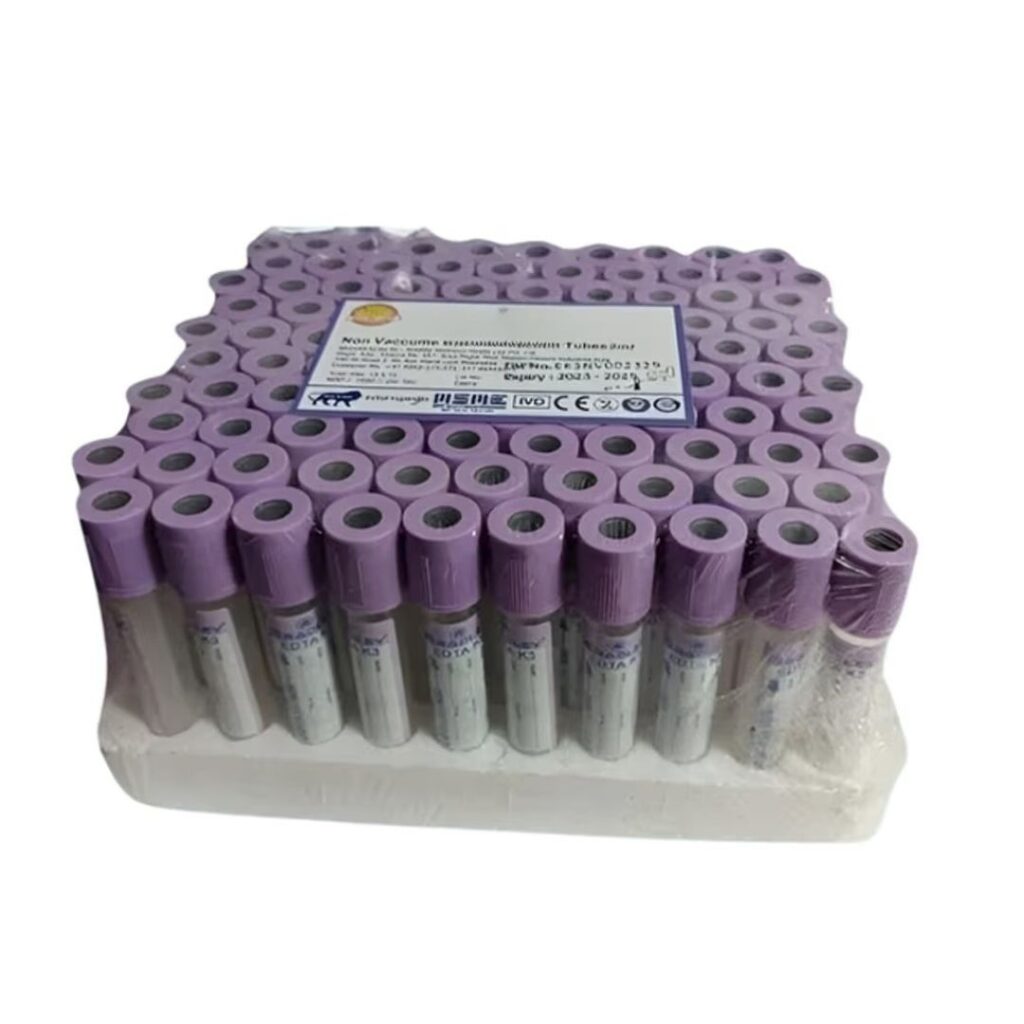
On the other hand, colored vacutainer tubes serve different purposes depending on their additives. For example, green tops often contain heparin as an anticoagulant, while purple tops use EDTA to prevent coagulation.
Each color-coded tube has specific applications in laboratory settings. The choice of tube can affect test results significantly. Therefore, it’s crucial to understand the distinctions between these options when preparing samples.
While red top tubes are versatile and widely used, knowing when to use other colors is essential for accurate diagnostics and patient care.
Clinical Applications of Red Vacutainer Tubes
Red Vacutainer tubes play a crucial role in clinical settings, especially for serum collection. They are primarily used to obtain blood samples that require no additives, allowing the serum to separate naturally during centrifugation.
These tubes are preferred for various diagnostic tests, including chemistry panels and hormonal assays. Their capability to yield clear serum makes them ideal for accurate analysis.
In addition to routine testing, red tops are often utilized in special studies where additive interference could skew results. This ensures high-quality outcomes in patient evaluations.
Healthcare professionals appreciate their versatility across different specialties—ranging from endocrinology to infectious disease screening. The reliable performance of red Vacutainer tubes helps maintain consistency in lab results, essential for patient diagnosis and treatment decisions.
Blood Tests That Require Red Vacutainer Tubes
Red vacutainer tubes play a crucial role in various blood tests. They are primarily used for serum collection, which is essential for many diagnostic purposes.
One common test that requires red vacutainer tubes is the basic metabolic panel (BMP). This test evaluates electrolyte levels, kidney function, and glucose levels.
Another important application includes liver function tests. These assays assess enzymes and proteins produced by the liver to identify any abnormalities.
Additionally, hormone level testing often utilizes these tubes. For instance, thyroid hormone assessments depend on samples collected in red tops.
Certain serological tests also benefit from this tube type. They help detect antibodies or antigens related to infections or autoimmune disorders.
The versatility of red vacutainer tubes makes them indispensable in labs worldwide. Their ability to facilitate accurate and timely results significantly aids patient diagnosis and treatment plans.
Related Products

50 Chemicals Combo for Youtubers
Original price was: ₹28,000.00.₹18,999.00Current price is: ₹18,999.00. / Unit
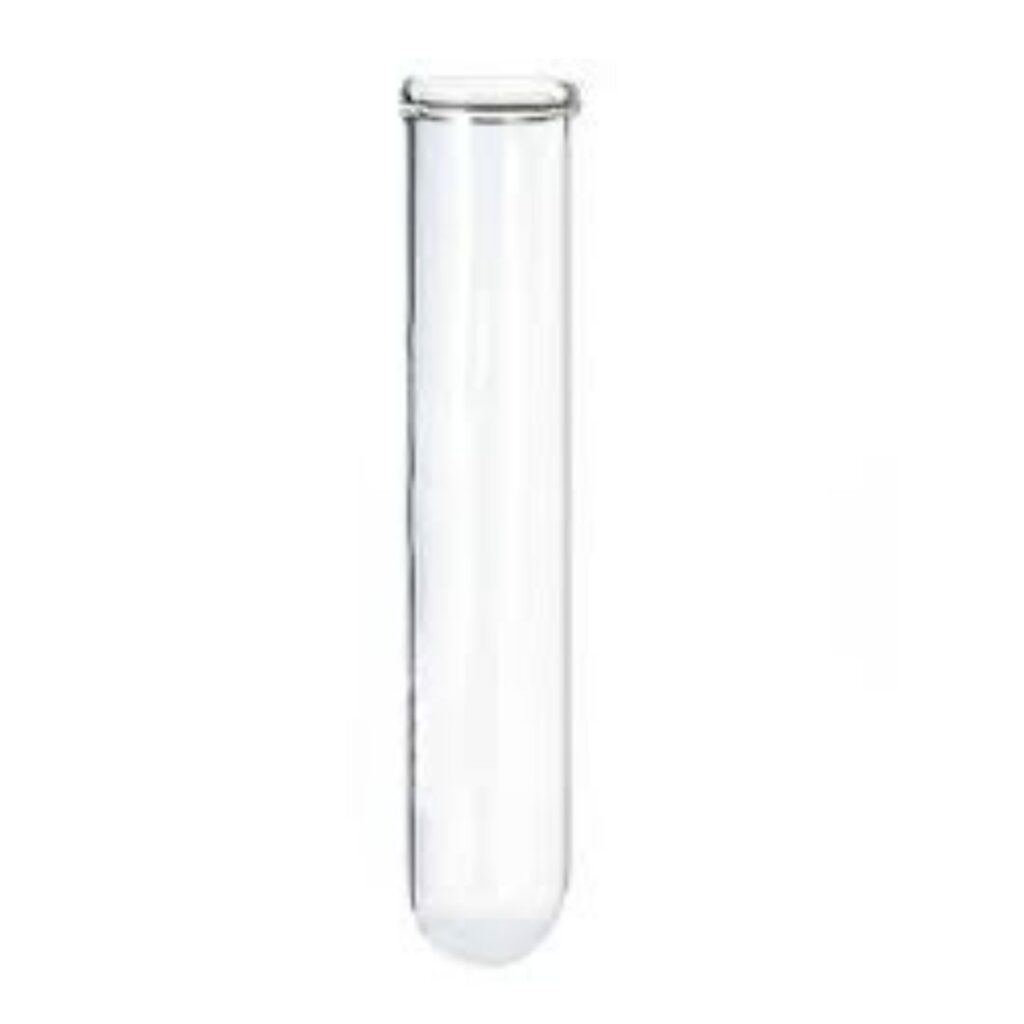
Borosilicate Test Tube (150 mm x 15 mm)
₹15.00 / Unit
Role of Red Vacutainer Tubes in Serum Collection
Red Vacutainer tubes play a crucial role in serum collection, making them indispensable in clinical laboratories. Their design facilitates the separation of serum from clotted blood, ensuring accurate test results.
When blood is drawn into a red top tube, it undergoes natural coagulation. The absence of additives allows the sample to clot completely. This process is vital for obtaining clear serum that can be easily analyzed.
Once the blood has clotted, centrifugation separates the liquid serum from cellular components. This step is essential for tests that require serum rather than whole blood or plasma.
The ability to collect and store samples efficiently enhances laboratory workflow and improves diagnostic accuracy. Red Vacutainer tubes are designed with safety and reliability in mind, contributing significantly to patient care through precise testing methods.
Proper Procedure for Using a Red Vacutainer Tube
Using a red vacutainer tube requires precision and care. Begin by gathering all necessary supplies, including gloves, alcohol swabs, and the proper size of the red tube.
Before drawing blood, cleanse the venipuncture site thoroughly with an alcohol swab. Allow it to dry completely to prevent contamination. Once prepared, apply tourniquet pressure above the chosen vein.
Insert the needle smoothly at a 15-30 degree angle into the vein. Ensure that blood flow enters the tube without hesitation. If using multiple tubes, always fill each in order of draw to avoid cross-contamination.
After sufficient blood is collected, remove your tourniquet followed by carefully withdrawing the needle from the vein while applying gauze over puncture site immediately after removal.
Gently invert the filled red vacutainer several times to mix any additives if present before storing or submitting for testing as required.
Safety Guidelines While Handling Red Vacutainer Tubes
When handling red Vacutainer tubes, safety should be a top priority. Start by wearing appropriate personal protective equipment (PPE), such as gloves and lab coats. This helps minimize exposure to bloodborne pathogens.
Always inspect the tubes before use. Look for cracks or defects that could compromise their integrity during blood collection. If you spot any issues, discard them immediately.
During the collection process, ensure proper techniques are followed to avoid needle-stick injuries. Use a sharps container for disposing of needles promptly after use.
After collecting samples, handle the tubes with care to prevent spillage or breakage. Secure lids tightly after drawing blood to maintain sterility and prevent contamination.
Always wash your hands thoroughly after working with these tubes to eliminate any potential risks of infection or contamination from surfaces touched during the procedure. Keeping your workspace clean is equally vital in maintaining safety standards.
Storage Conditions for Red Vacutainer Tubes
Proper storage of red Vacutainer tubes is crucial for maintaining their integrity. These tubes should be stored in a cool, dry place away from direct sunlight. Exposure to heat and light can compromise the materials, leading to potential inaccuracies in blood tests.
A stable room temperature between 15°C to 30°C (59°F to 86°F) is typically recommended. Extreme temperatures may affect the vacuum seal and additives within the tube.
It’s also important to keep them upright and avoid stacking them too high, which could cause deformation or breakage. Regularly check for any signs of damage or degradation before use.
Always store these tubes in a designated area that minimizes contamination risks. Adhering to specific storage protocols ensures reliable results when it matters most in clinical settings.
Shelf Life and Expiry Considerations
Shelf life is a critical factor for red vacutainer tubes. These tubes are designed to maintain their integrity and functionality only for a specific period. Manufacturers typically label each tube with an expiration date, ensuring that users can identify when the product remains viable.
Using expired vacutainers can lead to compromised test results. Chemical additives may degrade over time, affecting sample quality and accuracy. Regularly checking expiry dates helps laboratories avoid unnecessary errors.
Proper storage conditions also play a vital role in maintaining shelf life. Red vacutainer tubes should be kept in a cool, dry environment away from direct sunlight or extreme temperatures. Adhering to these guidelines ensures optimal performance when it’s time to collect samples.
Being aware of shelf life and adhering strictly to expiration considerations enhances lab efficiency and patient safety significantly. This diligence fosters trust in results across various clinical applications.
Common Mistakes to Avoid When Using Red Vacutainer Tubes
When working with red Vacutainer tubes, precision is key. One common mistake is improper tube selection. Using the wrong type can compromise test results.
Another frequent oversight is underfilling or overfilling the tube. This can lead to inaccurate serum separation and affect downstream analyses.
Not allowing adequate time for blood clotting before centrifugation also poses a problem. Skipping this step may result in hemolysis, skewing data interpretation.
It’s essential to ensure that tubes are properly labeled during collection. Mislabeling can create confusion and potentially jeopardize patient care.
Failing to follow manufacturer guidelines on storage conditions often goes unnoticed. Storing tubes outside recommended temperature ranges could degrade their quality and performance over time.
Being mindful of these pitfalls will enhance the reliability of your laboratory practices and improve patient outcomes significantly.
Red Vacutainer Tube Sizes and Volume Options
Red Vacutainer tubes come in various sizes, catering to different clinical needs. These options are typically measured in milliliters (mL), with common volumes ranging from 2 mL to 10 mL.
The choice of size often depends on the specific blood tests being conducted. Smaller tubes may be suitable for routine screenings, while larger ones can accommodate more extensive testing requirements.
It’s important for laboratories to have a range of tube sizes available. This flexibility ensures that healthcare professionals can collect the precise amount of blood necessary, optimizing sample quality and test accuracy.
Additionally, understanding volume options helps streamline workflow in busy labs. By selecting the appropriate size upfront, technicians can reduce waste and improve efficiency during specimen collection processes.
Sterility and Quality Standards in Red Vacutainer Tubes
Sterility and quality are paramount when it comes to red Vacutainer tubes. These standards ensure that blood samples remain uncontaminated during the collection process.
Manufacturers adhere to strict protocols for sterilization. Each tube undergoes rigorous testing to confirm its integrity before reaching laboratories and hospitals.
Quality control measures include inspections at various production stages, ensuring no defects compromise performance. This attention to detail guarantees reliable results in diagnostic tests.
Additionally, regulatory bodies set forth guidelines that manufacturers must follow. Compliance with these regulations fosters trust among healthcare professionals who rely on accurate lab results.
Using sterile, high-quality red Vacutainer tubes minimizes the risk of infections or sample degradation. For clinicians and technicians alike, this means greater confidence in patient outcomes and treatment decisions.
Importance of Color Coding in Blood Collection Tubes
Color coding in blood collection tubes is crucial for effective laboratory work. Each color represents a specific additive or no additive at all, which affects the test results.
This system reduces the chances of errors during sample processing. When technicians see a red tube, they immediately know it’s meant for serum tests without any additives. This quick recognition streamlines workflow and ensures accuracy.
Moreover, color coding enhances communication among healthcare professionals. It provides an immediate visual cue about what to expect from each tube type.
Labs can maintain consistency in their procedures by adhering to these established standards. The use of color also minimizes confusion during high-pressure situations where time is essential.
Effective patient care relies heavily on precise testing and analysis. Color-coded tubes play an essential role in this process, making them indispensable tools in clinical settings across the globe.
How to Choose the Right Red Vacutainer Tube for Your Lab
Choosing the right red Vacutainer tube for your lab involves a few key considerations. First, assess the specific tests you’ll be conducting. Different assays may require different tube types.
Think about whether you need additives. Some red tubes contain clot activators to speed up serum separation, while others are additive-free for pure serum collection.
Additionally, consider the volume of blood required for your tests. Red Vacutainers come in various sizes—select one that aligns with your sample volume needs.
You should also scrutinize manufacturer certifications and quality standards to ensure reliability and safety. A reputable brand often translates into better performance.
Consult with colleagues or laboratory protocols when in doubt. Their experience can guide you in selecting the most suitable option tailored to your lab’s requirements.
Red Vacutainer Tubes in Hospitals vs Diagnostic Laboratories
Red Vacutainer tubes play a vital role in both hospitals and diagnostic laboratories, but their applications can differ significantly. In hospitals, these tubes are often used for immediate patient care. They facilitate quick blood tests that help in diagnosing conditions on the spot.
Diagnostic laboratories, on the other hand, may rely more on red Vacutainers for specialized testing. These facilities focus on processing samples efficiently to provide accurate results for various medical needs.
The environment also affects usage. Hospitals have high-pressure scenarios where speed is crucial. Diagnostic labs prioritize precision and thorough analysis over immediacy.
Both settings require strict adherence to protocols regarding collection and handling of samples to ensure safety and accuracy. Understanding these distinctions helps optimize workflows specific to each setting’s unique demands.
Regulatory Standards and Certifications for Vacutainer Tubes
Regulatory standards for Vacutainer tubes are crucial to ensure safety and efficacy in medical settings. Various organizations, including the FDA and ISO, set guidelines that manufacturers must follow.
These regulations cover design specifications, materials used, and testing protocols. Compliance with these standards ensures that the tubes can withstand various conditions without compromising sample integrity.
Certifications provide an added level of assurance. For instance, a CE mark signifies conformity to European health and safety requirements. Likewise, FDA approval indicates acceptance within the United States market.
Manufacturers often undergo rigorous quality control processes before their products receive certification. This scrutiny helps minimize risks associated with blood collection procedures.
Staying updated on regulatory changes is vital for labs using these tubes. It promotes adherence to best practices while safeguarding patient outcomes during diagnostic assessments.
Frequently Asked Questions About Red Vacutainer Tubes
When it comes to Red Vacutainer tubes, questions often arise from both seasoned professionals and newcomers alike. Here are five frequently asked questions that can clarify any lingering doubts.
What is the purpose of a red vacutainer tube?
The primary function of a red vacutainer tube is to collect blood samples for serum testing. These tubes do not contain additives, allowing the blood to clot and separating serum from other components.
Can I use a red vacutainer tube for all types of tests?
While red vacutainers are versatile, they are specifically designed for tests requiring serum samples. For other types of analyses like plasma studies or specific anticoagulant needs, different colored tubes should be used.
How should I store unused red vacutainer tubes?
It’s essential to keep them in a cool, dry place away from direct sunlight. Proper storage ensures their integrity until ready for use.
What happens if I mistakenly use an expired red vacutainer tube?
Using expired tubes can lead to unreliable test results due to potential degradation of materials or contamination risks associated with improper seals.
Are there special certifications required for manufacturers of these tubes?
Yes, reputable manufacturers adhere strictly to regulatory standards and certifications ensuring quality control throughout production processes—vital criteria when selecting products for laboratory settings.

 Cardiology
 Clinical Oncology