
-
-
 Cardiology
-
 Clinical Oncology
-
 Dental
-
 Dermatology
-
 Ear, Nose, Throat (ENT)
-
 Endocrinology
-
 Gastroenterology
-
 General Surgery
-
 Gynecology & Obstetrics
-
 Interventional Cardiology
-
 Nephrology
-
 Neurology
-
 Oncology Surgery
-
 Ophthalmology
-
 Orthopedics
-
 Pediatrics
-
 Pediatrics Surgery
-
 Physiotherapy
-
 Plastic Surgery
-
 Psychiatry & Psychology
-
 Radiology
-
 Urology
-
 Vascular Surgery
-

 Anatomy Lab Equipments
 Biochemistry Lab Equipments
 Biology Lab Equipments
 Chemistry Lab Equipments
 Cytology Lab Equipments
 Cytopathology Lab Equipments
 Dental Lab Equipments
 Forensic Lab Equipments
 Genetics Lab Equipments
 Hematology Lab Equipments
 Histology Lab Equipments
 Histopathology Lab Equipments
 Mathematics Lab Equipments
 Microbiology Lab Equipments
 Molecular Biology Lab Equipments
 Pathology Lab Equipments
 Pharmaceutical Lab Equipments
 Physics Lab Equipments
 Radiology Lab Equipments
 Science Lab Kit’s
 Toxicology Lab Equipments

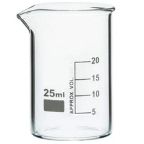 Borosilicate Glass Beaker
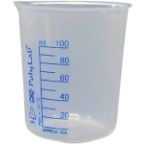 Plastic Beaker (Euro Design)
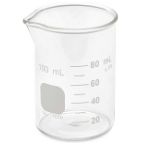 Plastic Beaker (Printed Graduation)
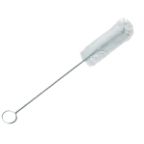 Test Tube Brush
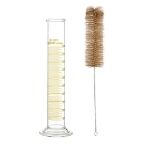 Measuring Cylinder Brush
 Conical Flask Brush
 Volumetric Flask Brush
 Round Bottom Flask Brush
 Glass Beaker Brush
 Pipette Brush
 Wash Bottle Brush
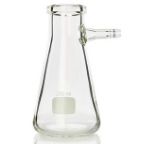 Borosilicate Büchner Flask
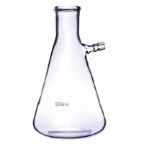 Borosilicate Erlenmeyer/Conical Flask
 Borosilicate Pear-Shaped Flask
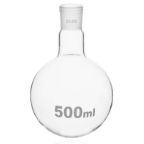 Borosilicate Round Bottom Flask
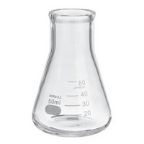 Plastic Conical Flask
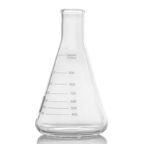 Plastic Volumetric Flask
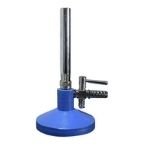 Bunsen Burner
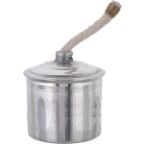 Spirit Lamp
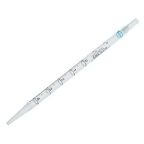 Borosilicate Glass Burette
 Plastic Burette
 Capillary Tube
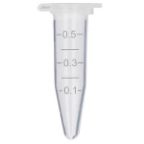 Centrifuge Tube
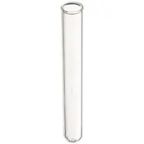 Test Tube
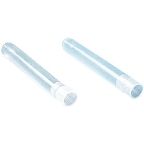 Ria Vial
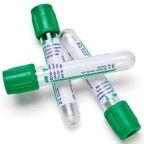 Vacutainer Tubes
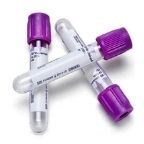 Syringes
 Student Microscope
 Binocular Microscope
 Dissecting Microscope
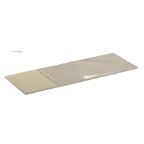 Microscope Glass Slides
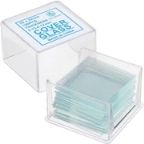 Cover Slip
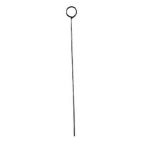 Inoculating Loop
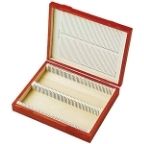 Slide Box
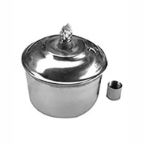 Lamps
Lamps
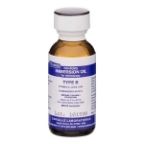 Oils
Oils
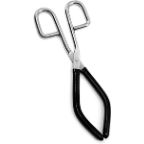 Beaker Tongs
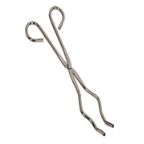 Crucible Tongs
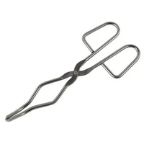 Flask Tongs
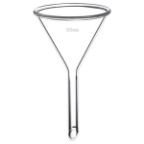 Borosilicate Glass Funnel
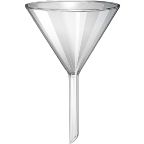 Plastic Funnels
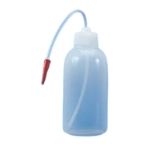 Wash Bottle
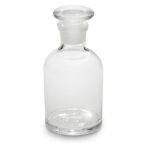 Borosilicate Glass Reagent Bottle
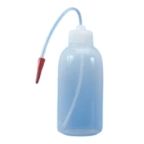 Plastic Reagent Bottle
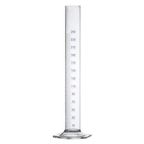 Borosilicate Measuring Cylinder
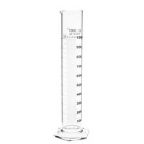 Plastic Measuring Cylinder
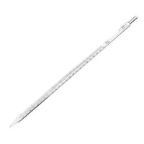 Borosilicate Glass Graduated Pipette
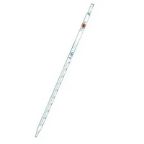 Borosilicate Glass Volumetric Pipette
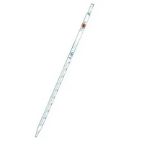 HB Pipette
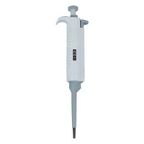 Pasteur Pipette
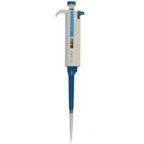 Micropipettes
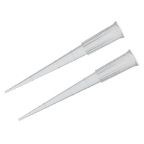 Micropipette Tips
 Filter Paper
 Litmus Paper
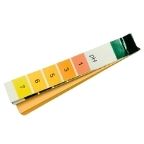 pH Paper
 Chromatography Paper
 Plastic Petri Plates (Sterile)
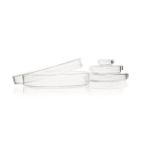 Glass Petri Plates (Non-Sterile)
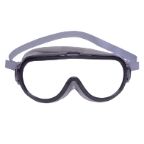 Safety Goggles
 Lab Coats
 Gloves
 Masks
Masks
 Shoe Covers
 Hair & Beard Covers
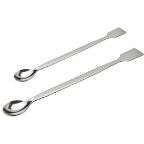 Steel Spatula
 Plastic Spatula
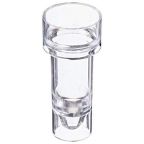 Hitachi Sample Cup
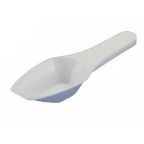 Plastic Scoop
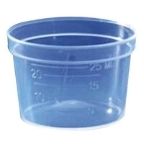 Plastic Medicine Cup
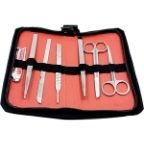 Dissecting Tool Kit
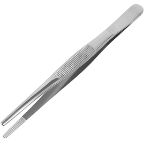 Dissecting Forceps
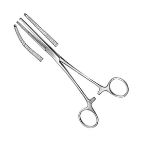 Hemostatic Forceps
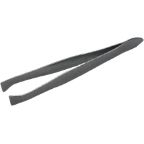 Thumb Forceps / Tweezers
 Blood Culture Bottle
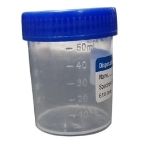 Urine Container
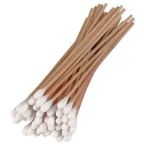 Wooden Swab Stick
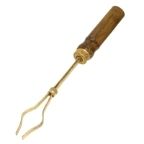 Test Tube Holder
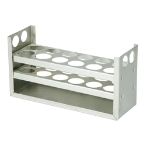 Test Tube Racks
 Magnifying Glass
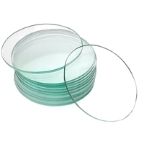 Watch Glass
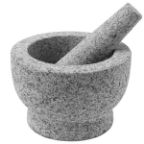 Mortar and Pestle
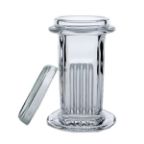 Coplin Jar
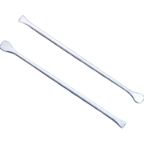 Plastic Stirrer
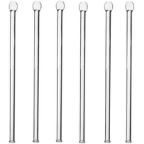 Glass Stirrer
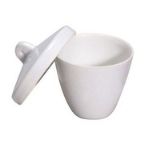 Crucible
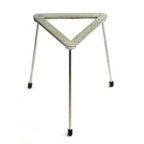 Tripod
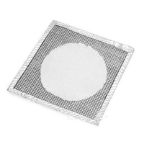 Wire Mesh
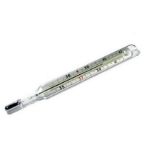 Laboratory Thermometer
 Tourniquet
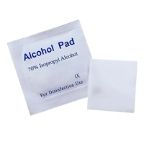 Alcohol Swab
 Blood Lancet
 Bandage
 Gloves & Masks









Light Yellow Vacutainer Tube/Vial – A Comprehensive Guide for Everyone


Contents
- Introduction to Light Yellow Vacutainer Tube/Vial
- What Is a Light Yellow Vacutainer Tube?
- Understanding the Color Coding System in Blood Collection Tubes
- Primary Purpose of Light Yellow Vacutainer Tubes
- Additives Used in Light Yellow Vacutainer Tubes
- Role of ACD and SPS in Light Yellow Vacutainer Vials
- Types of Light Yellow Vacutainer Tubes Available
- Common Laboratory Tests Performed Using Light Yellow Tubes
- Clinical Applications in Blood Banking and Genetic Testing
- Use of Light Yellow Vacutainer Tubes in Microbiology
- Sample Collection Procedure for Light Yellow Vacutainer Tubes
- Importance of Correct Order of Draw
- Storage and Handling Guidelines for Light Yellow Vacutainer Samples
- Shelf Life and Stability of Light Yellow Vacutainer Tubes
- Differences Between Light Yellow and Other Vacutainer Tubes
- Advantages of Using Light Yellow Vacutainer Tubes
- Limitations and Precautions During Usage
- Quality Standards and Regulatory Compliance
- Choosing the Right Light Yellow Vacutainer Tube for Your Laboratory
- Common Mistakes to Avoid During Sample Collection
- Safety Considerations for Healthcare Professionals
- Applications in Research and Diagnostic Laboratories
- Frequently Asked Questions About Light Yellow Vacutainer Tube/Vial
Introduction to Light Yellow Vacutainer Tube/Vial
When it comes to blood collection, every detail matters—from the method of extraction to the type of tube used. Among these tubes, the light yellow Vacutainer has carved out a significant niche in clinical and laboratory settings. Whether you’re a healthcare professional or just curious about medical technologies, understanding what this specific vial does can enhance your knowledge of blood testing processes.
But why is color coding so crucial? And what makes the light yellow Vacutainer stand out among its counterparts? This guide dives deep into everything you need to know about light yellow vacutainers—exploring their purpose, uses, and even the science behind them. So let’s unlock the secrets that make this modest-looking tube an essential tool in modern medicine!
What Is a Light Yellow Vacutainer Tube?
The light yellow vacutainer tube is a specialized blood collection device used in clinical settings. Its distinct color serves as a visual cue for lab technicians, indicating its specific purpose.
These tubes are designed to hold and preserve blood samples during transportation and analysis. They play a critical role in various laboratory tests that require serum or plasma for accurate results.
A unique feature of the light yellow vacutainer is the additives contained within it. These additives are essential for maintaining sample integrity, ensuring reliable outcomes when tested.
Healthcare professionals frequently use these tubes due to their efficiency and reliability in processing specimens. Furthermore, understanding their function helps streamline workflows in busy laboratories, enhancing patient care through timely diagnostics.
Understanding the Color Coding System in Blood Collection Tubes
The color coding system in blood collection tubes plays a crucial role in laboratory medicine. Each hue signifies specific additives and intended uses, ensuring accurate test results.
For instance, light yellow vacutainer tubes typically contain ACD or SPS additives. These substances are vital for preserving the integrity of certain specimens during transport and storage.
Understanding this system is essential for healthcare professionals. It helps streamline processes and reduces errors during sample collection.
Moreover, different colors can indicate various tests such as serum, plasma, or whole blood analyses. This classification allows technicians to select the correct tube swiftly.
Being familiar with these color codes not only enhances efficiency but also ensures patient safety by preventing mix-ups that could lead to incorrect diagnoses or treatments.
Primary Purpose of Light Yellow Vacutainer Tubes
Light yellow Vacutainer tubes serve a specific role in laboratory settings. They are designed primarily for collecting blood samples that require special handling.
These tubes are particularly beneficial for tests related to genetic studies and blood banking. Their unique properties make them ideal for preserving the integrity of cellular components.
The light yellow color indicates their function, which is distinct from other tubes in the collection process. Understanding this can help streamline testing procedures.
By using these vials, healthcare professionals can ensure accurate test results. This is crucial when dealing with sensitive genetic materials or compatibility testing for transfusions.
With their specialized design, light yellow Vacutainers contribute significantly to efficient lab operations and patient care.
Additives Used in Light Yellow Vacutainer Tubes
Light yellow Vacutainer tubes contain specific additives that play a crucial role in blood collection. These additives ensure the integrity and stability of the sample for accurate testing.
The primary additive is Acid Citrate Dextrose (ACD), which acts as an anticoagulant. ACD prevents clotting, allowing for the preservation of plasma components essential for various laboratory tests.
Another common additive found in light yellow tubes is Sodium Polyanethol Sulfonate (SPS). SPS also serves as an anticoagulant but has additional properties that enhance bacterial recovery during blood culture procedures.
These carefully selected additives are vital for maintaining sample quality. They enable healthcare professionals to obtain reliable results, facilitating timely diagnosis and treatment plans. Understanding these substances can help laboratories optimize their blood collection processes and improve patient outcomes.
Role of ACD and SPS in Light Yellow Vacutainer Vials
Light yellow Vacutainer vials play a crucial role in blood collection and analysis, primarily due to the additives they contain. Two significant components are ACD (Acid Citrate Dextrose) and SPS (Sodium Polyanethol Sulfonate).
ACD acts as an anticoagulant, preventing blood clotting during storage. This is essential for accurate testing of various hematological parameters. It also supports cell preservation, making it ideal for genetic studies.
On the other hand, SPS is frequently used in microbiology labs. Its primary function is to inhibit bacterial growth without compromising specimen integrity. This makes it particularly valuable when collecting samples for cultures.
The presence of these additives ensures that specimens maintain their viability until testing occurs. Each plays a distinct but complementary role in processing blood samples effectively and accurately across different laboratory applications.
Types of Light Yellow Vacutainer Tubes Available
Light yellow Vacutainer tubes come in various types, each designed for specific applications. The most common type is the ACD (Acid Citrate Dextrose) tube, which is used primarily for blood banking and certain genetic tests.
Another variant includes the SPS (Sodium Polyanethol Sulfonate) tube. This type is particularly beneficial in microbiology as it helps preserve bacterial cultures during transport to labs.
Each of these tubes has unique properties tailored to optimize sample collection and ensure accurate test results. Depending on your laboratory’s needs, selecting the right type can significantly impact diagnostic accuracy.
Some light yellow tubes also feature different additives or coatings that enhance their functionality. It’s essential to understand these differences when deciding which tube to use for a specific test or procedure.
Common Laboratory Tests Performed Using Light Yellow Tubes
Light yellow vacutainer tubes play a vital role in various laboratory tests. They are primarily used for collecting samples that require special handling, particularly in blood banking and genetics.
One common test is the HLA typing, essential for organ transplant compatibility. This helps identify potential donors and recipients by matching specific human leukocyte antigens.
Another significant use is in prenatal testing. The collection of maternal blood can reveal genetic conditions in the fetus early on, allowing informed decision-making.
Additionally, these tubes are utilized for viral load testing, critical for monitoring infections like HIV or hepatitis C. Accurate measurement ensures proper treatment adjustments.
By enabling accurate diagnostics and research applications, light yellow tubes contribute significantly to patient care and scientific discovery. Their specialized design caters specifically to needs where preservation of sample integrity is crucial.
Clinical Applications in Blood Banking and Genetic Testing
Light yellow vacutainer tubes play a crucial role in blood banking and genetic testing. Their design accommodates the unique needs of these specialized fields.
In blood banking, these tubes are often used for collecting samples that will undergo serological tests. This helps determine blood types and screen for infectious diseases. Accurate results are critical for safe transfusions.
For genetic testing, light yellow tubes enable the collection of DNA samples while minimizing contamination risks. The additives within these vials preserve nucleic acid integrity, making it easier to conduct thorough analyses.
Both applications require precision and care during sample handling to ensure reliable outcomes. As technology advances, the versatility of light yellow vacutainer tubes continues to expand across various medical disciplines.
Use of Light Yellow Vacutainer Tubes in Microbiology
Light yellow Vacutainer tubes play a vital role in microbiology. These tubes are specifically designed for collecting blood samples that need to be tested for various infections and microorganisms.
The presence of the anticoagulant, typically Sodium Polyanetholesulfonate (SPS), helps preserve the viability of bacteria during transport. This means more accurate results when identifying pathogens.
In microbiological studies, these tubes facilitate the growth of cultures by maintaining optimal conditions for microbial life. They are ideal for blood cultures where detecting sepsis or other serious infections is critical.
Laboratories often utilize light yellow vacutainers due to their compatibility with numerous diagnostic tests. This flexibility makes them a staple in many clinical settings focused on infectious diseases and advanced microbiological research.
Proper use ensures that healthcare providers receive reliable data needed to make informed decisions about patient care.
Sample Collection Procedure for Light Yellow Vacutainer Tubes
When collecting samples with light yellow Vacutainer tubes, proper technique is vital. Begin by selecting the appropriate tube and preparing your materials. Ensure all equipment is sterile to prevent contamination.
Identify the patient’s vein using standard venipuncture techniques. Cleanse the skin with an antiseptic wipe, allowing it to dry completely before proceeding. This step reduces the risk of infection and ensures accurate results.
Once you’ve selected the site, insert a needle at a 15 to 30-degree angle into the vein. Attach the light yellow tube securely without letting go of the needle, as this maintains blood flow into the vial.
Fill until reaching designated fill lines for optimal sample integrity. Following collection, gently invert each tube several times to mix additives thoroughly while avoiding agitation that can cause hemolysis.
Dispose of used needles in a sharps container immediately after use and ensure accurate labeling on each sample for tracking purposes in laboratory settings.
Importance of Correct Order of Draw
The order of draw in blood collection is crucial for accurate test results. It minimizes the risk of contamination and interference from additives in tubes.
When a healthcare professional collects multiple samples, each tube has specific requirements. Drawing them in the wrong order can lead to erroneous findings, affecting patient care.
For instance, if you collect a light yellow tube after a red top tube, residual gel or clot activators could skew results. This misstep may delay diagnoses or result in unnecessary repeat tests.
Following established protocols helps maintain sample integrity. Each color-coded vial serves its purpose and should be respected during collection procedures.
Understanding this simple yet vital process ensures reliable outcomes in laboratory analysis. Proper training and adherence to guidelines are key components for any phlebotomist’s toolkit.
Storage and Handling Guidelines for Light Yellow Vacutainer Samples
Proper storage and handling of light yellow Vacutainer samples is crucial for maintaining sample integrity. These tubes should be kept in a cool, dry environment away from direct sunlight. Ideally, store them at room temperature or according to specific laboratory protocols.
Always label the samples clearly with patient information and collection date. This helps avoid mix-ups during testing. Handle the tubes gently to prevent hemolysis or contamination.
After collection, ensure that you transport samples promptly to the laboratory. Use stable containers that minimize movement during transit.
If there are any delays in processing, follow recommended guidelines regarding refrigeration if necessary. Properly sealed tubes help maintain stability until analysis can occur.
Regular checks on storage conditions will further enhance reliability and performance of test results. Adhering to these guidelines ensures accurate outcomes and supports quality care for patients.
Shelf Life and Stability of Light Yellow Vacutainer Tubes
The shelf life of light yellow Vacutainer tubes typically ranges from 12 to 24 months, depending on specific storage conditions. It’s essential to keep them in a cool, dry place away from direct sunlight.
Stability is crucial for accurate test results. If the tubes are stored incorrectly or past their expiration date, the additives might degrade, impacting sample integrity.
Using expired or compromised tubes can lead to erroneous lab results and misdiagnosis. Therefore, regular checks of inventory and adherence to manufacturer guidelines are vital.
Proper handling also plays a role in maintaining stability. Avoiding excessive temperatures during transport ensures that the samples remain viable for testing when they reach the laboratory.
Always consult with your supplier regarding any particular recommendations for storage and usage timelines tailored to specific tests or applications.
Differences Between Light Yellow and Other Vacutainer Tubes
Light yellow Vacutainer tubes have specific uses that set them apart from other types. The color indicates the presence of additives like ACD, which are essential for maintaining blood cell integrity during testing.
In contrast, red-top tubes often lack any additives and are primarily used for serum collection. This makes them suitable for different tests where plasma is not required.
Blue-top tubes contain sodium citrate and are utilized in coagulation studies. Their role is crucial in determining clotting factors, unlike light yellow tubes focused on genetic testing or blood banking applications.
Green tops feature heparin as an anticoagulant, making them ideal for tests requiring immediate plasma separation. Each tube type serves distinct purposes based on their composition and intended application within laboratory settings.
Advantages of Using Light Yellow Vacutainer Tubes
Light yellow Vacutainer tubes offer several advantages in blood collection and testing. Their unique design caters specifically to certain tests, enhancing accuracy and reliability.
One significant benefit is the inclusion of additives like ACD, which preserve cellular components effectively. This leads to better results in genetic testing and specialized assays.
Healthcare professionals appreciate how these tubes simplify the process. The color coding helps prevent mix-ups, ensuring that samples are correctly identified for their intended use.
Additionally, light yellow tubes have a wide range of applications across various laboratory settings. From blood banking to microbiology, their versatility makes them an essential tool for clinicians and researchers alike.
Another advantage lies in their compatibility with automated analyzers, streamlining workflows while reducing human error during sample processing. By opting for light yellow Vacutainer tubes, laboratories can improve efficiency without compromising quality.
Limitations and Precautions During Usage
While light yellow Vacutainer tubes are essential in various lab settings, there are limitations that users should be aware of. For instance, these tubes may not be suitable for every type of test. Misuse can lead to inaccurate results or sample degradation.
Precautions during usage are crucial. Ensure the proper handling and storage conditions to maintain sample integrity. Exposure to extreme temperatures can compromise the additives inside the tube.
Always check expiration dates before use. Expired tubes might not function as intended, leading to unreliable outcomes.
It’s also vital to follow correct collection techniques carefully. Improper blood draw methods could introduce contaminants or air bubbles into samples, skewing results further down the line.
Keeping an eye on patient health is equally important. Certain conditions can affect blood composition, potentially impacting test accuracy when using these specific vials.
Quality Standards and Regulatory Compliance
Quality standards and regulatory compliance are crucial in the manufacturing and use of light yellow vacutainer tubes. These guidelines ensure that each tube meets stringent safety and performance criteria.
Manufacturers must adhere to regulations set by agencies like the FDA or ISO. This guarantees reliability in clinical testing environments. Regular audits help maintain these high standards, ensuring consistent quality across all products.
Compliance also involves rigorous testing for additives such as ACD (Acid Citrate Dextrose) or SPS (Sodium Polyethanol Sulfonate). Each batch undergoes evaluation before it reaches laboratories.
Moreover, proper labeling is essential for traceability. It helps healthcare professionals identify specific tubes quickly during sample collection.
Training staff on best practices further enhances adherence to regulatory protocols. Continuous education ensures everyone understands the importance of using compliant equipment in patient care settings.
Choosing the Right Light Yellow Vacutainer Tube for Your Laboratory
Selecting the appropriate light yellow Vacutainer tube is crucial for accuracy in your laboratory work. Start by considering the specific tests you will conduct. Different types of tubes can vary slightly in composition and purpose.
Evaluate the additives contained within each option. Light yellow tubes typically contain either ACD or SPS, which serve distinct functions depending on your needs. Familiarity with these substances helps ensure reliable results.
Another important factor is compatibility with existing protocols in your lab. Check that the selected tube aligns seamlessly with standard operating procedures to minimize errors during sample processing.
Pay attention to supplier reputation as well. Reliable vendors often provide detailed specifications, ensuring that you’re getting a high-quality product tailored for clinical and research applications alike.
Don’t overlook storage requirements and shelf life when making a choice; they can significantly impact sample integrity over time.
Common Mistakes to Avoid During Sample Collection
Sample collection is a critical step in ensuring accurate laboratory results. One common mistake is not properly identifying the patient before drawing blood. Verification of identity can prevent mix-ups that lead to incorrect diagnoses.
Another frequent error involves improper tube selection. Using the wrong type of Vacutainer can affect test outcomes, so always confirm you have the right color-coded tube for your specific tests.
It’s also essential to ensure proper technique during venipuncture. Failing to use adequate pressure or angling the needle incorrectly may cause hemolysis or contamination.
Neglecting to label samples immediately after collection is a significant oversight. Clear and accurate labeling reduces confusion later on and ensures traceability throughout testing processes.
By keeping these points in mind, healthcare professionals can enhance accuracy and reliability in sample handling.
Safety Considerations for Healthcare Professionals
Safety is paramount for healthcare professionals handling light yellow Vacutainer tubes. First, proper personal protective equipment (PPE) must be worn at all times. This includes gloves, masks, and eye protection to minimize exposure to biohazard materials.
Training is crucial. Staff should be well-versed in the correct techniques for blood collection and disposal of sharps. Proper training reduces the risk of needle-stick injuries significantly.
When transporting samples, ensure they are secured in a designated container. This minimizes spills or contamination during transit within or outside the facility.
Awareness of emergency procedures is essential too. Healthcare professionals should know how to respond if an incident occurs, whether that’s a spill or an accidental exposure.
Regular safety audits can also help identify potential risks and enhance protocols accordingly. Keeping communication open about safety concerns fosters a culture where everyone feels responsible for maintaining high standards.
Applications in Research and Diagnostic Laboratories
Light yellow vacutainer tubes play a crucial role in research and diagnostic laboratories. Their unique formulation makes them suitable for various tests, including genetic studies and blood banking.
In genomic research, these tubes preserve DNA integrity effectively. This ensures accurate analysis of genetic material without degradation during transport or storage.
Diagnostic labs utilize light yellow vials extensively for serological testing. The anticoagulants prevent clotting, allowing for precise measurement of antibodies and other markers.
Moreover, their compatibility with automated analyzers streamlines workflows in busy lab environments. This enhances the reliability of results while saving valuable time.
Researchers appreciate the versatility offered by light yellow vacutainers. They are integral not only in routine diagnostics but also innovative studies exploring new biomarkers and disease pathways.
Frequently Asked Questions About Light Yellow Vacutainer Tube/Vial
When it comes to light yellow vacutainer tubes, many questions often arise. Here are some common inquiries and their answers:
What tests can be performed with a light yellow vacutainer tube?
Light yellow vacutainers are primarily used for blood culture and genetic testing. They help in storing samples that require specific additives.
Why is the color coding important in blood collection tubes?
The color coding system helps healthcare professionals easily identify the type of additive present in each tube, ensuring accurate test results and preventing errors during sample processing.
How should I store light yellow vacutainer tubes?
These tubes should be stored at room temperature away from direct sunlight to maintain their integrity until use.
What precautions should I take when using light yellow vacutainer tubes?
Always follow proper handling procedures to avoid contamination or damage, as this could affect test outcomes significantly.
Can I mix samples collected in light yellow vials with those from other colored vials?
Mixing samples between different types of collection tubes is generally discouraged due to varying additives that may interfere with laboratory analyses.

 Cardiology
 Clinical Oncology