-
-
 Cardiology
-
 Clinical Oncology
-
 Dental
-
 Dermatology
-
 Ear, Nose, Throat (ENT)
-
 Endocrinology
-
 Gastroenterology
-
 General Surgery
-
 Gynecology & Obstetrics
-
 Interventional Cardiology
-
 Nephrology
-
 Neurology
-
 Oncology Surgery
-
 Ophthalmology
-
 Orthopedics
-
 Pediatrics
-
 Pediatrics Surgery
-
 Physiotherapy
-
 Plastic Surgery
-
 Psychiatry & Psychology
-
 Radiology
-
 Urology
-
 Vascular Surgery
-

 Anatomy Lab Equipments
 Biochemistry Lab Equipments
 Biology Lab Equipments
 Chemistry Lab Equipments
 Cytology Lab Equipments
 Cytopathology Lab Equipments
 Dental Lab Equipments
 Forensic Lab Equipments
 Genetics Lab Equipments
 Hematology Lab Equipments
 Histology Lab Equipments
 Histopathology Lab Equipments
 Mathematics Lab Equipments
 Microbiology Lab Equipments
 Molecular Biology Lab Equipments
 Pathology Lab Equipments
 Pharmaceutical Lab Equipments
 Physics Lab Equipments
 Radiology Lab Equipments
 Science Lab Kit’s
 Toxicology Lab Equipments
 Borosilicate Glass Beaker
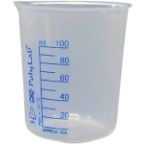 Plastic Beaker (Euro Design)
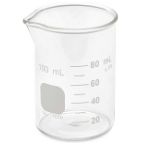 Plastic Beaker (Printed Graduation)
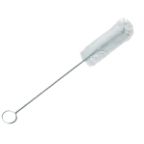 Test Tube Brush
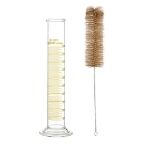 Measuring Cylinder Brush
 Conical Flask Brush
 Volumetric Flask Brush
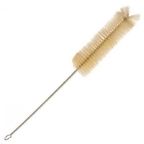 Round Bottom Flask Brush
 Glass Beaker Brush
 Pipette Brush
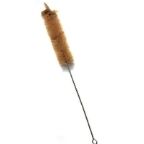 Wash Bottle Brush
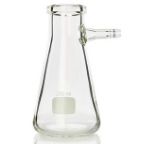 Borosilicate Büchner Flask
 Borosilicate Erlenmeyer/Conical Flask
 Borosilicate Pear-Shaped Flask
 Borosilicate Round Bottom Flask
 Plastic Conical Flask
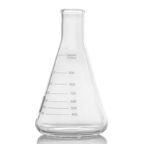 Plastic Volumetric Flask
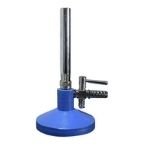 Bunsen Burner
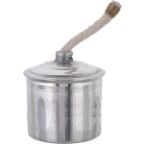 Spirit Lamp
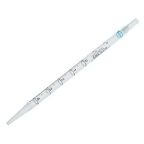 Borosilicate Glass Burette
 Plastic Burette
 Capillary Tube
 Centrifuge Tube
 Test Tube
 Ria Vial
 Vacutainer Tubes
 Syringes
 Student Microscope
 Binocular Microscope
 Dissecting Microscope
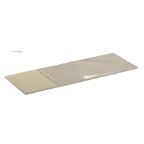 Microscope Glass Slides
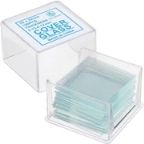 Cover Slip
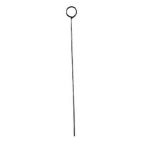 Inoculating Loop
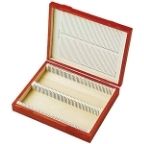 Slide Box
 Lamps
Lamps
 Oils
Oils
 Beaker Tongs
 Crucible Tongs
 Flask Tongs
 Borosilicate Glass Funnel
 Plastic Funnels
 Wash Bottle
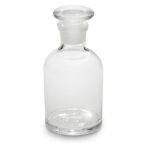 Borosilicate Glass Reagent Bottle
 Plastic Reagent Bottle
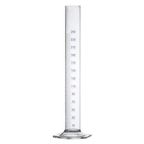 Borosilicate Measuring Cylinder
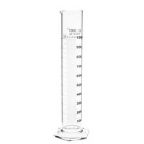 Plastic Measuring Cylinder
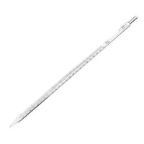 Borosilicate Glass Graduated Pipette
 Borosilicate Glass Volumetric Pipette
 HB Pipette
 Pasteur Pipette
 Micropipettes
 Micropipette Tips
 Filter Paper
 Litmus Paper
 pH Paper
 Chromatography Paper
 Plastic Petri Plates (Sterile)
 Glass Petri Plates (Non-Sterile)
 Safety Goggles
 Lab Coats
 Gloves
 Masks
Masks
 Shoe Covers
 Hair & Beard Covers
 Steel Spatula
 Plastic Spatula
 Hitachi Sample Cup
 Plastic Scoop
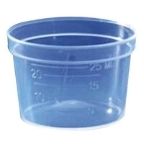 Plastic Medicine Cup
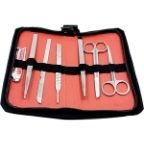 Dissecting Tool Kit
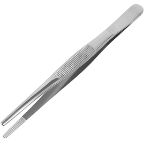 Dissecting Forceps
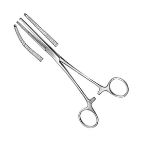 Hemostatic Forceps
 Thumb Forceps / Tweezers
 Blood Culture Bottle
 Urine Container
 Wooden Swab Stick
 Test Tube Holder
 Test Tube Racks
 Magnifying Glass
 Watch Glass
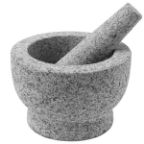 Mortar and Pestle
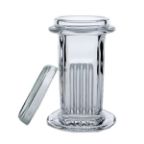 Coplin Jar
 Plastic Stirrer
 Glass Stirrer
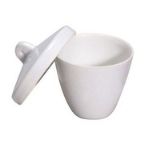 Crucible
 Tripod
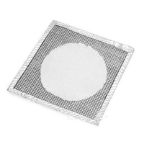 Wire Mesh
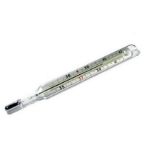 Laboratory Thermometer
 Tourniquet
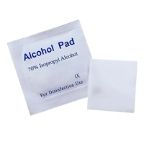 Alcohol Swab
 Blood Lancet
 Bandage
 Gloves & Masks









Erlenmeyer Flask – A Comprehensive Guide for Everyone

Contents
- Erlenmeyer Flask – A Comprehensive Guide for Everyone
- Introduction to the Erlenmeyer Flask
- History and Origin of the Erlenmeyer Flask
- Design Features of an Erlenmeyer Flask
- Different Types of Erlenmeyer Flasks
- Common Materials Used in Erlenmeyer Flask Manufacturing
- Standard Sizes and Capacities Available
- How an Erlenmeyer Flask Differs from Other Laboratory Flasks
- Primary Uses of an Erlenmeyer Flask in Laboratories
- Role of the Erlenmeyer Flask in Chemical Reactions
- Importance of the Erlenmeyer Flask in Microbiology
- Use of Erlenmeyer Flasks in Titration and Mixing
- Advantages of Using an Erlenmeyer Flask
- Limitations and Precautions While Using Erlenmeyer Flasks
- How to Properly Handle and Operate an Erlenmeyer Flask
- Cleaning and Maintenance Tips for Long-Term Use
- Safety Guidelines for Laboratory Use
- How to Choose the Right Erlenmeyer Flask for Your Needs
- Best Practices for Storage and Handling of Chemicals in the Flask
- Erlenmeyer Flask Applications in Educational Laboratories
- Industrial and Research Applications of Erlenmeyer Flasks
- Cost, Availability, and Where to Buy Quality Erlenmeyer Flasks
- Future Trends and Innovations in Flask Design
- Final Summary: Why the Erlenmeyer Flask Remains Essential
- Frequently Asked Questions About Erlenmeyer Flasks
Erlenmeyer Flask – A Comprehensive Guide for Everyone
Introduction to the Erlenmeyer Flask
Welcome to the fascinating world of laboratory glassware! Among the many tools that make scientific exploration possible, few are as iconic or versatile as the Erlenmeyer flask. With its distinct conical shape and sturdy base, this essential piece of equipment plays a vital role in both educational settings and advanced research laboratories. Whether you’re a student just beginning your journey into chemistry or an experienced scientist conducting complex experiments, understanding how to use an Erlenmeyer flask effectively is crucial.
From mixing solutions to facilitating chemical reactions, these flasks have been trusted companions for generations of scientists. But what makes them so special? Let’s dive deep into their history, design features, various types, and applications across different fields. By the end of this guide, you’ll discover why the humble Erlenmeyer flask remains an indispensable tool in science today.
History and Origin of the Erlenmeyer Flask
The Erlenmeyer flask has an intriguing history that dates back to the 1860s. It was designed by German chemist Emil Erlenmeyer, who sought a vessel for safely mixing and heating substances in the lab.
Erlenmeyer’s design featured a unique conical shape with a flat bottom. This structure allowed for easy swirling without risking spills. The narrow neck also facilitated sealing with stoppers or other instruments.
Initially, it caught on primarily within academic circles but soon became invaluable in industrial settings too. Its versatility made it popular among chemists and microbiologists alike.
Interestingly, this flask wasn’t just limited to science; artists have even incorporated its form into creative projects. Today, the Erlenmeyer flask remains a staple across various fields of research and education worldwide.
Design Features of an Erlenmeyer Flask
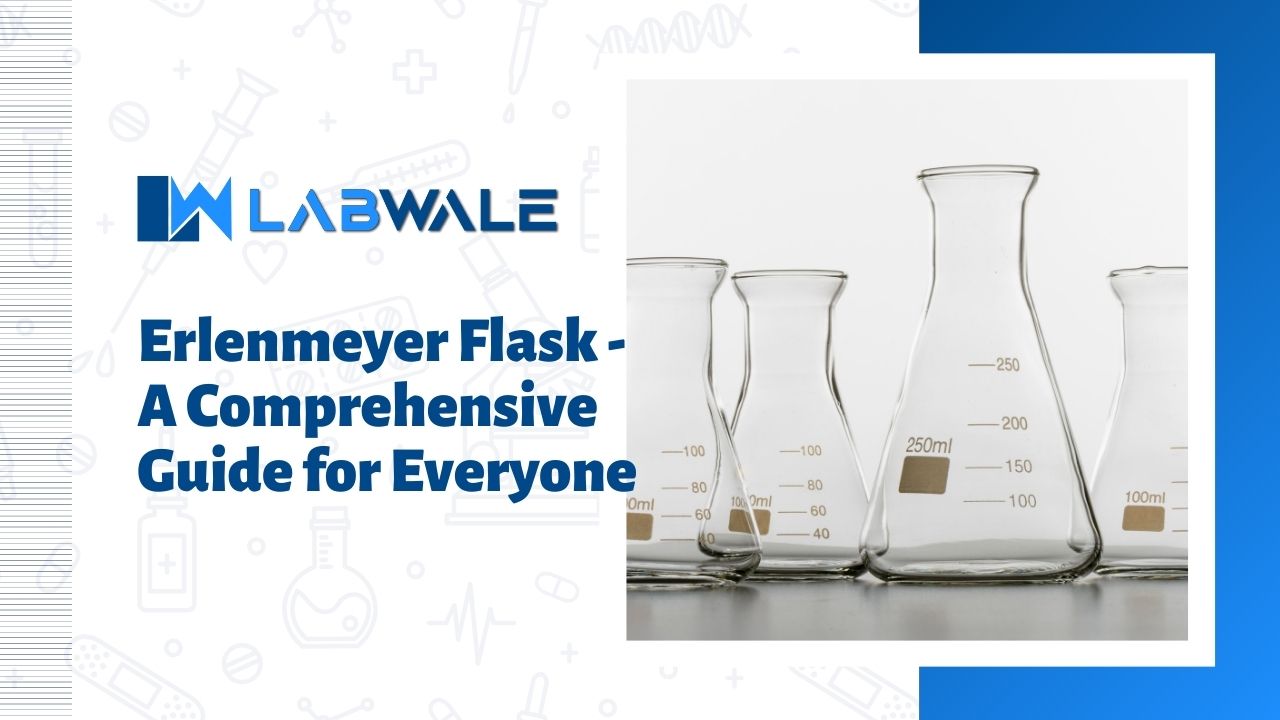
The Erlenmeyer flask boasts a unique design that sets it apart from other glassware. Its conical shape allows for easy mixing and swirling of liquids without the risk of spills. This feature is particularly useful when handling volatile substances.
A wide base provides stability, reducing the chance of tipping over during experiments. The narrow neck facilitates secure sealing with stoppers or tubing, making it ideal for reactions requiring containment.
Graduated markings on the side allow for precise measurement of liquid volumes, ensuring accurate results in various applications. Additionally, its design promotes efficient heating due to the larger surface area exposed to heat sources.
Erlenmeyer flasks are often made with thick glass to withstand temperature changes and pressure variations. This durability ensures longevity in laboratory settings where rigorous usage is common.
Different Types of Erlenmeyer Flasks
Erlenmeyer flasks come in various types, each designed for specific laboratory tasks. The classic narrow-necked model is a staple, ideal for mixing and heating solutions without risk of spillage.
Then there’s the wide-mouth Erlenmeyer flask. This version allows easy access with a greater opening, making it perfect for adding solids or other materials during experiments.
For those needing precision, graduated Erlenmeyer flasks are available. These feature measurement markings along the side to help accurately gauge liquid volumes.
Specialized variations also exist, such as conical-bottom flasks that facilitate easier pouring and sedimentation processes. Each type serves its purpose while maintaining the core functionality that makes Erlenmeyers so popular among scientists worldwide.
Common Materials Used in Erlenmeyer Flask Manufacturing
Erlenmeyer flasks are primarily made from glass or plastic, each serving distinct purposes in laboratory settings.
Borosilicate glass is a popular choice due to its thermal resistance and durability. This type of glass can withstand temperature changes without breaking, making it ideal for experiments involving heating.
On the other hand, polypropylene is commonly used for disposable Erlenmeyer flasks. It’s lightweight and resistant to many chemicals but cannot handle high temperatures like glass.
Some manufacturers also produce flasks using polyethylene or polystyrene, particularly for specific lab applications where clarity and flexibility are desired.
The choice of material often depends on the flask’s intended use. Each material has strengths that cater to different experimental requirements while ensuring effective performance across various laboratory tasks.
Standard Sizes and Capacities Available
Erlenmeyer flasks come in various standard sizes, making them versatile for different laboratory tasks. The most common capacities range from 50 milliliters to 2 liters.
The small 50 mL flask is perfect for smaller experiments or sample preparations. Scientists often use these when working with limited quantities of reagents.
For more extensive applications, the 250 mL and 500 mL flasks are popular choices. They balance capacity and ease of handling, making them ideal for titrations or mixing solutions.
The larger sizes, such as the 1 L and even up to a spacious 2 L option, serve great purposes in chemical reactions involving greater volumes. These larger vessels allow chemists to scale their experiments without needing multiple smaller flasks.
Each size has its place in a lab setting, whether it’s routine analysis or special projects that require specific volume measurements.
How an Erlenmeyer Flask Differs from Other Laboratory Flasks
The Erlenmeyer flask stands out in the realm of laboratory glassware due to its unique design. Its tapered neck and wide base provide stability, making it less likely to tip over during experiments.
Unlike beakers, which have straight sides and a wider opening, the narrowing of the Erlenmeyer flask allows for easier mixing without spillage. This makes it ideal for swirling liquids safely.
Compared to volumetric flasks that are designed for precise measurements, the Erlenmeyer’s primary focus is versatility. It accommodates various volumes while not being limited by specific measurement lines.
Additionally, when it comes to heating substances, its shape facilitates uniform heat distribution better than many other flasks. This feature proves essential in chemical reactions where temperature control is crucial.
Primary Uses of an Erlenmeyer Flask in Laboratories
The Erlenmeyer flask is a staple in laboratory settings, known for its versatility. Its conical shape allows for easy mixing of liquids without the risk of spilling.
Researchers often use it for titrations, where precise measurements are crucial. The wide base provides stability, while the narrow neck makes adding reagents easier and minimizes evaporation.
Another common application is culturing microorganisms. The design facilitates gas exchange while reducing contamination risks. This balance is essential in microbiology experiments.
In addition to these uses, it’s perfect for general mixing and heating applications. Many chemists rely on it when combining solutions or conducting reactions that require gentle swirling.
Its adaptability makes the Erlenmeyer flask invaluable across various fields of science, from chemistry to biology and beyond. Each unique feature contributes significantly to experimental success.
Role of the Erlenmeyer Flask in Chemical Reactions
The Erlenmeyer flask plays a critical role in chemical reactions. Its unique shape, with a wide base and narrow neck, allows for efficient mixing of reactants. This design minimizes the risk of splashes during vigorous reactions.
When conducting experiments, chemists often need to add reagents gradually. The tapered neck makes this process easier while reducing evaporation loss. Additionally, it provides an easy way to stopper the flask when needed.
Another advantage is that the flat bottom enables even heating on a hot plate or in a water bath. This promotes uniform temperature distribution throughout the reaction mixture.
Furthermore, its conical shape helps contain gases released during certain reactions. This feature is crucial for safety and accurate measurements of volatile substances.
The Erlenmeyer flask’s design enhances both efficiency and safety in laboratory settings when conducting diverse chemical experiments.
Importance of the Erlenmeyer Flask in Microbiology
The Erlenmeyer flask plays a pivotal role in the field of microbiology. Its unique shape allows for easy mixing and swirling without risk of spillage. This feature is invaluable when cultivating microbial cultures.
Due to its narrow neck, the flask minimizes contamination risks during experiments. It can be easily sealed with a stopper or cotton plug, providing an added layer of protection against airborne microbes.
Researchers often use these flasks for fermentation processes as well. The design promotes gas exchange while containing liquid culture, making it ideal for brewing yeast or bacterial growth.
Moreover, Erlenmeyer flasks are essential when performing antibiotic susceptibility tests. Their capacity facilitates multiple samples at once, streamlining the process significantly.
In microbiological studies focused on environmental samples, their durability ensures that complex procedures can be carried out confidently and effectively. These flasks truly embody versatility in laboratory settings.
Use of Erlenmeyer Flasks in Titration and Mixing
Erlenmeyer flasks are indispensable tools in the world of titration and mixing. Their unique shape allows for efficient swirling without the risk of spills. This is critical when precise measurements and reactions need to occur.
During titration, chemists often use these flasks to mix solutions gradually. The wide base provides stability, while the narrow neck makes it easy to control liquid flow from a burette or dropper.
The sloped sides also help minimize splashing, which can lead to inaccuracies in measurements. As reagents interact within the flask, observers can visually monitor changes with ease.
For mixing purposes, their design accommodates various substances without fear of contamination or loss of material. Whether you’re combining acids and bases or blending complex mixtures, Erlenmeyer flasks prove invaluable for achieving desired results effectively.
Advantages of Using an Erlenmeyer Flask
The Erlenmeyer flask offers several advantages that make it a staple in laboratories. Its unique shape provides stability, reducing the chances of spills during experiments.
The narrow neck allows for easy mixing without splashing, which is essential when handling volatile or reactive substances. This design also makes it suitable for swirling liquids safely.
Another benefit is its capacity to be stoppered easily, enabling long-term reactions without contamination from external elements. The wide base ensures adequate heating and can even accommodate a heat source directly under the flask.
Erlenmeyer flasks are versatile tools in various applications, whether in chemical synthesis or microbiology labs. Their compatibility with different types of closures adds to their functionality as well.
Cost-effective and durable materials enhance their appeal further, making them accessible choices for educational institutions and research facilities alike.
Limitations and Precautions While Using Erlenmeyer Flasks
While Erlenmeyer flasks are versatile, they do come with limitations. Their narrow neck can restrict mixing abilities compared to wider vessels. This design may lead to inadequate agitation for certain solutions.
Temperature sensitivity is another concern. High temperatures can cause glass flasks to break or shatter. Always check the temperature ratings before heating any contents.
Chemical compatibility is crucial as well. Some substances can react negatively with materials used in manufacturing these flasks, so proper knowledge of your chemicals is essential.
When using an Erlenmeyer flask, avoid filling it beyond two-thirds capacity. This precaution prevents spills during mixing and reduces risk while swirling liquids.
Handle all glassware carefully. Even minor mishandling can result in dangerous accidents or contamination of samples. Staying vigilant ensures a safe lab environment while utilizing this valuable tool.
How to Properly Handle and Operate an Erlenmeyer Flask
Handling an Erlenmeyer flask requires a mix of care and precision. Always grasp the neck firmly while supporting the base to ensure stability. This reduces the risk of spills or breakage during transfer.
When pouring liquids, tilt gently to control flow. Avoid sudden movements that can cause splashing or tipping. If you’re mixing solutions, use a swirling motion rather than vigorous shaking to prevent frothing.
Be mindful of temperature changes if heating is involved. Use appropriate heat sources like hot plates instead of open flames, which can crack glassware.
Always wear safety goggles and gloves when working with hazardous materials inside your flask. Proper personal protective equipment helps safeguard against accidental spills or reactions.
After each use, rinse your flask thoroughly before storing it away. Residue from previous experiments can affect future results and contaminate new samples.
Cleaning and Maintenance Tips for Long-Term Use
Cleaning your Erlenmeyer flask is essential for maintaining its integrity and performance. Start by rinsing the flask with warm water to remove any residual chemicals. This step helps prevent contamination in future experiments.
For stubborn stains or residues, use a mild detergent. A soft brush or sponge will help scrub without scratching the glass surface. Avoid abrasive materials that could cause damage.
After washing, rinse thoroughly to ensure no soap remains. Residual detergent can interfere with chemical reactions in subsequent uses.
Once clean, air dry the flask upside down on a drying rack. This promotes proper drainage and prevents water spots from forming inside.
Occasional deep cleaning using specialized lab cleaners may be necessary for heavy usage flasks. Always check manufacturer guidelines before applying any harsh solvents or methods to extend the life of your equipment effectively. Regular maintenance keeps your flask in top shape for all your laboratory needs.
Safety Guidelines for Laboratory Use
Safety is paramount in any laboratory setting. Always wear appropriate personal protective equipment (PPE), such as gloves, goggles, and lab coats. These items act as barriers to prevent exposure to hazardous substances.
Familiarize yourself with the location of safety showers, eyewash stations, and fire extinguishers. Knowing how to access these quickly can be crucial during an emergency.
Avoid eating or drinking in the lab. This practice helps minimize contamination risks and ensures a safer working environment.
Properly label all chemicals and reagents with clear descriptions of their contents and hazards. This reduces the chance of accidental misuse or spills.
Maintain a tidy workspace by keeping your area free from clutter. An organized lab minimizes accidents related to slips or spills.
Always follow specific protocols for handling materials safely—each experiment may require unique precautions tailored to its potential dangers.
How to Choose the Right Erlenmeyer Flask for Your Needs
Choosing the right Erlenmeyer flask is essential for effective laboratory work. Start by considering the size you need. Flasks typically range from 50 mL to several liters, so think about your experiments’ scale.
Next, evaluate the material. Glass flasks are ideal for heat resistance and chemical compatibility, while plastic options offer durability in less demanding environments.
Pay attention to neck size as well; a wider neck facilitates easier mixing but might be less suitable for precise measurements.
If you’re working with volatile or corrosive substances, look for specialized designs that can withstand these conditions safely.
Consider whether you’ll need additional features like graduated markings for accurate volume measurement or a stopper for sealing solutions during storage or transport. Each detail plays a role in ensuring efficient and safe usage of your flask.
Best Practices for Storage and Handling of Chemicals in the Flask
When storing chemicals in an Erlenmeyer flask, always label each container clearly. Use waterproof markers or labels to ensure visibility. This prevents confusion and ensures proper handling.
Keep your flasks securely capped when not in use. This minimizes contamination and evaporation of volatile substances. A tight seal also protects against accidental spills.
Store the flasks upright on stable shelves to avoid tipping over. Ensure that they are placed away from direct sunlight and extreme temperatures, which can affect chemical stability.
Regularly check for any signs of damage or leaks in both the flask and its contents. If a chemical shows discoloration or settles unusually, reconsider its storage conditions.
Always wear appropriate personal protective equipment (PPE) such as gloves and goggles when handling these flasks. Prioritize safety with every interaction you have with chemicals inside them.
Erlenmeyer Flask Applications in Educational Laboratories
Educational laboratories thrive on hands-on experiences. The Erlenmeyer flask is an essential tool in this environment.
Students use it to conduct experiments, allowing them to visualize chemical reactions. Its tapered design helps minimize spills while mixing solutions, making it ideal for budding scientists.
In chemistry classes, the flask serves as a vessel for titrations and reaction mixtures. By observing changes in color or temperature, students gain valuable insights into chemical processes.
Biology labs also benefit from its versatility. It can be used for culturing microorganisms, providing a safe and effective way to grow cultures without contamination risks.
The ease of cleaning adds another layer of convenience. Students learn proper lab techniques by maintaining their equipment properly.
Whether it’s measuring liquid volumes or combining substances, the Erlenmeyer flask plays a crucial role in fostering curiosity and understanding among learners at all levels.
Industrial and Research Applications of Erlenmeyer Flasks
Erlenmeyer flasks play a vital role in both industrial and research settings. Their conical shape allows for efficient mixing, making them ideal for various chemical processes.
In the pharmaceutical industry, these flasks are crucial during drug formulation and quality control tests. They help researchers mix compounds safely while minimizing the risk of spills.
Research laboratories also benefit from their versatility. Scientists often use Erlenmeyer flasks to conduct experiments ranging from microbial cultures to titrations. The narrow neck facilitates easy sampling without disrupting the contents.
Moreover, industries focusing on food production utilize these flasks for fermentation processes. Their design supports aeration while preventing contamination effectively.
With advancements in materials, many modern variants can withstand high temperatures or aggressive chemicals, expanding their utility further across different sectors. This adaptability makes them indispensable tools in scientific exploration and practical applications alike.
Cost, Availability, and Where to Buy Quality Erlenmeyer Flasks
When it comes to cost, Erlenmeyer flasks are quite budget-friendly. Prices can vary based on size, material, and brand. Typically, you’ll find them ranging from a few dollars for smaller glass models to around twenty dollars for larger or specialized options.
Availability is broad since these flasks are commonly used in educational and industrial settings. You can easily locate them at laboratory supply stores and online retailers alike.
Online platforms like Amazon, eBay, and specialty science suppliers offer an extensive selection of Erlenmeyer flasks with various features. Some even provide customer reviews that help gauge product quality.
Local scientific equipment shops also stock these essentials. This allows you to check the items physically before purchasing. Whether shopping online or in-store, be sure you’re selecting a flask that meets your specific needs for durability and functionality.
Future Trends and Innovations in Flask Design
The future of flask design is poised for exciting innovations. As laboratories adopt smart technologies, flasks will integrate sensors to monitor chemical reactions in real time. Imagine a flask that can alert researchers about temperature changes or pressure variations.
Sustainability also plays a role in the evolution of lab equipment. Manufacturers are exploring biodegradable materials and recyclable plastics, reducing environmental impact without sacrificing quality.
Ergonomics will be at the forefront as well, with designs focusing on user comfort during long experiments. Enhanced grip features and lightweight constructions are expected to become standard.
Additionally, modular flasks might emerge, allowing scientists to customize their setups based on specific needs or types of experiments. Such versatility could revolutionize how labs operate daily while maximizing efficiency and convenience.
These advancements promise not only improved functionality but also greater safety standards within laboratory environments.
Final Summary: Why the Erlenmeyer Flask Remains Essential
The Erlenmeyer flask stands out in the world of laboratory equipment. Its unique shape, combining a broad base with a narrow neck, allows for efficient mixing and swirling without the risk of spillage. This design is not just practical but has earned it a beloved spot on lab benches across various scientific fields.
Its versatility makes it indispensable in chemistry and microbiology alike. From titration to culturing microbes, this flask adapts seamlessly to different tasks.
Moreover, the variety of sizes and materials available ensures that there’s an Erlenmeyer flask suitable for nearly every experiment or application imaginable.
As science continues to evolve, so does its role within educational and industrial settings. The enduring significance of the Erlenmeyer flask speaks volumes about its timeless utility in laboratories around the globe.
Frequently Asked Questions About Erlenmeyer Flasks
What Makes the Erlenmeyer Flask Unique?
The Erlenmeyer flask stands out for its conical body and narrow neck, allowing easy mixing, reduced spill risk, and better control during heating, swirling, and chemical reactions.
How Is an Erlenmeyer Flask Used Safely?
Use proper protective gear, avoid rapid temperature changes, and handle hot flasks with tongs. Always ensure the flask is compatible with the chemicals and heating methods being used.
Which Type of Erlenmeyer Flask Should You Choose?
Choose based on material—borosilicate for heating, plastic for portability, and graduated flasks for measurements. Capacity depends on your experiment’s volume and required precision.
Are Erlenmeyer Flasks Suitable for Heating and Storage?
Yes, borosilicate Erlenmeyer flasks handle heating and cooling well. They also work for short-term storage, but always use appropriate stoppers and avoid storing highly reactive chemicals.
What Common Laboratory Tasks Use an Erlenmeyer Flask?
Erlenmeyer flasks are used for mixing solutions, titrations, culturing microbes, heating liquids, and sample preparation. Their shape helps minimise spills and ensures efficient swirling and heating.

 Cardiology
 Clinical Oncology