
-
-
 Cardiology
-
 Clinical Oncology
-
 Dental
-
 Dermatology
-
 Ear, Nose, Throat (ENT)
-
 Endocrinology
-
 Gastroenterology
-
 General Surgery
-
 Gynecology & Obstetrics
-
 Interventional Cardiology
-
 Nephrology
-
 Neurology
-
 Oncology Surgery
-
 Ophthalmology
-
 Orthopedics
-
 Pediatrics
-
 Pediatrics Surgery
-
 Physiotherapy
-
 Plastic Surgery
-
 Psychiatry & Psychology
-
 Radiology
-
 Urology
-
 Vascular Surgery
-

 Anatomy Lab Equipments
 Biochemistry Lab Equipments
 Biology Lab Equipments
 Chemistry Lab Equipments
 Cytology Lab Equipments
 Cytopathology Lab Equipments
 Dental Lab Equipments
 Forensic Lab Equipments
 Genetics Lab Equipments
 Hematology Lab Equipments
 Histology Lab Equipments
 Histopathology Lab Equipments
 Mathematics Lab Equipments
 Microbiology Lab Equipments
 Molecular Biology Lab Equipments
 Pathology Lab Equipments
 Pharmaceutical Lab Equipments
 Physics Lab Equipments
 Radiology Lab Equipments
 Science Lab Kit’s
 Toxicology Lab Equipments

 Borosilicate Glass Beaker
 Plastic Beaker (Euro Design)
 Plastic Beaker (Printed Graduation)
 Test Tube Brush
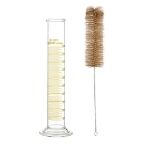 Measuring Cylinder Brush
 Conical Flask Brush
 Volumetric Flask Brush
 Round Bottom Flask Brush
 Glass Beaker Brush
 Pipette Brush
 Wash Bottle Brush
 Borosilicate Büchner Flask
 Borosilicate Erlenmeyer/Conical Flask
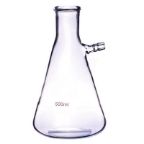 Borosilicate Pear-Shaped Flask
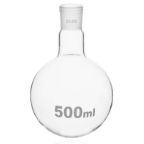 Borosilicate Round Bottom Flask
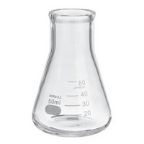 Plastic Conical Flask
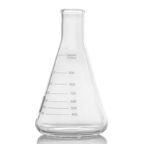 Plastic Volumetric Flask
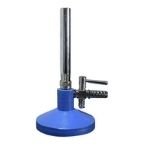 Bunsen Burner
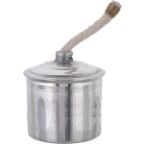 Spirit Lamp
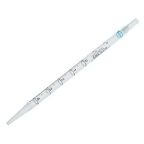 Borosilicate Glass Burette
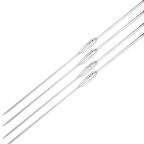 Plastic Burette
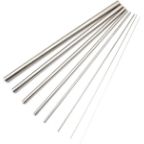 Capillary Tube
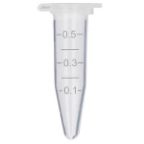 Centrifuge Tube
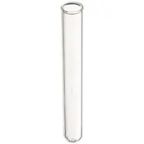 Test Tube
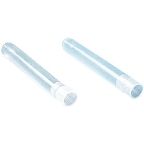 Ria Vial
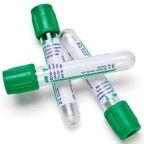 Vacutainer Tubes
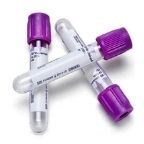 Syringes
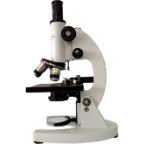 Student Microscope
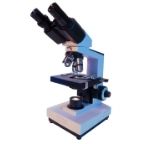 Binocular Microscope
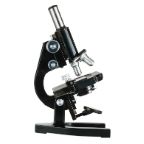 Dissecting Microscope
 Microscope Glass Slides
 Cover Slip
 Inoculating Loop
 Slide Box
 Lamps
Lamps
 Oils
Oils
 Beaker Tongs
 Crucible Tongs
 Flask Tongs
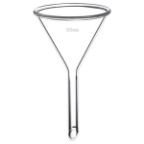 Borosilicate Glass Funnel
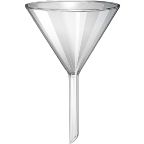 Plastic Funnels
 Wash Bottle
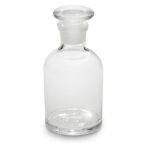 Borosilicate Glass Reagent Bottle
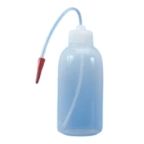 Plastic Reagent Bottle
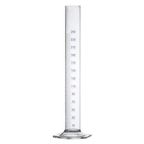 Borosilicate Measuring Cylinder
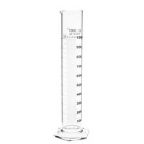 Plastic Measuring Cylinder
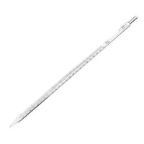 Borosilicate Glass Graduated Pipette
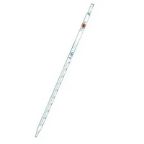 Borosilicate Glass Volumetric Pipette
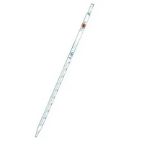 HB Pipette
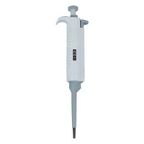 Pasteur Pipette
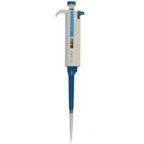 Micropipettes
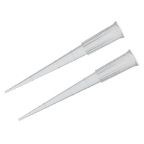 Micropipette Tips
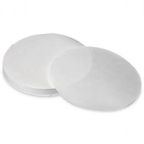 Filter Paper
 Litmus Paper
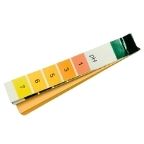 pH Paper
 Chromatography Paper
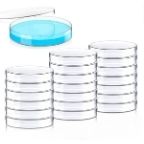 Plastic Petri Plates (Sterile)
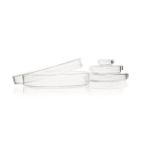 Glass Petri Plates (Non-Sterile)
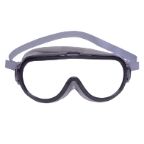 Safety Goggles
 Lab Coats
 Gloves
 Masks
Masks
 Shoe Covers
 Hair & Beard Covers
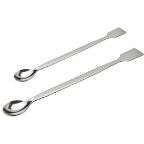 Steel Spatula
 Plastic Spatula
 Hitachi Sample Cup
 Plastic Scoop
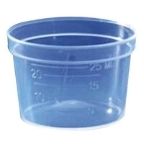 Plastic Medicine Cup
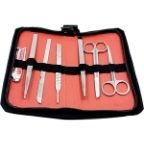 Dissecting Tool Kit
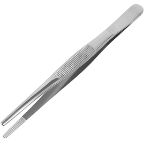 Dissecting Forceps
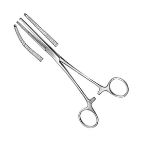 Hemostatic Forceps
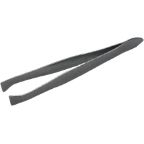 Thumb Forceps / Tweezers
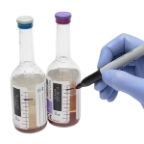 Blood Culture Bottle
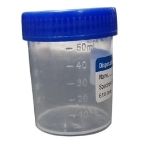 Urine Container
 Wooden Swab Stick
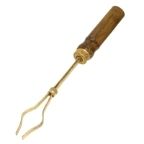 Test Tube Holder
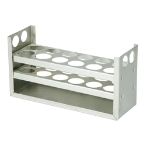 Test Tube Racks
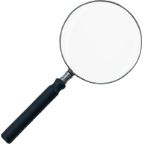 Magnifying Glass
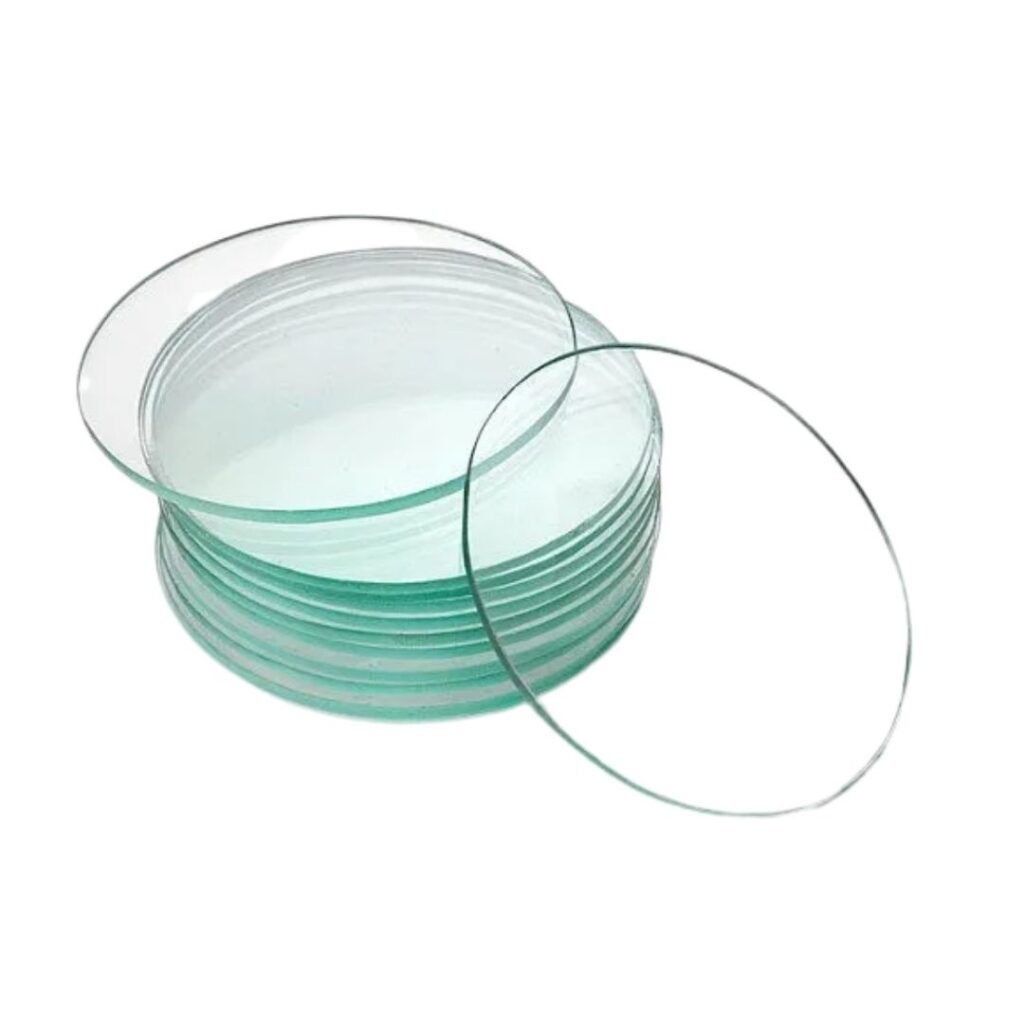
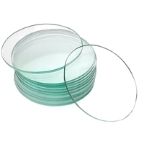 Watch Glass
 Mortar and Pestle
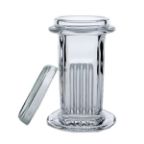 Coplin Jar
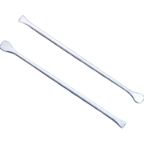 Plastic Stirrer
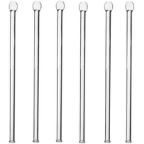 Glass Stirrer
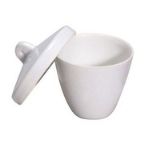 Crucible
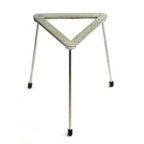 Tripod
 Wire Mesh
 Laboratory Thermometer
 Tourniquet
 Alcohol Swab
 Blood Lancet
 Bandage
 Gloves & Masks









Essential Physics Lab Apparatus: Tools for Scientific Inquiry

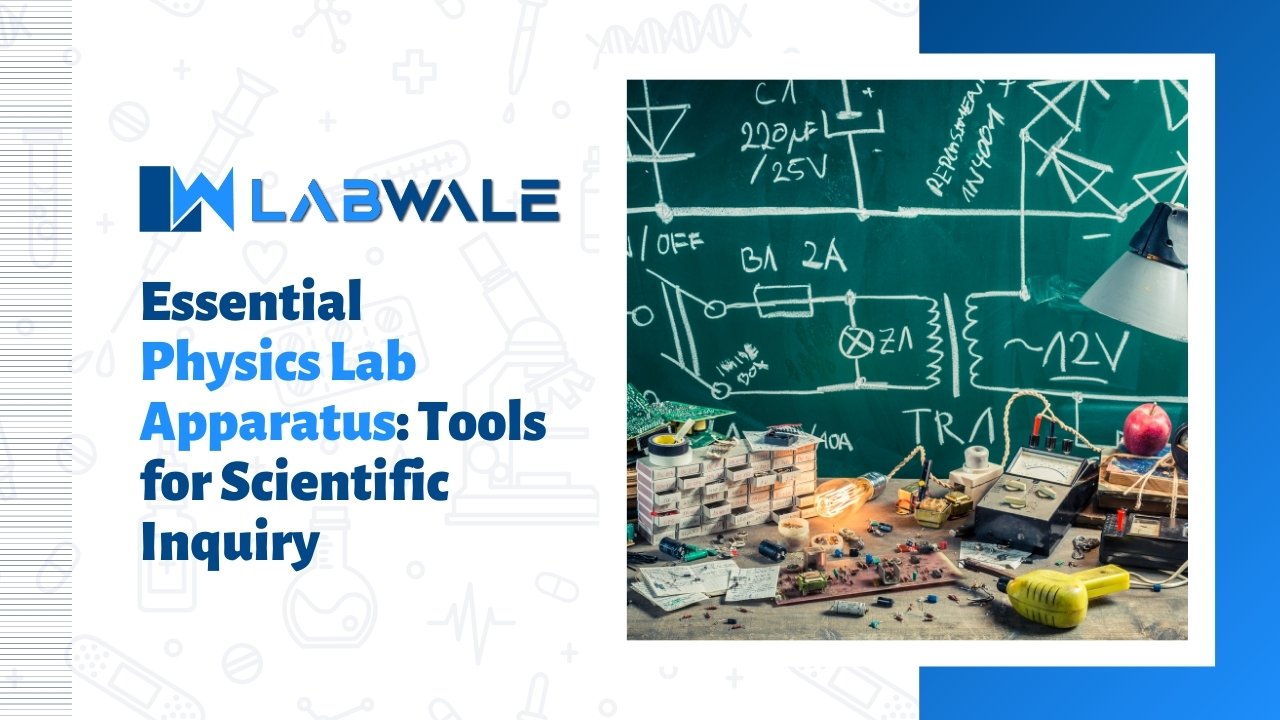
Introduction to Physics Laboratory Apparatus
Physics laboratories are the foundation of hands-on learning and scientific exploration. The apparatus used in these labs help students and researchers visualize theoretical concepts through practical experiments.
From studying motion to understanding electromagnetism, laboratory tools bridge the gap between observation and theory. These instruments not only enhance comprehension but also develop critical thinking and analytical skills.
A well-equipped physics lab promotes curiosity, allowing learners to test hypotheses, measure forces, and analyze results with precision. Investing in quality laboratory equipment ensures accuracy, safety, and long-term reliability—making it an essential part of any scientific or educational institution.
Importance of Laboratory Equipment in Physics Experiments
Laboratory equipment plays a vital role in conducting accurate and meaningful physics experiments. Without the right apparatus, it becomes impossible to measure, analyze, or verify scientific principles.
Reliable instruments ensure that results are consistent and reproducible, which is fundamental in scientific research. Moreover, using standard laboratory tools enhances safety and prevents experimental errors.
For students, these instruments encourage hands-on engagement and deeper understanding of core concepts like energy, motion, and magnetism. High-quality equipment also reduces maintenance costs and supports a wide range of experiments—from simple demonstrations to advanced research applications.
Basic Physics Lab Tools Every Laboratory Must Have
Every well-functioning physics lab requires a set of essential tools that form the backbone of experimentation. These include basic instruments such as beakers, test tubes, retort stands, and Bunsen burners.
Optical devices like lenses and mirrors are crucial for studying light phenomena, while galvanometers, ammeters, and voltmeters help analyze electrical circuits. Thermometers, barometers, and hygrometers aid in studying temperature and atmospheric conditions.
For safety, labs should always include protective gear such as lab coats, goggles, and gloves. Having these fundamental tools ensures a safe, efficient, and productive environment for both teaching and research purposes.
Measuring Instruments Used in Physics Laboratories
Measurement is at the heart of every physics experiment. Precision instruments such as vernier calipers, micrometers, and measuring tapes are indispensable for accurate readings of length and diameter. Stopwatch and digital timers are used for time-based studies like motion and oscillation.
For studying mass and weight, digital balances and spring balances are essential. Advanced instruments like oscilloscopes and spectrometers allow for detailed analysis of waveforms and light spectra. The accuracy and calibration of these measuring devices determine the validity of experimental results, making them a cornerstone of any successful physics laboratory setup.
Apparatus for Studying Motion and Mechanics
Understanding motion and mechanics requires specialized apparatus designed to demonstrate physical laws in action. Common tools include inclined planes, pulleys, and Newton’s cradle, which help illustrate concepts like force, friction, and energy transfer.
Dynamic carts and air tracks are used to study linear motion with minimal resistance, while pendulums demonstrate periodic motion and gravitational acceleration. For rotational motion, apparatus such as flywheels and moment-of-inertia kits are indispensable.
These tools make abstract concepts tangible, allowing learners to observe and quantify the principles that govern the physical world. Accurate mechanical apparatus enhances both learning and innovation in experimental physics.
Tools for Experiments on Force, Work, and Energy
Understanding the relationship between force, work, and energy is fundamental to physics. Laboratories use specific tools to help visualize and measure these concepts in action.
Common apparatus include spring balances, dynamometers, and inclined planes to study force and mechanical advantage. Pulley systems and levers demonstrate principles of work and efficiency, while kinetic energy kits and energy transfer models showcase energy conversion.
For more advanced studies, power meters and motion sensors provide digital data for analysis. These tools enable students and researchers to quantify energy transformations accurately, fostering a deeper understanding of Newtonian mechanics and conservation laws.
Equipment Used in Heat and Thermodynamics Experiments
Experiments in heat and thermodynamics require precise instruments that measure temperature changes, heat transfer, and energy efficiency. Essential equipment includes thermometers, calorimeters, and heat engines.
A calorimeter, for instance, measures the heat absorbed or released during chemical and physical processes, while heat exchangers demonstrate conduction and convection principles. Bunsen burners and electric heaters provide controlled heat sources for various setups.
Advanced labs may also utilize temperature sensors, data loggers, and thermal cameras to study heat flow in real time. Reliable thermodynamic apparatus helps researchers and students grasp the laws of thermodynamics through practical, observable results.
Physics Lab Apparatus for Sound and Wave Studies
The study of sound and waves in physics involves exploring vibrations, resonance, and wave propagation. Common apparatus for these experiments include tuning forks, resonance tubes, and sound level meters.
A sonometer helps analyze the relationship between tension, length, and frequency of a vibrating string.
Ripple tanks visually demonstrate wave interference, reflection, and refraction in two dimensions. Oscilloscopes are often used to observe and measure sound waves electronically.
Together, these tools allow for a deeper understanding of acoustic phenomena, standing waves, and harmonic motion—making them vital for both teaching and advanced acoustic research.
Essential Tools for Light and Optics Experiments
Light and optics are key areas of physics that reveal the behavior of electromagnetic waves. Essential laboratory tools include lenses, mirrors, and prisms to explore reflection, refraction, and dispersion. Optical benches and ray boxes help demonstrate the properties of light paths and focal points.
Diffraction gratings and spectrometers are used to analyze the wavelength composition of light sources. Polarizers and optical filters aid in studying light polarization. For precision measurements, laser modules and photometers are indispensable.
Together, these optical instruments form the foundation for experiments in vision science, photonics, and modern optical communication technologies.
Electrical and Electronic Apparatus in Physics Labs
Electrical and electronic experiments are vital for understanding current, voltage, and resistance. Physics labs commonly use instruments such as ammeters, voltmeters, galvanometers, and multimeters to measure circuit parameters accurately.
Power supplies, resistors, capacitors, and breadboards are used for circuit construction and testing. For advanced studies, oscilloscopes, function generators, and transformers allow observation of alternating currents and signal behavior.
Additional apparatus like Wheatstone bridges and potentiometers help explore electrical principles with precision. These tools not only support fundamental experiments but also provide the foundation for understanding modern electronics, communication systems, and energy applications.
Magnetism and Electromagnetism Laboratory Equipment
Exploring magnetism and electromagnetism requires specialized equipment to visualize invisible forces and study their effects.
Essential apparatus includes bar magnets, electromagnets, magnetic compasses, and iron filings for field pattern demonstrations. Solenoids, galvanometers, and current-carrying coils help investigate electromagnetic induction and Faraday’s laws.
Power supplies and magnetic field sensors are also used for measuring field strength and polarity. Advanced labs may feature Helmholtz coils for uniform magnetic field generation and Hall effect apparatus for semiconductor studies.
These tools not only enhance conceptual understanding but also aid in developing practical applications like electric motors, transformers, and magnetic sensors, which are integral to modern technology.
Precision Instruments for Accurate Physics Measurements
In physics, accuracy and precision are vital to obtaining reliable results. Precision instruments such as vernier calipers, micrometer screw gauges, spherometers, and traveling microscopes are essential for detailed dimensional measurements.
Related Products
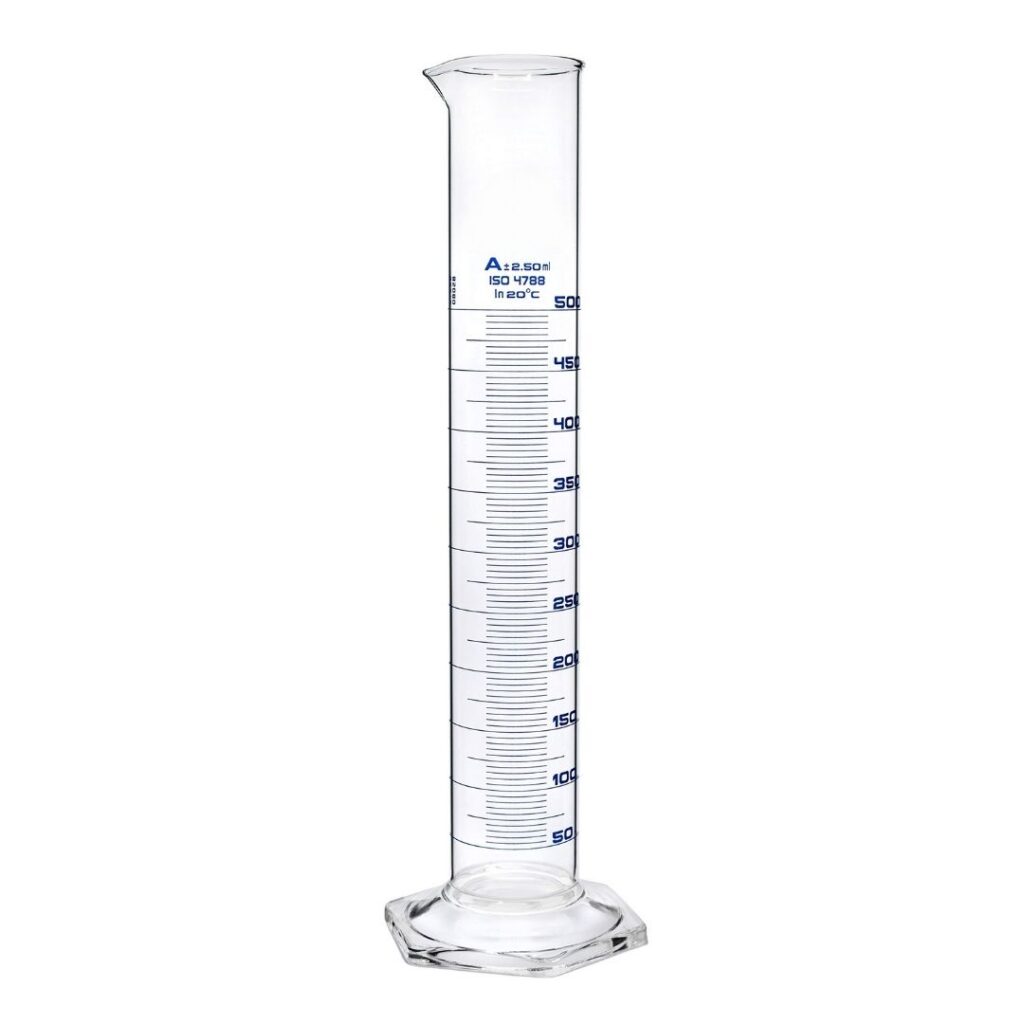


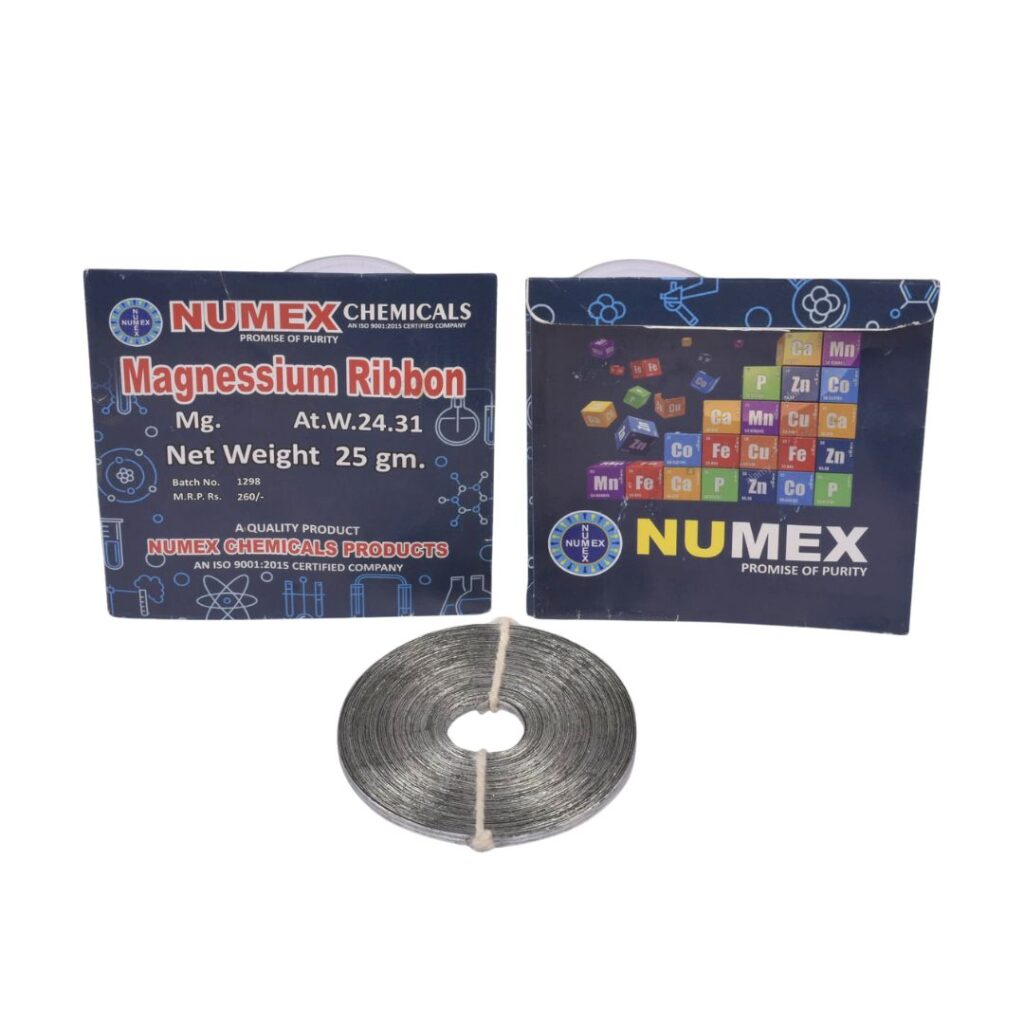
Magnesium Ribbon
Original price was: ₹350.00.₹170.00Current price is: ₹170.00. (inc. GST) / Unit
SKU:
LW-WEB-2728
Optical instruments like spectrometers and polarimeters ensure accuracy in optical experiments. Electrical precision devices, including digital multimeters and oscilloscopes, allow detailed analysis of current, voltage, and waveform patterns.
These instruments must be properly calibrated and maintained to avoid measurement errors. Their precision ensures that even the smallest variations in data are detected, helping researchers and students perform quantitative analyses with confidence and scientific rigor.
Common Glassware Used in Physics Laboratories
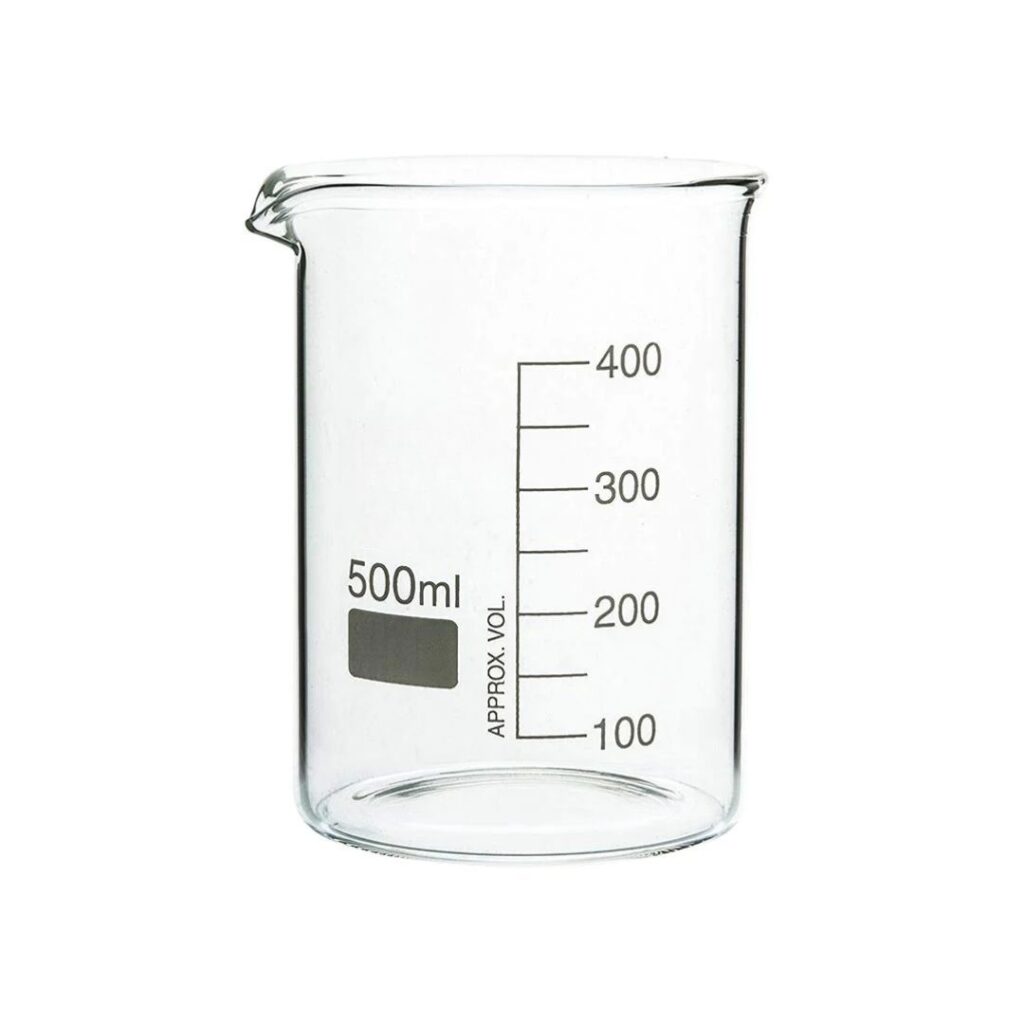
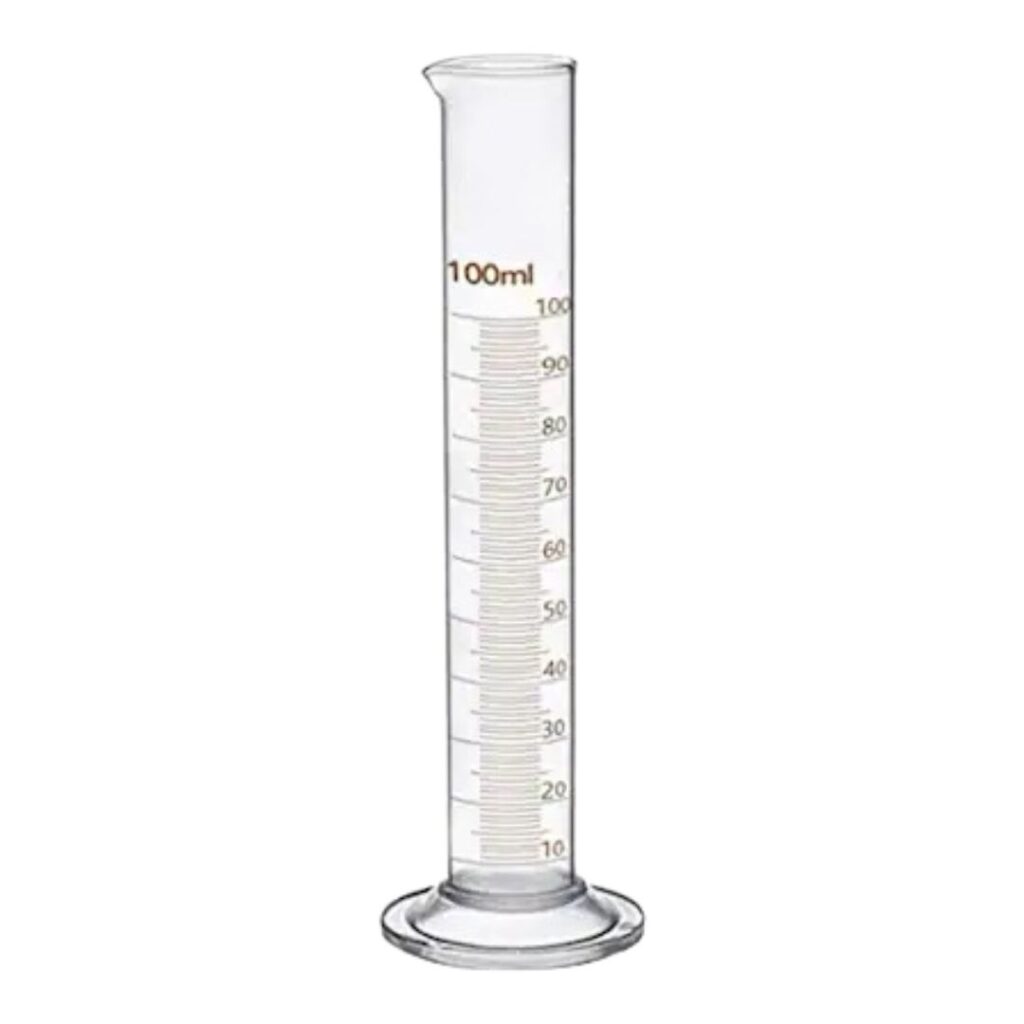
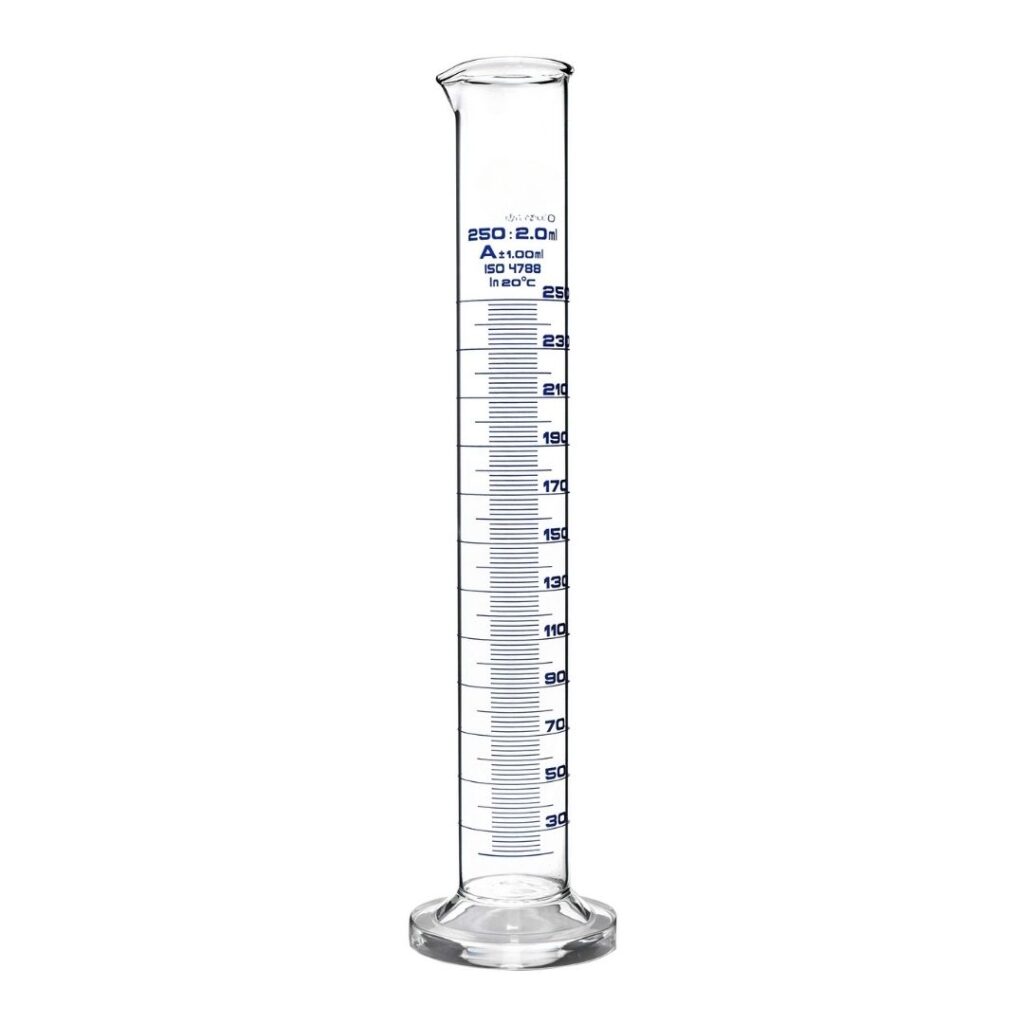
Though often associated with chemistry, glassware plays a vital role in physics experiments as well. Common glass items include beakers, flasks, test tubes, and graduated cylinders, which are used for heating, measuring, or mixing substances.
Glass prisms and lenses are essential in optics to study refraction and dispersion. Bell jars are often used in vacuum experiments, while glass capillary tubes help examine fluid dynamics.
High-quality borosilicate glassware is preferred for its heat resistance and clarity. Using durable, well-calibrated glassware not only improves the precision of experiments but also ensures laboratory safety and longevity of equipment.
Modern Digital Instruments in Advanced Physics Labs
Today’s advanced physics laboratories are embracing digital transformation to enhance precision and efficiency. Digital instruments such as data loggers, laser sensors, photogates, and motion detectors allow for real-time data acquisition and automated analysis.
Computerized oscilloscopes, digital thermometers, and spectrophotometers have replaced traditional analog versions, offering higher accuracy and easier data visualization. These digital devices integrate seamlessly with simulation software, enabling deeper analysis and faster experimentation.
Modern tools not only save time but also reduce human error, making them indispensable in educational, research, and industrial physics labs. Their integration marks a new era of innovation in experimental science.
Safety Equipment Required in a Physics Laboratory
Safety is paramount in any laboratory setting. A well-equipped physics lab must include essential safety gear such as lab coats, safety goggles, heat-resistant gloves, and closed-toe shoes to protect against chemical spills and heat exposure. Fire extinguishers, first aid kits, and emergency eyewash stations should be readily accessible.
Electrical safety devices like circuit breakers and insulated mats are crucial when working with high-voltage apparatus. Proper ventilation and fume hoods ensure a safe working environment.
Clear safety signage and adherence to standard operating procedures help prevent accidents, ensuring that experimentation remains both educational and secure.
Maintenance and Calibration of Physics Lab Apparatus
Regular maintenance and calibration are essential to ensure the reliability and longevity of physics laboratory equipment. Calibration aligns instruments to standardized measurements, minimizing errors in experimental results.
Mechanical tools like balances, calipers, and gauges should be checked periodically for accuracy, while digital devices require software updates and sensor recalibration. Proper cleaning, safe storage, and regular inspection prevent damage from corrosion, dust, or mechanical stress.
Documenting maintenance schedules helps laboratories maintain compliance with academic and industrial standards. Well-maintained apparatus not only improves precision but also promotes efficiency, safety, and cost-effectiveness in the long term.
Choosing the Right Physics Lab Equipment for Educational Institutions
Selecting the appropriate physics lab apparatus is essential for effective teaching and learning. Educational institutions must prioritize equipment that matches their curriculum requirements, safety standards, and budget. For basic experiments, durable instruments such as ammeters, voltmeters, and inclined planes are ideal.
Advanced institutions may need precision tools like oscilloscopes, spectrometers, and laser kits for detailed analysis. When purchasing, quality and accuracy should outweigh cost, as reliable equipment ensures consistent results and long-term use.
Additionally, sourcing from reputable suppliers who provide warranties, calibration services, and technical support enhances both performance and student safety in the lab.
Role of Physics Lab Apparatus in Scientific Research
In scientific research, laboratory apparatus play a pivotal role in testing theories and developing new technologies. From particle motion analysis to quantum physics, precision instruments are crucial for obtaining valid results.
Researchers rely on advanced tools such as data loggers, interferometers, and vacuum chambers to explore complex physical phenomena. Modern physics experiments demand high sensitivity, accuracy, and repeatability—qualities only achievable through high-grade laboratory equipment.
Furthermore, the integration of digital sensors and computer-based measurement systems has improved data collection and analysis. Without well-maintained and calibrated apparatus, scientific progress would be severely limited.
Innovations and Technological Advancements in Physics Laboratory Tools
The field of physics laboratory equipment has evolved rapidly with technological advancements. Digital integration has made experiments more precise and efficient. Smart sensors, wireless data acquisition systems, and computer-interfaced apparatus now allow real-time monitoring and automated recording of experimental results.
Virtual and augmented reality tools are also enhancing physics education, offering students immersive learning experiences. Additionally, eco-friendly materials and energy-efficient devices are gaining popularity as sustainability becomes a global priority.
These innovations not only simplify experimentation but also increase accuracy and accessibility—bridging the gap between traditional labs and modern scientific exploration.
Challenges in Handling and Storing Physics Lab Equipment
Proper handling and storage of physics laboratory equipment are essential to ensure safety and longevity. Many instruments are delicate, sensitive to temperature, or prone to damage if not stored correctly.
Common challenges include equipment corrosion, inaccurate readings due to misalignment, and loss of calibration. Institutions should implement strict protocols, such as regular maintenance, proper labeling, and climate-controlled storage environments.
Training staff and students on correct usage and cleaning methods minimizes accidents and equipment failure. Investing in protective cases, storage racks, and anti-static materials also helps preserve precision instruments, ensuring reliability in every experiment.
Frequently Asked Questions About Physics Lab Apparatus
What are the basic tools required in a physics laboratory?
Essential tools include measuring instruments like vernier calipers, voltmeters, ammeters, and devices such as pendulums, lenses, and spring balances.
How do I choose quality lab equipment?
Opt for certified suppliers who provide durable materials, accurate calibration, and after-sales service.
How often should physics lab instruments be calibrated?
Calibration should be done at least once a year or as recommended by the manufacturer.
What safety measures are important in physics labs?
Always use protective gear, follow lab protocols, and ensure all electrical devices are properly insulated.
Where can I buy reliable physics lab apparatus online?
You can purchase high-quality physics lab equipment from trusted scientific suppliers and specialized e-commerce stores offering verified, tested instruments.

 Cardiology
 Clinical Oncology