
-
-
 Cardiology
-
 Clinical Oncology
-
 Dental
-
 Dermatology
-
 Ear, Nose, Throat (ENT)
-
 Endocrinology
-
 Gastroenterology
-
 General Surgery
-
 Gynecology & Obstetrics
-
 Interventional Cardiology
-
 Nephrology
-
 Neurology
-
 Oncology Surgery
-
 Ophthalmology
-
 Orthopedics
-
 Pediatrics
-
 Pediatrics Surgery
-
 Physiotherapy
-
 Plastic Surgery
-
 Psychiatry & Psychology
-
 Radiology
-
 Urology
-
 Vascular Surgery
-

 Anatomy Lab Equipments
 Biochemistry Lab Equipments
 Biology Lab Equipments
 Chemistry Lab Equipments
 Cytology Lab Equipments
 Cytopathology Lab Equipments
 Dental Lab Equipments
 Forensic Lab Equipments
 Genetics Lab Equipments
 Hematology Lab Equipments
 Histology Lab Equipments
 Histopathology Lab Equipments
 Mathematics Lab Equipments
 Microbiology Lab Equipments
 Molecular Biology Lab Equipments
 Pathology Lab Equipments
 Pharmaceutical Lab Equipments
 Physics Lab Equipments
 Radiology Lab Equipments
 Science Lab Kit’s
 Toxicology Lab Equipments

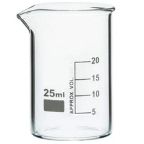 Borosilicate Glass Beaker
 Plastic Beaker (Euro Design)
 Plastic Beaker (Printed Graduation)
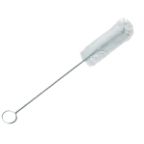 Test Tube Brush
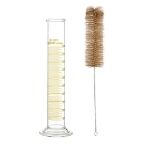 Measuring Cylinder Brush
 Conical Flask Brush
 Volumetric Flask Brush
 Round Bottom Flask Brush
 Glass Beaker Brush
 Pipette Brush
 Wash Bottle Brush
 Borosilicate Büchner Flask
 Borosilicate Erlenmeyer/Conical Flask
 Borosilicate Pear-Shaped Flask
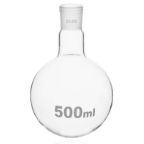 Borosilicate Round Bottom Flask
 Plastic Conical Flask
 Plastic Volumetric Flask
 Bunsen Burner
 Spirit Lamp
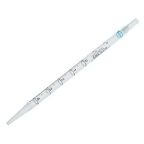 Borosilicate Glass Burette
 Plastic Burette
 Capillary Tube
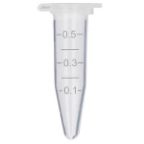 Centrifuge Tube
 Test Tube
 Ria Vial
 Vacutainer Tubes
 Syringes
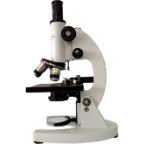 Student Microscope
 Binocular Microscope
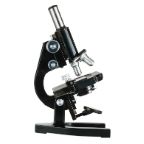 Dissecting Microscope
 Microscope Glass Slides
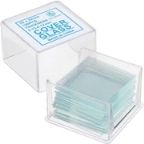 Cover Slip
 Inoculating Loop
 Slide Box
 Lamps
Lamps
 Oils
Oils
 Beaker Tongs
 Crucible Tongs
 Flask Tongs
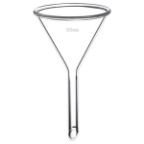 Borosilicate Glass Funnel
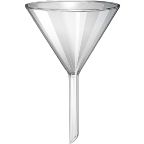 Plastic Funnels
 Wash Bottle
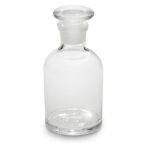 Borosilicate Glass Reagent Bottle
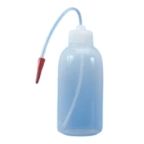 Plastic Reagent Bottle
 Borosilicate Measuring Cylinder
 Plastic Measuring Cylinder
 Borosilicate Glass Graduated Pipette
 Borosilicate Glass Volumetric Pipette
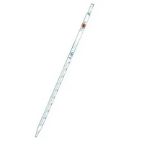 HB Pipette
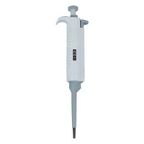 Pasteur Pipette
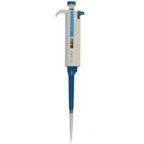 Micropipettes
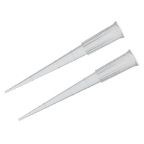 Micropipette Tips
 Filter Paper
 Litmus Paper
 pH Paper
 Chromatography Paper
 Plastic Petri Plates (Sterile)
 Glass Petri Plates (Non-Sterile)
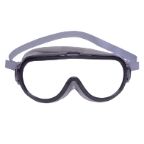 Safety Goggles
 Lab Coats
 Gloves
 Masks
Masks
 Shoe Covers
 Hair & Beard Covers
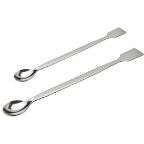 Steel Spatula
 Plastic Spatula
 Hitachi Sample Cup
 Plastic Scoop
 Plastic Medicine Cup
 Dissecting Tool Kit
 Dissecting Forceps
 Hemostatic Forceps
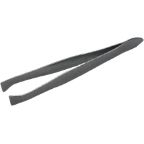 Thumb Forceps / Tweezers
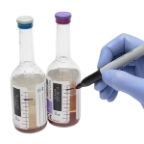 Blood Culture Bottle
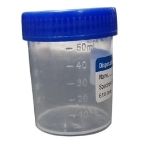 Urine Container
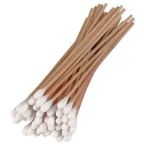 Wooden Swab Stick
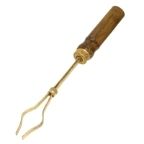 Test Tube Holder
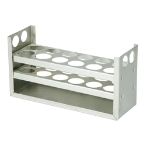 Test Tube Racks
 Magnifying Glass
 Watch Glass
 Mortar and Pestle
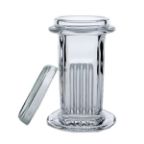 Coplin Jar
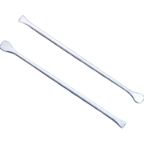 Plastic Stirrer
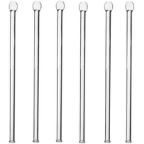 Glass Stirrer
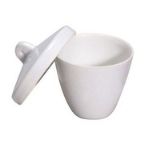 Crucible
 Tripod
 Wire Mesh
 Laboratory Thermometer
 Tourniquet
 Alcohol Swab
 Blood Lancet
 Bandage
 Gloves & Masks









Test Tube – A Comprehensive Guide for Everyone


Contents
- Introduction to Test Tubes and Their Everyday Importance
- Understanding the Structure and Design of Test Tubes
- Different Types of Test Tubes Used in Laboratories
- Common Materials Used in Manufacturing Test Tubes
- Standard Sizes and Dimensions of Test Tubes
- How Test Tubes Are Used in Scientific Experiments
- Role of Test Tubes in Chemistry and Chemical Reactions
- Applications of Test Tubes in Biology and Medical Research
- Test Tubes in Educational Labs and Student Experiments
- How to Choose the Right Test Tube for Your Laboratory Needs
- Essential Accessories Used with Test Tubes
- Proper Handling and Safety Guidelines for Test Tube Use
- Cleaning and Sterilizing Test Tubes Effectively
- Storage Tips to Keep Test Tubes Safe and Long-Lasting
- Comparing Glass vs. Plastic Test Tubes
- Innovations and Modern Advancements in Test Tube Design
- Environmental Impact of Test Tubes and Sustainable Alternatives
- Cost Factors and Pricing Guide for Test Tubes
- Where to Buy High-Quality Test Tubes Online
- Conclusion: Why Test Tubes Remain Essential in Laboratories
- Frequently Asked Questions About Test Tubes
Introduction to Test Tubes and Their Everyday Importance
Test tubes might seem like simple glass or plastic cylinders, but they play a crucial role in the world of science. Whether you’re in a bustling laboratory or conducting experiments at home, these unassuming tools are indispensable. From chemistry and biology to medical research and educational settings, test tubes support many scientific discoveries.
Imagine mixing chemicals, observing reactions, or holding samples—all within the confines of a test tube! Their versatility makes them essential for scientists, educators, and curious minds alike. This comprehensive guide will delve into everything you need to know about test tubes—from their structure and types to proper handling techniques and modern innovations.
Get ready to explore the fascinating world of test tubes and discover why they remain vital instruments in laboratories everywhere!
Understanding the Structure and Design of Test Tubes
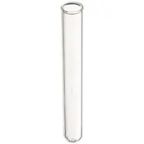
Test tubes are simple yet ingenious tools. At first glance, they may seem like mere glass or plastic cylinders. However, their design is key to their functionality.
Typically, a test tube features a cylindrical body with an open top and a rounded bottom. This shape allows for easy mixing of substances and minimizes the risk of spillage during experiments.
The thickness of the walls plays a critical role too. Thicker walls provide greater durability while thinner options allow for better heat transfer during reactions.
Some test tubes come with graduated markings on the side. These measurements help scientists accurately assess liquid volumes without needing additional equipment.
Many modern designs incorporate features like screw caps or rubber stoppers for secure sealing. This prevents contamination and ensures that volatile substances remain contained during experimentation.
Different Types of Test Tubes Used in Laboratories
Test tubes come in various types, each designed for specific functions in laboratories. The most common are standard test tubes, typically made from glass or plastic. They’re used for mixing and heating substances.
Another type is the graduated test tube, which features marked measurements along its side. This allows scientists to accurately measure liquid volumes during experiments.
Then there are culture test tubes, ideal for biological studies. These often come with caps to prevent contamination when growing cultures of microorganisms.
For specialized applications, you might encounter centrifuge tubes. These are designed to withstand high speeds and help separate components based on density.
Disposable test tubes have gained popularity due to their convenience and reduced risk of cross-contamination. Each type serves a unique purpose that enhances laboratory efficiency and safety.
Common Materials Used in Manufacturing Test Tubes
Test tubes are crafted from various materials, each serving specific purposes in laboratory settings. Glass is the most traditional choice. It offers excellent chemical resistance and can withstand high temperatures, making it suitable for a wide range of experiments.
Plastic test tubes, often made from polypropylene or polystyrene, provide flexibility and durability. They are lightweight and resistant to breakage, which is particularly advantageous in educational environments where safety is paramount.
Silicone-coated test tubes present another option. These enhance grip and minimize slipping during handling.
Additionally, some manufacturers create biodegradable alternatives using sustainable materials. This innovation aims to reduce environmental impact while maintaining functionality.
Each material brings unique benefits that cater to diverse laboratory needs—whether for precise chemical reactions or simple student experiments.
Standard Sizes and Dimensions of Test Tubes
Test tubes come in a variety of sizes to suit different scientific needs. The most common standard size is the 12 mm diameter tube, typically measuring around 100 mm in length. This size is popular for basic laboratory tasks.
For more extensive experiments, larger test tubes are available, such as those with a diameter of 16 mm or even 25 mm. These can range from 150 mm to over 250 mm long. They hold greater volumes and allow for more substantial reactions.
There are also mini test tubes designed for small-scale experiments or sample storage. These usually measure about 5-10 ml in capacity and are handy in research settings where precision matters.
Understanding these dimensions helps scientists choose the right tube for their specific applications, ensuring accuracy and safety during experimentation.
How Test Tubes Are Used in Scientific Experiments
Test tubes play a pivotal role in scientific experiments across various fields. They provide a controlled environment for mixing, heating, or reacting substances.
Researchers often use them to perform qualitative and quantitative analyses. When analyzing chemical reactions, test tubes allow scientists to observe changes closely without contamination from external factors.
In biology labs, they facilitate the growth of cultures and cell samples. Their clear structure helps in monitoring development stages and reactions over time.
Furthermore, test tubes are essential when performing titrations. This technique involves adding one solution to another until the desired reaction occurs—a precise process made easier with this versatile tool.
Experimenters appreciate their ease of handling during procedures like centrifugation or spectrophotometry. Each step can be conducted with minimal risk of spills or cross-contamination between samples.
Role of Test Tubes in Chemistry and Chemical Reactions
Test tubes play a crucial role in chemistry, serving as the primary vessels for conducting experiments. They provide a controlled environment where chemical reactions can occur safely and efficiently.
When mixing reagents, test tubes allow chemists to observe changes like color shifts or gas production. Their design facilitates easy swirling and mixing without the risk of spillage.
Their transparent nature offers clear visibility, enabling real-time monitoring of reactions. This is vital when experimenting with volatile substances or delicate compounds.
Additionally, specific heat resistance properties make them ideal for heating substances over Bunsen burners or hot plates. Chemists often rely on test tubes for small-scale experiments before progressing to larger setups.
In educational settings, they help students grasp fundamental concepts by visualizing reactions firsthand. Test tubes bridge theory and practice in the world of chemistry through hands-on experience.
Applications of Test Tubes in Biology and Medical Research
Test tubes play a pivotal role in biology and medical research. They serve as essential tools for conducting experiments, especially when handling small volumes of liquids.
In microbiology, researchers use test tubes to culture bacteria and other microorganisms. This allows them to observe growth patterns and assess the effectiveness of antibiotics.
In genetics, test tubes facilitate DNA extraction processes. Scientists can analyze genetic material more efficiently in these controlled environments.
Medical researchers also employ test tubes for blood sample analysis. They separate components like plasma or red blood cells, aiding in diagnostics and treatment plans.
Moreover, they are invaluable in drug development. Test tubes allow scientists to mix compounds safely while studying their interactions at a microscopic level.
From enzyme reactions to cell cultures, the versatility of test tubes enhances our understanding of complex biological systems. Each experiment contributes vital knowledge that drives innovation in healthcare.
Test Tubes in Educational Labs and Student Experiments
Test tubes play a vital role in educational labs, serving as fundamental tools for hands-on learning. They provide students with the opportunity to conduct experiments that illustrate scientific principles.
In chemistry classes, test tubes allow learners to mix chemicals safely and observe reactions firsthand. This practical experience deepens their understanding of theoretical concepts.
Biology students often use test tubes for analyzing samples or conducting microbial cultures. Such experiments enhance critical thinking skills while fostering an appreciation for laboratory procedures.
Experimentation using test tubes encourages curiosity and promotes teamwork among students. Group projects centered around these tools can inspire collaboration, building essential communication skills.
Using various types of test tubes also introduces future scientists to material properties and design considerations. Whether glass or plastic, each type serves specific purposes in different experiments.
Educational institutions benefit from incorporating innovative lab practices involving test tubes, creating engaging environments where science comes alive.
How to Choose the Right Test Tube for Your Laboratory Needs
Choosing the right test tube is crucial for effective experimentation. Start by considering the material. Glass offers durability and chemical resistance, while plastic might be lighter and less breakable.
Next, think about size. Standard lengths range from 10 to 25 milliliters, but your project may need something specific. Make sure you know your sample volumes beforehand.
Consider the application too. For high-temperature processes, borosilicate glass is ideal due to its thermal stability. Conversely, if dealing with biological samples, opt for sterile plastic tubes.
Don’t overlook compatibility with accessories like stoppers or racks either; proper fittings can enhance usability and safety during experiments.
Always factor in budget constraints without compromising quality—there are reliable options at various price points that fit all laboratory needs.
Essential Accessories Used with Test Tubes
Test tubes are versatile tools, but they work best with the right accessories. One essential item is the test tube holder. This simple device keeps your test tubes secure while you handle them, preventing spills and accidents.
Another important accessory is the stopper or cork. These help seal test tubes to contain volatile substances or prevent contamination during experiments.
For precise measurement and mixing, consider using a pipette. It allows for accurate liquid transfer without disturbing other contents in your test tubes.
A rack is also crucial for organizing multiple test tubes at once. It provides stability and easy access when conducting various experiments simultaneously.
Don’t overlook labeling supplies—these can save time and ensure clarity in your research endeavors by clearly identifying each sample’s contents.
Proper Handling and Safety Guidelines for Test Tube Use
Proper handling of test tubes is crucial in any laboratory setting. Always hold the tube by its base or neck, avoiding contact with the glass or plastic body to prevent accidental spills.
Wear appropriate personal protective equipment (PPE) such as gloves and safety goggles. This protects you from harmful chemicals that may be inside the tube.
When transferring liquids, do so slowly to minimize splashing. Use a pipette for better control over small volumes.
Never point a filled test tube toward anyone while mixing substances or during reactions. The contents can react unexpectedly and cause hazardous situations.
Ensure your workspace is clean and organized. Clutter increases the risk of dropping or knocking over test tubes.
If a breakage occurs, handle it with care using dustpan and brush tools specifically designed for this purpose. Dispose of broken glassware according to your facility’s guidelines to maintain safety standards.
Cleaning and Sterilizing Test Tubes Effectively
Keeping test tubes clean is crucial for accurate results in any scientific endeavor. Residues and contaminants can alter experiments, leading to unreliable data.
Start by rinsing the test tube with water immediately after use. This helps prevent substances from drying and sticking to the walls.
For deeper cleaning, a mild detergent solution works wonders. Use a soft brush or sponge to scrub the interior thoroughly. Make sure to reach all corners where residue may linger.
After washing, sterilizing is essential, especially in biological applications. Autoclaving is one of the best methods; it uses high-pressure steam to eliminate bacteria and spores effectively.
If autoclaving isn’t an option, consider using ethanol or bleach solutions for quick disinfection. Rinse well afterward since residues can interfere with future experiments.
Always ensure that your test tubes dry completely before storage—this prevents microbial growth and extends their lifespan significantly.
Storage Tips to Keep Test Tubes Safe and Long-Lasting
Storing test tubes properly is crucial for their longevity and safety. Start by choosing a dedicated storage container or rack designed specifically for test tubes. This prevents them from rolling around and minimizes the risk of breakage.
Place each tube upright in its designated space to avoid contamination. If using cardboard or foam racks, ensure they are clean and dry before storing your glassware.
Temperature control is essential too. Keep test tubes away from extreme heat or cold to prevent thermal shock that could lead to cracks.
Labeling is also beneficial, especially in busy labs. Clear identification helps you find what you need quickly while maintaining organization.
Consider periodic inspections of your stored test tubes. Check for any signs of wear or damage regularly to address potential issues before they escalate into problems that affect experiments down the line.
Comparing Glass vs. Plastic Test Tubes
When it comes to choosing between glass and plastic test tubes, each material has its own advantages. Glass test tubes are often preferred for their chemical resistance and durability. They can withstand high temperatures, making them ideal for certain experiments.
On the other hand, plastic test tubes offer a lightweight alternative. They’re less prone to breakage, which is particularly beneficial in busy labs or educational settings where accidents are more likely to occur. Plus, they often come at a lower cost.
However, glass does provide superior clarity and visibility of samples. This can be essential when precise measurements or observations are needed during an experiment.
Plastic may leach chemicals over time and isn’t suitable for all types of reagents. Consider the specific needs of your project before deciding on the right type of test tube to use.
Innovations and Modern Advancements in Test Tube Design
Test tube design has seen remarkable innovations in recent years. Traditional glass tubes have evolved to incorporate advanced materials and features that enhance usability.
One significant advancement is the introduction of graduated markings on test tubes. These allow for precise measurements, making experiments more accurate than ever before.
Newer designs also focus on ergonomics, with features like curved edges or hexagonal shapes for better grip during handling. This reduces the risk of spills and breakage.
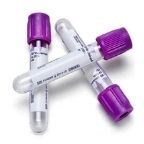
Another exciting trend is the use of color-coded caps that help with organization and quick identification in busy labs.
Some manufacturers are even exploring biocompatible plastics that reduce contamination risks while maintaining transparency for visibility purposes.
Smart test tubes equipped with sensors now offer real-time data monitoring during experiments, streamlining research processes significantly.
Environmental Impact of Test Tubes and Sustainable Alternatives
Test tubes are essential in laboratories, but their environmental impact cannot be ignored. Most test tubes are made from glass or plastic, both of which pose challenges for sustainability. Glass is recyclable but requires significant energy to produce and transport.
On the other hand, single-use plastic test tubes contribute to growing waste problems. They often end up in landfills or oceans, harming wildlife and ecosystems. The need for greener alternatives has never been more pressing.
Innovative materials like bioplastics are emerging as viable options. These can break down more easily than traditional plastics while still providing necessary durability for lab use.
Researchers are also exploring reusable systems that minimize waste without compromising safety or sterility. Educating scientists about sustainable practices can drive change within laboratories worldwide and promote a healthier planet for future generations.
Embracing environmentally friendly solutions will ensure that science continues without heavy costs to our environment.
Cost Factors and Pricing Guide for Test Tubes
When considering test tubes, pricing can vary widely based on several factors. The material is a significant determinant. Glass test tubes often cost more than their plastic counterparts due to durability and the ability to withstand higher temperatures.
Size also plays a role in pricing. Standard sizes are generally more affordable, while specialized dimensions or those with unique designs may command higher prices.
Quantity matters too. Bulk purchases typically result in discounts, making it economical for labs that need large supplies.
Brand reputation influences costs as well. Established manufacturers usually price their products at a premium due to perceived quality and reliability.
Keep an eye on market trends and sales events which can provide opportunities for savings without compromising quality.
Where to Buy High-Quality Test Tubes Online
Finding high-quality test tubes online is easier than ever. Numerous retailers specialize in laboratory supplies, offering a wide range of products to suit various needs.
Start by checking reputable scientific supply companies. They often provide detailed product descriptions and customer reviews, ensuring you make an informed choice. Websites like Fisher Scientific or VWR are trusted sources for professionals.
For those on a budget, consider exploring platforms like Amazon or eBay. These marketplaces feature multiple sellers and competitive prices, but ensure you verify seller ratings before purchasing.
Don’t overlook specialty lab equipment stores as they may carry unique options not found elsewhere. Many also offer bulk discounts if you’re stocking up for a larger project or educational institution.
Always be mindful of shipping costs and return policies when buying online to avoid any surprises after your purchase arrives at your doorsteps.
Conclusion: Why Test Tubes Remain Essential in Laboratories
Test tubes have stood the test of time in laboratory settings. Their versatility makes them indispensable across various scientific fields.
Whether performing chemical reactions or biological experiments, these glass or plastic vessels offer clarity and convenience. They allow scientists to mix, heat, and observe substances with ease.
The ability to conduct experiments on a small scale saves resources while ensuring safety. In educational environments, test tubes foster hands-on learning experiences for students eager to explore science.
As innovations emerge in lab technology, the fundamental role of test tubes remains unchanged. They provide a reliable tool that enhances accuracy and efficiency in research processes.
Their design accommodates both simple tasks and complex procedures alike. Test tubes will continue to be a cornerstone for experimentation in laboratories around the world.
Frequently Asked Questions About Test Tubes
What is the primary purpose of a test tube in laboratory experiments?
A test tube is mainly used to hold, mix, or heat small quantities of liquids or chemicals during experiments. Its cylindrical shape and heat-resistant material make it ideal for chemical reactions, sample storage, and heating procedures.
What materials are test tubes made of, and why?
Most laboratory test tubes are made of borosilicate glass because it can withstand high temperatures and sudden temperature changes. Some are made of plastic (like polypropylene) for cost-effective, disposable use and for handling chemicals that may react with glass.
How should a test tube be cleaned after use?
A test tube should be rinsed immediately with water to remove residues. After that, it should be washed with detergent, scrubbed using a test-tube brush, and thoroughly rinsed with distilled water. For chemical or biological samples, sterilisation through autoclaving may be required.
What safety precautions should be followed while heating a test tube?
Always point the open end of the test tube away from yourself and others when heating. Hold the test tube with a proper holder and heat it gently in a back-and-forth motion to prevent sudden boiling or splashing of contents.
What are the common types of test tubes used in laboratories?
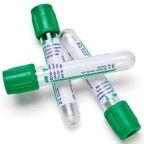
Common types include culture tubes, centrifuge tubes, ignition tubes, boiling tubes, and vacutainer tubes. Each type is designed for specific applications such as culturing microorganisms, spinning samples, high-temperature heating, or storing blood samples.
 Cardiology
 Clinical Oncology