
-
-
 Cardiology
-
 Clinical Oncology
-
 Dental
-
 Dermatology
-
 Ear, Nose, Throat (ENT)
-
 Endocrinology
-
 Gastroenterology
-
 General Surgery
-
 Gynecology & Obstetrics
-
 Interventional Cardiology
-
 Nephrology
-
 Neurology
-
 Oncology Surgery
-
 Ophthalmology
-
 Orthopedics
-
 Pediatrics
-
 Pediatrics Surgery
-
 Physiotherapy
-
 Plastic Surgery
-
 Psychiatry & Psychology
-
 Radiology
-
 Urology
-
 Vascular Surgery
-

 Anatomy Lab Equipments
 Biochemistry Lab Equipments
 Biology Lab Equipments
 Chemistry Lab Equipments
 Cytology Lab Equipments
 Cytopathology Lab Equipments
 Dental Lab Equipments
 Forensic Lab Equipments
 Genetics Lab Equipments
 Hematology Lab Equipments
 Histology Lab Equipments
 Histopathology Lab Equipments
 Mathematics Lab Equipments
 Microbiology Lab Equipments
 Molecular Biology Lab Equipments
 Pathology Lab Equipments
 Pharmaceutical Lab Equipments
 Physics Lab Equipments
 Radiology Lab Equipments
 Science Lab Kit’s
 Toxicology Lab Equipments

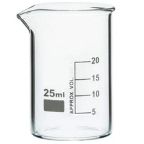 Borosilicate Glass Beaker
 Plastic Beaker (Euro Design)
 Plastic Beaker (Printed Graduation)
 Test Tube Brush
 Measuring Cylinder Brush
 Conical Flask Brush
 Volumetric Flask Brush
 Round Bottom Flask Brush
 Glass Beaker Brush
 Pipette Brush
 Wash Bottle Brush
 Borosilicate Büchner Flask
 Borosilicate Erlenmeyer/Conical Flask
 Borosilicate Pear-Shaped Flask
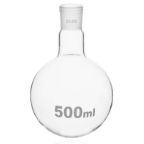 Borosilicate Round Bottom Flask
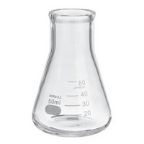 Plastic Conical Flask
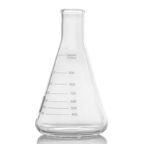 Plastic Volumetric Flask
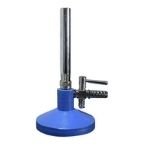 Bunsen Burner
 Spirit Lamp
 Borosilicate Glass Burette
 Plastic Burette
 Capillary Tube
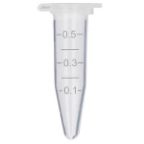 Centrifuge Tube
 Test Tube
 Ria Vial
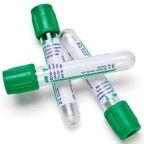 Vacutainer Tubes
 Syringes
 Student Microscope
 Binocular Microscope
 Dissecting Microscope
 Microscope Glass Slides
 Cover Slip
 Inoculating Loop
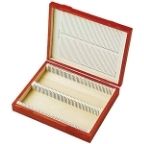 Slide Box
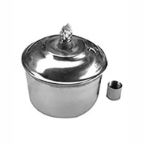 Lamps
Lamps
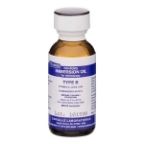 Oils
Oils
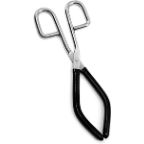 Beaker Tongs
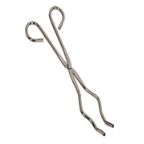 Crucible Tongs
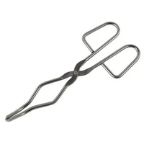 Flask Tongs
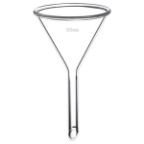 Borosilicate Glass Funnel
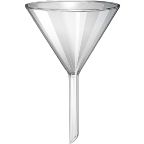 Plastic Funnels
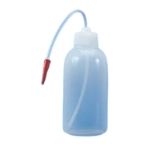 Wash Bottle
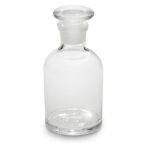 Borosilicate Glass Reagent Bottle
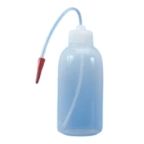 Plastic Reagent Bottle
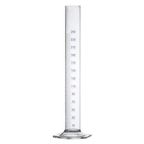 Borosilicate Measuring Cylinder
 Plastic Measuring Cylinder
 Borosilicate Glass Graduated Pipette
 Borosilicate Glass Volumetric Pipette
 HB Pipette
 Pasteur Pipette
 Micropipettes
 Micropipette Tips
 Filter Paper
 Litmus Paper
 pH Paper
 Chromatography Paper
 Plastic Petri Plates (Sterile)
 Glass Petri Plates (Non-Sterile)
 Safety Goggles
 Lab Coats
 Gloves
 Masks
Masks
 Shoe Covers
 Hair & Beard Covers
 Steel Spatula
 Plastic Spatula
 Hitachi Sample Cup
 Plastic Scoop
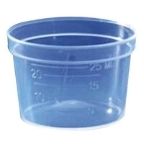 Plastic Medicine Cup
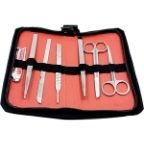 Dissecting Tool Kit
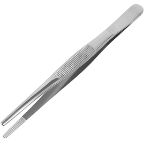 Dissecting Forceps
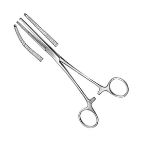 Hemostatic Forceps
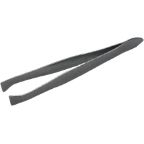 Thumb Forceps / Tweezers
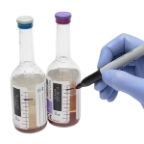 Blood Culture Bottle
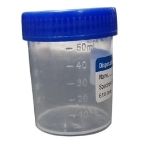 Urine Container
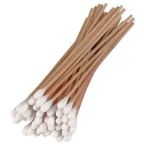 Wooden Swab Stick
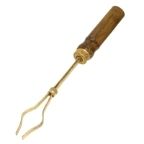 Test Tube Holder
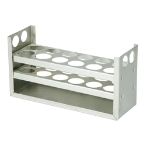 Test Tube Racks
 Magnifying Glass
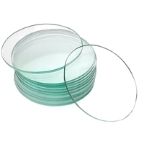 Watch Glass
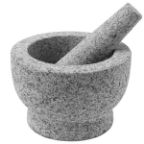 Mortar and Pestle
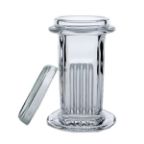 Coplin Jar
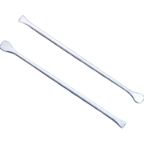 Plastic Stirrer
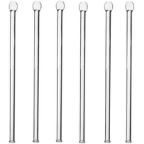 Glass Stirrer
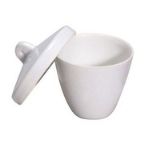 Crucible
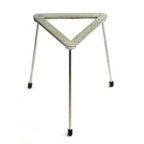 Tripod
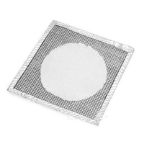 Wire Mesh
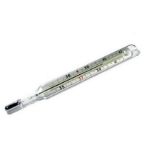 Laboratory Thermometer
 Tourniquet
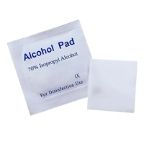 Alcohol Swab
 Blood Lancet
 Bandage
 Gloves & Masks









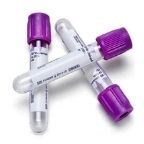
Purple/Lavender Vacutainer Tube/Vial – A Comprehensive Guide for Everyone

Contents
- What Is a Purple/Lavender Vacutainer Tube?
- Why Is the Lavender Vacutainer Tube Color Important?
- Primary Additive Used in Purple/Lavender Tubes
- How EDTA Works in Blood Sample Collection
- Common Medical Tests Performed Using Lavender Tubes
- Importance of Lavender Vacutainer Tubes in Hematology
- Advantages of Using Purple/Lavender Vacutainer Tubes
- Difference Between K2 EDTA and K3 EDTA Tubes
- Standard Volume Sizes Available in Lavender Vacutainer Vials
- Proper Blood Collection Procedure for Lavender Tubes
- Correct Order of Draw for Purple/Lavender Vacutainer Tubes
- Mixing Techniques to Prevent Blood Clotting
- Sample Handling and Storage Guidelines
- Common Errors While Using Lavender Vacutainer Tubes
- Impact of Improper Mixing on Test Results
- Safety and Sterility Standards for Vacutainer Tubes
- Shelf Life and Expiry Considerations
- Compatibility of Lavender Tubes with Automated Analyzers
- Quality Control Measures in Lavender Vacutainer Manufacturing
- Choosing the Right Purple/Lavender Vacutainer Tube for Your Lab
- Regulatory and Compliance Standards for Blood Collection Tubes
- Applications of Lavender Vacutainer Tubes in Clinical Diagnostics
- Frequently Asked Questions Answered
When it comes to blood collection, precision and accuracy are paramount. Among the various types of vacutainer tubes, the purple or lavender tube stands out as a vital tool in clinical diagnostics. This small yet powerful vial plays a significant role in hematology, ensuring that samples are preserved correctly for accurate testing. But what exactly sets this tube apart from others? From its unique color to the special additive inside, there’s much more than meets the eye with purple/lavender vacutainers. Dive into our comprehensive guide to discover everything you need to know about these essential tools used in laboratories and medical facilities around the world!
What Is a Purple/Lavender Vacutainer Tube?
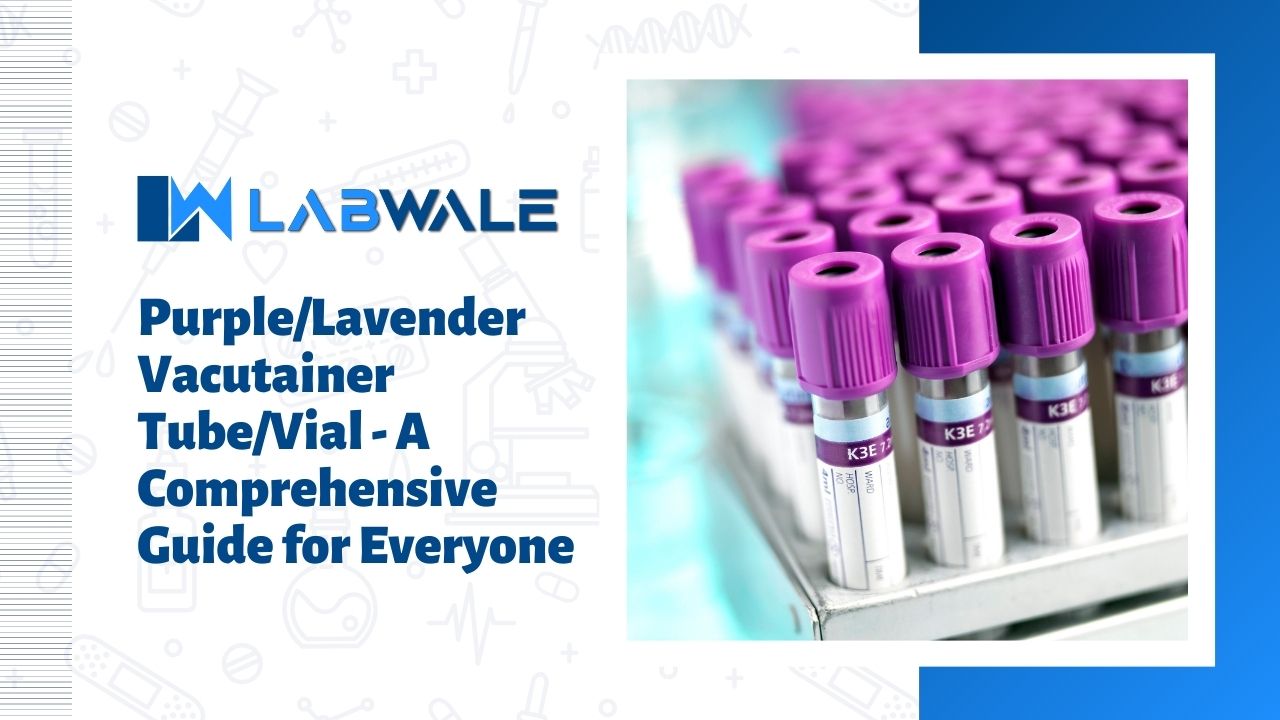
A purple or lavender vacutainer tube is a specialized container designed for blood collection and preservation. Its distinctive color signifies its specific purpose within the medical field.
These tubes are typically used in hematology, where they play an essential role in analyzing blood components. The design includes a vacuum-sealed environment that facilitates easy sample retrieval while minimizing contamination risks.
Constructed from high-quality materials, these vials ensure durability and sterility during transport to laboratories. Their compatibility with various automated analyzers enhances efficiency in processing samples.
The addition of anticoagulants makes these tubes particularly effective for preventing clotting. This feature is crucial when preparing samples for testing different blood parameters, such as cell counts and hemoglobin levels.
Whether you’re a healthcare professional or simply curious about laboratory practices, understanding the function of purple/lavender vacutainers offers valuable insights into the world of clinical diagnostics.
Why Is the Lavender Vacutainer Tube Color Important?
The color of a vacutainer tube plays a crucial role in medical diagnostics. Each hue signifies a specific additive that influences the blood sample’s handling and analysis. The lavender or purple tubes are specifically designed for tests requiring anticoagulants.
This distinction is vital because using the wrong colored tube can lead to inaccurate results. For instance, a specimen meant for hematology needs EDTA found in lavender tubes to prevent clotting.
Furthermore, consistent color coding simplifies processes for lab technicians and healthcare professionals. They can quickly identify which test each specimen corresponds to just by visual inspection. This efficiency helps minimize errors during collection and processing.
In fast-paced environments, time is of the essence, making these colors not just aesthetic choices but integral features of laboratory workflow management. Proper identification ensures better patient outcomes through accurate testing protocols.
Primary Additive Used in Purple/Lavender Tubes
The primary additive in purple or lavender vacutainer tubes is ethylenediaminetetraacetic acid (EDTA). This anticoagulant plays a crucial role in preserving the integrity of blood samples for various laboratory tests.
EDTA works by binding calcium ions, which are essential for the clotting process. By inhibiting this mechanism, it effectively prevents coagulation, ensuring that the sample remains in a liquid state.
This property makes EDTA particularly valuable for hematology tests, where accurate cell counts and analyses are paramount. Without proper anticoagulation, results can be skewed due to clot formation.
Additionally, using EDTA minimizes cellular degradation over time. This stability allows laboratories to conduct a wide range of analyses with confidence that results will be reliable and reproducible.
How EDTA Works in Blood Sample Collection
EDTA, or ethylenediaminetetraacetic acid, is a powerful chelating agent used in blood collection. Its primary function is to bind calcium ions in the bloodstream. This action prevents coagulation, ensuring that the sample remains liquid for accurate testing.
When blood is drawn into a lavender vacutainer tube containing EDTA, it effectively inhibits clot formation. As a result, healthcare professionals can analyze the sample without interference from clots that could skew results.
In hematology, this property of EDTA becomes particularly valuable. It preserves cellular components and maintains their integrity for further examination under a microscope or through automated analyzers.
The ability to maintain stable cell morphology makes EDTA essential for performing complete blood counts (CBC) and other important tests. By using tubes with this additive, laboratories ensure reliable outcomes in diagnosing various conditions.
Common Medical Tests Performed Using Lavender Tubes
Lavender vacutainer tubes are essential in various medical tests, particularly those involving blood components. They contain EDTA, making them ideal for hematological analyses.
One of the most common tests performed is a complete blood count (CBC). This test provides crucial information about red and white blood cells, hemoglobin levels, and platelets.
Another significant application is in blood typing and crossmatching. These processes ensure safe transfusions by identifying compatible donor-recipient pairs.
Lavender tubes also play a role in molecular testing. They can be used to collect samples for DNA analysis or other genetic studies.
Coagulation studies often require lavender tubes as well. Their ability to prevent clotting ensures accurate results when assessing bleeding disorders or monitoring anticoagulant therapy.
In research settings, these tubes support various clinical trials that focus on understanding disease mechanisms through detailed blood analysis.
Importance of Lavender Vacutainer Tubes in Hematology
Lavender Vacutainer tubes play a crucial role in hematology. They are specifically designed for collecting blood samples used in various blood tests.
The primary purpose of these tubes is to preserve the integrity of the sample during transport and storage. This preservation is vital for accurate test results, which can significantly impact patient diagnosis and treatment plans.
These tubes contain EDTA, an anticoagulant that prevents clotting. Without proper anticoagulation, sample analysis can yield misleading results.
Hematologists rely on lavender tubes for tests such as complete blood counts (CBC) and sickle cell screenings. These analyses help detect conditions like anemia or infections early on.
Their importance extends beyond just collection; they ensure standardization across laboratories worldwide, facilitating effective communication among healthcare providers regarding patient care decisions.
Advantages of Using Purple/Lavender Vacutainer Tubes
Purple or lavender Vacutainer tubes offer distinct advantages in clinical settings. Their primary purpose is to ensure accurate blood sample collection for vital tests.
One of the main benefits is their additive, EDTA, which effectively prevents coagulation. This property allows for reliable hematological analysis and helps maintain the integrity of plasma samples.
Additionally, these tubes are versatile. They can be used for various tests, including complete blood counts and blood typing. The consistent performance across different assays makes them a favorite among healthcare providers.
Their color-coded design simplifies identification during lab processes. This clarity reduces the risk of errors when assembling specimens for testing.
Moreover, using lavender tubes promotes faster turnaround times in labs due to efficient mixing and handling techniques tailored specifically for this type of tube. Such efficiency contributes positively to patient care by streamlining diagnostic workflows.
Difference Between K2 EDTA and K3 EDTA Tubes
K2 EDTA and K3 EDTA tubes serve similar purposes in blood collection, but they differ in their formulation.
K2 EDTA contains dipotassium salt of ethylenediaminetetraacetic acid. This form is commonly used for most hematological tests due to its effective anticoagulant properties.
On the other hand, K3 EDTA has tripotassium salt. While also an excellent anticoagulant, it’s less frequently used today compared to its K2 counterpart.
The choice between them can impact laboratory results. For example, some labs prefer K2 for specific assays that require precise cell counts or morphology assessment.
Understanding these differences helps healthcare professionals select the appropriate tube for accurate diagnostic testing. Each type plays a vital role in ensuring reliable patient outcomes through quality sample collection and processing.
Standard Volume Sizes Available in Lavender Vacutainer Vials
Lavender Vacutainer vials come in various standard volume sizes to accommodate different testing requirements. The most common capacities are 2 mL, 4 mL, and 6 mL. Each size serves a specific purpose based on the type of analysis being performed.
A smaller vial is often sufficient for basic tests or pediatric samples. Larger volumes are typically used for more comprehensive panels or when multiple tests are necessary from a single draw.
The choice of vial size can significantly impact test accuracy and reliability. It ensures that there is enough blood to react with the EDTA additive, preventing coagulation and preserving sample integrity during transport.
Laboratories must consider their typical workload when selecting vial sizes. This helps streamline processes and meet clinical demands effectively without sacrificing quality in diagnostics.
Proper Blood Collection Procedure for Lavender Tubes
When collecting blood using lavender tubes, preparation is key. Start by ensuring all necessary materials are on hand. This includes gloves, the vacuum tube, and a proper collection needle.
Position the patient comfortably to reduce anxiety. Cleanse the venipuncture site with an appropriate antiseptic wipe to eliminate contaminants.
After allowing it to dry completely, insert the needle at a 15-30 degree angle into the vein. Once you have access, gently puncture and secure it in place for optimal blood flow.
Insert the lavender tube into the holder without touching its interior or rim. Allow it to fill until reaching the designated volume line before withdrawing it carefully from both needle and holder.
Properly mix immediately after collection by gently inverting several times to ensure EDTA interacts effectively with blood cells. Each step matters in this delicate process for accurate test results!
Correct Order of Draw for Purple/Lavender Vacutainer Tubes
When collecting blood samples, following the correct order of draw is essential. This ensures that cross-contamination between additives in different tubes is minimized.
For purple or lavender vacutainer tubes, they should typically be drawn after sterile bottles and before any other additive-containing tubes. Starting with sterile containers helps maintain sample integrity, especially when cultures are involved.
Next comes the addition of the lavender tube into the lineup. Using this specific order maintains accurate test results by preventing interference from other anticoagulants or preservatives found in different colored vials.
It’s also crucial to handle each vacuum tube gently during collection to avoid hemolysis. By adhering to this meticulous process, healthcare professionals can ensure reliable lab results for their patients’ diagnostic needs.
Mixing Techniques to Prevent Blood Clotting
Effective mixing of blood samples in lavender vacutainer tubes is crucial to prevent clotting. Gentle inversion is the preferred technique for achieving uniform distribution of the anticoagulant.
After filling the tube, hold it at both ends and tilt it upside down. This motion should be smooth and controlled—think of a gentle wave rather than a vigorous shake. Aim for about 5-8 inversions per sample.
Avoid excessive force during this process. Too much agitation can lead to hemolysis, which compromises test results.
Timing also plays a role; mix immediately after collection while the blood remains fluid. This ensures that EDTA effectively binds calcium ions and inhibits coagulation.
For labs using multiple samples, designate specific personnel or routine protocols dedicated to proper mixing techniques, ensuring consistency across all tests performed with lavender tubes.
Sample Handling and Storage Guidelines
Proper sample handling and storage are crucial for accurate test results. Once blood is drawn into a lavender vacutainer, it should be processed promptly to maintain integrity.
Keep the samples at room temperature if they need immediate analysis. For longer durations, refrigerate them between 2-8°C to prevent degradation.
Avoid exposure to direct sunlight or extreme temperatures during transport. This can compromise the stability of the EDTA additive and affect test outcomes.
Label each sample clearly with patient information and date of collection. This minimizes confusion in busy lab environments where multiple tests are conducted simultaneously.
When storing samples, ensure that they remain upright in a secure container. Proper organization aids efficient retrieval and reduces the risk of contamination or mix-ups during testing processes.
Common Errors While Using Lavender Vacutainer Tubes
Using lavender Vacutainer tubes can be straightforward, but mistakes often happen. One common error is inadequate mixing after collection. This can lead to clotted samples that compromise test results.
Another frequent issue is incorrect filling of the tube. Underfilling or overfilling can affect the blood-to-additive ratio, skewing outcomes and making analysis unreliable.
Improper labeling also poses a significant risk. Misidentified samples create confusion in testing processes and potentially endanger patient safety.
Additionally, neglecting to check for expiration dates before use may result in using ineffective tubes, which could further complicate diagnoses.
Improper storage conditions can impact tube integrity. Exposure to extreme temperatures should be avoided to ensure reliability during testing procedures. Each step matters when handling these essential tools for accurate hematological assessments.
Impact of Improper Mixing on Test Results
Improper mixing of blood samples in lavender vacutainer tubes can lead to significant inaccuracies in test results. When the sample isn’t mixed thoroughly, it may result in uneven distribution of the anticoagulant, EDTA.
This inconsistency can cause erroneous lab values. For example, hemoglobin levels might appear falsely elevated or decreased due to clotted material that wasn’t fully suspended.
It’s crucial for healthcare professionals to understand that even slight variations during mixing can impact diagnostic decisions. Misinterpretation of results could lead to inappropriate treatment plans or unnecessary patient anxiety.
Moreover, improper mixing complicates the automation process used by many laboratories today. Automated analyzers rely on homogenous samples for precise measurements; any deviation affects their performance and reliability.
Taking time to ensure proper technique is essential for maintaining accuracy throughout laboratory testing processes. Every detail counts when it comes to patient care and outcomes in clinical settings.
Safety and Sterility Standards for Vacutainer Tubes
Safety and sterility are paramount in the medical field, especially concerning blood collection. Vacutainer tubes must adhere to stringent standards to ensure patient safety.
Manufacturers implement rigorous sterilization processes. This often includes gamma radiation or ethylene oxide gas, which effectively eliminates potential pathogens. Each tube undergoes testing for contamination before reaching healthcare facilities.
Furthermore, packaging plays a critical role in maintaining sterility. Tubes are usually sealed in protective trays that prevent exposure to environmental contaminants until use.
Quality control measures monitor manufacturing practices continuously. These protocols help guarantee that every batch meets established safety criteria set by health authorities.
Adherence to these standards safeguards both patients and healthcare professionals during sample collection and analysis. Ensuring the integrity of each tube maximizes accuracy in test results as well.
Shelf Life and Expiry Considerations
Shelf life is a crucial factor in ensuring the reliability of lavender vacutainer tubes. Each tube has a specific expiration date, often marked on its label. Using expired tubes can lead to inaccurate test results.
Storage conditions also play an important role. Lavender tubes must be kept at room temperature and away from direct sunlight. Proper storage ensures that the additives remain stable and effective for blood sample collection.
It’s essential for laboratories to regularly check inventory and discard any expired products. This practice helps maintain quality control and enhances patient safety during diagnostic testing.
When utilizing these tubes, always verify their expiry dates before conducting tests. Adhering to shelf life guidelines safeguards against potential errors in hematology assessments, contributing to better healthcare outcomes for patients.
Compatibility of Lavender Tubes with Automated Analyzers
Lavender vacutainer tubes are specifically designed to work seamlessly with automated analyzers. Their compatibility is crucial for accurate and efficient blood testing.
These tubes, containing EDTA as an anticoagulant, help maintain the integrity of the blood sample. This ensures precise results when processed in various automated systems. Laboratories rely on this compatibility for streamlined workflows.
Many modern analyzers are calibrated to read samples collected in lavender tubes. This eliminates variability that could arise from using different tube types or additives.
Additionally, manufacturers often conduct extensive validation studies to confirm performance metrics with these specific tubes. Their consistent design enhances reproducibility across multiple tests and labs, a vital aspect for diagnostic accuracy.
Understanding this compatibility allows healthcare professionals to make informed decisions about sample collection methods and lab practices.
Quality Control Measures in Lavender Vacutainer Manufacturing
Quality control in lavender Vacutainer manufacturing is essential to ensure reliability and accuracy. Each batch undergoes rigorous testing for consistency. This process begins with raw material verification, ensuring that only high-grade components are used.
Manufacturers implement standardized procedures at every production stage. Automated systems monitor the integrity of the tubes, checking for defects or inconsistencies in volume and design. Any deviation from specifications can lead to significant errors during blood collection.
Regular audits and inspections further enhance quality assurance protocols. Trained personnel evaluate each phase, reinforcing adherence to established guidelines.
Random sampling also plays a crucial role in maintaining standards throughout production runs. By analyzing these samples, manufacturers can identify potential issues before products reach healthcare professionals.
These measures not only ensure product performance but also bolster confidence among users relying on lavender Vacutainers for critical diagnostic processes.
Choosing the Right Purple/Lavender Vacutainer Tube for Your Lab
Selecting the appropriate purple/lavender Vacutainer tube is crucial for reliable blood testing. Consider the specific tests your lab frequently conducts. Different assays may require variations in additives or tube sizes.
Check whether K2 EDTA or K3 EDTA aligns with your laboratory protocols. Understanding these differences can significantly affect results, especially in hematology.
Also, factor in volume requirements based on patient demographics and sample size needs. Smaller tubes might be sufficient for pediatric patients, while larger ones are ideal for adult samples.
Quality matters too; ensure you source from reputable manufacturers who adhere to stringent safety standards. This guarantees that you’re obtaining consistent performance and reliability across batches.
Keep an eye on shelf life and storage conditions to maintain the integrity of your supplies. Proper management goes a long way in ensuring accurate test outcomes every time.
Regulatory and Compliance Standards for Blood Collection Tubes
Regulatory and compliance standards for blood collection tubes are essential to ensure safety and reliability in clinical settings. Various organizations, including the FDA and ISO, establish guidelines that manufacturers must follow.
These regulations cover materials used in tube production, ensuring they are safe for contact with biological samples. They also dictate labeling requirements to provide clear information about each tube’s intended use and storage conditions.
Adherence to good manufacturing practices (GMP) is crucial. This involves maintaining strict quality control throughout the production process, from raw material selection to final packaging.
Regular audits by regulatory bodies help maintain compliance. These inspections assess whether manufacturers adhere to established protocols and quality assurance measures.
Staying updated on changes in regulations is vital for labs that rely on these tubes for accurate testing outcomes. Compliance not only enhances patient safety but also supports laboratory efficiency and credibility within the healthcare system.
Applications of Lavender Vacutainer Tubes in Clinical Diagnostics
Lavender Vacutainer tubes are essential in the field of clinical diagnostics. They play a vital role in hematology by facilitating the collection of blood samples for various tests.
These tubes contain EDTA, an anticoagulant that prevents clotting. This property is crucial for preserving the integrity of cellular components in blood samples. Accurate results rely heavily on this preservation.
Common applications include complete blood counts (CBC), which assess overall health and detect conditions such as anemia or infection. Additionally, they are used for crossmatching prior to transfusions, ensuring compatibility between donor and recipient blood.
Moreover, lavender tubes support testing related to coagulation profiles and molecular diagnostics. Their versatility makes them indispensable tools in laboratories worldwide, aiding healthcare professionals in delivering precise diagnoses efficiently.
Frequently Asked Questions Answered
What tests utilize purple/lavender vacutainer tubes?
Lavender vacutainer tubes are primarily used for hematology tests, including complete blood counts (CBC), blood typing, and crossmatching. They play a vital role in assessing various blood components.
Why is EDTA important in these tubes?
EDTA acts as an anticoagulant, preventing blood from clotting during the testing process. This ensures accurate results by preserving the integrity of cellular components.
Can lavender tubes be used for plasma collection?
Yes, purple/lavender vacutainers can be used to collect plasma samples. However, they should not be confused with serum collection tubes that have different additives and requirements.
How long can samples collected in lavender jars be stored?
Samples are best analyzed soon after collection but can typically remain stable at room temperature for up to 24 hours. For longer storage periods, refrigeration may help preserve sample quality.
Are there any specific safety protocols when using these vacutainers?
Absolutely! Always follow standard safety guidelines during blood collection and handling. Proper training ensures safe procedures while maintaining sterility throughout the sampling process.
 Cardiology
 Clinical Oncology