
-
-
 Cardiology
-
 Clinical Oncology
-
 Dental
-
 Dermatology
-
 Ear, Nose, Throat (ENT)
-
 Endocrinology
-
 Gastroenterology
-
 General Surgery
-
 Gynecology & Obstetrics
-
 Interventional Cardiology
-
 Nephrology
-
 Neurology
-
 Oncology Surgery
-
 Ophthalmology
-
 Orthopedics
-
 Pediatrics
-
 Pediatrics Surgery
-
 Physiotherapy
-
 Plastic Surgery
-
 Psychiatry & Psychology
-
 Radiology
-
 Urology
-
 Vascular Surgery
-

 Anatomy Lab Equipments
 Biochemistry Lab Equipments
 Biology Lab Equipments
 Chemistry Lab Equipments
 Cytology Lab Equipments
 Cytopathology Lab Equipments
 Dental Lab Equipments
 Forensic Lab Equipments
 Genetics Lab Equipments
 Hematology Lab Equipments
 Histology Lab Equipments
 Histopathology Lab Equipments
 Mathematics Lab Equipments
 Microbiology Lab Equipments
 Molecular Biology Lab Equipments
 Pathology Lab Equipments
 Pharmaceutical Lab Equipments
 Physics Lab Equipments
 Radiology Lab Equipments
 Science Lab Kit’s
 Toxicology Lab Equipments

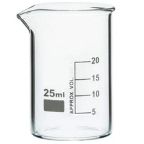 Borosilicate Glass Beaker
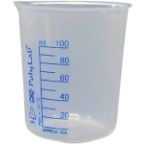 Plastic Beaker (Euro Design)
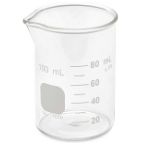 Plastic Beaker (Printed Graduation)
 Test Tube Brush
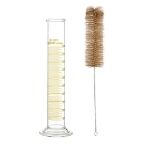 Measuring Cylinder Brush
 Conical Flask Brush
 Volumetric Flask Brush
 Round Bottom Flask Brush
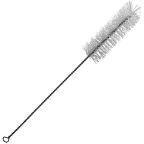 Glass Beaker Brush
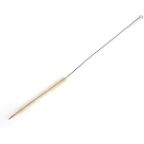 Pipette Brush
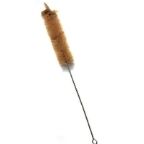 Wash Bottle Brush
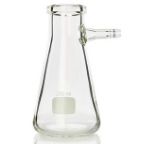 Borosilicate Büchner Flask
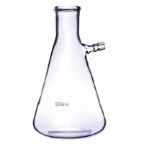 Borosilicate Erlenmeyer/Conical Flask
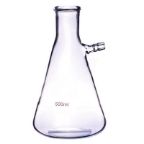 Borosilicate Pear-Shaped Flask
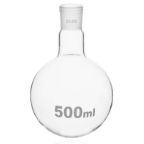 Borosilicate Round Bottom Flask
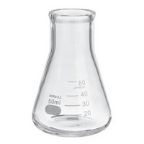 Plastic Conical Flask
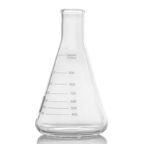 Plastic Volumetric Flask
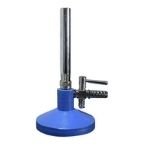 Bunsen Burner
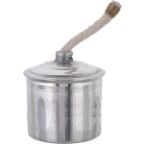 Spirit Lamp
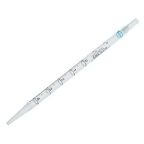 Borosilicate Glass Burette
 Plastic Burette
 Capillary Tube
 Centrifuge Tube
 Test Tube
 Ria Vial
 Vacutainer Tubes
 Syringes
 Student Microscope
 Binocular Microscope
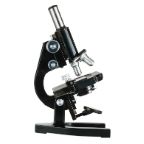 Dissecting Microscope
 Microscope Glass Slides
 Cover Slip
 Inoculating Loop
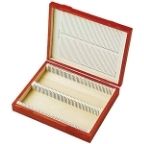 Slide Box
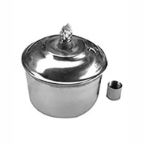 Lamps
Lamps
 Oils
Oils
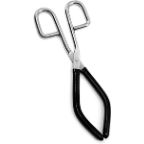 Beaker Tongs
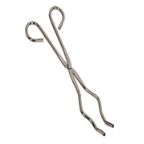 Crucible Tongs
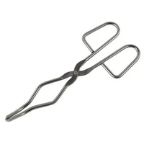 Flask Tongs
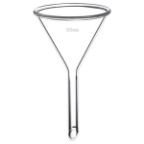 Borosilicate Glass Funnel
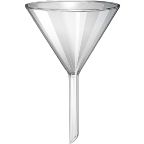 Plastic Funnels
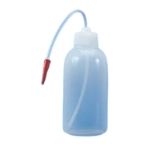 Wash Bottle
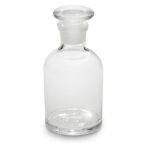 Borosilicate Glass Reagent Bottle
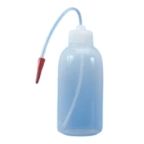 Plastic Reagent Bottle
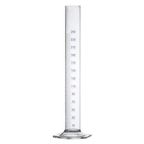 Borosilicate Measuring Cylinder
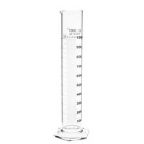 Plastic Measuring Cylinder
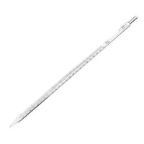 Borosilicate Glass Graduated Pipette
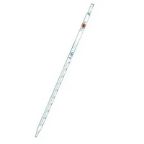 Borosilicate Glass Volumetric Pipette
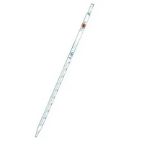 HB Pipette
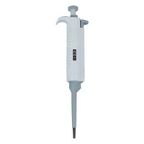 Pasteur Pipette
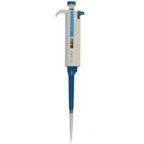 Micropipettes
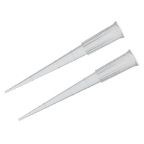 Micropipette Tips
 Filter Paper
 Litmus Paper
 pH Paper
 Chromatography Paper
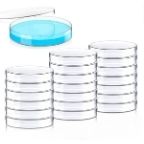 Plastic Petri Plates (Sterile)
 Glass Petri Plates (Non-Sterile)
 Safety Goggles
 Lab Coats
 Gloves
 Masks
Masks
 Shoe Covers
 Hair & Beard Covers
 Steel Spatula
 Plastic Spatula
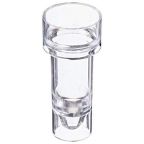 Hitachi Sample Cup
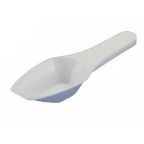 Plastic Scoop
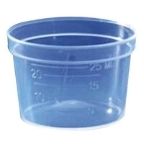 Plastic Medicine Cup
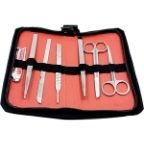 Dissecting Tool Kit
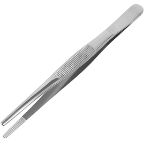 Dissecting Forceps
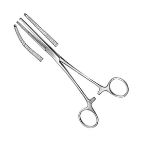 Hemostatic Forceps
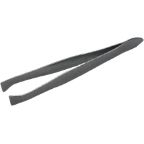 Thumb Forceps / Tweezers
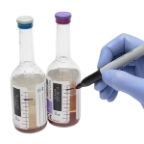 Blood Culture Bottle
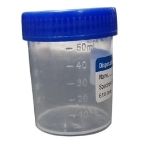 Urine Container
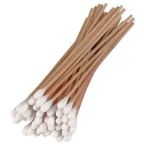 Wooden Swab Stick
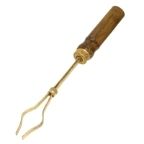 Test Tube Holder
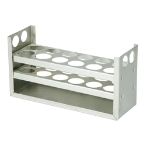 Test Tube Racks
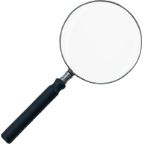 Magnifying Glass
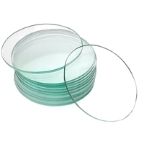 Watch Glass
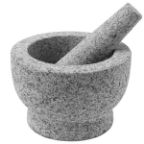 Mortar and Pestle
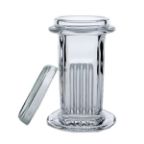 Coplin Jar
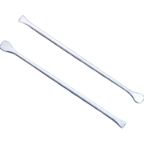 Plastic Stirrer
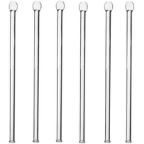 Glass Stirrer
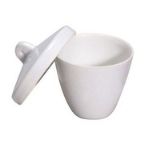 Crucible
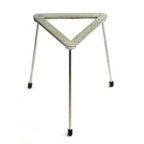 Tripod
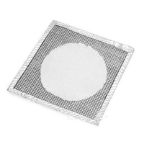 Wire Mesh
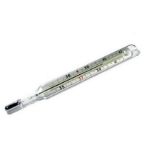 Laboratory Thermometer
 Tourniquet
 Alcohol Swab
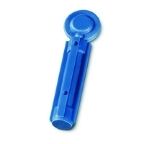 Blood Lancet
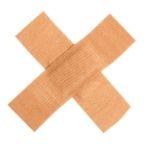 Bandage
 Gloves & Masks









Pipette – A Comprehensive Guide for Everyone


Contents
- What Is a Pipette?
- History and Evolution of Pipettes
- Why Pipettes Are Essential in Laboratories
- Different Types of Pipettes Explained
- Key Components of a Pipette
- How a Pipette Works: Basic Mechanism
- Choosing the Right Pipette for Your Application
- Proper Pipetting Techniques for Accurate Results
- Step-by-Step Guide to Using a Pipette
- Common Mistakes to Avoid While Pipetting
- Calibration of Pipettes: Importance and Process
- How to Maintain and Store Pipettes Correctly
- Cleaning Procedures for Different Pipette Types
- Understanding Pipette Accuracy and Precision
- Factors Affecting Pipetting Performance
- Disposable vs. Reusable Pipette Tips
- Safety Precautions to Follow While Pipetting
- Applications of Pipettes in Science and Industry
- Latest Innovations in Pipette Technology
- How to Troubleshoot Common Pipette Issues
- Buying Guide: What to Consider Before Purchasing a Pipette
- Environmental Impact and Sustainable Pipetting Practices
- Final Tips for Improving Your Pipetting Efficiency
- Frequently Asked Questions About Pipettes
Welcome to the fascinating world of pipettes! If you’ve ever stepped foot in a laboratory, you’ve probably encountered this essential tool. But what exactly is a pipette? Whether you’re a seasoned scientist or just curious about lab equipment, understanding pipettes can enhance your appreciation for precision and accuracy in scientific work.
Pipettes come in various shapes and sizes, each designed for specific tasks. They play a crucial role in research, clinical settings, and even educational environments. Join us as we explore the history of pipettes, their importance in laboratories, types available today, and how to use them effectively. Get ready to dive deep into everything you need to know about this indispensable instrument!
What Is a Pipette?
A pipette is a precision instrument used to measure and transfer small volumes of liquids. It serves as an essential tool in laboratories, ensuring accurate volume delivery for experiments and analyses.
Typically made from glass or plastic, pipettes come in various designs, including single-channel and multi-channel variations. Each design caters to specific applications, making them versatile tools for scientists across multiple fields.
The primary function of a pipette is to facilitate the handling of samples with utmost accuracy. This ensures that experiments yield reliable results. Even minor discrepancies can significantly impact outcomes; hence the need for such precise instruments.
Pipettes are integral not just in research labs but also in clinical settings, quality control processes, and educational institutions. Their ease of use combined with their crucial role makes them one of the most trusted devices in liquid measurement today.
History and Evolution of Pipettes
The pipette’s journey began in the 19th century. Early versions were simple glass tubes, used for transferring liquids with minimal precision. As science advanced, so did the need for accuracy.
Fast forward to the 1950s, and we see significant innovations. The introduction of adjustable pipettes allowed scientists to measure varying volumes with ease. This marked a turning point in laboratory practices.
In recent decades, automation has taken center stage. Electronic pipettes now offer unparalleled precision and repeatability. They reduce user fatigue and enhance productivity.
Modern materials also play a crucial role in this evolution. From glass to high-grade plastics, each advancement aims at better durability and performance.
Today’s pipettes are not just tools; they embody centuries of scientific progress tailored for efficiency and reliability across various fields.
Why Pipettes Are Essential in Laboratories
Pipettes are indispensable tools in laboratories across various fields. Their precision allows scientists to measure and transfer small volumes of liquids with remarkable accuracy. This is crucial when conducting experiments, as even minor discrepancies can lead to significant errors.
In addition to accuracy, pipettes enhance efficiency. They streamline the process of sample preparation and analysis, saving valuable time for researchers who often juggle multiple tasks. Whether it’s preparing reagents or dispensing solutions, a reliable pipette makes all the difference.
Moreover, pipettes promote consistency in results. Standardized measurements ensure that each experiment adheres to scientific protocols. This reliability builds trust in research findings and contributes to advancements in science.
They come equipped with various tips tailored for specific applications. This versatility means that whether you’re working with viscous fluids or delicate samples, there’s a pipetting solution designed for your needs.
Different Types of Pipettes Explained
Pipettes come in various types, each designed for specific tasks. The most common are air displacement pipettes, which use a piston mechanism to create suction. This type is ideal for precise liquid measurement.
Next up, we have positive displacement pipettes. These utilize a disposable tip that contains the liquid directly within it. They excel with viscous or volatile samples where accuracy is crucial.
For high-throughput environments, electronic pipettes offer user-friendly automation features. With programmable settings, they minimize repetitive strain and enhance efficiency.
Micropipettes serve well when only minute volumes are needed—typically in the microliter range. These tiny tools require careful handling but yield remarkable precision.
Multi-channel pipettes allow simultaneous dispensing across multiple wells in plates. This feature significantly speeds up processes like sample preparation and assay setups in labs.
Key Components of a Pipette
A pipette consists of several key components that contribute to its function. The body is typically made from durable materials like plastic or metal, providing a sturdy frame for handling.
The piston sits inside the barrel and creates suction when moved up and down. This action draws liquid into the tip, making it essential for precise measurements.
Pipette tips are disposable attachments that fit onto the end of the barrel. They come in various sizes and designs to accommodate different liquids and prevent contamination.
Volume adjustment mechanisms allow users to set specific amounts accurately. Many modern pipettes feature digital displays for easy reading.
Seals within a pipette ensure no leaks occur during operation. These seals maintain pressure equilibrium, which is vital for accurate liquid transfer.
Each component plays a critical role in ensuring reliability and precision, making understanding them crucial for effective laboratory work.
How a Pipette Works: Basic Mechanism
A pipette functions using a straightforward yet effective mechanism. When you press down on the plunger, it creates a vacuum inside the pipette tip. This action draws liquid into the tip.
Releasing the plunger allows for precise control over how much fluid is taken in or dispensed. The design ensures that even small volumes can be handled accurately.
Different types of pipettes may use variations of this basic principle. For instance, electronic pipettes offer added automation and precision through digital settings.
The materials used in construction also influence performance. High-quality tips minimize contamination risk and enhance accuracy during transfers.
Understanding this fundamental operation contributes to mastering proper usage and achieving reliable lab results every time.
Choosing the Right Pipette for Your Application
Selecting the right pipette is crucial for achieving accurate results in any laboratory setting. Start by considering the volume range you need to measure. Different applications require different capacities.
Next, think about the type of liquid you’ll be working with. Viscous or volatile liquids may necessitate specialized pipettes designed to handle these characteristics effectively.
Ergonomics also play a significant role. A comfortable grip can reduce fatigue during extended use, making it easier to maintain precision over time.
Don’t overlook additional features like adjustable tips or electronic models that can enhance your workflow. These options might save time and improve consistency across experiments.
Consider your budget and brand reliability. Investing in a trusted name often pays off through durability and performance efficiency in demanding environments.
Proper Pipetting Techniques for Accurate Results
Mastering proper pipetting techniques is crucial for achieving precise results in any laboratory setting. Start by holding the pipette vertically, ensuring a smooth aspiration of the liquid. This reduces air bubbles that can lead to inaccuracies.
It’s vital to immerse the tip just below the surface of the liquid when drawing it up. If you dip too deep or too shallow, you may alter your volume readout significantly.
When dispensing, press down to the first stop and release smoothly; this helps with controlling flow and preventing splashes. After dispensing, always wait a moment before removing the tip from your sample container.
Using consistent speed while aspirating and dispensing can drastically improve accuracy as well. Consistency is key when working with small volumes—this ensures reliable data every time you pipette.
Step-by-Step Guide to Using a Pipette
Using a pipette might seem simple, but precision is key. Start by selecting the right pipette for your volume needs. Adjust the dial to set your desired volume.
Next, attach a clean tip firmly onto the pipette’s end. This ensures no air leaks during usage. Squeeze the plunger gently until it reaches its first stop, then dip the tip into your liquid sample.
Slowly release the plunger to draw in the liquid. Take care not to touch any surfaces with the tip as you lift it out of the solution.
Now move to your destination container and press down on the plunger again until you hit that second stop — this expels all of your sample completely. Don’t forget to dispose of or eject used tips properly after each transfer!
Common Mistakes to Avoid While Pipetting
Pipetting is a precise skill, and even small errors can lead to significant consequences.
One common mistake is not pre-wetting the pipette tip. This simple step ensures accurate volume measurement by conditioning the tip with liquid.
Another frequent error occurs when users don’t hold the pipette vertically during aspiration. An angled position can trap air bubbles, affecting your results.
Also, avoid changing tips between every sample if you’re working with similar liquids. Cross-contamination is a risk that can skew your data.
It’s crucial to release plunger pressure slowly when dispensing liquid. A sudden release can create turbulence in the sample, leading to inconsistent volumes.
Always remember to calibrate your pipette regularly. Neglecting this practice may compromise accuracy over time and yield unreliable results in experiments or assays.
Calibration of Pipettes: Importance and Process
Calibration of pipettes is a critical process that ensures accurate measurements in laboratory settings. Accurate volume delivery is essential for reliable results, particularly in research and clinical applications.
The calibration process typically involves comparing the pipette’s delivered volumes to known standards. This allows users to identify any discrepancies and make necessary adjustments. Regular calibration helps maintain precision over time, especially as wear and tear can affect performance.
Many laboratories follow specific protocols for calibration frequency based on usage intensity. High-usage environments may require monthly checks, while others might calibrate quarterly or annually.
Utilizing calibrated weights or gravimetric methods can enhance accuracy during this procedure. Some advanced models even feature built-in self-calibration systems, simplifying maintenance tasks for users.
Neglecting proper calibration may lead to erroneous data—potentially impacting experiments or patient outcomes significantly. Prioritizing this practice ensures confidence in your work and fosters integrity within scientific research.
How to Maintain and Store Pipettes Correctly
Proper maintenance and storage of pipettes can significantly extend their lifespan and ensure consistent performance. After each use, clean the exterior with a soft cloth to remove any residue or contaminants. This simple step prevents buildup that could affect accuracy.
When storing pipettes, always place them upright in a designated rack. This position protects delicate components from damage and keeps tips free from contamination. Avoid stacking other equipment on top.
If your pipette has removable tips, detach them before storage. Leaving tips attached may lead to blockage or misalignment over time. Regularly inspect your pipette for signs of wear such as cracks or leaks.
In addition, calibrate your pipette periodically according to manufacturer guidelines. Calibration ensures precision in measurements essential for reliable results in experiments or tests you conduct.
Cleaning Procedures for Different Pipette Types
Cleaning pipettes is essential to ensure their accuracy and longevity. Different types require specific cleaning methods.
For air-displacement pipettes, use a soft cloth with distilled water or mild detergent. Avoid harsh chemicals that can damage the internal components. Regularly check for clogs in the tip cone and clean it gently.
Positive displacement pipettes need extra care due to direct contact with samples. Rinse them immediately after use. A solution of ethanol or isopropanol works effectively to remove residues from these devices.
Electronic pipettes often feature complex mechanisms, so follow manufacturer guidelines closely when cleaning them. Use a non-abrasive cloth for exterior surfaces, while taking special care around electronic parts.
Consistency in cleaning practices enhances performance and increases lifespan across all types of pipettes, ensuring reliable results every time you take measurements.
Understanding Pipette Accuracy and Precision
Accuracy and precision are fundamental concepts in pipetting that can significantly impact experimental results.
Accuracy refers to how close a measured volume is to the true or desired value. In pipetting, this means delivering the exact amount of liquid intended. Precision, on the other hand, indicates the consistency of measurements across multiple attempts. A precise pipette will yield similar volumes each time it’s used.
Understanding these terms helps researchers evaluate their tools effectively. High accuracy ensures you’re not far from your target, while excellent precision guarantees reproducibility in experiments.
To assess both factors, calibration is essential. Regular checks against standards help maintain reliability over time.
Using high-quality tips can also influence performance by reducing variability between samples. This attention to detail directly influences data integrity and overall research outcomes in any laboratory setting.
Factors Affecting Pipetting Performance
Pipetting performance can be influenced by several key factors. One major aspect is the viscosity of the liquid being pipetted. Thicker liquids can create challenges, affecting how easily they move through the pipette.
Temperature also plays a crucial role. Fluids at different temperatures may expand or contract, leading to variations in volume delivery. It’s important to consider ambient conditions when working with sensitive samples.
Another factor is user technique. The angle of the pipette and speed of aspiration can impact accuracy significantly. Consistent hand pressure during dispensing ensures better results.
The type and condition of tips used matter greatly too. Worn or improperly fitted tips might lead to air bubbles, compromising precision in measurements.
Disposable vs. Reusable Pipette Tips
When it comes to pipette tips, the choice between disposable and reusable options can impact both efficiency and accuracy. Disposable tips are convenient and reduce cross-contamination risks. They come pre-sterilized, making them ideal for sensitive applications.
On the other hand, reusable pipette tips offer a more sustainable approach. While they require thorough cleaning and sterilization, they can significantly reduce waste over time. This is especially beneficial in labs that handle large volumes of samples.
Consider the nature of your work when choosing between these options. If you frequently switch between different liquids or procedures, disposable tips might save you time and effort. Conversely, if you’re focused on minimizing environmental impact without compromising quality, reusable tips could be the way to go.
Understanding your specific needs will help guide your decision on which type of pipette tip best suits your laboratory practices.
Safety Precautions to Follow While Pipetting
When working with pipettes, safety should always be a priority. Wearing appropriate personal protective equipment (PPE) is essential. This includes gloves, lab coats, and goggles to shield against potential chemical splashes or biohazards.
Ensure that your workspace is organized and free of clutter. A clear area reduces the risk of accidents while handling samples or reagents.
Always handle liquids carefully to prevent spills. Use caution when transferring substances between containers, as some may be corrosive or harmful.
Be mindful of your posture while pipetting; maintaining a stable stance can help avoid strain injuries over time.
If you’re working with hazardous materials, familiarize yourself with proper disposal methods for tips and used samples to minimize contamination risks in the lab environment.
Keep emergency procedures visible and accessible in case an accident occurs during your pipetting tasks. Prioritize safety at every step!
Applications of Pipettes in Science and Industry
Pipettes are indispensable tools in various scientific fields and industries. They enable precise measurements of liquids, which is crucial for experiments and production processes.
In pharmaceuticals, pipettes ensure accurate drug formulation. Even minor discrepancies can lead to ineffective treatments or harmful side effects.
Biotechnology labs rely on pipettes for DNA analysis, protein quantification, and cell culture work. Precision here directly impacts research outcomes and product development.
Environmental testing also benefits from pipette use. Analysts require exact liquid samples to assess pollutants in water or soil effectively.
Food safety laboratories utilize pipettes during quality control tests, checking ingredients for contaminants that could pose health risks.
Each of these applications underscores the vital role of pipetting technology across diverse sectors, driving innovation while ensuring compliance with regulatory standards.
Latest Innovations in Pipette Technology
Recent advancements in pipette technology have made significant strides in improving accuracy and efficiency. Smart pipettes, equipped with digital displays and integrated software, allow users to program specific volumes and track usage data effortlessly.
Automated pipetting systems are also gaining traction. These devices can perform high-throughput applications, reducing human error while increasing productivity in laboratories. This is especially beneficial for pharmaceutical research where precision is crucial.
Another noteworthy innovation involves ergonomic designs that minimize strain during extended use. Features like adjustable grips and lightweight materials enhance user comfort without compromising performance.
Moreover, the development of environmentally friendly materials for disposable tips addresses sustainability concerns within scientific communities. Such innovations reflect a growing awareness of ecological impacts while ensuring laboratory standards remain high.
These technological enhancements not only streamline workflows but also pave the way for more efficient experimental methods across various fields of science.
How to Troubleshoot Common Pipette Issues
Pipettes are essential tools, but they can sometimes present unexpected challenges. Knowing how to troubleshoot common issues can save time and frustration.
If you notice inconsistent volume delivery, first check the pipette tip. A loose or damaged tip can lead to air leaks, affecting accuracy. Replace it if necessary.
Another frequent problem is liquid retention on the tip after dispensing. This often results from improper technique. Make sure you’re immersing the tip adequately in the liquid before aspirating and releasing smoothly without any jerky movements.
If your pipette feels stiff or isn’t returning properly after pressing down, dirt might be clogging its mechanism. Regular cleaning helps maintain performance.
If calibration seems off, consider recalibrating more frequently based on usage frequency and type of liquids handled. Consistent checks will ensure reliability in your measurements every time you use a pipette.
Buying Guide: What to Consider Before Purchasing a Pipette
When considering a pipette, start with the intended application. Different tasks demand specific types of pipettes, from precision to volume range.
Next, evaluate the volume capacity you need. Pipettes come in various sizes—be sure to choose one that fits your needs without oversizing or undersizing your measurements.
Ergonomics matter too. Look for designs that offer comfort during prolonged use. A well-balanced pipette can reduce strain and enhance accuracy.
Pay attention to compatibility with tips. Some models require specific disposable or reusable tips, which can affect both cost and functionality.
Check out calibration features as well; some pipettes are easier to calibrate than others. This is vital for maintaining accuracy over time.
Consider brand reputation and customer reviews before making a decision. Trusted brands tend to have better support and reliability in their products.
Environmental Impact and Sustainable Pipetting Practices
The environmental impact of pipetting practices is often overlooked. However, laboratories contribute significantly to plastic waste due to single-use pipette tips and other consumables.
Adopting sustainable practices can make a difference. One effective strategy is switching to reusable pipette tips when feasible. These options reduce landfill contributions and promote cost savings over time.
Implementing proper waste segregation in labs also plays a crucial role. By distinguishing between recyclable materials and hazardous waste, facilities can minimize their ecological footprint.
Training staff on eco-friendly techniques fosters a culture of sustainability within the lab environment. Simple changes, like careful tip handling or using lower volumes when possible, help conserve resources without sacrificing accuracy.
Investing in advanced technology further aids sustainability efforts. Many modern pipettes offer features that enhance efficiency while reducing overall consumption of materials. Embracing these innovations leads not only to better data but also supports greener laboratory operations.
Final Tips for Improving Your Pipetting Efficiency
To enhance your pipetting efficiency, practice makes perfect. Regular training helps you develop a consistent technique that ensures accuracy and speed.
Consider organizing your workspace for optimal flow. Keep frequently used materials within reach to minimize unnecessary movements during the process.
Experiment with different grip styles on the pipette to find one that feels comfortable and natural for you. Comfort can significantly impact performance over time.
Pay attention to your pacing. Rushing might lead to errors, while a steady rhythm improves both speed and precision.
Take regular breaks to avoid fatigue. This will maintain focus and prevent lapses in concentration, which can affect results negatively. Prioritizing these simple strategies creates an environment conducive to high-quality work.
Frequently Asked Questions About Pipettes
When it comes to pipettes, questions often arise. Here are some frequently asked queries that can help clarify any uncertainties.
What is the difference between a micropipette and a macropipette?
Micropipettes measure very small volumes, typically in microliters, while macropipettes handle larger volumes, usually measured in milliliters.
How do I know which pipette tip to use?
Choosing the right tip depends on the volume you need to transfer and whether you require filtration or non-filtered tips. Always refer to your pipette’s specifications for compatibility.
How often should I calibrate my pipette?
Regular calibration is essential for accuracy. Many labs recommend calibrating once every six months or whenever significant changes occur in temperature or humidity.
Can I use disposable tips multiple times?
It’s not advisable; using them once ensures contamination-free results. Reusing tips can compromise sample integrity.
What should I do if my pipette isn’t delivering accurate results?
First, check for blockages and ensure proper technique during usage. If issues persist, consider recalibrating or seeking professional maintenance services.
 Cardiology
 Clinical Oncology