
-
-
 Cardiology
-
 Clinical Oncology
-
 Dental
-
 Dermatology
-
 Ear, Nose, Throat (ENT)
-
 Endocrinology
-
 Gastroenterology
-
 General Surgery
-
 Gynecology & Obstetrics
-
 Interventional Cardiology
-
 Nephrology
-
 Neurology
-
 Oncology Surgery
-
 Ophthalmology
-
 Orthopedics
-
 Pediatrics
-
 Pediatrics Surgery
-
 Physiotherapy
-
 Plastic Surgery
-
 Psychiatry & Psychology
-
 Radiology
-
 Urology
-
 Vascular Surgery
-

 Anatomy Lab Equipments
 Biochemistry Lab Equipments
 Biology Lab Equipments
 Chemistry Lab Equipments
 Cytology Lab Equipments
 Cytopathology Lab Equipments
 Dental Lab Equipments
 Forensic Lab Equipments
 Genetics Lab Equipments
 Hematology Lab Equipments
 Histology Lab Equipments
 Histopathology Lab Equipments
 Mathematics Lab Equipments
 Microbiology Lab Equipments
 Molecular Biology Lab Equipments
 Pathology Lab Equipments
 Pharmaceutical Lab Equipments
 Physics Lab Equipments
 Radiology Lab Equipments
 Science Lab Kit’s
 Toxicology Lab Equipments

 Borosilicate Glass Beaker
 Plastic Beaker (Euro Design)
 Plastic Beaker (Printed Graduation)
 Test Tube Brush
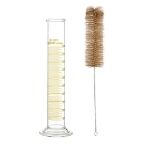 Measuring Cylinder Brush
 Conical Flask Brush
 Volumetric Flask Brush
 Round Bottom Flask Brush
 Glass Beaker Brush
 Pipette Brush
 Wash Bottle Brush
 Borosilicate Büchner Flask
 Borosilicate Erlenmeyer/Conical Flask
 Borosilicate Pear-Shaped Flask
 Borosilicate Round Bottom Flask
 Plastic Conical Flask
 Plastic Volumetric Flask
 Bunsen Burner
 Spirit Lamp
 Borosilicate Glass Burette
 Plastic Burette
 Capillary Tube
 Centrifuge Tube
 Test Tube
 Ria Vial
 Vacutainer Tubes
 Syringes
 Student Microscope
 Binocular Microscope
 Dissecting Microscope
 Microscope Glass Slides
 Cover Slip
 Inoculating Loop
 Slide Box
 Lamps
Lamps
 Oils
Oils
 Beaker Tongs
 Crucible Tongs
 Flask Tongs
 Borosilicate Glass Funnel
 Plastic Funnels
 Wash Bottle
 Borosilicate Glass Reagent Bottle
 Plastic Reagent Bottle
 Borosilicate Measuring Cylinder
 Plastic Measuring Cylinder
 Borosilicate Glass Graduated Pipette
 Borosilicate Glass Volumetric Pipette
 HB Pipette
 Pasteur Pipette
 Micropipettes
 Micropipette Tips
 Filter Paper
 Litmus Paper
 pH Paper
 Chromatography Paper
 Plastic Petri Plates (Sterile)
 Glass Petri Plates (Non-Sterile)
 Safety Goggles
 Lab Coats
 Gloves
 Masks
Masks
 Shoe Covers
 Hair & Beard Covers
 Steel Spatula
 Plastic Spatula
 Hitachi Sample Cup
 Plastic Scoop
 Plastic Medicine Cup
 Dissecting Tool Kit
 Dissecting Forceps
 Hemostatic Forceps
 Thumb Forceps / Tweezers
 Blood Culture Bottle
 Urine Container
 Wooden Swab Stick
 Test Tube Holder
 Test Tube Racks
 Magnifying Glass
 Watch Glass
 Mortar and Pestle
 Coplin Jar
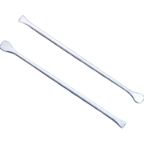 Plastic Stirrer
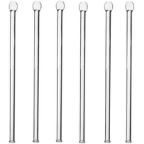 Glass Stirrer
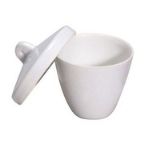 Crucible
 Tripod
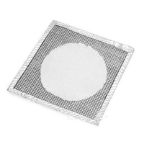 Wire Mesh
 Laboratory Thermometer
 Tourniquet
 Alcohol Swab
 Blood Lancet
 Bandage
 Gloves & Masks









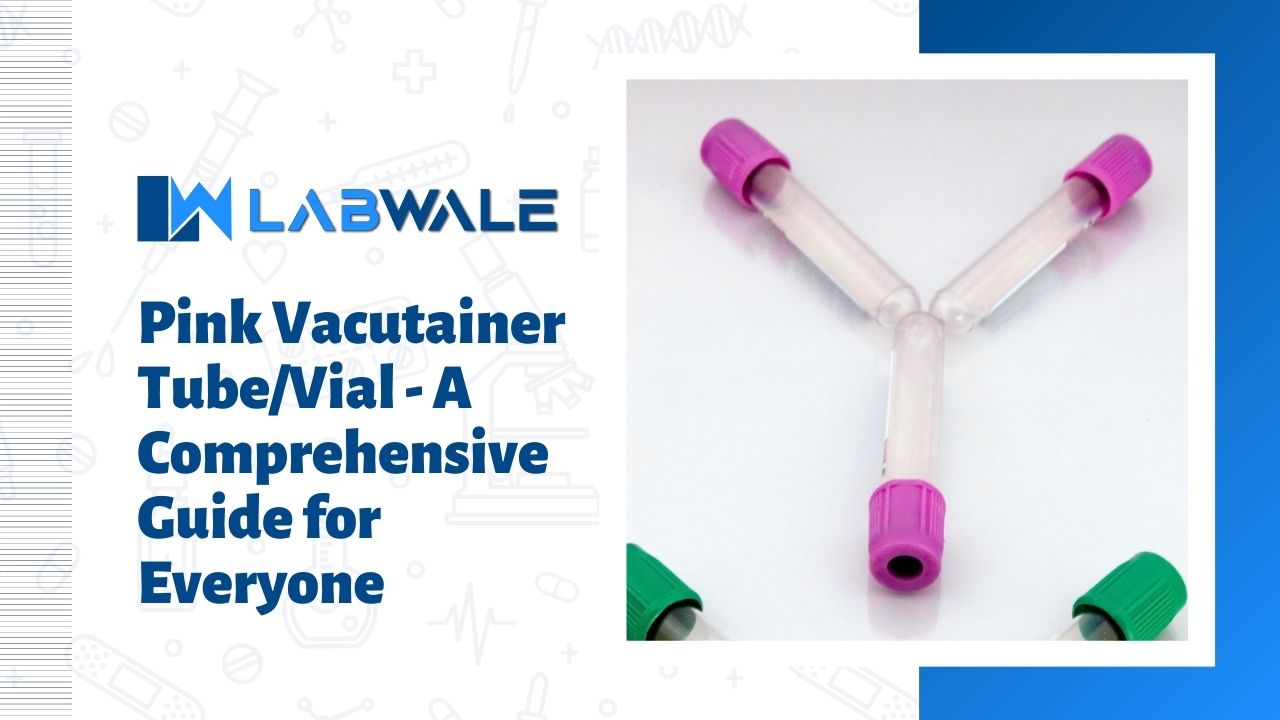
Pink Vacutainer Tube/Vial – A Comprehensive Guide for Everyone

Contents
- What Is a Pink Vacutainer Tube/Vial?
- Why Is the Pink Vacutainer Tube Important in Blood Collection?
- Color Coding in Blood Collection Tubes: Where Pink Fits In
- Composition and Additives Used in Pink Vacutainer Tubes
- How Does EDTA Work in Pink Vacutainer Vials?
- Key Differences Between Pink and Lavender Vacutainer Tubes
- Common Medical Tests Performed Using Pink Vacutainer Tubes
- Role of Pink Vacutainer Tubes in Blood Banking
- Proper Procedure for Collecting Blood in Pink Vacutainer Tubes
- Recommended Order of Draw for Pink Vacutainer Tubes
- Sample Handling and Storage Guidelines for Pink Vacutainer Vials
- Accuracy and Reliability of Test Results Using Pink Tubes
- Safety Features and Sterility Standards of Pink Vacutainer Tubes
- Single-Use vs Disposable Pink Vacutainer Vials
- Quality Standards and Certifications for Pink Vacutainer Tubes
- Common Errors to Avoid While Using Pink Vacutainer Tubes
- Shelf Life and Expiry Considerations of Pink Vacutainer Vials
- Storage Conditions for Unused Pink Vacutainer Tubes
- Advantages of Using Pink Vacutainer Tubes in Clinical Settings
- Pink Vacutainer Tubes in Hospitals vs Diagnostic Laboratories
- How to Choose the Right Pink Vacutainer Tube for Your Needs
- Environmental and Disposal Guidelines for Used Pink Vacutainer Tubes
- Frequently Asked Questions Answered
When you think of blood collection, the color pink might not be the first thing that comes to mind. Yet, in the intricate world of laboratory testing and blood banking, the pink vacutainer tube holds a significant role. These vibrant vials are more than just a pretty face; they play a crucial part in ensuring accurate test results and patient care.
Whether you’re a healthcare professional, student, or simply curious about medical practices, understanding what makes these tubes special is essential. Dive into this comprehensive guide to uncover everything there is to know about pink vacutainer tubes—what they are, how they’re used, and why they matter so much in clinical settings. Prepare to explore an often-overlooked aspect of health science that’s both fascinating and vital!
What Is a Pink Vacutainer Tube/Vial?
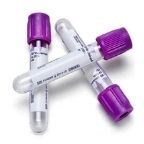
A pink vacutainer tube, often referred to as a vial, is specifically designed for blood collection in medical labs. These tubes are easily recognizable due to their distinct pink hue.
Primarily used for molecular diagnostics and blood bank testing, they contain an additive that plays a crucial role in sample preservation. This ensures that the integrity of the blood specimen is maintained from collection to analysis.
The design includes a vacuum seal, allowing for easy drawing of blood without requiring excessive manual effort. This feature enhances efficiency during procedures, making it indispensable in clinical environments.
The labeling on each vial provides essential information regarding its purpose and contents. Knowing how these vials function can help healthcare professionals ensure accurate testing and effective patient care throughout various stages of treatment.
Why Is the Pink Vacutainer Tube Important in Blood Collection?
The pink Vacutainer tube plays a crucial role in the medical field, particularly in blood collection. It is designed specifically for crossmatching and antibody screening, making it essential for safe blood transfusions.
When patients require specific blood types or when there’s a need to prevent adverse reactions during transfusion, this tube becomes indispensable. Its unique formulation helps preserve the integrity of samples collected from patients.
Using pink tubes ensures that healthcare providers can conduct accurate testing without compromising sample quality. The specificity of these tubes aids in ensuring patient safety and effective treatment plans.
In addition, the color coding allows laboratory staff to quickly identify necessary materials during urgent situations. This swift recognition is vital when every second counts in providing life-saving interventions.
Color Coding in Blood Collection Tubes: Where Pink Fits In
Blood collection tubes come in various colors, each indicating a specific purpose and set of additives. This color coding is essential for lab technicians to ensure accurate testing results.
The pink vacutainer tube holds a special place among its colorful counterparts. It is primarily designed for blood banking applications, especially for crossmatching and compatibility tests.
Pink tubes contain EDTA as an anticoagulant, which helps preserve the integrity of the sample by preventing clotting. This feature makes them invaluable when working with precious blood components.
By understanding where pink fits into the color-coding system, healthcare professionals can navigate their tasks more efficiently. Selecting the right tube not only streamlines processes but also enhances patient safety during diagnosis and treatment procedures.
Composition and Additives Used in Pink Vacutainer Tubes
Pink Vacutainer tubes are specifically designed for blood collection and contain unique additives that play a crucial role in laboratory testing.
These vials primarily use Ethylenediaminetetraacetic acid (EDTA) as an anticoagulant. EDTA binds calcium ions, preventing clotting during the sample’s transportation to the lab. This ensures accurate analysis of various blood components.
The pink color signifies its specific purpose—often related to blood bank testing or crossmatching procedures. The clear labeling helps healthcare professionals quickly identify the right tube for their needs.
Additionally, some manufacturers may include stabilizers or preservatives to maintain sample integrity over time. This is vital for tests where cellular composition must remain unchanged until analysis occurs.
Understanding these components enhances workflow efficiency and patient care quality within medical facilities. Each element serves a distinct function towards achieving reliable test results.
How Does EDTA Work in Pink Vacutainer Vials?
EDTA, or ethylenediaminetetraacetic acid, plays a critical role in the functionality of pink Vacutainer vials. Its primary purpose is to act as an anticoagulant, preventing blood from clotting during laboratory analysis.
When blood is drawn into a pink vial containing EDTA, the substance binds with calcium ions in the bloodstream. Calcium is essential for the coagulation process; by sequestering these ions, EDTA effectively halts any clot formation.
This action allows for accurate testing and analysis of various blood components. Whether it’s checking for antibodies or performing cross-matching procedures in blood banking, maintaining liquid blood samples ensures reliable results.
Moreover, using EDTA preserves cellular integrity. This aspect is crucial when analyzing cell types and counts since clots can interfere with these evaluations. The result? Consistent data that healthcare providers rely on for diagnostics and treatment decisions.
Key Differences Between Pink and Lavender Vacutainer Tubes
Pink and lavender Vacutainer tubes may look similar at first glance, but they serve different purposes in the lab.
The pink tube is specifically designed for blood banking. It contains EDTA as an anticoagulant, which helps preserve plasma samples for further testing or cross-matching procedures. This color-coding ensures that healthcare professionals quickly identify the right tube for transfusion compatibility.
On the other hand, lavender tubes are often used for general hematology tests like complete blood counts (CBC). They also contain EDTA but are in a different formulation to cater to specific requirements of those tests.
Both tubes play vital roles in clinical settings, yet their intended applications highlight their unique characteristics. Understanding these differences helps streamline laboratory processes and improve patient care outcomes effectively.
Common Medical Tests Performed Using Pink Vacutainer Tubes
Pink Vacutainer tubes are primarily used for blood typing and crossmatching. These tests are crucial in ensuring the right compatibility between donor and recipient blood during transfusions.
Additionally, pink tubes play a vital role in newborn screening programs. They help detect metabolic disorders early on, allowing for timely interventions that can significantly improve health outcomes.
Another important application is the collection of samples for antibody screening. This test identifies any unexpected antibodies that may pose risks in transfusion scenarios.
In some cases, healthcare providers also use pink vacutainers to perform direct antigen testing related to specific infections or conditions.
The versatility of these tubes makes them indispensable in both routine check-ups and specialized medical procedures.
Role of Pink Vacutainer Tubes in Blood Banking
Pink Vacutainer tubes play a critical role in blood banking, primarily due to their specific purpose of collecting blood for serological testing and crossmatching.
These vials contain EDTA, an anticoagulant that preserves the cellular components of the blood. This preservation is vital when determining blood type and screening for antibodies.
When donors provide samples in pink tubes, laboratories can efficiently conduct tests to ensure compatibility between donors and recipients. The accuracy of these results directly impacts patient safety during transfusions.
Moreover, pink tubes streamline processes within the lab environment. Their color coding allows quick identification among various tube types. This speed is essential when managing high volumes of donations.
The significance of pink vacutainers extends beyond mere collection; they are integral to maintaining a safe and effective blood supply chain, ensuring that life-saving procedures run smoothly.
Proper Procedure for Collecting Blood in Pink Vacutainer Tubes
Collecting blood using pink vacutainer tubes requires precision and care. Start by gathering all necessary supplies, including gloves, alcohol swabs, gauze pads, and the correct tube.
Ensure to wash your hands thoroughly before donning gloves. Identify the vein for puncture. The most common locations are in the antecubital fossa or on the back of the hand.
After cleaning the skin with an alcohol swab, apply a tourniquet above the site to engorge the vein. This makes it easier to access. Once you’ve located a suitable vein, remove the cap from your pink vacutainer tube without touching its inner surface.
Insert a sterile needle into the chosen vein at a 15-30 degree angle while holding onto the tube securely. Blood will flow directly into it due to vacuum pressure. After filling is complete, gently invert several times to mix additives properly before labeling and storing according to guidelines.
Recommended Order of Draw for Pink Vacutainer Tubes
When collecting blood samples, the order of draw is crucial for ensuring accurate test results. For pink vacutainer tubes, it’s essential to follow a specific sequence.
Start with sterile tubes when available. This helps prevent contamination from other additives present in subsequent tubes.
After that, you can proceed with the pink tube as part of your routine. The timing in this process is essential. Collecting it after serum and plasma tubes but before any additive or gel barrier tubes guarantees optimal sample integrity.
Be mindful not to mix up other colors during the draw. Each color-coded tube serves a unique purpose and avoiding cross-contamination will enhance accuracy in test outcomes.
Proper adherence to this order ensures that each specimen remains viable for testing, minimizing potential errors and improving diagnostic reliability across various medical assessments.
Sample Handling and Storage Guidelines for Pink Vacutainer Vials
Proper handling and storage of pink vacutainer vials is crucial for maintaining sample integrity. Always hold the tubes by their ends to avoid contamination. Minimize any movement after blood collection to prevent hemolysis.
Once collected, samples should be stored upright in a designated rack. This position helps maintain separation of plasma from cellular components. Avoid exposing the tubes to extreme temperatures; optimal storage conditions are between 2°C and 8°C.
Label each vial immediately after collection with patient information, date, and time of draw. This ensures traceability throughout the testing process.
If not processed right away, refrigerate pink vacutainer vials but avoid freezing them unless specifically instructed. Freezing can lead to cell lysis or alteration of test results.
Regularly check expiration dates on your stock and replace expired vials promptly. Following these guidelines protects both the sample quality and accuracy of diagnostic tests.
Accuracy and Reliability of Test Results Using Pink Tubes
The accuracy of test results is crucial in medical diagnostics. Pink vacutainer tubes are designed to ensure that blood samples yield reliable outcomes.
These tubes contain EDTA, an anticoagulant that prevents clotting. This property helps maintain the integrity of plasma for various tests. When using pink tubes, lab technicians can trust they’re working with quality specimens.
Proper handling and processing further enhance reliability. Following established protocols minimizes contamination risks, ensuring the results reflect the patient’s actual condition.
Additionally, consistent manufacturing standards contribute to performance. Quality control measures during production help maintain uniformity across batches.
Healthcare professionals rely on these dependable tubes for critical testing situations. Accurate diagnoses lead to appropriate treatment plans and better patient care overall.
Safety Features and Sterility Standards of Pink Vacutainer Tubes
Safety is paramount in any medical procedure, and pink Vacutainer tubes are designed with this principle in mind. These tubes often feature a safety cap that minimizes the risk of accidental needle sticks during blood collection.
Each tube undergoes rigorous sterilization processes to ensure they remain free from contaminants. This is crucial for maintaining sample integrity.
Many manufacturers adhere to strict sterility standards, ensuring that every aspect of the tube—from materials used to packaging—is designed to prevent infection or interference with test results.
Additionally, these tubes are typically made from high-quality glass or plastic that withstands various laboratory conditions while providing reliable performance. The careful design not only protects healthcare providers but also helps preserve patient safety throughout the testing process.
Single-Use vs Disposable Pink Vacutainer Vials
When it comes to Pink Vacutainer vials, understanding the difference between single-use and disposable options is crucial. Single-use vials are designed for one-time collection only. They ensure that each sample is collected in a sterile environment without risk of contamination.
On the other hand, disposable pink vacutainers can sometimes refer to those intended for general use but still prioritized for safety. Both types emphasize reliability during blood collection processes.
Using these vials correctly helps maintain sample integrity and reduces cross-contamination risks in clinical settings. This distinction also plays a role in waste management practices within laboratories and hospitals.
Professionals need to be aware of their specific requirements when choosing between them. Selecting the right option ultimately supports accurate testing outcomes while adhering to best practices in healthcare environments.
Quality Standards and Certifications for Pink Vacutainer Tubes
Quality standards for pink vacutainer tubes are crucial in ensuring accurate and reliable blood test results. These tubes must meet stringent requirements set by organizations like the FDA and ISO to ensure safety and efficacy.
Certifications reflect a commitment to high manufacturing practices. This guarantees that the materials used are non-toxic, sterile, and suitable for clinical use. Regular audits help maintain these standards.
Manufacturers often participate in proficiency testing programs. Such initiatives validate their products’ performance against established benchmarks, promoting trust among healthcare professionals.
In addition to regulatory compliance, manufacturers may seek additional certifications specific to certain regions or applications. This adaptability shows a dedication to quality across various markets.
Being aware of these standards can aid medical professionals in choosing the right tools for patient care while enhancing confidence in laboratory processes.
Common Errors to Avoid While Using Pink Vacutainer Tubes
When using pink Vacutainer tubes, precision is key. One common error is not mixing the tube properly after blood collection. Gentle inversion is crucial to ensure that the EDTA additive evenly interacts with the sample.
Another mistake involves incorrect order of draw. Blood collection should follow established protocols to prevent cross-contamination and inaccurate results.
It’s also essential to check expiration dates before use. Expired tubes can compromise test integrity, leading to unreliable outcomes.
Improper labeling can create significant issues in patient identification. Always ensure that labels are clear and securely attached right after collection.
Do not overlook storage conditions for unused tubes. They should be kept at recommended temperatures away from direct sunlight to maintain their effectiveness throughout their shelf life.
Shelf Life and Expiry Considerations of Pink Vacutainer Vials
The shelf life of pink vacutainer vials is crucial for maintaining the integrity of blood samples. Each vial typically has an expiration date printed on the label, which should always be checked before use.
Factors like temperature and storage conditions significantly influence this lifespan. Storing them in a cool, dry place away from direct sunlight helps preserve their functionality longer.
Expired vials can lead to compromised test results, affecting patient care and diagnosis accuracy. Therefore, it’s essential for medical professionals to stay vigilant about using only within the designated time frame.
Regular inventory checks can help ensure that no expired products are used accidentally. Proper disposal methods also play a role in ensuring safety standards are met when discarding outdated supplies.
Storage Conditions for Unused Pink Vacutainer Tubes
Proper storage of unused pink vacutainer tubes is crucial to maintain their integrity and effectiveness. These tubes should be kept in a cool, dry environment away from direct sunlight and extreme temperatures.
Ideally, the temperature range for storing these tubes is between 15°C to 30°C (59°F to 86°F). Exposure to heat can degrade additives, affecting test results later.
It’s also important to keep them in their original packaging until ready for use. This helps prevent contamination or damage.
Avoid placing heavy objects on top of the boxes as this could compromise the tube’s structure.
Regularly check expiration dates and ensure that older stock is used first. Following these guidelines will help ensure reliable results during blood collection procedures.
Advantages of Using Pink Vacutainer Tubes in Clinical Settings
Pink Vacutainer tubes offer several advantages in clinical settings. They are specifically designed for blood bank compatibility testing, ensuring safe and efficient transfusions.
One key benefit is their ability to preserve sample integrity. The additives within the pink tube prevent coagulation, allowing for accurate results during serological assessments.
Their color coding contributes to streamlined processes in busy laboratories. Quick identification reduces the risk of errors during blood collection and processing.
Moreover, these tubes play a vital role in patient safety by minimizing contamination risks. Their design maintains sterility until use, which is crucial when handling sensitive samples.
Using pink vacutainers can also enhance workflow efficiency. Laboratories can manage multiple tests without delays or confusion over specimen types.
Adopting pink Vacutainer tubes helps healthcare professionals maintain high standards while delivering reliable patient care.
Pink Vacutainer Tubes in Hospitals vs Diagnostic Laboratories
Pink Vacutainer tubes play a crucial role in both hospitals and diagnostic laboratories, yet their application can vary significantly. In hospitals, these tubes are primarily used for blood banking and transfusion purposes. They ensure accurate typing and cross-matching of blood products. The speed of obtaining results is critical, as timely interventions can save lives.
On the other hand, diagnostic laboratories utilize pink tubes for specialized tests that require precise sample handling. Here, the focus shifts to accuracy over speed, ensuring each test yields reliable results.
The environments also differ; hospitals often have immediate patient contact while labs operate behind-the-scenes with high-throughput testing capabilities. Each setting demands strict adherence to protocols but emphasizes different aspects of quality control and workflow efficiency related to patient care or laboratory analysis.
How to Choose the Right Pink Vacutainer Tube for Your Needs
Choosing the right pink Vacutainer tube involves understanding your specific needs. First, consider the type of blood test required. Pink tubes are primarily used for blood banking and cross-matching.
Next, check the volume needed for your sample. Different sizes are available to accommodate various tests and patient requirements.
It’s also crucial to familiarize yourself with the additives in each tube. Some may contain EDTA as an anticoagulant, which is essential for accurate results in certain tests.
Evaluate whether you need single-use or disposable options based on your laboratory practices and safety protocols.
Ensure that any selected tubes comply with industry standards and certifications to guarantee quality performance during testing.
Environmental and Disposal Guidelines for Used Pink Vacutainer Tubes
Proper disposal of used pink Vacutainer tubes is crucial for environmental safety. These tubes, often containing blood samples and additives, must be treated as biohazardous waste.
Always follow local regulations when disposing of these items. This usually involves placing the used tubes in designated sharps containers or biohazard bags to prevent contamination.
Recycling is not an option for these medical items due to potential health risks. Instead, facilities should partner with licensed medical waste disposal services that adhere to strict protocols.
Educating staff on proper disposal methods ensures compliance and promotes a culture of safety within healthcare settings. Regular training can help mitigate any potential accidents related to improper handling and waste management.
By prioritizing safe disposal practices, we contribute positively to both community health and environmental protection.
Frequently Asked Questions Answered
What tests are commonly performed using pink vacutainer tubes?
Pink vacutainer tubes are primarily used for blood typing and crossmatching, particularly in transfusion medicine. They help ensure that the correct type of blood is administered to patients.
Are pink vacutainers suitable for other types of samples?
While primarily designed for blood specimens, some laboratories may utilize pink tubes for specific plasma assays or studies where EDTA is required as an anticoagulant.
How should I store unused pink vacutainer tube?
Unused pink vacutainers should be kept in a cool, dry place away from direct sunlight. It’s crucial to follow the manufacturer’s guidelines regarding storage conditions.
Can you reuse a single-use pink vacutainer tube?
No, single-use means they are intended for one-time use only. Reusing them can lead to contamination and inaccurate test results.
What certifications should I look for when purchasing pink vacutainer tubes?
Look for certifications like CE marking or FDA approval which indicate that the product meets safety and quality standards essential in clinical settings.

 Cardiology
 Clinical Oncology