
-
-
 Cardiology
-
 Clinical Oncology
-
 Dental
-
 Dermatology
-
 Ear, Nose, Throat (ENT)
-
 Endocrinology
-
 Gastroenterology
-
 General Surgery
-
 Gynecology & Obstetrics
-
 Interventional Cardiology
-
 Nephrology
-
 Neurology
-
 Oncology Surgery
-
 Ophthalmology
-
 Orthopedics
-
 Pediatrics
-
 Pediatrics Surgery
-
 Physiotherapy
-
 Plastic Surgery
-
 Psychiatry & Psychology
-
 Radiology
-
 Urology
-
 Vascular Surgery
-

 Anatomy Lab Equipments
 Biochemistry Lab Equipments
 Biology Lab Equipments
 Chemistry Lab Equipments
 Cytology Lab Equipments
 Cytopathology Lab Equipments
 Dental Lab Equipments
 Forensic Lab Equipments
 Genetics Lab Equipments
 Hematology Lab Equipments
 Histology Lab Equipments
 Histopathology Lab Equipments
 Mathematics Lab Equipments
 Microbiology Lab Equipments
 Molecular Biology Lab Equipments
 Pathology Lab Equipments
 Pharmaceutical Lab Equipments
 Physics Lab Equipments
 Radiology Lab Equipments
 Science Lab Kit’s
 Toxicology Lab Equipments

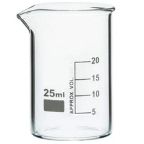 Borosilicate Glass Beaker
 Plastic Beaker (Euro Design)
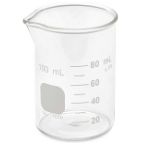 Plastic Beaker (Printed Graduation)
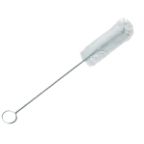 Test Tube Brush
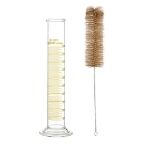 Measuring Cylinder Brush
 Conical Flask Brush
 Volumetric Flask Brush
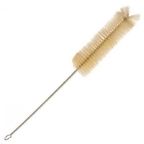 Round Bottom Flask Brush
 Glass Beaker Brush
 Pipette Brush
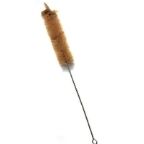 Wash Bottle Brush
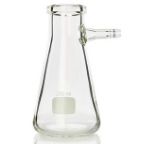 Borosilicate Büchner Flask
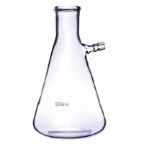 Borosilicate Erlenmeyer/Conical Flask
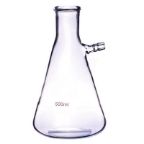 Borosilicate Pear-Shaped Flask
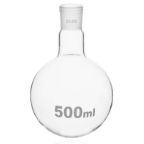 Borosilicate Round Bottom Flask
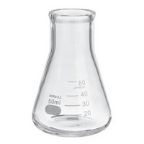 Plastic Conical Flask
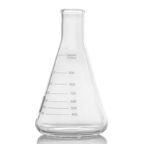 Plastic Volumetric Flask
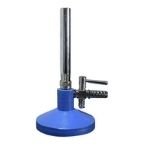 Bunsen Burner
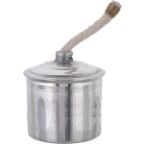 Spirit Lamp
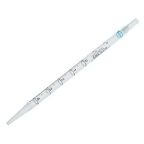 Borosilicate Glass Burette
 Plastic Burette
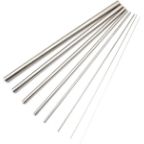 Capillary Tube
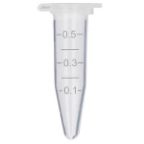 Centrifuge Tube
 Test Tube
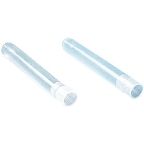 Ria Vial
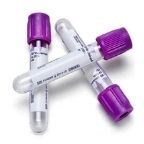
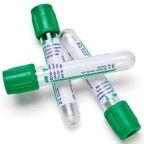 Vacutainer Tubes
 Syringes
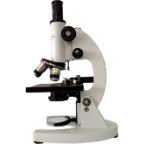 Student Microscope
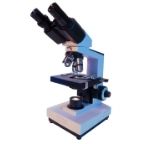 Binocular Microscope
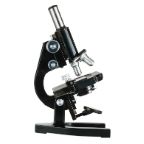 Dissecting Microscope
 Microscope Glass Slides
 Cover Slip
 Inoculating Loop
 Slide Box
 Lamps
Lamps
 Oils
Oils
 Beaker Tongs
 Crucible Tongs
 Flask Tongs
 Borosilicate Glass Funnel
 Plastic Funnels
 Wash Bottle
 Borosilicate Glass Reagent Bottle
 Plastic Reagent Bottle
 Borosilicate Measuring Cylinder
 Plastic Measuring Cylinder
 Borosilicate Glass Graduated Pipette
 Borosilicate Glass Volumetric Pipette
 HB Pipette
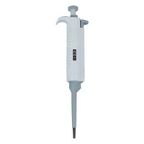 Pasteur Pipette
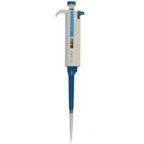 Micropipettes
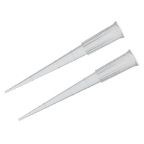 Micropipette Tips
 Filter Paper
 Litmus Paper
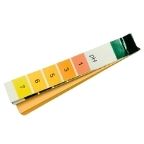 pH Paper
 Chromatography Paper
 Plastic Petri Plates (Sterile)
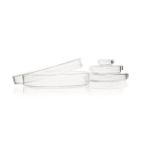 Glass Petri Plates (Non-Sterile)
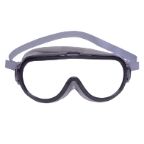 Safety Goggles
 Lab Coats
 Gloves
 Masks
Masks
 Shoe Covers
 Hair & Beard Covers
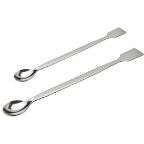 Steel Spatula
 Plastic Spatula
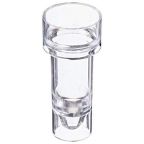 Hitachi Sample Cup
 Plastic Scoop
 Plastic Medicine Cup
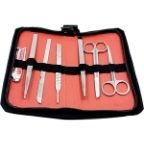 Dissecting Tool Kit
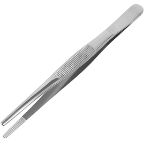 Dissecting Forceps
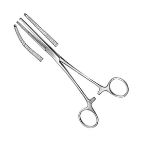 Hemostatic Forceps
 Thumb Forceps / Tweezers
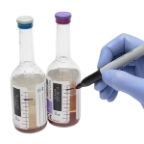 Blood Culture Bottle
 Urine Container
 Wooden Swab Stick
 Test Tube Holder
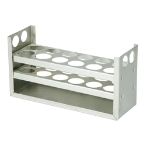 Test Tube Racks
 Magnifying Glass
 Watch Glass
 Mortar and Pestle
 Coplin Jar
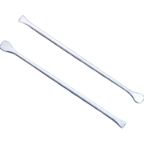 Plastic Stirrer
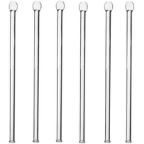 Glass Stirrer
 Crucible
 Tripod
 Wire Mesh
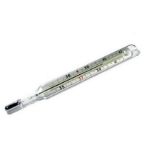 Laboratory Thermometer
 Tourniquet
 Alcohol Swab
 Blood Lancet
 Bandage
 Gloves & Masks









Lab Machine Essentials: Instruments for Scientific Investigations

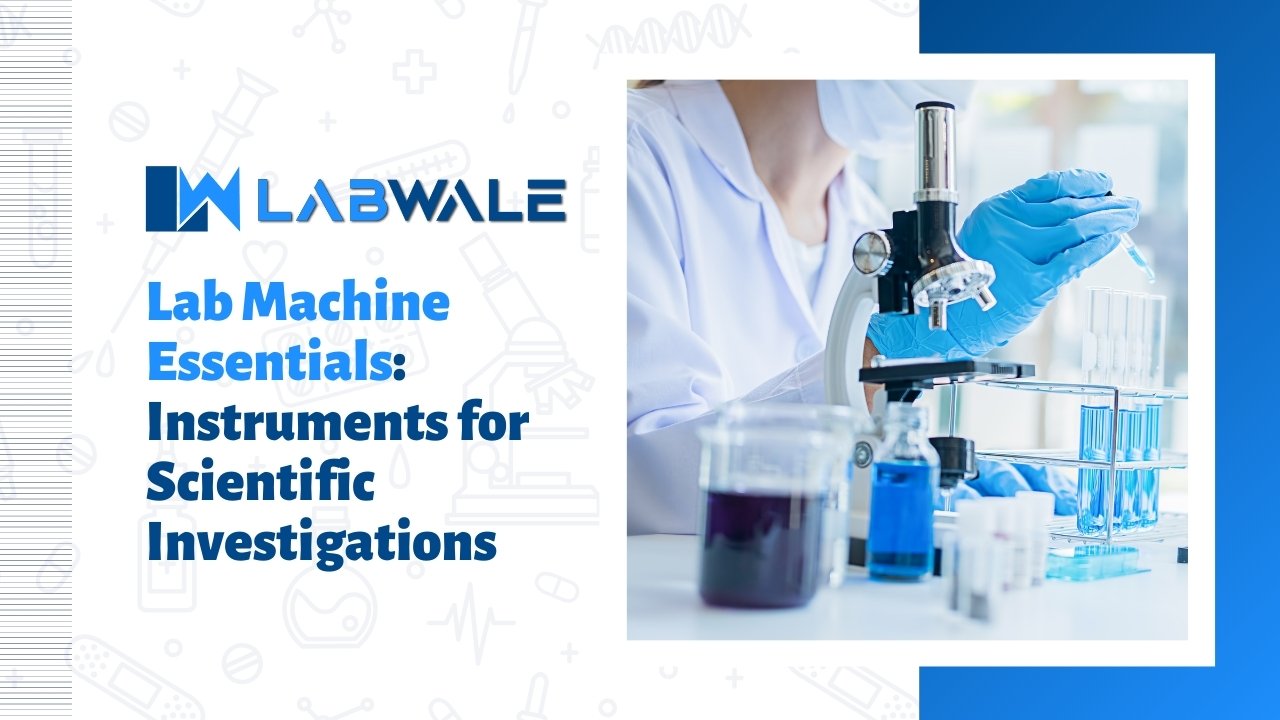
Introduction to Laboratory Machine Essentials
Welcome to the fascinating world of laboratory machines! If you’ve ever wondered how scientists unlock the mysteries of our universe or develop groundbreaking technologies, you’re in the right place. Behind every great discovery lies an array of sophisticated instruments that make it all possible. Whether it’s analyzing a sample’s composition or measuring minute changes in temperature, these machines are essential for precision and accuracy.
From academic research labs to industrial settings, understanding the role of each instrument can enhance scientific investigations significantly. In this blog post, we’ll take you on a journey through various types of lab equipment—each playing a crucial part in advancing knowledge across multiple fields. So strap in as we explore the essentials that empower researchers around the globe!
Importance of Laboratory Instruments in Scientific Research
Laboratory instruments are the backbone of scientific research. They enable researchers to collect data, conduct experiments, and analyze results with precision.
Without these tools, studies would lack accuracy and reliability. From simple pipettes to complex spectrometers, each instrument plays a vital role in advancing knowledge across various fields.
The ability to measure variables accurately is crucial. It allows scientists to draw meaningful conclusions and make informed decisions based on empirical evidence.
Moreover, laboratory instruments foster innovation. They help researchers push boundaries by enabling experiments that were previously unimaginable or too complex.
In addition, they enhance collaboration among global scientists by standardizing methodologies. This fosters communication and sharing of results across diverse disciplines.
As technology evolves, so do the capabilities of lab instruments—opening new avenues for discovery that can transform industries and improve lives.
Classification of Laboratory Machines and Equipment
Laboratory machines and equipment are essential components of scientific research, each designed for specific functions. Broadly, they can be classified into categories based on their purpose.
Analytical instruments assist researchers in gaining insights through measurement and analysis. These tools include spectrometers, chromatographs, and microscopes. Each plays a crucial role in interpreting data at various scales.
Next come measuring and calibration devices that ensure precision. Balances, thermometers, and pH meters fall under this category. Accuracy is paramount in any experiment; hence these instruments are indispensable.
Sample preparation tools streamline the process before analysis begins. Homogenizers and centrifuges help prepare samples to meet analytical requirements efficiently.
There’s a range of heating and cooling apparatuses that regulate temperature during experiments—ovens, water baths, or refrigerators all serve distinct purposes within laboratory settings. Understanding these classifications helps scientists choose the right tool for their investigations effectively.
Analytical Instruments Used in Modern Laboratories
Analytical instruments play a pivotal role in modern laboratories. They help researchers obtain precise data, which is crucial for scientific inquiry.
These tools range from spectrometers to chromatographs, each designed for specific analyses. For instance, mass spectrometry identifies molecular compositions with great accuracy.
High-performance liquid chromatography separates complex mixtures effectively. It’s widely used in pharmaceuticals and environmental testing, showcasing its versatility.
Another essential instrument is the nuclear magnetic resonance (NMR) spectrometer. This device provides insights into molecular structures that are fundamental in chemistry and biochemistry.
Laboratories also utilize titrators for quantitative analysis of solutions. This process allows scientists to determine concentrations of unknown substances efficiently.
The integration of these analytical instruments enhances research capabilities significantly. Each tool contributes uniquely to discoveries across various scientific fields.
Measuring and Calibration Instruments for Accurate Results
Accurate measurements are the backbone of any scientific investigation. Measuring and calibration instruments ensure that data collected is reliable and reproducible.
Devices such as digital multimeters, pressure gauges, and pH meters play crucial roles in labs. They help researchers quantify variables with precision. A slight error can lead to significant consequences in experimental outcomes.
Calibration is equally essential. It involves adjusting instruments to maintain accuracy against known standards. Regular calibration ensures consistent performance over time.
Laboratories must implement robust maintenance schedules for these tools. This not only prolongs their life but also fosters trust in the results obtained from experiments.
Incorporating smart technologies into measuring devices enhances usability further. Features like automatic calibration reduce human errors and streamline processes considerably—an invaluable asset for busy lab environments where every second counts.
Sample Preparation Equipment in Scientific Investigations
Sample preparation is a critical phase in any scientific investigation. It lays the foundation for obtaining reliable and accurate results. Without proper preparation, even high-quality samples can yield misleading data.
Various tools assist researchers in this process. Homogenizers break down complex samples into uniform mixtures, ensuring consistency across tests. Centrifuges separate components based on density, essential for isolating specific elements from biological fluids or chemical solutions.
Filtration systems help remove impurities that may interfere with analysis. These devices are pivotal when working with air, water, or other substances requiring utmost purity.
Moreover, sample storage units maintain ideal conditions to prevent degradation over time. Temperature-controlled environments protect sensitive materials until testing begins.
Effective sample preparation directly impacts research outcomes by enhancing precision and reliability in subsequent analyses. Each piece of equipment plays a distinct role in achieving these objectives while streamlining workflows within laboratories.
Heating and Cooling Laboratory Machines Explained
Heating and cooling machines play a crucial role in laboratory settings. They regulate temperatures for various experiments, ensuring accuracy and reliability.
Hot plates are common heating devices, providing even heat distribution for sample analysis. Their simplicity allows researchers to focus on their work without worrying about temperature fluctuations.
On the cooler side of things, refrigerated centrifuges prevent samples from degrading during processing. By maintaining low temperatures, they ensure that sensitive materials remain viable throughout experimentation.
Water baths offer versatility by providing consistent heat or cold. They can accommodate different vessels while allowing precise temperature control.
Cryogenic freezers take preservation a step further, storing biological samples at ultra-low temperatures. This technology is essential for long-term storage without compromising sample integrity.
In laboratories where temperature precision matters most, these machines are indispensable assets that enhance experimental outcomes significantly.
Centrifuges and Their Role in Sample Separation
Centrifuges are essential tools in laboratories, playing a pivotal role in sample separation. Their ability to apply centrifugal force allows for the efficient separation of components based on density.
When samples are placed inside a centrifuge, they spin rapidly around an axis. This motion causes denser materials to move outward, while lighter substances remain closer to the center. As a result, researchers can isolate specific elements from complex mixtures with precision.
Various types of centrifuges cater to different needs. For example, microcentrifuges handle small volumes efficiently, while ultracentrifuges achieve high speeds ideal for separating cellular organelles or macromolecules.
The versatility of centrifuges extends across numerous fields—biochemistry, molecular biology, and clinical diagnostics all benefit from their capabilities. By enabling clear separations and purifications, these machines enhance research accuracy and open doors for innovative discoveries in science.
Microscopes and Imaging Instruments for Detailed Analysis
Microscopes and imaging instruments are fundamental tools in scientific analysis. They allow researchers to observe specimens at a scale invisible to the naked eye. This capability opens up new worlds of discovery.
Modern microscopes come with advanced features such as digital imaging, which enhances clarity and detail. These instruments can capture high-resolution images that facilitate more accurate interpretations of complex structures.
Fluorescence microscopy is another exciting development. It allows scientists to visualize specific molecules within cells by using fluorescent markers. This technique has revolutionized fields like cell biology and medical research.
Additionally, electron microscopes provide unparalleled magnification, enabling observations down to the atomic level. Such precision is crucial for materials science and nanotechnology studies.
Microscopes serve not just as observation tools but as gateways into understanding life’s intricate details across various disciplines.
Related Products
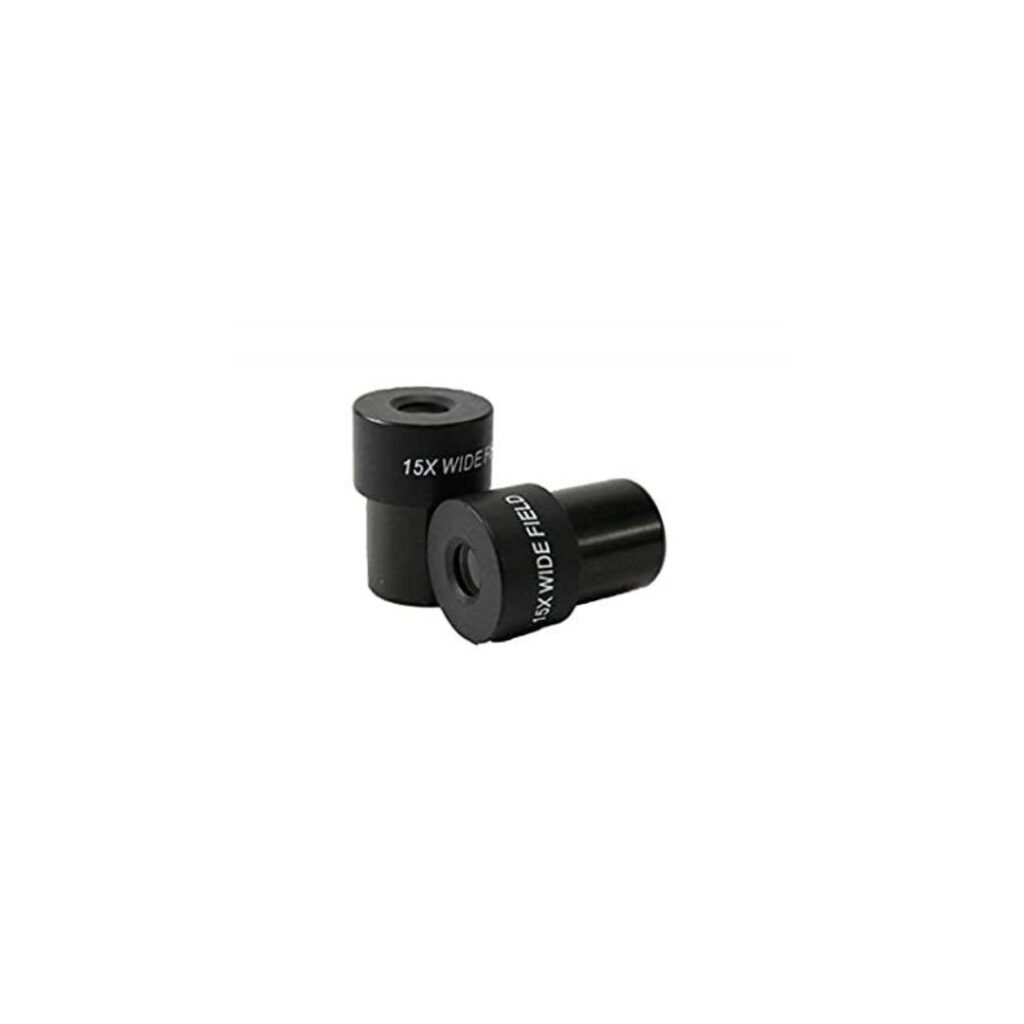

Collenchyma Tissue – Angiosperm Prepared Slide for Microscopy
₹40.00 (inc. GST) / Unit
SKU:
LW-WEB-1480

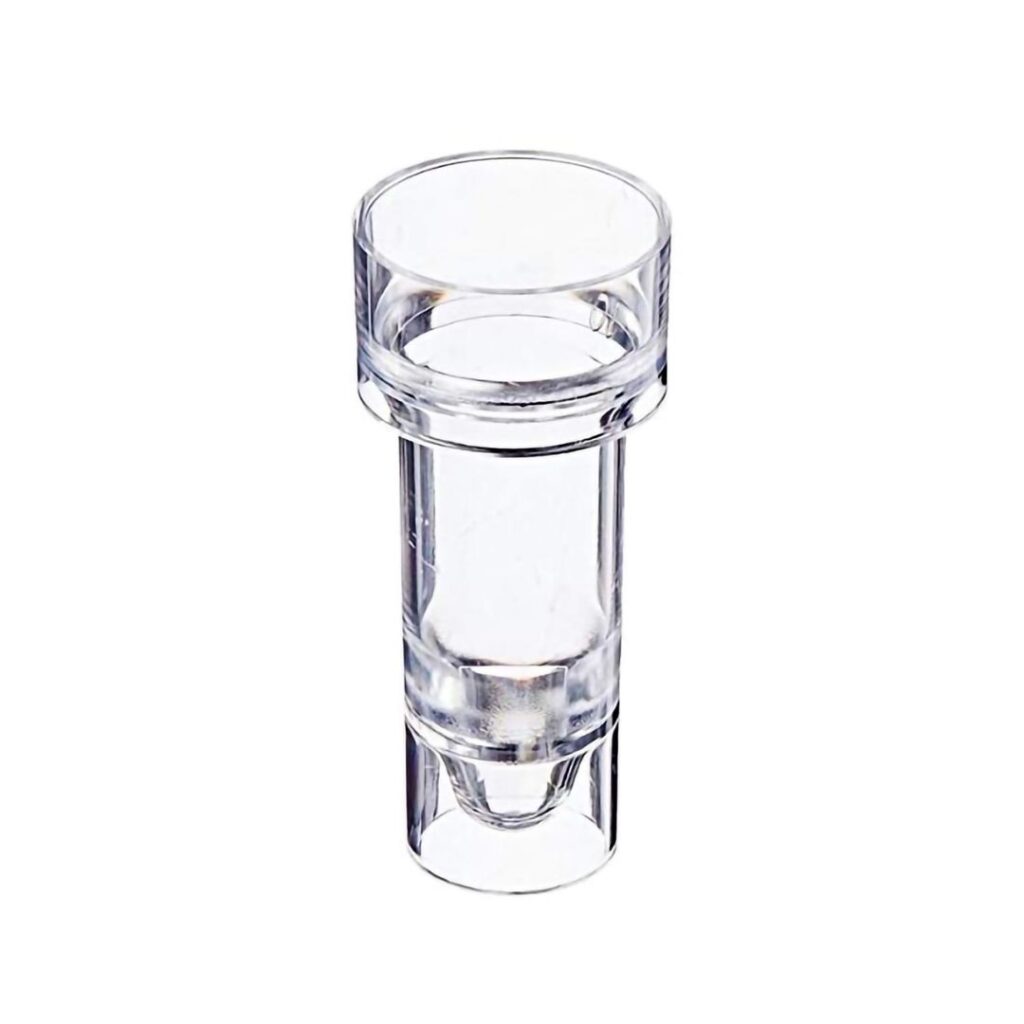


Microscope 100X Objective Lens (Oil Immersion Lens for Microscope) + Immersion Oil 25ml
₹885.00 (inc. GST) / Unit
SKU:
LW-WEB-3001

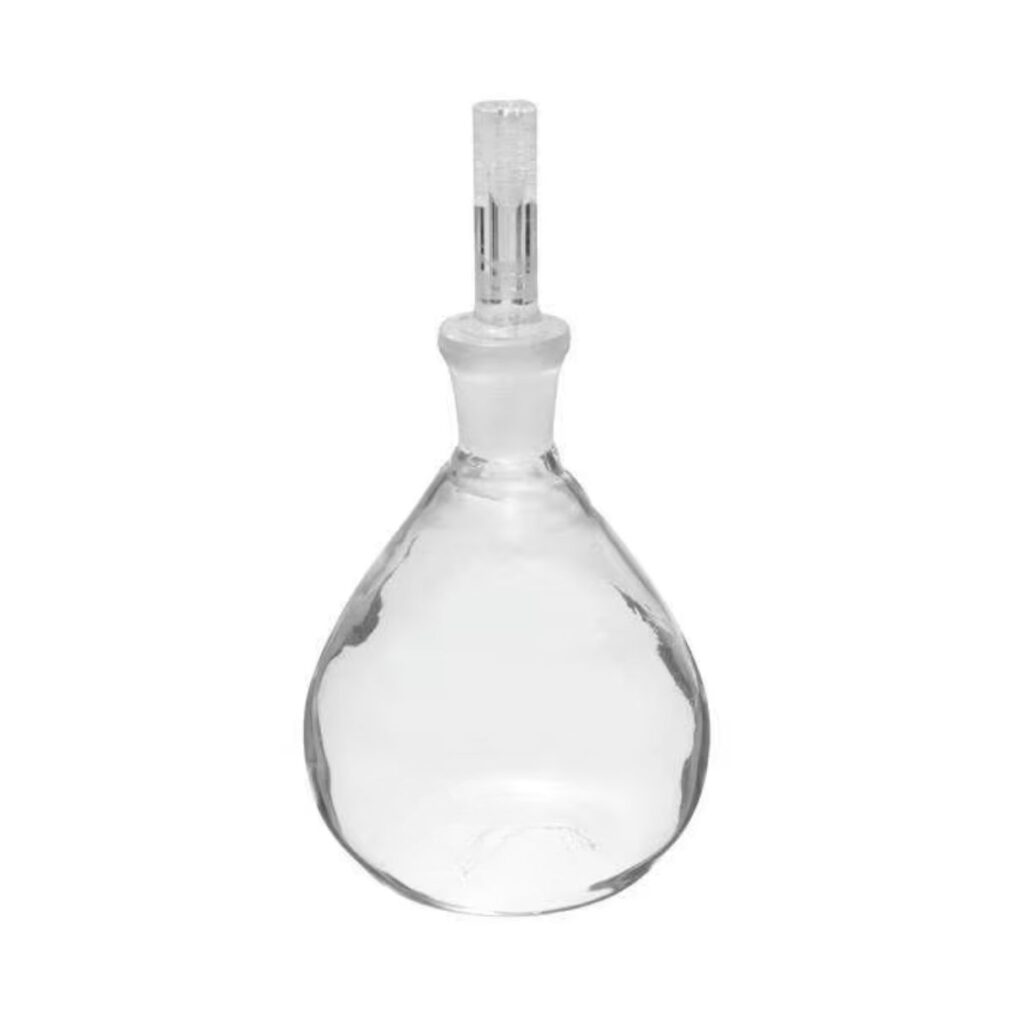
Pycnometer 25ml – Specific Gravity Bottle with Flat Bottom
₹135.00 (inc. GST) / Unit
SKU:
LW-WEB-3550


Spectroscopy Instruments and Their Scientific Applications
Spectroscopy instruments play a crucial role in scientific research by analyzing the interaction between light and matter. These devices help scientists understand the composition, structure, and properties of various substances.
Different types of spectroscopy exist, including UV-Vis, IR, NMR, and mass spectrometry. Each type offers unique insights relevant to specific fields such as chemistry, biology, and environmental science.
For instance, UV-Vis spectroscopy is widely used for quantitative analysis in chemical solutions. It allows researchers to determine concentrations of compounds quickly.
On the other hand, infrared (IR) spectroscopy provides valuable data about molecular vibrations. This makes it an essential tool for studying organic compounds.
In biomedical research, NMR spectroscopy enables detailed imaging of complex biological systems. The applications are vast—from drug development to quality control in pharmaceuticals—highlighting its importance across industries.
Chromatography Machines Used in Advanced Research
Chromatography machines are vital in advanced research, especially for separating and analyzing complex mixtures. These instruments utilize various techniques to isolate components based on their physical or chemical properties.
High-Performance Liquid Chromatography (HPLC) is one of the most widely used methods. It allows scientists to achieve precise separations quickly, making it ideal for pharmaceuticals and environmental samples. HPLC’s ability to work with tiny sample volumes adds to its appeal.
Gas Chromatography (GC), on the other hand, excels in volatile compounds analysis. Researchers rely on GC when dealing with gases or liquid samples that can easily vaporize during testing.
Recent innovations focus on improving efficiency and resolution while minimizing waste. Advanced detectors enhance sensitivity, allowing researchers to identify substances at lower concentrations than ever before.
As technology progresses, these chromatography machines will continue pushing boundaries in fields like biochemistry and material science.
Laboratory Balances and Weighing Instruments
Laboratory balances and weighing instruments are foundational tools in any scientific setting. They ensure that precise measurements can be obtained, which is crucial for experiments and analyses.
These devices range from simple mechanical scales to advanced electronic balances with high-resolution capabilities. Each type serves a unique purpose and caters to different needs in the laboratory environment.
Analytical balances, for instance, provide readings sensitive enough to measure minuscule amounts of substances. Their design minimizes environmental influences like air currents or vibrations.
On the other hand, top-loading balances offer versatility for heavier items while still delivering accurate results. This makes them ideal for a variety of tasks from routine checking to complex calculations.
It’s essential that these instruments are well-calibrated regularly. A small deviation can lead to significant errors in experimental outcomes, affecting research quality immensely.
Sterilization and Safety Equipment in Laboratories
Sterilization and safety equipment are vital in maintaining a secure laboratory environment. These tools ensure that experiments are conducted without contamination, preserving the integrity of results.
Autoclaves are commonly used for sterilizing lab materials. They use high-pressure steam to eliminate bacteria and other pathogens. This process is essential for ensuring that all instruments and consumables are clean before use.
Personal protective equipment (PPE) also plays a crucial role in laboratory safety. Lab coats, gloves, goggles, and face shields protect researchers from hazardous substances and potential spills.
Safety cabinets provide additional protection by offering a controlled atmosphere for handling dangerous materials. Biological safety cabinets filter air to prevent exposure to harmful agents while safeguarding samples from contamination.
Regular training on proper sterilization techniques alongside effective safety protocols is key to fostering a culture of health within the lab.
Automation and Digital Lab Machines for Efficiency
Automation has transformed laboratory environments, enhancing efficiency and productivity. Digital lab machines streamline processes, reducing human error and increasing accuracy in experiments.
Robotic systems are now commonplace for repetitive tasks like liquid handling and sample preparation. These innovations save time, allowing researchers to focus on analysis rather than routine activities.
Data management also benefits from automation. Lab information management systems (LIMS) track samples and results seamlessly. This integration ensures that data is reliable and accessible when needed.
Moreover, digital interfaces offer user-friendly experiences, enabling operators to program complex protocols with ease. Real-time monitoring features provide insights into ongoing experiments without constant oversight.
By embracing automation, laboratories can adapt quickly to the evolving demands of scientific research while maintaining high standards of precision and reproducibility. This evolution signifies a shift towards smarter labs equipped for contemporary challenges.
Common Laboratory Machines Used in Educational Institutions
Educational institutions rely on various laboratory machines to enhance learning experiences. These instruments provide students with hands-on training that is vital for their understanding of scientific principles.
One common piece of equipment is the microscope. It allows students to explore the microscopic world, from cells to bacteria. This tool sparks curiosity and deepens comprehension.
Another essential machine found in classrooms is the centrifuge. Students use it to separate components of a mixture based on density, teaching them about fundamental concepts in biology and chemistry.
Laboratory balances also play a critical role in educational settings. Accurate measurements are crucial for experiments, making these devices indispensable for budding scientists.
Additionally, basic heating devices like hot plates help students learn about temperature effects on reactions safely. Together, these machines create an engaging environment for future innovators and researchers.
Industrial and Research Laboratory Equipment Overview
Industrial and research laboratories rely heavily on specialized equipment tailored for unique applications. These powerful machines facilitate complex experiments, making groundbreaking discoveries possible.
In industrial settings, efficiency and scalability are key. Equipment like large-scale reactors and automated assembly lines streamline processes while ensuring consistency in product quality.
Research labs focus more on precision and innovation. Instruments such as high-performance liquid chromatographs (HPLC) or mass spectrometers play a crucial role in analyzing compounds at the molecular level.
Both environments necessitate rigorous standards for safety and reliability. Regular maintenance is essential to prevent downtime and ensure accurate results.
Emerging technologies also shape this landscape, with smart lab instruments integrating AI-driven analytics to enhance workflow efficiency. As industries evolve, so too does the need for adaptable laboratory equipment that meets changing demands.
Key Factors to Consider When Choosing Lab Instruments
Choosing lab instruments involves several key factors. First, consider the specific needs of your research or experiments. Different fields may require specialized tools.
Next, evaluate the precision and accuracy of the instruments. Reliable results depend on using equipment that provides consistent measurements.
Budget constraints play a significant role too. It’s important to find a balance between quality and cost without compromising essential functionalities.
User-friendliness is another crucial aspect. Instruments should be intuitive to operate, allowing for efficient workflow and reducing training time for new users.
Don’t overlook maintenance requirements as well. Some machines demand regular servicing while others are more low-maintenance—factor this into your decision-making process.
Assess vendor support and warranty options. Having access to reliable customer service ensures you can resolve issues quickly when they arise in a demanding laboratory environment.
Maintenance and Calibration of Laboratory Machines
Regular maintenance of laboratory machines is crucial for ensuring accurate results. Neglecting this aspect can lead to equipment malfunction and compromised data integrity.
Calibration is equally important. It involves adjusting instruments to ensure their accuracy against recognized standards. A well-calibrated device provides reliable measurements, which are essential in scientific research.
Routine checks should include visual inspections and functional tests. Keeping a detailed log of these activities helps track performance over time.
Special attention should be given to sensitive instruments like spectrophotometers or balances, as they require more frequent calibration compared to general lab equipment.
Adhering to manufacturer guidelines also aids in extending the lifespan of machinery while maintaining optimal performance levels. Regular training for staff on proper use and care prevents unnecessary wear and tear on vital tools.
Quality Standards and Certifications for Lab Equipment
Quality standards and certifications play a crucial role in ensuring the reliability of laboratory equipment. These benchmarks help maintain consistency, accuracy, and safety across various scientific investigations.
Many laboratories adhere to international standards like ISO 9001. This certification ensures that processes meet rigorous quality management criteria. Compliance with such standards fosters trust among researchers and stakeholders alike.
Furthermore, instruments often bear labels from organizations like CE or UL. These indicate that products have undergone stringent testing for safety and performance. Such certifications are essential for maintaining high operational integrity.
Regular audits by accrediting bodies ensure ongoing compliance with established guidelines. Laboratories must stay updated on these requirements to avoid potential pitfalls associated with substandard equipment.
Investing in certified lab machinery is not just a regulatory obligation; it enhances research credibility as well. Quality assurance contributes significantly to the overall success of scientific projects, underscoring its importance in any laboratory setting.
Latest Technological Trends in Laboratory Instruments
Laboratory instruments are evolving at a rapid pace, driven by advancements in technology. One prominent trend is the integration of artificial intelligence (AI) into analytical devices. AI enhances data analysis, enabling researchers to derive insights faster and with greater accuracy.
Another exciting development is the rise of miniaturized laboratory equipment. These compact machines offer portability without sacrificing functionality, making them ideal for fieldwork or smaller lab spaces.
Moreover, automation continues to transform laboratories. Robotic systems streamline repetitive tasks, allowing scientists to focus on more complex analyses while improving efficiency.
Wireless connectivity has also gained traction among lab instruments. Instruments that can communicate via IoT increase accessibility and enable real-time monitoring from remote locations.
Additionally, advances in materials science have led to more durable and reliable components within lab equipment. This ensures longevity and reduces maintenance costs over time.
Future of Laboratory Machines in Scientific Investigations
The future of laboratory machines is poised for remarkable advancements. Innovations in automation and artificial intelligence are transforming how experiments are conducted. These technologies enhance precision, reduce human error, and expedite research processes.
Smart lab instruments will soon become commonplace. They promise real-time data analysis, enabling scientists to make quicker decisions based on accurate insights. The integration of machine learning algorithms will also facilitate predictive analytics in various fields.
Sustainability is another focal point shaping the landscape of lab equipment. Energy-efficient designs and environmentally friendly materials are gaining traction as labs aim to minimize their carbon footprint.
Moreover, portable devices will revolutionize fieldwork by allowing researchers to conduct complex analyses outside traditional settings. This mobility could lead to discoveries that were previously difficult or impossible due to location constraints.
As these changes unfold, collaboration among scientists will further accelerate innovations in lab technology, paving the way for breakthroughs that we can only begin to imagine today.
Conclusion
Laboratory machines play a pivotal role in advancing scientific research. Their evolution continues to shape various fields, from pharmaceuticals to environmental studies.
As technology progresses, these instruments become more sophisticated and user-friendly. This allows scientists to push the boundaries of what is possible in their investigations.
The integration of automation and digital solutions streamlines processes, enhancing efficiency. Researchers can now focus on analysis rather than manual tasks.
Furthermore, staying updated with quality standards ensures that lab equipment meets necessary regulations. This commitment fosters trust in scientific findings.
With ongoing innovations on the horizon, laboratories are set for exciting developments ahead. Embracing new technologies will undoubtedly lead to breakthroughs that transform our understanding of science and its applications across diverse industries.
Frequently Asked Questions About Lab Machine
Laboratory machines play a critical role in advancing scientific knowledge. They provide researchers with the tools needed to conduct experiments, analyze data, and derive meaningful conclusions. As technology continues to evolve, so too do these essential instruments.
To further enhance your understanding of laboratory machines, here are some common questions that often arise:
What types of laboratory equipment are essential for beginners?
For those new to the lab environment, basic equipment like pipettes, microscopes, and balances are crucial. These instruments help establish foundational skills in measurement and analysis.
How often should laboratory instruments be calibrated?
Calibration frequency depends on usage and manufacturer recommendations. Generally, it’s wise to calibrate sensitive instruments regularly to ensure accurate results.
Are there specific safety protocols associated with lab machinery?
Absolutely! Safety measures vary depending on the instrument but typically include proper training for users, personal protective equipment (PPE), and adherence to operational guidelines.
What advancements have been made in laboratory automation?
Recent innovations include robotic systems for sample handling and automated analyzers that increase throughput while reducing human error—transforming how labs operate.
Can educational institutions benefit from modern lab equipment?
Yes! Accessing advanced technologies prepares students for real-world applications in science fields. It enhances their learning experience by providing hands-on opportunities with cutting-edge tools.
 Cardiology
 Clinical Oncology