
-
-
 Cardiology
-
 Clinical Oncology
-
 Dental
-
 Dermatology
-
 Ear, Nose, Throat (ENT)
-
 Endocrinology
-
 Gastroenterology
-
 General Surgery
-
 Gynecology & Obstetrics
-
 Interventional Cardiology
-
 Nephrology
-
 Neurology
-
 Oncology Surgery
-
 Ophthalmology
-
 Orthopedics
-
 Pediatrics
-
 Pediatrics Surgery
-
 Physiotherapy
-
 Plastic Surgery
-
 Psychiatry & Psychology
-
 Radiology
-
 Urology
-
 Vascular Surgery
-

 Anatomy Lab Equipments
 Biochemistry Lab Equipments
 Biology Lab Equipments
 Chemistry Lab Equipments
 Cytology Lab Equipments
 Cytopathology Lab Equipments
 Dental Lab Equipments
 Forensic Lab Equipments
 Genetics Lab Equipments
 Hematology Lab Equipments
 Histology Lab Equipments
 Histopathology Lab Equipments
 Mathematics Lab Equipments
 Microbiology Lab Equipments
 Molecular Biology Lab Equipments
 Pathology Lab Equipments
 Pharmaceutical Lab Equipments
 Physics Lab Equipments
 Radiology Lab Equipments
 Science Lab Kit’s
 Toxicology Lab Equipments

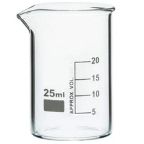 Borosilicate Glass Beaker
 Plastic Beaker (Euro Design)
 Plastic Beaker (Printed Graduation)
 Test Tube Brush
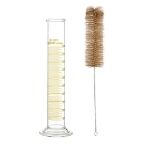 Measuring Cylinder Brush
 Conical Flask Brush
 Volumetric Flask Brush
 Round Bottom Flask Brush
 Glass Beaker Brush
 Pipette Brush
 Wash Bottle Brush
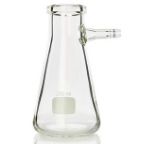 Borosilicate Büchner Flask
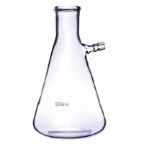 Borosilicate Erlenmeyer/Conical Flask
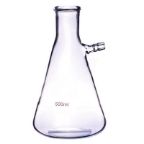 Borosilicate Pear-Shaped Flask
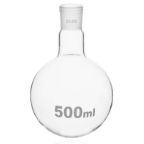 Borosilicate Round Bottom Flask
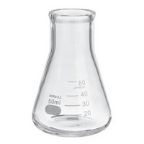 Plastic Conical Flask
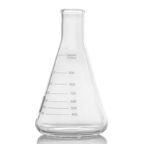 Plastic Volumetric Flask
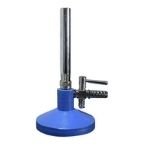 Bunsen Burner
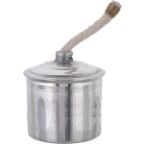 Spirit Lamp
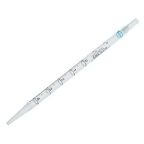 Borosilicate Glass Burette
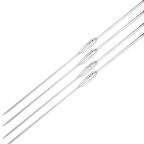 Plastic Burette
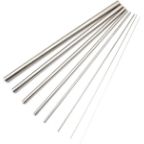 Capillary Tube
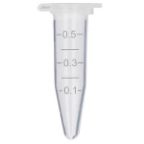 Centrifuge Tube
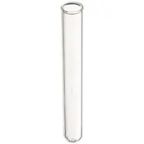 Test Tube
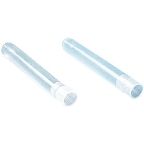 Ria Vial
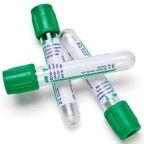 Vacutainer Tubes
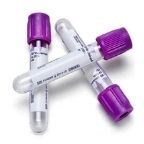 Syringes
 Student Microscope
 Binocular Microscope
 Dissecting Microscope
 Microscope Glass Slides
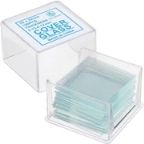 Cover Slip
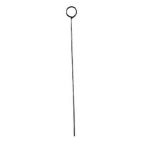 Inoculating Loop
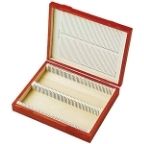 Slide Box
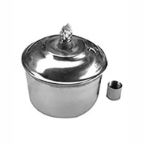 Lamps
Lamps
 Oils
Oils
 Beaker Tongs
 Crucible Tongs
 Flask Tongs
 Borosilicate Glass Funnel
 Plastic Funnels
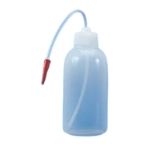 Wash Bottle
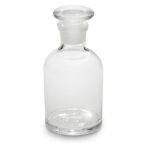 Borosilicate Glass Reagent Bottle
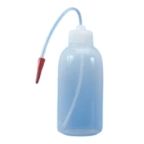 Plastic Reagent Bottle
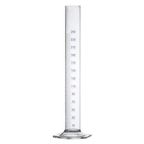 Borosilicate Measuring Cylinder
 Plastic Measuring Cylinder
 Borosilicate Glass Graduated Pipette
 Borosilicate Glass Volumetric Pipette
 HB Pipette
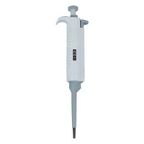 Pasteur Pipette
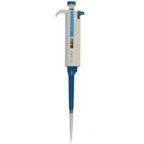 Micropipettes
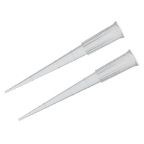 Micropipette Tips
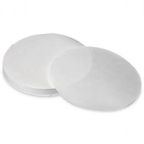 Filter Paper
 Litmus Paper
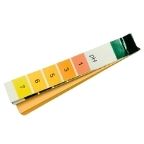 pH Paper
 Chromatography Paper
 Plastic Petri Plates (Sterile)
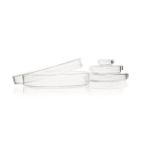 Glass Petri Plates (Non-Sterile)
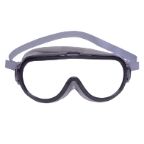 Safety Goggles
 Lab Coats
 Gloves
 Masks
Masks
 Shoe Covers
 Hair & Beard Covers
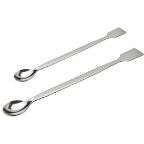 Steel Spatula
 Plastic Spatula
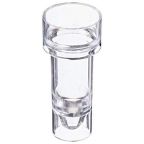 Hitachi Sample Cup
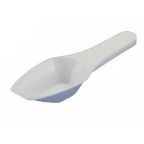 Plastic Scoop
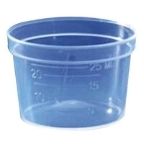 Plastic Medicine Cup
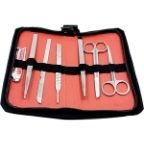 Dissecting Tool Kit
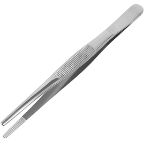 Dissecting Forceps
 Hemostatic Forceps
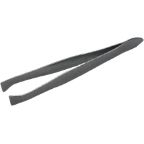 Thumb Forceps / Tweezers
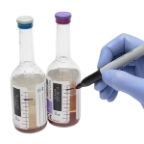 Blood Culture Bottle
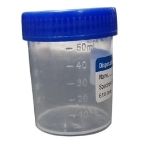 Urine Container
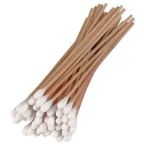 Wooden Swab Stick
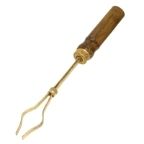 Test Tube Holder
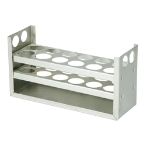 Test Tube Racks
 Magnifying Glass
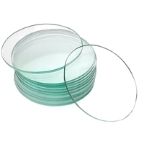 Watch Glass
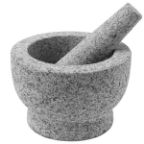 Mortar and Pestle
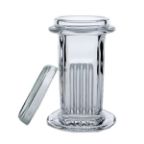 Coplin Jar
 Plastic Stirrer
 Glass Stirrer
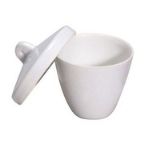 Crucible
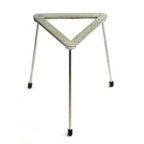 Tripod
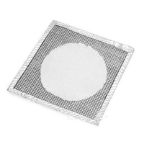 Wire Mesh
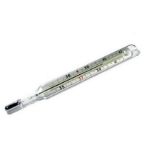 Laboratory Thermometer
 Tourniquet
 Alcohol Swab
 Blood Lancet
 Bandage
 Gloves & Masks









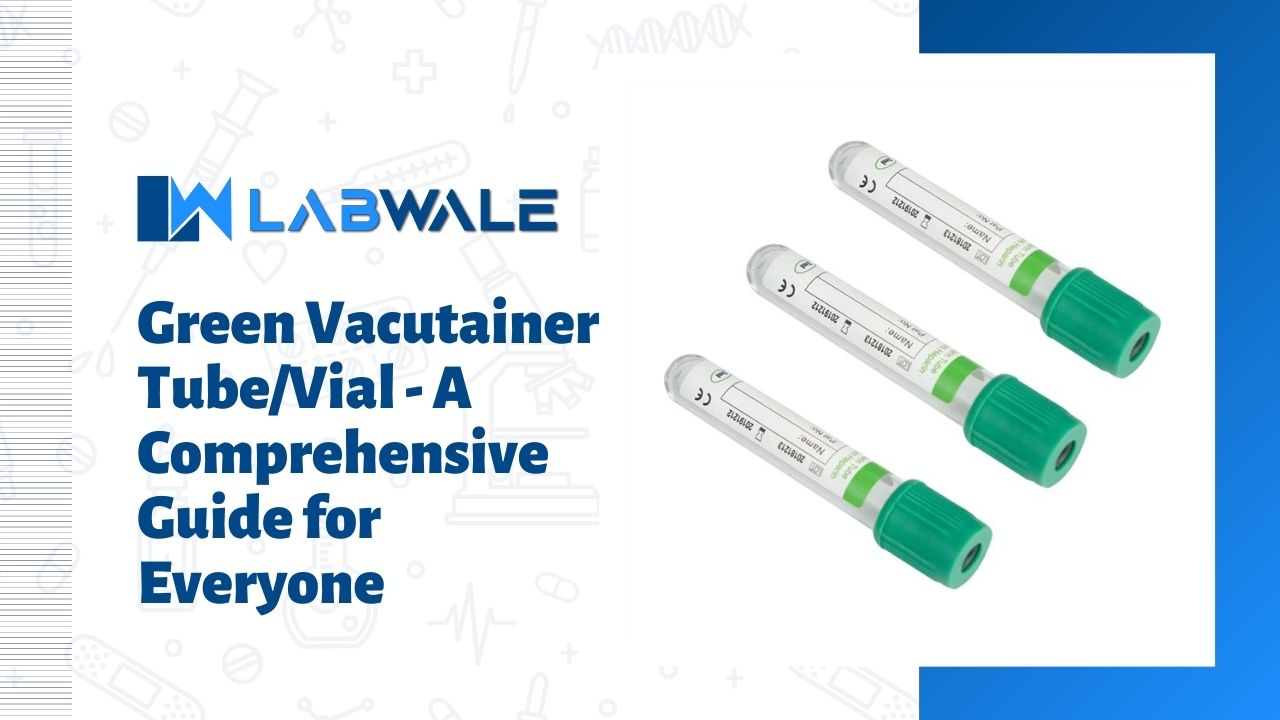
Green Vacutainer Tube/Vial – A Comprehensive Guide for Everyone

Contents
- Introduction to Green Vacutainer Tubes and Vials
- What Is a Green Vacutainer Tube Used For?
- Understanding the Color Coding System in Blood Collection Tubes
- Composition and Materials Used in Green Vacutainer Tubes
- Types of Anticoagulants Present in Green Vacutainer Tubes
- How Heparin Works in Green Vacutainer Tubes
- Differences Between Green and Light Green (PST) Vacutainer Tubes
- Common Laboratory Tests Performed Using Green Vacutainer Tubes
- Clinical Applications of Green Vacutainer Tubes in Diagnostics
- Advantages of Using Green Vacutainer Tubes in Blood Testing
- Proper Blood Collection Procedure for Green Vacutainer Tubes
- Limitations and Precautions While Using Green Vacutainer Tubes
- Sample Handling and Storage Guidelines for Green Vacutainer Tubes
- Role of Green Vacutainer Tubes in Emergency and Critical Care
- Green Vacutainer Tubes vs Other Blood Collection Tubes
- Shelf Life and Storage Conditions of Green Vacutainer Tubes
- Quality Standards and Certifications for Green Vacutainer Tubes
- Safety Guidelines for Handling and Disposal of Green Vacutainer Tubes
- Common Errors to Avoid When Using Green Vacutainer Tubes
- Choosing the Right Green Vacutainer Tube for Accurate Results
- Importance of Green Vacutainer Tubes in Modern Laboratory Practices
- Frequently Asked Questions About Green Vacutainer Tubes
Introduction to Green Vacutainer Tubes and Vials
When it comes to blood collection, precision and efficiency are key. Enter the Green Vacutainer Tube—a crucial tool in laboratories around the world. Whether you’re a medical professional or someone curious about how blood testing works, understanding this specific tube can enhance your knowledge of diagnostic processes.
These green vials play an essential role in ensuring accurate test results, making them indispensable for various clinical applications. With their unique properties and functionality, they deserve a closer look. Let’s dive into what makes Green Vacutainer Tubes so significant in modern medicine and explore everything from their components to common laboratory tests performed with them. Get ready to uncover the fascinating world behind these vital tools!
What Is a Green Vacutainer Tube Used For?
Green Vacutainer tubes play a crucial role in clinical settings. They are primarily designed for collecting blood samples that require plasma separation.
These tubes contain heparin, an anticoagulant that prevents blood from clotting during collection and processing. This makes them ideal for tests needing whole blood or plasma.
Common applications include chemistry panels, electrolyte studies, and certain types of toxicology screenings. The quick turnaround time for results is vital in many medical scenarios.
Healthcare professionals appreciate the versatility of green tubes. Their ability to provide reliable samples enhances diagnostic accuracy. By using these specialized vials, labs can optimize their workflows while ensuring patient safety remains a top priority.
Understanding the Color Coding System in Blood Collection Tubes
Color coding in blood collection tubes is essential for ensuring accurate test results. Each color signifies a specific additive or anticoagulant within the tube, guiding healthcare professionals in selecting the right container for various tests.
For example, green tubes typically contain heparin, which prevents blood from clotting. This feature is crucial when conducting certain biochemical analyses that require serum samples without interference.
Other colors serve different purposes. Red-top tubes lack additives and are ideal for serology tests where serum is needed. Blue-topped tubes often contain citrate for coagulation studies.
Understanding this system minimizes errors during sample processing. It streamlines workflows in busy laboratories and enhances patient safety by reducing the risk of mislabeling or using incorrect containers. Color codes help ensure that each specimen collected serves its intended purpose effectively.
Composition and Materials Used in Green Vacutainer Tubes
Green Vacutainer tubes are crafted from high-quality materials designed for optimal performance in blood collection. The primary component is a transparent or translucent plastic, allowing visibility of the sample inside.
The design ensures minimal interference with the testing process. They often contain additives that prevent clotting, facilitating accurate results. Most commonly, these tubes feature heparin as an anticoagulant.
Heparin works effectively by inhibiting thrombin formation, which prevents clotting and maintains plasma integrity. This characteristic makes green vacutainers essential for various diagnostic tests requiring liquid samples.
Additionally, the tube’s closure system is engineered to create a secure seal while being easy to open when needed. This ensures both safety and convenience during use in laboratory settings.
The careful selection of materials and composition allows these tubes to meet stringent quality standards necessary for reliable medical testing.
Types of Anticoagulants Present in Green Vacutainer Tubes
Green Vacutainer tubes are primarily known for containing heparin, a powerful anticoagulant. Heparin works by inhibiting thrombin and factor Xa, preventing the formation of blood clots during sample collection. This action allows for accurate testing of various parameters in the collected serum or plasma.
There are two main types of heparin used: lithium heparin and sodium heparin. Lithium heparin is often preferred for certain tests due to its minimal impact on cellular metabolism. Sodium heparin may be selected for other specific applications based on laboratory protocols.
These anticoagulants ensure that the blood remains fluid during processing, making them ideal for many clinical assays. The choice between these two forms can depend on the nature of the tests being conducted and individual lab requirements.
How Heparin Works in Green Vacutainer Tubes
Heparin is a powerful anticoagulant commonly used in green vacutainer tubes. Its primary function is to prevent blood clotting during sample collection and processing.
When blood enters the tube, heparin interacts with antithrombin III, a protein that inhibits thrombin and other clotting factors. This interaction effectively halts the coagulation cascade.
The presence of heparin ensures that samples remain in liquid form for accurate testing. It’s particularly useful when rapid results are required or when specific tests necessitate plasma instead of serum.
Green vacutainers containing heparin are ideal for various laboratory analyses, including chemistry panels and electrolyte studies. Their ability to maintain sample integrity makes them invaluable in clinical settings where precision is essential.
Understanding how heparin functions helps healthcare professionals choose appropriate collection methods tailored to each diagnostic requirement.
Differences Between Green and Light Green (PST) Vacutainer Tubes
Green and light green Vacutainer tubes serve different purposes in blood collection. The key distinction lies in the type of anticoagulant they contain.
The standard green tube is typically treated with heparin, which prevents clotting by inhibiting thrombin and factor Xa activity. This makes it ideal for certain tests where plasma is required.
On the other hand, the light green or plasma separator tube (PST) combines lithium heparin with a gel separator. This design allows for quick separation of plasma from cells after centrifugation, streamlining the testing process.
Because of these differences, their applications vary significantly in clinical settings. Understanding when to use each type can enhance test accuracy and efficiency in laboratories.
Common Laboratory Tests Performed Using Green Vacutainer Tubes
Green Vacutainer tubes play a pivotal role in various laboratory tests. They are primarily used for collecting blood samples that require plasma separation.
One common test is the measurement of electrolytes, which includes sodium, potassium, and chloride levels. These results help assess kidney function and metabolic balance.
Another important application is in renal and liver function panels. Healthcare providers often depend on these tests to evaluate organ health.
Green tubes are also utilized for therapeutic drug monitoring. This ensures that patients receive optimal dosages of medications like lithium or certain antibiotics without toxicity risks.
Coagulation studies can be performed on samples from green vacutainers as well. The heparin present effectively prevents clotting, making the analysis smoother and more accurate.
These tubes facilitate timely diagnostics essential in patient care across diverse medical scenarios while ensuring reliability through each testing procedure.
Clinical Applications of Green Vacutainer Tubes in Diagnostics
Green Vacutainer tubes play a critical role in diagnostics by providing reliable sample collections for various laboratory tests. Their primary use is to collect whole blood or plasma, which can then be analyzed for a range of conditions.
Clinicians often rely on these tubes when testing for electrolytes, hormone levels, and drug monitoring. The heparin anticoagulant present in green vacutainers prevents clotting, ensuring that the samples remain viable for accurate results.
In emergency settings, these tubes are invaluable. Rapid access to vital information can guide treatment decisions effectively. Additionally, they assist in routine checks like renal function panels and liver enzyme studies.
The versatility of green vacutainers enhances their appeal across clinical laboratories. This adaptability supports high-throughput environments where time-sensitive results are essential for patient care.
Advantages of Using Green Vacutainer Tubes in Blood Testing
Green Vacutainer tubes offer distinct advantages for blood testing, making them a popular choice in laboratories. Their primary appeal lies in their use of heparin as an anticoagulant. This allows for rapid and efficient processing of blood samples without the formation of clots.
Another significant benefit is the versatility they provide. These tubes are suitable for various tests, including chemistry panels and electrolyte studies, facilitating comprehensive diagnostics from a single draw.
The clear labeling and color coding enhance workflow efficiency in busy lab environments. Medical professionals can quickly identify the appropriate tube type needed for specific tests.
Additionally, green tubes minimize interference with certain assays compared to other anticoagulants. This quality ensures more accurate results crucial for patient care decisions.
Their compatibility with automated analyzers streamlines laboratory procedures further, saving time while ensuring reliability in test outcomes.
Proper Blood Collection Procedure for Green Vacutainer Tubes
Collecting blood using green Vacutainer tubes requires precision and care. Begin by gathering all necessary materials, including the tube, a tourniquet, alcohol swabs, gauze pads, and gloves.
Ensure the patient is comfortable and seated securely. Apply the tourniquet about 3 to 4 inches above the intended puncture site to engorge the veins. Cleanse the area with an alcohol swab in a circular motion, allowing it to air dry completely.
Once ready, insert the needle at a slight angle into the vein while holding it steady. Gently push on until you feel resistance; this indicates entry into the vein. Attach your green Vacutainer tube immediately for optimal blood flow without losing vacuum pressure.
After filling has occurred, swiftly remove both needle and tube while applying gentle pressure with gauze over the puncture site. Dispose of all used materials safely according to biohazard protocols.
Limitations and Precautions While Using Green Vacutainer Tubes
While Green Vacutainer tubes are essential in blood collection, there are certain limitations to consider. One significant drawback is their compatibility with specific tests. Not all assays can be performed using heparinized plasma; some require serum or different anticoagulants.
Additionally, improper handling can lead to contamination or hemolysis. It’s crucial to follow proper techniques during collection and mixing procedures.
Another point of caution involves the storage conditions for these tubes. Exposure to extreme temperatures may compromise their integrity and performance, affecting test results.
Patients on anticoagulation therapy should also be monitored closely when using green tubes due to potential interactions with medications. Ensuring that healthcare professionals are aware of these precautions will enhance testing accuracy and patient safety.
Sample Handling and Storage Guidelines for Green Vacutainer Tubes
Proper handling and storage of Green Vacutainer tubes is crucial for maintaining sample integrity. After collection, the tubes should be gently inverted several times to ensure adequate mixing with anticoagulants.
Store the tubes upright in a cool, dry place away from direct sunlight. Extreme temperatures can compromise the samples, so avoid areas that experience significant fluctuations in temperature.
Samples should ideally be processed as soon as possible to prevent degradation. If immediate processing isn’t feasible, refrigeration may help preserve the quality for a short period.
Always label each tube clearly with patient details and collection time. This practice reduces errors during testing and enhances traceability throughout laboratory procedures.
Be mindful when transferring samples; use gloves and follow safety protocols to minimize contamination risks. Proper precautions contribute significantly to reliable test results in clinical diagnostics.
Role of Green Vacutainer Tubes in Emergency and Critical Care
Green Vacutainer tubes play a vital role in emergency and critical care settings. Their quick blood collection capabilities are crucial when time is of the essence. Healthcare professionals rely on these tubes to obtain fast results for urgent tests.
In emergencies, accurate electrolyte levels can be life-saving. Green tubes, containing heparin as an anticoagulant, facilitate immediate analysis without clotting interference. This helps clinicians make swift decisions based on real-time data.
Moreover, their compatibility with various analyzers streamlines workflow in high-pressure environments like trauma units or intensive care units. The rapid turnaround of lab results enhances patient management significantly.
During critical procedures, such as surgeries or resuscitations, having reliable blood samples from green Vacutainers ensures that medical teams have all necessary information at their fingertips. Efficient handling of specimens contributes directly to improved patient outcomes in these high-stakes situations.
Green Vacutainer Tubes vs Other Blood Collection Tubes
Green Vacutainer tubes stand out in the blood collection landscape due to their unique properties. They primarily contain heparin as an anticoagulant, making them ideal for tests requiring plasma without clotting interference.
In contrast, red-top tubes rely on no additives and are suited for serum testing. Blue-top tubes utilize sodium citrate and are commonly used for coagulation studies. Each tube serves specific purposes dictated by the desired laboratory outcome.
The choice between these options can significantly affect test results. For example, using a green tube when a serum sample is required could lead to erroneous conclusions from the presence of heparin.
Understanding these differences ensures accurate diagnostics and effective patient care. The right selection improves workflow while minimizing errors in lab environments where precision is crucial.
Shelf Life and Storage Conditions of Green Vacutainer Tubes
Green Vacutainer tubes are essential for accurate blood testing, but their effectiveness is influenced by shelf life and storage conditions. Typically, these tubes have a shelf life of about 12 to 18 months when stored properly.
To maintain their integrity, it’s crucial to keep them in a cool, dry place away from direct sunlight. Extreme temperatures can compromise the anticoagulant properties within the tube.
Additionally, avoid freezing or overheating the vials as this may lead to material degradation. Proper organization also plays a role; storing them upright helps prevent contamination.
Always check expiration dates before use. Using expired tubes can yield unreliable results and affect patient care negatively. When handled correctly, green Vacutainer tubes serve as reliable tools in various laboratory settings.
Quality Standards and Certifications for Green Vacutainer Tubes
Quality standards for Green Vacutainer tubes are essential to ensure accurate and reliable test results. These tubes must meet stringent guidelines set by organizations like the International Organization for Standardization (ISO) and the Clinical and Laboratory Standards Institute (CLSI).
Certifications often include compliance with Good Manufacturing Practices (GMP), which ensures that products are consistently produced and controlled according to quality standards. This minimizes risks in production that may compromise safety.
Manufacturers of these tubes undergo rigorous testing processes. Each batch is evaluated for performance characteristics such as volume accuracy, sterility, and integrity.
Additionally, certifications from regulatory bodies like the FDA provide assurance that these vacutainers adhere to safety protocols. Laboratories rely on this certification when selecting blood collection equipment, understanding it plays a crucial role in patient diagnostics.
Safety Guidelines for Handling and Disposal of Green Vacutainer Tubes
Handling green Vacutainer tubes requires strict adherence to safety guidelines. Always wear appropriate personal protective equipment (PPE), such as gloves and lab coats, to protect against potential exposure.
When collecting blood samples, ensure that the tubes are not damaged or expired. Inspect them carefully before use. Properly label each tube immediately after collection to avoid mix-ups.
Disposal of used vacutainer tubes is equally important. Place them in designated sharps containers right after use. Never attempt to recap needles or handle used tubes with bare hands.
Follow your facility’s protocols for hazardous waste disposal if the contents pose a risk of infection or contamination. Regular training on these procedures can help maintain a safe laboratory environment for all staff members involved in handling blood samples.
Staying informed about updated regulations enhances compliance and promotes best practices in healthcare settings.
Common Errors to Avoid When Using Green Vacutainer Tubes
Using green Vacutainer tubes can streamline blood collection, but errors can occur if not careful. One common mistake is not mixing the tube properly after filling it. Heparin needs to be evenly distributed throughout the sample for accurate results.
Another frequent error involves using expired tubes. Always check the expiration date before use, as compromised materials may affect test outcomes.
Improper labeling is also a significant issue. Ensure that each tube is clearly marked with patient information and test details immediately after collection to avoid mix-ups later on.
Additionally, it’s crucial to select the right type of green tube based on the intended tests. For instance, using a regular heparin tube instead of a plasma separation tube could lead to inaccurate analysis.
Always ensure that samples are collected in accordance with standard procedures to minimize contamination or hemolysis during venipuncture.
Choosing the Right Green Vacutainer Tube for Accurate Results
Selecting the correct green Vacutainer tub
Choosing the right Green Vacutainer tube is crucial for obtaining accurate and reliable results in laboratory tests. With various options available, it’s essential to consider the specific requirements of each test and how different anticoagulants can influence outcomes.
When selecting a green tube, always check the type of heparin it contains—either lithium or sodium—as this can affect certain assays. Additionally, take into account factors like sample volume needed for testing and whether any specialized handling procedures must be followed.
It’s also wise to understand your lab’s protocols. Different laboratories may have preferences based on their equipment or testing methods. Familiarizing yourself with these details ensures that you select not only the correct tube but also enhance the reliability of your results.
Don’t forget about expiration dates and proper storage conditions when choosing your tubes. Using fresh, properly stored vacutainers will lead to more precise measurements and better patient outcomes. Making informed decisions helps ensure that every blood collection contributes positively to diagnostics in clinical settings.
e is crucial for ensuring accurate laboratory results. Different tests require specific anticoagulants, and understanding these requirements can make a significant difference in outcomes.
When choosing a green Vacutainer, examine the type of heparin present—either lithium or sodium. Each has distinct applications depending on the test being performed.
Also, consider the volume needed; tubes come in various sizes to accommodate different sample amounts. Using an appropriately sized tube prevents dilution errors and enhances result reliability.
Do not overlook expiration dates and storage conditions as well. Properly maintained tubes yield more consistent analyses.
Consult lab guidelines to match your selection with intended assays for optimum performance during blood collection processes.
Importance of Green Vacutainer Tubes in Modern Laboratory Practices
Green Vacutainer tubes play a crucial role in today’s laboratory practices. Their unique design and functionality contribute to efficient blood collection processes, making them indispensable.
These tubes are specifically engineered for tests requiring plasma separation. The heparin anticoagulant they contain prevents clotting, ensuring accurate results in various diagnostic applications.
The reliability of green tubes fosters trust among medical professionals. They simplify the workflow by reducing processing time and enhancing test accuracy.
Moreover, as laboratories focus on precision medicine, the significance of using appropriate collection methods cannot be overstated. Green Vacutainers support this shift towards tailored healthcare solutions.
Their versatility extends beyond routine testing; they’re also vital in emergency situations where rapid results can alter patient care decisions significantly. As technology evolves, so does the importance of these tubes in delivering timely and effective diagnostics across diverse clinical settings.
Frequently Asked Questions About Green Vacutainer Tubes
When it comes to understanding Green Vacutainer Tubes, several common questions arise. Here are some frequently asked questions that can help clarify any lingering doubts.
What is the primary use of a green vacutainer tube?
Green vacutainer tubes are primarily used for collecting blood samples that require plasma testing and are often employed in various biochemical tests due to their anticoagulant properties.
Are all green vacutainer tubes the same?
No, there are different types of green vacutainers based on the specific anticoagulants used. It’s essential to choose the right one depending on the test requirements.
How long can I store a sample in a green vacutainer tube?
Samples collected in green vacutainers should ideally be processed within 24 hours of collection for accurate results. Storage conditions may vary depending on specific laboratory protocols.
What precautions should I take when using these tubes?
Always handle them with care, avoid hemolysis, and ensure proper mixing after drawing blood by gentle inversion. Follow your facility’s guidelines for disposal as well.
Can I use green vacutainer tubes for all types of tests?
While they serve many purposes effectively, not every test requires or benefits from using a green tube. Always check with relevant lab guidelines before proceeding with blood collection.
 Cardiology
 Clinical Oncology