
-
-
 Cardiology
-
 Clinical Oncology
-
 Dental
-
 Dermatology
-
 Ear, Nose, Throat (ENT)
-
 Endocrinology
-
 Gastroenterology
-
 General Surgery
-
 Gynecology & Obstetrics
-
 Interventional Cardiology
-
 Nephrology
-
 Neurology
-
 Oncology Surgery
-
 Ophthalmology
-
 Orthopedics
-
 Pediatrics
-
 Pediatrics Surgery
-
 Physiotherapy
-
 Plastic Surgery
-
 Psychiatry & Psychology
-
 Radiology
-
 Urology
-
 Vascular Surgery
-

 Anatomy Lab Equipments
 Biochemistry Lab Equipments
 Biology Lab Equipments
 Chemistry Lab Equipments
 Cytology Lab Equipments
 Cytopathology Lab Equipments
 Dental Lab Equipments
 Forensic Lab Equipments
 Genetics Lab Equipments
 Hematology Lab Equipments
 Histology Lab Equipments
 Histopathology Lab Equipments
 Mathematics Lab Equipments
 Microbiology Lab Equipments
 Molecular Biology Lab Equipments
 Pathology Lab Equipments
 Pharmaceutical Lab Equipments
 Physics Lab Equipments
 Radiology Lab Equipments
 Science Lab Kit’s
 Toxicology Lab Equipments

 Borosilicate Glass Beaker
 Plastic Beaker (Euro Design)
 Plastic Beaker (Printed Graduation)
 Test Tube Brush
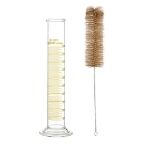 Measuring Cylinder Brush
 Conical Flask Brush
 Volumetric Flask Brush
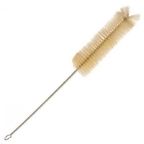 Round Bottom Flask Brush
 Glass Beaker Brush
 Pipette Brush
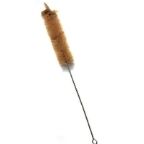 Wash Bottle Brush
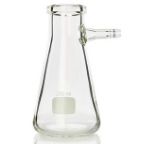 Borosilicate Büchner Flask
 Borosilicate Erlenmeyer/Conical Flask
 Borosilicate Pear-Shaped Flask
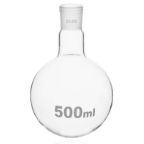 Borosilicate Round Bottom Flask
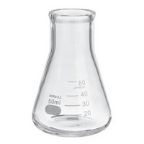 Plastic Conical Flask
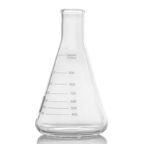 Plastic Volumetric Flask
 Bunsen Burner
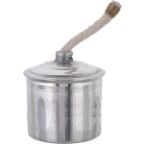 Spirit Lamp
 Borosilicate Glass Burette
 Plastic Burette
 Capillary Tube
 Centrifuge Tube
 Test Tube
 Ria Vial
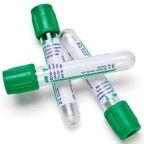 Vacutainer Tubes
 Syringes
 Student Microscope
 Binocular Microscope
 Dissecting Microscope
 Microscope Glass Slides
 Cover Slip
 Inoculating Loop
 Slide Box
 Lamps
Lamps
 Oils
Oils
 Beaker Tongs
 Crucible Tongs
 Flask Tongs
 Borosilicate Glass Funnel
 Plastic Funnels
 Wash Bottle
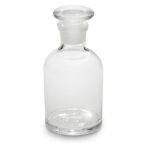 Borosilicate Glass Reagent Bottle
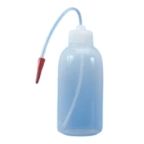 Plastic Reagent Bottle
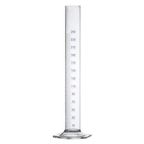 Borosilicate Measuring Cylinder
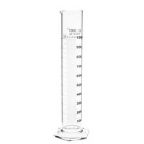 Plastic Measuring Cylinder
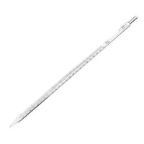 Borosilicate Glass Graduated Pipette
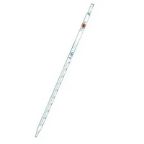 Borosilicate Glass Volumetric Pipette
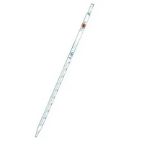 HB Pipette
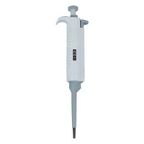 Pasteur Pipette
 Micropipettes
 Micropipette Tips
 Filter Paper
 Litmus Paper
 pH Paper
 Chromatography Paper
 Plastic Petri Plates (Sterile)
 Glass Petri Plates (Non-Sterile)
 Safety Goggles
 Lab Coats
 Gloves
 Masks
Masks
 Shoe Covers
 Hair & Beard Covers
 Steel Spatula
 Plastic Spatula
 Hitachi Sample Cup
 Plastic Scoop
 Plastic Medicine Cup
 Dissecting Tool Kit
 Dissecting Forceps
 Hemostatic Forceps
 Thumb Forceps / Tweezers
 Blood Culture Bottle
 Urine Container
 Wooden Swab Stick
 Test Tube Holder
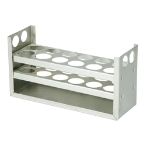 Test Tube Racks
 Magnifying Glass
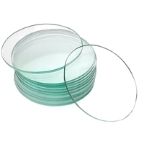 Watch Glass
 Mortar and Pestle
 Coplin Jar
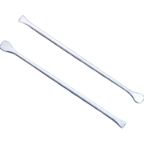 Plastic Stirrer
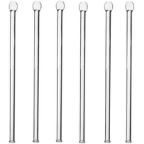 Glass Stirrer
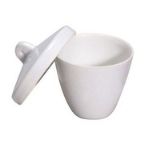 Crucible
 Tripod
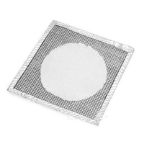 Wire Mesh
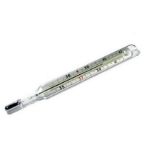 Laboratory Thermometer
 Tourniquet
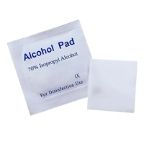 Alcohol Swab
 Blood Lancet
 Bandage
 Gloves & Masks









Gray Vacutainer Tube/Vial – A Comprehensive Guide for Everyone


Contents
- Introduction to Gray Vacutainer Tubes and Vials
- What Is a Gray Vacutainer Tube?
- Why Gray Vacutainer Tubes Are Important in Diagnostics
- Color Coding System in Blood Collection Tubes
- Additives Used in Gray Vacutainer Tubes Explained
- Role of Sodium Fluoride and Potassium Oxalate
- How Gray Vacutainer Tubes Preserve Blood Samples
- Common Medical Tests Performed Using Gray Tubes
- Use of Gray Vacutainer Tubes in Glucose Testing
- Applications in Lactic Acid and Alcohol Analysis
- How Gray Vacutainer Tubes Work in Sample Stability
- Proper Blood Collection Procedure Using Gray Tubes
- Recommended Sample Volume for Gray Vacutainer Tubes
- Storage and Handling Guidelines for Gray Vacutainer Vials
- Shelf Life and Expiry Considerations
- Difference Between Gray Vacutainer Tubes and Other Tube Colors
- Advantages of Using Gray Vacutainer Tubes
- Limitations and Precautions While Using Gray Tubes
- Quality Standards and Regulatory Compliance
- Common Mistakes to Avoid During Sample Collection
- Choosing the Right Gray Vacutainer Tube for Your Laboratory
- Safety and Disposal Guidelines for Gray Vacutainer Tubes
- Frequently Asked Questions About Gray Vacutainer Tubes
Introduction to Gray Vacutainer Tubes and Vials
When it comes to medical diagnostics, the tools we use can make all the difference. One such tool that often flies under the radar is the gray Vacutainer tube. While they may look unassuming, these vials play a crucial role in various laboratory tests and procedures. Whether you’re a healthcare professional or simply curious about blood collection methods, understanding gray Vacutainer tubes can enhance your knowledge of diagnostics.
These specialized tubes are designed to preserve samples for accurate testing—an essential component in patient care and treatment decisions. Let’s dive into what makes these gray vials so important and explore their unique features, applications, and best practices for use in clinical settings. Prepare to uncover everything you need to know about gray Vacutainer tubes!
What Is a Gray Vacutainer Tube?
A gray Vacutainer tube is a specialized blood collection vessel designed for specific laboratory analyses. The distinctive gray color of the cap signifies its unique properties and intended use.
This type of tube contains additives that play a crucial role in preserving samples, especially when it comes to glucose testing. It prevents glycolysis, ensuring accurate results.
Gray tubes are primarily used in metabolic panels and tests related to glucose metabolism. Their design allows healthcare professionals to collect and store specimens effectively while minimizing contamination risks.
Understanding the function of gray Vacutainer tubes helps laboratories maintain high standards in diagnostic accuracy. Proper usage can significantly impact patient care by providing reliable data for medical evaluations.
Why Gray Vacutainer Tubes Are Important in Diagnostics
Gray Vacutainer tubes play a pivotal role in modern diagnostics. Their unique formulation is designed for specific tests, making them essential for accurate results.
One of their primary uses is in glucose testing. These tubes prevent glycolysis, ensuring that blood sugar levels remain stable until analysis. This characteristic is crucial for diagnosing diabetes and monitoring patients effectively.
Moreover, gray tubes are not limited to glucose testing alone. They are also employed in lactic acid measurements and alcohol level evaluations. Each application requires precise conditions that gray tubes provide through their specialized additives.
The reliability of results derived from these vials cannot be underestimated. Medical professionals depend on the integrity of samples collected with gray Vacutainers to make informed decisions about patient care. Their importance extends beyond simple collection; they contribute significantly to diagnostic accuracy.
Color Coding System in Blood Collection Tubes
Blood collection tubes come in a variety of colors, each indicating specific additives and functions. This color coding system is crucial for laboratory accuracy and efficiency.
The different colors help healthcare professionals quickly identify the type of tube they need for various tests. For instance, red tops often indicate serum collection, while lavender tops are reserved for hematology tests.
Gray vacutainer tubes stand out with their unique purpose. They contain sodium fluoride and potassium oxalate to preserve glucose levels during transport.
By understanding this color-coded system, lab technicians can ensure that samples are processed correctly. This leads to more reliable test results and better patient outcomes.
The simplicity of this system enhances workflow in busy clinical settings where every second counts. It’s a small detail that plays a significant role in the overall diagnostic process.
Additives Used in Gray Vacutainer Tubes Explained
Gray Vacutainer tubes are distinct not just for their color, but also for the specialized additives they contain. These additives play a crucial role in stabilizing blood samples.
The primary additive found in gray tubes is sodium fluoride. This compound acts as an inhibitor of glycolysis, preventing glucose breakdown during sample processing. By doing so, it ensures accurate glucose measurements without interference from metabolic processes.
Another key additive is potassium oxalate. This anticoagulant works by binding calcium ions in the blood, effectively preventing clotting. The combination of these two substances allows for reliable testing results, especially when evaluating blood sugar levels or conducting lactic acid analyses.
Together, these additives make gray Vacutainers essential tools in various diagnostic applications. Their specific formulation supports both accuracy and reliability in laboratory settings.
Role of Sodium Fluoride and Potassium Oxalate
Sodium fluoride and potassium oxalate play pivotal roles in the gray Vacutainer tubes. Both additives are essential for preserving blood samples, particularly when testing for glucose levels.
Sodium fluoride acts as a glycolysis inhibitor. It prevents glucose from being metabolized by cells, ensuring accurate test results. This characteristic is crucial for diagnosing diabetes and managing blood sugar levels effectively.
Potassium oxalate serves as an anticoagulant. It prevents clotting by binding calcium ions in the blood. This action keeps the sample fluid, allowing for precise analysis without interference from clots.
Together, these two compounds ensure that patient samples remain stable during transport and storage. Their combined effects contribute to reliable laboratory results, making them indispensable in various diagnostic tests involving metabolism or chemistry panels.
How Gray Vacutainer Tubes Preserve Blood Samples
Gray Vacutainer tubes play a crucial role in preserving blood samples for accurate testing. The unique design and additives ensure that sample integrity is maintained from collection to analysis.
These tubes typically contain sodium fluoride and potassium oxalate, which work together to inhibit glycolysis. This process prevents the breakdown of glucose in the blood, allowing for precise measurements during tests.
By stabilizing metabolic activity, gray tubes extend the usability window of samples significantly. Blood can remain viable for extended periods without compromising results.
Proper sealing and construction minimize exposure to air, further protecting against contamination. These features make gray vacutainers indispensable in laboratory settings where accuracy is paramount.
When used correctly, these tubes provide reliable samples essential for diagnosing various medical conditions. Their specialized functions cater specifically to tests involving glucose levels and other critical analytes.
Common Medical Tests Performed Using Gray Tubes
Gray vacutainer tubes play a crucial role in various medical tests, particularly those requiring precise measurements of glucose levels. They are essential for diagnosing conditions like diabetes and monitoring glycemic control.
Another significant application is in the analysis of lactic acid levels. This test helps evaluate oxygen deprivation during intense physical activity or critical illness.
Moreover, gray tubes are used for alcohol testing. Accurate results from these samples are vital in legal and medical contexts.
These versatile vials can also assist with certain drug screenings, providing reliable data that informs treatment decisions.
Their unique additives ensure that blood samples remain stable while transporting them to laboratories for analysis. By utilizing gray vacutainers, healthcare professionals can achieve accurate diagnostic outcomes efficiently.
Use of Gray Vacutainer Tubes in Glucose Testing
Gray Vacutainer tubes play a crucial role in glucose testing, ensuring accurate and reliable results. These tubes contain specific additives that help preserve blood samples for this purpose.
The sodium fluoride present in gray tubes acts as an effective glycolytic inhibitor. This means it prevents the breakdown of glucose by red blood cells after the sample is drawn, which is vital for obtaining precise measurements.
When using these tubes, healthcare professionals can confidently assess a patient’s glucose levels without worrying about post-collection fluctuations. This stability is essential for diagnosing conditions like diabetes or hypoglycemia.
Moreover, proper handling techniques with gray vacutainers ensure that the integrity of the sample remains intact until analysis begins. Accuracy in glucose testing not only aids individual health management but also contributes to broader public health strategies by monitoring trends effectively.
Applications in Lactic Acid and Alcohol Analysis
Gray Vacutainer tubes play a crucial role in the analysis of lactic acid and alcohol levels in blood samples. Their unique composition helps preserve these metabolites effectively, ensuring accurate test results.
When it comes to lactic acid testing, timely analysis is vital. Lactic acid levels can signal various medical conditions, including sepsis or tissue hypoxia. The additives within gray tubes prevent glycolysis, stabilizing the sample for precise measurement.
Alcohol analysis also benefits significantly from these specialized vials. Ethanol concentrations need careful handling to avoid degradation or alteration during transport. Gray tubes help maintain sample integrity until they reach the laboratory.
Laboratories often rely on consistent quality control when measuring these substances. Utilizing gray vacutainers ensures that clinicians receive reliable data for diagnosis and treatment planning. Their significance cannot be overstated in critical care scenarios where rapid decisions are necessary based on metabolic changes.
How Gray Vacutainer Tubes Work in Sample Stability
Gray Vacutainer tubes play a crucial role in maintaining sample stability during transport and storage. Their specialized design minimizes the risk of contamination, ensuring accurate test results.
The unique additives present in gray tubes, such as sodium fluoride and potassium oxalate, inhibit glycolysis. This is particularly important for glucose testing since it prevents the breakdown of glucose by cellular metabolism.
When blood samples are collected in these tubes, they can remain stable for an extended period without significant changes to their composition.
This reliability helps laboratories produce consistent results even days after collection. The precise formulation within gray vacutainers allows healthcare professionals to trust that their findings reflect the patient’s true status at the time of collection.
Whether analyzing metabolic panels or assessing alcohol levels, these tubes ensure integrity throughout the entire testing process.
Proper Blood Collection Procedure Using Gray Tubes
To ensure accurate results, the proper blood collection procedure using gray vacutainer tubes is crucial. Start by gathering all necessary materials, including gloves, a tourniquet, and antibacterial wipes.
After washing your hands thoroughly, don disposable gloves. Apply the tourniquet to the patient’s upper arm about 3-4 inches above the intended puncture site. This helps engorge veins for easier access.
Cleanse the puncture site with an antiseptic wipe in circular motions. Allow it to dry completely before proceeding. Using a sterile needle, insert it into the vein at a suitable angle—typically between 15 to 30 degrees.
Once blood flows into the gray tube, remove it gently from the holder without creating suction back into the vial. After collecting enough sample volume as specified for testing requirements, promptly place a cap on the tube and invert it several times to mix properly with additives.
Dispose of used needles immediately in a sharps container following safety protocols.
Recommended Sample Volume for Gray Vacutainer Tubes
When using gray Vacutainer tubes, the recommended sample volume is critical for accurate testing. Typically, these tubes require a minimum fill of 2 mL to ensure proper additive distribution and prevent dilution.
For glucose testing or lactic acid analysis, adhering to this volume helps maintain sample integrity. Insufficient volume can lead to erroneous results, potentially affecting patient diagnosis and treatment plans.
It’s also essential not to exceed the maximum fill line indicated on the tube. Overfilling may cause hemolysis or compromise the additives’ effectiveness.
Lab technicians should always double-check their volumes during collection. Consistency in specimen handling promotes reliable outcomes across various tests performed with gray tubes.
Storage and Handling Guidelines for Gray Vacutainer Vials
Proper storage and handling of gray Vacutainer vials is essential for maintaining sample integrity. These tubes should be stored upright in a cool, dry place away from direct sunlight. Temperature fluctuations can compromise the additives and affect test results.
When transporting these vials, avoid excessive shaking or agitation to prevent hemolysis. Always use a padded container for protection during transit.
Before collecting samples, ensure that the vial’s seal is intact. Check expiration dates regularly; expired tubes may not perform as expected.
Handle with care after collection. Use gloves to minimize contamination risks when transferring blood samples into the laboratory system. Proper labeling ensures accurate tracking throughout testing phases.
Following these guidelines helps maintain quality control standards and enhances diagnostic accuracy across medical practices.
Shelf Life and Expiry Considerations
The shelf life of gray vacutainer tubes is a critical factor in ensuring accurate test results. Typically, these tubes have an expiration date printed on the label. It’s essential to check this date before use.
Expired tubes can compromise the quality of blood samples. They may not function as intended, leading to inaccurate measurements or even false results in tests like glucose levels or lactic acid concentrations.
Proper storage conditions also play a role in preserving their integrity. Gray vacutainers should be kept at room temperature and away from direct sunlight. This helps maintain their additives’ effectiveness over time.
Laboratories must keep track of stock rotation, using older vials first while monitoring expiry dates closely. Regular inventory checks ensure that only reliable materials are used for testing purposes, safeguarding patient health and diagnosis accuracy.
Difference Between Gray Vacutainer Tubes and Other Tube Colors
Gray Vacutainer tubes serve a unique purpose in blood collection. They are specifically designed for tests requiring glucose and other substances that might degrade quickly without special handling.
In contrast, red-topped tubes lack additives, making them ideal for serum tests. These allow blood to clot naturally before centrifugation.
Yellow-top tubes often contain preservative solutions used for microbiological studies or DNA testing. Their formulation focuses on preserving cellular integrity rather than preventing glycolysis like gray tubes do.
Lavender tubes have EDTA as an anticoagulant, suitable for hematology tests by maintaining cell morphology.
Each color-coded tube is tailored to specific requirements, optimizing accuracy in laboratory results while ensuring the stability of samples during transportation and processing. This clear differentiation allows healthcare professionals to select the correct container based on diagnostic needs effectively.
Advantages of Using Gray Vacutainer Tubes
Gray Vacutainer tubes offer several advantages that make them essential in laboratory settings. Their unique formulation helps preserve glucose levels during blood collection, ensuring accurate test results.
One of the standout benefits is their ability to inhibit glycolysis. By doing so, these tubes prevent the breakdown of glucose by cellular metabolism, which is crucial for reliable diabetes assessments and metabolic studies.
The addition of sodium fluoride acts as a potent preservative. This component stabilizes samples for extended periods without compromising quality.
These tubes are versatile and can be used across various tests beyond glucose monitoring. For instance, they are effective in lactic acid testing and alcohol analysis.
Moreover, gray tubes facilitate streamlined workflow processes in laboratories due to their specific color coding. This minimizes chances of mix-ups with other tube types, enhancing efficiency while maintaining accuracy in patient diagnostics.
Limitations and Precautions While Using Gray Tubes
Gray Vacutainer tubes, while highly beneficial, come with specific limitations that users should be aware of. One key issue is the potential for interference in certain chemical tests. The additives present can sometimes alter results if mishandled.
Proper handling is essential to avoid contamination. Ensure that blood samples are not exposed to extreme temperatures or direct sunlight during transport and storage. Such conditions could compromise sample integrity.
Additionally, it’s crucial to use the correct volume of blood when filling gray tubes. Underfilling or overfilling may lead to inaccurate test outcomes.
Be cautious about expiration dates as well; using expired tubes can significantly impact diagnostic accuracy. Careful attention to these factors will ensure optimal performance from your gray Vacutainer tubes in clinical settings.
Quality Standards and Regulatory Compliance
Quality standards and regulatory compliance are crucial for the use of Gray Vacutainer tubes in clinical settings. Strict adherence to guidelines ensures that these tubes maintain their integrity throughout the testing process.
Organizations like the Clinical Laboratory Improvement Amendments (CLIA) set forth regulations that laboratories must follow to ensure test accuracy and patient safety. Compliance with these standards is essential not only for legal reasons but also for building trust with patients.
Manufacturers of Gray Vacutainer tubes often undergo rigorous quality assessments, including ISO certifications. These evaluations verify that each tube meets predefined specifications for both material and functionality.
Regular audits help facilities maintain high-quality operations while minimizing risks associated with sample handling. As a result, labs can perform accurate diagnoses, ultimately leading to better patient outcomes without compromising on safety or reliability.
Common Mistakes to Avoid During Sample Collection
Proper sample collection is crucial for accurate test results. One common mistake is not mixing the tube adequately after blood draw. Inadequate mixing can lead to inaccurate measurements, especially with additives.
Another error involves not adhering to recommended collection times. Timing affects certain tests, particularly glucose and lactic acid levels, leading to skewed data if overlooked.
Using the wrong volume of blood in a gray vacutainer can also compromise results. Always refer to manufacturer guidelines for optimal fill levels.
Neglecting patient preparation prior to testing can result in variability in samples. Ensure that patients follow fasting instructions or any other pre-test protocols carefully for reliable outcomes.
Choosing the Right Gray Vacutainer Tube for Your Laboratory
Selecting the appropriate gray vacutainer tube for your laboratory is crucial. Different tests require specific additives and volumes, so understanding your needs is key.
Consider the type of analysis you will conduct. For glucose testing, ensure that sodium fluoride and potassium oxalate are present in the tube to preserve sample integrity.
Take note of sample volume requirements as well. Some assays may need more than others, impacting your choice of vacutainer size.
Evaluate storage conditions too. Choose tubes that can withstand temperature fluctuations if necessary.
Always check for regulatory compliance with any standards relevant to your location or field. This ensures that you’re using reliable products that meet industry expectations.
By focusing on these factors, you’ll make an informed decision that enhances lab efficiency and accuracy when collecting blood samples.
Safety and Disposal Guidelines for Gray Vacutainer Tubes
When working with gray Vacutainer tubes, safety should always be a priority. These tubes may contain blood samples that could pose health risks if mishandled. Always wear appropriate personal protective equipment (PPE), including gloves and lab coats, to minimize exposure.
Proper disposal of used vacutainers is essential. They should never go into regular waste bins. Instead, place them in designated biohazard containers specifically designed for sharps and hazardous materials.
Ensure that the containers are puncture-resistant and labeled clearly to avoid any confusion during disposal processes. Regularly check these containers to ensure they are not overfilled.
Follow your facility’s protocols for waste management as well, which often comply with local regulations regarding medical waste handling. By adhering to these guidelines, you contribute significantly to maintaining a safe laboratory environment while protecting yourself and others from potential harm.
Frequently Asked Questions About Gray Vacutainer Tubes
What is a gray vacutainer tube used for?
Gray vacutainer tubes are primarily used for glucose testing, as they contain sodium fluoride and potassium oxalate. This combination helps to preserve the stability of glucose levels in blood samples during transport and storage.
How long can samples collected in gray vacutainer tubes be stored?
Samples should ideally be processed within 24 hours if kept at room temperature. However, refrigeration may extend sample viability, though it’s always best to refer to specific lab guidelines.
Can I use gray vacutainer tubes for other tests apart from glucose?
Yes, these tubes can also be employed for lactic acid and alcohol analyses due to their ability to inhibit glycolysis effectively.
Are there any specific handling instructions for gray vacutainers?
Absolutely! It’s vital not to shake the tube vigorously after collection as this can lead to hemolysis. Gentle inversion is recommended instead.
Where can I purchase gray vacutainer tubes?
You can find them at medical supply stores or online platforms specializing in laboratory equipment. Ensure that you select a reputable supplier to guarantee product quality.


 Cardiology
 Clinical Oncology