
-
-
 Cardiology
-
 Clinical Oncology
-
 Dental
-
 Dermatology
-
 Ear, Nose, Throat (ENT)
-
 Endocrinology
-
 Gastroenterology
-
 General Surgery
-
 Gynecology & Obstetrics
-
 Interventional Cardiology
-
 Nephrology
-
 Neurology
-
 Oncology Surgery
-
 Ophthalmology
-
 Orthopedics
-
 Pediatrics
-
 Pediatrics Surgery
-
 Physiotherapy
-
 Plastic Surgery
-
 Psychiatry & Psychology
-
 Radiology
-
 Urology
-
 Vascular Surgery
-

 Anatomy Lab Equipments
 Biochemistry Lab Equipments
 Biology Lab Equipments
 Chemistry Lab Equipments
 Cytology Lab Equipments
 Cytopathology Lab Equipments
 Dental Lab Equipments
 Forensic Lab Equipments
 Genetics Lab Equipments
 Hematology Lab Equipments
 Histology Lab Equipments
 Histopathology Lab Equipments
 Mathematics Lab Equipments
 Microbiology Lab Equipments
 Molecular Biology Lab Equipments
 Pathology Lab Equipments
 Pharmaceutical Lab Equipments
 Physics Lab Equipments
 Radiology Lab Equipments
 Science Lab Kit’s
 Toxicology Lab Equipments

 Borosilicate Glass Beaker
 Plastic Beaker (Euro Design)
 Plastic Beaker (Printed Graduation)
 Test Tube Brush
 Measuring Cylinder Brush
 Conical Flask Brush
 Volumetric Flask Brush
 Round Bottom Flask Brush
 Glass Beaker Brush
 Pipette Brush
 Wash Bottle Brush
 Borosilicate Büchner Flask
 Borosilicate Erlenmeyer/Conical Flask
 Borosilicate Pear-Shaped Flask
 Borosilicate Round Bottom Flask
 Plastic Conical Flask
 Plastic Volumetric Flask
 Bunsen Burner
 Spirit Lamp
 Borosilicate Glass Burette
 Plastic Burette
 Capillary Tube
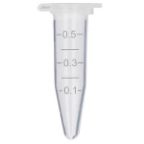 Centrifuge Tube
 Test Tube
 Ria Vial
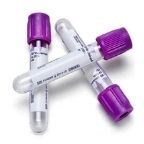
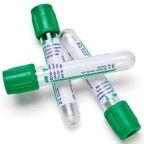 Vacutainer Tubes
 Syringes
 Student Microscope
 Binocular Microscope
 Dissecting Microscope
 Microscope Glass Slides
 Cover Slip
 Inoculating Loop
 Slide Box
 Lamps
Lamps
 Oils
Oils
 Beaker Tongs
 Crucible Tongs
 Flask Tongs
 Borosilicate Glass Funnel
 Plastic Funnels
 Wash Bottle
 Borosilicate Glass Reagent Bottle
 Plastic Reagent Bottle
 Borosilicate Measuring Cylinder
 Plastic Measuring Cylinder
 Borosilicate Glass Graduated Pipette
 Borosilicate Glass Volumetric Pipette
 HB Pipette
 Pasteur Pipette
 Micropipettes
 Micropipette Tips
 Filter Paper
 Litmus Paper
 pH Paper
 Chromatography Paper
 Plastic Petri Plates (Sterile)
 Glass Petri Plates (Non-Sterile)
 Safety Goggles
 Lab Coats
 Gloves
 Masks
Masks
 Shoe Covers
 Hair & Beard Covers
 Steel Spatula
 Plastic Spatula
 Hitachi Sample Cup
 Plastic Scoop
 Plastic Medicine Cup
 Dissecting Tool Kit
 Dissecting Forceps
 Hemostatic Forceps
 Thumb Forceps / Tweezers
 Blood Culture Bottle
 Urine Container
 Wooden Swab Stick
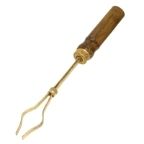 Test Tube Holder
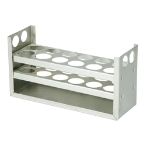 Test Tube Racks
 Magnifying Glass
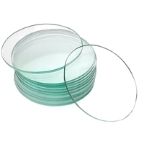 Watch Glass
 Mortar and Pestle
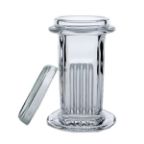 Coplin Jar
 Plastic Stirrer
 Glass Stirrer
 Crucible
 Tripod
 Wire Mesh
 Laboratory Thermometer
 Tourniquet
 Alcohol Swab
 Blood Lancet
 Bandage
 Gloves & Masks









White Vacutainer Tube/Vial – A Comprehensive Guide for Everyone


Introduction to White Vacutainer Tube/Vial
When it comes to laboratory diagnostics, precision and reliability are paramount. Among the many tools that help ensure accurate results, the white Vacutainer tube stands out as an essential component in blood collection and testing. But what exactly makes this simple vial so important? Whether you’re a healthcare professional, lab technician, or just someone curious about medical processes, understanding the role of white Vacutainer tubes can provide valuable insight into how we gather critical health information. From their unique design features to their applications in various settings, let’s delve into everything you need to know about these versatile vials that play a crucial part in modern medicine.
What Is a White Vacutainer Tube?
A white Vacutainer tube is a specialized container designed for medical and laboratory use. Its primary function revolves around the collection, transportation, and storage of blood samples.
These tubes are typically used in testing scenarios where specific additives or conditions are required. Their unique color coding distinguishes them from other types of vacutainers.
White tubes often contain particular substances that help preserve the integrity of biological specimens. This feature makes them essential for accurate diagnostic results.
Designed with precision, they ensure minimal interference during testing processes. The materials used also help maintain sterility and prevent contamination.
Healthcare professionals rely on these tubes to gather critical data without compromising sample quality. It’s an integral part of routine lab work, facilitating various tests with efficiency and reliability.
Understanding the Purpose of White Vacutainer Tubes
White Vacutainer tubes serve a critical role in the medical field. Their primary purpose lies in blood collection and sample preservation. These tubes ensure that specimens remain uncontaminated and viable for testing.
Designed specifically to collect serums, white vacutainers contain additives that enhance their functionality. This allows for accurate results across various laboratory tests.
Another key aspect is their compatibility with automated analyzers. This streamlines workflows, making processes more efficient in clinical and research settings.
The design of these tubes aids in minimizing hemolysis, which can compromise sample integrity. By carefully selecting materials and features, manufacturers optimize performance while adhering to stringent safety standards.
In essence, white Vacutainer tubes are indispensable tools that bridge the gap between patient care and diagnostic accuracy.
Key Components of a White Vacutainer Tube/Vial
White Vacutainer tubes are designed with several key components that ensure optimal performance during blood collection and analysis.
The main body of the tube is typically made from clear plastic or glass, allowing for easy visibility of the sample. This transparency helps technicians monitor fill levels and detect any abnormalities in the specimen.
A critical feature is the rubber stopper at one end. It creates a secure seal to maintain sterility and prevent contamination. The color-coded cap indicates specific additives within the tube, providing an immediate visual cue about its intended use.
Additionally, many white Vacutainers are equipped with a vacuum system. This design allows for precise blood draw volumes by creating negative pressure inside the tube.
Some models incorporate labeling areas for easy identification while ensuring proper tracking throughout testing processes. Together, these elements work seamlessly to enhance efficiency and accuracy in laboratory settings.
Material Composition and Design Features
White Vacutainer tubes are crafted from high-quality materials, ensuring durability and reliability. Typically made of polyethylene or polystyrene, these tubes offer excellent clarity for easy sample visibility.
The design often includes a vacuum seal, which facilitates efficient blood draw while minimizing contamination risks. Many white tubes feature a tapered bottom that aids in complete sample retrieval.
Additionally, the closure is designed to create a secure fit. This prevents leakage during transport and storage. Some designs incorporate color-coded caps for quick identification based on functionality, enhancing usability in busy laboratory settings.
Moreover, certain models may include ergonomic features like ribbed surfaces for an improved grip during handling. This thoughtful design enhances user experience while maintaining safety and efficiency throughout the testing process.
Why White Vacutainer Tubes Are Used in Modern Laboratories
White Vacutainer tubes are integral to modern laboratory practices. Their design caters specifically to the needs of various blood collection protocols, enhancing overall efficiency.
These tubes provide a reliable means for specimen preservation. The unique properties of their materials support sample integrity during transport and analysis.
Moreover, white vacutainers feature specific additives tailored for different tests. This versatility allows laboratories to streamline workflows while accommodating diverse testing requirements.
Their compatibility with automated systems enhances lab productivity significantly. Laboratories benefit from reduced handling times and increased throughput as a result.
Additionally, these tubes comply with rigorous safety standards, ensuring minimal contamination risk. This further solidifies their role in producing accurate diagnostic results across numerous medical applications.
As labs continue evolving technologically, white vacutainer tubes remain pivotal in maintaining high-quality standards in specimen collection and processing.
Additives Used in White Vacutainer Tubes Explained
White Vacutainer tubes are often utilized for specific tests that require additives to enhance sample stability and integrity. These additives can significantly influence test outcomes, making them essential for accurate diagnostics.
One common additive found in white Vacutainer tubes is the gel separator. This substance creates a barrier between serum or plasma and blood cells after centrifugation, ensuring clear separation of components.
Another important additive is EDTA (Ethylenediaminetetraacetic acid), which acts as an anticoagulant. It prevents blood from clotting, preserving cellular elements for hematological analysis.
Additionally, some white Vacutainers may contain preservatives that stabilize certain analytes during transport and storage. This is crucial when samples cannot be processed immediately post-collection.
Understanding these additives helps laboratories select the right tube based on testing requirements and ensures reliable results across various diagnostic applications.
Role of White Vacutainer Tubes in Blood Collection
White Vacutainer tubes play a vital role in the blood collection process. Their design ensures that samples are preserved effectively for accurate testing.
Unlike other tubes, white Vacutainers contain specific additives that prevent degradation of plasma proteins and cellular components. This preservation is crucial for tests requiring high-quality serum or plasma.
The opaque nature of these tubes also protects sensitive specimens from light exposure, which can alter test results.
Their compatibility with various laboratory equipment streamlines the workflow during processing.
Moreover, healthcare professionals appreciate their ease of use during venipuncture. The clear labeling simplifies sample identification and minimizes errors in patient records.
These factors collectively enhance reliability in diagnostic outcomes, making them indispensable tools in modern medicine.
Common Medical and Diagnostic Applications
White Vacutainer tubes play a vital role in various medical and diagnostic applications. Their primary use is for blood collection, ensuring samples are preserved correctly for accurate testing.
These tubes are particularly important in serology tests. They help detect antibodies or antigens that can indicate infections or immune responses. Additionally, they support biochemical assays by providing serum specimens needed to analyze metabolic functions.
In clinical laboratories, white vacutainers are often utilized for genetic testing and molecular diagnostics. The preservation of DNA integrity is crucial in these instances, enabling reliable results.
Moreover, their compatibility with automated lab equipment makes them ideal for high-throughput environments. This efficiency accelerates the overall laboratory workflow while maintaining accuracy.
The versatility of white vacutainer tubes extends to research settings as well. Scientists rely on these containers to conduct studies that require precise sample handling and stability during transport.
Difference Between White Vacutainer Tubes and Other Color-Coded Tubes
White Vacutainer tubes stand out among the various color-coded options used in laboratories. Each color serves a specific purpose, determined by the additives present within the tube.
While white tubes often contain separation gel and may be intended for serum collection, red or yellow tubes usually lack additives or contain different preservatives. This distinction directly affects their use in diagnostics.
Green and purple vacutainers are typically geared towards plasma studies. Their differing anticoagulants make them unsuitable for applications best served by white vacutainers.
Understanding these differences is crucial for lab technicians who aim to ensure accurate test results while streamlining workflows. The choice of tube not only impacts sample integrity but also influences subsequent analyses conducted on those samples.
How White Vacutainer Tubes Support Accurate Test Results
White Vacutainer tubes are integral to ensuring that test results are both accurate and reliable. Their design minimizes the potential for contamination, which is critical in any laboratory setting.
These tubes often contain specific additives tailored to enhance sample preservation. This helps maintain the integrity of the sample until testing begins. By using them, laboratories can trust that their findings reflect true patient conditions.
Moreover, white tubes offer a clear visual distinction among other color-coded options. This differentiation reduces the likelihood of mix-ups during blood collection or processing.
The materials used in manufacturing these tubes also contribute to minimizing interference with test assays. As a result, healthcare professionals can depend on precise outcomes essential for informed medical decisions.
In an era where accuracy is paramount, white Vacutainer tubes stand out as a dependable choice for achieving trustworthy test results across various diagnostic applications.
Advantages of Using White Vacutainer Tubes
White Vacutainer tubes offer several benefits that make them a popular choice in laboratories. Their unique design helps maintain sample integrity, ensuring reliable results.
One major advantage is their ability to minimize light exposure. This is crucial for tests sensitive to photodegradation, such as bilirubin analysis. By protecting samples from light, these tubes help preserve the accuracy of test outcomes.
Additionally, white tubes often come with color-coded caps for easy identification. This feature streamlines workflow and reduces the chances of errors during sample collection and processing.
Another benefit lies in their compatibility with various laboratory equipment. This versatility allows seamless integration into different testing protocols without compromising quality or safety standards.
They are designed with patient comfort in mind. The smooth edges ensure a safer experience during blood collection procedures, enhancing overall satisfaction for both healthcare providers and patients alike.
Related Products

50 Chemicals Combo for Youtubers
Original price was: ₹29,060.00.₹22,999.00Current price is: ₹22,999.00. (inc. GST) / Unit
SKU:
LW-WEB-147


Purple / Lavender Blood Collection Tubes – EDTA / 4 ml – Non-Vacuum (Pack of 100 Tubes)
₹234.00 (inc. GST) / Unit
SKU:
LW-WEB-3547
Purple / Lavender Blood Collection Tubes – EDTA / 4 ml – Vacuum (Pack of 100 Tubes)
₹369.00 (inc. GST) / Unit
SKU:
LW-WEB-3549
Limitations and Precautions While Using White Vacutainer Tubes
While white vacutainer tubes are essential tools in laboratories, they come with certain limitations. One primary concern is their compatibility with specific tests. Not all assays can yield accurate results when using these tubes due to the additives present.
Care must be taken during handling. Any damage or exposure to extreme temperatures could compromise the integrity of the sample contained within.
Additionally, technicians should be aware of proper labeling and storage practices. Mislabeling can lead to mix-ups that affect patient care.
It’s crucial to follow manufacturer guidelines meticulously. Deviating from recommended protocols may result in unreliable test outcomes.
While sterile by design, there remains a risk of contamination if not used promptly after opening. Ensuring sterility throughout the testing process is vital for maintaining quality standards in diagnostics and research settings.
Storage and Handling Guidelines for White Vacutainer Tubes
Proper storage and handling of white Vacutainer tubes are crucial to maintaining their integrity. These tubes should be kept in a controlled environment, away from direct sunlight and extreme temperatures. A temperature range between 20°C to 25°C is ideal.
When it comes to handling, always wash hands thoroughly before touching the tubes. Use gloves to prevent contamination. Avoid any sharp objects that could puncture or damage the tube during transport.
Store the tubes upright in a designated area, preferably with dividers to prevent them from rolling around or colliding with one another. This helps avoid breakage and ensures that they remain sterile until use.
Ensure tight sealing on all caps after each use. This prevents leakage and maintains sample quality for accurate testing results down the line.
Regularly check expiration dates as outdated tubes can compromise test outcomes significantly—always prioritize freshness over convenience when selecting your materials for blood collection procedures.
Compatibility With Laboratory Equipment
White Vacutainer tubes are designed to be compatible with a wide range of laboratory equipment. Their standardized dimensions ensure that they fit seamlessly into automated analyzers, centrifuges, and other essential devices.
This compatibility is crucial for streamlining workflows in busy labs. Technicians can easily load these tubes into machines without worrying about adjustments or modifications. This efficiency saves time and minimizes the risk of errors during testing.
Furthermore, the design allows for optimal sealing when used with caps. This feature ensures sample integrity throughout processing and storage stages.
Laboratory professionals appreciate this aspect as it supports reliable results across various tests. The ability to work harmoniously with existing equipment enhances overall lab productivity while maintaining high standards in diagnostics.
Importance of Sterility and Safety Standards
Sterility and safety standards are paramount in laboratory settings. They ensure that samples remain uncontaminated, preserving their integrity for accurate results.
White Vacutainer tubes must adhere to strict sterilization protocols. This is crucial during blood collection processes where even the slightest contamination can compromise test outcomes.
Safety standards also play a vital role in protecting both healthcare professionals and patients. Properly manufactured vacutainers minimize risks associated with sharps injuries or exposure to infectious materials.
Laboratories rely on these guidelines not just for compliance but as a fundamental component of quality control. Regular audits and inspections help maintain these high standards, fostering trust within medical communities.
By prioritizing sterility and safety, laboratories enhance the reliability of diagnostic procedures while safeguarding public health. The commitment to maintaining these essential practices reflects a dedication to excellence in patient care.
Quality Control and Manufacturing Standards
Quality control is crucial in the production of white Vacutainer tubes. Each batch undergoes rigorous testing to ensure consistency and reliability. This meticulous approach safeguards against defects that could compromise sample integrity.
Manufacturing standards are set by various regulatory bodies, ensuring compliance with health and safety regulations. These standards dictate everything from material selection to the final assembly process.
Additionally, manufacturers often implement ISO certifications as a benchmark for quality assurance. Such certifications enhance credibility and trust among users.
Regular audits further reinforce these quality measures, identifying any potential areas for improvement within the manufacturing workflow. It’s about maintaining high performance at every stage.
These practices contribute significantly to the overall effectiveness of white Vacutainer tubes in clinical settings and research laboratories alike. They foster an environment where accuracy in diagnostics can thrive.
How to Choose the Right White Vacutainer Tube
Choosing the right white Vacutainer tube is essential for accurate testing. Start by identifying the specific test required. Different tests may need different additives or tube sizes.
Consider the volume of blood needed for your analysis. Some procedures require more than others, so select a tube that can accommodate this requirement without risk of overfilling.
Next, look at compatibility with laboratory equipment. Ensure that your choice aligns with any analytical devices used in processing samples.
Pay attention to expiration dates as well. Using tubes within their shelf life guarantees optimal performance and reliability.
Consider sourcing from reputable manufacturers. Quality assurance is vital in medical settings to maintain high safety and accuracy standards during testing processes.
White Vacutainer Tubes in Clinical and Research Settings
White Vacutainer tubes play a crucial role in both clinical and research environments. Their design caters specifically to the needs of laboratory professionals, ensuring reliable sample collection and processing.
In clinical settings, these tu
White Vacutainer tubes play a vital role in both clinical and research environments. Their design facilitates the collection of high-quality blood samples, ensuring that healthcare professionals can perform accurate tests with confidence.
In clinical settings, these tubes are frequently used for various diagnostic procedures, including serological testing and molecular assays. They help streamline workflows by providing reliable sample preservation and minimizing contamination risks.
Research laboratories also depend on white Vacutainer tubes for experiments that require precise quantification of analytes or cell isolation techniques. The consistent performance of these tubes supports reproducibility in scientific studies.
The adaptability of white Vacutainer tubes makes them suitable for diverse applications, enhancing their importance across multiple fields within healthcare and science. As technology advances, so does the design and functionality of these critical tools, reflecting ongoing improvements in laboratory practices aimed at delivering safe and effective patient care.
bes are often used for serum separation. The white color indicates unique properties that enhance their function. This makes them ideal for tests requiring precise results.
Research laboratories also benefit from their versatility. Scientists rely on white Vacutainers for various assays, including molecular studies where contamination must be minimized.
These tubes offer compatibility with automated systems commonly found in labs today. This streamlines workflows and reduces human error during sample handling.
Quality control is another significant aspect when employing these tubes in clinical trials or experiments. Ensuring consistent performance leads to more accurate data interpretation across different studies.
Regulatory Compliance and Certifications
Regulatory compliance and certifications play a crucial role in the use of white Vacutainer tubes. Laboratories must adhere to strict guidelines set by regulatory bodies such as the FDA, ISO, and CLSI.
These standards ensure that every tube meets quality requirements for safety, effectiveness, and reliability. Compliance helps maintain consistent performance across various applications in medical testing.
Manufacturers are often required to undergo rigorous testing processes before their products can be certified. This ensures that every batch of white Vacutainer tubes is free from defects and suitable for clinical use.
Additionally, certifications provide transparency about manufacturing practices. They assure healthcare professionals that they are using reliable tools during blood collection procedures.
Regular audits may also occur to verify ongoing adherence to these regulations. Such measures bolster trustworthiness among users and promote better patient outcomes through safe handling practices.
Future Trends in Vacutainer Tube Technology
The future of Vacutainer tube technology is poised for exciting advancements. As laboratories increasingly adopt automation, manufacturers are innovating tubes that enhance compatibility with automated systems. This will streamline blood collection processes, reducing human error and increasing efficiency.
Smart technology integration is another trend on the horizon. Imagine tubes equipped with sensors to monitor temperature or pressure during transport. Such features could ensure sample integrity from collection to analysis.
Sustainability is also gaining traction in this field. Researchers are exploring biodegradable materials for tube production, aiming to minimize environmental impact while maintaining quality standards.
Personalized medicine may influence design too. Tubes tailored for specific tests could emerge, improving accuracy and patient outcomes across various medical applications.
Regulatory pressures are pushing innovations toward enhanced safety measures within vacutainer design—ensuring sterility and user protection remain paramount as technologies evolve.
Frequently Asked Questions About White Vacutainer Tube/Vial
When it comes to white Vacutainer tubes, there are a few common questions that people often have. Understanding these can enhance your knowledge and confidence in using them.
What is a White Vacutainer Tube used for?
White vacutainer tubes are mainly used for molecular diagnostics, including PCR testing, where high-quality plasma is required for accurate and reliable results.
What additive is present in a White Vacutainer Tube?
These tubes contain potassium EDTA along with a gel separator, which helps preserve nucleic acids and separates plasma efficiently after centrifugation.
Is the White Vacutainer Tube suitable for routine blood tests?
No, white vacutainer tubes are not designed for routine tests and are specifically intended for specialized molecular and genetic testing purposes.
How should White Vacutainer Tubes be stored before use?
They should be stored in a cool, dry place away from direct sunlight, maintaining recommended temperature conditions to ensure additive stability and tube integrity.
Can White Vacutainer Tubes be reused?
White vacutainer tubes are strictly single-use medical devices and should never be reused to avoid contamination, inaccurate results, and potential health risks.
 Cardiology
 Clinical Oncology