
-
-
 Cardiology
-
 Clinical Oncology
-
 Dental
-
 Dermatology
-
 Ear, Nose, Throat (ENT)
-
 Endocrinology
-
 Gastroenterology
-
 General Surgery
-
 Gynecology & Obstetrics
-
 Interventional Cardiology
-
 Nephrology
-
 Neurology
-
 Oncology Surgery
-
 Ophthalmology
-
 Orthopedics
-
 Pediatrics
-
 Pediatrics Surgery
-
 Physiotherapy
-
 Plastic Surgery
-
 Psychiatry & Psychology
-
 Radiology
-
 Urology
-
 Vascular Surgery
-

 Anatomy Lab Equipments
 Biochemistry Lab Equipments
 Biology Lab Equipments
 Chemistry Lab Equipments
 Cytology Lab Equipments
 Cytopathology Lab Equipments
 Dental Lab Equipments
 Forensic Lab Equipments
 Genetics Lab Equipments
 Hematology Lab Equipments
 Histology Lab Equipments
 Histopathology Lab Equipments
 Mathematics Lab Equipments
 Microbiology Lab Equipments
 Molecular Biology Lab Equipments
 Pathology Lab Equipments
 Pharmaceutical Lab Equipments
 Physics Lab Equipments
 Radiology Lab Equipments
 Science Lab Kit’s
 Toxicology Lab Equipments

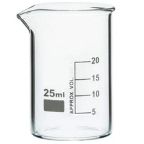 Borosilicate Glass Beaker
 Plastic Beaker (Euro Design)
 Plastic Beaker (Printed Graduation)
 Test Tube Brush
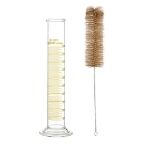 Measuring Cylinder Brush
 Conical Flask Brush
 Volumetric Flask Brush
 Round Bottom Flask Brush
 Glass Beaker Brush
 Pipette Brush
 Wash Bottle Brush
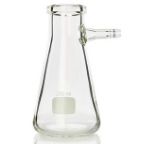 Borosilicate Büchner Flask
 Borosilicate Erlenmeyer/Conical Flask
 Borosilicate Pear-Shaped Flask
 Borosilicate Round Bottom Flask
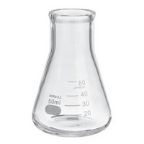 Plastic Conical Flask
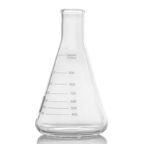 Plastic Volumetric Flask
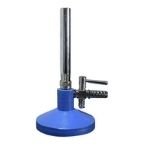 Bunsen Burner
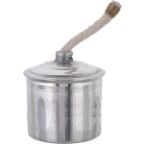 Spirit Lamp
 Borosilicate Glass Burette
 Plastic Burette
 Capillary Tube
 Centrifuge Tube
 Test Tube
 Ria Vial
 Vacutainer Tubes
 Syringes
 Student Microscope
 Binocular Microscope
 Dissecting Microscope
 Microscope Glass Slides
 Cover Slip
 Inoculating Loop
 Slide Box
 Lamps
Lamps
 Oils
Oils
 Beaker Tongs
 Crucible Tongs
 Flask Tongs
 Borosilicate Glass Funnel
 Plastic Funnels
 Wash Bottle
 Borosilicate Glass Reagent Bottle
 Plastic Reagent Bottle
 Borosilicate Measuring Cylinder
 Plastic Measuring Cylinder
 Borosilicate Glass Graduated Pipette
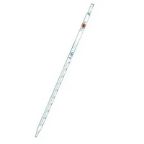 Borosilicate Glass Volumetric Pipette
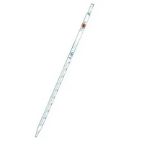 HB Pipette
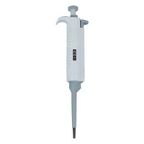 Pasteur Pipette
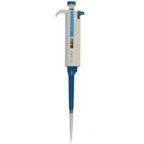 Micropipettes
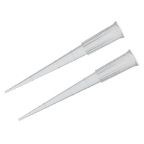 Micropipette Tips
 Filter Paper
 Litmus Paper
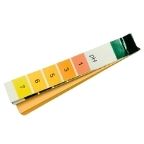 pH Paper
 Chromatography Paper
 Plastic Petri Plates (Sterile)
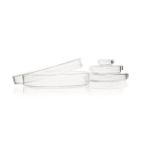 Glass Petri Plates (Non-Sterile)
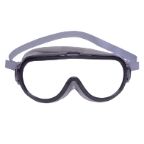 Safety Goggles
 Lab Coats
 Gloves
 Masks
Masks
 Shoe Covers
 Hair & Beard Covers
 Steel Spatula
 Plastic Spatula
 Hitachi Sample Cup
 Plastic Scoop
 Plastic Medicine Cup
 Dissecting Tool Kit
 Dissecting Forceps
 Hemostatic Forceps
 Thumb Forceps / Tweezers
 Blood Culture Bottle
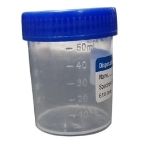 Urine Container
 Wooden Swab Stick
 Test Tube Holder
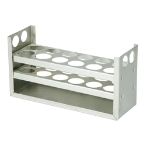 Test Tube Racks
 Magnifying Glass
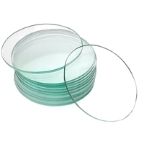 Watch Glass
 Mortar and Pestle
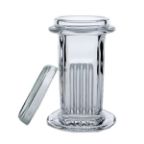 Coplin Jar
 Plastic Stirrer
 Glass Stirrer
 Crucible
 Tripod
 Wire Mesh
 Laboratory Thermometer
 Tourniquet
 Alcohol Swab
 Blood Lancet
 Bandage
 Gloves & Masks









Light Blue Vacutainer Tube/Vial – A Comprehensive Guide for Everyone


When it comes to blood collection, precision and accuracy are paramount. Among the various tools used in laboratories worldwide, the light blue Vacutainer tube stands out for its specific purpose and essential role in coagulation testing. But what exactly is this tube, and why does it matter? Whether you’re a healthcare professional or someone curious about laboratory procedures, understanding these tubes can deepen your knowledge of diagnostic processes. From their unique color coding to the critical additives they contain, each detail plays a vital part in ensuring accurate test results. Join us as we embark on a comprehensive exploration of light blue Vacutainer tubes—your ultimate guide to mastering this crucial component of blood collection!
What Is a Light Blue Vacutainer Tube?
A light blue Vacutainer tube is a specialized container used for collecting blood samples. Its distinct color indicates that it serves a specific function in laboratory testing.
Typically, these tubes are made of plastic or glass and feature an inert interior designed to maintain the integrity of the sample. The design ensures minimal interaction with the blood, making them ideal for precise measurements.
Light blue tubes are primarily utilized for coagulation studies, which assess how well and quickly blood clots. Their unique properties make them indispensable in clinical settings where accurate results are crucial.
In addition to their practical application, these tubes come equipped with clear labeling to avoid confusion during collection and analysis. This attention to detail helps streamline processes within busy laboratories while ensuring patient safety remains a top priority.
Understanding the Purpose of Light Blue Top Blood Collection Tubes
Light blue top blood collection tubes play a vital role in medical diagnostics. They are primarily used for coagulation testing, which evaluates the blood’s ability to clot. This is essential for diagnosing various conditions, such as bleeding disorders.
When a healthcare professional collects a sample using these tubes, they ensure accurate results by adhering to specific protocols. The light blue color indicates that the tube contains sodium citrate, an anticoagulant that prevents blood from clotting during the testing process.
By providing an optimal environment for specimens, these tubes help deliver reliable data to clinicians. This information can be crucial in guiding treatment decisions and monitoring patient health over time.
Using light blue vacutainers correctly is fundamental in clinical settings where precision matters greatly. Their purpose goes beyond simple collection; they support critical insights into a patient’s condition through thorough analysis of coagulation factors.
Color Coding in Blood Collection Tubes Explained
Color coding in blood collection tubes serves a vital purpose. Each color indicates the type of additive contained within the tube. This system simplifies laboratory procedures and reduces errors during sample processing.
For example, light blue tubes are specifically designed for coagulation tests. They contain sodium citrate, which prevents blood from clotting. Other colors represent different additives suited for various tests, such as red for serum or green for heparin.
Understanding this color-coding system is crucial not only for lab technicians but also for healthcare providers who collect samples. It ensures that each test receives precisely what it needs to yield accurate results.
Using the right tube can significantly impact patient care and diagnostic accuracy, making awareness of these colors essential in any medical setting. By adhering to this simple yet effective classification method, laboratories maintain high standards of quality control in diagnostics.
Why Light Blue Tubes Are Critical for Coagulation Testing
Light blue tubes play a pivotal role in coagulation testing. These tests help evaluate how well and quickly blood clots, which is vital for diagnosing various medical conditions.
When blood is drawn into these tubes, the presence of sodium citrate acts as an anticoagulant. This prevents clotting during laboratory analysis, ensuring accurate results.
Clinicians rely on these precise readings to assess bleeding disorders or monitor patients on anticoagulation therapy. Even slight variations can lead to misdiagnoses or inappropriate treatments.
Moreover, the ratio of blood to additive must be maintained meticulously. An incorrect balance could skew test outcomes and affect patient care decisions significantly.
Light blue vacutainer tubes are indispensable tools within healthcare settings. Their specific design facilitates essential evaluations that guide treatment plans effectively.
Additive Used in Light Blue Vacutainer Tubes
Light blue Vacutainer tubes contain a crucial additive known as sodium citrate. This anticoagulant plays an essential role in blood collection for coagulation tests.
Sodium citrate works by binding calcium ions in the blood. Calcium is vital for the clotting process, so removing it helps prevent any unwanted clots from forming during analysis.
The concentration of sodium citrate in these tubes is typically 3.2%. This specific ratio ensures optimal performance and accuracy when conducting various laboratory tests.
Using light blue tubes with this precise additive allows medical professionals to obtain reliable results, which are critical for diagnosing conditions related to coagulation disorders.
When handling these tubes, proper technique must be followed to maintain the integrity of the sample. Any deviation can lead to compromised test outcomes.
How Sodium Citrate Works in Blood Sample Collection
Sodium citrate plays a vital role in blood sample collection, especially in light blue vacutainer tubes. This anticoagulant works by binding calcium ions in the blood. Calcium is essential for the coagulation cascade; thus, its removal prevents clot formation.
When you draw blood into a light blue tube containing sodium citrate, it allows for accurate testing of various hemostasis parameters. The collected sample remains fluid and free from clots, making analysis more reliable.
The effectiveness of sodium citrate hinges on the correct blood-to-additive ratio. Typically, this means filling the tube to certain lines marked on its side to ensure proper function.
Handling samples properly is crucial as well. If exposed to air or mishandled post-collection, results may be compromised due to premature clotting or contamination.
Common Laboratory Tests Performed Using Light Blue Tubes
Light blue Vacutainer tubes are essential tools in the clinical laboratory for various coagulation studies. They primarily facilitate tests that assess blood clotting mechanisms.
One of the most common tests performed is the Prothrombin Time (PT), which measures how long it takes for blood to clot. This test helps monitor patients on anticoagulant therapy, ensuring safe and effective treatment.
Another key test is the Activated Partial Thromboplastin Time (aPTT). It evaluates both intrinsic and common pathways of coagulation, crucial for diagnosing bleeding disorders.
The D-dimer test also relies on light blue tubes to detect abnormal clot formation and breakdown, providing valuable information in cases like deep vein thrombosis or pulmonary embolism.
These tests play a vital role not only in diagnostics but also in guiding treatment decisions across various medical settings. Each result can be pivotal in managing patient care effectively.
Proper Blood-to-Additive Ratio: Why Accuracy Matters
Achieving the correct blood-to-additive ratio is crucial for accurate laboratory results. In light blue Vacutainer tubes, this ratio primarily involves sodium citrate as the anticoagulant.
When too much or too little blood is collected, it can skew test outcomes. An imbalance might lead to false positives or negatives, impacting patient diagnoses and treatment decisions.
Laboratories often specify a precise volume to ensure consistency across tests. Adhering to these guidelines helps maintain the integrity of coagulation studies and other diagnostic processes.
Healthcare professionals must be diligent during collection. Training in proper techniques can significantly reduce errors related to additive ratios. This diligence ultimately enhances patient safety and care quality while supporting reliable laboratory practices.
Step-by-Step Blood Collection Procedure for Light Blue Tubes
Begin by gathering all necessary equipment: light blue vacutainer tubes, a needle, a holder, alcohol swabs, and gloves. Ensure your workspace is clean to maintain a sterile environment.
Start the process by putting on gloves. Clean the patient’s arm with an alcohol swab in a circular motion. Allow it to dry completely before proceeding.
Next, apply a tourniquet above the intended puncture site to engorge the vein for easier access. Select an appropriate vein—typically in the antecubital fossa—and prepare for insertion.
Insert the needle at a 15-30 degree angle with the bevel facing up. Once you see blood flow into the tube, gently push it into place without moving or shifting.
After filling the light blue tube to its designated mark, remove it from the holder while applying pressure with gauze over the puncture site. Label your specimen accurately before transporting it for testing.
Order of Draw: Correct Placement of Light Blue Vacutainer Tubes
The order of draw is a crucial element in blood collection, ensuring accurate test results. Light blue vacutainer tubes must be placed correctly in the sequence to prevent cross-contamination and interference.
Typically, these tubes are to be drawn after sterile specimens but before any additives that might affect coagulation tests. This placement helps maintain the integrity of sodium citrate, which is essential for proper coagulation testing.
Following guidelines from organizations like CLSI can help streamline this process. Always refer to established protocols when performing venipuncture.
Using a systematic approach not only enhances accuracy but also boosts confidence among healthcare professionals during collection procedures. Consistency in following the order of draw protects patient safety and ensures reliable laboratory outcomes.
Related Products

50 Chemicals Combo for Youtubers
Original price was: ₹29,060.00.₹22,999.00Current price is: ₹22,999.00. (inc. GST) / Unit
SKU:
LW-WEB-147
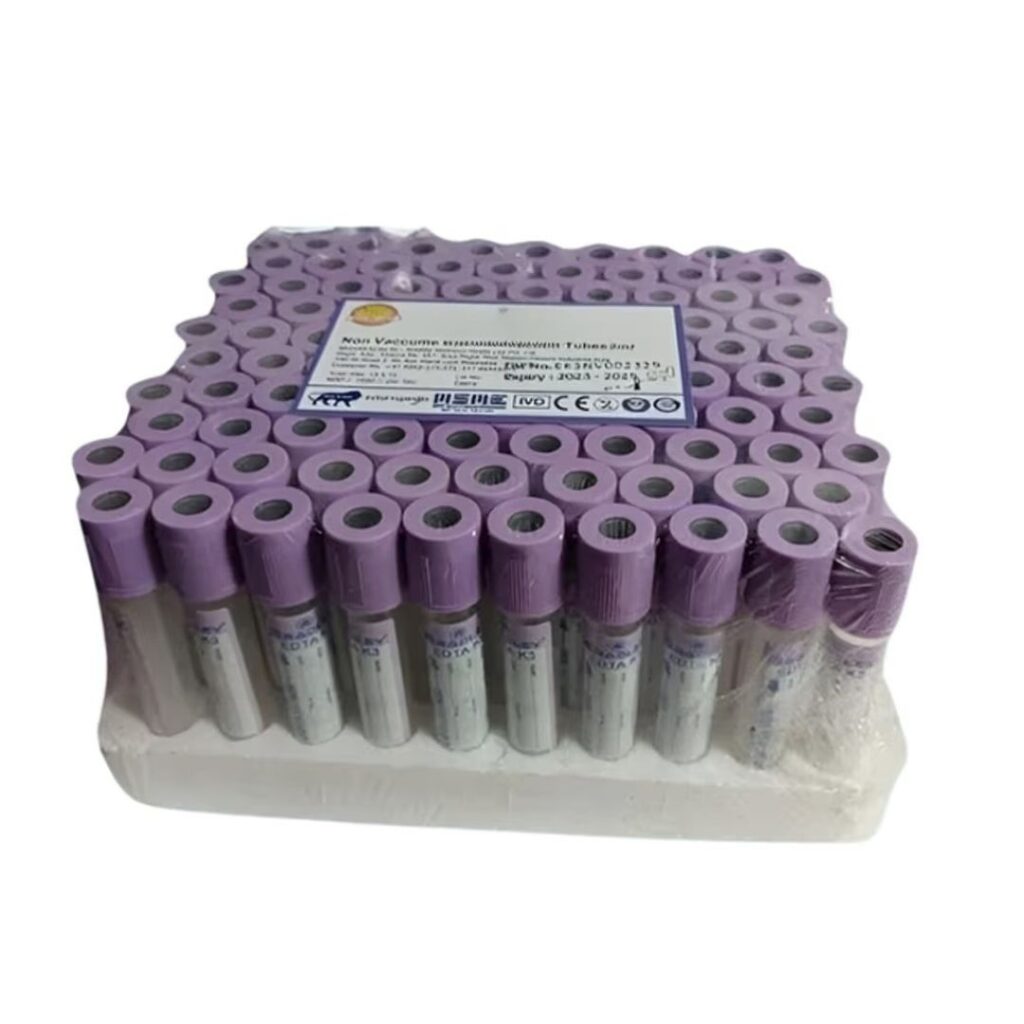
Purple / Lavender Blood Collection Tubes – EDTA / 4 ml – Non-Vacuum (Pack of 100 Tubes)
₹234.00 (inc. GST) / Unit
SKU:
LW-WEB-3547
Purple / Lavender Blood Collection Tubes – EDTA / 4 ml – Vacuum (Pack of 100 Tubes)
₹369.00 (inc. GST) / Unit
SKU:
LW-WEB-3549
Mixing and Handling Guidelines for Light Blue Top Tubes
Mixing light blue top tubes correctly is vital for accurate test results. After blood collection, gently invert the tube immediately. Aim for 3 to 4 gentle inversions.
Avoid shaking or vigorous mixing. This can lead to hemolysis, compromising your sample integrity. The goal is to ensure even distribution of the sodium citrate additive with the blood.
Handle each tube with care to prevent contamination. Keep them upright whenever possible during transport and storage.
Always label samples clearly before any mixing begins. Proper identification reduces errors in laboratory processing later on.
If multiple samples are collected, follow proper protocols regarding order of draw to maintain accuracy across different tests linked together by this process.
Storage and Transportation Requirements for Light Blue Vials
Light blue vacutainer tubes require specific storage and transportation conditions to maintain sample integrity. Ideally, these tubes should be kept at room temperature, away from direct sunlight and extreme temperatures.
Temperature fluctuations can adversely affect the sodium citrate additive inside the tube, compromising test results. It’s crucial to avoid exposure to freezing conditions or excessive heat during transport.
When moving light blue vials, use insulated containers if long distances are involved. This helps regulate temperature and protects against physical damage.
Labeling is equally important for proper identification during transit. Each vial should clearly state its contents and any relevant patient information.
Always keep a record of transport times and conditions for compliance with laboratory standards. Such diligence ensures that samples reach their destination safely while maintaining quality throughout the journey.
Tube Sizes and Volume Options Available
Light blue Vacutainer tubes come in various sizes and volume options, catering to different laboratory needs. The most common sizes include 2.7 mL, 4.5 mL, and 6 mL tubes.
Each size is designed for specific tests and patient demographics. For example, the smaller volumes may be more suitable for pediatric patients or when only a minimal sample is needed.
Researchers often choose larger volumes when multiple tests are required from a single draw. This versatility ensures that healthcare providers can meet diverse clinical demands efficiently.
Moreover, selecting the appropriate tube size plays an essential role in achieving accurate test results and minimizing wastage during blood collection processes. Having the right volume on hand helps reduce errors while ensuring compliance with testing protocols across various medical facilities.
Glass vs Plastic Light Blue Vacutainer Tubes
When it comes to light blue Vacutainer tubes, the choice between glass and plastic can be significant. Glass tubes offer superior clarity and are inert, which means they don’t interact with the blood sample. This property is crucial for accuracy in testing.
On the other hand, plastic tubes are lightweight and less prone to breakage. They often come with a lower risk of injury during handling, which can be an important factor in busy lab environments.
Both types effectively serve their primary purpose but have different handling characteristics. The decision may hinge on lab protocols or specific tests being conducted.
Durability versus precision defines this choice—each option has its own advantages based on usage scenarios. Understanding these differences aids labs in making informed decisions tailored to their needs.
Common Mistakes to Avoid When Using Light Blue Tubes
One of the most common mistakes is not using the correct blood-to-additive ratio. This can lead to inaccurate test results, affecting patient care.
Another frequent error occurs during the collection process itself. Failing to fill the tube adequately can compromise clotting tests, so it’s crucial to ensure a complete draw.
Improper mixing also poses problems. Gentle inversion is essential after collection; aggressive shaking can cause hemolysis and alter test outcomes.
Neglecting storage conditions may result in sample degradation. Light blue tubes should be stored upright and protected from extreme temperatures.
Overlooking expiry dates on these tubes can greatly affect reliability. Always check for freshness before use to maintain testing accuracy and compliance with lab standards.
Impact of Improper Filling on Test Results
Improper filling of light blue vacutainer tubes can lead to significant issues in laboratory test results. When the blood-to-additive ratio is off, it compromises the accuracy of coagulation tests.
For instance, too little blood can result in an excessive concentration of sodium citrate. This skews the analysis and may falsely indicate clotting disorders. Conversely, overfilling dilutes the additive, which also affects test outcomes negatively.
Inconsistent filling practices not only jeopardize individual test integrity but can create challenges for clinicians relying on those results for diagnosis or treatment decisions.
Routine training and clear protocols are essential to ensure proper techniques are followed during sample collection. Awareness about these impacts helps healthcare professionals maintain high standards in testing procedures and patient care.
Safety and Compliance Standards for Blood Collection Tubes
Safety and compliance standards for blood collection tubes are crucial in ensuring accurate test results and patient safety. Regulatory bodies like the FDA set guidelines that manufacturers must follow when producing these medical devices.
Materials used in blood collection tubes need to be biocompatible, minimizing any risk of contamination. This ensures that samples remain pure, which is vital for diagnostic accuracy.
Quality control measures are also essential. Regular inspections and testing help maintain high standards throughout production processes.
Training healthcare professionals on proper handling techniques further supports safe practices in laboratories.
Adhering to these standards not only protects patients but also enhances the credibility of laboratories conducting tests. Compliance with established protocols is a shared responsibility among manufacturers, healthcare providers, and regulatory agencies alike.
Light Blue Vacutainer Tubes in Clinical and Diagnostic Laboratories
Light blue Vacutainer tubes play a pivotal role in clinical and diagnostic laboratories. These specialized tubes are designed for precise blood collection, essential for accurate testing.
Labs rely on light blue top tubes primarily for coagulation studies. The sodium citrate additive within these tubes works effectively to preserve the integrity of plasma samples. This ensures reliable test results that healthcare professionals depend on.
In fast-paced lab environments, these tubes streamline workflows by enabling efficient processing of multiple tests simultaneously. Technicians appreciate their straightforward application and consistent performance.
Moreover, strict adherence to protocols around light blue tube usage enhances laboratory safety and compliance. Their significance extends beyond routine testing; they’re integral to monitoring patients with clotting disorders or those undergoing major surgeries.
By incorporating light blue Vacutainer tubes into standard practices, labs ensure high-quality diagnostics that can impact treatment decisions profoundly.
Applications in Hospitals, Clinics, and Research Centers
Light blue Vacutainer tubes are integral in various healthcare settings. Hospitals rely on these tubes for coagulation studies, essential for surgical patients and those with bleeding disorders.
Clinics often utilize light blue tubes during routine blood work to assess patients’ clotting capabilities. This testing aids in managing conditions like hypertension or anticoagulant therapy.
In research centers, scientists use light blue tubes to gather samples for clinical trials and investigations involving hemostasis. Accurate sample collection is vital for generating reliable data.
Their versatility extends beyond patient care; they also play a role in epidemiological studies where understanding coagulation factors is critical. The consistent results from light blue Vacutainers enhance the overall quality of laboratory analysis across diverse medical fields.
How to Choose the Right Light Blue Vacutainer Tube
Selecting the right light blue Vacutainer tube is crucial for ensuring accurate test results. Start by checking the intended purpose of your blood collection. Light blue tubes are primarily used for coagulation studies, so make sure they align with your testing needs.
Next, consider the size and volume options available. Different tests may require varying amounts of blood, making it essential to choose a tube that can accommodate these requirements without compromising sample integrity.
Pay attention to the expiration date on each tube as well. Using expired products can lead to unreliable results or complications during testing.
Ensure that you’re familiar with any specific guidelines from your laboratory or healthcare provider about which type of light blue Vacutainer should be used for particular tests. This ensures compliance and accuracy in diagnostic processes.
Shelf Life and Expiry Considerations
Shelf life is a crucial aspect of any medical device, including light blue Vacutainer tubes. Each tube comes with an expiration date clearly marked on the label. This ensures that healthcare professionals use them within their effective lifespan.
Expired tubes can compromise test results. The additives may degrade over time, leading to inaccurate measurements in blood samples. It’s essential to check expiration dates before collection procedures.
Storage conditions also play a significant role in maintaining shelf life. Light blue tubes should be kept in a cool, dry place away from direct sunlight and extreme temperatures.
Regular inventory checks help ensure that expired or near-expired products are rotated out promptly. Prioritizing fresh supplies not only enhances accuracy but also supports patient safety during testing processes.
Regulatory Guidelines and Quality Certifications
Regulatory guidelines and quality certifications are essential in the production of light blue Vacutainer tubes. These standards ensure that each tube meets specific safety and efficacy criteria.
Organizations like the FDA (Food and Drug Administration) play a vital role in establishing regulations for medical devices, including blood collection tubes. Compliance with these requirements is non-negotiable.
Quality certifications from bodies such as ISO (International Organization for Standardization) further enhance credibility. They indicate that manufacturers adhere to best practices in design, manufacturing, and testing processes.
Regular audits and inspections help maintain these high standards, ensuring that every batch produced upholds reliability and performance. Laboratories depend on these certifications to guarantee accurate test results.
Investing time in understanding regulatory frameworks can lead to better product choices. This knowledge ultimately benefits healthcare providers by supporting precise diagnostics and treatments.
Frequently Asked Questions About Light Blue Vacutainer Tube/Vial
When it comes to light blue vacutainer tubes, many questions arise. Understanding these queries can enhance your knowledge and ensure proper use.
What tests are commonly performed with light blue tubes?
These vials are primarily used for coagulation studies like PT (Prothrombin Time) and APTT (Activated Partial Thromboplastin Time). They play a crucial role in assessing blood clotting function.
How should I handle light blue vacutainer tubes after collection?
It’s essential to gently invert the tube several times to mix the blood with the additive thoroughly. This ensures accurate test results by preventing clot formation.
Is there a specific shelf life for these tubes?
Yes, each manufacturer provides an expiration date on the packaging. Always check this before using them to guarantee reliability.
Can I use light blue tubes interchangeably with other colored tubes?
No, each color-coded tube has a specific purpose and contains unique additives. Using the wrong tube could lead to inaccurate or invalid test results.
What happens if I fill the tube incorrectly?
An improper blood-to-additive ratio can significantly impact laboratory findings. Following guidelines is critical for achieving precise outcomes.


 Cardiology
 Clinical Oncology