
-
-
 Cardiology
-
 Clinical Oncology
-
 Dental
-
 Dermatology
-
 Ear, Nose, Throat (ENT)
-
 Endocrinology
-
 Gastroenterology
-
 General Surgery
-
 Gynecology & Obstetrics
-
 Interventional Cardiology
-
 Nephrology
-
 Neurology
-
 Oncology Surgery
-
 Ophthalmology
-
 Orthopedics
-
 Pediatrics
-
 Pediatrics Surgery
-
 Physiotherapy
-
 Plastic Surgery
-
 Psychiatry & Psychology
-
 Radiology
-
 Urology
-
 Vascular Surgery
-

 Anatomy Lab Equipments
 Biochemistry Lab Equipments
 Biology Lab Equipments
 Chemistry Lab Equipments
 Cytology Lab Equipments
 Cytopathology Lab Equipments
 Dental Lab Equipments
 Forensic Lab Equipments
 Genetics Lab Equipments
 Hematology Lab Equipments
 Histology Lab Equipments
 Histopathology Lab Equipments
 Mathematics Lab Equipments
 Microbiology Lab Equipments
 Molecular Biology Lab Equipments
 Pathology Lab Equipments
 Pharmaceutical Lab Equipments
 Physics Lab Equipments
 Radiology Lab Equipments
 Science Lab Kit’s
 Toxicology Lab Equipments

 Borosilicate Glass Beaker
 Plastic Beaker (Euro Design)
 Plastic Beaker (Printed Graduation)
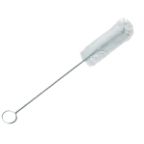 Test Tube Brush
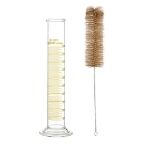 Measuring Cylinder Brush
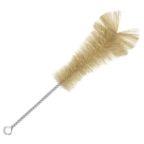 Conical Flask Brush
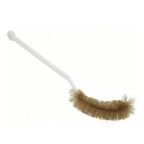 Volumetric Flask Brush
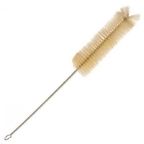 Round Bottom Flask Brush
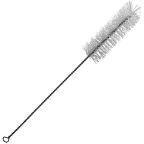 Glass Beaker Brush
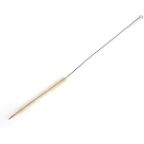 Pipette Brush
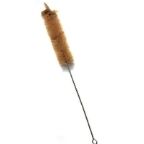 Wash Bottle Brush
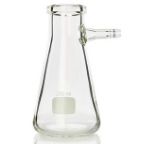 Borosilicate Büchner Flask
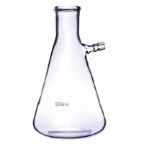 Borosilicate Erlenmeyer/Conical Flask
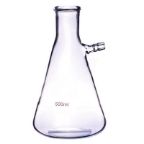 Borosilicate Pear-Shaped Flask
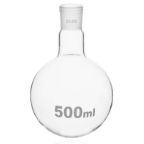 Borosilicate Round Bottom Flask
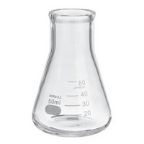 Plastic Conical Flask
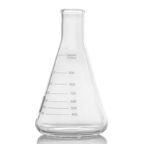 Plastic Volumetric Flask
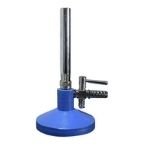 Bunsen Burner
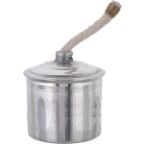 Spirit Lamp
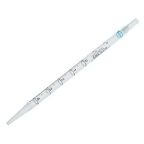 Borosilicate Glass Burette
 Plastic Burette
 Capillary Tube
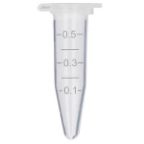 Centrifuge Tube
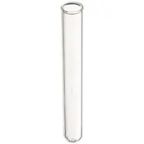 Test Tube
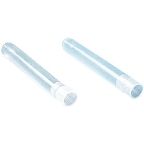 Ria Vial
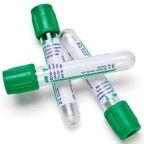 Vacutainer Tubes
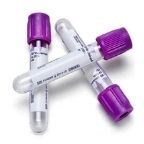 Syringes
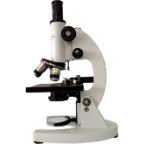 Student Microscope
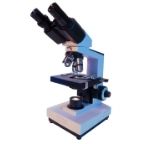 Binocular Microscope
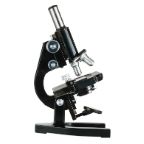 Dissecting Microscope
 Microscope Glass Slides
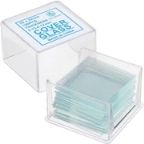 Cover Slip
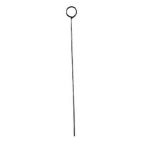 Inoculating Loop
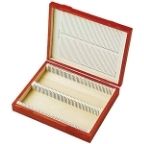 Slide Box
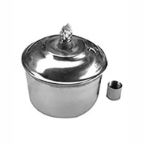 Lamps
Lamps
 Oils
Oils
 Beaker Tongs
 Crucible Tongs
 Flask Tongs
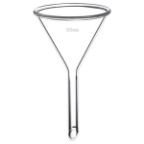 Borosilicate Glass Funnel
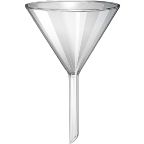 Plastic Funnels
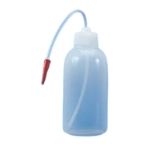 Wash Bottle
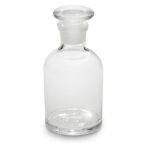 Borosilicate Glass Reagent Bottle
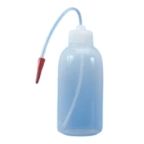 Plastic Reagent Bottle
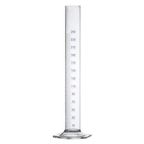 Borosilicate Measuring Cylinder
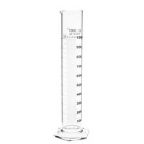 Plastic Measuring Cylinder
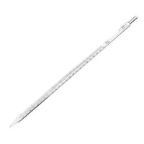 Borosilicate Glass Graduated Pipette
 Borosilicate Glass Volumetric Pipette
 HB Pipette
 Pasteur Pipette
 Micropipettes
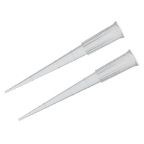 Micropipette Tips
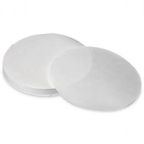 Filter Paper
 Litmus Paper
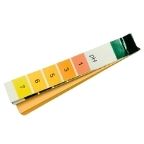 pH Paper
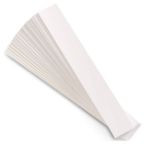 Chromatography Paper
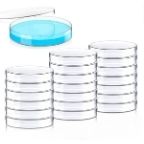 Plastic Petri Plates (Sterile)
 Glass Petri Plates (Non-Sterile)
 Safety Goggles
 Lab Coats
 Gloves
 Masks
Masks
 Shoe Covers
 Hair & Beard Covers
 Steel Spatula
 Plastic Spatula
 Hitachi Sample Cup
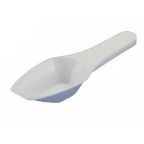 Plastic Scoop
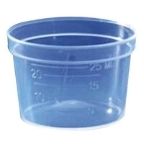 Plastic Medicine Cup
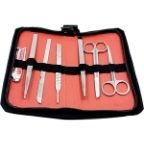 Dissecting Tool Kit
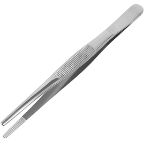 Dissecting Forceps
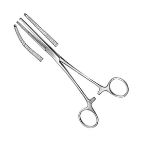 Hemostatic Forceps
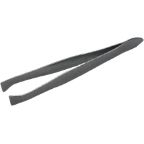 Thumb Forceps / Tweezers
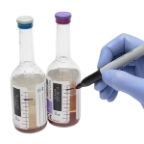 Blood Culture Bottle
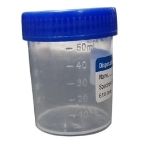 Urine Container
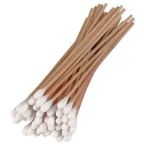 Wooden Swab Stick
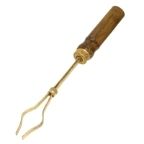 Test Tube Holder
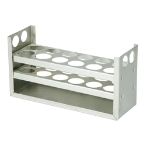 Test Tube Racks
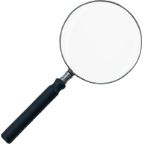 Magnifying Glass
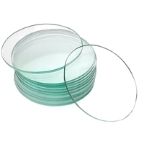 Watch Glass
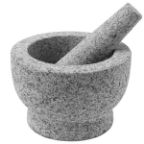 Mortar and Pestle
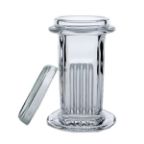 Coplin Jar
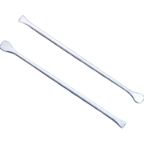 Plastic Stirrer
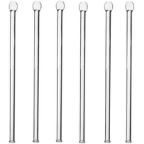 Glass Stirrer
 Crucible
 Tripod
 Wire Mesh
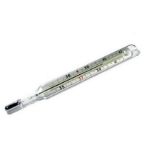 Laboratory Thermometer
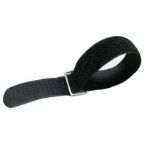 Tourniquet
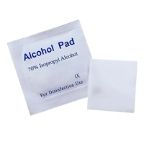 Alcohol Swab
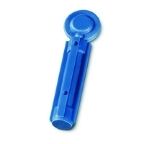 Blood Lancet
 Bandage
 Gloves & Masks









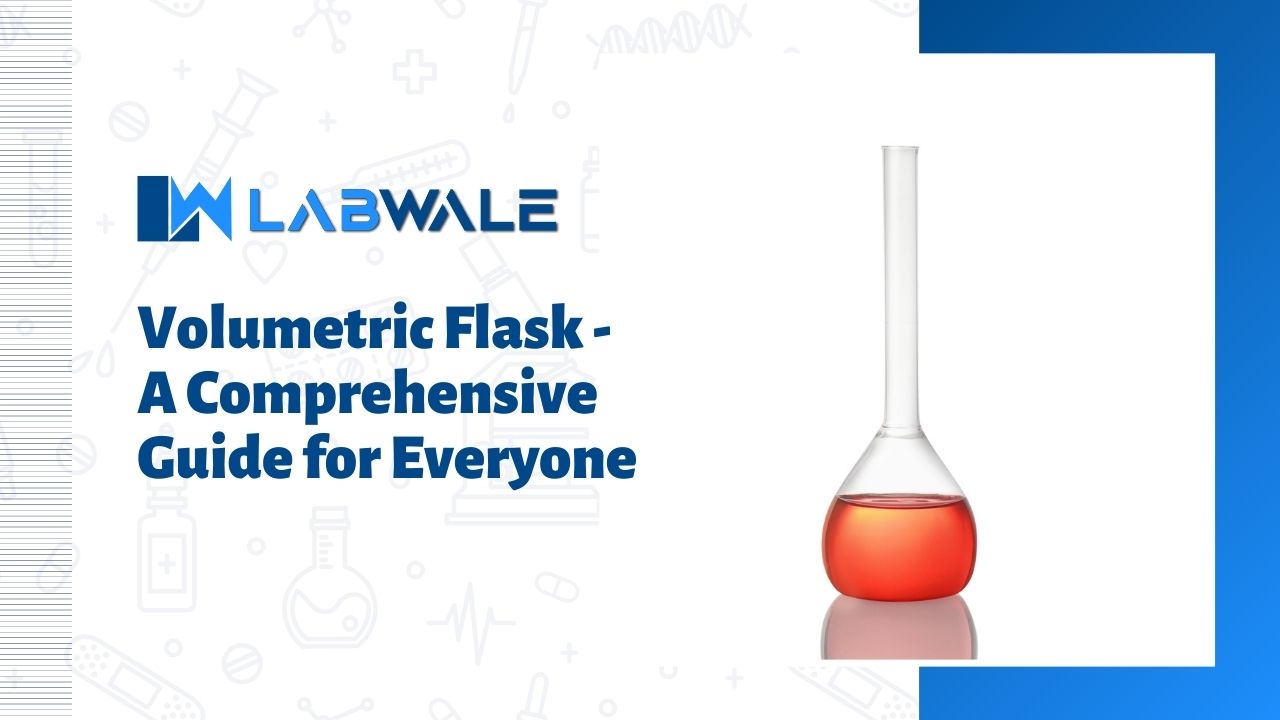
Volumetric Flask – A Comprehensive Guide for Everyone

Contents
- Introduction to Volumetric Flasks
- Understanding the Design and Structure
- How a Volumetric Flask Works
- Key Features That Make It Unique
- Types of Volumetric Flasks Used in Laboratories
- Materials Used in Manufacturing Volumetric Flasks
- Common Sizes and Capacity Options
- Accuracy and Precision in Volume Measurement
- Proper Handling of Volumetric Flasks
- How to Calibrate a Volumetric Flask
- Step-by-Step Guide to Preparing Standard Solutions
- Cleaning and Maintenance Tips
- Safety Practices When Using Volumetric Flasks
- Differences Between Volumetric Flasks and Beakers
- Volumetric Flask vs. Measuring Cylinder
- Applications Across Scientific Fields
- Importance in Analytical Chemistry
- Choosing the Right Volumetric Flask for Your Lab
- Storage Guidelines for Long-Term Use
- Common Mistakes to Avoid
- Tips for Improving Measurement Accuracy
- Latest Innovations in Laboratory Glassware
- Final Thoughts on Using Volumetric Flasks
- FAQs (Frequently Asked Questions)
Introduction to Volumetric Flasks
When it comes to precise measurements in the lab, few tools are as essential as the volumetric flask. This unassuming piece of glassware holds a vital role in various scientific fields, from chemistry to biology and beyond. Whether you’re preparing standard solutions or conducting intricate experiments, understanding how to use a volumetric flask effectively can make all the difference.
In this comprehensive guide, we will explore everything you need to know about volumetric flasks – their unique design and functionality, types available for different applications, and tips for proper handling and maintenance. If you’ve ever wondered what sets these flasks apart from other laboratory equipment or how they contribute to accurate measurements, you’re in the right place. Let’s dive into the fascinating world of volumetric flasks!
Understanding the Design and Structure
The volumetric flask features a distinctive design that sets it apart from other laboratory glassware. Its elongated neck and bulbous body create a shape specifically tailored for precise liquid measurement.
This unique structure allows for accurate volume calibration. The graduated markings on the neck enable users to identify exact measurements, ensuring consistency in experiments.
Typically made from high-quality glass or plastic, volumetric flasks are built to withstand various chemical reactions. Their narrow necks minimize evaporation while allowing easy handling.
Moreover, the flat bottom provides stability when placed on lab surfaces. This thoughtful design reduces spillage during mixing or transferring liquids.
Every aspect of a volumetric flask’s structure serves a purpose—accuracy, ease of use, and reliability—all crucial elements in any scientific process.
How a Volumetric Flask Works
A volumetric flask is a precision tool designed for measuring liquid volumes accurately. It features a narrow neck and a flat bottom, which helps ensure consistent measurements.
When filling the flask, the user adds liquid until it reaches the calibrated mark on the neck. This specific point indicates that the exact volume of solution has been achieved. The design minimizes meniscus errors, allowing for precise readings.
The shape of the flask prevents excessive agitation during mixing, ensuring solutions remain stable and homogenous. Additionally, its unique structure allows for easy pouring without spillage.
Understanding how to use this instrument can significantly enhance experimental accuracy in various scientific fields. Careful handling is essential to maintain both integrity and longevity of this vital glassware piece.
Key Features That Make It Unique
Volumetric flasks stand out in the lab for several reasons. Their distinctive design is crafted to deliver high precision. The narrow neck and calibrated line allow for accurate filling to a specific volume.
Another unique feature is their bulbous body, which helps mix solutions evenly. This shape reduces errors during measurement, ensuring reliable results every time.
The glass material used often features excellent resistance to thermal shock and chemical corrosion. This ensures longevity and durability under various laboratory conditions.
Graduations mark only one precise volume on the flask, eliminating ambiguity that can arise with other measuring instruments. This singular focus enhances accuracy in volumetric measurements.
Many modern volumetric flasks come equipped with frosted labels or marking areas designed for easy identification of contents. Such thoughtful touches make them indispensable tools across scientific disciplines.
Types of Volumetric Flasks Used in Laboratories
Volumetric flasks come in various types, each designed for specific laboratory tasks. The classic pear-shaped flask is a staple, known for its narrow neck and precise calibration mark. This design allows chemists to mix solutions with accuracy.
Another popular variant is the round-bottom volumetric flask. Ideal for heating substances, it offers even heat distribution while maintaining volume precision. These flasks are often used in organic chemistry labs.
For those looking at larger capacities, oversized volumetric flasks are available. They can handle significant quantities of liquid without sacrificing measurement accuracy, making them perfect for bulk solution preparation.
Specialized versions also exist, such as UV-absorbing or opaque flasks that protect light-sensitive samples. Each type serves a unique purpose but shares the common goal of ensuring precise measurements in scientific experimentation.
Materials Used in Manufacturing Volumetric Flasks
Volumetric flasks are crafted from various materials, each serving a specific purpose. Glass is the most common choice due to its chemical resistance and transparency. Borosilicate glass, in particular, is favored for its ability to withstand temperature changes without breaking.
Plastic volumetric flasks made from polyethylene or polypropylene offer lightweight alternatives. They’re less fragile than glass but may not provide the same level of precision in measurements.
Some specialized applications require flasks made from quartz glass, which can endure extreme temperatures and harsh chemicals. This material ensures accuracy even under challenging conditions.
Each material brings unique benefits. The selection often depends on the intended use within laboratories or educational settings. Understanding these options helps users choose the right flask for their needs.
Common Sizes and Capacity Options
Volumetric flasks come in a variety of sizes, each suited for specific applications. Common capacities include 25 mL, 50 mL, 100 mL, 250 mL, and 1 L. Each size is designed to facilitate precise measurements.
Smaller flasks are ideal for preparing concentrated solutions or small-scale experiments. In contrast, larger volumes are perfect for bulk preparations or dilutions.
Selecting the right size depends on your experimental needs. A smaller flask can limit waste when dealing with costly reagents. On the other hand, larger flasks may save time during extensive lab procedures by allowing you to mix greater quantities at once.
Keep in mind that while larger volumetric flasks hold more liquid, they also require careful handling due to their weight and fragility when filled. Always choose a capacity that aligns with your measurement goals for optimal results.
Accuracy and Precision in Volume Measurement
Accuracy and precision are crucial when it comes to volume measurement in scientific experiments. Accuracy refers to how close a measured value is to the true or accepted value, while precision indicates the reproducibility of measurements under unchanged conditions.
In laboratory settings, achieving high accuracy involves using correctly calibrated volumetric flasks. Even minor deviations can lead to significant errors in experimental results.
Precision is equally important; it’s about obtaining consistent results when measuring the same volume multiple times. A reliable volumetric flask will minimize variations during repeated use.
Factors such as temperature and atmospheric pressure can affect these measurements too. Therefore, always take note of environmental conditions before starting your work.
Understanding both concepts helps ensure that experiments yield valid results, making them essential for any scientist aiming for reliability in their research outcomes.
Proper Handling of Volumetric Flasks
Proper handling of volumetric flasks is essential to ensure accurate measurements and maintain the integrity of your samples. Always hold the flask by its neck, avoiding contact with the bulb or the base. This minimizes any risk of contamination.
When pouring liquids, do so slowly and carefully. Tilt the flask gently to prevent spills and drips. If you need to mix solutions within a volumetric flask, use a stopper instead of swirling it vigorously; this helps avoid air bubbles that can affect volume readings.
Always check for cracks or chips before use. Damaged glassware can lead to inaccuracies in measurement or even accidents during experiments. After usage, rinse with distilled water to remove residues thoroughly.
Store your volumetric flasks upright in a padded container when not in use. Proper storage prevents breakage and maintains cleanliness for future applications.
How to Calibrate a Volumetric Flask
Calibrating a volumetric flask is essential to ensure accurate measurements. Begin by selecting a clean, dry flask free from any contaminants. This step is crucial for achieving precise results.
Next, fill the flask with distilled water up to the calibration mark at 20 degrees Celsius. Make sure you are at eye level to avoid parallax errors; this ensures that your reading is spot on.
To check accuracy, weigh the filled flask using an analytical balance. Knowing that 1 milliliter of water weighs approximately 1 gram aids in determining if your measurement aligns with its stated capacity.
If discrepancies arise, adjustments may be necessary depending on factors like temperature and atmospheric pressure. Repeat this process multiple times for consistency and reliability in your readings. Accuracy builds trust in scientific experiments and analysis across various fields.
Step-by-Step Guide to Preparing Standard Solutions
Preparing standard solutions is a fundamental skill in any laboratory. It begins with selecting the right solute. Choose an accurate, high-purity substance for reliable results.
Next, weigh the exact amount of solute. Use an analytical balance for precision. Record this weight meticulously; it’s crucial for calculating concentrations.
Dissolve the weighed solute in a small volume of solvent first. Stir gently until fully dissolved, ensuring no residue remains.
Transfer this solution into a volumetric flask, using a funnel to avoid spills. Rinse the original container with more solvent and add these rinsings to your flask.
Fill the volumetric flask to the calibration line with solvent at room temperature, then cap it securely and invert several times to mix thoroughly.
Label your solution clearly with its concentration and preparation date before storing it safely away from light or heat sources.
Cleaning and Maintenance Tips
Cleaning your volumetric flask is essential for maintaining its accuracy and longevity. Start by rinsing the flask with distilled water to remove any residual chemicals. Avoid using tap water, as minerals can affect future measurements.
For stubborn stains or residues, a mild detergent works wonders. Use a soft brush or sponge to gently scrub the inner surface without scratching it. Rinse thoroughly afterward to eliminate all soap traces.
Always inspect your flask for chips or cracks after cleaning. These imperfections can compromise measurements and safety during use.
When storing, place the flasks upright in a clean area away from direct sunlight and extreme temperatures. Cover them with cotton plugs or caps to prevent dust accumulation inside.
Regular maintenance checks ensure that your glassware remains in top shape. This practice not only enhances accuracy but also extends the life of your valuable laboratory tools.
Safety Practices When Using Volumetric Flasks
When working with volumetric flasks, safety should always be a priority. Start by wearing appropriate personal protective equipment (PPE), including lab coats, gloves, and safety goggles. This protects against spills and splashes.
Handle glassware carefully to prevent breakage. If a flask does shatter, clean it up immediately using proper techniques to avoid injury. Always work in well-ventilated areas when dealing with volatile or hazardous substances.
Be mindful of temperature changes; abrupt shifts can cause glass to crack or break. Allow heated solutions to cool before transferring them into the flask.
Label your solutions clearly and keep track of their contents. This helps avoid cross-contamination and ensures safe handling throughout your experiments.
Familiarize yourself with emergency procedures specific to your laboratory environment. Knowing how to respond quickly can make all the difference in maintaining a safe workspace while using volumetric flasks.
Differences Between Volumetric Flasks and Beakers
Volumetric flasks and beakers are both essential lab tools, but they serve different purposes. A volumetric flask is designed for precise volume measurements. Its narrow neck allows for accurate meniscus reading, ensuring exact amounts of liquids.
On the other hand, a beaker is more versatile but less precise. It features a wide mouth and flat bottom, making it ideal for mixing and pouring solutions without needing to measure with high accuracy.
The shape also plays a role. Volumetric flasks have a unique design that ensures uniformity in thickness and heating properties. Beakers are typically cylindrical, which aids in quick observations during experiments.
In terms of material, both can come in glass or plastic options; however, volumetric flasks often use borosilicate glass to withstand temperature changes better than standard glass used in many beakers.
These distinctions highlight their roles: precision versus versatility within laboratory settings.
Volumetric Flask vs. Measuring Cylinder
When it comes to measuring liquids in the lab, both volumetric flasks and measuring cylinders have their place. However, they serve different purposes.
A volumetric flask is designed for precise measurement of a specific volume. Its unique shape allows for greater accuracy when preparing solutions at defined concentrations.
On the other hand, a measuring cylinder offers versatility. It’s ideal for quick measurements or when you need to pour larger volumes without concern for exact precision.
The graduations on a measuring cylinder are usually less detailed than those found on a volumetric flask. This makes it easier to read approximate values but sacrifices some accuracy in sensitive experiments.
While both tools have their merits, choosing between them depends largely on your experimental needs and desired level of precision. Each plays a vital role in laboratory settings where liquid measurement is essential.
Applications Across Scientific Fields
Volumetric flasks are invaluable tools across various scientific fields. In chemistry labs, they play a crucial role in preparing standard solutions for titration and quantitative analysis. Their precision ensures accurate measurements of reactants.
Biotechnology also benefits from volumetric flasks, especially when creating stock solutions or diluting samples for experiments. This precise measurement is vital in processes like enzyme assays.
In environmental science, researchers utilize volumetric flasks to prepare reagents used in water quality testing. Accurate sample preparation can significantly affect the reliability of results.
Pharmaceutical development relies on these glassware items too. They facilitate the creation of consistent drug formulations by allowing for exact volume measurements.
Even educational institutions use volumetric flasks during laboratory classes to teach students about accuracy and precision in scientific methods. This foundational knowledge is essential for budding scientists as they embark on their careers.
Importance in Analytical Chemistry
Volumetric flasks hold a pivotal role in analytical chemistry. Their precision is unmatched when it comes to preparing standard solutions, which are crucial for titrations and various quantitative analyses.
When measuring small concentrations of substances, accuracy becomes vital. The design of volumetric flasks ensures minimal error, providing reliable results that chemists can trust. This reliability saves time and resources while enhancing the integrity of experiments.
Moreover, these glassware pieces enable researchers to conduct methodical investigations into chemical properties and reactions. Precise volume measurements laid down by volumetric flasks allow for reproducibility in experiments across different labs.
In environments where every drop counts, such as pharmaceuticals or environmental testing, volumetric flasks become indispensable tools. They empower scientists to push boundaries and explore new territories in their research endeavors.
Choosing the Right Volumetric Flask for Your Lab
Choosing the right volumetric flask for your lab can significantly impact your experiments. Consider the specific tasks you need it for. Different applications demand different capacities and precision levels.
Evaluate the size options available. Common sizes vary, but standard flasks range from 10 mL to 2,500 mL. Pick one that suits your typical solution volume.
Material is another crucial factor. Glass offers excellent clarity and resistance to chemicals, while plastic flasks are lightweight and less prone to breakage.
Think about calibration requirements too. A well-calibrated flask ensures accurate measurements essential in research settings.
Assess brand reliability and reviews from fellow scientists or laboratory professionals. Quality matters when it comes to precise scientific work; choose a reputable manufacturer for optimal performance in your lab activities.
Storage Guidelines for Long-Term Use
When it comes to long-term storage of volumetric flasks, a few key practices ensure they remain in pristine condition. First, always store them upright in a dedicated cabinet or shelf away from direct sunlight. Exposure to light can degrade certain materials over time.
If your flasks contain residual liquids, rinse and dry them thoroughly before storing. This prevents contamination and potential damage from chemical reactions.
Use protective padding, such as foam inserts or dividers within storage cabinets. This minimizes the risk of breakage during handling or transportation.
Temperature control is also crucial; maintain a stable environment that avoids extreme fluctuations. High humidity levels should be avoided as well since they can lead to mold growth or corrosion on metal parts.
Regularly inspect stored glassware for any signs of wear or defects. Identifying issues early helps prevent mishaps when you’re ready to use these essential tools again.
Common Mistakes to Avoid
When using volumetric flasks, accuracy is crucial. One common mistake is not allowing the flask to equilibrate to room temperature before use. Temperature fluctuations can alter measurements significantly.
Another frequent error involves filling beyond the calibration line. This can lead to inaccurate solutions and unreliable results in experiments. Always ensure that your liquid reaches exactly at the mark for precision.
Failing to clean the flask properly between uses is another pitfall. Residues from previous substances can contaminate new samples, skewing data and outcomes.
Neglecting proper handling techniques often leads to breakage or spills—both of which are frustrating and wasteful. Use both hands when transferring flasks, and always handle with care.
Many overlook regular calibrations for their glassware. Ensuring your volumetric flask remains accurate requires periodic checks against standard measurements.
Tips for Improving Measurement Accuracy
To enhance measurement accuracy with volumetric flasks, always use the right technique. Ensure you read the meniscus at eye level to avoid parallax errors. This small adjustment can make a significant difference in precision.
Temperature control is another crucial factor. Glass expands or contracts with temperature changes, altering volume readings. Always calibrate your flask at room temperature for consistent results.
Ensure that your flask is clean before use. Residual chemicals can affect measurements and lead to discrepancies in your solutions.
When preparing standard solutions, add solutes slowly and mix thoroughly to achieve uniformity throughout the solution. This prevents concentration variations that could skew your results.
Double-check measurements by using multiple flasks when possible. Cross-verifying enhances reliability and helps identify any potential inaccuracies early on without compromising experimental integrity.
Latest Innovations in Laboratory Glassware
Laboratory glassware is evolving rapidly, driven by advancements in technology and materials science. One notable innovation is the introduction of borosilicate glass with enhanced thermal resistance. This allows for safer handling during high-temperature experiments.
Another exciting development is the use of smart sensors embedded within glassware. These sensors can monitor temperature, pressure, and chemical reactions in real time, providing invaluable data to researchers without needing constant human oversight.
3D printing has also made its mark on laboratory glassware production. Custom shapes and sizes can now be created swiftly, catering to specific experimental needs that traditional manufacturing cannot accommodate.
Additionally, eco-friendly alternatives are emerging as scientists seek sustainable solutions. Biodegradable or recyclable materials are being explored to reduce environmental impact while maintaining performance standards.
These innovations reflect a dynamic landscape where functionality meets creativity in laboratory settings. As research demands evolve, so does the design and utility of glassware used across various scientific fields.
Final Thoughts on Using Volumetric Flasks
Volumetric flasks are indispensable tools for precise measurements in laboratories. Their design ensures accuracy, making them ideal for preparing solutions and conducting experiments.
Using these flasks requires attention to detail. Proper handling is essential to maintain their integrity and precision over time. A small error can lead to significant discrepancies in results.
Familiarity with calibrating volumetric flasks enhances reliability. Mastering this technique not only boosts confidence but also sharpens analytical skills.
Whether you’re a seasoned chemist or just starting out, understanding the nuances of volumetric flasks elevates your lab work. They bridge theoretical knowledge with practical application seamlessly.
As science evolves, so do the materials and designs of laboratory glassware. Staying updated on innovations helps make informed choices about equipment that best suits specific needs in research and experimentation.
FAQs (Frequently Asked Questions)
When it comes to volumetric flasks, questions often arise about their usage and features. Here are some frequently asked questions to clarify any doubts you might have.
What is a volumetric flask used for?
Volumetric flasks are primarily used for preparing precise dilutions and standard solutions in laboratories. Their design allows for accurate volume measurements.
How do I know which size of volumetric flask to use?
The size of the volumetric flask depends on the volume of liquid needed for your experiment. Common sizes include 50ml, 100ml, 250ml, 500ml, and 1L options.
Can I heat a volumetric flask?
Heating a glass volumetric flask can be risky unless it’s specifically labeled as heat-resistant. Always check manufacturer specifications before applying heat.
Are there alternatives to glass volumetric flasks?
Yes, plastic volumetric flasks made from materials like polypropylene or polystyrene are available. They offer durability but may not provide the same level of accuracy as glass versions.
How should I store my volumetric flasks when not in use?
Store them upright in a protective case or cabinet away from direct sunlight and chemicals that could damage the material or affect measurement accuracy.
 Cardiology
 Clinical Oncology