
-
-
 Cardiology
-
 Clinical Oncology
-
 Dental
-
 Dermatology
-
 Ear, Nose, Throat (ENT)
-
 Endocrinology
-
 Gastroenterology
-
 General Surgery
-
 Gynecology & Obstetrics
-
 Interventional Cardiology
-
 Nephrology
-
 Neurology
-
 Oncology Surgery
-
 Ophthalmology
-
 Orthopedics
-
 Pediatrics
-
 Pediatrics Surgery
-
 Physiotherapy
-
 Plastic Surgery
-
 Psychiatry & Psychology
-
 Radiology
-
 Urology
-
 Vascular Surgery
-

 Anatomy Lab Equipments
 Biochemistry Lab Equipments
 Biology Lab Equipments
 Chemistry Lab Equipments
 Cytology Lab Equipments
 Cytopathology Lab Equipments
 Dental Lab Equipments
 Forensic Lab Equipments
 Genetics Lab Equipments
 Hematology Lab Equipments
 Histology Lab Equipments
 Histopathology Lab Equipments
 Mathematics Lab Equipments
 Microbiology Lab Equipments
 Molecular Biology Lab Equipments
 Pathology Lab Equipments
 Pharmaceutical Lab Equipments
 Physics Lab Equipments
 Radiology Lab Equipments
 Science Lab Kit’s
 Toxicology Lab Equipments

 Borosilicate Glass Beaker
 Plastic Beaker (Euro Design)
 Plastic Beaker (Printed Graduation)
 Test Tube Brush
 Measuring Cylinder Brush
 Conical Flask Brush
 Volumetric Flask Brush
 Round Bottom Flask Brush
 Glass Beaker Brush
 Pipette Brush
 Wash Bottle Brush
 Borosilicate Büchner Flask
 Borosilicate Erlenmeyer/Conical Flask
 Borosilicate Pear-Shaped Flask
 Borosilicate Round Bottom Flask
 Plastic Conical Flask
 Plastic Volumetric Flask
 Bunsen Burner
 Spirit Lamp
 Borosilicate Glass Burette
 Plastic Burette
 Capillary Tube
 Centrifuge Tube
 Test Tube
 Ria Vial
 Vacutainer Tubes
 Syringes
 Student Microscope
 Binocular Microscope
 Dissecting Microscope
 Microscope Glass Slides
 Cover Slip
 Inoculating Loop
 Slide Box
 Lamps
Lamps
 Oils
Oils
 Beaker Tongs
 Crucible Tongs
 Flask Tongs
 Borosilicate Glass Funnel
 Plastic Funnels
 Wash Bottle
 Borosilicate Glass Reagent Bottle
 Plastic Reagent Bottle
 Borosilicate Measuring Cylinder
 Plastic Measuring Cylinder
 Borosilicate Glass Graduated Pipette
 Borosilicate Glass Volumetric Pipette
 HB Pipette
 Pasteur Pipette
 Micropipettes
 Micropipette Tips
 Filter Paper
 Litmus Paper
 pH Paper
 Chromatography Paper
 Plastic Petri Plates (Sterile)
 Glass Petri Plates (Non-Sterile)
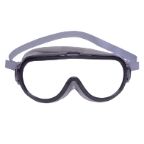 Safety Goggles
 Lab Coats
 Gloves
 Masks
Masks
 Shoe Covers
 Hair & Beard Covers
 Steel Spatula
 Plastic Spatula
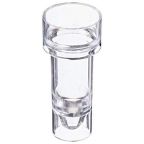 Hitachi Sample Cup
 Plastic Scoop
 Plastic Medicine Cup
 Dissecting Tool Kit
 Dissecting Forceps
 Hemostatic Forceps
 Thumb Forceps / Tweezers
 Blood Culture Bottle
 Urine Container
 Wooden Swab Stick
 Test Tube Holder
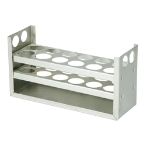 Test Tube Racks
 Magnifying Glass
 Watch Glass
 Mortar and Pestle
 Coplin Jar
 Plastic Stirrer
 Glass Stirrer
 Crucible
 Tripod
 Wire Mesh
 Laboratory Thermometer
 Tourniquet
 Alcohol Swab
 Blood Lancet
 Bandage
 Gloves & Masks









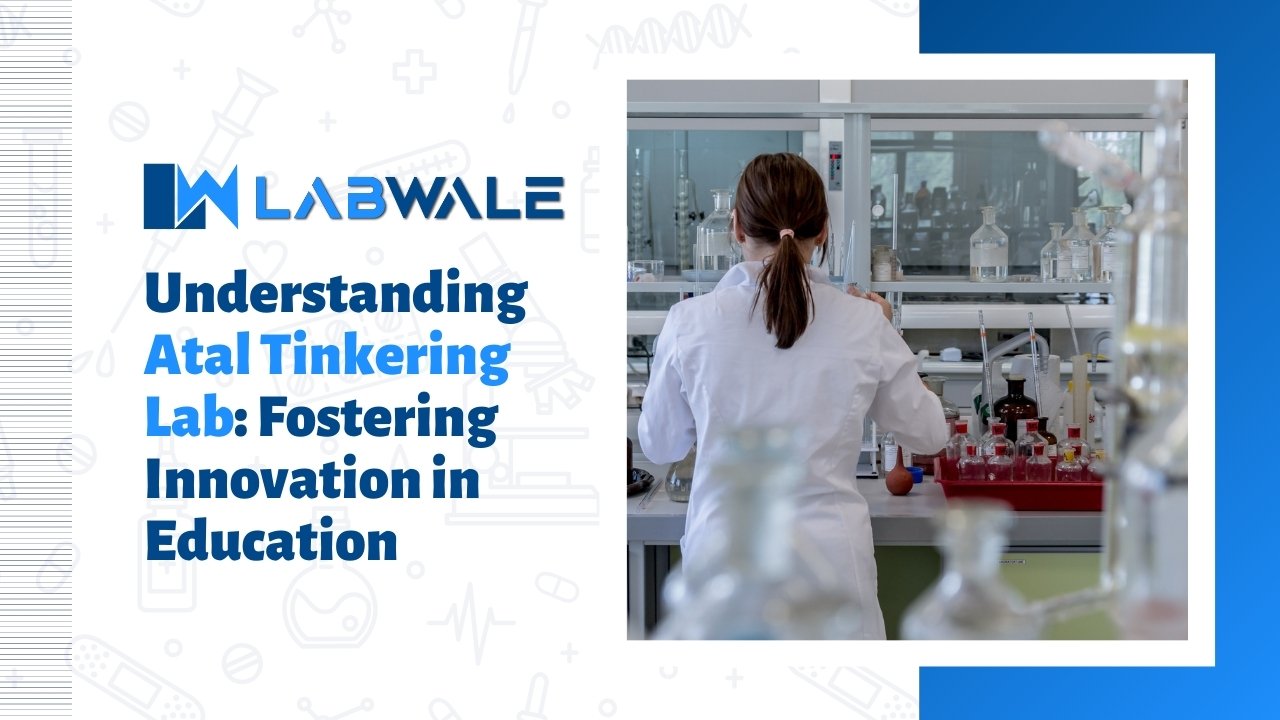
Understanding Atal Tinkering Lab: Fostering Innovation in Education

Introduction to Atal Tinkering Lab (ATL)
Imagine a space where creativity meets technology, where young minds can tinker, innovate, and transform ideas into reality. Welcome to the Atal Tinkering Lab (ATL), an initiative that is redefining education in India. In these labs, students are not just passive learners; they become active creators and problem solvers. With access to cutting-edge tools and resources, they explore scientific concepts through hands-on projects that spark their curiosity.
The world is evolving rapidly, driven by innovation and technological advancements. It’s essential for today’s youth to step up as pioneers of change rather than mere spectators. This is where ATL steps in—nurturing a culture of experimentation and ingenuity right from the classroom. Get ready to dive deep into how Atal Tinkering Labs are shaping the future of education while inspiring generations of innovators!
Vision and Mission Behind Atal Tinkering Labs
Atal Tinkering Labs (ATL) were established with a clear vision: to cultivate a culture of innovation among young minds. The initiative aims to bridge the gap between theoretical knowledge and practical application, equipping students with essential skills for the future.
The mission goes beyond just creating tinkering spaces; it seeks to inspire creativity and problem-solving abilities in children. By encouraging hands-on experimentation, ATL fosters an environment where curiosity thrives.
Through this platform, students can explore science, technology, engineering, and mathematics (STEM) while developing critical thinking skills. The goal is not only to generate innovative ideas but also to empower students as future leaders and entrepreneurs.
By instilling confidence in their ability to create solutions for real-world challenges, Atal Tinkering Labs play a pivotal role in shaping the next generation of innovators.
What Is Atal Tinkering Lab and Why It Matters in Education
Atal Tinkering Labs (ATL) are innovative spaces designed to inspire students’ creativity and problem-solving skills. These labs encourage young minds to engage in hands-on activities, bridging the gap between theoretical knowledge and practical application.
The focus of ATL is on nurturing a culture of tinkering, where experimentation and exploration take center stage. Students can work with various tools and technologies, fostering an environment rich in collaboration.
ATL plays a vital role in shaping future innovators by enhancing critical thinking. This initiative promotes inquiry-based learning, which encourages curiosity among students.
By providing resources for STEM education—science, technology, engineering, and mathematics—ATLs empower learners to explore their interests deeply. Such exposure cultivates essential skills that will serve them well beyond the classroom walls.
Role of NITI Aayog in Launching Atal Tinkering Labs
NITI Aayog plays a pivotal role in the establishment of Atal Tinkering Labs across India. As a premier policy think tank, it focuses on fostering innovation and entrepreneurship among young minds.
The initiative aims to bridge the gap between traditional education and hands-on learning. NITI Aayog provides essential guidance and support for schools to create these labs. By collaborating with educational institutions, they ensure that students have access to cutting-edge resources.
Moreover, NITI Aayog also designs frameworks for implementing ATL programs effectively. This includes curriculum development and training educators who will guide students through their innovative journeys.
Through strategic partnerships with various organizations, NITI Aayog enhances resource availability for each lab. Their commitment underscores the importance of nurturing creativity in future generations while addressing local challenges through technological solutions.
Objectives of Atal Tinkering Lab Initiative
The Atal Tinkering Lab initiative aims to cultivate a culture of innovation and creativity among students. By providing access to modern tools and technologies, the program encourages young minds to explore their potential.
One key objective is to foster critical thinking skills. Students are motivated to question, experiment, and solve real-world problems through hands-on projects. This approach transforms passive learning into an engaging experience.
Another goal is promoting collaboration. ATL spaces serve as hubs where students can work together on various projects, sharing ideas and resources while developing teamwork skills essential for future endeavors.
Furthermore, the initiative emphasizes entrepreneurship by inspiring students to think beyond conventional career paths. Encouraging innovative solutions often leads them toward creating viable business models based on their inventions or discoveries.
Atal Tinkering Labs aspire to prepare a generation that values science and technology while nurturing their ability to innovate in diverse fields.
How Atal Tinkering Labs Encourage Innovation Among Students
Atal Tinkering Labs provide a dynamic environment where students can unleash their creativity. By engaging in hands-on projects, they learn to think critically and solve real-world problems.
These labs encourage exploration through experimentation. Students are given the freedom to tinker with various tools and technologies, fostering an innovative mindset. This experiential learning approach cultivates curiosity and passion for STEM fields.
Moreover, collaboration is key in ATL spaces. Students often work in teams, sharing ideas and building upon each other’s strengths. This collaborative spirit not only enhances their communication skills but also promotes teamwork.
Innovation challenges hosted within these labs motivate students to push boundaries further. They get the chance to present their projects, gaining valuable feedback from mentors and peers alike. Such experiences instill confidence and inspire them to pursue new ideas without fear of failure.
Key Components and Infrastructure of an Atal Tinkering Lab
An Atal Tinkering Lab is designed to be a creative workshop for students, equipped with essential tools and resources. The infrastructure typically includes workstations that encourage collaboration and experimentation.
Each lab houses cutting-edge technology such as 3D printers, robotics kits, and electronic components. These tools provide hands-on experiences that spark curiosity and creativity among young minds.
Safety equipment is also crucial in ATL environments to ensure students can explore without risk. Adequate storage solutions help keep materials organized and accessible for projects.
Moreover, the space often features an open layout that promotes teamwork. This design fosters interaction not just between students but also with mentors who guide them through their innovative journeys.
Technologies and Tools Used in Atal Tinkering Labs
Atal Tinkering Labs are equipped with an impressive array of technologies and tools that ignite creativity. From 3D printers to robotics kits, these labs offer hands-on experiences that inspire young minds.
Students dive into coding with platforms like Arduino and Raspberry Pi. These tools empower them to create projects ranging from simple circuits to complex automation systems.
Moreover, laser cutting machines allow for precision in crafting prototypes. This level of technology fosters a spirit of experimentation among students.
In addition, the inclusion of electronics components encourages learners to explore concepts in physics and engineering practically.
With access to software like CAD (Computer-Aided Design), they can visualize their ideas before bringing them to life.
Atal Tinkering Labs provide not just equipment but also a gateway into the world of innovation.
STEM Education and Its Connection with Atal Tinkering Labs
STEM education—encompassing Science, Technology, Engineering, and Mathematics—is a crucial component of modern learning. It empowers students to engage with complex problems through analytical thinking and creativity.
Atal Tinkering Labs serve as the perfect environment for STEM integration. They provide hands-on experiences that ignite curiosity in young minds. Students get to experiment with concepts learned in classrooms by building prototypes and working on projects.
The labs encourage interdisciplinary collaboration. A student can explore physics while crafting a robot or delve into mathematics when designing an app. This approach fosters not just theoretical knowledge but practical skills applicable in real-world scenarios.
With access to advanced tools and technologies, learners become active participants rather than passive recipients of information. The connection between STEM education and Atal Tinkering Labs nurtures innovative thinkers ready to tackle future challenges head-on.
Skill Development Through Hands-On Learning in ATL
Hands-on learning is at the heart of Atal Tinkering Labs. This approach transforms theoretical knowledge into practical skills. Students engage directly with projects, allowing them to explore concepts in real-time.
By experimenting and building prototypes, learners develop critical thinking and problem-solving abilities. They face challenges that require creative solutions, fostering innovation and resilience.
The environment encourages collaboration among peers. Working as a team enhances communication skills while sharing ideas sparks new insights.
Additionally, students gain confidence in their capabilities through trial and error. Every failed attempt becomes a stepping stone toward success, nurturing an entrepreneurial mindset.
As they tinker with technology and tools, students dive deep into STEM subjects—science, technology, engineering, and mathematics—making complex topics more accessible and engaging.
This interactive style of education bridges gaps between classroom theory and real-world application effectively preparing young minds for future challenges.
Related Products



Electronic Weighing Scale for Lab – 10mg to 600gram Capacity – with Air Protection Lid
₹1,710.00 (inc. GST) / Unit
SKU:
LW-WEB-1907

Impact of Atal Tinkering Labs on School Education System
Atal Tinkering Labs are reshaping the landscape of school education in India. By providing students with access to modern tools and technologies, these labs foster a culture of creativity and innovation.
Students engage in hands-on projects that challenge their critical thinking skills. This experiential learning approach enhances their ability to solve real-world problems.
Teachers also benefit from this initiative. They receive training that empowers them to guide students more effectively through project-based learning. As a result, classrooms become vibrant ecosystems of collaboration.
Moreover, ATL encourages interdisciplinary learning. Students can explore subjects like science, technology, engineering, arts, and mathematics (STEAM) simultaneously, breaking traditional barriers between disciplines.
The impact is evident not just in student performance but also in how they perceive challenges. With a focus on experimentation and exploration, learners become more resilient and adaptable thinkers prepared for future endeavors.
Benefits of Atal Tinkering Labs for Students
Atal Tinkering Labs offer a vibrant space for students to explore, create, and innovate. These labs empower young minds by providing access to cutting-edge technologies and tools.
Students can engage in hands-on projects that enhance their problem-solving skills. This practical approach helps them understand complex concepts in science, technology, engineering, and mathematics (STEM).
Collaboration is another key benefit. Working alongside peers fosters teamwork and communication skills essential for future careers. Students learn from each other’s strengths while tackling challenges together.
Moreover, ATL promotes critical thinking. As they experiment with ideas and designs, students develop the ability to analyze problems deeply. This skill set is invaluable as they navigate academic paths or entrepreneurial ventures.
Atal Tinkering Labs nurture creativity. In an environment encouraging innovation without constraints, students are inspired to think outside the box and bring their unique ideas to life.
Role of Teachers and Mentors in Atal Tinkering Labs
Teachers and mentors play a crucial role in the Atal Tinkering Labs, acting as facilitators of creativity and innovation. Their involvement transforms traditional learning environments into dynamic spaces where students can explore their interests.
These educators encourage hands-on experimentation, guiding students through complex concepts in science, technology, engineering, and mathematics (STEM). They foster an atmosphere that promotes questioning and critical thinking.
Mentors often bring real-world experience to the table. This connection bridges gaps between theoretical knowledge and practical application. Students gain insights not only from textbooks but also from industry practices.
Moreover, teachers help cultivate soft skills such as teamwork and communication. These attributes are essential for success in collaborative projects within the lab environment.
In essence, they nurture a generation of thinkers who are prepared to face challenges with innovative solutions. The impact of their guidance extends beyond academic achievements; it shapes future leaders and creators.
Curriculum Integration and Learning Approach of ATL
Atal Tinkering Labs (ATL) seamlessly blend innovation with education. The curriculum integration in ATL emphasizes project-based learning. Students engage directly with real-world problems, fostering critical thinking and creativity.
Teachers play a pivotal role in this approach. They encourage collaboration among students, allowing them to share ideas and solutions. This teamwork nurtures a community of innovators within the classroom.
The hands-on experience provided by ATL encourages exploration beyond textbooks. Students learn to apply theoretical knowledge practically, enhancing their understanding of concepts.
Moreover, interdisciplinary learning is at the heart of ATL’s philosophy. By integrating subjects like science, technology, engineering, arts, and mathematics (STEAM), students gain a holistic perspective on how various fields interconnect.
This dynamic learning environment inspires curiosity and cultivates a passion for lifelong education. Each project undertaken becomes an opportunity for discovery and growth in both skills and confidence.
Atal Tinkering Lab Activities and Student Projects
Atal Tinkering Labs buzz with creativity, offering students a hands-on approach to learning. Here, young minds engage in diverse projects that spark innovation and problem-solving skills.
Students dive into building robots, creating apps, or even developing sustainable energy solutions. Each project encourages teamwork and critical thinking while allowing them to explore real-world applications of their ideas.
Workshops on 3D printing and coding are popular among participants. These activities not only enhance technical skills but also foster a culture of experimentation.
Competitions often challenge students to think outside the box. They work passionately towards innovative solutions for everyday problems, showcasing their talents at various events.
The collaborative environment encourages sharing knowledge and brainstorming together. It transforms traditional learning into an exciting adventure where curiosity leads the way.
Innovation Challenges and Competitions Under ATL
Atal Tinkering Labs (ATL) spark creativity through various innovation challenges and competitions. These initiatives encourage students to think outside the box, fostering a spirit of problem-solving.
Participants are tasked with addressing real-world issues using technology and innovative methods. This hands-on approach not only enhances their critical thinking but also nurtures collaboration among peers.
Competitions often culminate in exhibitions where students showcase their projects. Such platforms allow them to receive constructive feedback from industry experts and educators alike.
Moreover, these events instill confidence in young innovators as they present their ideas publicly. The experience gained can be invaluable for future endeavors, whether academic or entrepreneurial.
By participating in ATL challenges, students develop essential skills that go beyond the classroom setting, preparing them for an ever-evolving world.
How Atal Tinkering Labs Promote Entrepreneurial Thinking
Atal Tinkering Labs act as incubators for budding entrepreneurs. By providing hands-on experiences, these labs encourage students to think creatively and solve real-world problems.
Students engage in projects that require them to identify needs within their communities. This practical approach fosters a mindset geared toward innovation and resourcefulness. They learn how to turn ideas into tangible products or solutions.
Collaboration is key in ATL environments. Students work together, sharing insights and developing teamwork skills essential for entrepreneurial success. Peer feedback helps refine concepts and encourages resilience.
The exposure to tools and technologies allows students to experiment without fear of failure. This freedom leads to breakthroughs that might not occur in traditional classroom settings.
Additionally, participation in competitions nurtures a competitive spirit while emphasizing the importance of business acumen. Students begin understanding market dynamics early on, setting the foundation for future ventures.
Success Stories and Outcomes of Atal Tinkering Labs
Atal Tinkering Labs have sparked remarkable success stories across India. Students engage in hands-on projects, transforming innovative ideas into reality.
For instance, a group of young innovators created a solar-powered water purifier. This project not only demonstrated technical skills but also addressed pressing environmental concerns.
Another inspiring case involved students designing an automated irrigation system for local farmers. Their solution improved crop yield while conserving water, showcasing the practical impact of their learning.
These outcomes highlight how ATL nurtures creativity and problem-solving abilities among students. They are not just building prototypes; they are developing solutions that can change lives.
The collaborative environment encourages diverse teams to explore their passions and push boundaries. As these young minds thrive within the labs, they pave the way for future generations of thinkers and creators.
Eligibility Criteria and Selection Process for Schools
To establish an Atal Tinkering Lab, schools must meet specific eligibility criteria set by the NITI Aayog. Typically, these labs are intended for middle and secondary schools across India.
Schools need to demonstrate a commitment to fostering innovation in education. This involves having adequate infrastructure and resources that support hands-on learning experiences.
The selection process begins with an online application submitted to NITI Aayog. Schools must provide detailed information about their existing facilities, faculty qualifications, and proposed plans for implementing ATL activities.
Once applications are reviewed, shortlisted institutions may receive visits from evaluators. These visits help assess the school’s readiness and potential impact on students’ creativity and technical skills.
Selected schools receive government grants to aid setup costs along with ongoing support for resources. Engaging in this initiative opens doors for transformative educational experiences tailored towards developing future innovators.
Government Support and Funding for Atal Tinkering Labs
The Indian government plays a pivotal role in the establishment and sustainability of Atal Tinkering Labs. Through NITI Aayog, funding is allocated to support schools in setting up these innovation hubs.
This financial backing allows institutions to acquire cutting-edge tools and technologies vital for fostering creativity among students. The grants provided cover various aspects, including infrastructure development, equipment procurement, and training programs.
Moreover, ongoing support ensures that these labs remain functional and relevant. By facilitating workshops and mentorship opportunities, the government enhances the overall learning experience within ATL spaces.
Such initiatives underscore the commitment to nurturing young innovators who can contribute meaningfully to society. With this robust framework of support in place, schools are better equipped to inspire future generations of thinkers and creators.
Future Scope of Atal Tinkering Labs in Indian Education
The future of Atal Tinkering Labs (ATL) in Indian education shines brightly. As technology evolves, these labs will adapt to incorporate emerging innovations like artificial intelligence and robotics into their curriculum.
With a focus on experiential learning, ATL can foster critical thinking and problem-solving skills among students. This hands-on approach prepares them for the challenges of tomorrow’s workforce.
Collaboration with industries can enhance the relevance of projects undertaken in ATL. By partnering with startups and established companies, schools can provide real-world applications for students’ work.
Moreover, as more schools adopt this model across rural and urban settings, inclusivity is likely to increase. The diverse range of ideas generated from various backgrounds will enrich creative solutions to local issues.
In essence, Atal Tinkering Labs are poised to transform education by cultivating a culture that values innovation and entrepreneurship at its core.
Challenges and Opportunities in Implementing ATL Program
Implementing the Atal Tinkering Lab (ATL) program presents both challenges and opportunities for educational institutions across India.
One significant challenge lies in securing adequate funding and resources. Many schools struggle to maintain the necessary infrastructure, which can hinder students’ ability to engage fully with hands-on projects.
Another hurdle is training teachers effectively. While passionate educators are vital, not all possess the skills required to guide students through innovative processes.
On the flip side, these challenges pave the way for creativity in problem-solving. Schools that embrace this opportunity often find unique ways to collaborate with local businesses or community leaders for support.
Moreover, as schools adapt their curricula around ATL principles, they foster a culture of innovation among students and staff alike. This shift promotes an entrepreneurial mindset that prepares learners for future careers in technology and engineering fields.
Conculsion
Atal Tinkering Labs are reshaping the educational landscape in India. They empower students to explore, create, and innovate.
These labs cultivate a spirit of inquiry and experimentation. Students engage with practical tools that fuel their creativity.
Through hands-on learning experiences, they build critical skills essential for the 21st century. Collaboration and teamwork become second nature as students tackle real-world problems together.
Teachers play a vital role, guiding students while encouraging independence. This dynamic environment fosters entrepreneurial thinking among young minds.
The future is bright for Atal Tinkering Labs as they continue to inspire innovation across schools nationwide. The journey of exploration has just begun, setting the foundation for limitless possibilities in education and beyond.
Frequently Asked Questions About Atal Tinkering Lab
Atal Tinkering Labs (ATL) are revolutionizing the way education is approached in India. Schools equipped with ATL have become hubs of creativity and innovation, encouraging students to think critically and explore their ideas without fear of failure. The initiative fosters a culture of experimentation, enabling young minds to develop skills that are essential for the 21st century.
The impact has been significant. Students engage with technology hands-on, gaining practical knowledge while fostering teamwork and collaboration among peers. This approach not only enhances learning but also prepares them for future challenges in a rapidly evolving world.
As schools continue integrating ATL into their curriculum, it’s important to address common queries surrounding this initiative.
What age group can benefit from Atal Tinkering Labs?
Atal Tinkering Labs cater primarily to students in grades VI through XII, allowing adolescents to harness their creativity during crucial developmental years.
Do schools need special qualifications to apply for an ATL grant?
While specific criteria exist regarding infrastructure and student enrollment numbers, most schools can qualify as long as they meet the basic requirements set by NITI Aayog.
How often do activities take place within an Atal Tinkering Lab?
Activities occur regularly throughout the academic year; many labs hold weekly sessions dedicated solely to exploration and project work.
Are there any fees associated with using an Atal Tinkering Lab?
Accessing resources within ATLs is typically free for enrolled students; however, some specific materials may require funding or sponsorship depending on projects undertaken.
How can parents get involved with their children’s participation in ATL initiatives?
Parents are encouraged to support school events related to ATLs such as exhibitions or competitions where they can witness firsthand the innovative work being done by students.
 Cardiology
 Clinical Oncology