
-
-
 Cardiology
-
 Clinical Oncology
-
 Dental
-
 Dermatology
-
 Ear, Nose, Throat (ENT)
-
 Endocrinology
-
 Gastroenterology
-
 General Surgery
-
 Gynecology & Obstetrics
-
 Interventional Cardiology
-
 Nephrology
-
 Neurology
-
 Oncology Surgery
-
 Ophthalmology
-
 Orthopedics
-
 Pediatrics
-
 Pediatrics Surgery
-
 Physiotherapy
-
 Plastic Surgery
-
 Psychiatry & Psychology
-
 Radiology
-
 Urology
-
 Vascular Surgery
-

 Anatomy Lab Equipments
 Biochemistry Lab Equipments
 Biology Lab Equipments
 Chemistry Lab Equipments
 Cytology Lab Equipments
 Cytopathology Lab Equipments
 Dental Lab Equipments
 Forensic Lab Equipments
 Genetics Lab Equipments
 Hematology Lab Equipments
 Histology Lab Equipments
 Histopathology Lab Equipments
 Mathematics Lab Equipments
 Microbiology Lab Equipments
 Molecular Biology Lab Equipments
 Pathology Lab Equipments
 Pharmaceutical Lab Equipments
 Physics Lab Equipments
 Radiology Lab Equipments
 Science Lab Kit’s
 Toxicology Lab Equipments

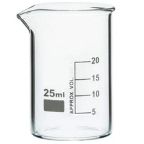 Borosilicate Glass Beaker
 Plastic Beaker (Euro Design)
 Plastic Beaker (Printed Graduation)
 Test Tube Brush
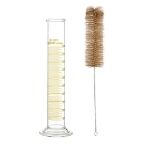 Measuring Cylinder Brush
 Conical Flask Brush
 Volumetric Flask Brush
 Round Bottom Flask Brush
 Glass Beaker Brush
 Pipette Brush
 Wash Bottle Brush
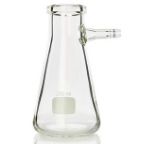 Borosilicate Büchner Flask
 Borosilicate Erlenmeyer/Conical Flask
 Borosilicate Pear-Shaped Flask
 Borosilicate Round Bottom Flask
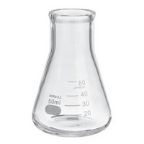 Plastic Conical Flask
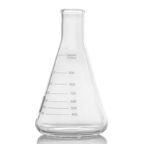 Plastic Volumetric Flask
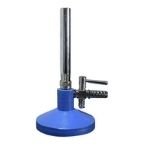 Bunsen Burner
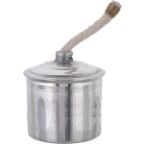 Spirit Lamp
 Borosilicate Glass Burette
 Plastic Burette
 Capillary Tube
 Centrifuge Tube
 Test Tube
 Ria Vial
 Vacutainer Tubes
 Syringes
 Student Microscope
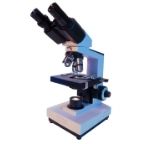 Binocular Microscope
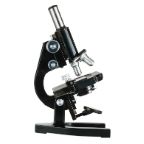 Dissecting Microscope
 Microscope Glass Slides
 Cover Slip
 Inoculating Loop
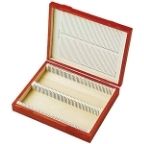 Slide Box
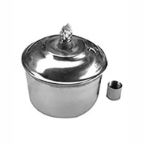 Lamps
Lamps
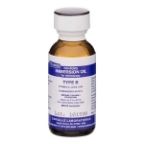 Oils
Oils
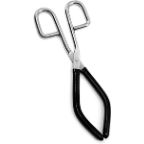 Beaker Tongs
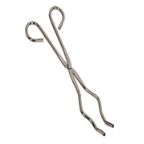 Crucible Tongs
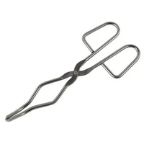 Flask Tongs
 Borosilicate Glass Funnel
 Plastic Funnels
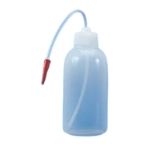 Wash Bottle
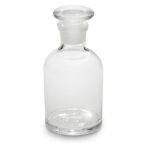 Borosilicate Glass Reagent Bottle
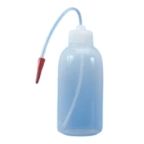 Plastic Reagent Bottle
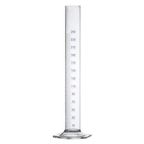 Borosilicate Measuring Cylinder
 Plastic Measuring Cylinder
 Borosilicate Glass Graduated Pipette
 Borosilicate Glass Volumetric Pipette
 HB Pipette
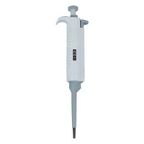 Pasteur Pipette
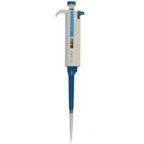 Micropipettes
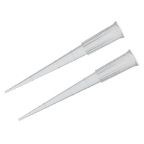 Micropipette Tips
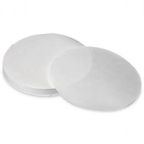 Filter Paper
 Litmus Paper
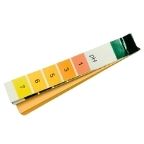 pH Paper
 Chromatography Paper
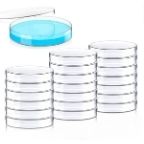 Plastic Petri Plates (Sterile)
 Glass Petri Plates (Non-Sterile)
 Safety Goggles
 Lab Coats
 Gloves
 Masks
Masks
 Shoe Covers
 Hair & Beard Covers
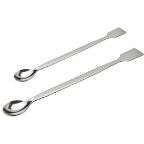 Steel Spatula
 Plastic Spatula
 Hitachi Sample Cup
 Plastic Scoop
 Plastic Medicine Cup
 Dissecting Tool Kit
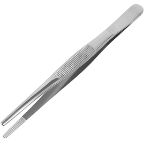 Dissecting Forceps
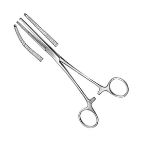 Hemostatic Forceps
 Thumb Forceps / Tweezers
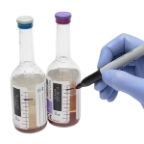 Blood Culture Bottle
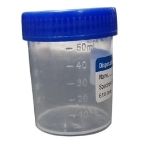 Urine Container
 Wooden Swab Stick
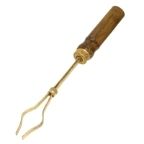 Test Tube Holder
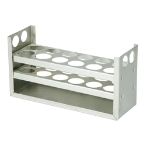 Test Tube Racks
 Magnifying Glass
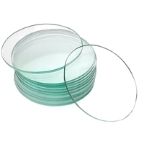 Watch Glass
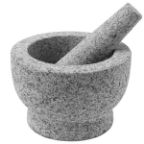 Mortar and Pestle
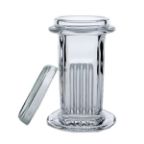 Coplin Jar
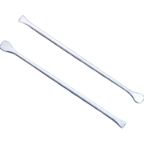 Plastic Stirrer
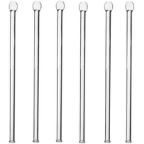 Glass Stirrer
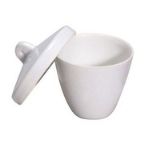 Crucible
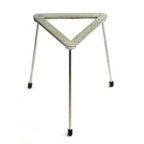 Tripod
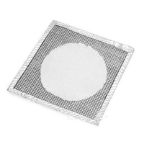 Wire Mesh
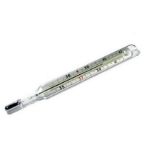 Laboratory Thermometer
 Tourniquet
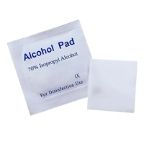 Alcohol Swab
 Blood Lancet
 Bandage
 Gloves & Masks









Types of pH Meters: Choosing the Right Tool for Accurate Measurement

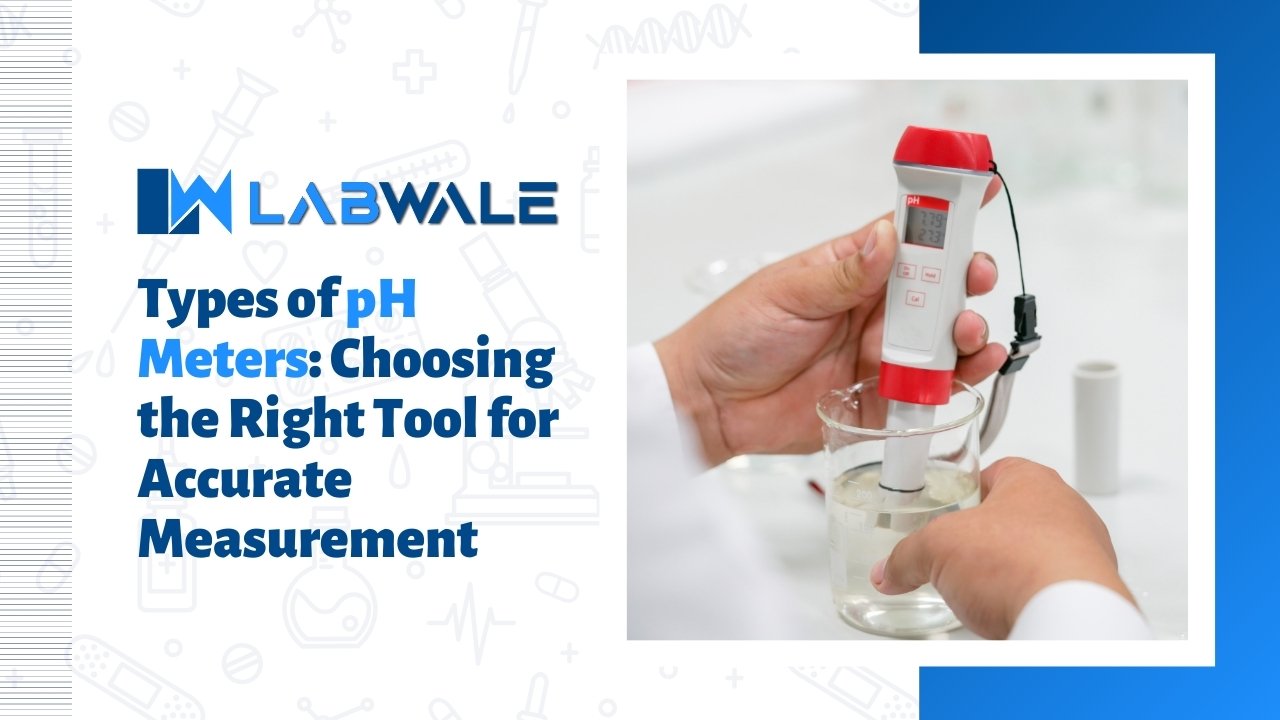
pH meters play a crucial role in various industries, from agriculture to pharmaceuticals. These devices provide vital information about the acidity or alkalinity of solutions, impacting everything from crop yields to product quality. With advancements in technology, pH meters have evolved significantly. However, with so many options available on the market today, choosing the right one can feel overwhelming.
Whether you’re a scientist in a lab or an enthusiast conducting home experiments, understanding your needs is essential for accurate measurements. This guide will walk you through different types of pH meters and help you select the ideal tool for your specific application. Get ready to dive into the world of pH measurement and discover how to make informed choices that ensure precision and reliability!
Understanding What a pH Meter Is and How It Works
A pH meter is an electronic device used to measure the acidity or alkalinity of a solution. This measurement is crucial in various fields, including chemistry, biology, agriculture, and food production.
At its core, a pH meter consists of two main components: a sensitive electrode and a reference electrode. The sensitive electrode reacts with hydrogen ions present in the solution, generating a voltage that corresponds to the pH level.
As this voltage changes with varying ion concentrations, it gets converted into readable data on the digital display. Many modern meters come equipped with features like automatic temperature compensation (ATC), enhancing accuracy by accounting for temperature fluctuations during measurements.
Understanding how these devices work can help users appreciate their importance across diverse applications—from monitoring soil health to ensuring product quality in manufacturing processes.
Importance of Accurate pH Measurement in Different Industries
Accurate pH measurement is crucial across various industries. In agriculture, it influences soil health and crop yield. Farmers rely on precise pH readings to optimize nutrient availability for plants.
In the food and beverage sector, maintaining the right acidity levels ensures product quality and safety. A slight deviation can affect flavor profiles or lead to spoilage.
Water treatment facilities depend on accurate pH to manage chemical reactions effectively. This helps in combating contaminants while ensuring safe drinking water standards are met.
The pharmaceutical industry also prioritizes exact measurements during drug formulation. Incorrect pH levels can compromise efficacy or stability of medications.
In environmental monitoring, real-time data regarding body of water’s pH informs conservation efforts around ecosystems. Many species depend on specific ranges for survival, making this measurement vital for biodiversity preservation.
Key Factors to Consider Before Choosing a pH Meter
Choosing the right pH meter involves several key factors. First, consider the accuracy required for your specific application. Different fields demand varying levels of precision.
Next, think about the environment where you’ll use the meter. If it’s a lab setting versus an outdoor location will significantly influence your choice. Certain models are designed to withstand harsher conditions than others.
Another important aspect is usability and portability. Do you need a handheld device for quick measurements or something more robust for continuous monitoring?
Also, evaluate battery life and power options if you’re opting for portable meters. You don’t want interruptions during critical testing times.
Consider calibration needs and maintenance requirements associated with different devices. A user-friendly model can save time in routine tasks while ensuring reliable results when it matters most.
Classification of pH Meters Based on Usage
pH meters come in various classifications based on their intended usage, each designed to cater to specific needs.
Laboratory pH meters offer precision for detailed analyses, often featuring advanced functionalities and robust calibration options. These are the go-to tools for scientists conducting rigorous experiments.
Portable pH meters allow professionals to take measurements outside the lab setting. Their compact design ensures convenience without sacrificing accuracy in fieldwork.
Handheld models are perfect for quick checks or routine monitoring, making them popular among technicians and hobbyists alike. Lightweight and user-friendly, they fit seamlessly into daily tasks.
For those requiring basic testing capabilities, pocket pH meters provide an accessible entry point with straightforward features ideal for educational purposes or casual use.
Industrial applications demand specialized equipment capable of continuous monitoring under tough conditions. Industrial-grade pH meters ensure reliable readings where precision is critical in manufacturing processes or wastewater treatment systems.
Benchtop pH Meters for Laboratory Applications
Benchtop pH meters are essential tools in laboratory settings. They provide precise measurements crucial for research and quality control.
These instruments often feature larger displays, making data reading easier during experiments. Many models come equipped with advanced functions like automatic temperature compensation, which enhances accuracy across different sample conditions.
Lab professionals appreciate the stability and reliability that benchtop meters offer. Their robust design allows them to handle a variety of samples, from liquids to gels. This versatility makes them ideal for various fields including chemistry, biology, and environmental science.
Calibration is another strong advantage of benchtop pH meters. Users can easily store multiple calibration points for increased precision over time. Regular maintenance ensures consistent performance, allowing scientists to trust their results without hesitation.
Incorporating this technology into lab practices can significantly improve workflow efficiency while ensuring reliable outcomes in every measurement taken.
Portable pH Meters for Field Testing and On-Site Analysis
Portable pH meters are essential tools for on-the-go testing. These compact devices allow users to measure the acidity or alkalinity of various samples directly in the field.
Engineered for convenience, they typically feature lightweight designs and easy-to-read displays. This makes them ideal for environmental monitoring, agricultural assessments, and water quality analysis.
Many portable models come with protective cases to endure harsh conditions. They often include waterproof features that enable use in wet environments without compromising performance.
Battery-powered options ensure you can take measurements anywhere without worrying about power sources. Their user-friendly interfaces make it simple to obtain accurate readings quickly.
With advancements in technology, some portable pH meters now integrate smart features like Bluetooth connectivity for data sharing with mobile applications. This capability enhances efficiency during data collection and reporting tasks in real-time settings.
Handheld pH Meters for Quick and Routine Measurements
Handheld pH meters are essential tools for professionals who need quick and reliable readings. Their compact design makes them incredibly portable, allowing users to conduct tests wherever necessary.
These devices excel in routine measurements, whether in laboratories, aquaculture farms, or educational settings. With just a push of a button, you can obtain accurate pH values in seconds.
Many handheld models come equipped with user-friendly interfaces. This feature simplifies the process for both experienced technicians and novices alike. It’s easy to navigate through various functions without needing extensive training.
Battery-operated options ensure that these meters remain functional even in remote locations where power sources are scarce.
Durability is another consideration; many handheld pH meters boast rugged designs resistant to water and dust. This resilience extends their lifespan while maintaining accuracy under challenging conditions.
Pocket pH Meters for Basic and Entry-Level Testing
Pocket pH meters are designed for simplicity and convenience. These compact devices easily fit into a pocket or bag, making them ideal for users on the go.
They serve as an excellent choice for students, hobbyists, or anyone needing quick assessments. With straightforward interfaces, these meters often include just one button to power on and take measurements.
Accuracy is sufficient for basic tasks like soil testing or monitoring pool water. While they may lack advanced features found in professional models, their affordability makes them accessible.
Many pocket pH meters come equipped with auto shut-off functions to conserve battery life. This adds another layer of user-friendliness that appeals to entry-level testers.
Despite their size, some have replaceable electrodes, enhancing longevity. Their lightweight design ensures easy portability without sacrificing functionality.
Industrial pH Meters for Continuous Process Monitoring
Industrial pH meters play a crucial role in maintaining process stability across various sectors. These devices are designed for continuous monitoring in environments where precision is vital.
With their robust construction, industrial pH meters can withstand harsh conditions like temperature fluctuations and chemical exposure. They offer real-time data, enabling operators to make immediate adjustments to processes.
These meters typically feature advanced calibration systems that ensure accuracy over extended periods. Some models come equipped with automatic temperature compensation, which enhances their reliability even in fluctuating thermal conditions.
Integration into automated systems allows for seamless data logging and remote access. This connectivity boosts efficiency by providing insights directly to control panels or mobile devices.
Choosing the right industrial pH meter ensures optimal performance. Factors like measurement range, response time, and electrode lifespan should be carefully evaluated based on specific application needs.
Related Products


Buffer Solution pH 4.0 Phthalate – 500ml pack – Laboratory Reagent
₹370.00 (inc. GST) / Unit
SKU:
LW-WEB-947
Buffer Solution pH 9.0 (Borate) – 500ml pack – Laboratory Reagent
₹420.00 (inc. GST) / Unit
SKU:
LW-WEB-957


Manganese (II) Sulphate Monohydrate 99.0% AR (Manganous Sulphate)
₹840.75 (inc. GST) / Unit
SKU:
LW-WEB-2766
Waterproof and Rugged pH Meters for Harsh Environments
Waterproof and rugged pH meters are essential tools for professionals working in challenging conditions. These devices are designed to withstand moisture, dust, and extreme temperatures that can disrupt standard measurements.
Built with durable materials, waterproof pH meters offer protection against spills and splashes. This feature is critical in industries like agriculture, wastewater management, and environmental monitoring where exposure to harsh substances is common.
Their robust construction ensures reliability even when used outdoors or in industrial settings. Many models also come equipped with reinforced probes that resist breakage under pressure.
Users appreciate the convenience of these meters as they often have enhanced battery life suited for fieldwork. With easy-to-read displays and intuitive interfaces, taking accurate readings becomes hassle-free, no matter the environment.
Digital vs Analog pH Meters: Key Differences Explained
Digital pH meters have become the go-to choice for many due to their ease of use and quick readings. They feature LCD screens that display precise measurements, making it simple to interpret results at a glance. Calibration is often automated, which enhances accuracy.
On the flip side, analog pH meters rely on traditional dials and scales. While some users appreciate their simplicity, reading values can be challenging without proper lighting or focus. Analog models may require frequent calibration by hand, adding an extra step in usage.
The durability of both types varies as well. Digital meters can be sensitive to moisture but often come with protective cases. Analog devices are generally robust but might lack advanced features like data logging or temperature compensation found in digital counterparts.
When considering precision and user experience, digital reigns supreme for most applications today.
Single-Parameter vs Multi-Parameter pH Meters
When it comes to pH meters, you’ll often hear about single-parameter and multi-parameter options. Each serves distinct purposes in various applications.
Single-parameter pH meters focus solely on measuring acidity or alkalinity. They are straightforward, easy to use, and ideal for environments where only pH readings are required. This simplicity can lead to faster results without the added complexity of extra features.
On the other hand, multi-parameter pH meters offer a broader range of functionalities. These devices not only measure pH but can also assess temperature, conductivity, ORP (oxidation-reduction potential), and more. This versatility makes them valuable tools in laboratories and industries that require comprehensive data analysis.
Choosing between these two types largely depends on your specific needs. If you need just basic pH measurements, a single-parameter meter may suffice. If you’re looking for detailed insights across multiple variables, investing in a multi-parameter device could be beneficial.
pH Meters with Automatic Temperature Compensation (ATC)
pH meters with Automatic Temperature Compensation (ATC) are designed to enhance accuracy. They adjust the pH readings based on the temperature of the solution being tested. This feature is crucial because pH levels can shift significantly with changes in temperature.
When using a standard pH meter, fluctuations might lead to erroneous results. ATC eliminates this variability by continuously monitoring and compensating for thermal effects during measurement.
These meters are ideal for environments where temperatures vary frequently, such as laboratories or outdoor testing sites. Users can focus on analyzing data rather than worrying about recalibrating for temperature differences.
Investing in an ATC-equipped meter ensures more reliable and consistent measurements across diverse applications, whether you’re working with soil samples or chemical solutions.
Smart pH Meters with Data Logging and Connectivity Features
Smart pH meters are revolutionizing how we monitor acidity and alkalinity. Equipped with data logging capabilities, they can record measurements over time automatically. This feature is invaluable for researchers who need to track changes in pH levels without constant manual input.
Connectivity features allow these meters to sync with mobile devices or computers. Users can analyze data trends instantly and share results seamlessly across teams. Some models even integrate with cloud services, ensuring that your data is backed up securely.
Real-time monitoring adds another layer of convenience. Alerts can be set up for specific thresholds, providing immediate notifications when pH levels deviate from desired ranges. This proactive approach enhances accuracy and efficiency in experiments or processes.
The user-friendly interfaces make navigating through settings intuitive, catering to both experts and beginners alike. With smart technology at hand, precise measurement becomes effortless and efficient.
pH Meter Electrodes and Probes: Types and Selection Guide
Choosing the right electrode or probe is crucial for accurate pH measurements. Different types cater to various applications and environments.
Glass electrodes are common due to their sensitivity. They provide quick readings but require careful handling. Solid-state electrodes, on the other hand, offer durability and can withstand harsh conditions.
For specialized tasks, consider gel-filled probes that minimize maintenance needs. These are ideal for dirty or viscous samples where traditional glass may fail.
If you’re measuring in extreme temperatures or pressures, look into high-temperature or high-pressure electrodes designed specifically for those scenarios.
Compatibility with your pH meter is essential too. Always check specifications before making a selection to ensure optimal performance and longevity of your equipment.
Accuracy, Resolution, and Calibration Requirements of pH Meters
Accuracy is crucial when it comes to pH measurement. A high-precision pH meter can significantly impact research results, quality control, and environmental monitoring. It’s essential to choose a model that offers the level of accuracy needed for your specific application.
Resolution refers to the smallest change in pH value that a meter can detect. Meters with higher resolution provide more detailed data, which is particularly important in sensitive scientific experiments or processes where slight variations matter.
Calibration requirements vary by device. Regular calibration ensures accurate readings over time. Most meters require calibration using standard buffer solutions at two or more points across the desired range. This practice helps maintain accuracy and prolongs the lifespan of your equipment.
Understanding these factors empowers users to select an appropriate pH meter tailored to their needs while promoting reliability in their measurements.
Maintenance and Storage Tips for Long-Term pH Meter Performance
Proper maintenance is crucial for extending the lifespan of your pH meter. Always clean the electrode after each use. Rinse it with distilled water to remove any contaminants that could affect accuracy.
Storage conditions play a significant role in performance. Keep the electrode moist by storing it in a storage solution specifically designed for pH probes. Avoid letting it dry out, as this can damage the sensitive glass membrane.
Regular calibration is essential too. Perform calibrations frequently, especially before critical measurements or experiments. Use fresh calibration solutions to ensure precise readings and dependable results.
Check for physical signs of wear and tear on your equipment periodically. Replace electrodes when you notice reduced sensitivity or inconsistent results. Keeping an eye on these factors will help maintain optimal performance over time.
Common Mistakes to Avoid When Using a pH Meter
Many users underestimate the importance of proper calibration. Failing to calibrate your pH meter before use can lead to inaccurate readings, which may compromise results.
Another frequent mistake is neglecting electrode care. Electrodes are sensitive and require regular maintenance. Rinse them with distilled water after each measurement to prevent contamination.
Using a pH meter in unsuitable environments is also common. Extreme temperatures or high salinity levels can affect accuracy. Always check manufacturer guidelines for optimal conditions.
Storage practices often get overlooked too. Leaving electrodes exposed or dried out can damage them permanently. Store them in storage solutions recommended by the manufacturer for longevity.
Rushing through measurements without allowing enough stabilization time leads to unreliable results. Patience pays off when striving for precision in every reading taken with a pH meter.
Choosing the Right pH Meter for Laboratory, Industrial, or Field Use
Selecting the right pH meter can significantly impact your results. Different environments demand different features.
For laboratory use, precision is paramount. Look for benchtop models with high accuracy and stability. They often offer advanced functionalities like data logging and extensive calibration options.
In industrial settings, durability matters more than ever. Industrial pH meters should withstand harsh conditions while providing continuous monitoring capabilities.
Field testing requires portability without compromising reliability. A portable or handheld meter can be ideal here, as they are designed for ease of transport and quick measurements on-site.
Consider user-friendliness too; intuitive interfaces can save time in both labs and fieldwork. Evaluate each option based on specific needs to ensure optimal performance tailored to your environment.
Cost vs Performance: Evaluating pH Meter Price Ranges
When selecting a pH meter, price often plays a crucial role. However, it’s essential to assess performance alongside cost. A cheaper model might suit basic needs but could lack accuracy and durability.
Mid-range options typically offer enhanced features and reliability. These meters strike a balance between budget constraints and quality performance. They are ideal for labs that require consistent results without breaking the bank.
High-end pH meters come equipped with advanced technology like data logging and wireless connectivity. While they represent a significant investment, their precision can be invaluable in critical applications.
Evaluating specific features against your requirements helps justify the expense of pricier models. Assessing long-term benefits versus initial costs is key to finding the right fit for your needs without overspending or compromising on accuracy.
Future Trends in pH Meter Technology and Innovation
The future of pH meter technology is bright, driven by innovations in sensor design and data analytics. Expect to see more compact and efficient sensors that can deliver real-time readings with remarkable accuracy.
Wireless connectivity will revolutionize the way we collect and share pH data. Smart meters equipped with Bluetooth or Wi-Fi capabilities will allow users to sync measurements directly to mobile devices or cloud platforms for easy access.
Artificial intelligence is also making its mark in this field. AI algorithms can analyze past data trends, helping predict shifts in pH levels before they occur—an invaluable tool for industries like agriculture and wastewater management.
Moreover, advancements in materials science may lead to electrodes made from novel substances that enhance durability while maintaining precision. This means longer-lasting equipment that minimizes downtime due to maintenance.
These emerging trends not only promise greater accuracy but also make it easier than ever for professionals across various fields to monitor their processes effectively.
Conclusion
Choosing the right pH meter can significantly influence accuracy and reliability in measurements. With so many options available, understanding your specific needs is crucial.
Consider the environment where you’ll be using the meter. Different settings demand varying features for optimal performance.
Also, think about how often you will conduct tests and whether portability matters to you. Some meters are designed for laboratory precision while others fit into outdoor scenarios seamlessly.
Investing time in research before purchasing can lead to better results in whatever industry you’re involved with—be it agriculture, food safety, or environmental monitoring.
Having a solid grasp of what each type offers empowers users to make informed decisions tailored to their unique requirements.
Frequently Asked Questions About Types of pH Meters
When it comes to navigating the world of pH meters, there are many questions that often arise. Here are some frequently asked questions to help clarify your understanding.
What is the best type of pH meter for home use?
For home use, a pocket or handheld pH meter is ideal. They are user-friendly and can provide accurate readings for gardening, aquariums, or even cooking.
How do I calibrate my pH meter?
Calibration typically involves using standard buffer solutions at known pH values. Follow the manufacturer’s instructions closely for optimal results.
Can I use any probe with my pH meter?
Not all probes are compatible with every model. Always check manufacturer specifications and choose probes designed specifically for your device.
Is automatic temperature compensation necessary?
While not strictly necessary, ATC helps ensure accuracy by adjusting readings based on temperature variations—crucial in lab settings where precise measurements matter.
How often should I replace my pH electrode?
Electrodes generally need replacement every 6 months to 2 years depending on usage and care. Regular maintenance extends their lifespan significantly.
 Cardiology
 Clinical Oncology