
-
-
 Cardiology
-
 Clinical Oncology
-
 Dental
-
 Dermatology
-
 Ear, Nose, Throat (ENT)
-
 Endocrinology
-
 Gastroenterology
-
 General Surgery
-
 Gynecology & Obstetrics
-
 Interventional Cardiology
-
 Nephrology
-
 Neurology
-
 Oncology Surgery
-
 Ophthalmology
-
 Orthopedics
-
 Pediatrics
-
 Pediatrics Surgery
-
 Physiotherapy
-
 Plastic Surgery
-
 Psychiatry & Psychology
-
 Radiology
-
 Urology
-
 Vascular Surgery
-

 Anatomy Lab Equipments
 Biochemistry Lab Equipments
 Biology Lab Equipments
 Chemistry Lab Equipments
 Cytology Lab Equipments
 Cytopathology Lab Equipments
 Dental Lab Equipments
 Forensic Lab Equipments
 Genetics Lab Equipments
 Hematology Lab Equipments
 Histology Lab Equipments
 Histopathology Lab Equipments
 Mathematics Lab Equipments
 Microbiology Lab Equipments
 Molecular Biology Lab Equipments
 Pathology Lab Equipments
 Pharmaceutical Lab Equipments
 Physics Lab Equipments
 Radiology Lab Equipments
 Science Lab Kit’s
 Toxicology Lab Equipments

 Borosilicate Glass Beaker
 Plastic Beaker (Euro Design)
 Plastic Beaker (Printed Graduation)
 Test Tube Brush
 Measuring Cylinder Brush
 Conical Flask Brush
 Volumetric Flask Brush
 Round Bottom Flask Brush
 Glass Beaker Brush
 Pipette Brush
 Wash Bottle Brush
 Borosilicate Büchner Flask
 Borosilicate Erlenmeyer/Conical Flask
 Borosilicate Pear-Shaped Flask
 Borosilicate Round Bottom Flask
 Plastic Conical Flask
 Plastic Volumetric Flask
 Bunsen Burner
 Spirit Lamp
 Borosilicate Glass Burette
 Plastic Burette
 Capillary Tube
 Centrifuge Tube
 Test Tube
 Ria Vial
 Vacutainer Tubes
 Syringes
 Student Microscope
 Binocular Microscope
 Dissecting Microscope
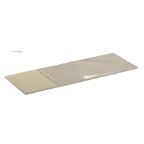 Microscope Glass Slides
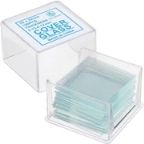 Cover Slip
 Inoculating Loop
 Slide Box
 Lamps
Lamps
 Oils
Oils
 Beaker Tongs
 Crucible Tongs
 Flask Tongs
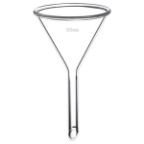 Borosilicate Glass Funnel
 Plastic Funnels
 Wash Bottle
 Borosilicate Glass Reagent Bottle
 Plastic Reagent Bottle
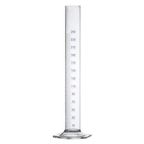 Borosilicate Measuring Cylinder
 Plastic Measuring Cylinder
 Borosilicate Glass Graduated Pipette
 Borosilicate Glass Volumetric Pipette
 HB Pipette
 Pasteur Pipette
 Micropipettes
 Micropipette Tips
 Filter Paper
 Litmus Paper
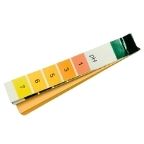 pH Paper
 Chromatography Paper
 Plastic Petri Plates (Sterile)
 Glass Petri Plates (Non-Sterile)
 Safety Goggles
 Lab Coats
 Gloves
 Masks
Masks
 Shoe Covers
 Hair & Beard Covers
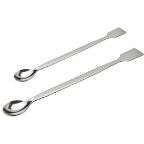 Steel Spatula
 Plastic Spatula
 Hitachi Sample Cup
 Plastic Scoop
 Plastic Medicine Cup
 Dissecting Tool Kit
 Dissecting Forceps
 Hemostatic Forceps
 Thumb Forceps / Tweezers
 Blood Culture Bottle
 Urine Container
 Wooden Swab Stick
 Test Tube Holder
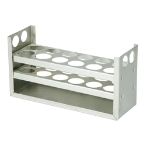 Test Tube Racks
 Magnifying Glass
 Watch Glass
 Mortar and Pestle
 Coplin Jar
 Plastic Stirrer
 Glass Stirrer
 Crucible
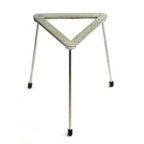 Tripod
 Wire Mesh
 Laboratory Thermometer
 Tourniquet
 Alcohol Swab
 Blood Lancet
 Bandage
 Gloves & Masks









Math Park: Fostering Mathematical Exploration and Fun

Imagine a place where children can leap, climb, and explore while diving into the fascinating world of numbers. Welcome to a Math Park—a dynamic playground designed not just for fun but also for mathematical exploration. This innovative concept is gaining traction across communities as educators and parents recognize the immense potential of learning through play. Instead of traditional classrooms filled with desks and worksheets, these vibrant spaces invite kids to engage with math in an interactive way that sparks curiosity and creativity.
In today’s fast-paced educational landscape, fostering a love for mathematics is essential. Math Parks offer an exciting alternative that transforms how students experience this critical subject. By blending physical activity with problem-solving challenges, they create opportunities for children to discover math concepts naturally while having a blast outdoors. So what exactly makes Math Parks so appealing? Let’s dive deeper into their engaging design and transformative impact on learning!
What Is a Math Park and Why Is It Gaining Popularity
A Math Park is an innovative space where play and mathematics intersect. It combines elements of a traditional playground with interactive installations that challenge children’s minds. Here, kids can explore mathematical concepts through hands-on activities that encourage problem-solving.
The popularity of Math Parks is on the rise as educators and parents recognize their effectiveness. These parks shift away from rote memorization, promoting experiential learning instead. Children engage in physical activity while tackling math puzzles, creating an environment conducive to exploration.
In addition to making math fun, these parks foster collaborative learning experiences. Kids work together to solve challenges, enhancing social skills along with cognitive development. As communities seek fresh approaches to education, Math Parks stand out for their ability to make numbers come alive in vibrant ways!
The Concept Behind Learning Mathematics Through Play
Learning mathematics through play taps into the natural curiosity children possess. It transforms abstract concepts into tangible experiences. When kids engage in playful activities, they explore numbers and patterns without the pressure of traditional learning.
Play-based math encourages discovery. Children might build structures with blocks or sort colorful shapes, all while honing their mathematical skills. This hands-on approach makes learning feel effortless and enjoyable.
The excitement of play fosters a positive attitude toward math. Kids are more likely to ask questions and seek solutions when they’re having fun. They learn to associate math with joy rather than anxiety.
Moreover, collaborative games promote teamwork and communication. As children work together on challenges, they share ideas and strategies, enhancing their understanding even further. Such interactions create a rich environment for mathematical exploration that resonates long after the game ends.
How Math Parks Transform Traditional Math Education
Math parks are revolutionizing the way we perceive traditional education. Instead of sitting at desks, students engage with math through interactive experiences. This hands-on approach cultivates a deeper understanding.
In these vibrant spaces, equations come to life. Climbing structures might represent geometric shapes, while games illustrate fractions in action. Students learn by doing rather than memorizing.
This shift also ignites curiosity and fosters critical thinking skills. When children explore mathematical concepts in an open environment, their natural inquisitiveness flourishes.
Furthermore, collaboration becomes second nature as peers work together on challenges scattered throughout the park. The social element enhances learning by allowing discussions and shared problem-solving moments.
With every leap, slide or climb, traditional boundaries dissolve. Math transforms into a dynamic adventure that invites students to discover its relevance beyond textbooks and classrooms.
The Role of Hands-On Activities in Mathematical Understanding
Hands-on activities are pivotal in nurturing mathematical understanding. They allow learners to engage with concepts actively rather than passively absorbing information.
When children manipulate objects, they can visualize abstract ideas. This tangible interaction bridges the gap between theory and practice, making math feel real and relevant.
For instance, using blocks to solve addition problems helps clarify number relationships. It transforms confusion into clarity through physical engagement.
Moreover, hands-on experiences cater to diverse learning styles. Visual learners thrive when they see math come alive through projects and games, while kinesthetic learners grasp concepts by moving and creating.
These activities also encourage exploration and experimentation. Children often stumble upon discoveries that deepen their comprehension as they play freely with numbers.
In a Math Park setting, these opportunities abound. The environment invites curiosity while fostering collaboration among peers—an essential element of meaningful learning experiences.
Designing a Math Park: Key Elements and Layout Planning
Designing a Math Park involves creativity and thoughtful planning. The layout should invite exploration while incorporating various mathematical concepts.
Start with diverse zones, each focusing on different skills like geometry, measurement, or patterns. These zones can be themed—think of a “Shape Garden” filled with 3D structures that children can climb or touch.
Incorporate pathways that guide visitors through the park but leave room for spontaneity. Curved paths can spark curiosity as they lead to unexpected installations.
Interactive elements are key. Consider large outdoor games or puzzles made from durable materials that encourage teamwork and problem-solving.
Visual displays showing math in nature also engage young minds effectively.
Ensure spaces are accessible for all ages and abilities, fostering an inclusive environment where everyone feels welcome to learn and play together.
Interactive Math Installations That Encourage Curiosity
Interactive math installations are designed to spark curiosity and engagement among learners of all ages. These captivating setups transform abstract concepts into tangible experiences. Imagine walking through a giant number maze where each step reveals a new equation or mathematical principle.
One popular installation features oversized balance scales that invite visitors to experiment with weights and gravity. This hands-on exploration makes understanding ratios and proportions intuitive rather than daunting.
Another exciting example is the geometric climbing wall, where participants navigate shapes while honing their spatial awareness. Every climb offers an opportunity to solve real-world problems embedded in the structure’s design.
These immersive environments not only make learning fun but also encourage critical thinking. Curiosity flourishes as individuals interact with these innovative exhibits, turning mathematics from a subject often viewed as tedious into an exhilarating adventure filled with discovery.
Real-World Math Applications Integrated Into Play Spaces
Math isn’t just about numbers on a page; it’s all around us. Math parks embrace this concept by integrating real-world applications into their play spaces.
Imagine an outdoor installation where children can measure the height of a tree using simple tools, or calculate the distance they can jump from one platform to another. These activities bridge theoretical math with practical experiences.
Interactive features like shopping stalls teach budgeting skills through pretend play. Kids learn to make change and understand value while enjoying themselves.
Weather stations allow them to gather data, fostering an understanding of statistics and averages in a fun context.
In these environments, young explorers grasp how math applies to everyday life. By engaging with tangible examples, they develop confidence in their abilities and see learning as an adventure rather than a chore. The playful atmosphere encourages curiosity and exploration—key ingredients for lifelong learners.
Benefits of Math Parks for Early Childhood Development
Math parks offer a vibrant space for early childhood development. They engage children in hands-on activities that blend learning with play. This makes math concepts more relatable and enjoyable.
While exploring these interactive environments, kids naturally build critical thinking skills. They encounter real-life problems to solve, fostering their analytical abilities from a young age.
Social skills also flourish in math parks. Children collaborate on challenges, sharing ideas and strategies as they work together. This teamwork is essential for developing communication skills.
Moreover, the playful atmosphere reduces anxiety around math. Young learners approach numbers without fear, boosting their confidence along the way.
Physical activity incorporated into learning enhances memory retention too. As children move through different installations, they connect mathematical principles with movement seamlessly.
How Math Parks Support Problem-Solving and Logical Thinking
Math parks cultivate an environment where problem-solving thrives. By transforming mathematical concepts into tangible experiences, they invite learners to engage in challenges that require critical thinking.
As children navigate through various installations, they encounter puzzles and tasks that ignite their curiosity. This hands-on approach encourages them to test ideas and explore solutions actively. Each interaction becomes an opportunity for discovery.
Logical thinking is nurtured as children analyze problems from different angles. They learn to break down complex scenarios into manageable steps, fostering resilience when faced with difficulties. The playful atmosphere reduces anxiety around math, allowing for experimentation without the fear of failure.
Collaboration enhances this learning process too. Working together on group activities means sharing thoughts and strategies, which further deepens understanding of logical reasoning. Math parks become hubs for creativity where every challenge sparks innovation in thought processes.
Encouraging Collaborative Learning Through Group Activities
Group activities in a Math Park create dynamic opportunities for collaborative learning. When children work together on math challenges, they share ideas and perspectives. This exchange can lead to deeper understanding.
As kids tackle puzzles or build structures, they learn the value of teamwork. They recognize that different approaches can lead to the same solution. It encourages them to communicate effectively, honing their social skills alongside mathematical reasoning.
Moreover, these interactions spark creativity. Children might combine strategies in unexpected ways, leading to innovative solutions that would not emerge in isolation.
The joy of solving problems as a team fosters a sense of belonging and community among participants. Each successful collaboration builds confidence and cultivates a love for learning mathematics through shared experiences.
Math Parks as Inclusive Learning Environments for All Ages
Math parks serve as vibrant hubs for learners of all ages, promoting inclusivity in education. These spaces are designed to welcome everyone, regardless of their background or skill level.
With engaging installations and interactive features, these parks break down barriers often associated with traditional learning environments. Each element invites exploration and participation, allowing children and adults alike to discover math concepts at their own pace.
Accessibility is a priority in the design process. Ramps, sensory activities, and varied difficulty levels ensure that every visitor can engage meaningfully with mathematical ideas.
Group activities foster collaboration among diverse participants. This not only enhances social skills but also encourages sharing different perspectives on problem-solving.
The playful atmosphere naturally reduces anxiety associated with learning math. Here, struggling students find support from peers while more advanced learners can help guide others along the way. Such interactions create a richer understanding of mathematics for everyone involved.
Linking Physical Movement With Mathematical Concepts
Physical movement and mathematical concepts might seem worlds apart, but they can dance together beautifully in a Math Park.
Imagine jumping from one number to another, tracing shapes or patterns with your body. These activities create a vibrant connection between the abstract world of math and tangible experiences. Kids grasp ideas like geometry through hopping around on geometric shapes drawn on the ground.
As children engage physically, they not only burn energy but also deepen their understanding of numbers and spatial relationships. This kinesthetic approach makes learning memorable.
When learners move while exploring math, it enhances retention. The brain links physical actions with cognitive tasks, creating neural pathways that strengthen comprehension.
Incorporating movement into lessons transforms traditional rote memorization into dynamic adventures. It’s about feeling math in your bones rather than just seeing it on paper—an invitation for every curious mind to join in the fun!
The Role of Visual Learning in Math Park Experiences
Visual learning plays a pivotal role in the Math Park experience. Bright colors, engaging shapes, and interactive displays draw children into a world where math comes alive.
When kids see mathematical concepts represented visually—like patterns on pathways or geometric sculptures—they can grasp ideas more easily. This makes abstract concepts tangible and relatable.
Interactive visual tools encourage exploration. For instance, giant number tiles allow children to physically arrange equations while enjoying dynamic visuals around them. It sparks curiosity and invites them to experiment with numbers creatively.
Moreover, these vibrant environments cater to diverse learners. Visual elements support those who may struggle with traditional methods by providing alternative ways of understanding.
The combination of sight and play enhances retention as students engage multiple senses during their learning journey. In Math Parks, every corner offers opportunities for discovery through captivating visuals that transform mathematics into an exciting adventure.
How Educators Can Use Math Parks as Teaching Extensions
Math parks offer a dynamic extension to traditional classroom teaching. Educators can utilize these spaces to create engaging, hands-on lessons that breathe life into abstract concepts.
By integrating outdoor activities with math challenges, teachers encourage students to explore and apply their knowledge in real-world contexts. For instance, they can set up scavenger hunts with math problems or design obstacle courses that require measurement skills.
Collaboration is another key aspect of utilizing math parks. Group activities foster teamwork while sharpening problem-solving abilities. Students learn from each other as they navigate through interactive installations.
Moreover, educators can incorporate technology by using apps that track progress during park-based activities. This blend of nature and tech makes learning more appealing.
Using math parks effectively transforms the way students experience mathematics, turning every visit into an opportunity for exploration and discovery.
Parental Involvement and Learning Beyond the Classroom
Parental involvement plays a crucial role in maximizing the benefits of Math Parks. When parents engage with their children during visits, they reinforce learning through shared experiences.
Exploring math concepts together can spark curiosity and deepen understanding. Parents can ask questions or challenge their kids to think critically about what they see and do.
Beyond just visiting these parks, families can create math-related activities at home. Simple games involving counting or measuring ingredients while cooking can extend learning from the park into daily life.
By fostering open conversations around problem-solving, parents help cultivate a growth mindset in their children. This ongoing dialogue nurtures confidence and enthusiasm for mathematics.
Moreover, collaborative projects that involve family members provide opportunities for teamwork. These experiences not only strengthen bonds but also promote essential skills that go beyond traditional classroom settings.
Math Parks and Their Impact on Student Confidence
Math parks create a unique environment that boosts student confidence. When children engage in playful learning, they often feel more at ease with the subject matter. This relaxed atmosphere allows them to explore mathematical concepts without fear of failure.
As kids interact with various installations, they encounter challenges that require problem-solving skills. Successfully navigating these tasks enhances their belief in their abilities. Each small victory builds momentum.
Collaborative activities promote teamwork and communication too. Students learn together, share ideas, and celebrate each other’s successes. Such experiences reinforce self-worth and foster a sense of belonging.
Additionally, visual representations and hands-on experiences make abstract concepts tangible. When students can see math come to life around them, it demystifies the subject and encourages risk-taking.
This newfound confidence extends beyond the park’s boundaries, impacting academic performance positively as students approach traditional classroom settings with greater enthusiasm.
Adapting Math Parks for Different Learning Styles
Math parks can cater to various learning styles, making them inclusive spaces for all children. Visual learners thrive in environments filled with colorful displays and interactive graphics. Math concepts can be illustrated through vibrant murals or engaging signs that invite exploration.
Auditory learners benefit from guided activities featuring songs or rhymes related to math principles. Incorporating sound elements into installations can enhance their experience, making learning memorable.
Kinesthetic learners need movement-based tasks to grasp mathematical ideas. Structures like climbing walls shaped like graphs allow these children to physically engage with numbers and shapes while playing.
For logical thinkers, puzzles and problem-solving stations prompt critical thinking. These areas challenge kids to approach math creatively while fostering collaboration among peers.
Each element of a math park should reflect diverse approaches, ensuring every child finds joy in discovering mathematics on their own terms. Tailoring experiences creates an atmosphere where everyone feels empowered and inspired.
The Psychological Benefits of Gamified Math Learning
Gamified math learning taps into the natural curiosity of children, transforming numbers and equations into an adventure. This approach ignites excitement, turning challenges into engaging quests.
When students encounter mathematical problems within a game context, they experience reduced anxiety. The playful environment encourages risk-taking without the fear of failure often felt in traditional classrooms.
Moreover, gamification fosters intrinsic motivation. Kids are more likely to embrace complex concepts when they can earn points or unlock levels as rewards for their efforts.
Social interaction is another crucial aspect. Collaborative games promote teamwork and communication skills while simultaneously reinforcing mathematical understanding through discussion and shared problem-solving.
These experiences contribute significantly to building resilience and a growth mindset—traits essential for lifelong learning beyond the math park’s boundaries.
Community Engagement Through Educational Playgrounds
Educational playgrounds serve as vibrant hubs for community engagement. They invite families, educators and local organizations to come together in a shared goal: fostering mathematical understanding through play.
These spaces encourage collaborative activities that promote social interaction. Children learn from each other while exploring math concepts in engaging ways. Parents often participate too, creating an inclusive atmosphere where learning becomes a family affair.
Local businesses can contribute by sponsoring installations or hosting events at the park. This not only enhances resources but also strengthens community ties. Workshops and math fairs can take place here, further integrating educational experiences into everyday life.
Through these interactive environments, communities cultivate curiosity and creativity among their youth. The playground transforms into more than just a recreational space; it becomes a cornerstone of lifelong learning and exploration for everyone involved.
Future Trends in Math Parks and Experiential Learning
As education evolves, so do the designs and concepts behind math parks. Future trends are leaning towards integrating technology seamlessly into outdoor spaces. Imagine augmented reality games that bring math problems to life, allowing children to interact with equations in a vibrant environment.
Sustainability is also becoming a key focus. Math parks may incorporate eco-friendly materials and natural elements, turning learning into an exploration of both mathematics and environmental stewardship.
Furthermore, personalized learning experiences will likely gain traction. Interactive installations could adapt to individual skill levels, offering challenges suited for every child’s unique pace.
Community partnerships might flourish, encouraging local businesses and organizations to contribute resources or programs that enhance these educational spaces. As communities rally around math parks, they not only enrich their own youth but also foster a culture of lifelong learning through engaging play.
Challenges in Implementing Math Parks and Practical Solutions
Implementing Math Parks comes with its own set of challenges. Budget constraints often top the list. Limited funding can restrict the resources available for designing and building these innovative spaces.
Another hurdle is community buy-in. Parents and educators may be skeptical about the effectiveness of such parks for learning. Engaging stakeholders early on can help mitigate this issue, fostering a sense of ownership in the project.
Space limitations also pose a significant challenge in urban areas where land is at a premium. Creative design solutions, such as vertical installations or multi-use spaces, can maximize functionality within restricted footprints.
Ongoing maintenance cannot be overlooked. Regular upkeep is essential to keep installations safe and appealing. Establishing partnerships with local organizations could provide support for both maintenance and programming investment over time.
Measuring Learning Outcomes in Math Park Environments
Measuring learning outcomes in Math Park environments requires innovative approaches. Traditional testing methods often fall short in this dynamic setting.
Instead, educators can use observational assessments. Watching children interact with math installations reveals their understanding and engagement levels. These real-time insights highlight how play fosters mathematical thinking.
Data collection can also include surveys or feedback sessions with both students and parents. Their perspectives provide valuable information on the effectiveness of various activities.
Technology integration is another avenue to explore. Apps designed for tracking progress can capture individual achievements while keeping it fun and engaging.
Combining qualitative observations with quantitative data creates a comprehensive picture of learning success. This multifaceted approach ensures that every child’s experience is valued, paving the way for tailored educational strategies moving forward.
Frequently Asked Questions About Math Parks
Math parks are capturing the imagination of educators, parents, and children alike. Their innovative approach to teaching mathematics through play makes learning engaging and enjoyable. Here we answer some common questions about these exciting spaces.
What age groups benefit from math parks?
Math parks cater to all ages, making them perfect for early childhood up through elementary school students. They provide interactive experiences that adapt as children’s skills develop.
How do math parks support different learning styles?
By incorporating visual aids, hands-on activities, and collaborative tasks, math parks address various learning preferences. Whether a child learns best by seeing or doing, there’s something for everyone.
Are there specific activities designed for problem-solving in math parks?
Yes! Many installations focus on puzzles and challenges that require critical thinking. These encourage kids to explore solutions creatively while having fun.
Can parents get involved in their child’s experience at a math park?
Absolutely! Parental involvement is encouraged through family-oriented events or volunteer opportunities. This helps strengthen the child’s connection with both mathematical concepts and their guardians.
What measurable outcomes can be expected from using a math park?
Outcomes vary but often include improved problem-solving skills, increased confidence in handling mathematical concepts, and enhanced social interaction among peers as they learn together.
 Cardiology
 Clinical Oncology