
-
-
 Cardiology
-
 Clinical Oncology
-
 Dental
-
 Dermatology
-
 Ear, Nose, Throat (ENT)
-
 Endocrinology
-
 Gastroenterology
-
 General Surgery
-
 Gynecology & Obstetrics
-
 Interventional Cardiology
-
 Nephrology
-
 Neurology
-
 Oncology Surgery
-
 Ophthalmology
-
 Orthopedics
-
 Pediatrics
-
 Pediatrics Surgery
-
 Physiotherapy
-
 Plastic Surgery
-
 Psychiatry & Psychology
-
 Radiology
-
 Urology
-
 Vascular Surgery
-

 Anatomy Lab Equipments
 Biochemistry Lab Equipments
 Biology Lab Equipments
 Chemistry Lab Equipments
 Cytology Lab Equipments
 Cytopathology Lab Equipments
 Dental Lab Equipments
 Forensic Lab Equipments
 Genetics Lab Equipments
 Hematology Lab Equipments
 Histology Lab Equipments
 Histopathology Lab Equipments
 Mathematics Lab Equipments
 Microbiology Lab Equipments
 Molecular Biology Lab Equipments
 Pathology Lab Equipments
 Pharmaceutical Lab Equipments
 Physics Lab Equipments
 Radiology Lab Equipments
 Science Lab Kit’s
 Toxicology Lab Equipments

 Borosilicate Glass Beaker
 Plastic Beaker (Euro Design)
 Plastic Beaker (Printed Graduation)
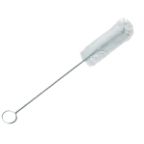 Test Tube Brush
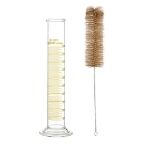 Measuring Cylinder Brush
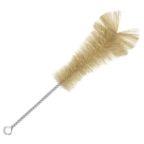 Conical Flask Brush
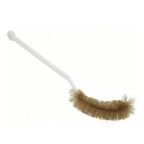 Volumetric Flask Brush
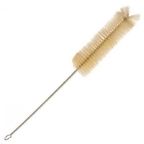 Round Bottom Flask Brush
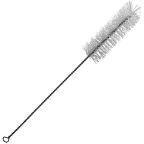 Glass Beaker Brush
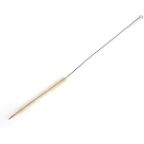 Pipette Brush
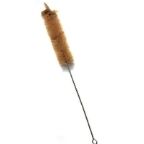 Wash Bottle Brush
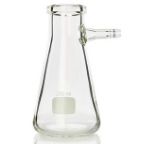 Borosilicate Büchner Flask
 Borosilicate Erlenmeyer/Conical Flask
 Borosilicate Pear-Shaped Flask
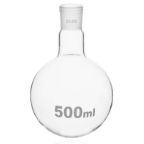 Borosilicate Round Bottom Flask
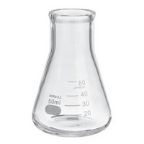 Plastic Conical Flask
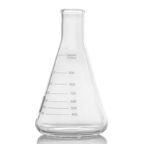 Plastic Volumetric Flask
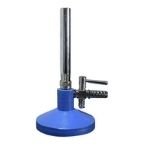 Bunsen Burner
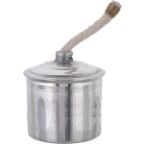 Spirit Lamp
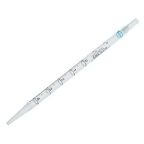 Borosilicate Glass Burette
 Plastic Burette
 Capillary Tube
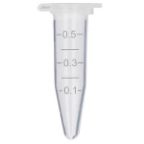 Centrifuge Tube
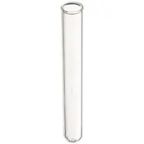 Test Tube
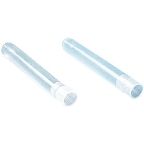 Ria Vial
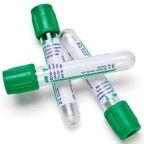 Vacutainer Tubes
 Syringes
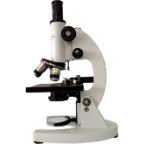 Student Microscope
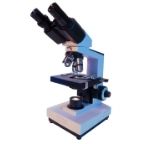 Binocular Microscope
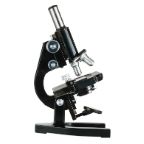 Dissecting Microscope
 Microscope Glass Slides
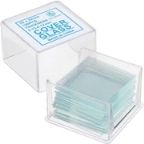 Cover Slip
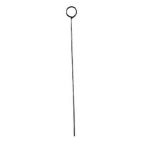 Inoculating Loop
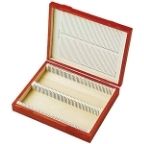 Slide Box
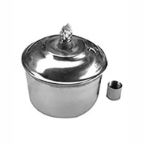 Lamps
Lamps
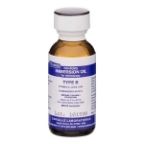 Oils
Oils
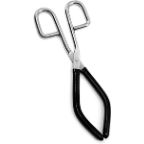 Beaker Tongs
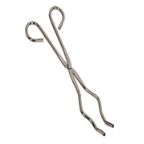 Crucible Tongs
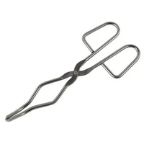 Flask Tongs
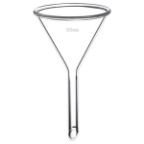 Borosilicate Glass Funnel
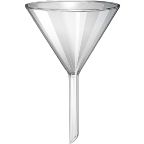 Plastic Funnels
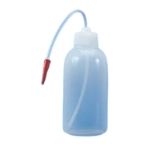 Wash Bottle
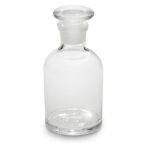 Borosilicate Glass Reagent Bottle
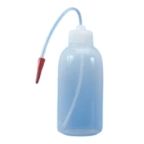 Plastic Reagent Bottle
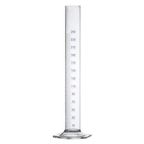 Borosilicate Measuring Cylinder
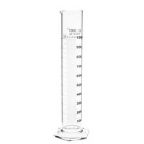 Plastic Measuring Cylinder
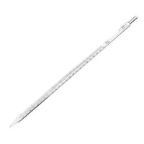 Borosilicate Glass Graduated Pipette
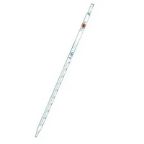 Borosilicate Glass Volumetric Pipette
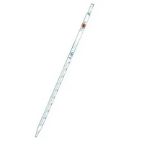 HB Pipette
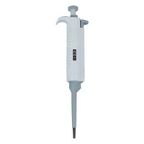 Pasteur Pipette
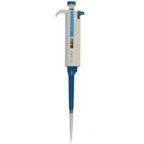 Micropipettes
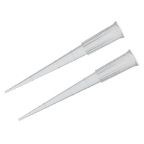 Micropipette Tips
 Filter Paper
 Litmus Paper
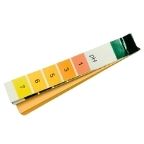 pH Paper
 Chromatography Paper
 Plastic Petri Plates (Sterile)
 Glass Petri Plates (Non-Sterile)
 Safety Goggles
 Lab Coats
 Gloves
 Masks
Masks
 Shoe Covers
 Hair & Beard Covers
 Steel Spatula
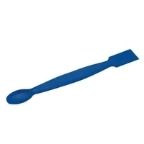 Plastic Spatula
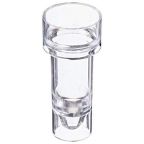 Hitachi Sample Cup
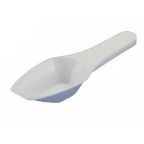 Plastic Scoop
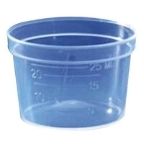 Plastic Medicine Cup
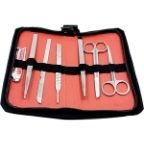 Dissecting Tool Kit
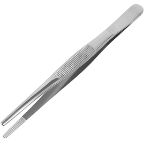 Dissecting Forceps
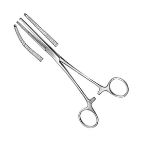 Hemostatic Forceps
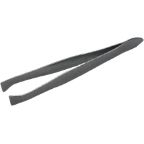 Thumb Forceps / Tweezers
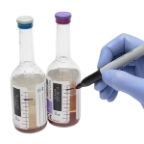 Blood Culture Bottle
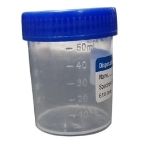 Urine Container
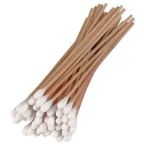 Wooden Swab Stick
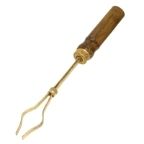 Test Tube Holder
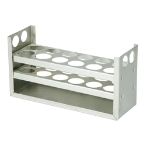 Test Tube Racks
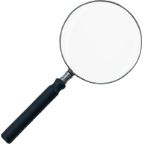 Magnifying Glass
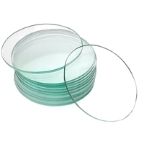 Watch Glass
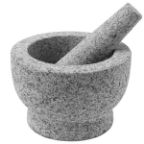 Mortar and Pestle
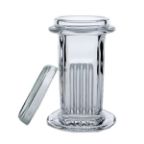 Coplin Jar
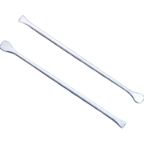 Plastic Stirrer
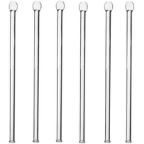 Glass Stirrer
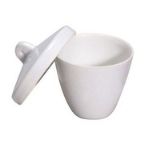 Crucible
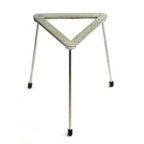 Tripod
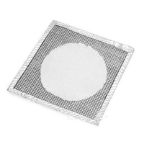 Wire Mesh
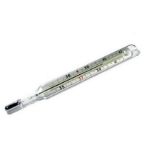 Laboratory Thermometer
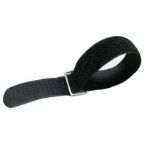 Tourniquet
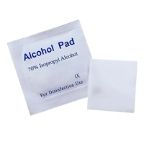 Alcohol Swab
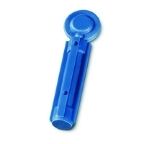 Blood Lancet
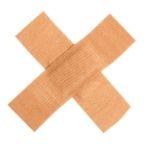 Bandage
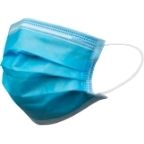 Gloves & Masks









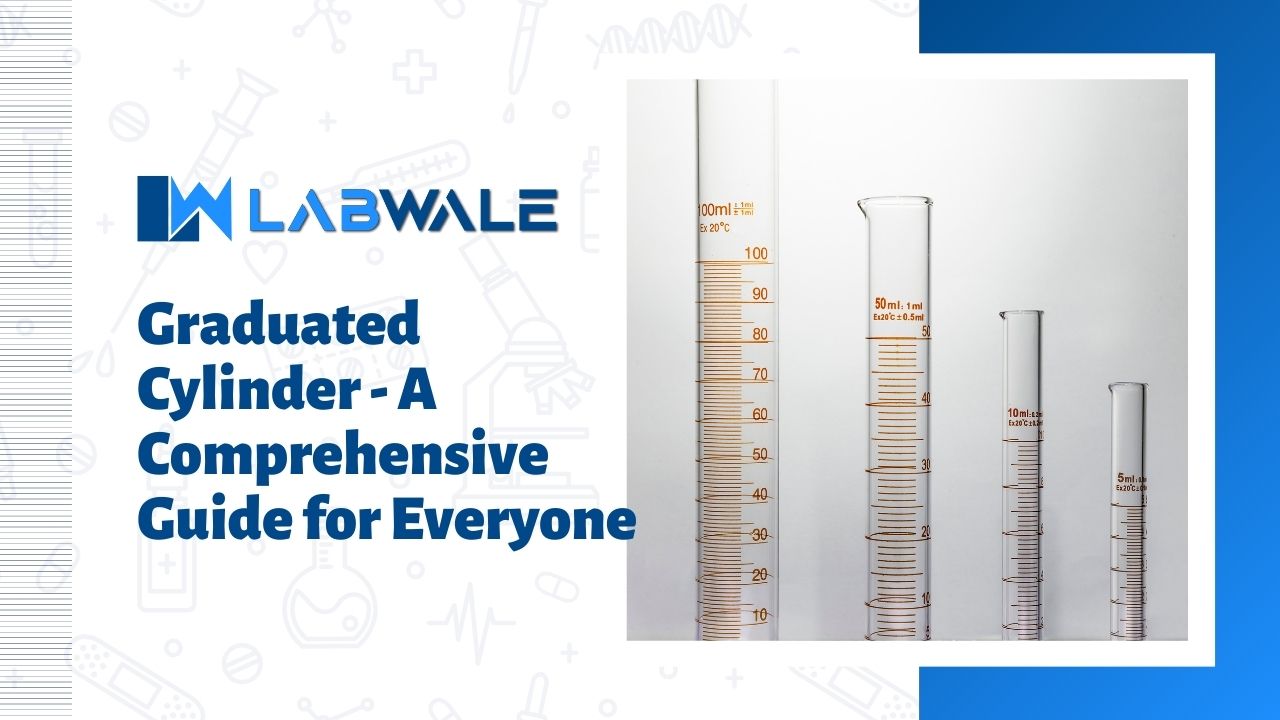
Graduated Cylinder – A Comprehensive Guide for Everyone

Contents
- Graduated Cylinder – A Comprehensive Guide for Everyone
- Introduction to Graduated Cylinders
- Understanding the Purpose of a Graduated Cylinder
- Key Components and Design Features
- Types of Graduated Cylinders Used in Laboratories
- Materials: Glass vs. Plastic Graduated Cylinders
- How to Read Measurements Accurately
- What Is the Meniscus and Why It Matters
- Step-by-Step Guide to Using a Graduated Cylinder
- Measuring Liquids With High Precision
- Common Errors While Measuring and How to Avoid Them
- Choosing the Right Size Graduated Cylinder
- Accuracy and Tolerance Levels Explained
- Cleaning and Maintenance Best Practices
- Proper Storage of Laboratory Cylinders
- Safety Tips for Handling Graduated Cylinders
- Graduated Cylinder vs. Beaker: Key Differences
- Graduated Cylinder vs. Volumetric Flask: Comparison
- Applications in Schools, Colleges, and Scientific Labs
- Industrial and Research Uses of Graduated Cylinders
- Tips for Extending the Lifespan of Your Cylinder
- Sustainable and Chemical-Resistant Cylinder Options
- Final Thoughts: Why Every Lab Needs a Graduated Cylinder
- Frequently Asked Questions
Graduated Cylinder – A Comprehensive Guide for Everyone
Introduction to Graduated Cylinders
When it comes to measuring liquids in a laboratory setting, one tool stands out for its precision and versatility: the graduated cylinder. This slender glass or plastic vessel may seem simple at first glance, but it’s essential for anyone involved in scientific experiments or even cooking enthusiasts striving for accuracy. Whether you’re mixing chemicals in a lab or concocting your favorite recipe at home, understanding how to use a graduated cylinder effectively can make all the difference.
Have you ever wondered why this instrument is so widely adopted? From schools to advanced research facilities, its applications are vast and varied. In this guide, we’ll dive deep into everything you need to know about graduated cylinders—how they work, their various types and materials, as well as tips on reading measurements accurately. Get ready to enhance your liquid measuring skills like never before!
Understanding the Purpose of a Graduated Cylinder
A graduated cylinder is a fundamental tool in any laboratory setting. Its primary purpose is to accurately measure liquid volumes. Scientists rely on this precision for experiments, ensuring that results are reliable.
Unlike beakers or flasks, graduated cylinders provide clear and precise measurements thanks to their marked scale along the side. This makes them ideal for tasks requiring exact quantities of liquids.
Whether it’s chemistry, biology, or physics, understanding how to use a graduated cylinder correctly can make all the difference in experimental outcomes. It allows researchers to conduct controlled reactions and obtain consistent data.
In educational environments, students learn the importance of measurement accuracy through hands-on experience with these instruments. The skills developed here carry over into professional scientific practices where attention to detail matters most.
Key Components and Design Features
Graduated cylinders are designed for precision, and their key components reflect that purpose. The main body of the cylinder is tall and narrow, which helps to minimize meniscus distortion while allowing for accurate liquid measurement.
The graduated scale runs along the side of the cylinder. These markings indicate volume increments. Each scale varies based on the size and capacity of the cylinder, ensuring users can measure small or large volumes with confidence.
Another important feature is the spout at the top. This allows for controlled pouring without excess spilling. A stable base ensures that your measurements remain steady during use—an often-overlooked yet vital design element.
Material choice also plays a role in functionality; glass options provide clarity and chemical resistance while plastic versions offer durability against breakage in busy environments. Each component works together to create an effective tool for both educational settings and professional laboratories alike.
Types of Graduated Cylinders Used in Laboratories
Graduated cylinders come in various types, each designed for specific laboratory needs. The most common are tall and narrow cylinders that provide accurate measurement of liquids.
There are also short and wide graduated cylinders. These offer stability when measuring larger volumes, reducing the risk of tipping over during use.
Specialized graduated cylinders include those with pouring spouts or handles to make transferring liquids easier without spilling.
For high-temperature applications, you’ll find heat-resistant options made from borosilicate glass. They withstand thermal shock better than standard glass.
Moreover, some laboratories utilize color-coded graduated cylinders for quick volume identification. This can enhance workflow efficiency by allowing users to grab the right cylinder at a glance.
Each type serves a distinct purpose, ensuring precision and safety across different experiments in various scientific fields.
Materials: Glass vs. Plastic Graduated Cylinders
When it comes to material choice for graduated cylinders, glass and plastic each have their unique benefits and drawbacks.
Glass graduated cylinders are favored for their high accuracy and chemical resistance. They offer superior clarity, which allows for precise readings of liquid levels. However, they can be fragile. A drop or sudden impact may shatter the cylinder.
On the other hand, plastic graduated cylinders provide durability and lightweight convenience. They’re less likely to break if dropped in a busy lab environment. This makes them ideal for educational settings where safety is a priority.
However, plastic may not withstand certain chemicals as effectively as glass does. The surface can also scratch over time, affecting measurement accuracy.
Choosing between glass and plastic often depends on the specific needs of your laboratory work or experiments. Each material has its place depending on the intended application and required precision level.
How to Read Measurements Accurately
Reading measurements accurately is crucial in any laboratory setting. Start by positioning your graduated cylinder on a flat surface to avoid parallax errors.
Next, ensure you’re at eye level with the liquid’s surface. This perspective helps you see the true measurement without distortion.
Focus on the bottom of the meniscus—the curved shape formed by liquid—because that’s where you’ll find your reading. Always take note of where this point intersects with the scale markings.
If your cylinder has multiple scales, be sure to use the correct one for precise measurements. Take it slow; rushing can lead to mistakes that might compromise results.
Record your readings immediately and double-check them before moving forward with experiments or calculations. Accuracy today leads to reliable outcomes tomorrow.
What Is the Meniscus and Why It Matters
The meniscus is the curved surface of a liquid in a container, such as a graduated cylinder. This phenomenon occurs due to surface tension and adhesive forces between the liquid and the walls of the cylinder.
When measuring liquids, it’s essential to understand how to read this curve accurately. For most liquids like water, you should measure at the bottom of the meniscus—where it dips lowest. This ensures precision in your readings.
Ignoring the meniscus can lead to significant measurement errors, especially in experiments requiring accuracy. Even small discrepancies can affect results drastically.
In some cases, different liquids behave differently; for instance, mercury forms a convex meniscus while water has a concave one. Understanding these variations helps avoid mistakes during measurements and enhances reliability in your lab work.
Step-by-Step Guide to Using a Graduated Cylinder
Using a graduated cylinder is straightforward. Start by placing the cylinder on a stable, flat surface to ensure accuracy.
Next, pour the liquid slowly into the cylinder. Avoid splashing to maintain clean measurements. Fill it until you reach just below your desired mark.
Take a moment to check your eyes level with the measurement line. This will help you read accurately without parallax errors.
Gently note where the bottom of the meniscus rests against the scale. Make sure you’re reading at eye level for precision.
If you’re measuring multiple liquids or need varying amounts, use different cylinders as needed to prevent contamination or cross-mixing.
Always remember: handle with care and never forcefully shake or swirl; this can lead to inaccuracies in measurement!
Measuring Liquids With High Precision
Measuring liquids with high precision is crucial in scientific experiments. Even a slight miscalculation can lead to erroneous results.
To achieve accuracy, always ensure your graduated cylinder is clean and free from residue. Any leftover substances can skew measurements significantly.
When pouring the liquid, do so slowly to minimize splashes or bubbles that could affect the reading. A steady hand helps maintain an even pour.
Position yourself at eye level with the meniscus for precise readings. This curvature of the liquid surface gives you a clear reference point for measurement.
Using lower volume cylinders when dealing with small quantities enhances precision as well. Smaller increments allow for more accurate readings compared to larger cylinders.
Regular calibration of measuring equipment also supports consistent results over time. Trustworthy equipment leads to trustworthy data, essential in any lab setting.
Common Errors While Measuring and How to Avoid Them
Measuring liquids with a graduated cylinder can be tricky. Many users make common errors that lead to inaccurate readings.
One frequent mistake is not aligning the eye level with the meniscus. This can cause parallax error, which skews results. Always ensure your eyes are at the same height as the liquid surface for an accurate reading.
Another issue arises from not considering temperature fluctuations. As liquids expand or contract, their volume changes slightly. Make sure to measure at room temperature for consistent results.
Also, avoid pouring too quickly. Sudden movements can create bubbles or splashes, leading to incorrect measurements. Pour smoothly and steadily to keep liquid levels stable.
Using a dirty cylinder can introduce contaminants that affect measurement accuracy. Regular cleaning is essential for reliable outcomes in your experiments.
Choosing the Right Size Graduated Cylinder
Choosing the right size graduated cylinder is crucial for accurate measurements. A cylinder that’s too small may lead to overflow, while a larger one could result in unnecessary space and measurement errors.
Consider the volume of liquid you need to measure. Standard sizes range from 10 mL to several liters. If you’re working with small quantities, opt for smaller cylinders to enhance precision.
Think about your specific application as well. For titrations or precise concentrations, a narrower cylinder might be ideal. Conversely, when measuring large volumes or mixing solutions, go for broader options.
Also factor in storage space and ease of handling. Larger cylinders can be cumbersome if you have limited bench area or if you frequently move them around during experiments.
Selecting the appropriate graduated cylinder enhances accuracy and efficiency in your lab work.
Accuracy and Tolerance Levels Explained
Accuracy in measuring liquids is crucial for precise results in any experiment. It refers to how close a measured value is to the true volume of liquid being assessed. A graduated cylinder’s accuracy helps ensure reliable outcomes, making it an essential tool in laboratories.
Tolerance levels indicate the acceptable range of variation from that accurate measurement. For instance, if a graduated cylinder has a tolerance level of ±1%, this means measurements can vary slightly but still remain within an acceptable limit.
Understanding these two concepts allows users to choose the right equipment and techniques for their specific needs. When selecting a graduated cylinder, look for one with high accuracy and low tolerance levels to enhance your experimental reliability. This ensures that every drop counts toward achieving scientifically sound conclusions without unnecessary errors or miscalculations.
Cleaning and Maintenance Best Practices
Keeping your graduated cylinder in top shape is essential for accurate measurements. Start by rinsing it with distilled water immediately after use to prevent residue buildup. This simple step can save you time and effort later.
For more stubborn substances, a gentle detergent solution works wonders. Use a soft brush or sponge to clean the interior without scratching the glass or plastic surface. Avoid using abrasive materials that could leave marks.
After cleaning, rinse thoroughly with distilled water again to eliminate any soap residues. It’s crucial to dry your graduated cylinder upside down on a clean towel to ensure no moisture lingers inside.
Regular inspections are key as well; check for cracks or chips that might compromise accuracy. With proper care and attention, your graduated cylinder will serve you faithfully through countless experiments and measurements.
Proper Storage of Laboratory Cylinders
Proper storage of laboratory cylinders is essential for maintaining their integrity and accuracy. First, always store them upright to prevent spills or breakage. Using a dedicated cabinet or shelf can help keep them organized and safe.
Consider using foam inserts or racks designed specifically for graduated cylinders. This prevents movement during transport and minimizes the risk of accidents.
Avoid placing heavy items on top of your graduated cylinders; this can lead to cracks or deformities over time.
Keep them away from direct sunlight and extreme temperature fluctuations, as these conditions might compromise the materials, especially in plastic cylinders.
Regularly check for any signs of wear or damage during storage. If you notice chips or cracks, it’s best to replace the cylinder before it causes measurement errors in experiments.
Safety Tips for Handling Graduated Cylinders
Handling graduated cylinders requires a thoughtful approach to safety. Begin by inspecting the cylinder for any cracks or defects before use. A damaged cylinder can lead to spills or inaccuracies.
Always work on a stable, flat surface to prevent tipping. When measuring liquids, hold the base of the cylinder firmly with one hand while using the other to pour. This ensures control and reduces accidents.
Wear appropriate personal protective equipment, such as gloves and goggles, especially when working with hazardous substances. This protects your skin and eyes from potential splashes.
Avoid heating graduated cylinders directly over flames unless they are specifically designed for that purpose. Heat can cause glass vessels to break unexpectedly.
Always clean up spills immediately and properly dispose of any materials used in your experiments. Maintaining a tidy workspace is essential for safety in any laboratory setting.
Graduated Cylinder vs. Beaker: Key Differences
When it comes to measuring liquids, graduated cylinders and beakers serve distinct purposes. Graduated cylinders are designed for precise measurements. Their tall, narrow shape allows for more accurate readings, making them ideal for experiments requiring exact volumes.
Beakers, on the other hand, offer versatility but lack precision. They have a broader base and wider opening which makes mixing solutions easier but can lead to less accurate volume assessments.
Another difference lies in their graduation markings. Graduated cylinders often have finer scales that allow you to see smaller changes in liquid levels compared to the rougher increments found on most beakers.
If you’re focused on accuracy in your experiments or lab work, a graduated cylinder is your best bet. For general use and when precision isn’t critical, a beaker might suffice just fine. Each tool plays its role depending on the task at hand.
Graduated Cylinder vs. Volumetric Flask: Comparison
Graduated cylinders and volumetric flasks serve distinct purposes in the lab. A graduated cylinder is known for its versatility, allowing users to measure various liquid volumes with relative ease.
On the other hand, a volumetric flask excels at precision. It’s designed to contain an exact volume of liquid, making it invaluable for creating solutions with specific concentrations.
When it comes to readability, graduated cylinders have multiple markings along their height, enabling quick estimates. Volumetric flasks feature a single graduation line that indicates the precise volume—ideal when accuracy is critical.
In terms of shape, graduated cylinders are tall and narrow while volumetric flasks have a bulbous body with a long neck. This design difference also influences how liquids can be mixed or transferred between containers.
Choosing between these two instruments hinges on your needs—general measurements or high-accuracy solution preparation? Each has its strengths tailored for specific tasks in laboratory settings.
Applications in Schools, Colleges, and Scientific Labs
Graduated cylinders play a vital role in educational settings. Schools and colleges utilize them for teaching fundamental principles of measurement and liquid handling. Students gain hands-on experience, fostering critical thinking skills.
In scientific labs, graduated cylinders become essential tools during experiments. Their precision aids researchers in obtaining accurate measurements needed for various chemical reactions or biological assays.
Different disciplines rely on these instruments differently. In chemistry classes, they measure reagents precisely to ensure the success of experiments. Biology courses might use them to quantify liquids when preparing solutions or culturing cells.
Moreover, advanced research facilities depend on graduated cylinders for high-precision tasks. These environments require reliable equipment to maintain strict quality standards.
As education continues evolving, so does the importance of practical skills gained through using such tools. The ability to accurately measure liquids prepares students for future careers in science and technology fields.
Industrial and Research Uses of Graduated Cylinders
Graduated cylinders are essential tools in various industrial and research settings. Their precise measurement capabilities make them invaluable for scientists and engineers alike.
In research laboratories, graduated cylinders serve a fundamental role in experiments requiring exact liquid measurements. They help ensure consistency across trials, which is crucial for reproducible results.
Industries such as pharmaceuticals rely on these measuring instruments to formulate drugs accurately. The precision of graduated cylinders supports quality control processes, ensuring that products meet strict regulatory standards.
Chemical manufacturing also benefits from the use of graduated cylinders. Accurate fluid measurements facilitate safe mixing and handling of volatile substances, minimizing risk during production.
Environmental testing labs utilize graduated cylinders to analyze water samples and other liquids. This helps monitor pollution levels or study ecosystem health effectively.
Across all applications, the reliability of graduated cylinders makes them indispensable tools in both scientific discovery and industrial efficiency.
Tips for Extending the Lifespan of Your Cylinder
To extend the lifespan of your graduated cylinder, start with proper handling. Avoid dropping or knocking it against hard surfaces, as even minor damage can affect its accuracy.
Cleaning is crucial. After each use, rinse the cylinder with distilled water to eliminate residue and chemicals that may cause wear over time. For stubborn stains, a gentle detergent works wonders—be sure to rinse thoroughly afterward.
Store cylinders upright in a dedicated cabinet or drawer where they won’t be jostled by other lab equipment. Using foam padding or separators can also help prevent scratches and breakage.
Inspect your graduated cylinder regularly for cracks or chips. If you notice any imperfections, consider replacing it immediately to ensure accurate measurements in future experiments.
Avoid exposing plastic cylinders to harsh chemicals that could degrade their material more quickly than intended. Proper care will keep your tools reliable for years to come.
Sustainable and Chemical-Resistant Cylinder Options
Sustainability is becoming increasingly important in laboratory settings. Many laboratories are now opting for graduated cylinders made from eco-friendly materials. These options not only reduce environmental impact but also maintain high performance.
Chemical-resistant cylinders are essential for labs dealing with hazardous substances. Materials like borosilicate glass and certain advanced plastics can withstand harsh chemicals without degrading. This ensures accurate measurements while prolonging the cylinder’s life.
Some manufacturers are introducing recycled or bio-based plastics that meet rigorous safety standards. These sustainable alternatives help minimize waste, contributing to a greener future.
Choosing these innovative options reflects a commitment to both precision and responsibility in scientific practices. The right graduated cylinder can enhance research outcomes while protecting our planet.
Final Thoughts: Why Every Lab Needs a Graduated Cylinder
Every laboratory relies on precision and accuracy. A graduated cylinder is essential for achieving that level of measurement. Its design allows for easy reading of liquid volumes, making it a staple in any scientific setting.
Whether you’re working in an educational institution or conducting research, the versatility of a graduated cylinder cannot be overstated. It accommodates various liquids and is suitable for diverse experiments.
Moreover, its ability to provide accurate measurements helps prevent costly errors in experimental procedures. This reliability fosters trust in results and findings across all fields of study.
With several sizes available, labs can choose cylinders that fit specific needs without compromising quality. Investing in a graduated cylinder means investing in better science—a small tool with significant impact on outcomes.
Having this instrument on hand supports efficient workflows while enhancing the overall integrity of lab work.
Frequently Asked Questions
When it comes to graduated cylinders, many questions arise. Here are some of the most common inquiries.
What is a graduated cylinder used for?
Graduated cylinders are primarily used for measuring liquid volumes with precision in laboratories and educational settings.
How do you properly read a graduated cylinder?
To accurately read a graduated cylinder, position your eyes level with the meniscus at the bottom curve and take note of where it aligns with the scale.
Are there different sizes of graduated cylinders available?
Yes, they come in various sizes ranging from 10 mL to 2 liters. The appropriate size will depend on your specific measurement needs.
Can you use a glass graduated cylinder for all types of liquids?
While glass cylinders can handle many substances, they may not be suitable for corrosive or reactive chemicals. It’s important to check compatibility first.
How should I clean my graduated cylinder after use?
Rinse thoroughly with water immediately after use. For stubborn residues, consider using mild detergents followed by rinsing several times with distilled water.
 Cardiology
 Clinical Oncology