
-
-
 Cardiology
-
 Clinical Oncology
-
 Dental
-
 Dermatology
-
 Ear, Nose, Throat (ENT)
-
 Endocrinology
-
 Gastroenterology
-
 General Surgery
-
 Gynecology & Obstetrics
-
 Interventional Cardiology
-
 Nephrology
-
 Neurology
-
 Oncology Surgery
-
 Ophthalmology
-
 Orthopedics
-
 Pediatrics
-
 Pediatrics Surgery
-
 Physiotherapy
-
 Plastic Surgery
-
 Psychiatry & Psychology
-
 Radiology
-
 Urology
-
 Vascular Surgery
-

 Anatomy Lab Equipments
 Biochemistry Lab Equipments
 Biology Lab Equipments
 Chemistry Lab Equipments
 Cytology Lab Equipments
 Cytopathology Lab Equipments
 Dental Lab Equipments
 Forensic Lab Equipments
 Genetics Lab Equipments
 Hematology Lab Equipments
 Histology Lab Equipments
 Histopathology Lab Equipments
 Mathematics Lab Equipments
 Microbiology Lab Equipments
 Molecular Biology Lab Equipments
 Pathology Lab Equipments
 Pharmaceutical Lab Equipments
 Physics Lab Equipments
 Radiology Lab Equipments
 Science Lab Kit’s
 Toxicology Lab Equipments

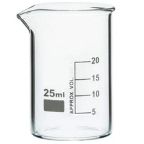 Borosilicate Glass Beaker
 Plastic Beaker (Euro Design)
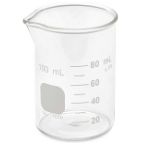 Plastic Beaker (Printed Graduation)
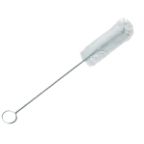 Test Tube Brush
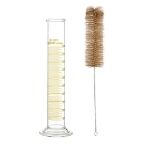 Measuring Cylinder Brush
 Conical Flask Brush
 Volumetric Flask Brush
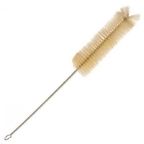 Round Bottom Flask Brush
 Glass Beaker Brush
 Pipette Brush
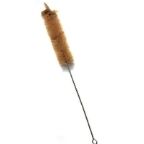 Wash Bottle Brush
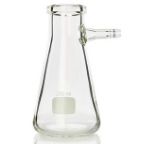 Borosilicate Büchner Flask
 Borosilicate Erlenmeyer/Conical Flask
 Borosilicate Pear-Shaped Flask
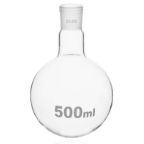 Borosilicate Round Bottom Flask
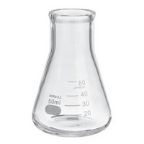 Plastic Conical Flask
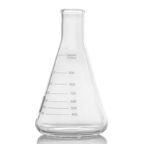 Plastic Volumetric Flask
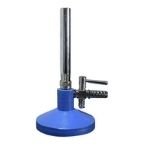 Bunsen Burner
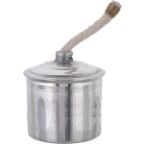 Spirit Lamp
 Borosilicate Glass Burette
 Plastic Burette
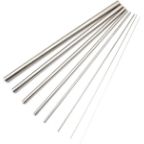 Capillary Tube
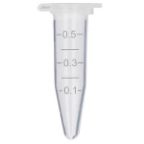 Centrifuge Tube
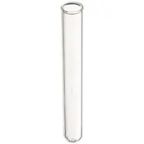 Test Tube
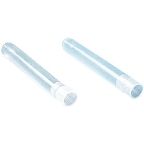 Ria Vial
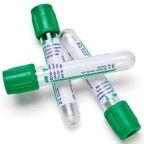 Vacutainer Tubes
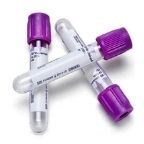 Syringes
 Student Microscope
 Binocular Microscope
 Dissecting Microscope
 Microscope Glass Slides
 Cover Slip
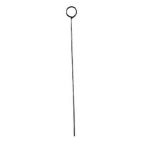 Inoculating Loop
 Slide Box
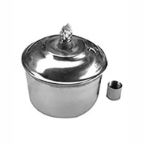 Lamps
Lamps
 Oils
Oils
 Beaker Tongs
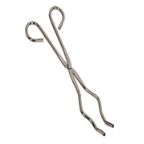 Crucible Tongs
 Flask Tongs
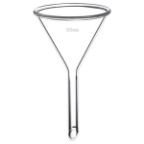 Borosilicate Glass Funnel
 Plastic Funnels
 Wash Bottle
 Borosilicate Glass Reagent Bottle
 Plastic Reagent Bottle
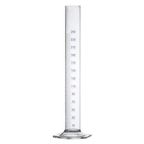 Borosilicate Measuring Cylinder
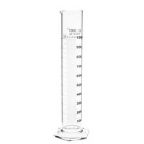 Plastic Measuring Cylinder
 Borosilicate Glass Graduated Pipette
 Borosilicate Glass Volumetric Pipette
 HB Pipette
 Pasteur Pipette
 Micropipettes
 Micropipette Tips
 Filter Paper
 Litmus Paper
 pH Paper
 Chromatography Paper
 Plastic Petri Plates (Sterile)
 Glass Petri Plates (Non-Sterile)
 Safety Goggles
 Lab Coats
 Gloves
 Masks
Masks
 Shoe Covers
 Hair & Beard Covers
 Steel Spatula
 Plastic Spatula
 Hitachi Sample Cup
 Plastic Scoop
 Plastic Medicine Cup
 Dissecting Tool Kit
 Dissecting Forceps
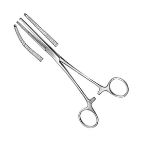 Hemostatic Forceps
 Thumb Forceps / Tweezers
 Blood Culture Bottle
 Urine Container
 Wooden Swab Stick
 Test Tube Holder
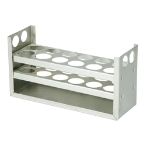 Test Tube Racks
 Magnifying Glass
 Watch Glass
 Mortar and Pestle
 Coplin Jar
 Plastic Stirrer
 Glass Stirrer
 Crucible
 Tripod
 Wire Mesh
 Laboratory Thermometer
 Tourniquet
 Alcohol Swab
 Blood Lancet
 Bandage
 Gloves & Masks









Centrifuge – A Comprehensive Guide for Everyone

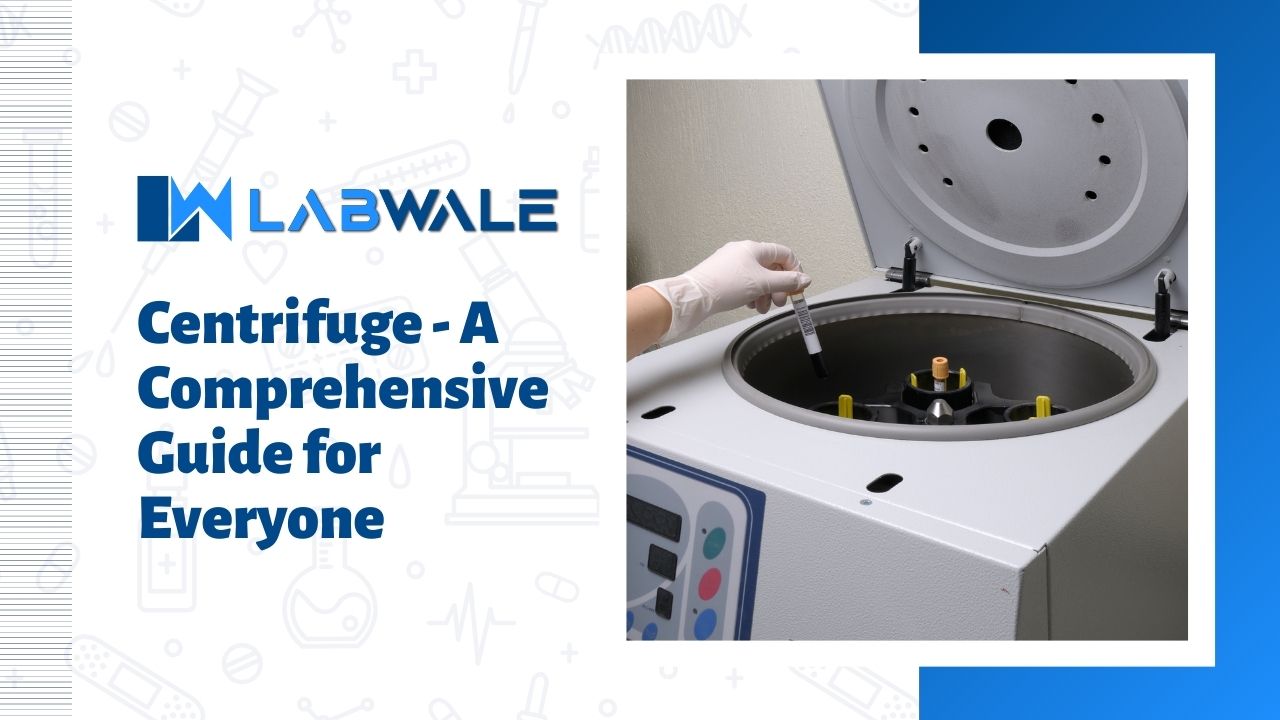
Introduction to Centrifuges
Centrifuges are the unsung heroes of laboratories and industries alike. They spin their way into our daily tasks, efficiently separating substances with remarkable precision. Have you ever wondered how they work or what makes them so essential? From medical labs to research facilities, these powerful devices perform a vital role in various applications.
In this comprehensive guide, we’ll unravel the mysteries behind centrifuges—from their fundamental principles to the latest advancements in technology. Whether you’re a scientist seeking clarity on rotor types or an industry professional looking for energy-efficient models, we’ve got you covered. Join us on this journey as we explore everything centrifuge-related and help you choose the right one for your needs!
What Is a Centrifuge and How Does It Work?
A centrifuge is a powerful laboratory instrument used to separate components of a mixture based on their densities. By spinning samples at high speeds, it generates centrifugal force that pushes heavier particles outward, while lighter particles remain closer to the center.
The operation is straightforward. You place your sample in the rotor and close the lid securely. Once activated, the motor spins the rotor rapidly. This speed creates a force that accelerates sedimentation.
Different materials behave uniquely under these forces. For example, cells may settle while proteins remain suspended in solution. This principle makes centrifuges invaluable across various scientific fields.
Centrifuges come with adjustable settings for speed and time to optimize separation according to specific needs. Understanding how they work enhances your ability to achieve precise results in research or clinical applications.
The Science Behind Centrifugal Force
Centrifugal force is a fascinating concept rooted in physics. It’s often described as an outward force experienced by objects in a rotating system. This phenomenon occurs due to inertia—the tendency of objects to resist changes in their state of motion.
When a centrifuge spins, it creates rapid acceleration that pushes samples away from the center. The faster the rotation, the stronger this apparent force becomes. As materials inside the rotor experience varying velocities, denser particles migrate toward the bottom or outer edge.
This separation based on density is what makes centrifugal force so valuable in laboratories and industrial applications alike. It’s not just about speed; it’s about harnessing motion effectively for precise results.
Understanding this science helps users optimize centrifugation processes and achieve better outcomes across various fields—from molecular biology to clinical diagnostics.
Key Components of a Standard Laboratory Centrifuge
A standard laboratory centrifuge consists of several key components that work together to ensure effective separation of substances. The rotor is perhaps the most critical part, responsible for holding the samples and spinning them at high speeds.
The drive mechanism powers the rotor, typically using a motor that can achieve varying speeds depending on the application. Control panels allow users to set parameters like time and speed, making operation straightforward and efficient.
Another essential component is the lid or cover. This not only ensures safety by preventing accidents during operation but also helps maintain balance as samples are spun.
Additionally, many centrifuges feature imbalance detection systems that automatically stop the machine if something goes wrong. These components come together to provide reliable performance in various laboratory settings, ensuring precise results every time you spin your samples.
Different Types of Centrifuges Explained
Centrifuges come in various types, each designed for specific tasks. Understanding these differences is crucial for effective use.
Benchtop centrifuges are compact and ideal for smaller laboratories. They’re easy to operate and can handle a variety of samples without taking up much space.
Floor-standing centrifuges, on the other hand, offer greater capacity and power. These are perfect for larger batches or more demanding applications, often used in research institutions.
High-speed centrifuges spin at impressive rates, making them suitable for separating cellular components rapidly. In contrast, ultra-centrifuges achieve even higher speeds and are essential in advanced biochemistry studies.
Each type serves unique purposes within different settings. Choosing the right one depends on your specific needs and sample types.
Benchtop vs. Floor-Standing Centrifuges
Benchtop centrifuges are compact and designed for limited workspace. They fit comfortably on laboratory benches, making them ideal for smaller labs or research facilities.
These models typically handle lower capacity workloads but are perfect for routine applications like cell culture or sample preparation. Their ease of use and quick setup appeal to many scientists.
On the other hand, floor-standing centrifuges boast larger capacities and can accommodate bigger samples. These machines are more powerful, suitable for high-throughput tasks in busy laboratories.
Their design often allows multiple rotors and higher speeds, enhancing versatility. However, they require dedicated space and installation considerations due to their size.
Choosing between these two comes down to your specific needs—space constraints versus workload demands play a crucial role in this decision-making process. Each type has its unique advantages that cater to different laboratory environments.
High-Speed and Ultra-Centrifuges Overview
High-speed and ultra-centrifuges play vital roles in advanced laboratory settings. These machines are engineered to achieve much higher speeds than standard centrifuges, significantly enhancing separation efficiency.
High-speed centrifuges typically operate at speeds of up to 20,000 RPM. They excel in routine applications like cellular fractionation and protein purification. Researchers often rely on these devices for reliable results without excessive complexity or costs.
On the other hand, ultra-centrifuges can reach astonishing speeds exceeding 100,000 RPM. This capability allows scientists to separate microscopic particles such as viruses or subcellular organelles with remarkable precision.
The technology behind these instruments involves sophisticated design features that ensure stability and safety during operation. The increased centrifugal force generated by these models enables faster sedimentation rates and improved yield quality across various experiments.
Choosing between high-speed and ultra-centrifuge depends largely on specific research needs, sample types, and desired outcomes.
Common Applications of Centrifuges in Laboratories
Centrifuges play a vital role in laboratories across various fields. They are essential for separating components of different densities in liquids. This separation is crucial for processes like DNA extraction, where cells need to be broken down to isolate genetic material.
In biochemistry labs, centrifugation helps purify proteins and enzymes from complex mixtures. It allows researchers to obtain high-quality samples for analysis and experimentation.
Clinical laboratories rely on centrifuges for blood sample processing. The device separates plasma or serum from blood cells, aiding in diagnostics and treatment planning.
Environmental labs utilize centrifuges to analyze soil and water samples. By separating particulate matter, scientists can assess contamination levels effectively.
Research facilities use them extensively as well, particularly when working with cell cultures or isolating specific organelles from cells. Each application demonstrates the versatility and importance of this technology in advancing scientific understanding.
Industrial Uses of Centrifugation Technology
Centrifugation technology plays a vital role in various industrial processes. It’s employed extensively in the food and beverage sector for separating cream from milk, clarifying juices, and concentrating fruit purees. This efficiency enhances product quality while reducing waste.
In the chemical industry, centrifuges are crucial for separating solids from liquids during production. They help streamline operations and ensure consistency in final products.
Pharmaceutical companies utilize centrifugation to purify compounds, isolate proteins, and achieve desired concentrations. The precision of these machines is invaluable when dealing with sensitive substances.
Moreover, wastewater treatment facilities rely on centrifuges to separate solid contaminants from liquid effluents. This process not only improves water quality but also aids in recycling valuable materials.
From oil extraction to mineral processing, the versatility of centrifuge technology makes it indispensable across multiple sectors. Its ability to enhance both productivity and efficiency continues to drive innovation within industries worldwide.
Medical and Clinical Applications of Centrifuges
Centrifuges play a pivotal role in medical and clinical settings, enabling the separation of blood components for diagnostic purposes. By spinning samples at high speeds, they effectively isolate plasma, serum, and cellular elements.
This process is vital for conducting various tests. Clinical laboratories rely on centrifugation to prepare samples for analysis in hematology, immunology, and biochemistry. The ability to obtain pure components enhances test accuracy.
Moreover, centrifuges are integral in research facilities where cell cultures are processed or when isolating DNA from biological fluids. Their efficiency supports advancements in personalized medicine and genetic studies.
In transfusion medicine, centrifugal technology aids in preparing blood products like platelets and red cells. This ensures patients receive safe and effective treatments tailored to their specific needs.
The continuous evolution of centrifuge technology enhances its applications across diverse healthcare fields while improving patient outcomes through precise diagnostics and treatment protocols.
Choosing the Right Centrifuge for Your Needs
Selecting the right centrifuge can be a daunting task. Start by assessing your specific applications. Are you working with biological samples, chemicals, or clinical specimens? Each application may require different specifications.
Next, consider the sample volume and capacity. Benchtop models are ideal for smaller labs with limited space but might not handle larger volumes effectively. If you frequently work with bigger batches, a floor-standing centrifuge could be more suitable.
Speed and force also matter significantly. High-speed options excel in separating fine particles quickly, while ultra-centrifuges provide extreme force for specialized tasks like protein purification.
Don’t forget about rotor types; they come in fixed-angle and swinging-bucket styles. Your choice will affect separation efficiency based on your sample type.
Budget plays an essential role in decision-making. Explore both new and refurbished units to find a reliable option that meets your needs without breaking the bank.
Realated Products


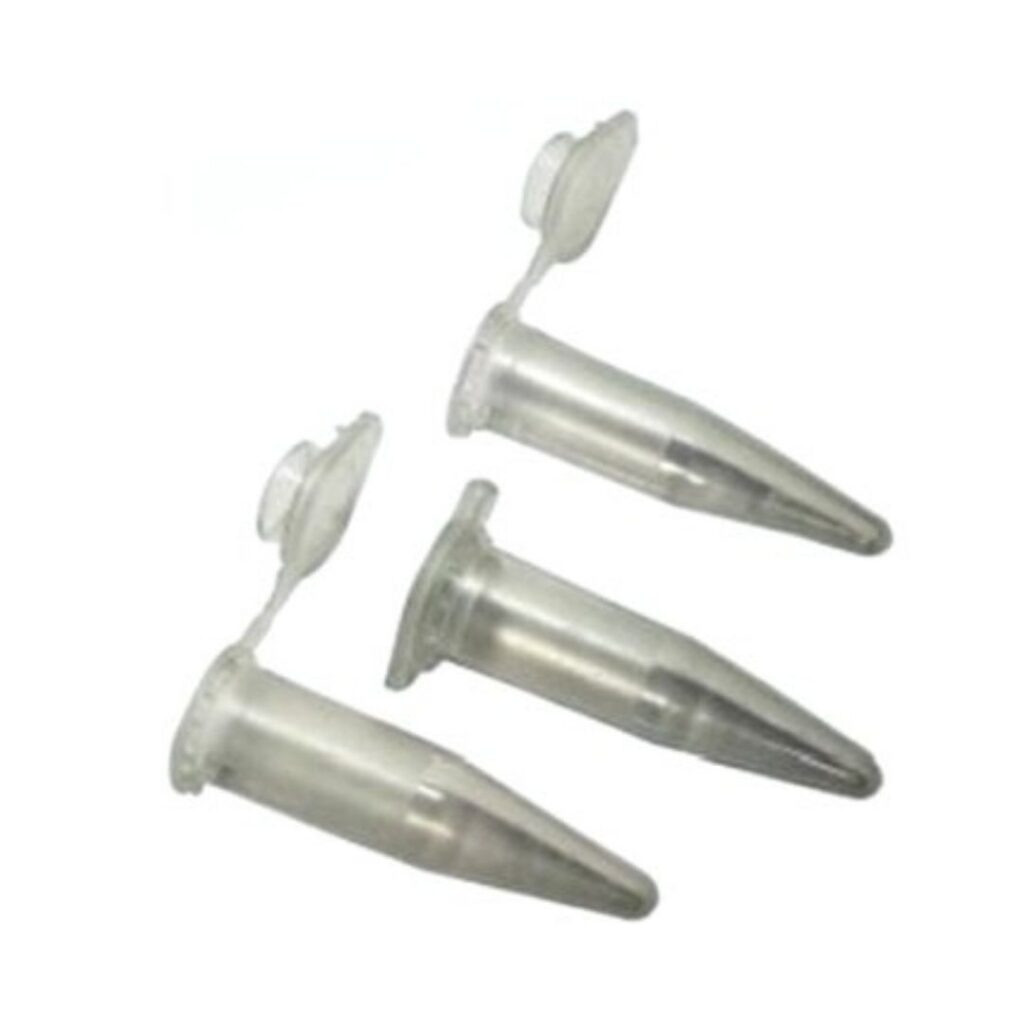




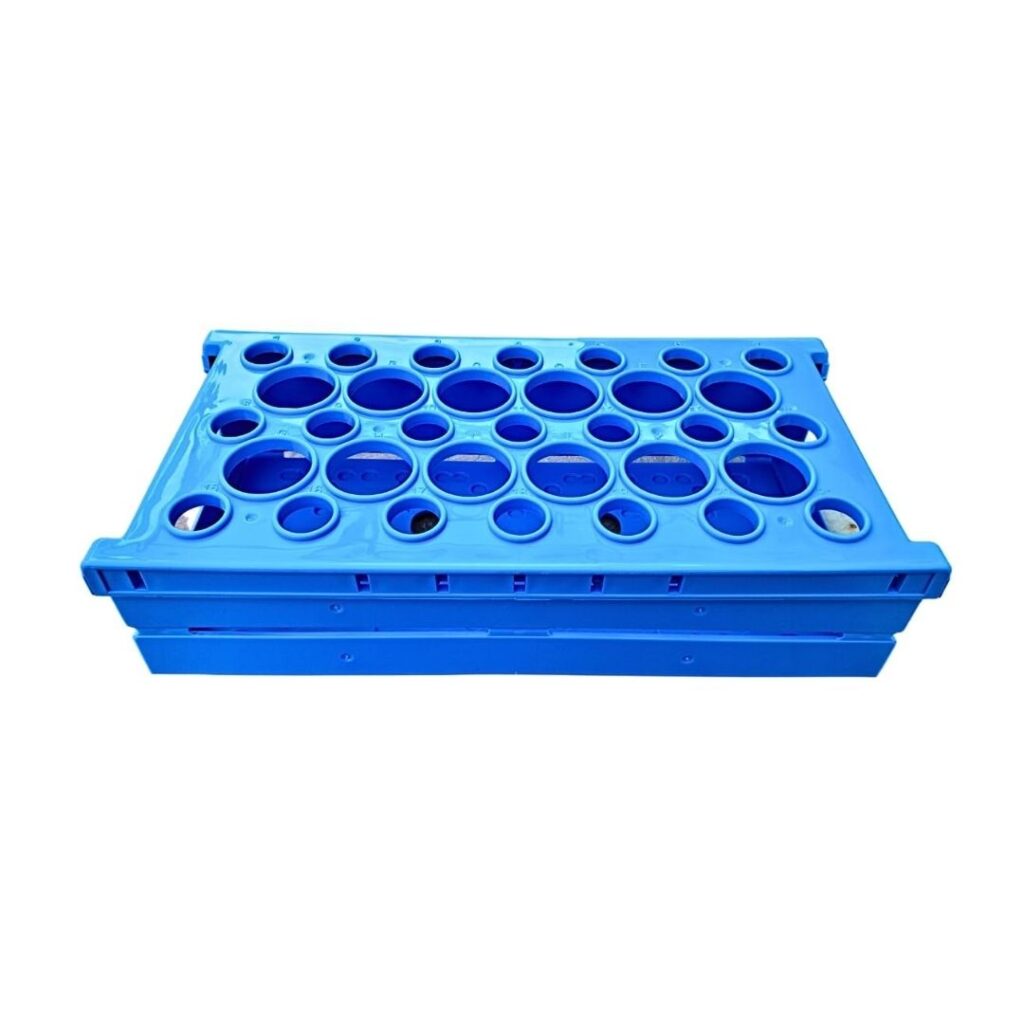
Understanding Centrifuge Rotor Types
Centrifuge rotors play a crucial role in determining the efficiency of separation processes. Understanding the different types can significantly impact your laboratory results.
Fixed-angle rotors hold samples at a specific angle, allowing for rapid sedimentation. They’re ideal for pelleting cells and separating large volumes quickly.
Swinging-bucket rotors offer versatility. As they spin, buckets swing outward, providing a horizontal surface that enhances separation for lighter fractions or delicate samples.
Vertical rotors are designed for maximum speed and minimal space usage. They’re often used in ultracentrifuges to achieve high gravitational forces necessary for certain applications.
Specialized rotors exist as well, such as microcentrifuge and tube holders tailored to accommodate various container sizes. Choosing the right rotor ensures optimal performance while safeguarding sample integrity during centrifugation.
How to Calculate RCF and RPM
Calculating RCF (Relative Centrifugal Force) and RPM (Revolutions Per Minute) is essential for effective centrifugation. These two metrics help ensure optimal separation results.
To calculate RCF, you can use the formula: \( RCF = \frac{(1.118 \times r \times (\text{RPM})^2)}{1000} \). Here, “r” represents the radius of the rotor in centimeters.
Conversely, if you need to find RPM from RCF, rearranging the formula will do the trick: \( RPM = \sqrt{\frac{RCF}{1.118} / r} \).
Utilizing a reliable calculator or app can simplify this process further. Many modern centrifuges come with built-in calculators that automatically adjust settings based on your input parameters.
Understanding these calculations is vital for maximizing efficiency in laboratory protocols while ensuring reproducible results across different experiments.
Proper Centrifuge Setup and Operation
Setting up a centrifuge correctly is essential for optimal performance and safety. Begin by placing the device on a stable, level surface to minimize vibrations during operation. Ensure there’s ample space around the unit for ventilation.
When loading samples, balance is crucial. Always position tubes opposite each other in equal weights to avoid wobbling. Improper balancing can lead to damage or even accidents.
Next, check that rotor caps are secure before closing the lid. This prevents leaks and ensures that samples remain contained throughout the process.
Set your desired speed and time based on sample requirements. Familiarize yourself with specific protocols as different materials may need varied settings.
Once everything is ready, start the machine confidently. Keep an eye on it during operation but maintain a safe distance from moving parts.
Safety Precautions When Using a Centrifuge
Using a centrifuge safely is crucial for preventing accidents and ensuring accurate results. Always start by wearing appropriate personal protective equipment, including gloves, goggles, and lab coats.
Before operating the machine, inspect it thoroughly. Check for any signs of damage or wear on rotors and tubes. Ensure everything is securely fastened to prevent spills or breakage during operation.
Load samples evenly in the rotor to maintain balance. An unbalanced load can lead to excessive vibrations and may even cause the centrifuge to fail catastrophically.
Follow manufacturer guidelines when setting speed and time settings. Never exceed recommended limits as this can compromise both safety and sample integrity.
Keep your workspace tidy. Clutter can lead to mistakes during setup or operation. Never open the lid until the rotor has completely stopped spinning; doing so could result in serious injury from flying debris or splashes.
Maintenance Tips for Long-Term Performance
Regular maintenance is key to ensuring your centrifuge runs smoothly for years. Begin with routine inspections of all components. Check for any signs of wear or damage, especially on rotors and lids.
Cleaning is essential. After every use, ensure that you wipe down the interior and exterior surfaces. Use appropriate cleaning agents that won’t corrode metal parts or harm seals.
Lubrication should not be overlooked either. Refer to the manufacturer’s guidelines for specific lubrication points and intervals. This reduces friction and prolongs the lifespan of moving parts.
Calibration should occur periodically to maintain accuracy in results. Schedule this alongside regular servicing by a qualified technician if necessary.
Keep an eye on operating conditions like temperature and humidity in the lab environment; extremes can affect performance significantly over time. Each small step contributes to long-lasting efficiency.
Common Centrifuge Errors and How to Fix Them
Centrifuges, like any equipment, can encounter issues during operation. One common error is an imbalance in the rotor. This occurs when samples are not distributed evenly. Always ensure equal weight on opposite sides to prevent damage and inaccurate results.
Another frequent problem involves incorrect settings for speed or time. Double-check parameters before starting a run. Even slight deviations can affect your sample separation quality.
Overheating is another concern, especially in high-speed centrifuges. Ensure that cooling systems are functioning properly and avoid prolonged runs without breaks.
Frequent vibrations indicate potential wear or misalignment of components. Regular maintenance checks can help identify these issues early.
Always clean rotors and tubes after use to prevent contamination or degradation of future samples. A clean machine operates more efficiently and produces reliable results consistently.
Cleaning and Calibration Guidelines
Regular cleaning and calibration are vital for maintaining centrifuge performance. A clean machine ensures accurate results and prevents cross-contamination.
Start by unplugging the device before any cleaning process. Use a soft cloth dampened with mild detergent to wipe down surfaces. Avoid abrasive cleaners that can damage components.
Pay special attention to rotors, buckets, and lids. These areas can harbor residues from previous samples. Rinse them thoroughly after washing, ensuring no detergent remains behind.
Calibration is equally important for precision in your work. Follow the manufacturer’s guidelines on frequency and methods for checking accuracy. Utilize certified weights or test solutions to confirm functionality.
Document each cleaning and calibration session meticulously in a logbook. This practice not only tracks maintenance but also aids in troubleshooting potential issues down the line. Regularly reviewing this log helps ensure optimal operation of your centrifuge over time.
Factors Affecting Centrifugation Efficiency
Centrifugation efficiency relies on several key factors. First, the speed is crucial. Higher speeds increase centrifugal force, enhancing separation effectiveness.
Temperature also plays a significant role. Some samples are sensitive to heat, which can affect particle behavior and results. Maintaining an optimal temperature ensures better performance.
Sample volume cannot be overlooked either. Overloading the centrifuge can lead to incomplete separation or damage to the equipment. It’s essential to adhere to manufacturer guidelines regarding load capacity.
Rotor type significantly impacts outcomes as well. Different rotors are designed for specific applications and sample types, influencing how efficiently materials separate under centrifugal force.
Time duration influences efficiency too; insufficient spinning may yield poor results while excessive times can lead to sample degradation or alterations in properties. Monitoring these factors closely will enhance your centrifugation experience and outcomes.
Latest Innovations in Centrifuge Technology
Centrifuge technology is rapidly evolving, driven by the need for efficiency and precision. Recent innovations focus on automation and advanced control systems, allowing users to monitor processes in real time. This enhances accuracy while reducing human error.
Another exciting development is the integration of smart features into centrifuges. These machines now come equipped with software that can analyze samples automatically and adjust settings accordingly. Users benefit from more reliable results with less hands-on work required.
Energy efficiency has also become a priority. New designs minimize power consumption without sacrificing performance, aligning with global sustainability goals.
Moreover, noise reduction technologies are making laboratory environments quieter than ever before. This advancement not only improves comfort but also helps maintain concentration during critical experiments.
As these innovations continue to unfold, the future of centrifuge technology looks promising for researchers across various disciplines.
Energy-Efficient and Noise-Reduced Centrifuge Models
Energy-efficient and noise-reduced centrifuge models are transforming laboratory environments. These innovations focus on sustainability while maintaining high performance.
Modern designs incorporate advanced motors and precision engineering to minimize energy consumption. This not only lowers operational costs but also reduces the environmental footprint of research activities.
Noise reduction technology is equally impressive. Sound-dampening materials and optimized rotor dynamics help create a quieter workspace, allowing researchers to concentrate better without disruptive background sounds.
Choosing these models can lead to significant savings over time. Laboratories can benefit from both cost-efficiency and enhanced comfort for personnel, making it a win-win situation in any setting.
As the demand for eco-friendly solutions rises, manufacturers are continuously developing smarter centrifuges that meet these criteria without compromising results.
Cost Considerations and Budget-Friendly Options
When it comes to centrifuges, cost is often a significant factor. Many laboratories face strict budgets, which can make selecting the right equipment challenging.
A wide range of models exists at different price points. While high-end machines offer advanced features and precision, budget-friendly options can still deliver reliable performance for routine tasks.
Consider purchasing refurbished or used centrifuges. They often come with warranties and have undergone thorough inspections, making them an economical choice without sacrificing quality.
Another option involves evaluating smaller benchtop models that provide essential functionalities at lower costs. These units are perfect for labs with limited space and financial resources.
Don’t forget about energy-efficient models as well; they may have a higher upfront cost but save money in the long run through reduced operating expenses. Always compare features against your specific needs before making a purchase decision for better value.
Final Thoughts on Selecting a Reliable Centrifuge
Selecting a reliable centrifuge is crucial for any laboratory or industrial setting. The right choice can greatly impact your results and efficiency.
Consider the specific applications you will be using it for. Are you working with delicate samples or heavy-duty materials? Each type of centrifuge serves distinct purposes, so understanding your needs is essential.
Don’t overlook the importance of user-friendly features. Intuitive controls and clear displays make daily operations smoother, saving time and reducing errors.
Budget plays a significant role too. High-end models may offer advanced technology but explore options that fit within your financial constraints without compromising quality.
Evaluate manufacturer support and warranty options. A responsive service team can make all the difference when technical issues arise, helping to ensure minimal downtime in your work processes.
Frequently Asked Questions About Centrifuges
When it comes to centrifuges, many users have questions that arise from their experiences. Here are some frequently asked queries about these vital laboratory instruments:
What is the main purpose of a centrifuge?
Centrifuges are primarily used for separating components in a mixture based on their density. This can include cells, proteins, and other biological materials.
How do I determine which type of centrifuge I need?
Your choice depends on your specific applications—whether you’re working in clinical diagnostics, research, or industrial settings—and the volumes and types of samples you handle.
What should I consider when operating a centrifuge?
Always ensure proper balancing of your samples within the rotor to prevent damage or accidents during operation. Following manufacturer guidelines for setup is essential too.
Can I use any rotor with my centrifuge model?
No, each centrifuge has compatible rotors designed specifically for its specifications. Using an incompatible rotor can lead to inefficiency or safety hazards.
How often should a centrifuge be calibrated?
Regular calibration is recommended according to usage frequency and manufacturer’s instructions—typically annually—to maintain accuracy and performance.
 Cardiology
 Clinical Oncology